Employee donation programs at many large companies can double or triple contributions to qualifying shelters and breed-specific health groups, stretching each gift further for animal care.
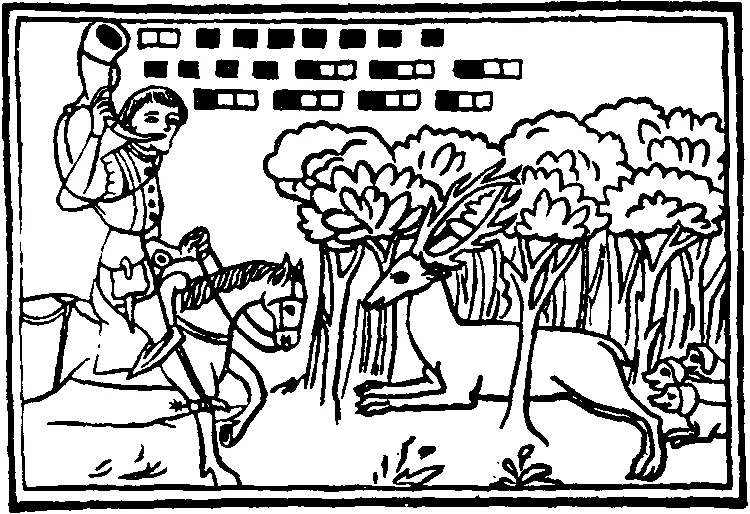
Royal charters set rules for restraining dogs to protect game, while hunting manuals later recorded the calls and names used by those who followed hounds on the trail.
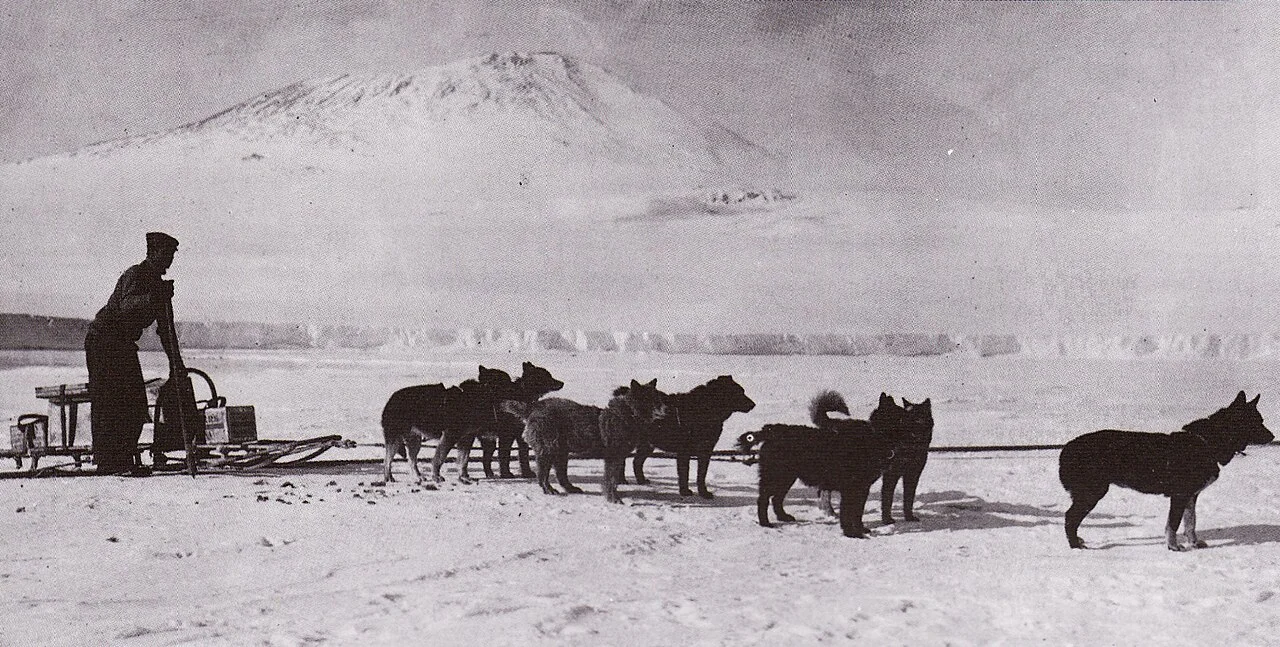
Norwegian and British expeditions to Antarctica in the early 20th century relied on working dogs for transport, with outcomes shaped by breed selection, feeding, and handling practices drawn from Arctic traditions.
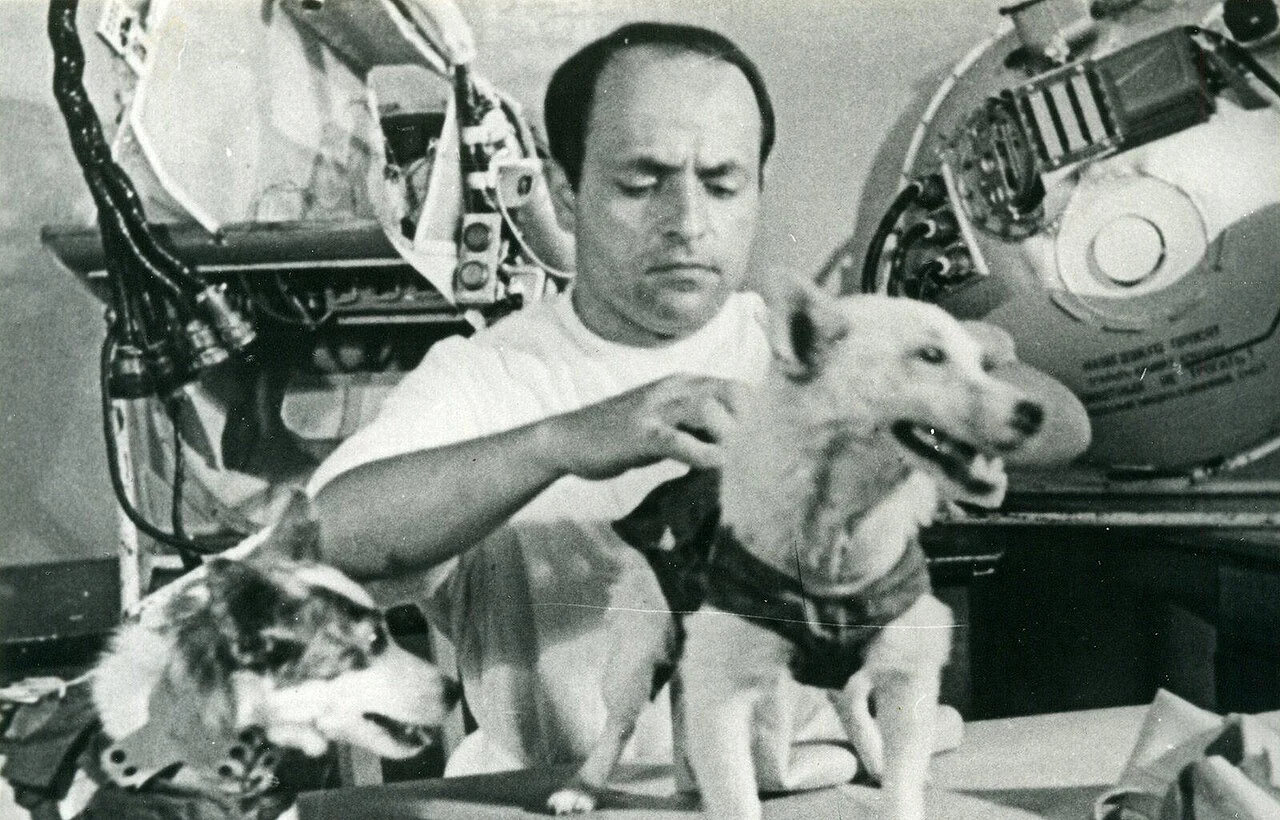
From suborbital rocket rides in the early 1950s to the first safe returns from space, mixed-breed street dogs from Moscow played a documented role in gathering data on launch stresses, weightlessness, and reentry.
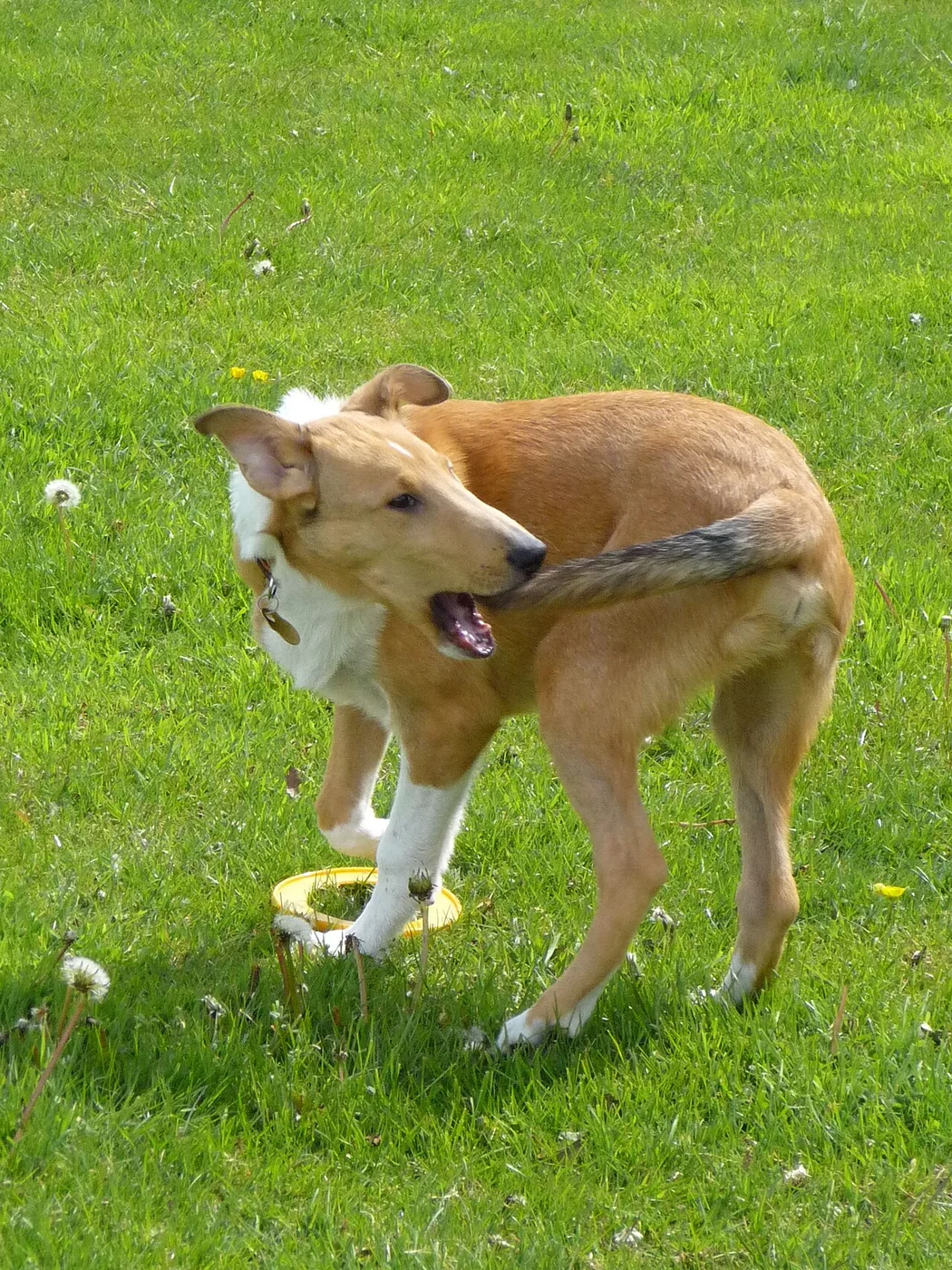
In this fictional satire, a philosophical hound spirals over the futility of chasing its own tail until enrichment toys that echo ancestral hunting instincts step in to restore a sense of purpose.
Research on thousands of dogs shows that higher inbreeding levels often link to greater health problems, while mixed-breed dogs tend to carry fewer homozygous disease variants.
Studies show many former breeding dogs carry lasting fears and health differences even after years in adoptive homes, pointing to the value of careful preparation and ongoing support.
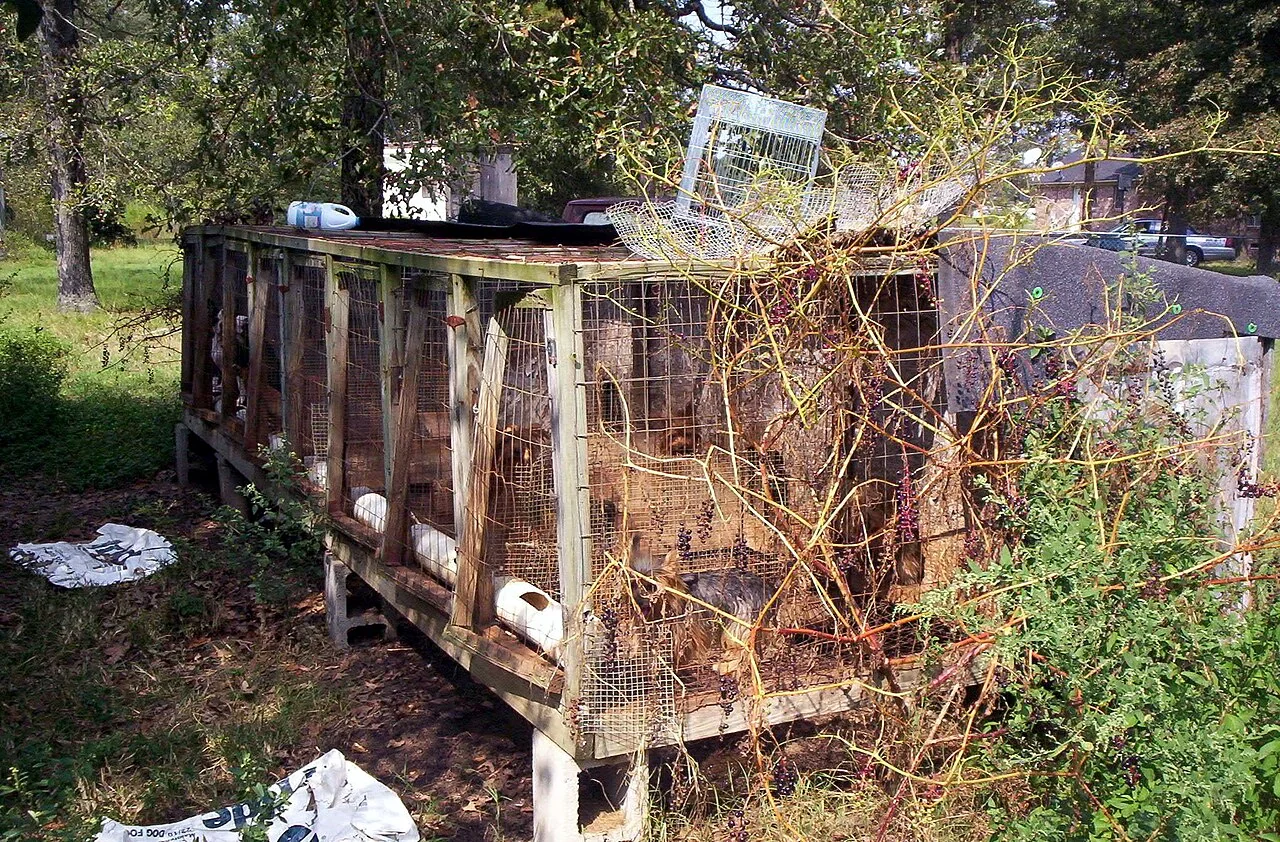
Federal and state breeding laws set basic floors that allow tight cages, repeated litters, and weak oversight, letting many operations stay in business while dogs suffer.
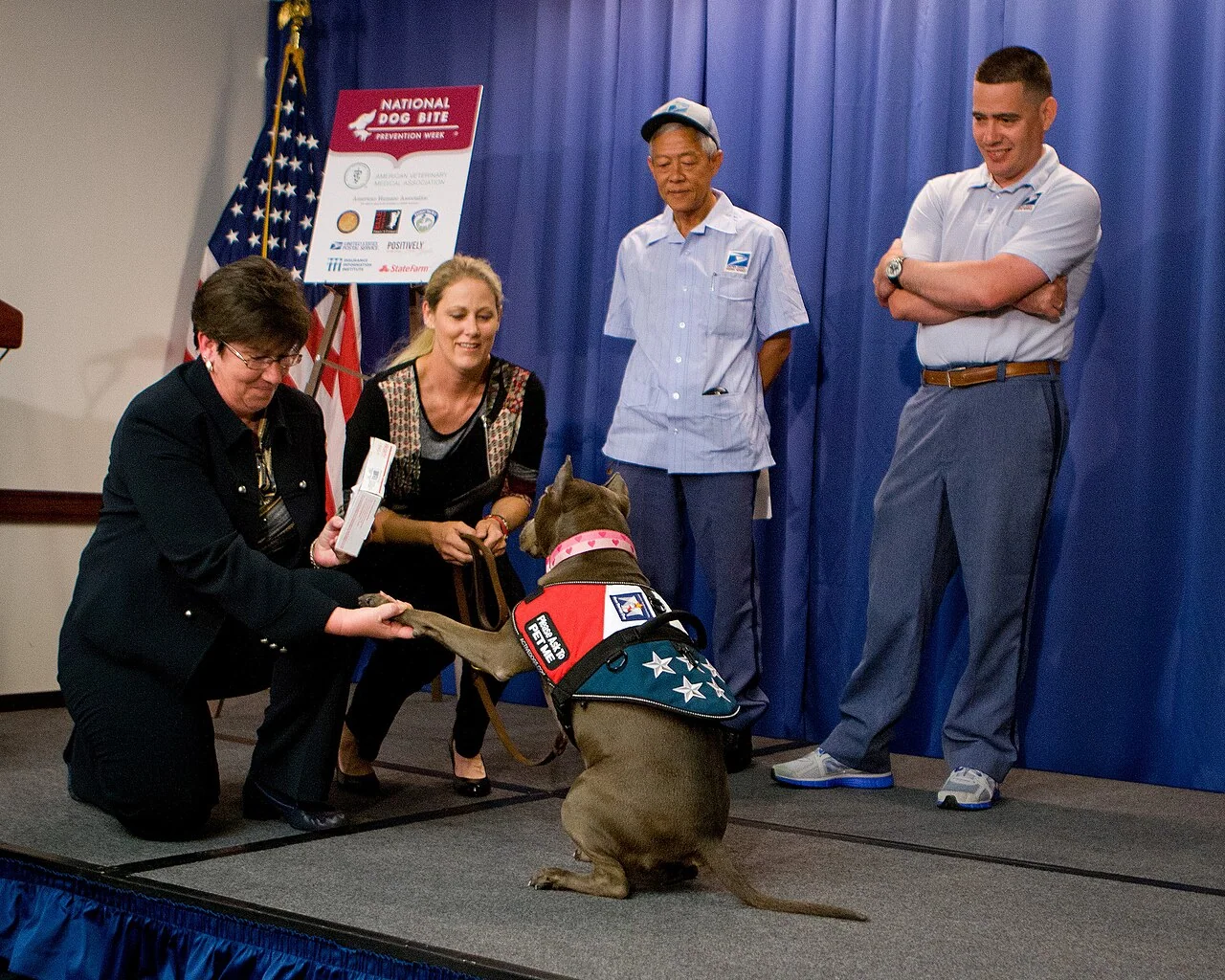
Focusing on certain breeds distracts from the real drivers of dog bites: negligent ownership and missed opportunities for early socialization that affect every kind of pup.
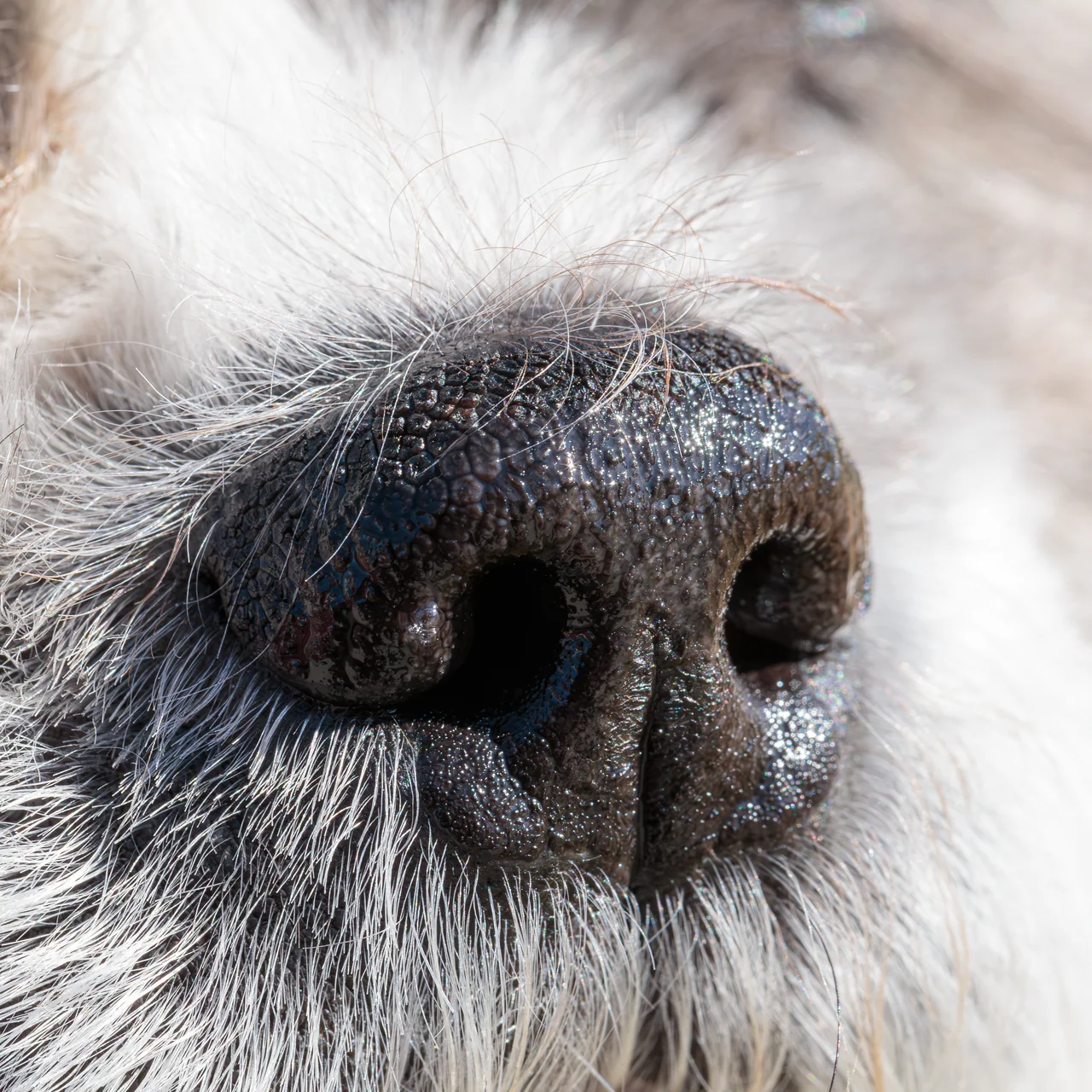
Research shows the number of functional olfactory receptor genes varies among individual dogs, breeds, and their wild relatives, with some patterns linked to physical traits rather than specialized sniffing roles.
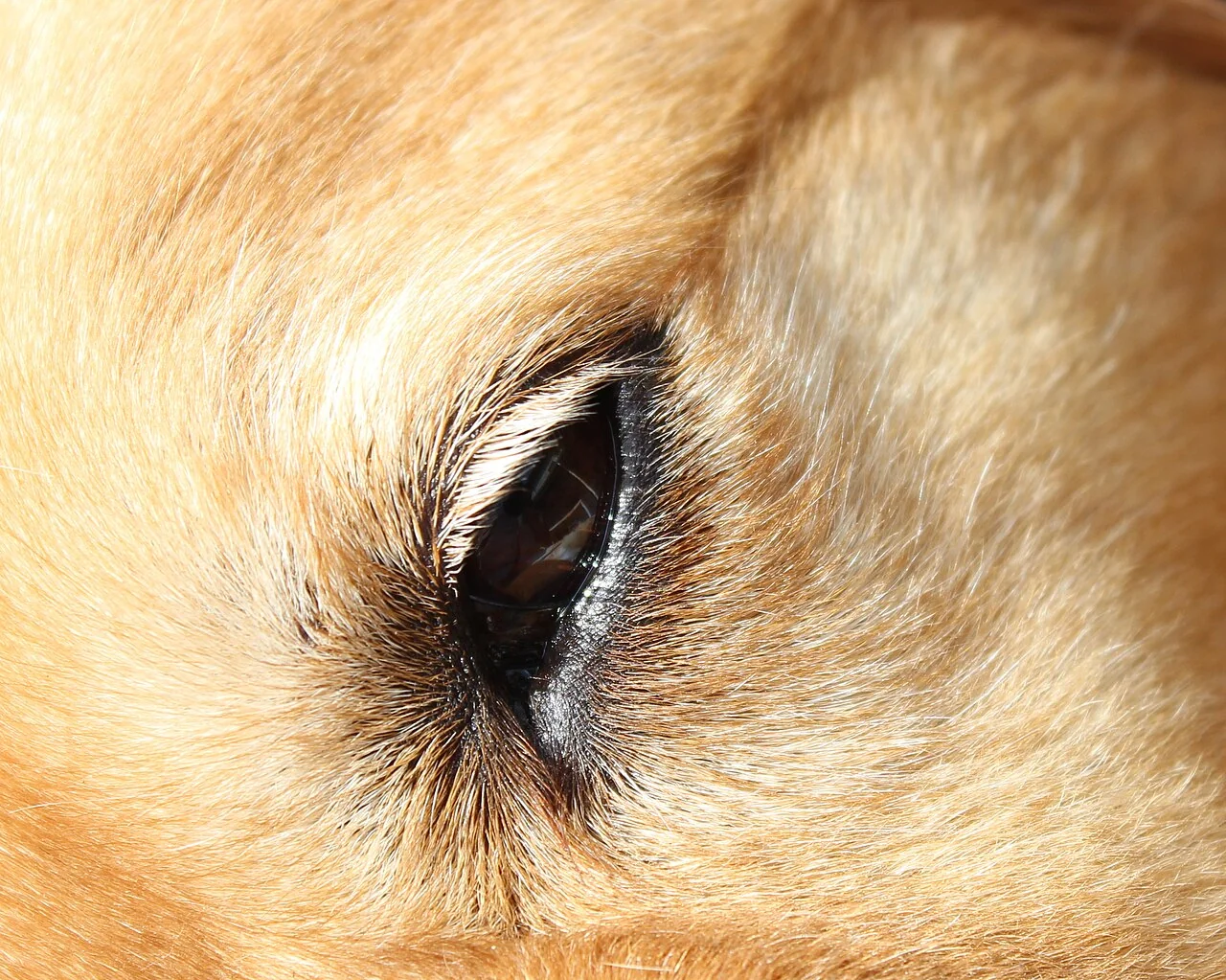
Centuries of human-guided breeding have shaped canine eyes in ways that can affect vision and disease risk, though the details remain an active area of veterinary study.
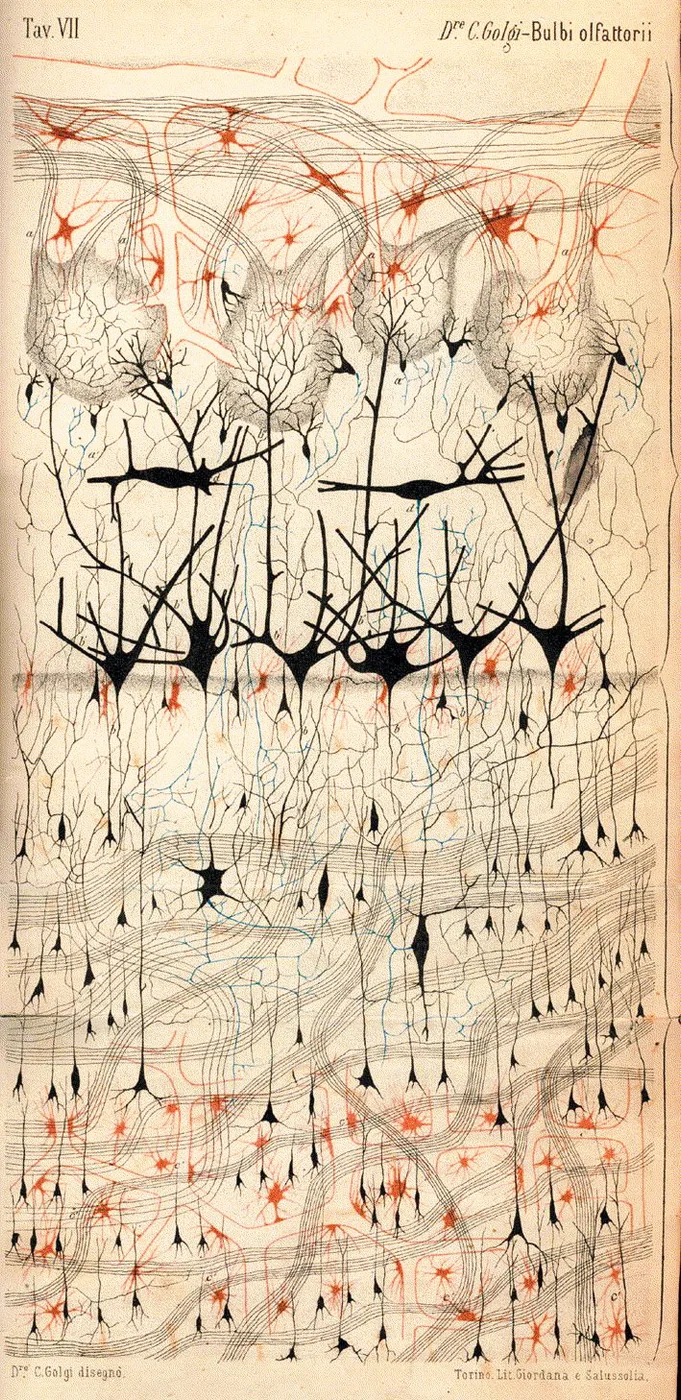
Studies using CT scans and MRI show that breeding for flatter faces in dogs has shifted the position of their olfactory bulbs, with possible effects on scent processing.
Recent studies of dog genomes show how closed breeding and popular sires have reduced genetic diversity and increased harmful variants in some lines, with clear examples in German Shepherds and Cavalier King Charles Spaniels.
Breed-level data show substantial genetic influence on certain cognitive factors, yet the picture remains nuanced and distinct from popular ideas of instant obedience.
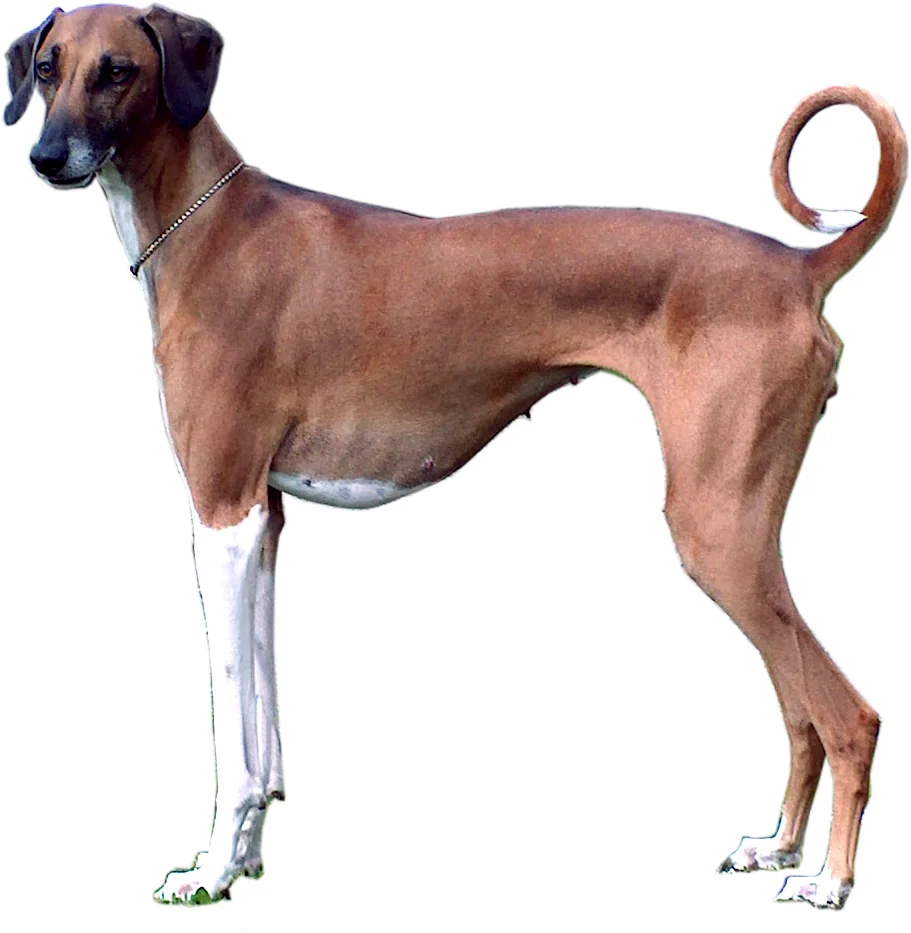
Historical accounts describe how nomadic hunters in the Sahara region combined birds of prey with swift dogs to pursue hare and gazelle, reflecting a shared cultural heritage across North Africa.
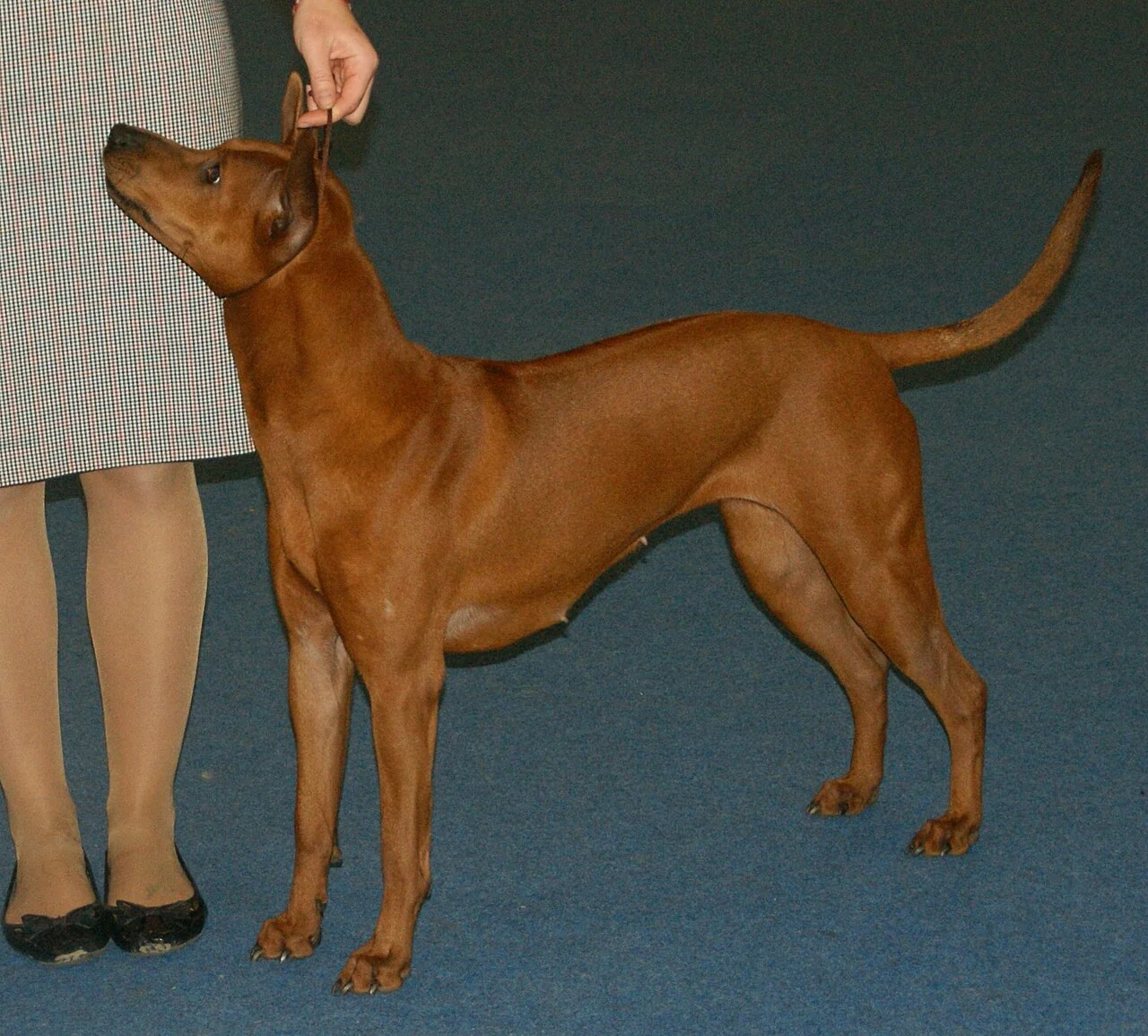
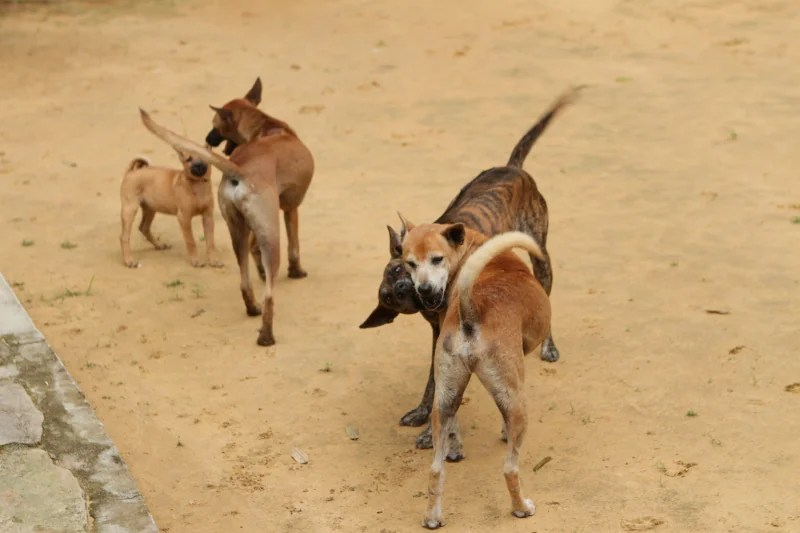
Evidence shows the breed has deep roots in eastern coastal provinces, where it has long served as a regional protector, though claims of specific border patrol heritage remain unsupported.
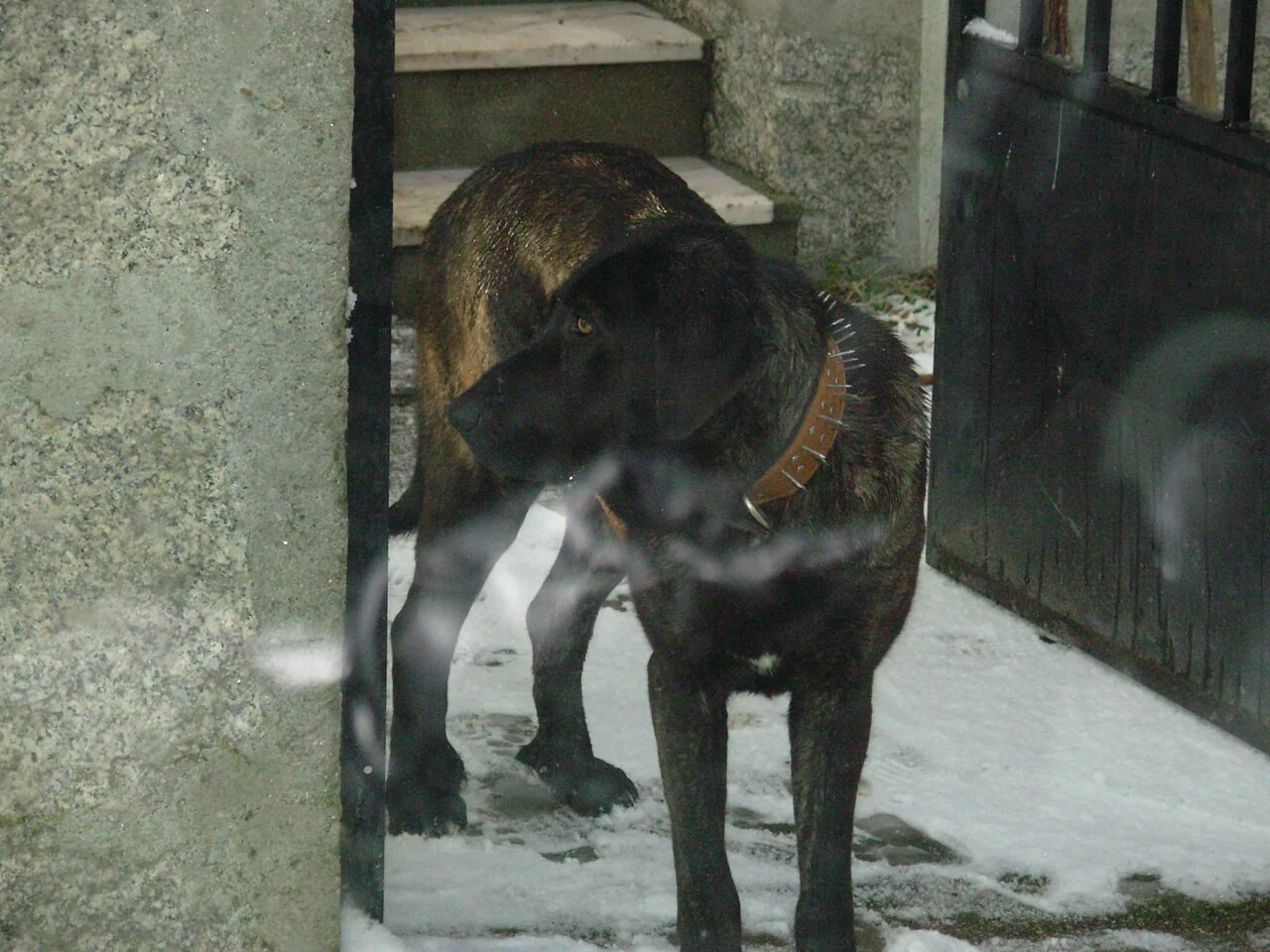
Native guardian breeds from northern Portugal continue to help farmers and conservationists reduce conflicts between people, livestock, and Iberian wolves.
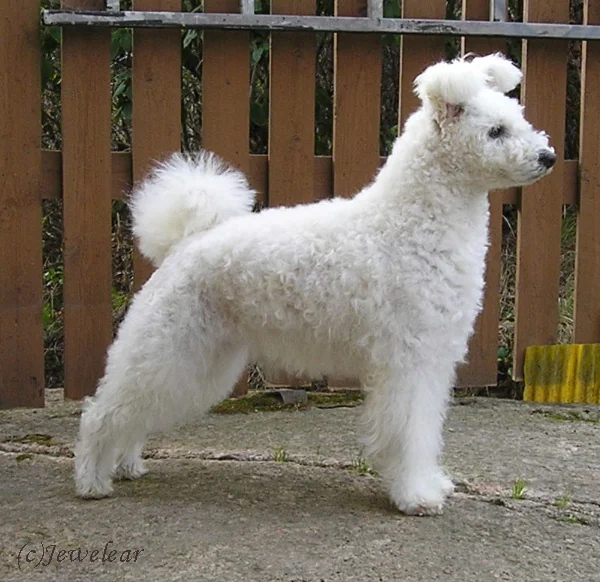
Enthusiastic breeders maintain the working abilities of native Hungarian sheepdogs like the Pumi by organizing instinct tests and style-specific trials rooted in shepherding culture.
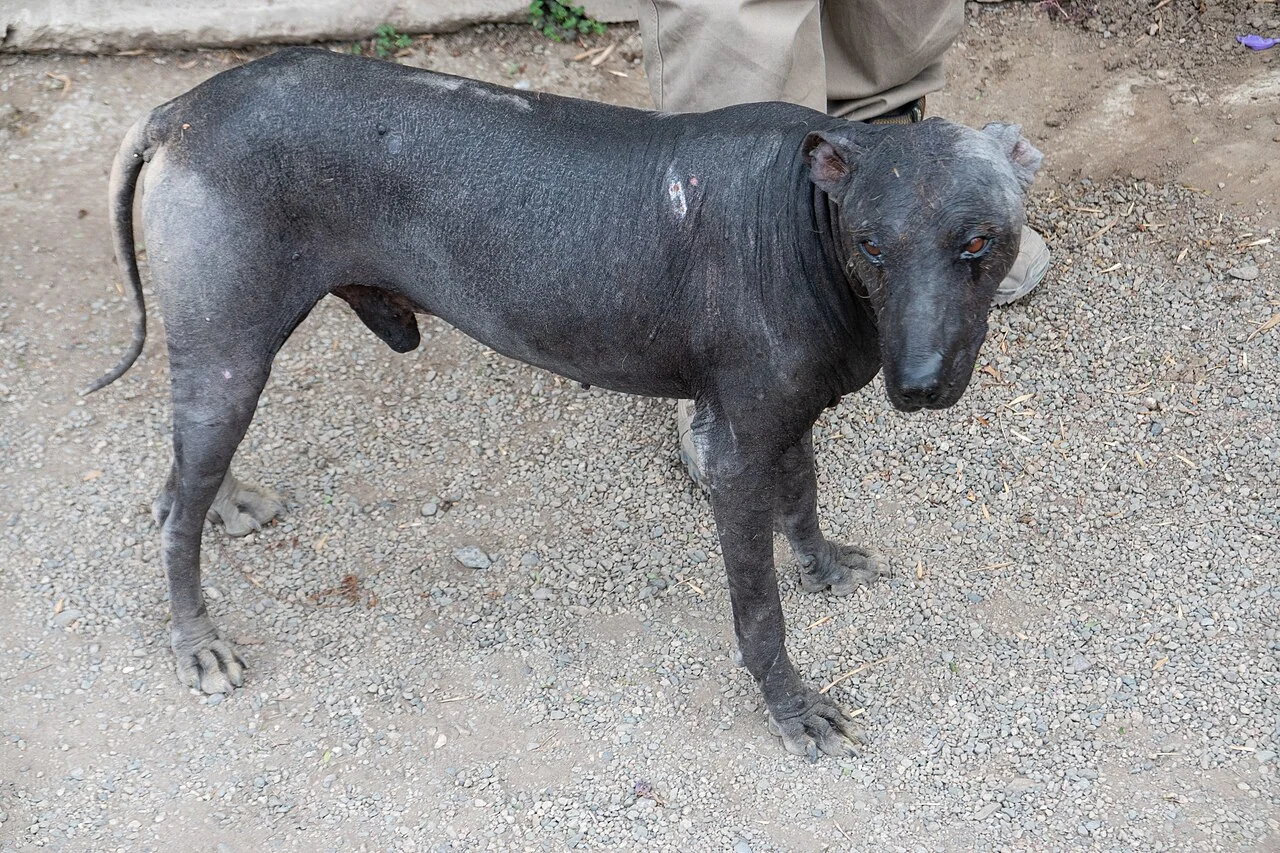
Recognized by international kennel organizations, this unique hairless breed has ties to South American history, though its precise role in pre-colonial textile traditions remains uncertain.
 Historical collection image