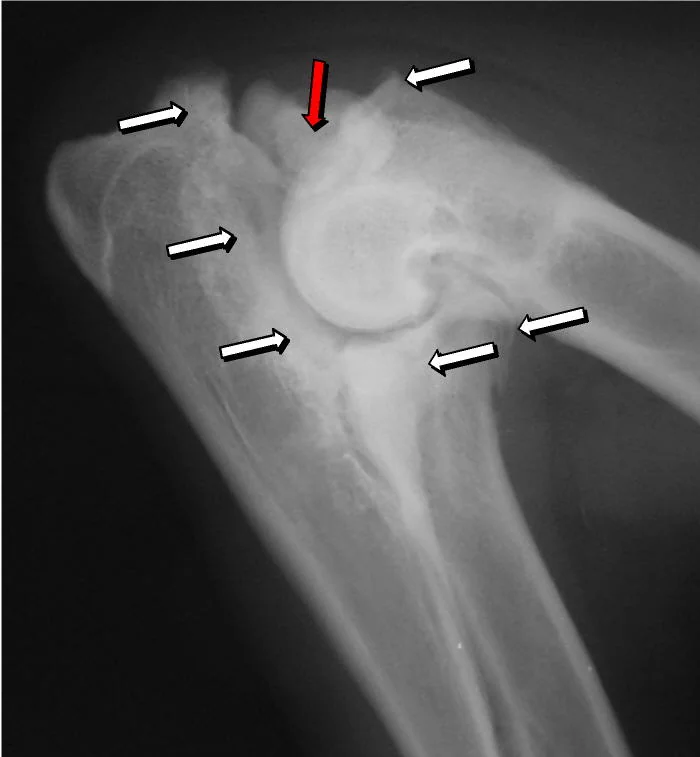
X-ray image of an isolated processus anconaeus in a 5-year-old German Shepherd dog Source collection · CC BY-SA 3.0 · Web size optimized; source linked for the original.
The AKC Canine Health Foundation works to improve the health of all dogs through scientific research. Its projects examine conditions such as joint problems that appear across many breeds and their mixes. While the foundation does not administer direct grants to individual dog owners for personal veterinary costs, its funded studies produce data, genetic tests, and insights that veterinarians and responsible owners can use to make informed decisions about preventive care and treatment. This focus on evidence-based discovery offers a practical form of support for anyone committed to their dog's well-being, mixed heritage or not.
Research Focus on Shared Health Conditions
The foundation has funded more than 1,200 canine health projects since 1995. These efforts have produced over 1,000 peer-reviewed publications cited more than 34,000 times. Among the current studies is one developing a computed tomographic calculator for canine elbow dysplasia, a condition noted as a common cause of joint pain and lameness especially in breeds such as Labrador Retrievers, Rottweilers, and German Shepherds. The project aims to improve diagnostics so veterinarians can better detect, prevent, and treat the issue, which affects dogs of varied backgrounds.
Another funded area includes research into surgical techniques for tumor removal, seeking ways to better assess margins during operations. Such work reflects the foundation's emphasis on conditions that transcend strict breed lines. Genetic studies have also led to the development of 34 genetics tests. These tools can help identify risks and guide breeding or care decisions, offering owners of mixed-breed dogs documented information that may inform conversations with their veterinarians.
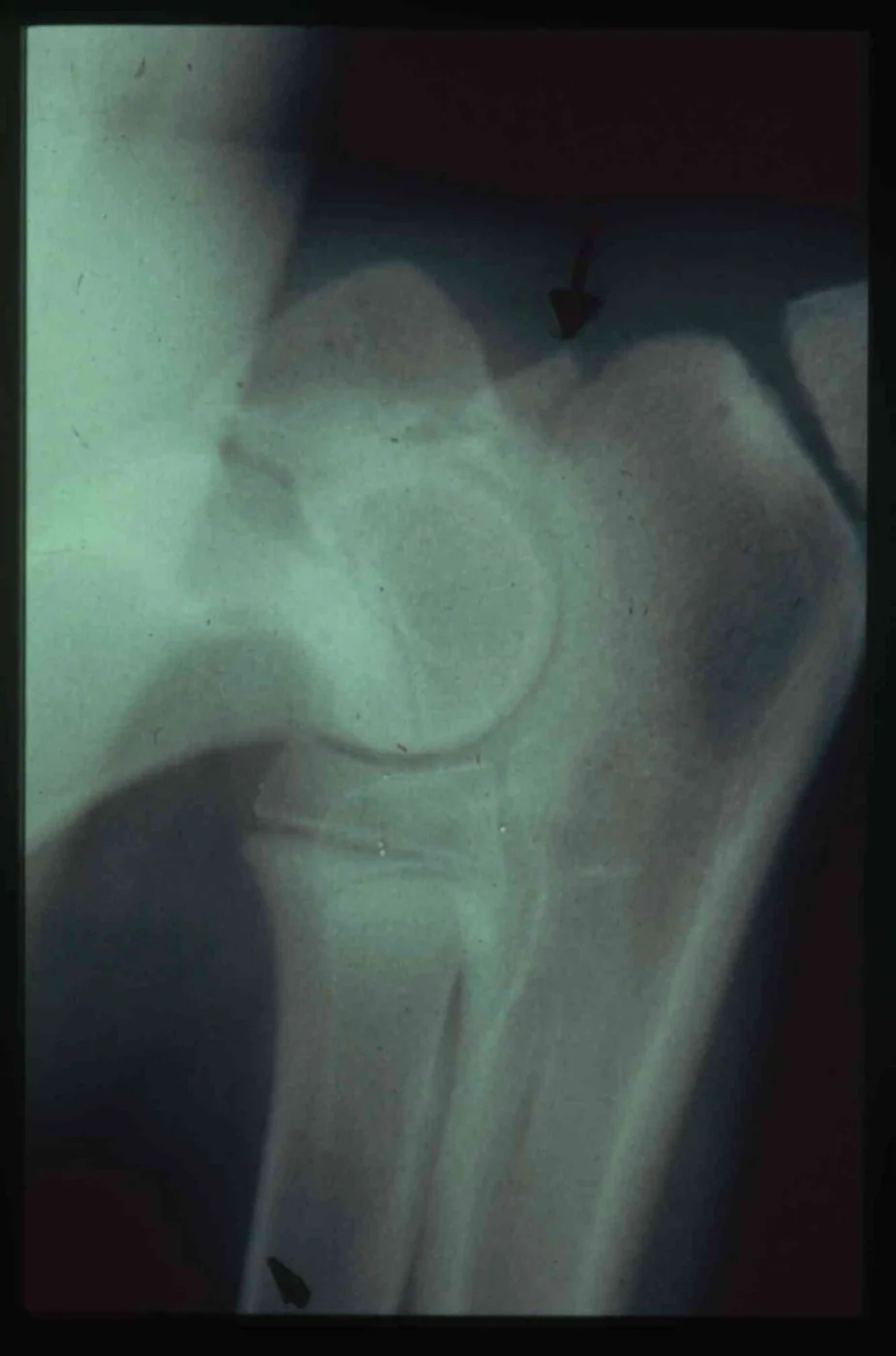
X-ray of an ununited anconeal process (UAP) in a dog, a common cause of elbow dysplasia (historical artifact from National Museum of Health and Medicine veterinary pathology collection). National Museum of Health and Medicine · CC BY 2.0. Web size optimized; original linked.
Eligibility and Scope of Supported Work
The AKC Canine Health Foundation states that it is dedicated to improving the health of all dogs. Its research portfolio covers a wide range of topics, from cancer to orthopedic issues, and the resulting knowledge is intended to benefit mixed-breed and purebred dogs alike. While the foundation does not list specific grant programs that individual owners can apply for using a dog's DNA test results for personal preventive treatments, it does fund investigator opportunities and research that may eventually translate into better clinical tools.
Owners interested in genetic insights can explore the foundation's resources on genetic tests and peer-reviewed findings. The organization maintains a grant directory and an active portfolio of projects. These materials emphasize responsible ownership practices such as regular veterinary care, though they do not require DNA documentation as a prerequisite for accessing general information or participating in certain research studies.
Practical Ways Owners Can Engage
Dog owners can participate in research studies listed by the foundation, some of which are local and others remote. These opportunities allow dogs to contribute to science that may improve future care for all canines. The foundation also encourages donations, volunteering, and honoring loved ones through commemorative bricks, all of which support continued discovery.
Veterinarians remain central to interpreting any genetic test results in the context of a full physical exam. The foundation's educational materials, including webinars and publications, can help owners recognize early signs of issues such as stiffness or changes in breathing. This knowledge supports timely veterinary visits and evidence-based lifestyle choices like appropriate exercise, without replacing professional medical advice.
The foundation highlights groundbreaking discoveries that enhance the health of all dogs. Recent examples include advancements in understanding dwarfism in certain breeds and new technologies for assessing tumors. These findings are shared through peer-reviewed channels and the foundation's own communications, building a body of knowledge that veterinarians can draw upon regardless of a dog's documented ancestry.
By focusing on scientific rigor, the foundation fosters trust. Its 4-star rating from Charity Navigator reflects transparency and stewardship. Local and university initiatives often build on this research to promote education on nutrition and humane training, strengthening the human-canine bond through informed practices rather than direct financial aid to individuals.
Editorial Perspective: Realistic Expectations and Kindness
The evidence shows clear progress in canine health science, yet it does not support the idea that mixed-breed dogs can routinely access specialized monetary grants for supplements or screenings simply by submitting a cheek swab. That notion appears to be an optimistic interpretation not grounded in the provided materials. In reality, the foundation's strength lies in collective advancement: research that eventually helps veterinarians treat dogs more effectively across the board. This is genuinely good news, even if the path from lab to living room involves more steps than a single DNA test.
What practical questions should a caring owner ask? How can I find a reputable genetic test that my veterinarian trusts? What signs in my dog warrant a check-up, regardless of breed percentages? The answers point toward consistent, compassionate routines—gentle exercise, balanced nutrition, and professional guidance—rather than expecting automatic funding. A light-hearted fictional scenario might imagine a clever mutt filling out grant forms with a paw print, but in the real world the foundation's work rewards patience and community support. The implication is hopeful: informed owners, backed by solid research, can give their dogs better lives without needing purebred paperwork.
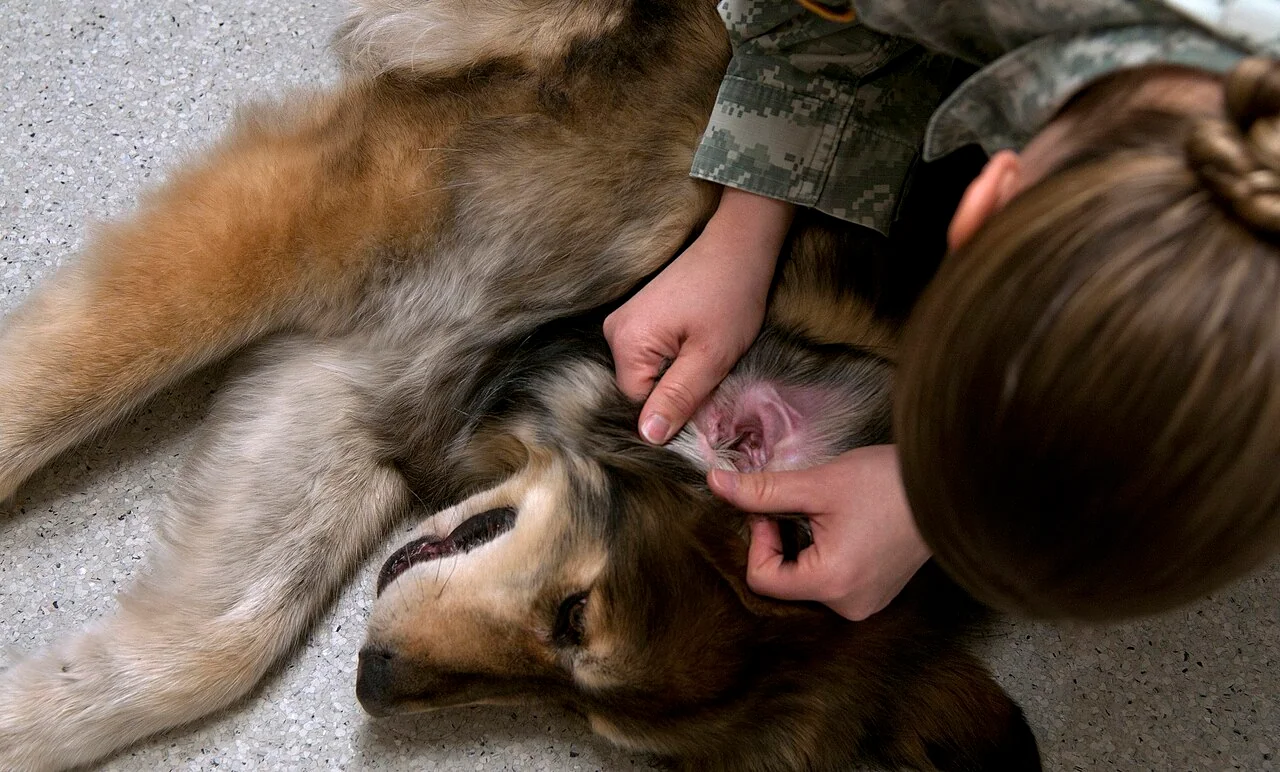
Army Capt. Shannon McLean, U.S. Army Veterinary Treatment Facility officer in charge and veterinarian on F.E. Warren Air Force Base, Wyo., examines the ear canal of Kady, a 7-year-old Saint Bernard Jan. 13, 2015. Airman 1st Class Brandon Valle · Public domain. Web size optimized; original linked.
AI-assisted original writing. This feature was revised against source material and checked for unsupported claims. Follow the references below for evidence and its limits.
 Photograph