Dogs displaced by Hurricane Ike are sheltered at the local center set up by the Humane Society in Galveston Island, TX, September 17, 2008. Jocelyn Augustino · Public domain · Web size optimized; source linked for the original.
At animal shelters, clear communication can turn a hesitant visit into a happy match between a dog and a new family. In communities where many residents speak languages other than English, bilingual staff members and volunteers step forward to bridge those gaps. Their help ranges from explaining a dog's habits to guiding families through paperwork, all in a spirit of warmth and practicality. Evidence from a few humane societies shows this approach fosters trust and helps more dogs find homes without relying on guesswork or rushed interactions.
Language Support in Action at One Humane Society
The Dakin Humane Society in Massachusetts keeps bilingual team members available, mainly for Spanish and English conversations. Eight bilingual employees help with discussions about services, adoptions, veterinary care, and decisions around an animal's quality of life. In one case, an animal resource counselor who later became a volunteer coordinator worked directly with a Spanish-speaking couple who had no English proficiency. The staff member communicated in Spanish so the couple could comfortably interact with a dog, finish the adoption steps, and bring the dog home. The smoother process was credited to the shared language.
A veterinary technician with eight years at the shelter has translated many conversations between staff and Spanish-speaking clients. She has emphasized how valuable it is to assist people who would otherwise lack help. These examples illustrate a practical way shelters reduce barriers. The focus stays on making visitors feel respected so they can make informed choices about caring for a dog. While this particular account centers on staff rather than a large pool of dedicated volunteers, it demonstrates how language access creates welcoming moments that benefit both families and animals.
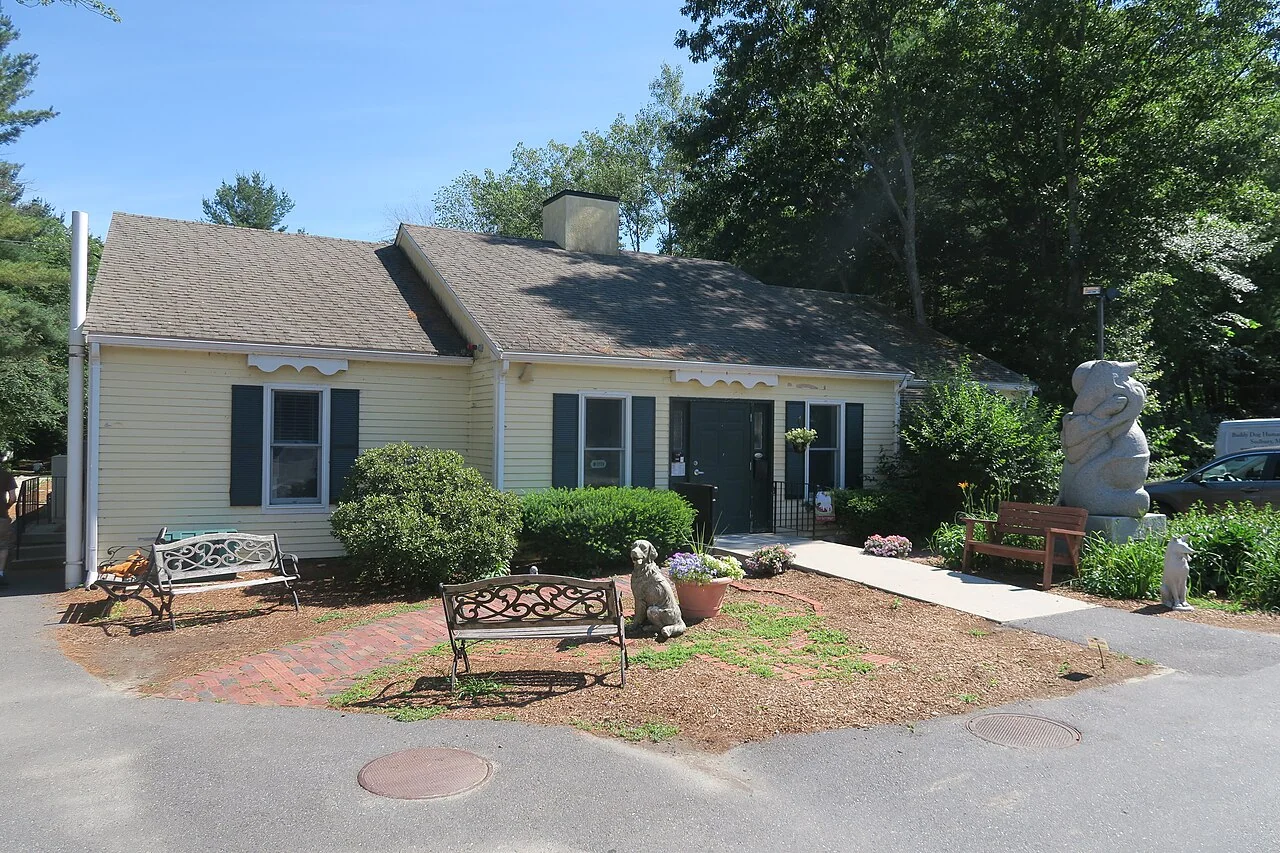
Exterior of the Buddy Dog Humane Society building in South Sudbury, Massachusetts. John Phelan · CC BY 4.0. Web size optimized; original linked.
Building Teams and Materials for Better Reach
Other organizations in programs like the Maddie's Fund Open Arms Challenge have taken steps such as translating adoption and foster applications, creating bilingual signs, websites, flyers, and other materials. Some efforts include Spanish and, in certain communities, languages such as Creole for Haitian residents. The goal is to meet people at key points in the adoption journey with understandable information.
Dallas Animal Services introduced “¿Habla Español?” badges so visitors could quickly spot Spanish-speaking volunteers and staff. They also held Spanish-language volunteer orientations and translated their volunteer handbook. These measures help integrate language support into daily operations. The examples highlight a mix of staff identification, translated resources, and volunteer involvement rather than depending solely on volunteer translators. The approach keeps things straightforward and community-oriented, turning the shelter into a more approachable place.
Austin's Approach to Spanish-Speaking Families
Austin Humane Society identified Spanish-speaking members on its adoption team and provided extra compensation for that skill. The shelter made sure at least one Spanish-speaking adoption counselor was present during public shifts. It also created a Spanish-language adoption questionnaire. Staff reported that these changes helped build relationships and lowered communication barriers, leading to more adoptions among Spanish-speaking families.
The emphasis here is on consistent availability and relationship-building rather than one-off help. By planning ahead for language needs, the shelter creates an atmosphere where families feel confident asking questions about a dog's personality, exercise requirements, or daily care. While the outcomes are described qualitatively without independent verification or exact figures, the self-reported experience suggests that thoughtful language planning can make a tangible difference in connecting dogs with suitable homes.
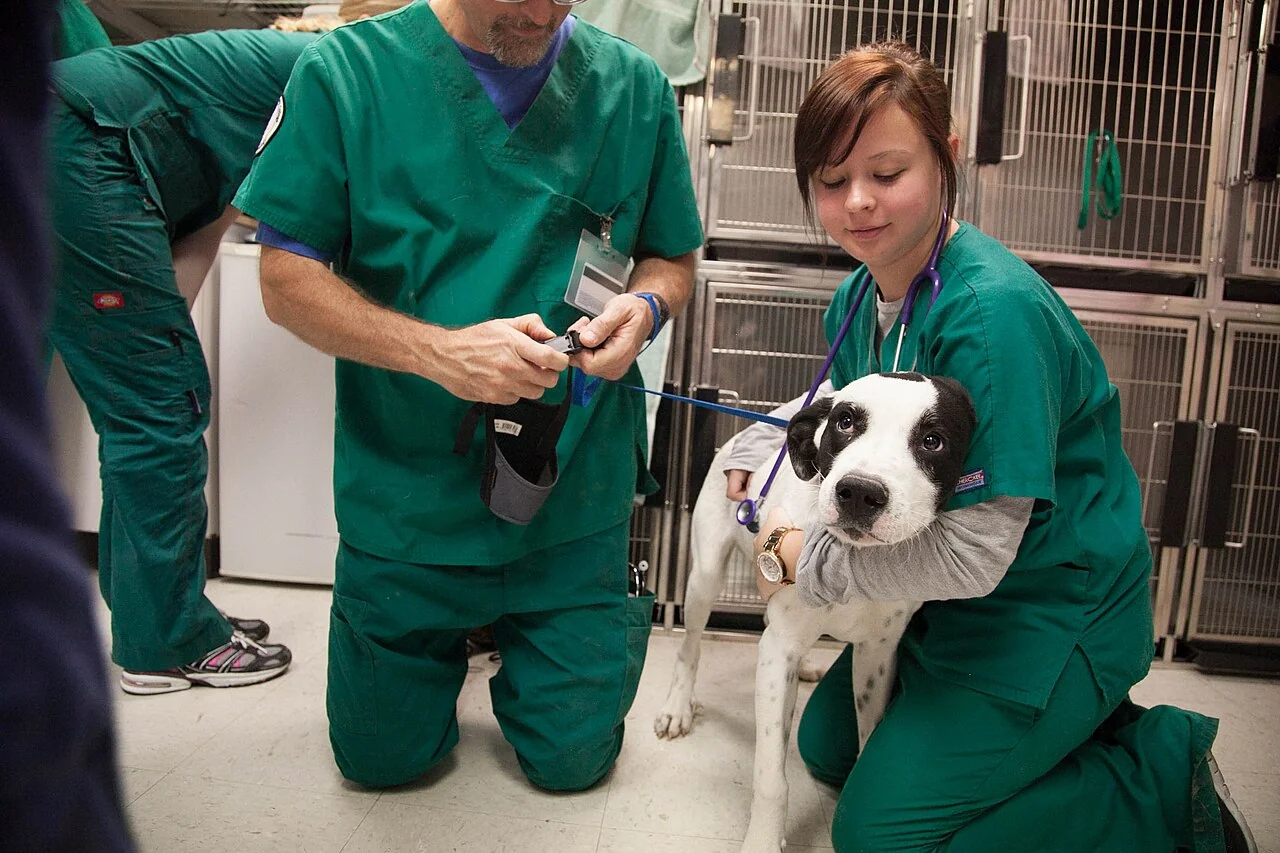
Veterinary technician students from Austin Community College assisting at Bastrop Animal Control and Shelter in Texas. ACC District · CC BY 2.0. Web size optimized; original linked.
Practical Tips Shared During Conversations
When bilingual staff or volunteers assist, they often share everyday observations about dog behavior that help new owners start off on the right foot. Simple pointers might include noticing a tucked tail as a sign a dog feels unsure, or seeing a loose and wiggly body as an invitation to interact gently. These insights, passed along in a comfortable language, encourage new families to pay attention and build trust early.
Conversations may also touch on creating routines that provide mental stimulation, such as scattering kibble in a towel for a mild puzzle or using a slow feeder at mealtime. The tone stays encouraging, focusing on positive reinforcement instead of scolding. While specific veterinary advice is left to professionals, these general tips spread through friendly exchanges and can ease the transition for dogs moving from shelter life to a home. The light, practical nature of the discussions often leaves people smiling and more prepared to offer kindness.
What This Means for Communities and Shelters
These language-support efforts appear to strengthen ties between shelters and the neighborhoods they serve. Families who feel understood during the adoption process may later share positive experiences at local gatherings, gradually shifting views of shelters from distant institutions to helpful community partners. The evidence from the featured organizations is limited to specific cases and self-reports, yet it points to a pattern of improved access that could logically reduce returns if families better grasp the responsibilities upfront.
Reading questions worth considering include: How might shelters in other cities measure the impact of similar programs without over-relying on anecdotal success? What small steps could encourage more bilingual community members to get involved? The implications suggest that investing in clear communication is a low-cost way to support animal welfare while enriching human connections. With a touch of humor, one might imagine a dog wagging its tail extra hard when it senses the conversation finally makes sense to everyone in the room. In the end, these initiatives remind us that a few well-chosen words, in the right language, can open doors to better lives for shelter dogs and the people who welcome them home.
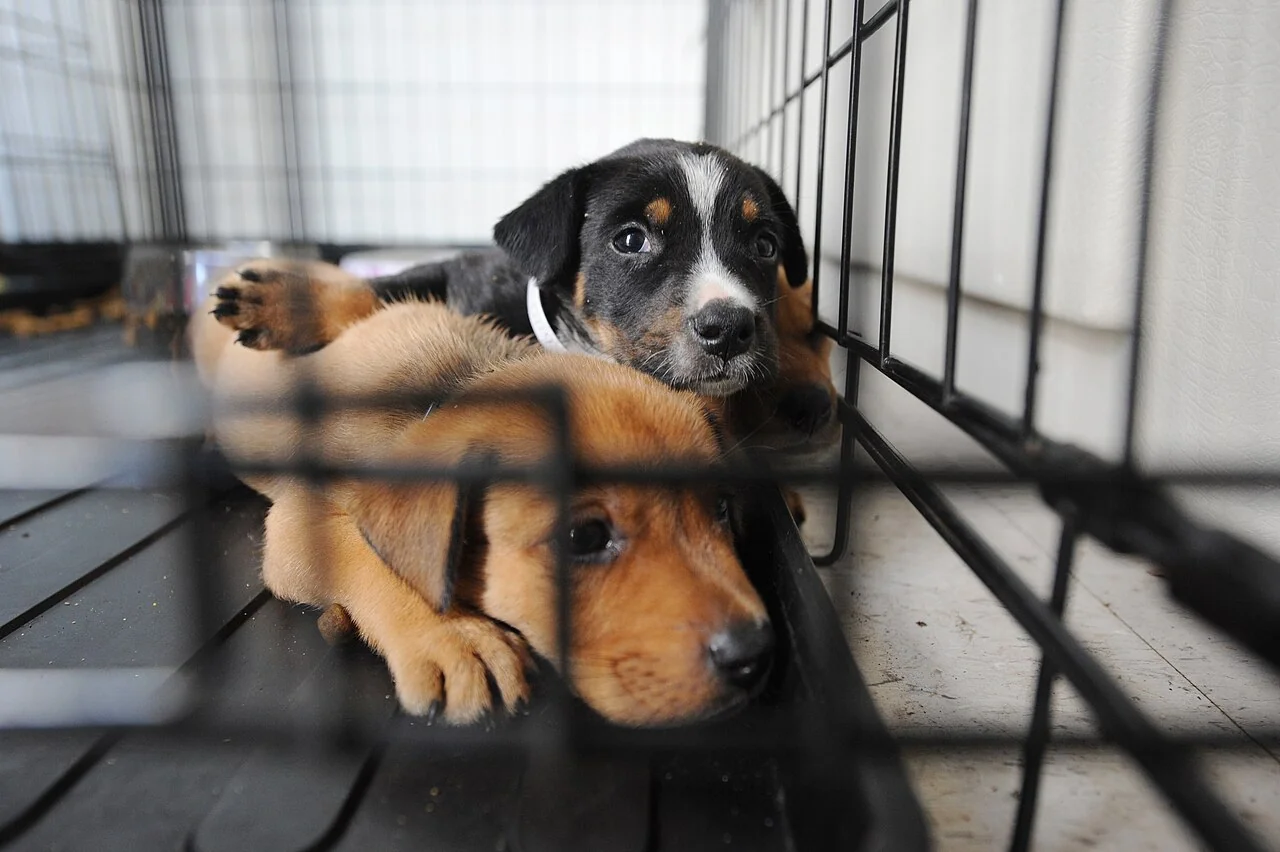
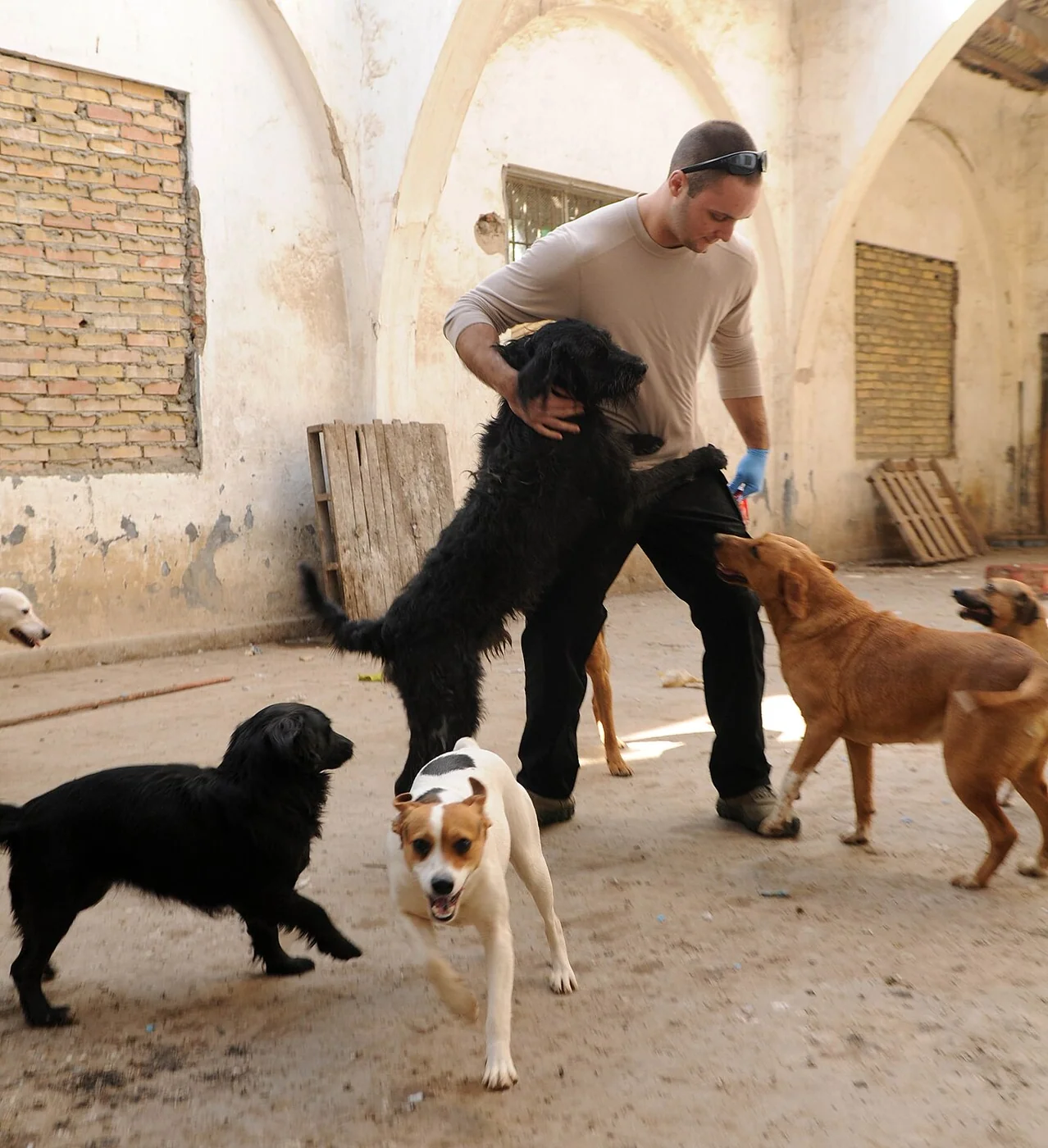
U.S. Airman plays with dogs at a shelter for strays in southwest Europe, 2013 Staff Sgt. Austin May · Public domain. Web size optimized; original linked.
AI-assisted original writing. This feature was revised against source material and checked for unsupported claims. Follow the references below for evidence and its limits.
 Photograph