THE BARKINGTON TIMES · THE PUBLICATION Good News & Happy Tails A little more good in the world.
Photograph USDAgov · Public domain
Good News & Happy Tails
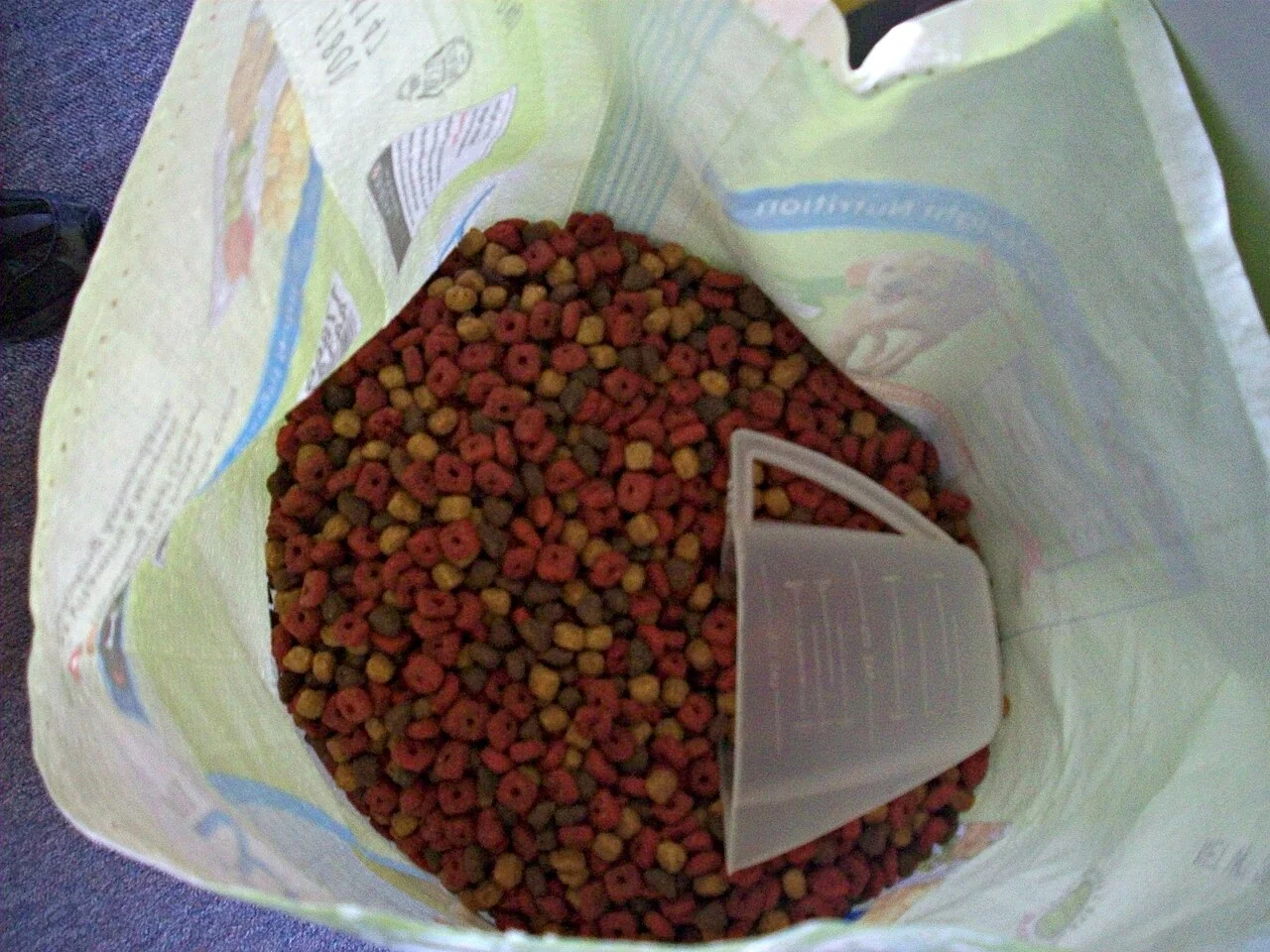
Matching donations to what shelters need helps reduce waste and keeps animals fed without guesswork.
THE EDITORIAL DESK · 5 MIN READ
Photograph Source collection · CC BY-SA 3.0
Good News & Happy Tails
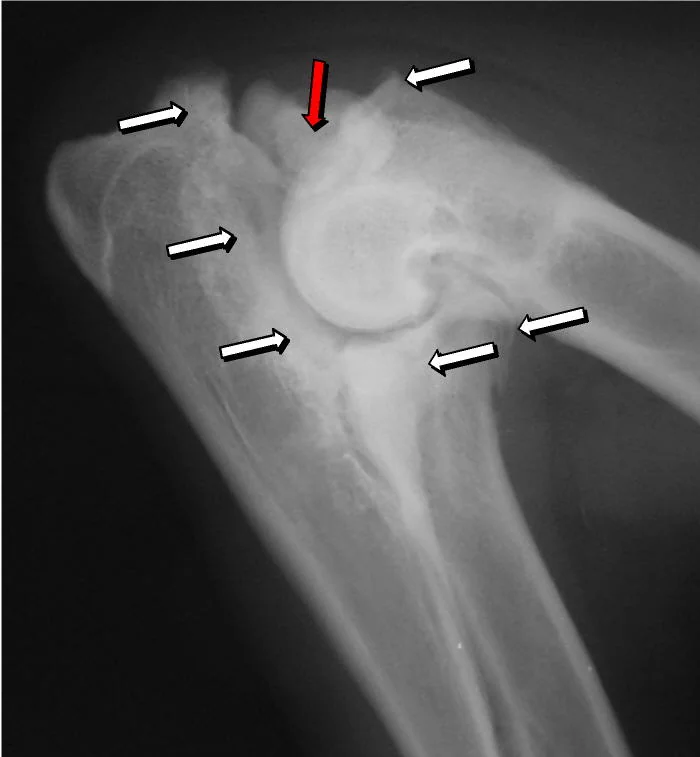
Scientific studies supported by the foundation advance knowledge of conditions that affect both purebred and mixed-breed dogs alike.
THE EDITORIAL DESK · 4 MIN READ
Photograph Jocelyn Augustino · Public domain
Good News & Happy Tails
Shelters are using language support to build relationships with diverse families, making adoptions smoother for dogs and people alike.
THE EDITORIAL DESK · 4 MIN READ
Photograph Alisha Vargas · CC BY 2.0
Good News & Happy Tails
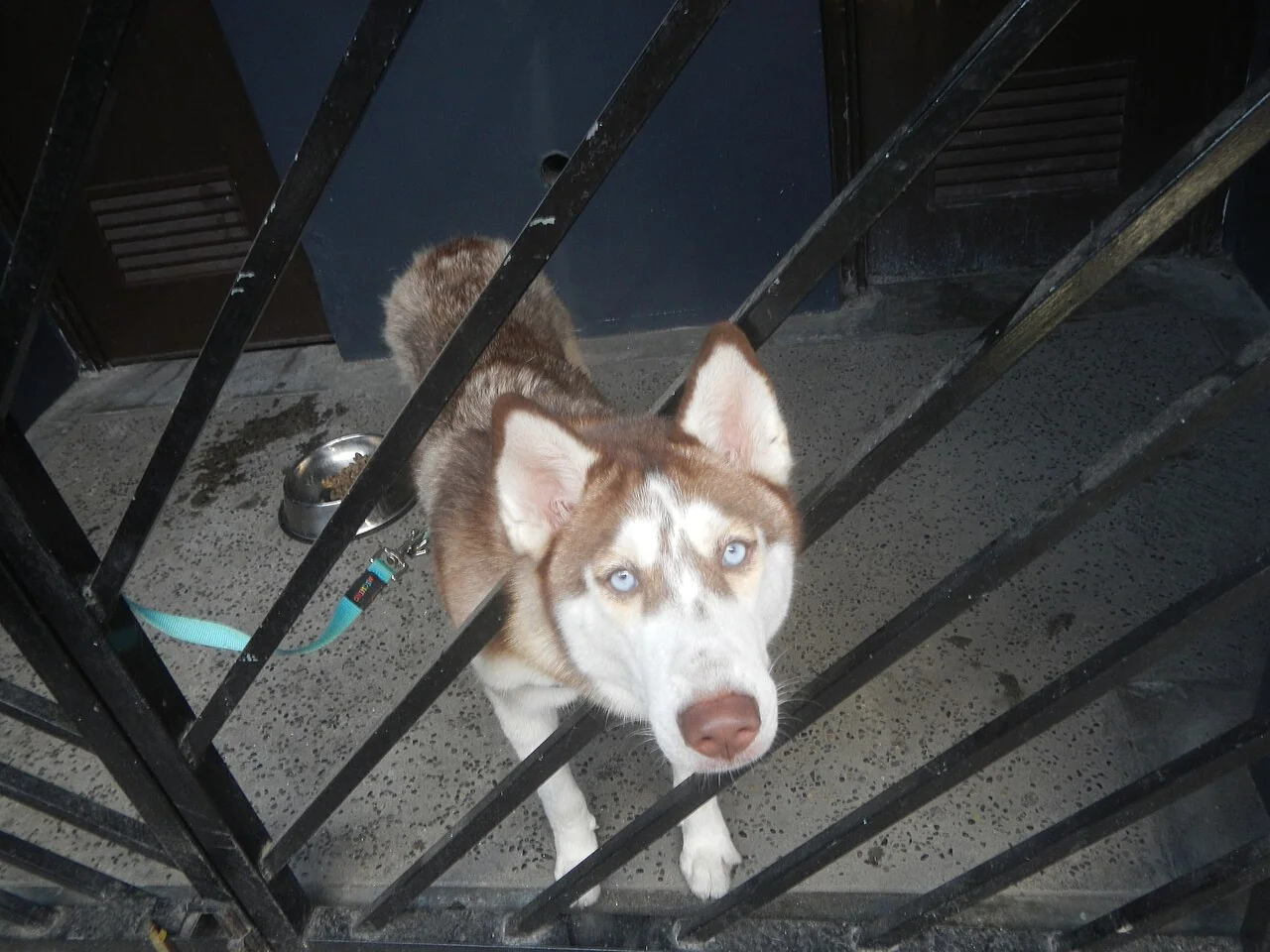
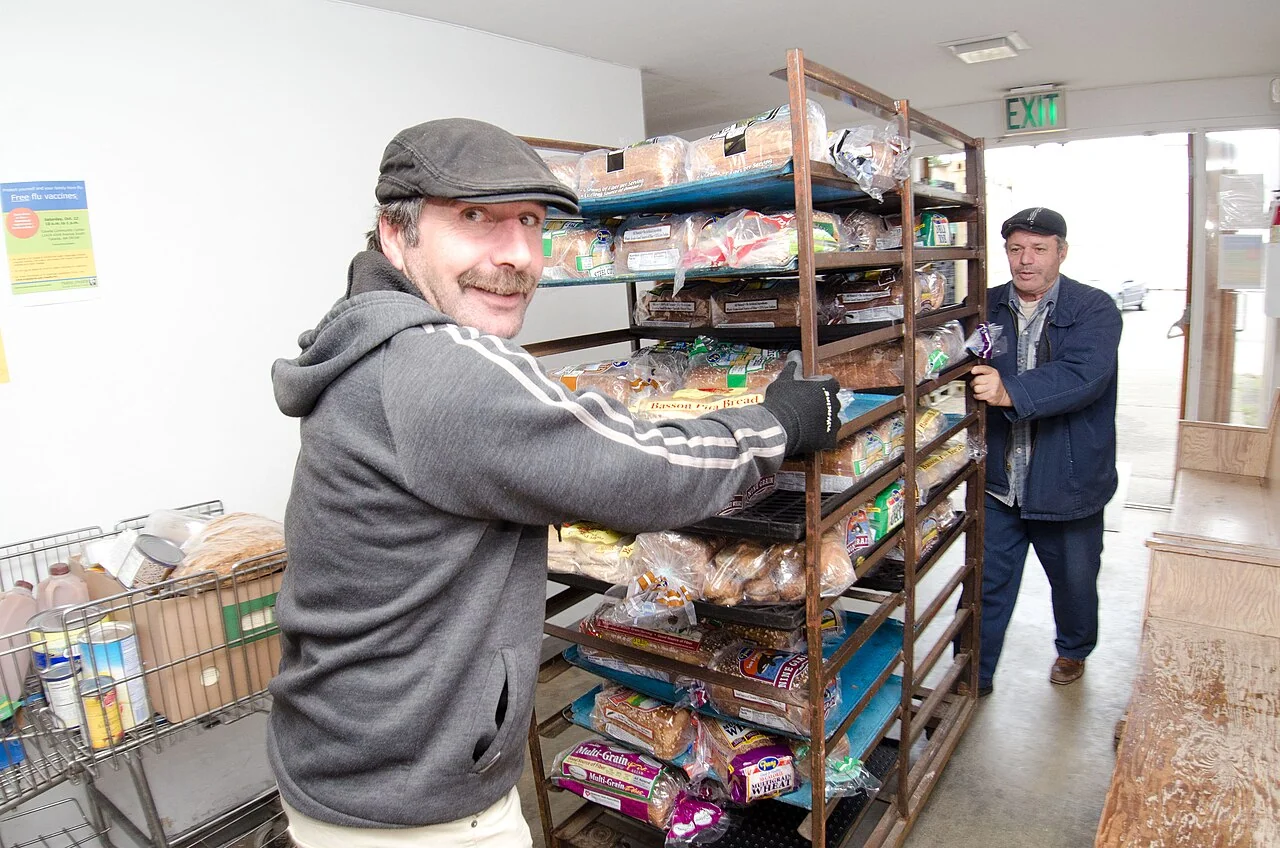
Local efforts to distribute pet food are valued by families and may ease some pressures linked to keeping pets at home.
THE EDITORIAL DESK · 3 MIN READ
Photograph Missvain · CC0 1.0
Good News & Happy Tails
Events that combine independent breweries, community gatherings, and support for local animal welfare organizations offer one enjoyable model for helping dogs in need.
THE EDITORIAL DESK · 4 MIN READ
Photograph Jerry Kirkhart from Los Osos, Calif. · CC BY 2.0
Good News & Happy Tails
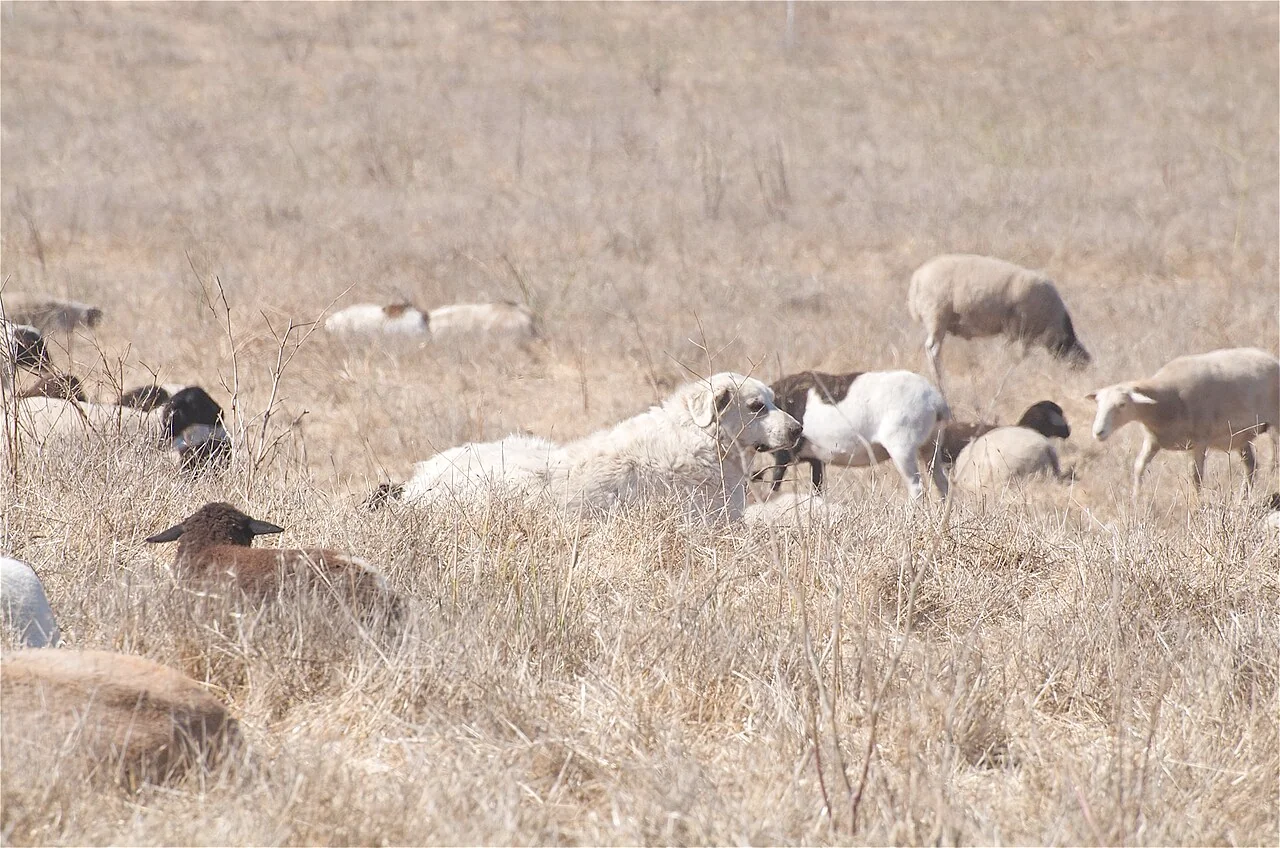
Nonlethal programs in states like Colorado and Texas are exploring ways to share or place trained dogs with producers facing predators, offering one path toward reduced losses and better animal outcomes.
THE EDITORIAL DESK · 4 MIN READ
Photograph Source collection · Public domain
Good News & Happy Tails
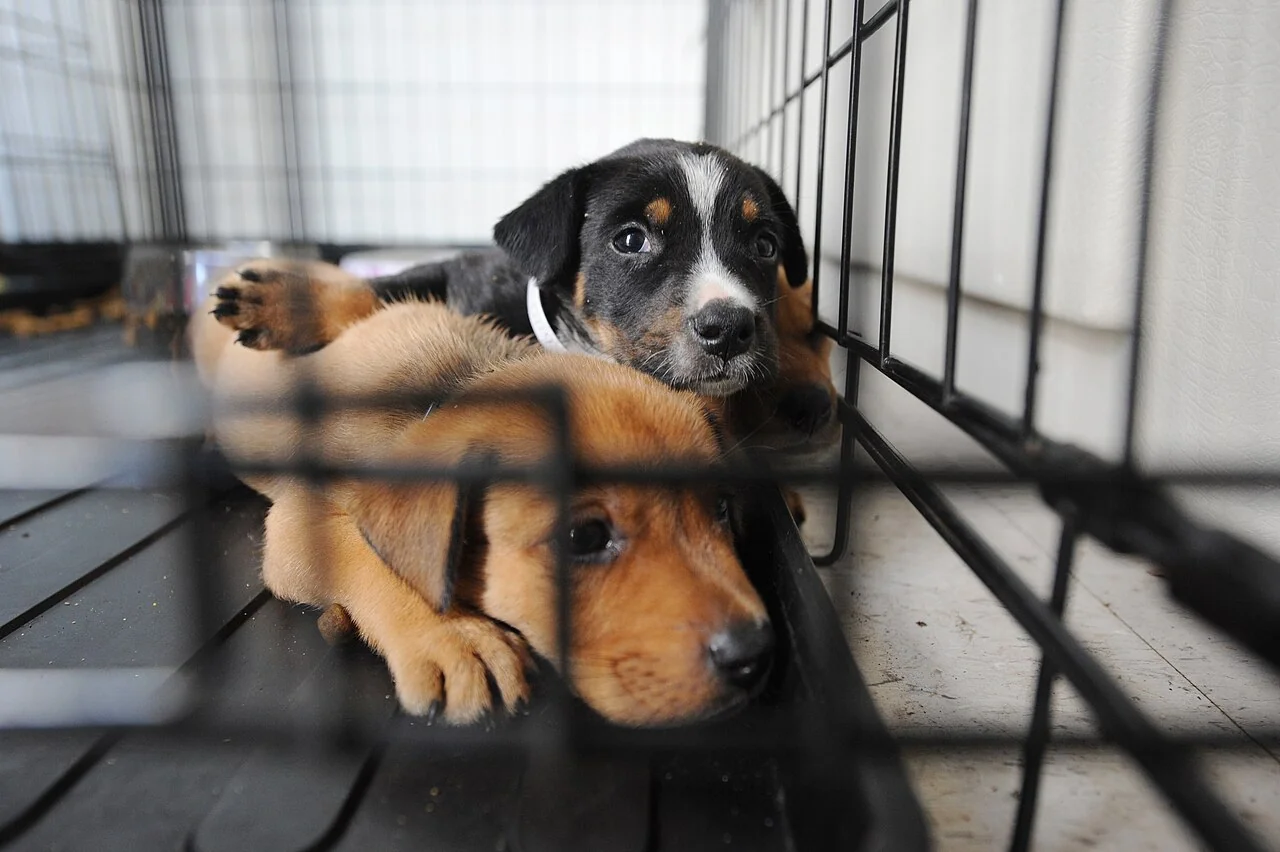
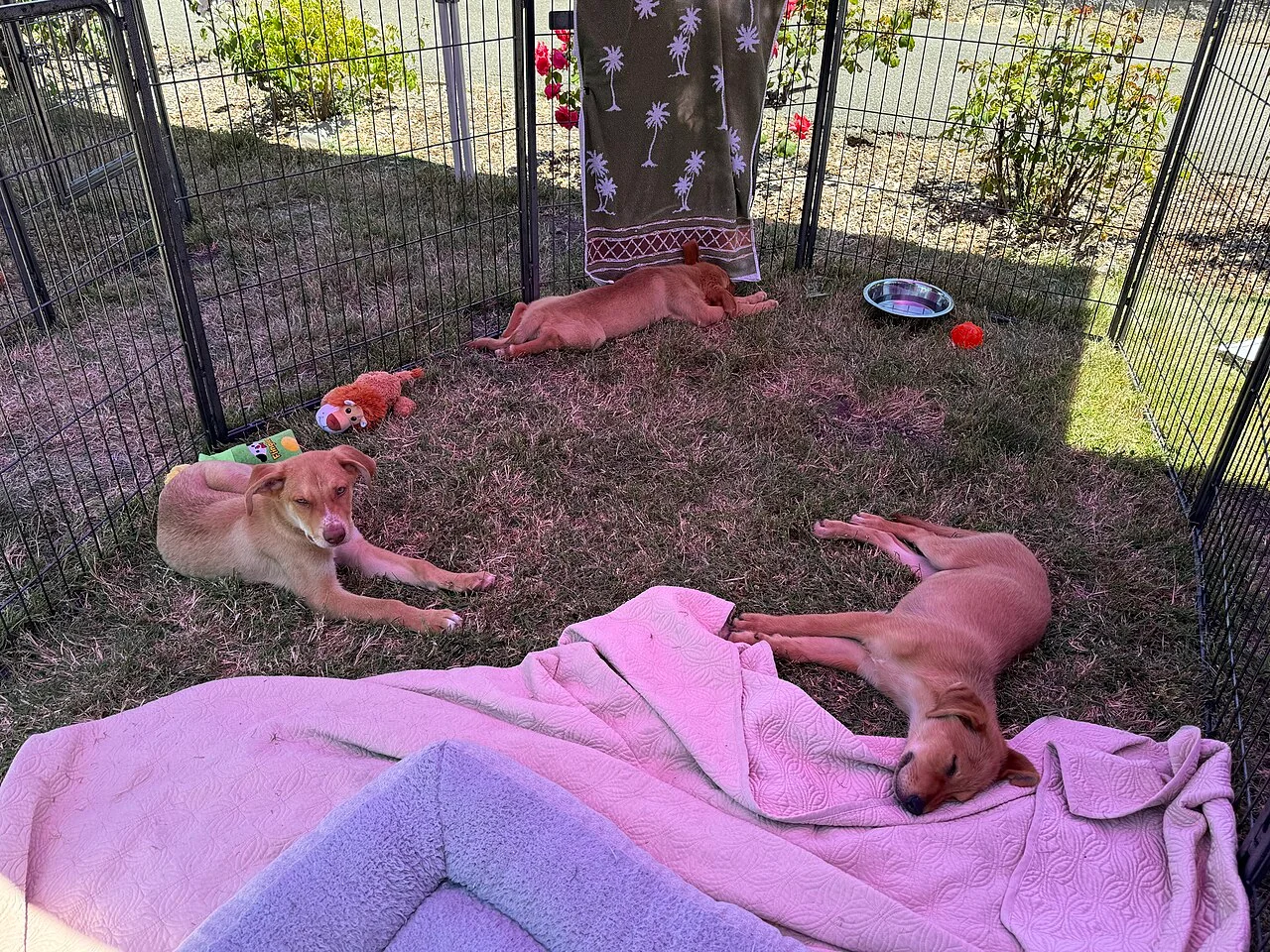
Evidence from shelters indicates that trial fostering can improve outcomes, though results vary by program and location.
THE EDITORIAL DESK · 3 MIN READ
Photograph Department of Homeland Security. U.S. Coast Guard. 3/1/2003 · Public domain
Good News & Happy Tails
Employee donation programs at many large companies can double or triple contributions to qualifying shelters and breed-specific health groups, stretching each gift further for animal care.
THE EDITORIAL DESK · 6 MIN READ
Photograph Sgt. Valerie Eppler · Public domain
Good News & Happy Tails
Structured meet-and-greet sessions after a week in foster care let dogs show their true personalities and give adopters better information before deciding.
THE EDITORIAL DESK · 3 MIN READ
Photograph Photo by Abigail Waldrop, Fort Bliss Bugle Staff · Public domain
Good News & Happy Tails
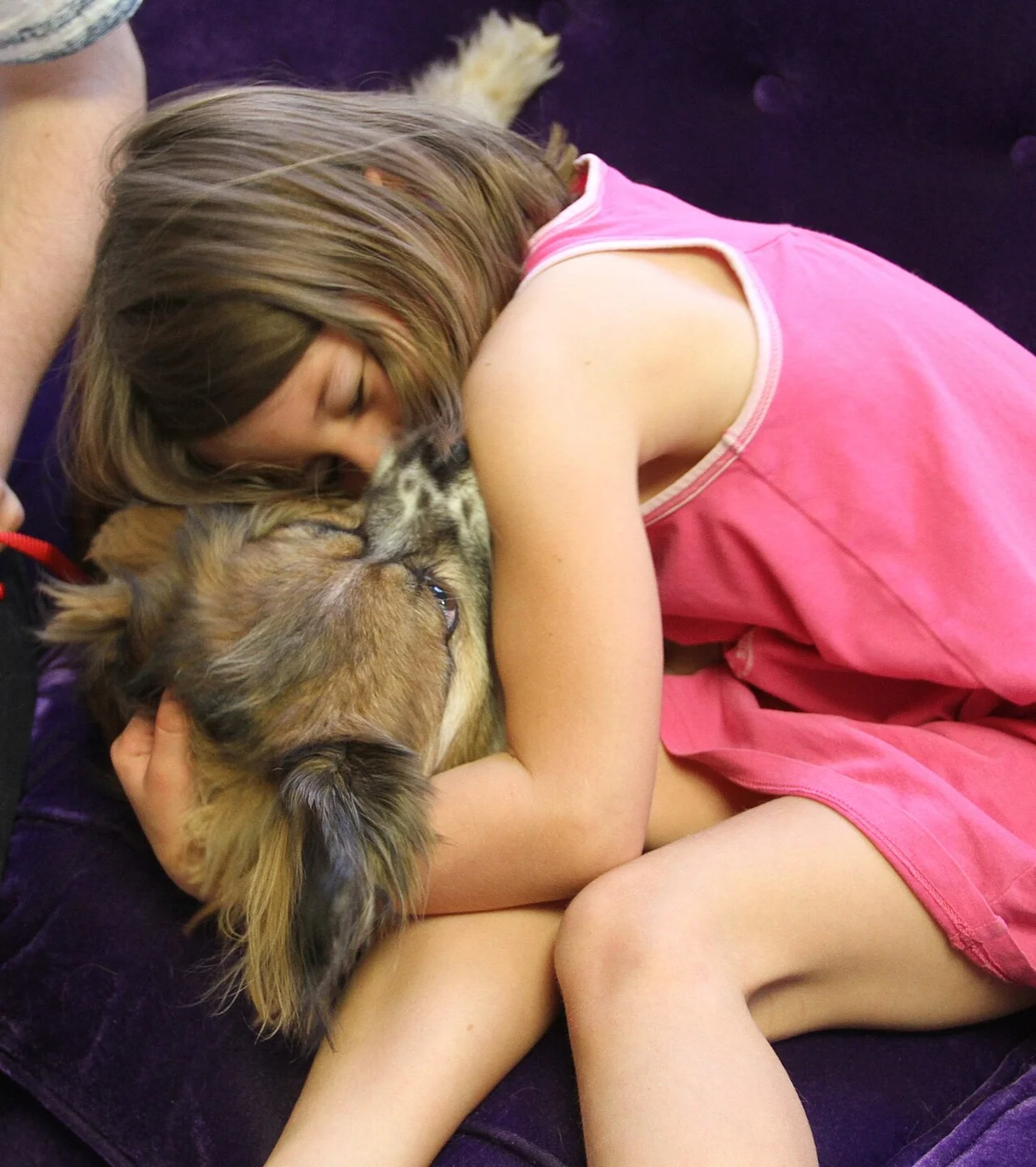
Programs pair young readers with calm dogs, creating a judgment-free space that eases anxiety for kids while giving shelter animals gentle human contact.
THE EDITORIAL DESK · 2 MIN READ
Photograph Bob McMillan · Public domain
Good News & Happy Tails
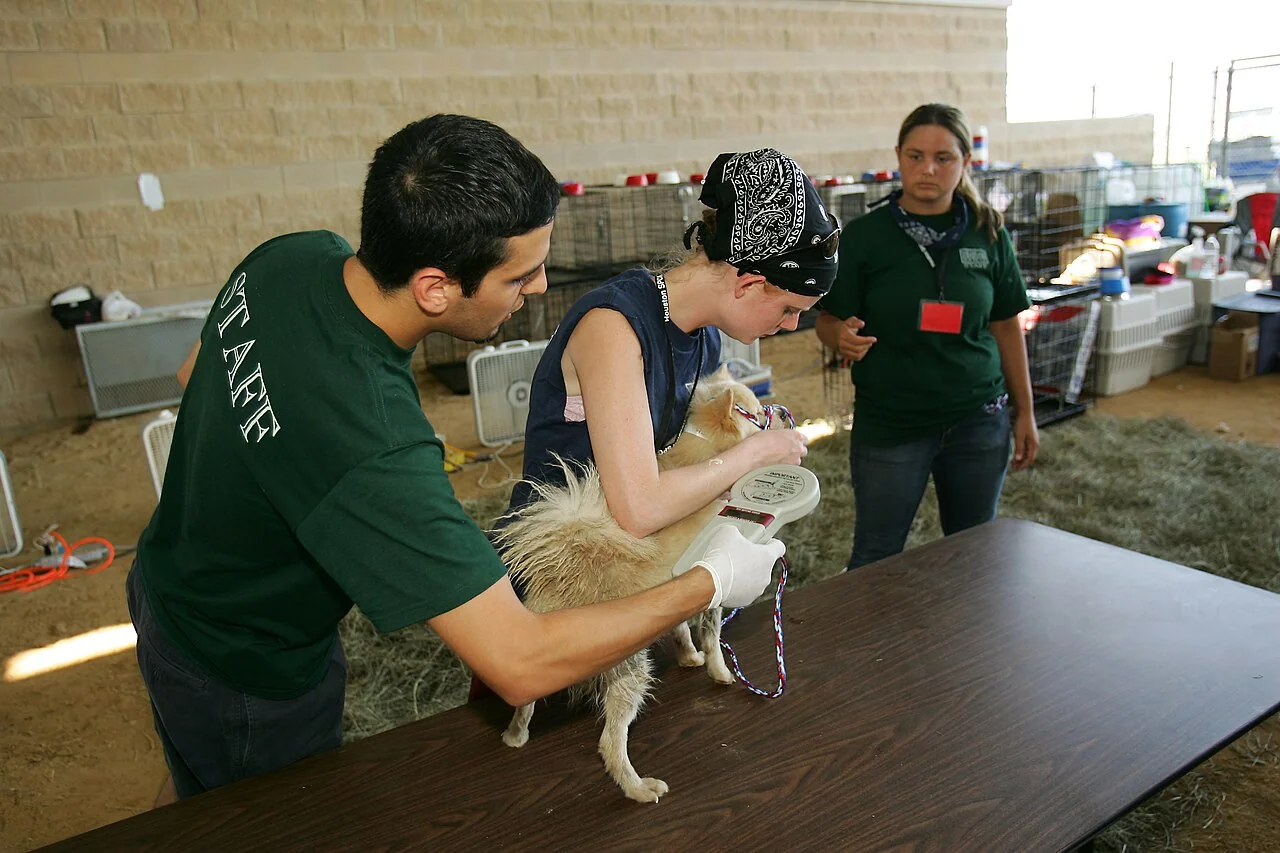
University research shows that a simple implant can dramatically improve the odds of a wandering dog making it back home.
THE EDITORIAL DESK · 5 MIN READ
Photograph Andrew Tatlow · CC BY-SA 2.0
Good News & Happy Tails
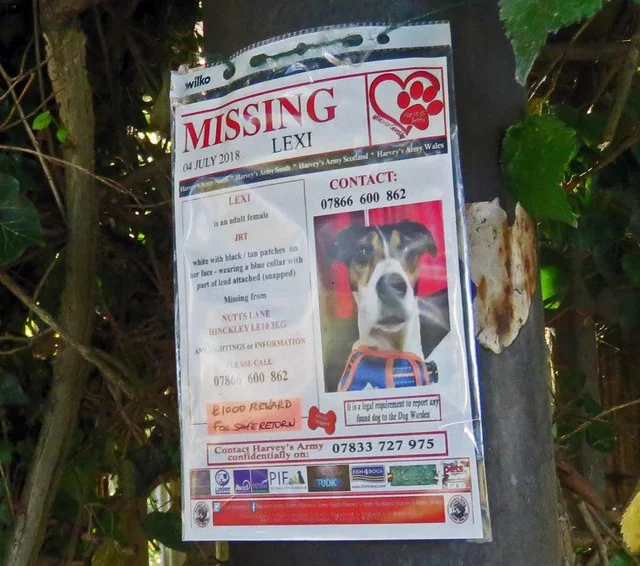
A single volunteer sighting during a mountain search shows how everyday cyclists can support organized pet-rescue efforts.
THE EDITORIAL DESK · 4 MIN READ
Photograph Dwight Burdette · CC BY 3.0
Good News & Happy Tails
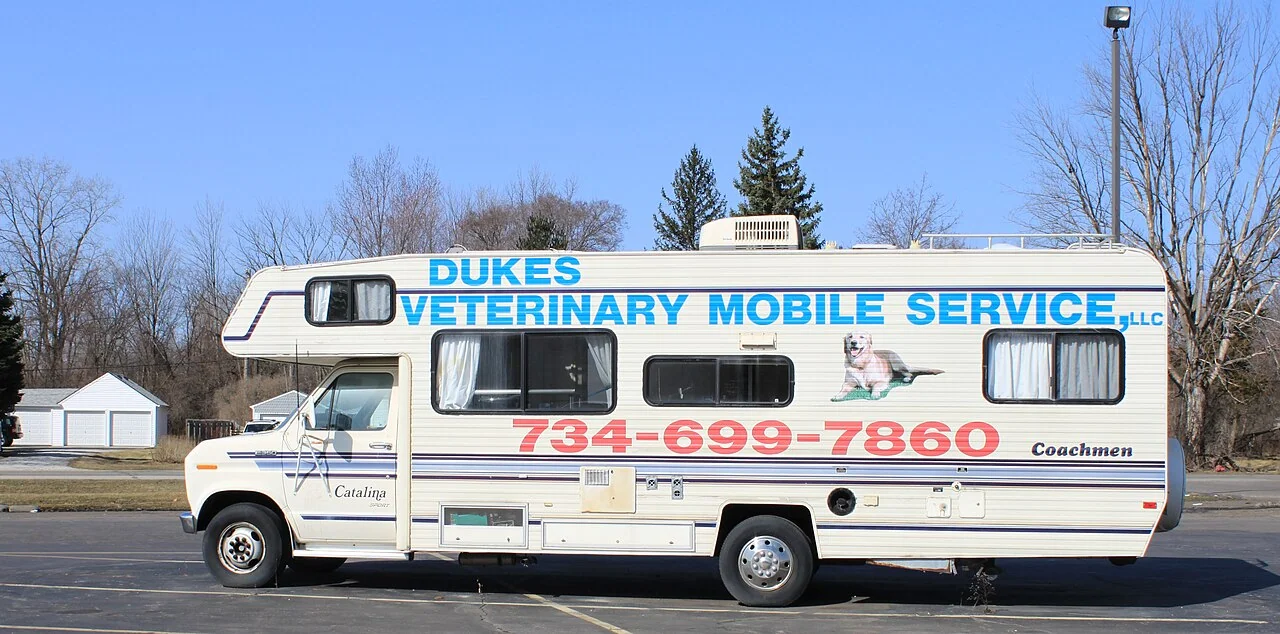
Gallery events featuring animal-inspired works have directed proceeds to organizations offering low-cost veterinary care, including mobile clinics that reach varied communities.
THE EDITORIAL DESK · 5 MIN READ
Photograph U.S. Navy photo by Mass Communication Specialist 2nd Class Leah Stiles · Public domain
Good News & Happy Tails
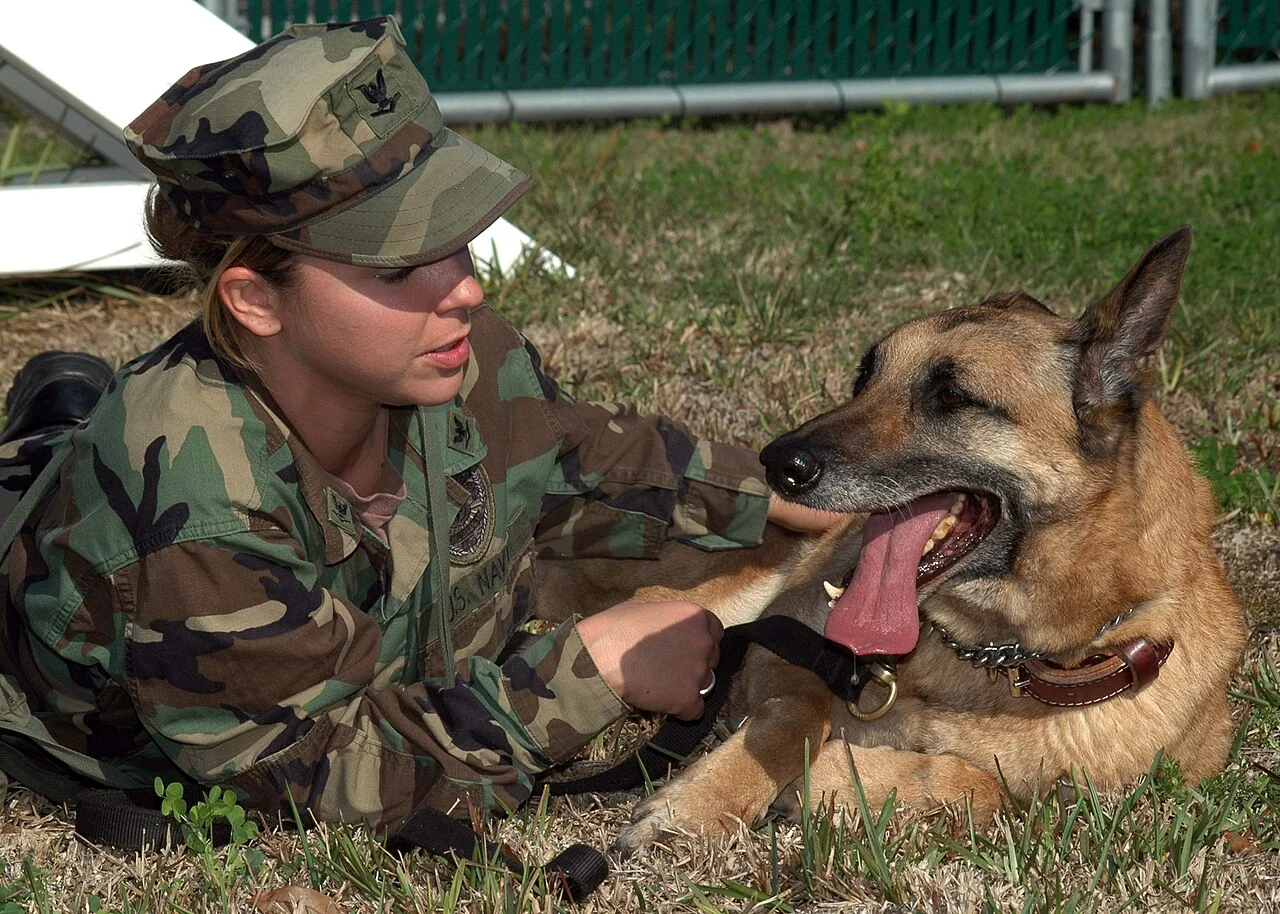
Simple, reward-based methods promoted by veterinary behavior experts can help dogs and their owners build calmer, more enjoyable routines.
THE EDITORIAL DESK · 3 MIN READ
Photograph U.S. Marine Corps photo by Cpl. Kenny Gomez · Public domain
Good News & Happy Tails
Small, practical steps that shelters can take with dogs in their care, drawn from available guidance and framed with gentle editorial thoughts on animal welfare.
THE EDITORIAL DESK · 6 MIN READ
Photograph Judgefloro · CC0 1.0
Good News & Happy Tails
Events that pair people with shelter dogs for gentle exercise offer exercise, socialization, and community support without high-pressure crowds.
THE EDITORIAL DESK · 3 MIN READ
Photograph Shixart1985 · CC BY 2.0
Good News & Happy Tails
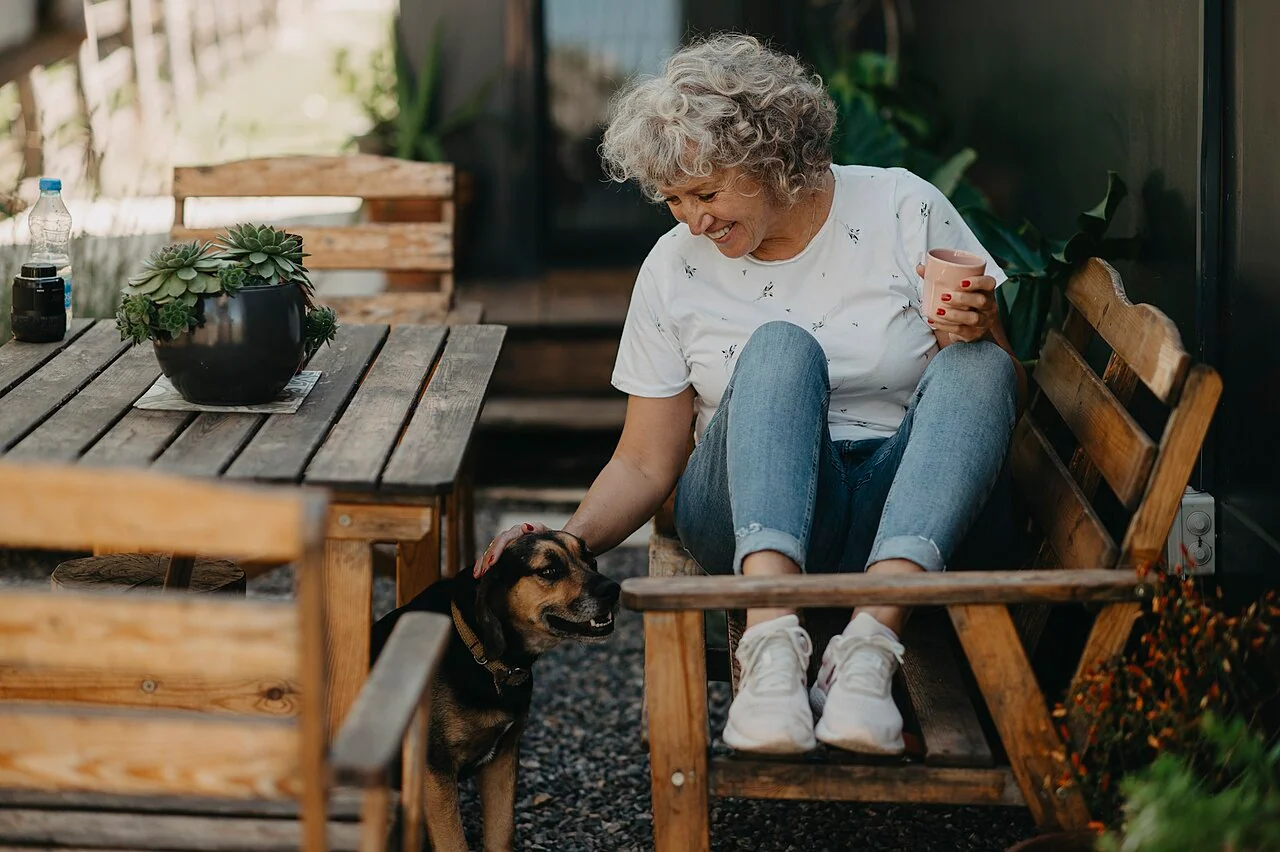
Programs pairing older adults with senior shelter dogs show some benefits for mood and social connection, according to limited studies.
THE EDITORIAL DESK · 3 MIN READ
Photograph Shixart1985 · CC BY 2.0
Good News & Happy Tails
Ideas drawn from animal-welfare guidance that can help dogs in shelters feel more engaged, with clear limits on what these spaces can achieve.
THE EDITORIAL DESK · 5 MIN READ
Photograph U.S. Army National Guard photo by Staff Sgt. Alyssa Lisenbe · Public domain
Good News & Happy Tails
Research on community clinics and statewide data shows varied effects on animal intake and euthanasia, offering practical insights for cities seeking to support pet owners.
THE EDITORIAL DESK · 3 MIN READ
Photograph U.S. Air Force photo/Airman 1st Class Zachary Wolf · Public domain
Good News & Happy Tails
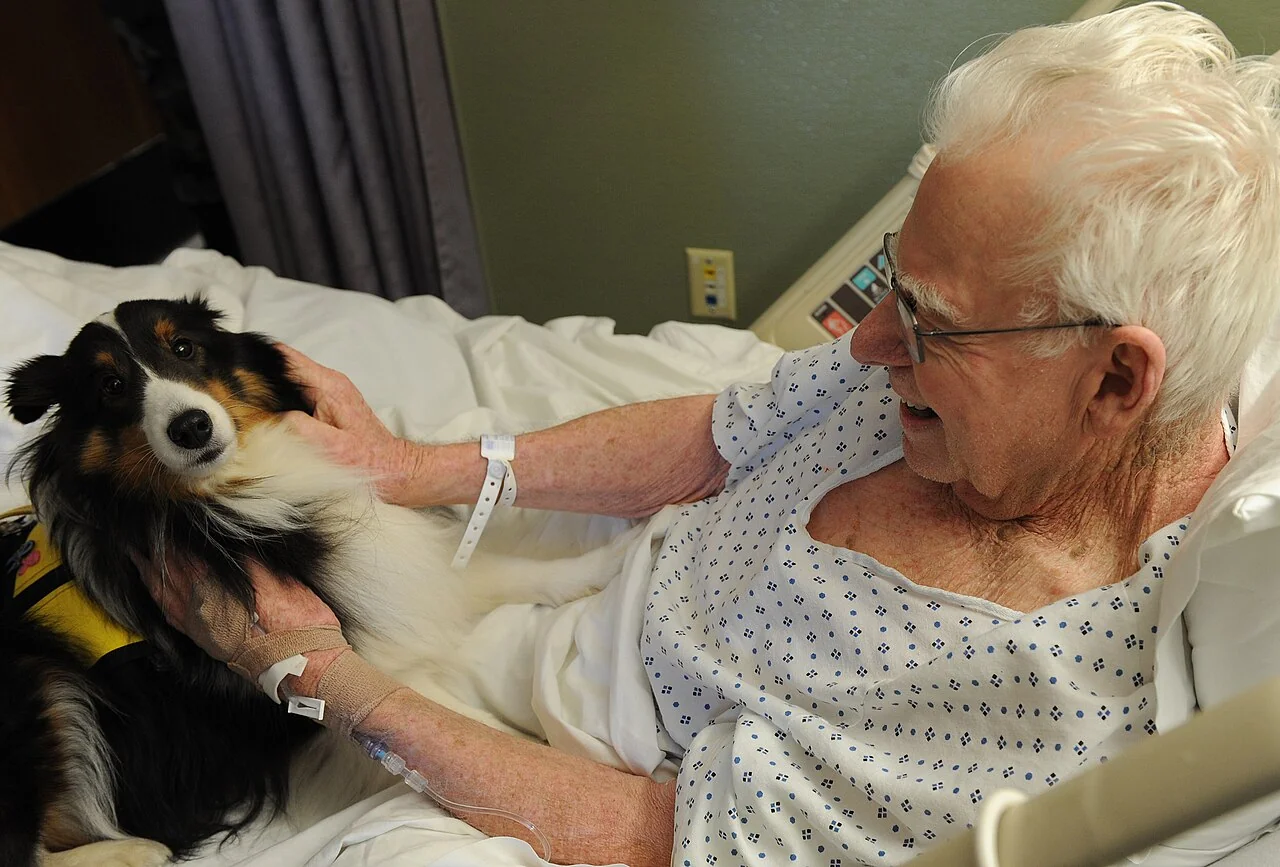
Programs that match calm, well-trained dogs with hospital and care facility visits offer gentle support for patients facing difficult times.
THE EDITORIAL DESK · 3 MIN READ
Photograph Chief National Guard Bureau from USA · CC BY 2.0
Good News & Happy Tails
VA-backed initiatives let veterans with PTSD symptoms train candidate service dogs, offering purpose while the animals gain skills for future roles.
THE EDITORIAL DESK · 4 MIN READ
Photograph Adam Jones from Kelowna, BC, Canada · CC BY-SA 2.0
Good News & Happy Tails
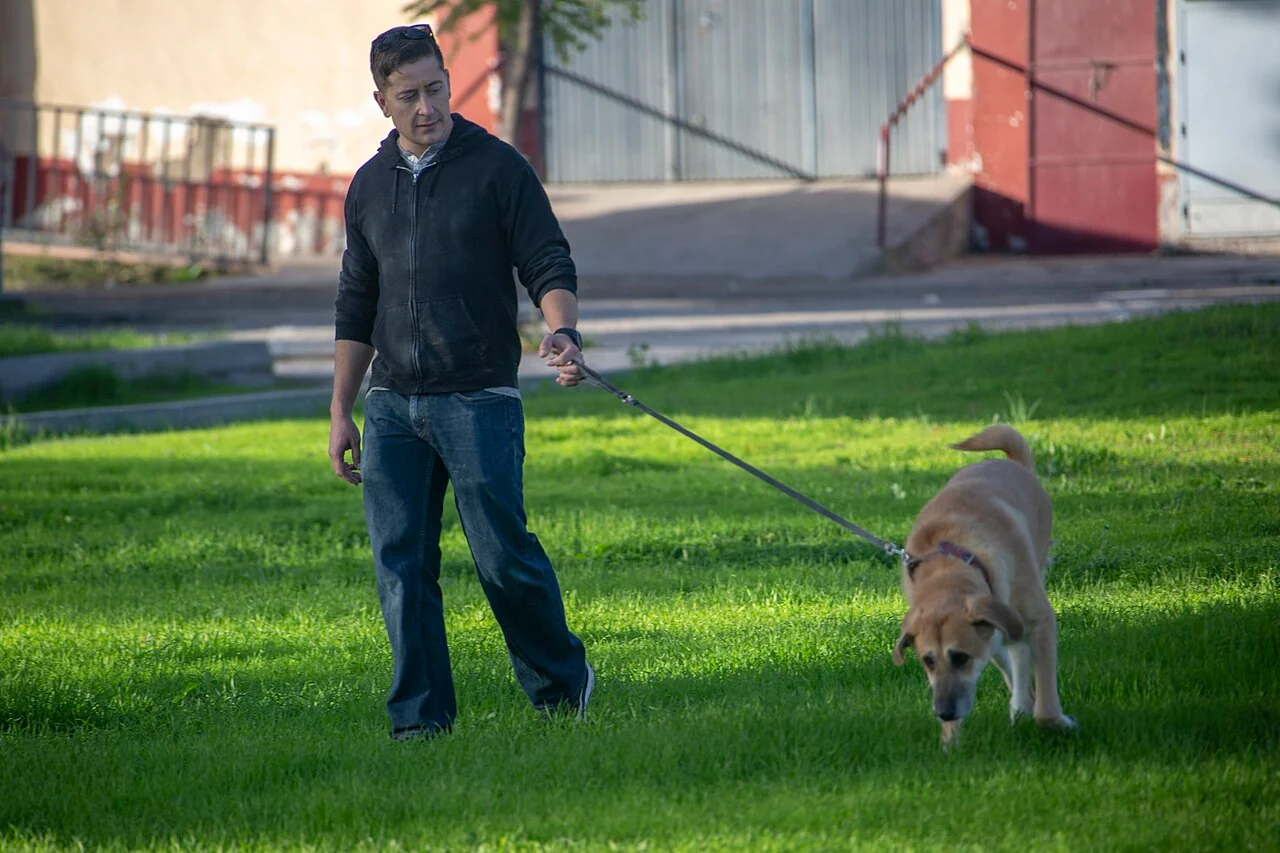
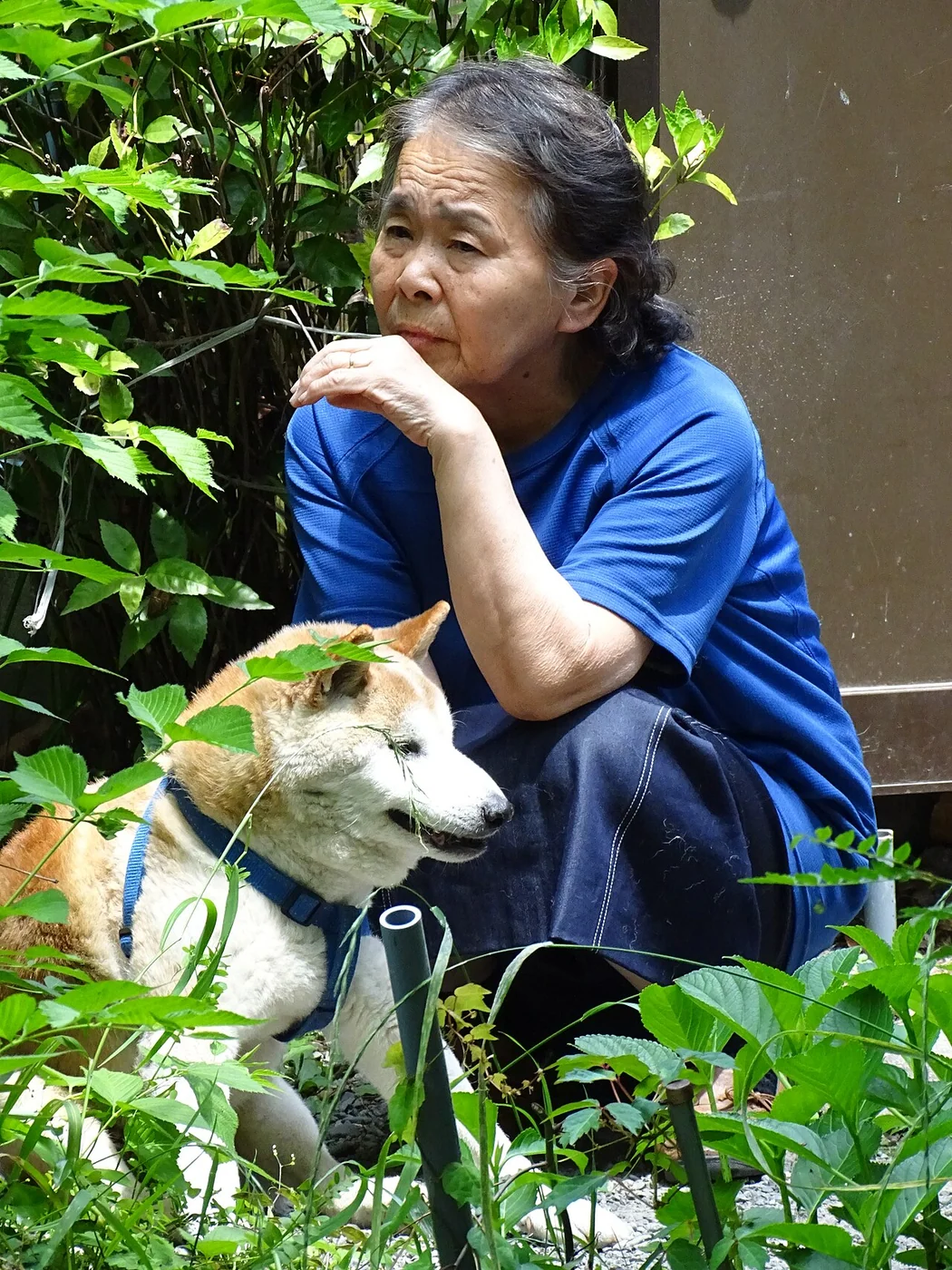
Community assistance networks offer walking help and practical support so seniors can maintain bonds with their pets.
THE EDITORIAL DESK · 3 MIN READ
Photograph U.S. Navy photo by Petty Officer 2nd Class Kelly M Agee · Public domain
Good News & Happy Tails
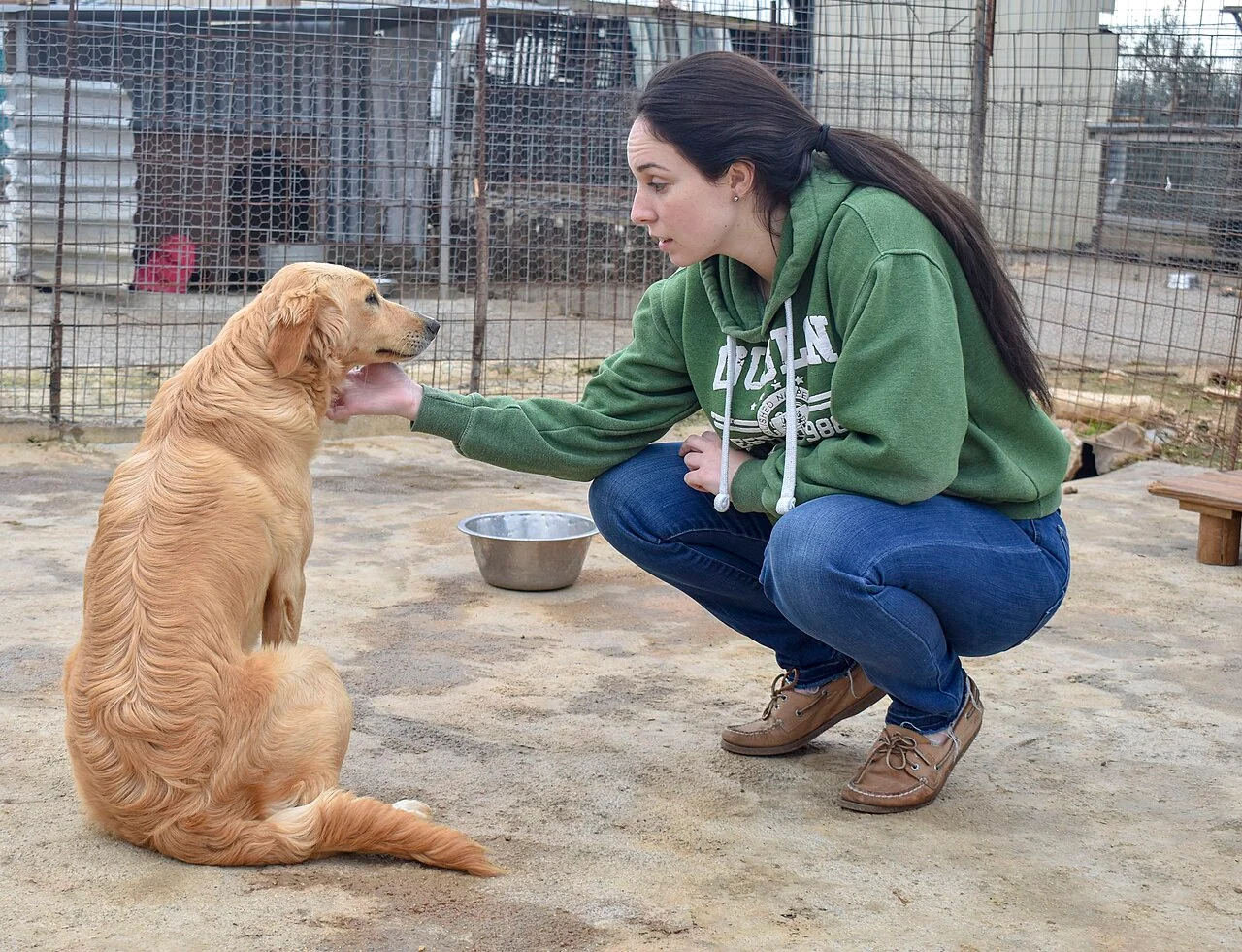
Daily enrichment routines help shelter dogs stay engaged, and volunteers play a supporting role within established guidelines.
THE EDITORIAL DESK · 6 MIN READ
 Photograph