When an older dog needs regular exercise its owner can no longer provide, the choice between independence and the pet’s well-being can feel overwhelming. Volunteer-based programs that connect neighbors for dog-walking and other care tasks give many seniors a practical way to keep their animals at home. Research on these efforts highlights benefits for both people and pets without promising digital miracles or unverified numbers.
What Volunteer Pet Care Programs Offer
Programs that match volunteers with older adults needing help typically include dog walking, supply delivery, and transportation to veterinary appointments. These services are designed to ease mobility barriers that might otherwise lead to surrendering a pet. Evidence from stakeholder interviews and reviews of existing initiatives shows that such support helps maintain pet ownership during health challenges.
The focus stays on practical, face-to-face assistance rather than technology. Local groups often emphasize trust-building through community connections instead of automated matching systems. This approach aims to create reliable help without adding costs for participants.
A review of volunteer-based pet care assistance programs found that they can reduce barriers for socially disadvantaged older adults who want to keep their animals. The work drew on qualitative interviews with stakeholders and an environmental scan of sixteen similar efforts across communities.
One small case study examined a program launched in 2017 and included nine interviews. Participants described how the assistance helped them continue caring for their pets despite mobility limitations. The authors noted that these programs address both human and animal well-being and called for more rigorous evaluation to understand longer-term effects.
No large-scale statistics on shelter surrender rates or thousands of logged walks appear in the reviewed material. The evidence remains primarily descriptive rather than quantitative.
Everyday Ways Neighbors Can Help
Simple community gestures complement formal programs. Placing water stations along popular walking routes gives dogs and volunteers a chance to rest. Sharing spare leashes or waste bags through local spots such as libraries can ease last-minute needs.
Group walks that bring several dogs and people together turn outings into social opportunities. Pairing volunteers with seniors can foster conversation while ensuring the dog gets gentle exercise. These activities benefit participants of all ages and reinforce responsible pet care.
Small home modifications, such as adding railings or clearing paths, can extend the time an owner manages short independent walks. When combined with neighbor support, these steps create flexible safety nets.
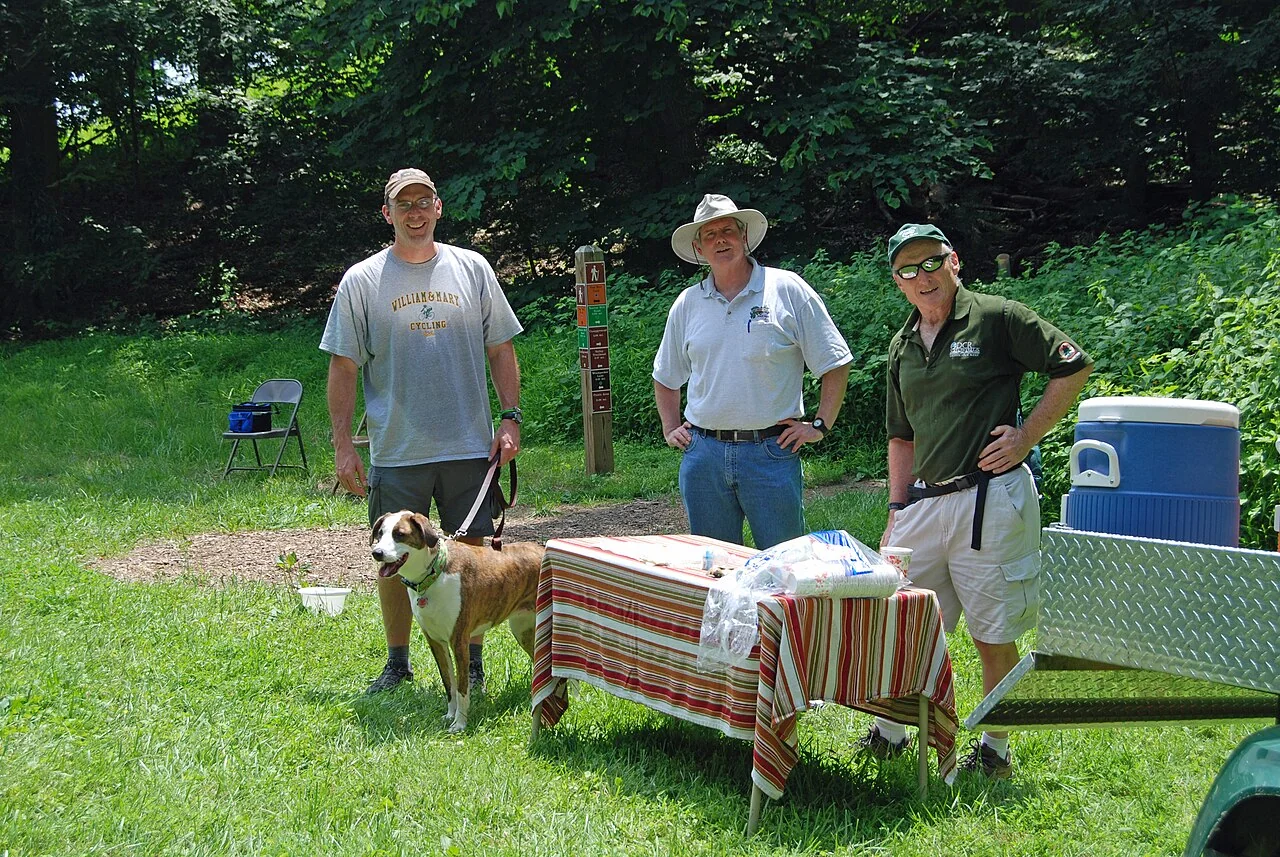
Watering station provided for dogs and people during a community Dog Days event, 2013 Virginia State Parks staff · CC BY 2.0. Web size optimized; original linked.
Emphasis on Safety and Veterinary Guidance
Effective programs often partner with local animal control to confirm that participating dogs have current licenses and vaccinations. Some initiatives provide volunteers with basic training on recognizing signs of discomfort during walks.
Veterinary organizations stress the value of consistent moderate activity for aging dogs to support muscle tone and mental stimulation. Guidelines recommend beginning any new routine only after a professional health check to identify potential cardiac or orthopedic issues.
Users of assistance services are routinely encouraged to consult their veterinarian for advice tailored to the individual dog’s breed, weight, and medical history.
The Human Side of Shared Care
Beyond logistics, these arrangements often lead to ongoing relationships. Volunteers may learn a dog’s favorite sniffing spots or energy triggers and share cheerful updates with the owner. This creates a feeling of shared responsibility rather than a one-way service.
Seasonal adaptations, such as indoor play when weather prevents outdoor walks, help keep animals engaged while respecting their physical limits. The reviewed research suggests that steady support can ease stress for older adults and strengthen community ties.
Open-source tools exist that attempt to facilitate neighbor connections for dog care, but current public repositories show limited adoption and no evidence of widespread logged activity.
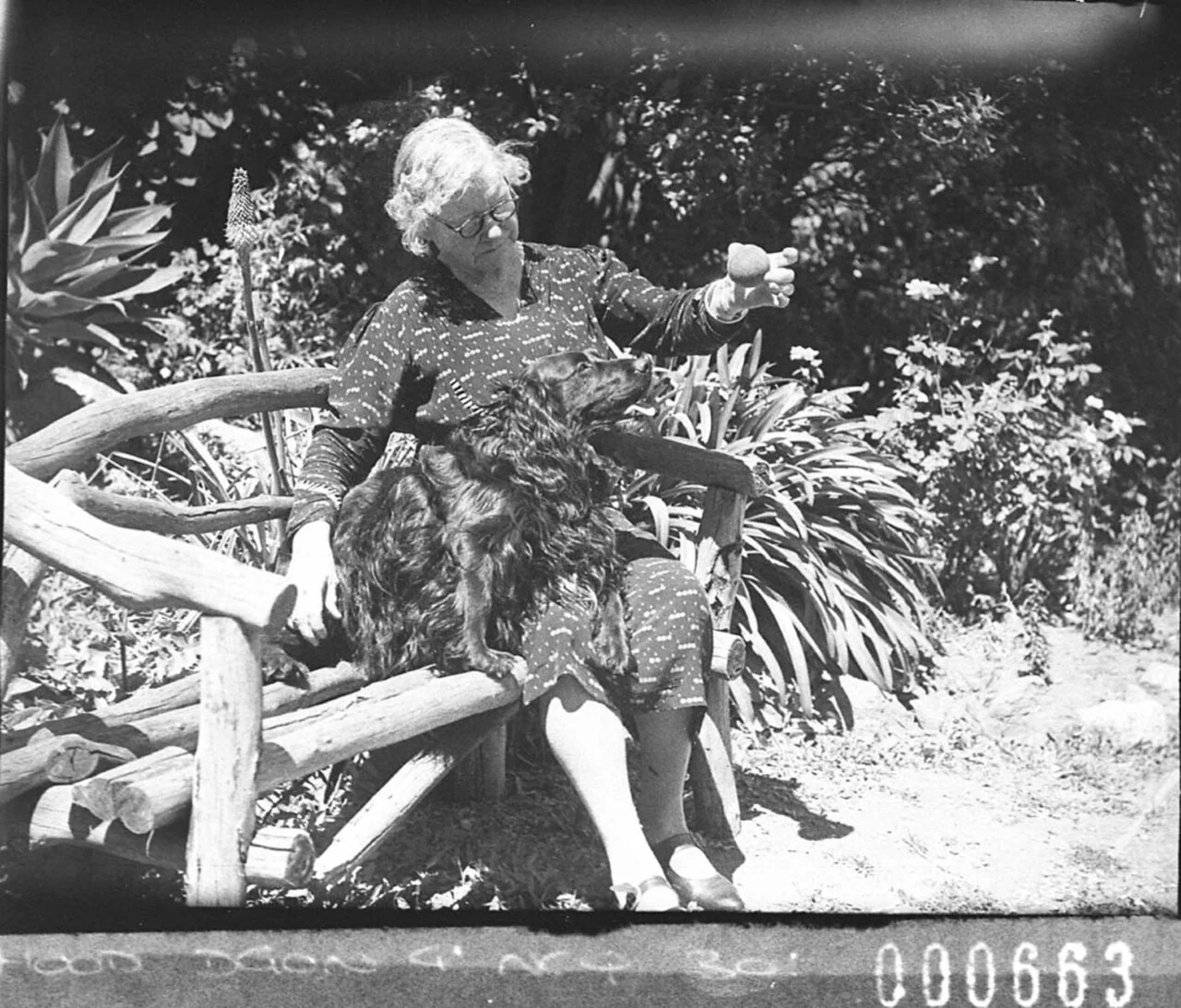
Elderly woman on garden seat with Spaniel dog, 1939 Sam Hood · Public domain. Web size optimized; original linked.
AI-assisted original writing. This feature was revised against source material and checked for unsupported claims. Follow the references below for evidence and its limits.
 Photograph