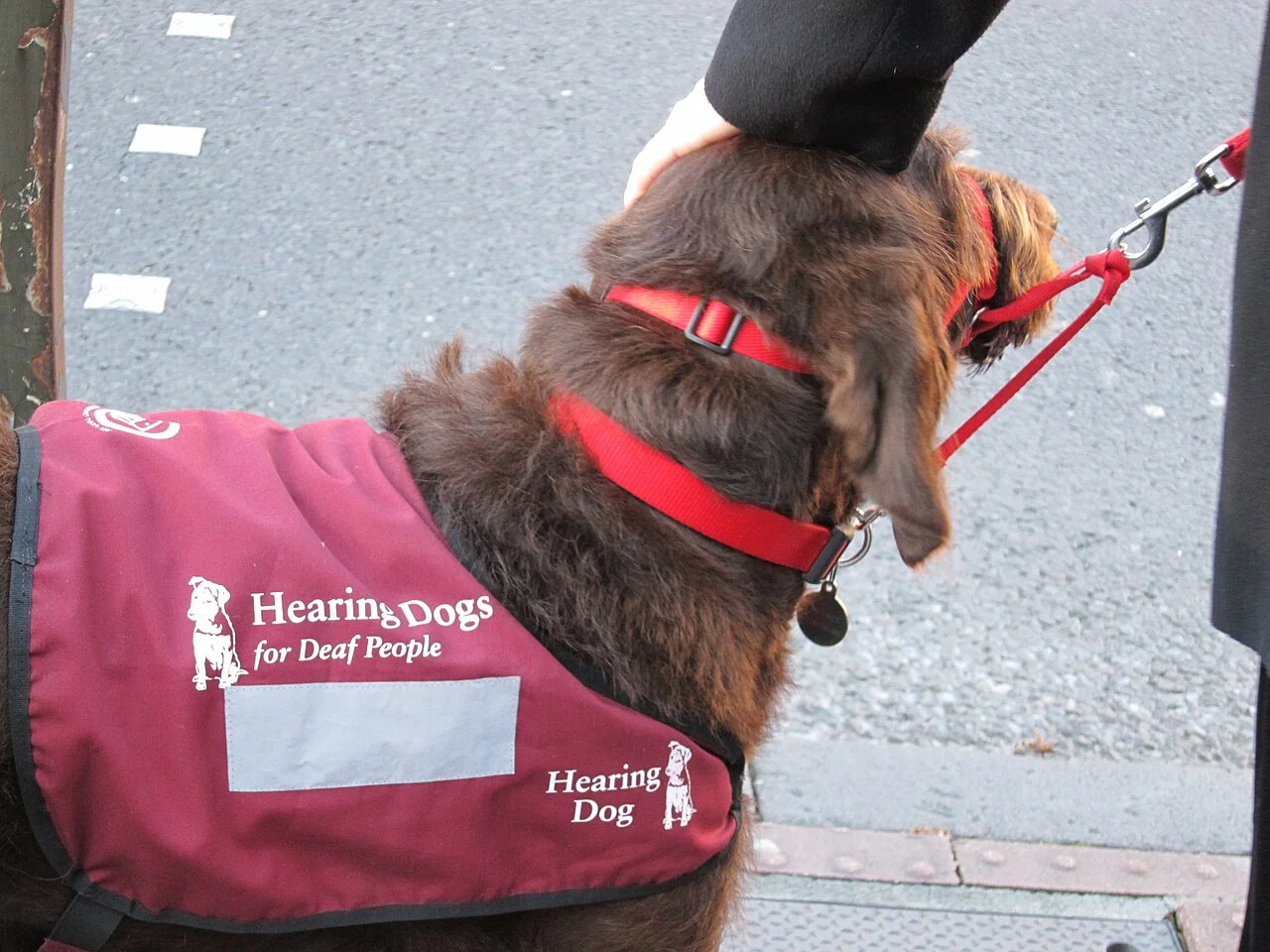
 Photograph
Blowing Puffer Fish · CC BY 2.0
Hero Dogs
Alert Ears and Wagging Tails: How Hearing Dogs Help Their Partners
A dog-focused look at the training and daily work of hearing dogs, drawn from one UK charity’s own descriptions.
All the News That's Fit to Bark!
Extraordinary dogs. Lasting legacies.
PhotographBlowing Puffer Fish · CC BY 2.0
A dog-focused look at the training and daily work of hearing dogs, drawn from one UK charity’s own descriptions.
 Photograph
A look at coordinated Swiss rescue operations that include avalanche dogs, drawn from limited public descriptions of specialist teamwork.
 Photograph
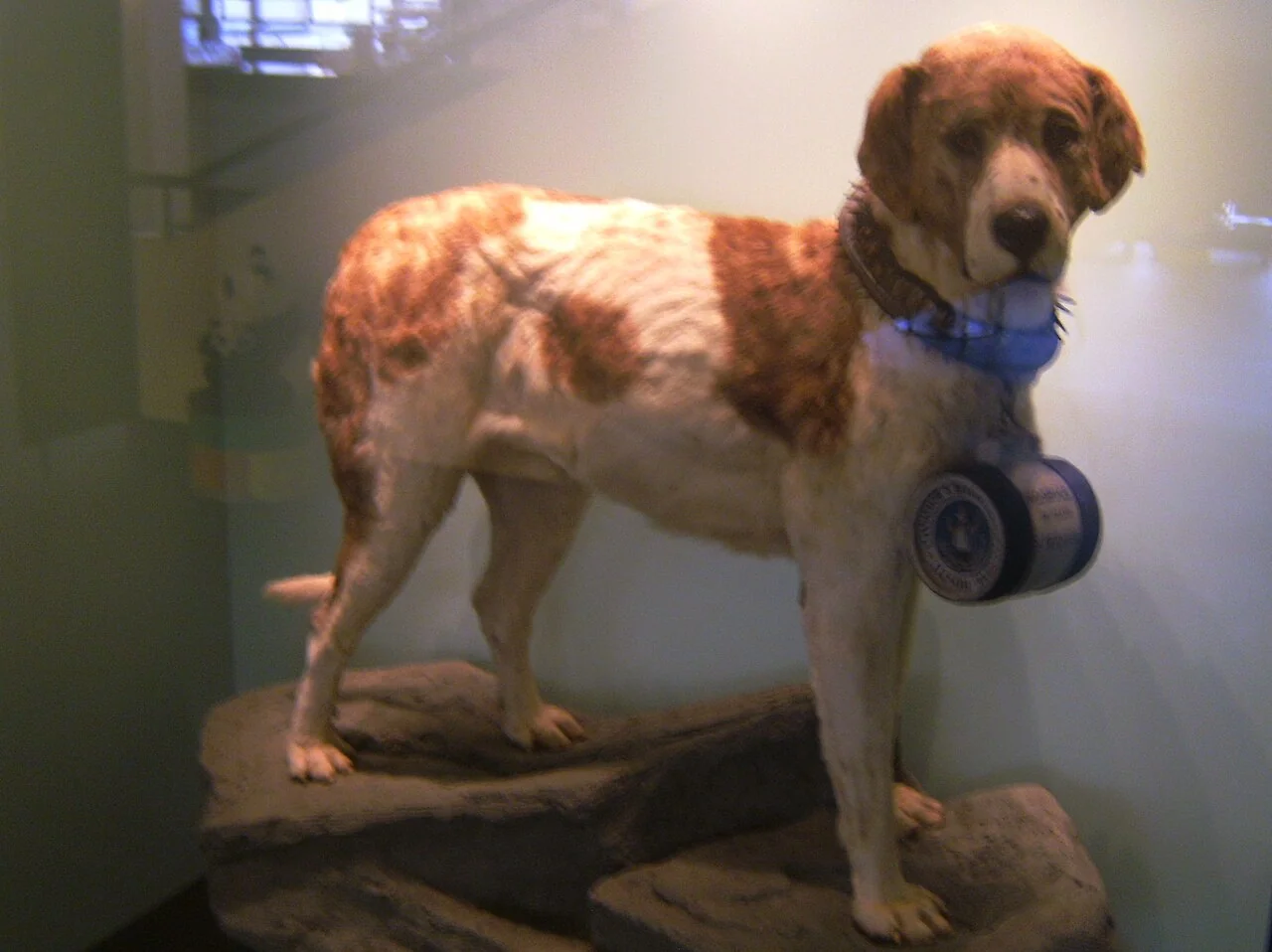
A real Alpine dog whose reputation grew from hospice service, even though detailed rescue records were never kept.
 Photograph
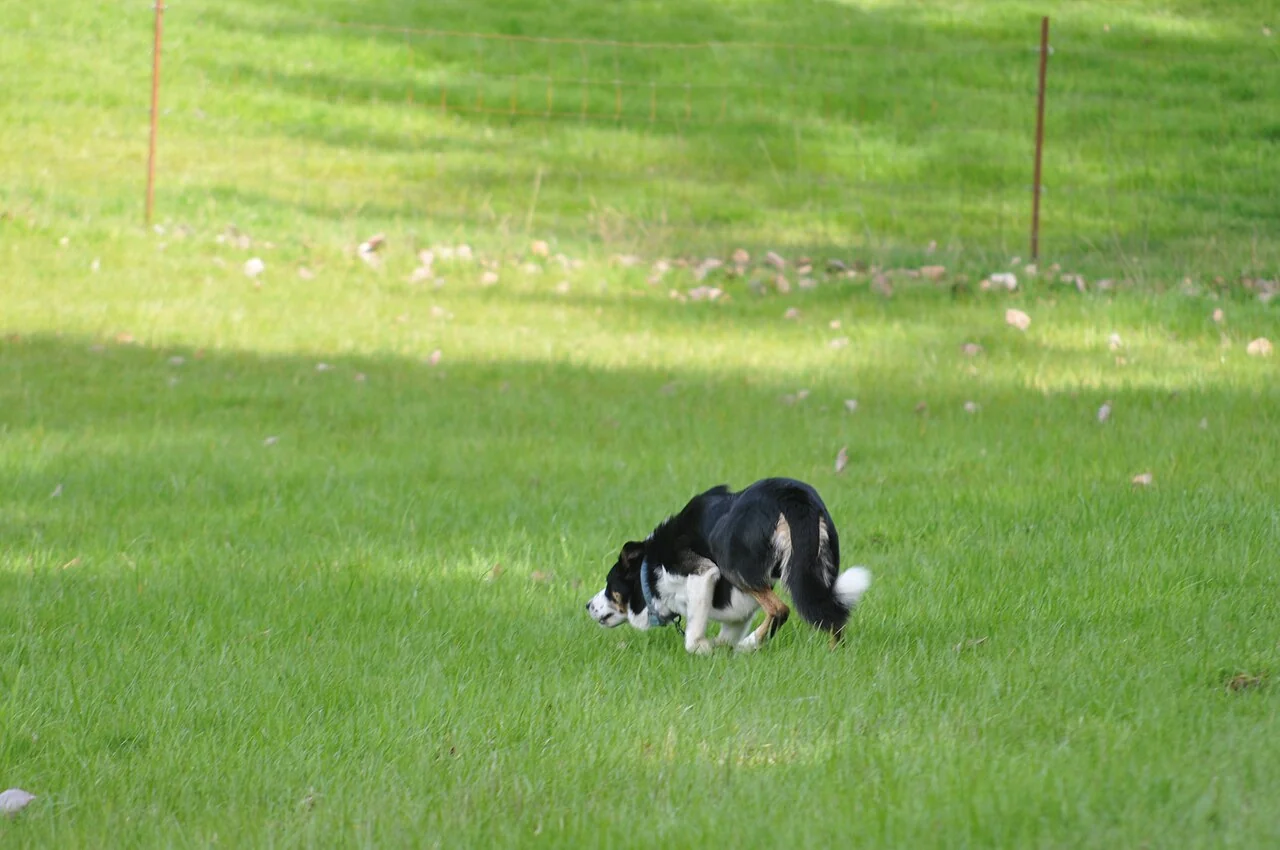
University of Sydney veterinary studies highlight how working dogs contribute to livestock health, pain management, and one-welfare approaches on vast pastoral operations.
 Historical collection image
Unknown authorUnknown author · Public domain
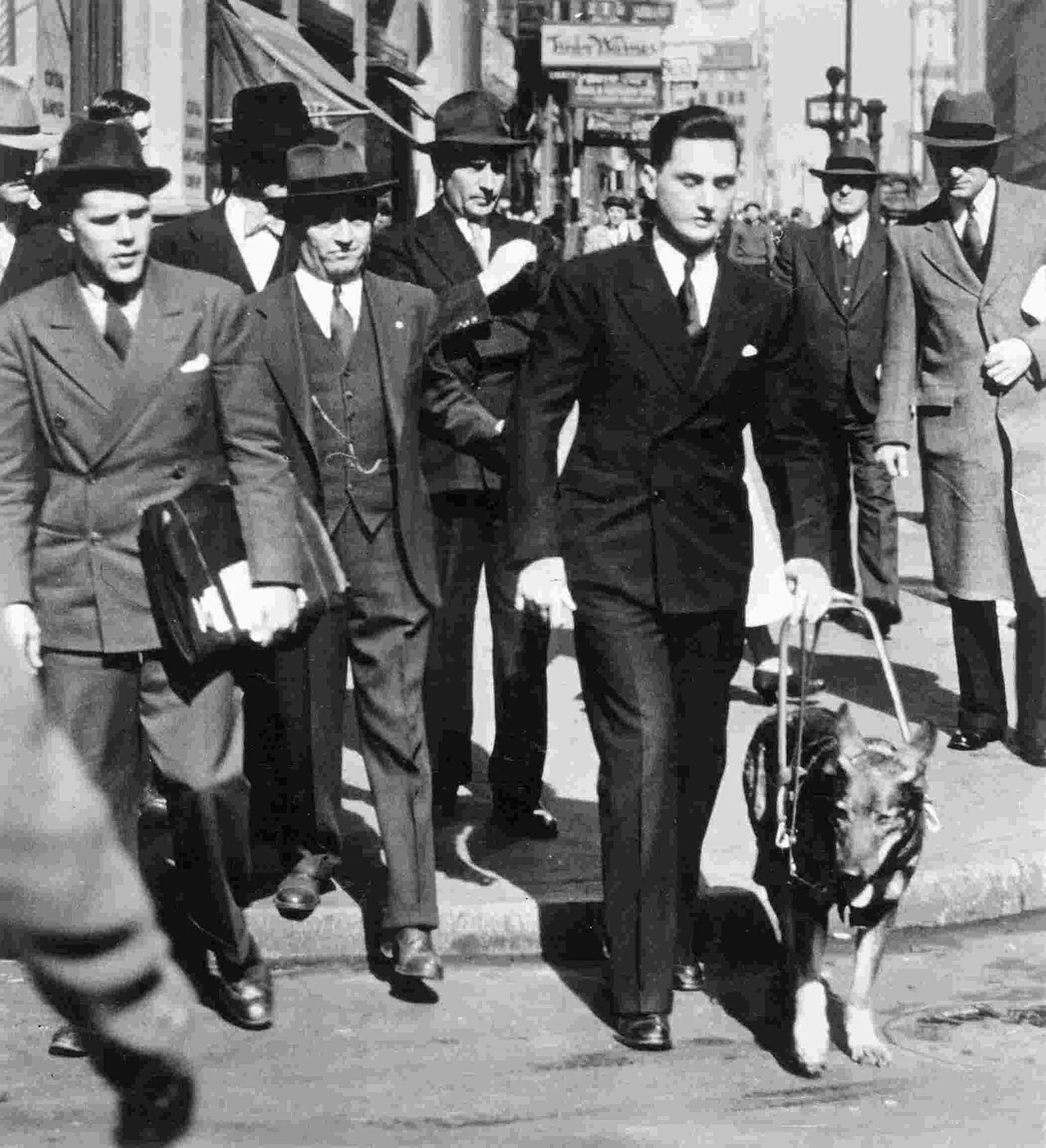
In 1928, a German shepherd originally named Kiss became Buddy and helped launch guide dog work in America after training at a Swiss center with her blind partner Morris Frank.
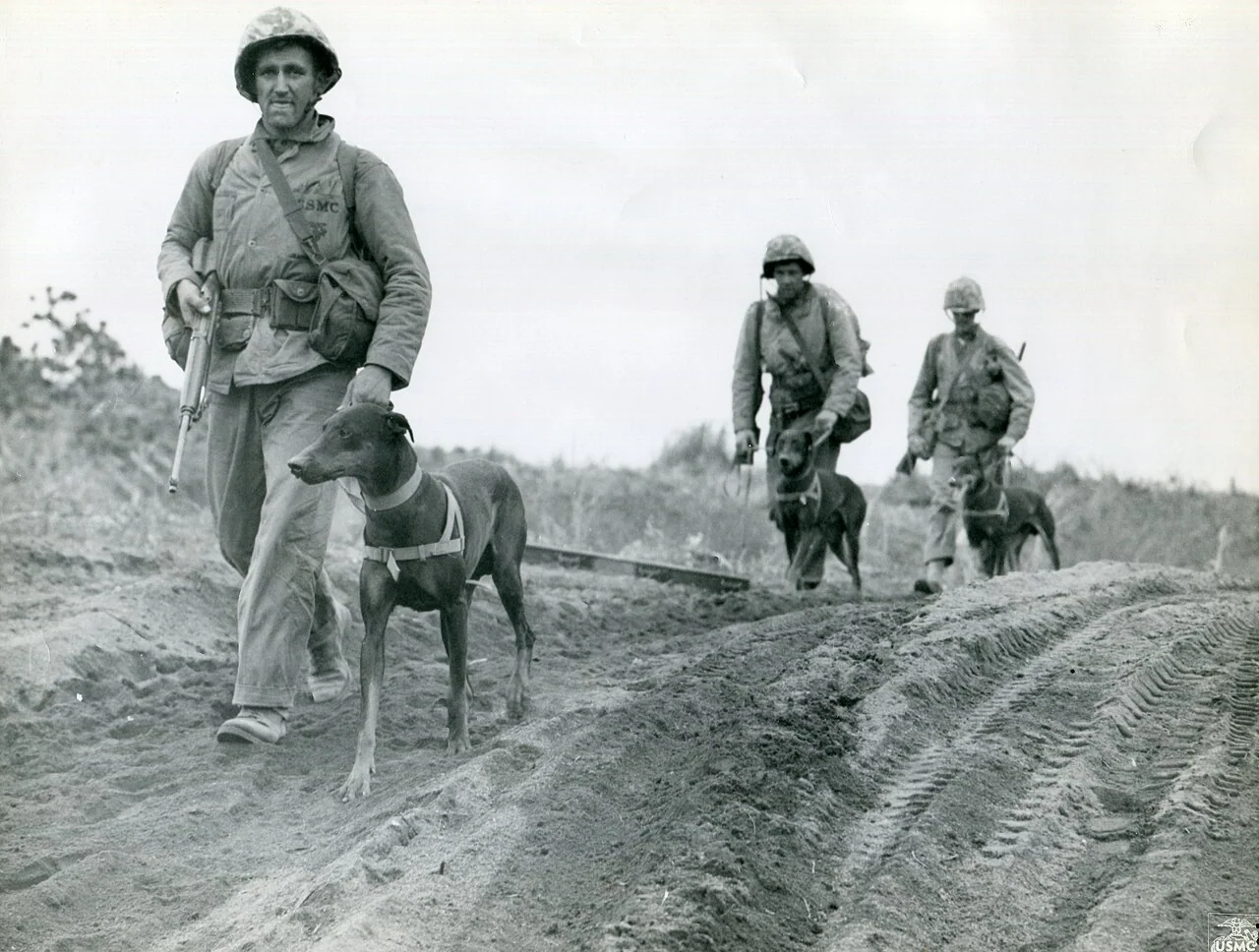 Historical collection image
Archives Branch, USMC History Division · CC BY 2.0
A German shepherd-collie-husky mix earned battlefield recognition for charging an enemy machine-gun nest during the 1943 Sicily landings, though most of his honors were later revoked.
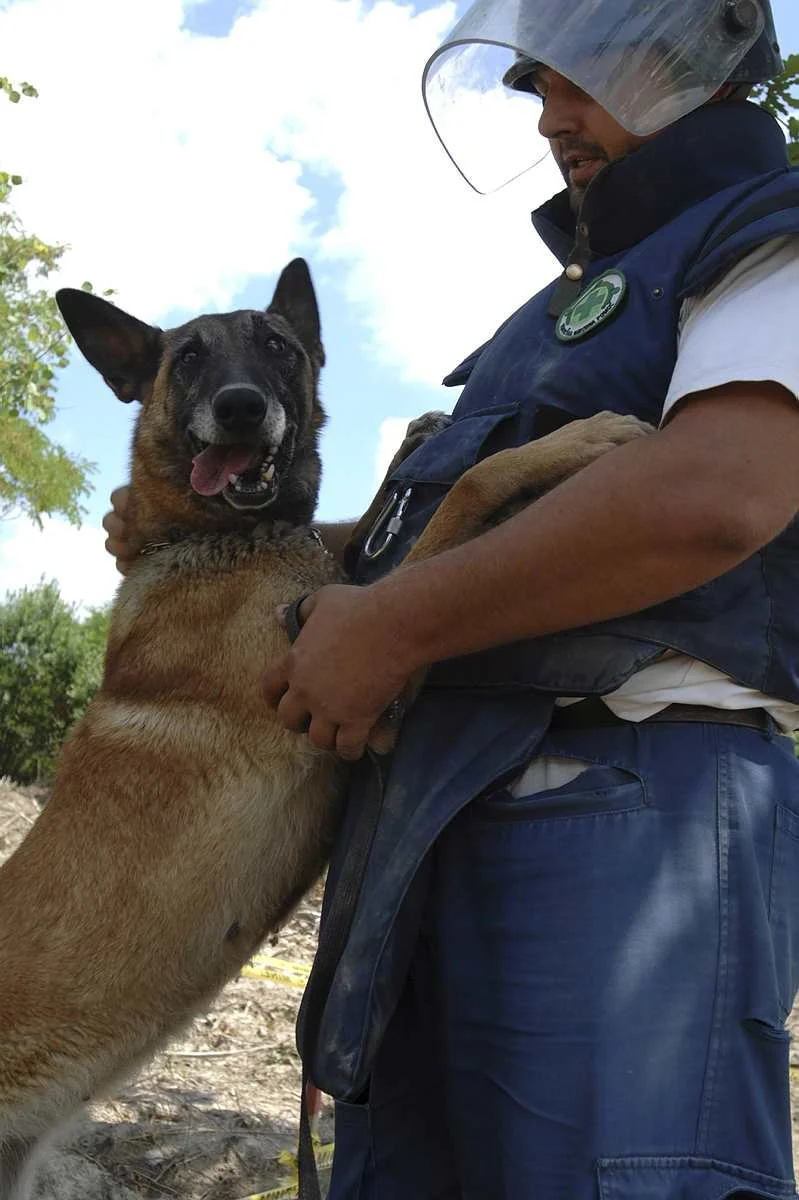 Photograph
Norsk Folkehjelp Norwegian People's Aid from Norway · CC BY 2.0
Inside a Sarajevo centre where puppies begin learning to support land-release efforts, Belgian Shepherd Malinois dogs train as part of a broader humanitarian approach.
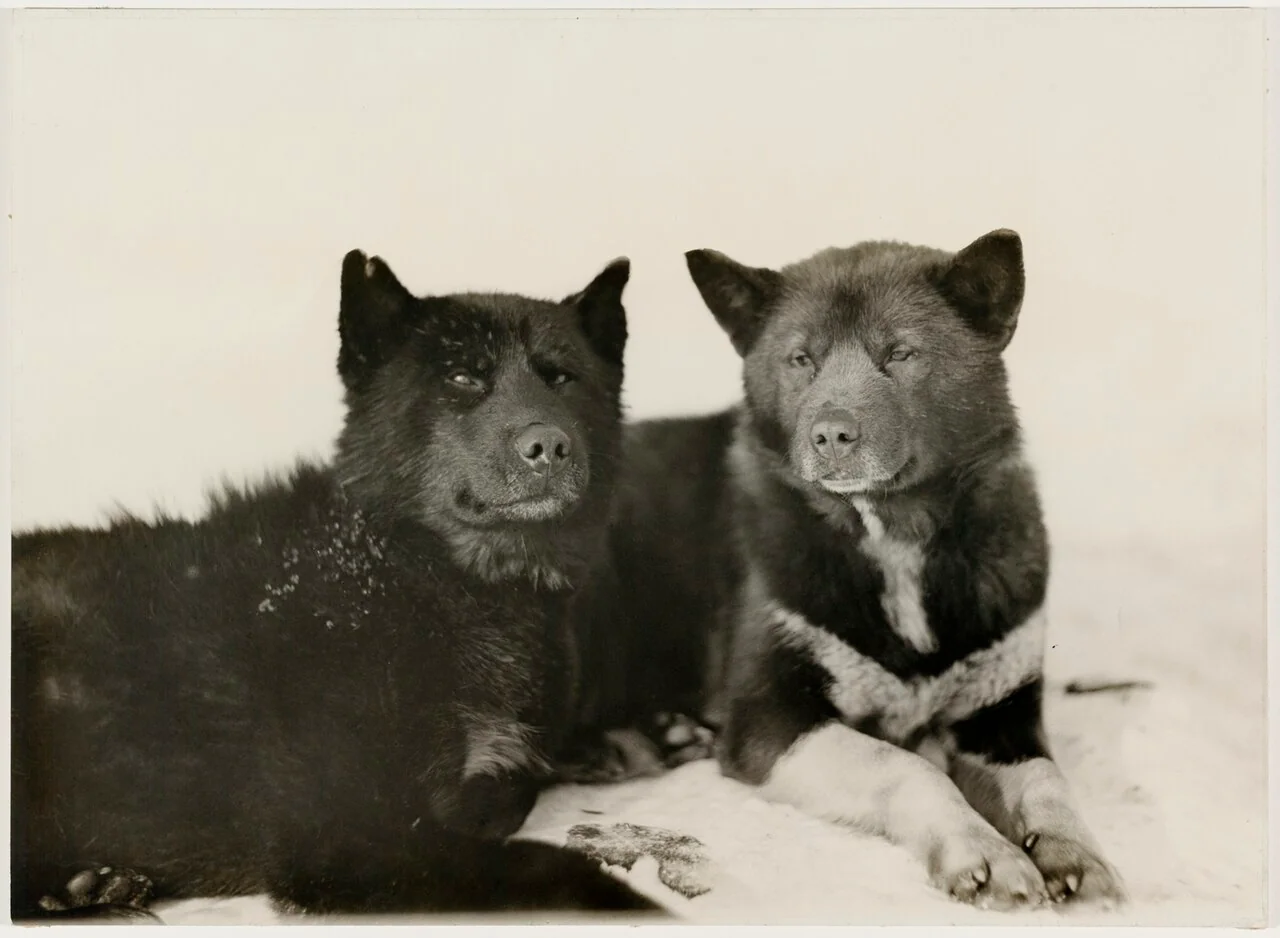 Historical collection image
Frank Hurley · Public domain
Careful selection, numbers, and practical management of the dogs helped one 1911 expedition complete a demanding round trip to the South Pole.
 Historical collection image
Unknown authorUnknown author · Public domain
During the September 11 attacks, Roselle guided her blind partner Michael Hingson down many flights of stairs from the 78th floor of the North Tower, later drawing attention to the composure of working guide dogs.
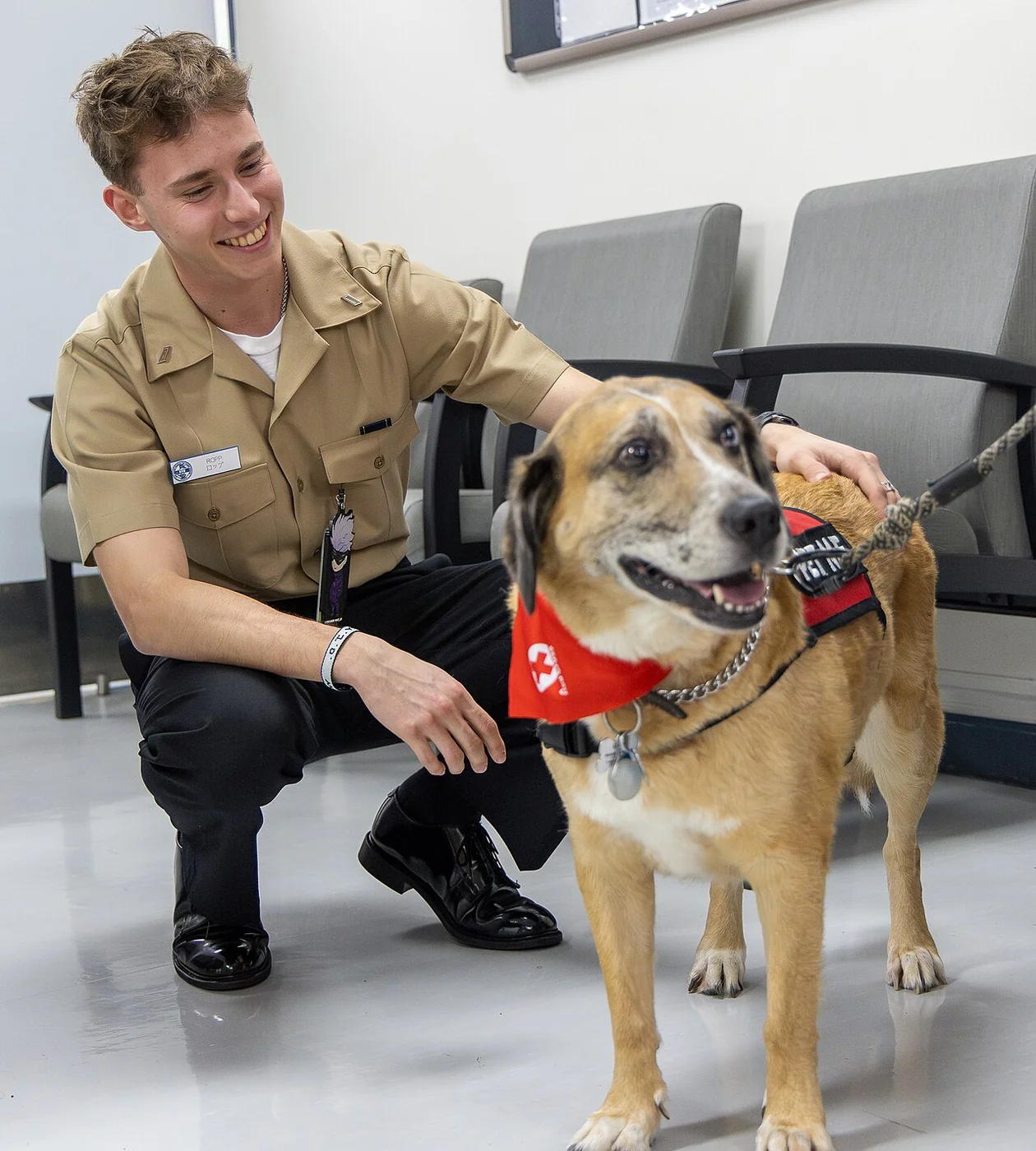 Photograph
AI HAZAMA · Public domain
Evidence-based rules on hygiene, patient selection, and infection control help therapy-dog teams work safely in acute-care settings where vulnerable people receive treatment.
 Photograph
U.S. Air Force photo by Senior Airman Violette Hosack · Public domain
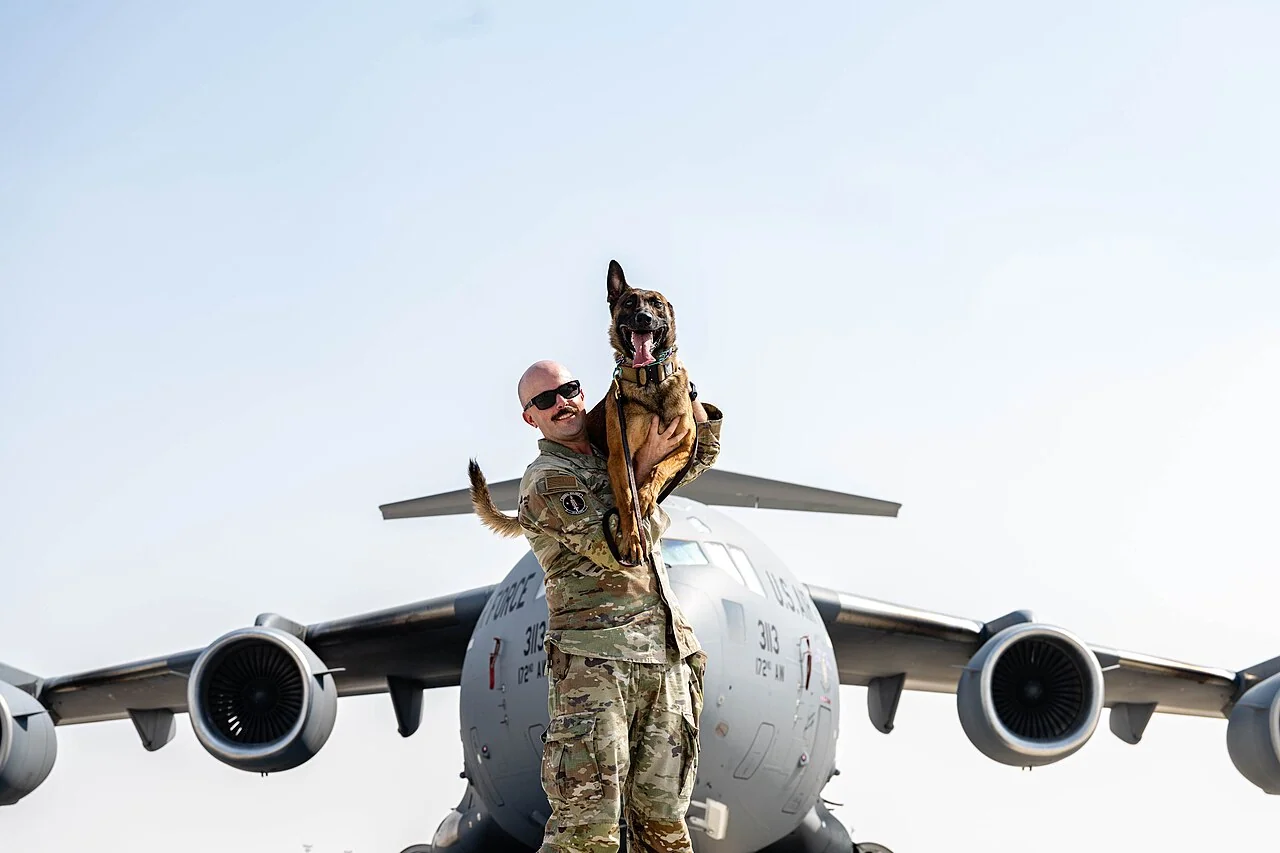
Handlers read subtle changes in a dog’s body language and reward successful alerts with play, turning the animals’ natural drive into a tool for finding hidden threats.
 Photograph
Source collection · Public domain
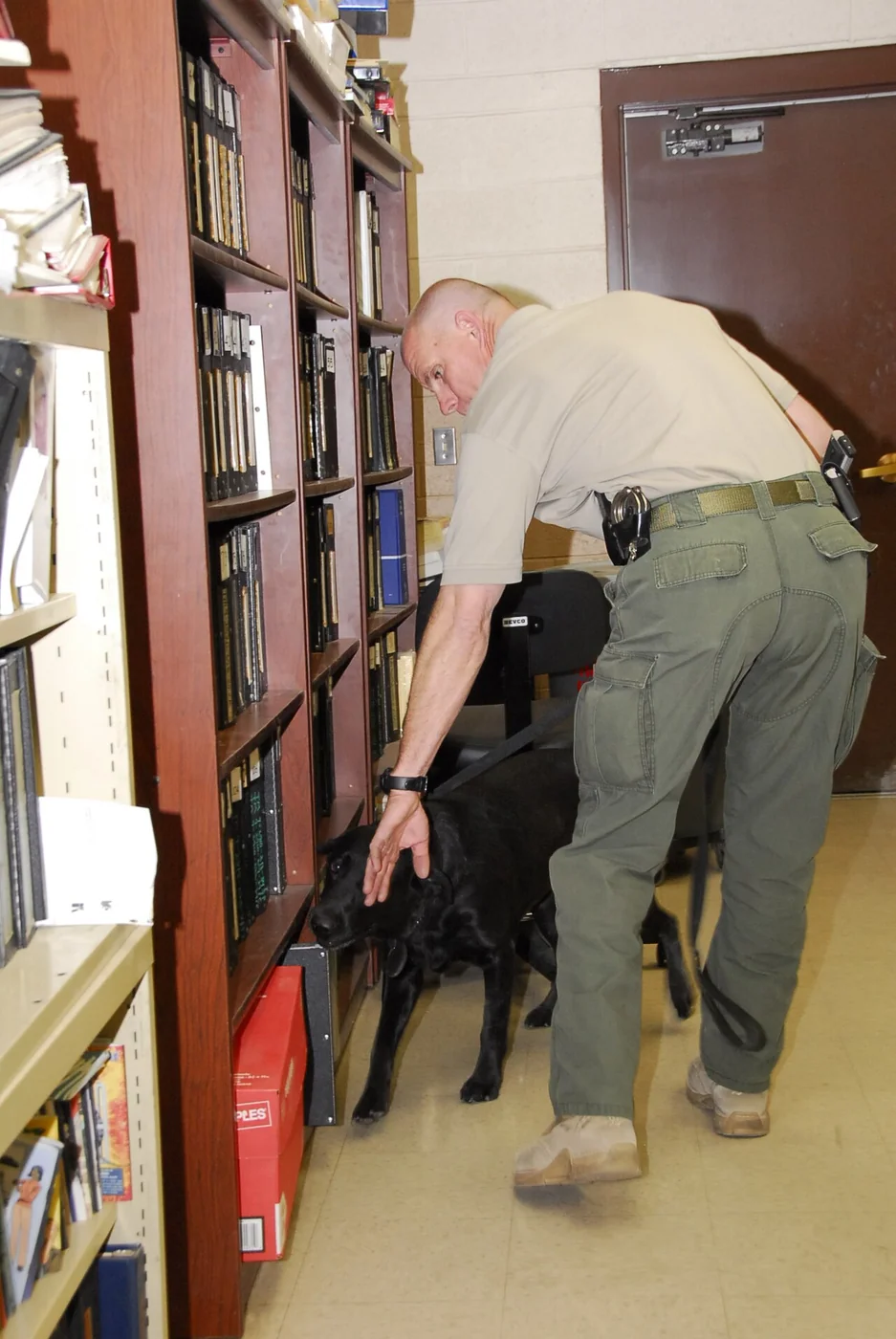
Certification standards from national canine associations set the bar for law enforcement teams that rely on dogs to track people using scent articles many hours old.
 Photograph
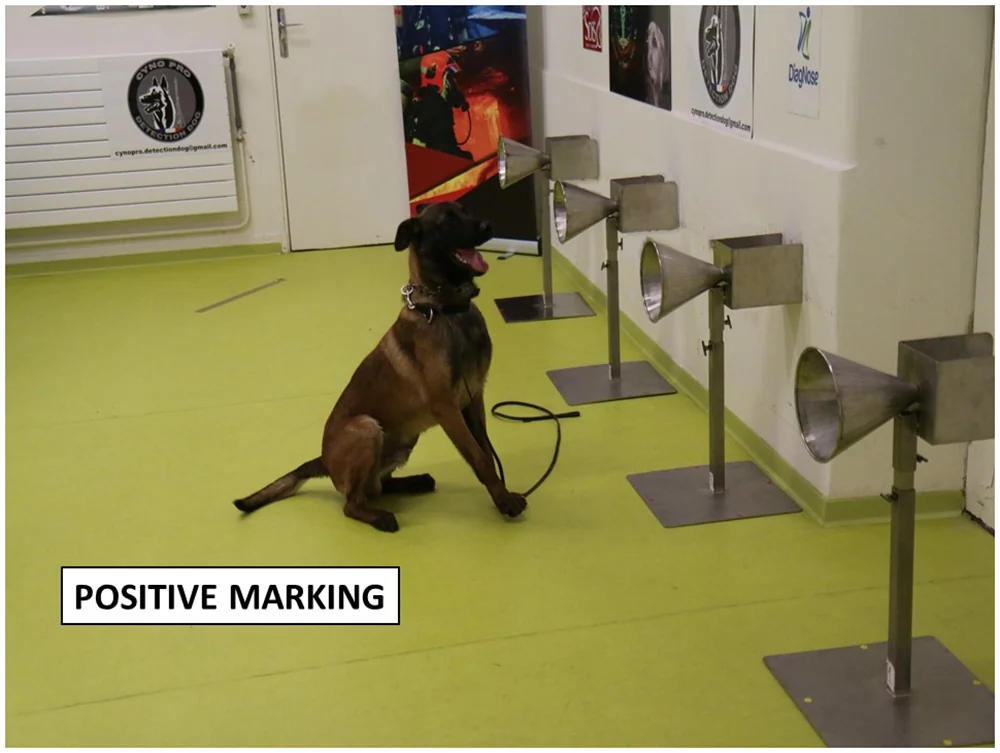
Authors of the study: Dominique Grandjean , Riad Sarkis , Clothilde Lecoq-Julien , Aymeric Benard , Vinciane Roger , Eric Levesque , Eric Bernes-Luciani , Bruno Maestracci, Pascal Morvan , Eric Gully , David Berceau-Falancourt , Pierre Haufstater, Gregory Herin, Joaquin Cabrera , Quentin Muzzin , Capucine Gallet , Hélène Bacqué, Jean-Marie Broc, Leo Thomas, Anthony Lichaa, Georges Moujaes, Michele Saliba, Aurore Kuhn, Mathilde Galey, Benoit Berthail, Lucien Lapeyre, Anthoni Capelli , Steevens Renault , Karim Bachir , Anthony Kovinger , Eric Comas, Aymeric Stainmesse , Erwan Etienne , Sébastien Voeltzel , Sofiane Mansouri , Marlène Berceau-Falancourt , Aimé Dami, Lary Charlet, Eric Ruau, Mario Issa, Carine Grenet, Christophe Billy, Jean-Pierre Tourtier , Loïc Desquilbet · CC BY 4.0
Conservation canines use their powerful noses to locate animal scat, supporting research without disturbing the animals themselves.
 Historical collection image
Copyright: Copyright © Carrie McLain Museum / AlaskaStock · CC0 1.0
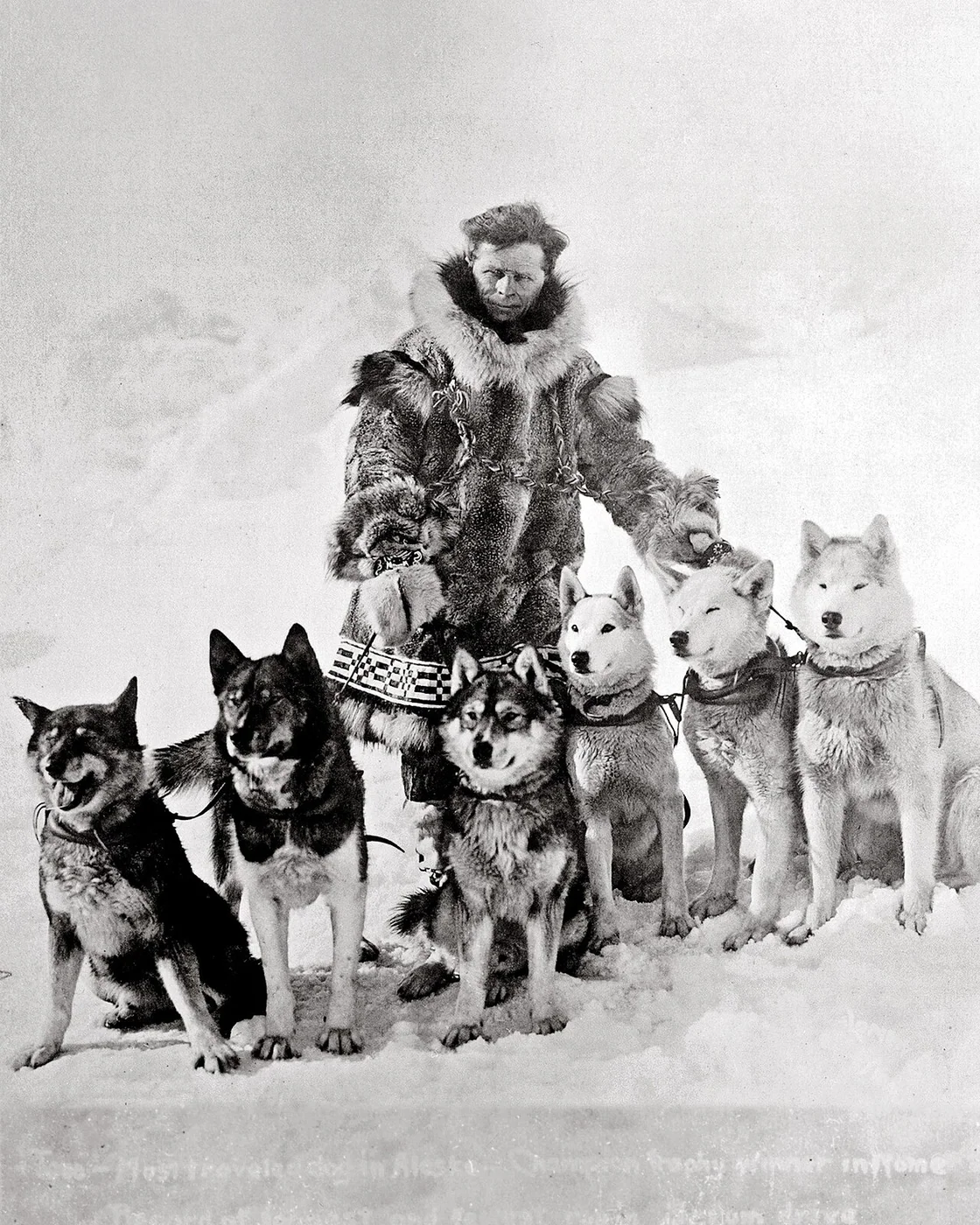
A veteran Siberian husky and his musher completed an 84-mile nonstop push over fractured sea ice during the relay that delivered diphtheria antitoxin to Nome, Alaska.
 Photograph
Smithsonian Institution · CC0 1.0
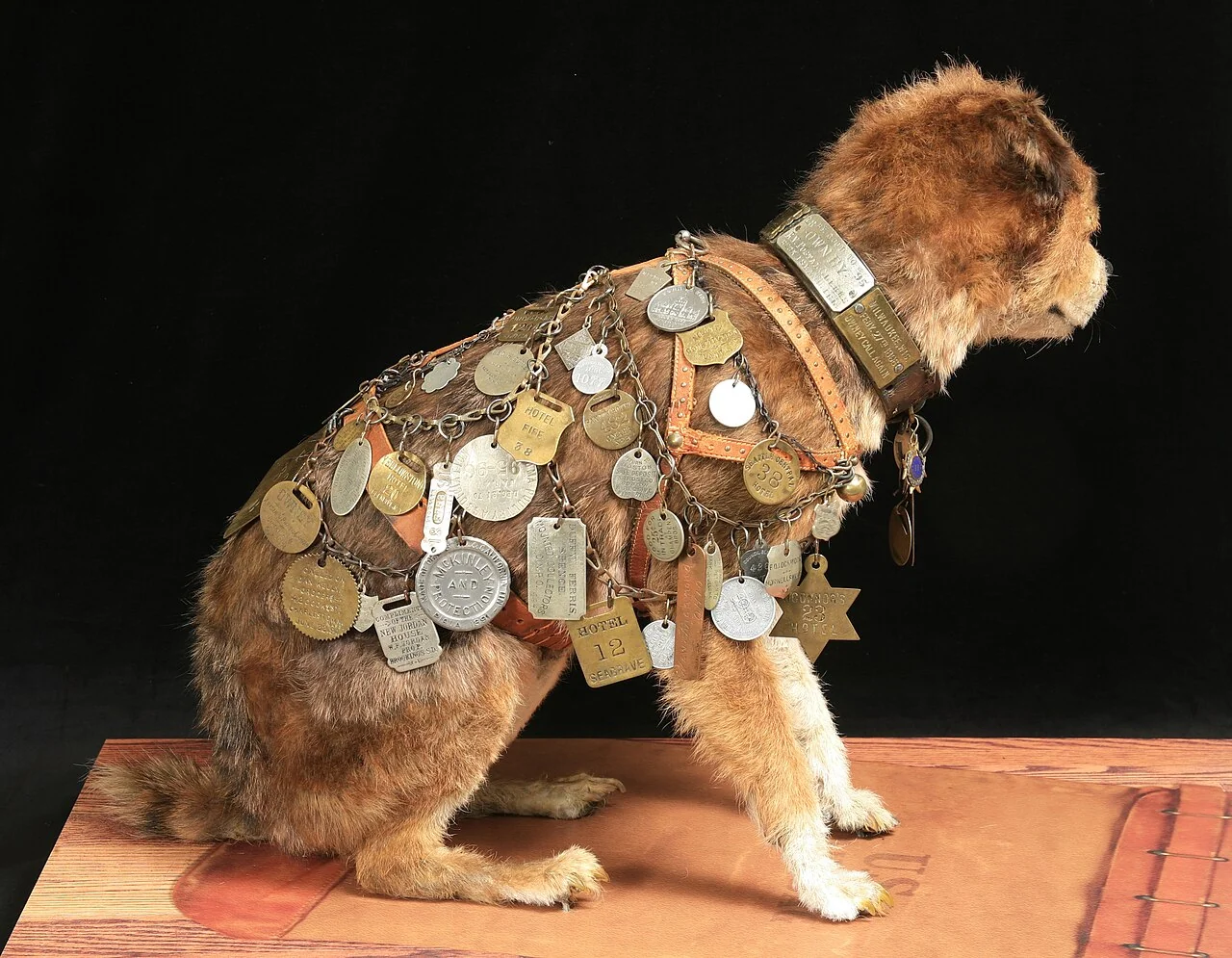
Preserved by the Smithsonian’s National Postal Museum, Owney’s story offers a glimpse into the working lives of late-19th-century postal clerks and the bonds they formed with an adopted stray.
 Photograph
Andrea Booher · Public domain
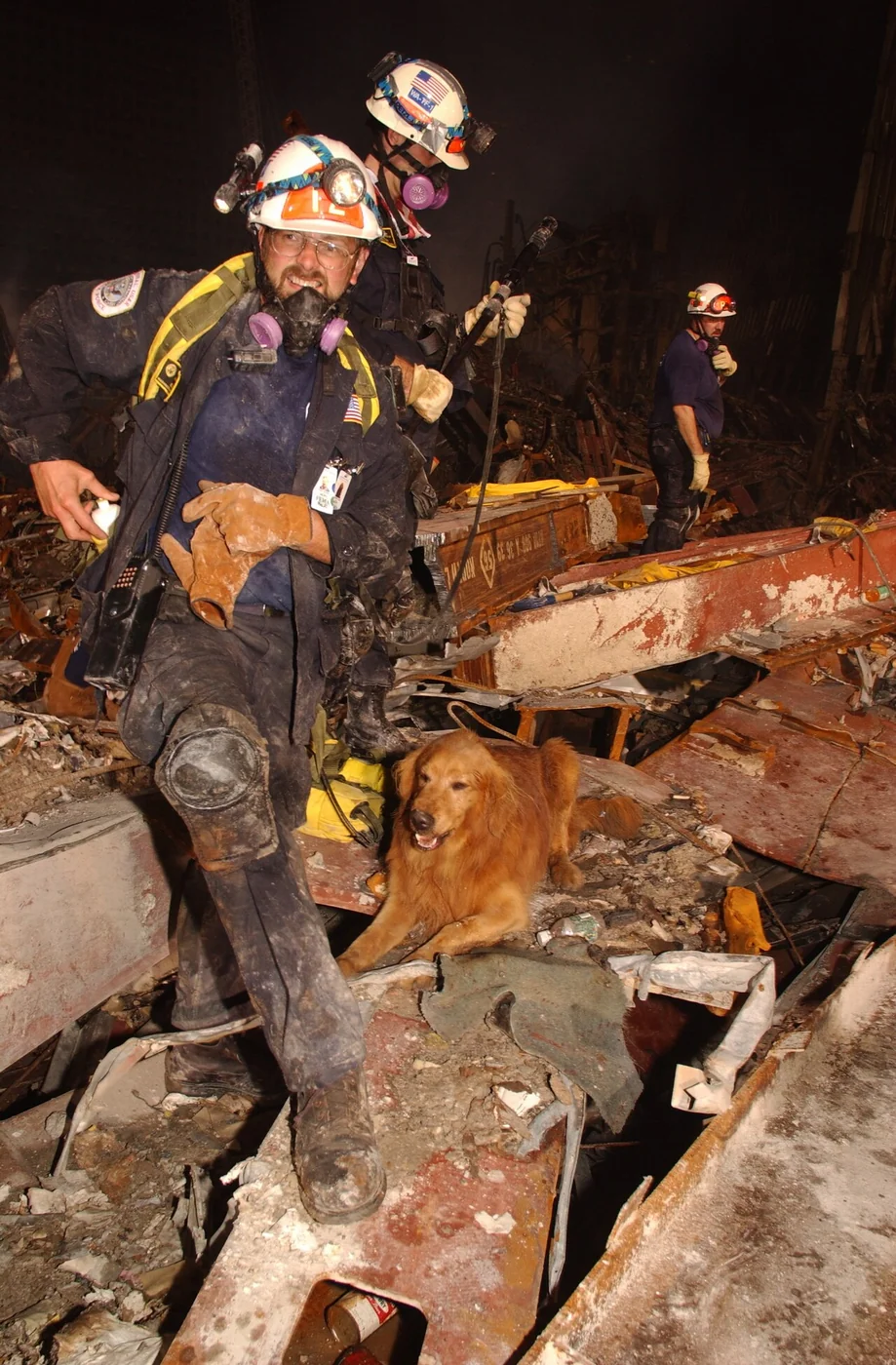
Handlers used scent bags and careful scheduling to support dogs searching the World Trade Center rubble, while later studies tracked the animals' exposure to hazards.
 Historical collection image
Brown Brothers · Public domain
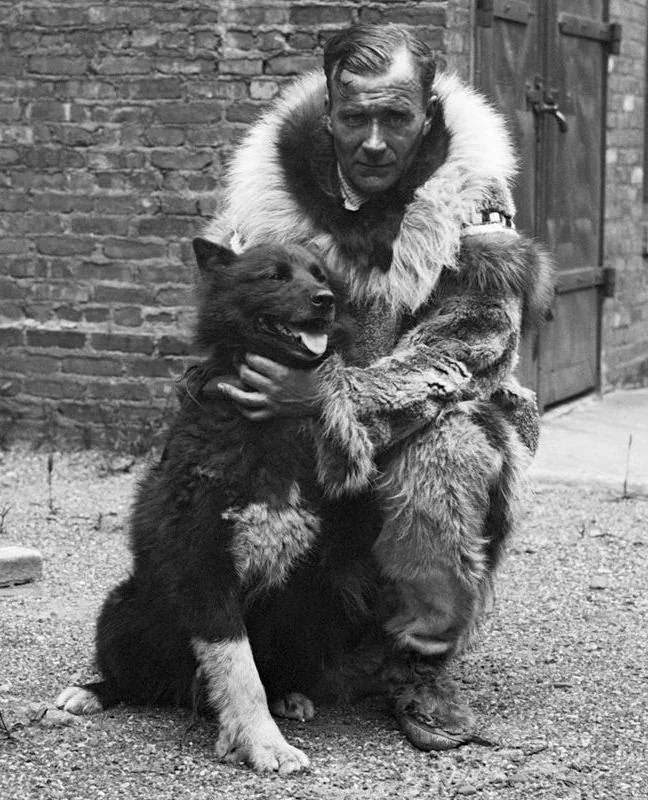
A review of the documented relay’s concluding stretch, grounded strictly in available archival and modeling sources.
 Photograph
Spc. Cheryl Ransford · Public domain
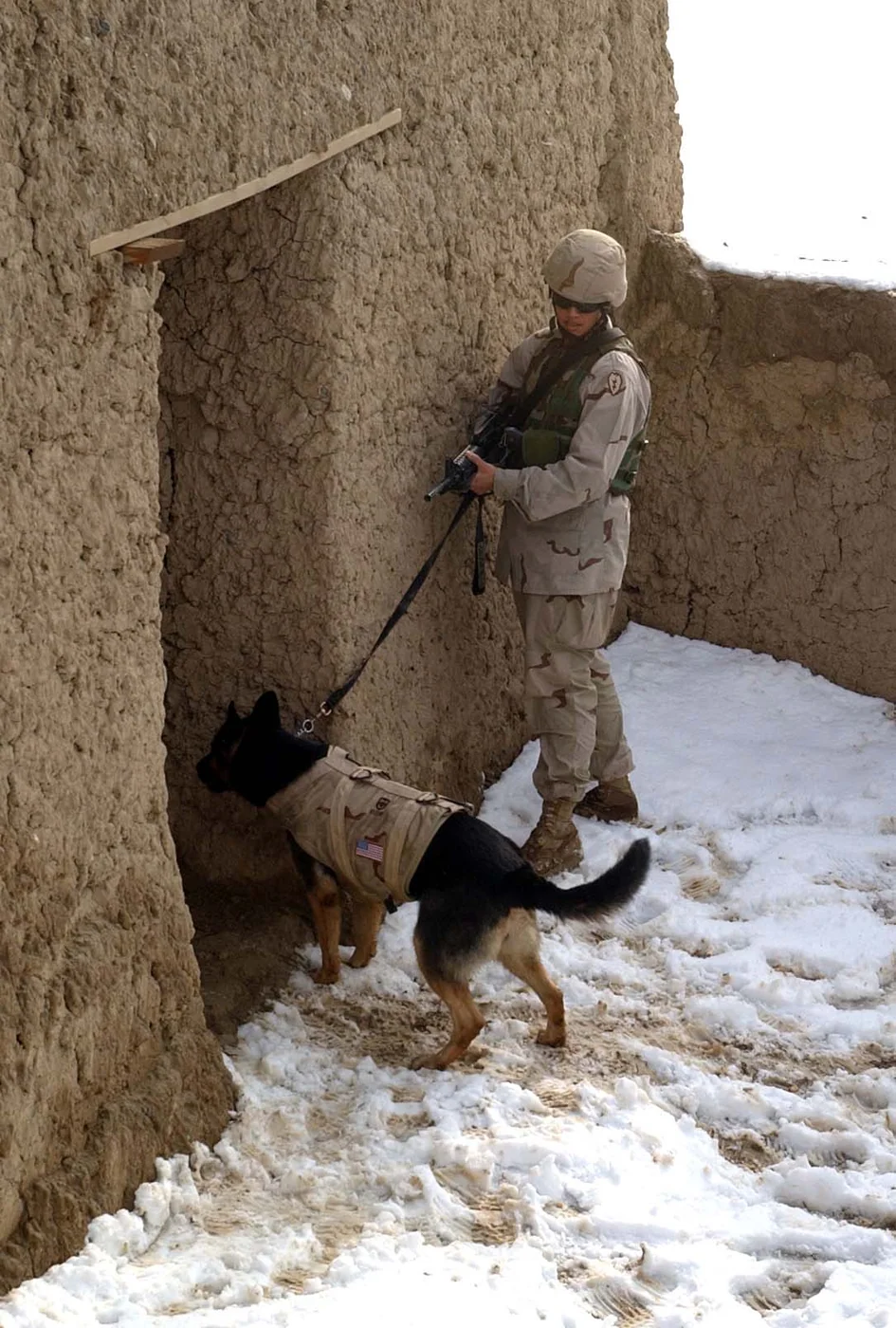
A Belgian Malinois accompanied Navy SEALs on the 2011 Abbottabad mission, outfitted with protective and camera-equipped vests that illustrate how canine teams support elite units.
 Historical collection image
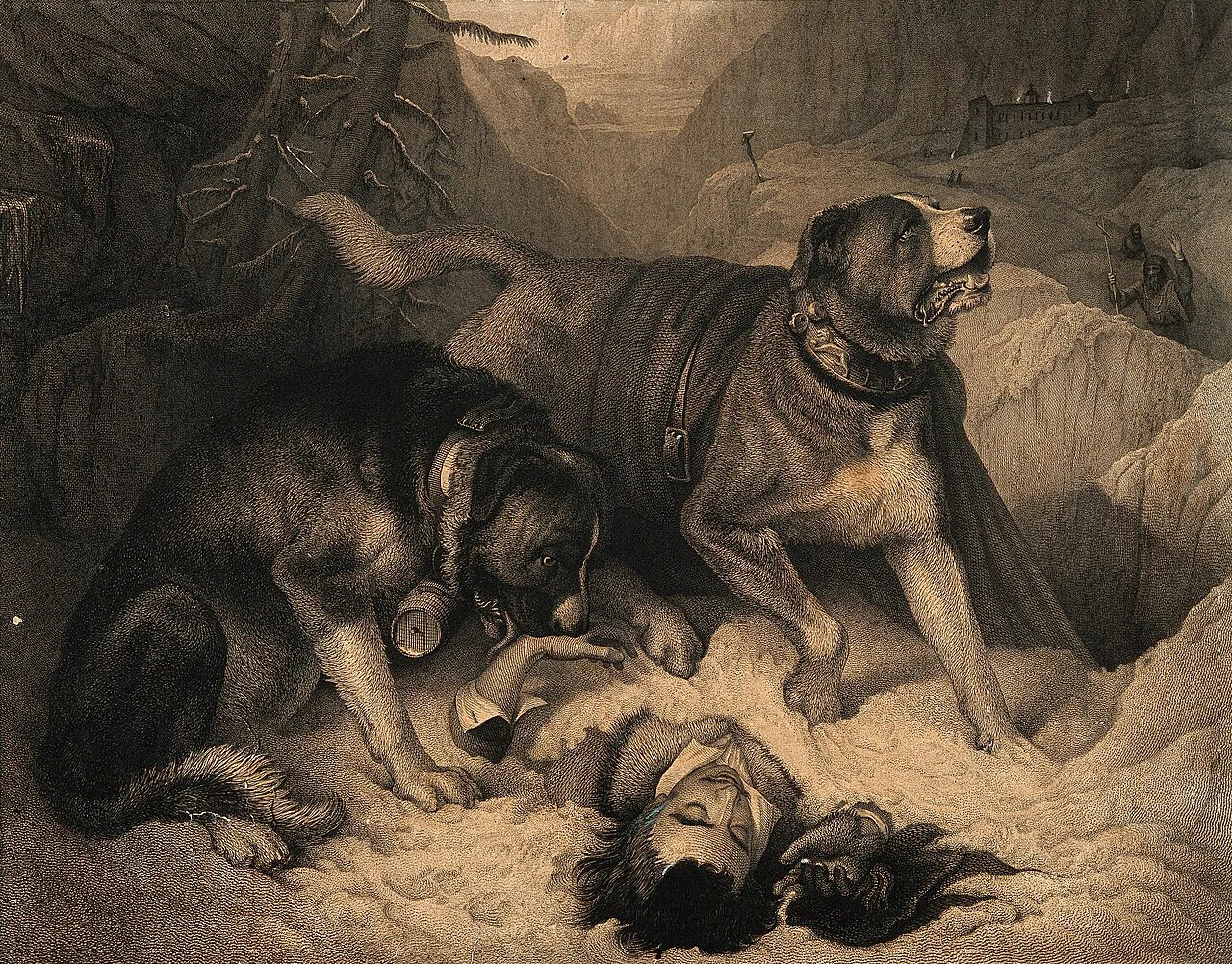
From military experiments in the 1940s to civilian stewardship by the Swiss Alpine Club, dogs became valued partners in locating people buried by snow.
 Photograph
USDAgov · Public domain
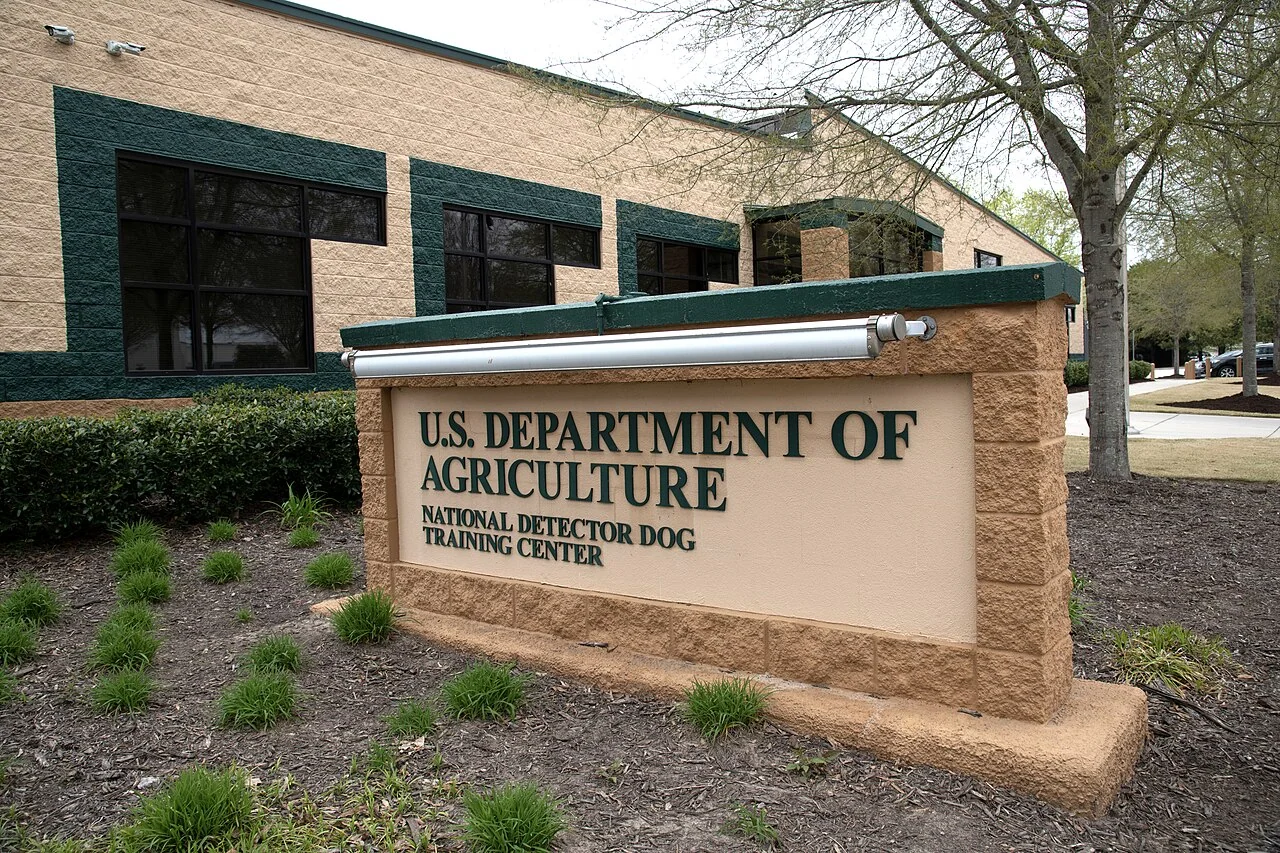
Specially trained beagles and their handlers inspect international luggage for prohibited fruit, vegetables, and meat, reducing risks to American agriculture from pests and diseases.
 Photograph
Mikhail (Vokabre) Shcherbakov from Moscow, Russia · CC BY-SA 2.0
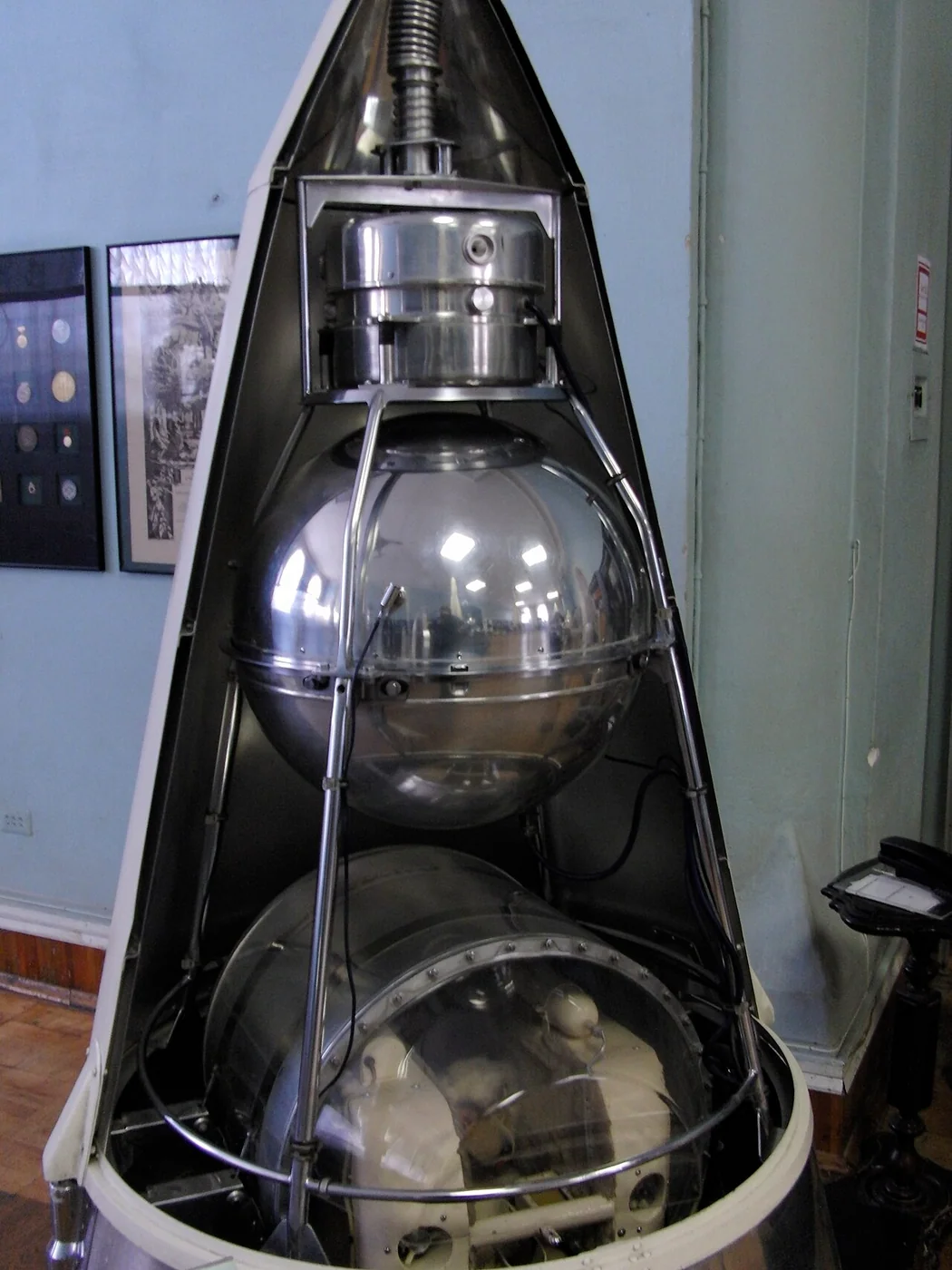
Data from Sputnik 2 showed how a canine passenger responded to launch forces, weightlessness, and rising cabin heat during the first orbital animal flight.
 Photograph
Unknown authorUnknown author · Public domain
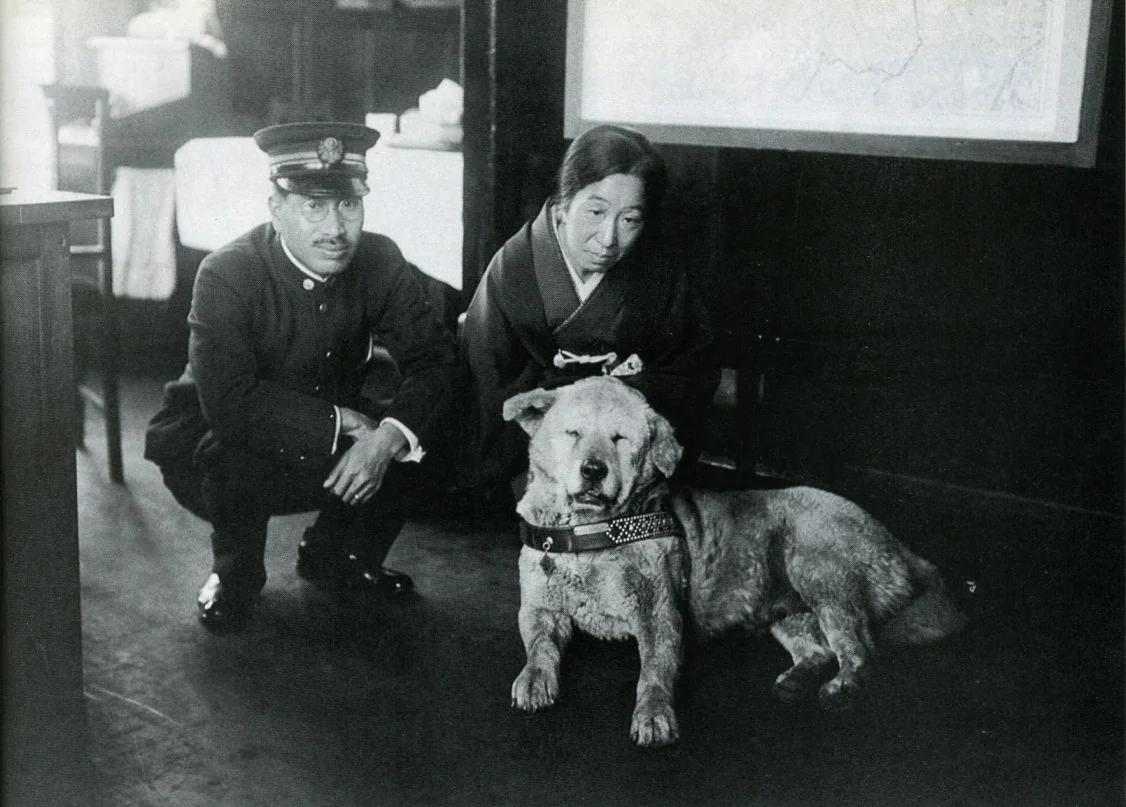
Evidence from newspapers and eyewitness writings reveals a more nuanced picture of the Akita’s post-1925 routine than popular retellings suggest.