


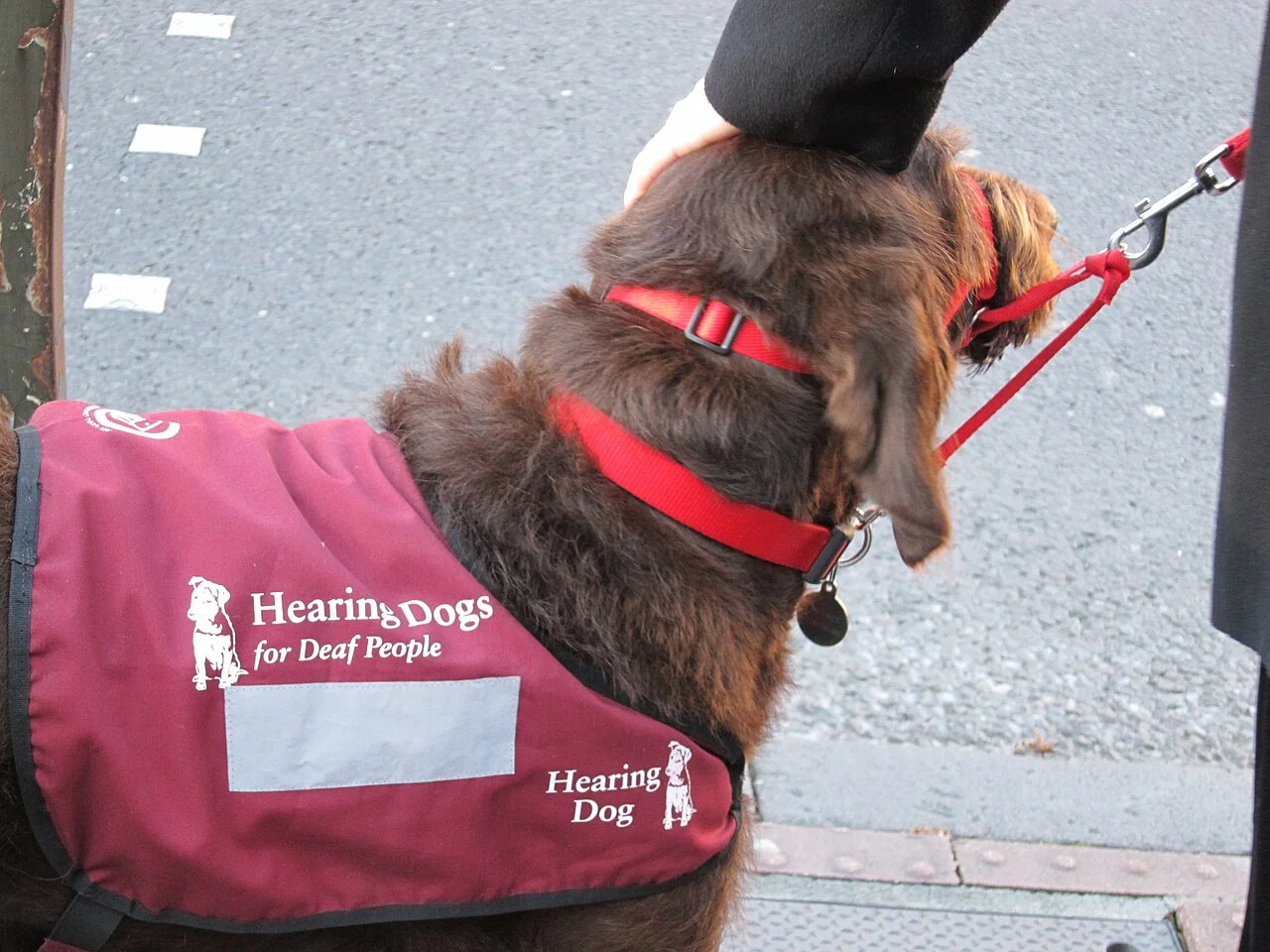
 Photograph
Blowing Puffer Fish · CC BY 2.0
Hero Dogs
Alert Ears and Wagging Tails: How Hearing Dogs Help Their Partners
A dog-focused look at the training and daily work of hearing dogs, drawn from one UK charity’s own descriptions.
All the News That's Fit to Bark!
Evidence from newspapers and eyewitness writings reveals a more nuanced picture of the Akita’s post-1925 routine than popular retellings suggest.
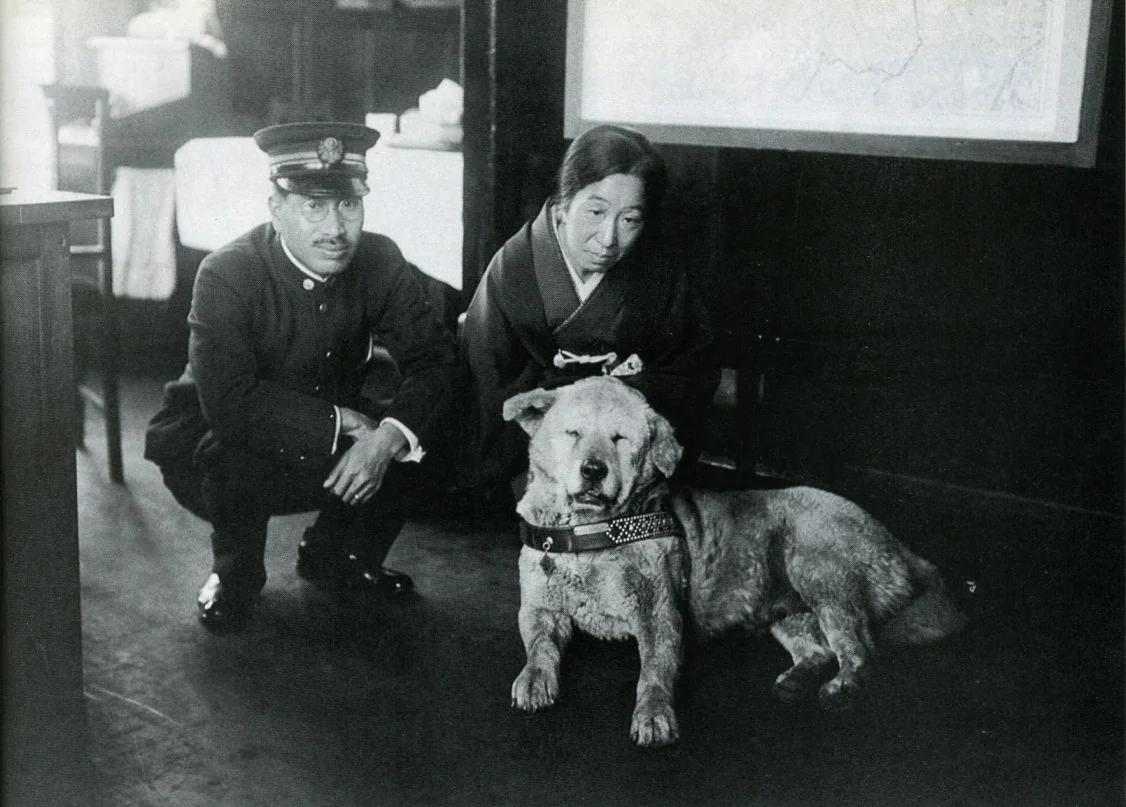
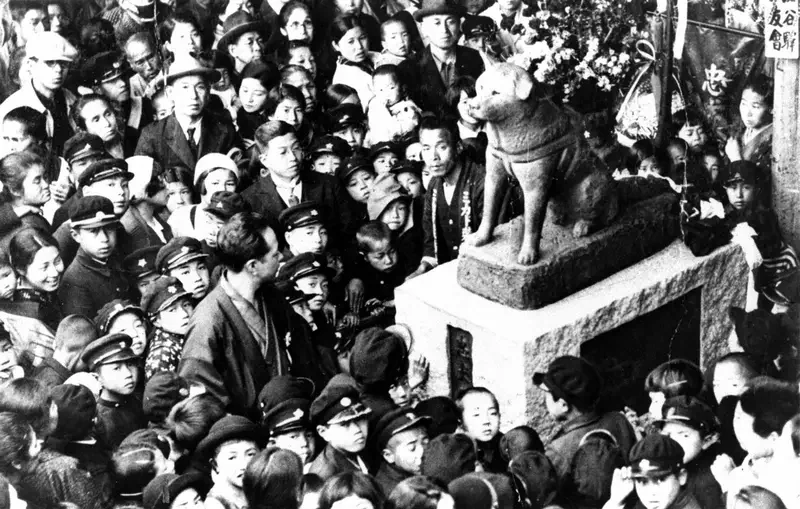
Archival photograph of Hachiko at Shibuya Station around 1933 (Showa 8). The man in the picture is the station master. Unknown authorUnknown author · Public domain · Web size optimized; source linked for the original.
Hachiko, an Akita dog born in 1923, became known for waiting at Shibuya Station in Tokyo after the death of his owner, Professor Hidesaburo Ueno, in May 1925. Contemporary newspaper accounts and station observations from the 1930s document the dog’s repeated presence at the station until his death in March 1935. These sources describe a pattern of daily visits rather than a strictly timed vigil tied to a specific afternoon train. The evidence invites readers to consider how loyalty stories take shape from real but sometimes varying eyewitness details. This article examines what the available records support, what remains uncertain, and what questions the story still raises about animal behavior and human memory.
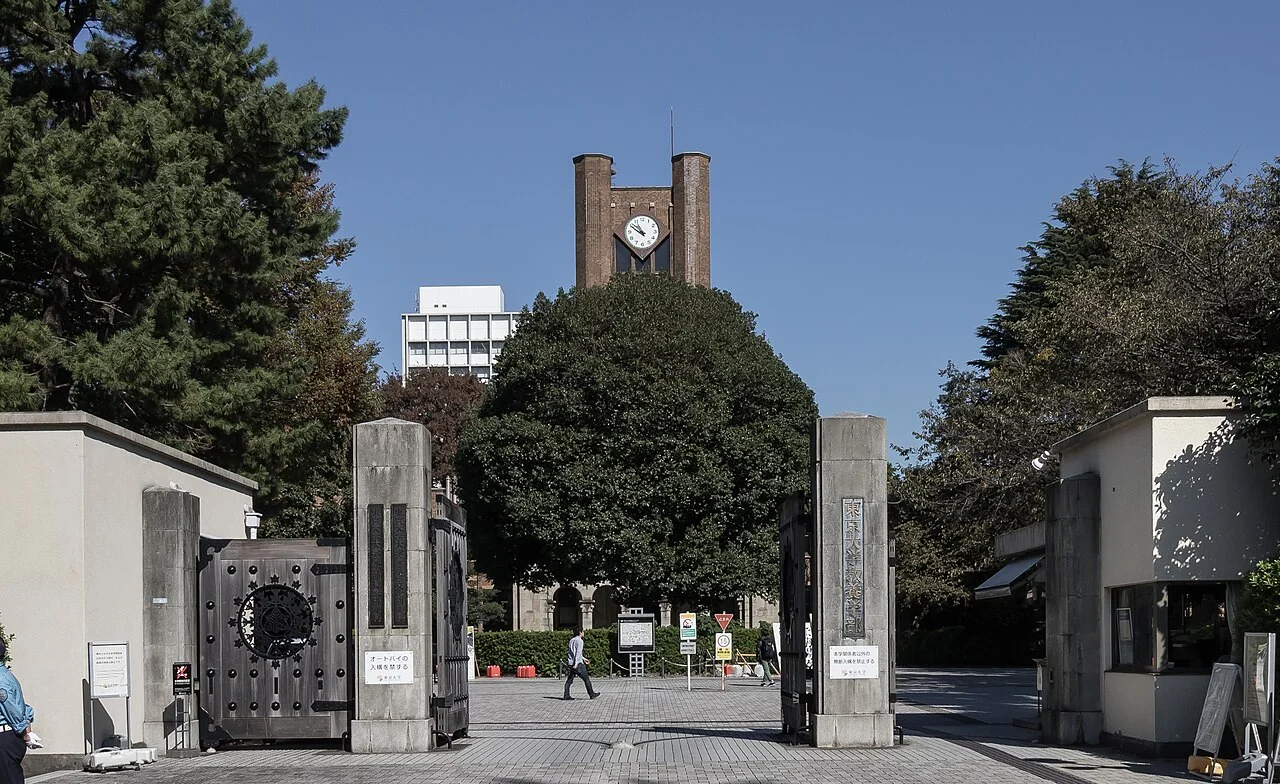
Hachiko was born in 1923 and came to live with Professor Ueno in Tokyo. According to university analysis of primary accounts, during Ueno’s lifetime the dog did not wait at Shibuya Station. Instead, testimony recorded in the Hachiko Bunkenshu collection indicates Hachiko saw Ueno off and waited for him at the main gate of the university campus in Komaba, where the professor commuted on foot. This detail contrasts with the widely shared version of a joint daily station routine. After Ueno died on May 21, 1925, Hachiko was taken in by the professor’s gardener. Station staff and commuters later observed the dog at Shibuya Station.
An Asahi Shimbun article from October 1932, written by Hirokichi Saito, reported that the dog was seen waiting at the station after the professor’s death. The university’s review of that contemporary newspaper piece notes that Saito made no mention of joint daily station trips during Ueno’s life. These early post-loss months therefore mark the beginning of the documented station visits. The shift from campus gate to railway platform raises an interesting question: did the dog gradually transfer his waiting behavior to a new location associated with his owner, or did human observers begin noticing him only once he became a regular at the busier station?
The Asahi Shimbun reporting states that around the fall of 1927 Hachiko began appearing at Shibuya Station every morning and every evening, waiting for some time before returning home. This timeline suggests a gap of more than two years between Ueno’s death and the establishment of a twice-daily station routine. Earlier accounts describe the dog returning to the station after an initial period away. The pattern continued until March 1935, spanning nearly a decade of repeated visits rather than unbroken daily attendance from the moment of loss.
A station employee named Satō kept a six-volume journal titled Record of Loyal Dog Hachi-kō that documented observations up to the dog’s death. Preserved at the Society for the Maintenance of the Hachi-kō Bronze Statue, the journal offers an eyewitness record but is not an official railway timetable. These writings, along with the 1932 newspaper coverage, treated the dog’s presence as noteworthy local behavior. The variation in reported start dates encourages readers to ask how memory and retelling can compress timelines. If the twice-daily habit solidified only in 1927, what was Hachiko doing in the intervening years, and how did public attention eventually crystallize around the later, more consistent phase?
Railway workers and regular passengers at Shibuya Station noticed the dog and, according to the 1932 Asahi article, some had previously mistreated him before his story drew sympathy. The newspaper highlighted the “pitiful old dog’s story,” which helped shift attitudes. Station employees provided practical support at times, though the sources do not detail a formal care schedule. The employee journal kept by Satō recorded many of these day-to-day encounters, preserving a grounded view of the animal as a persistent but ordinary presence rather than a mythic figure.
Commuters and staff saw the Akita waiting through arrivals and departures. The sources emphasize that he would wait for some time before leaving. This behavior occurred in the context of a busy urban station undergoing modernization during the transition from the Taisho to Showa eras. The practical role of railway staff in simply allowing the dog to remain without harassment reflects a quiet tolerance. One editorial implication is that small acts of non-interference by ordinary workers helped sustain the scene that later inspired public affection. How much of the dog’s tenacity depended on this unspoken permission from the people who ran the station?
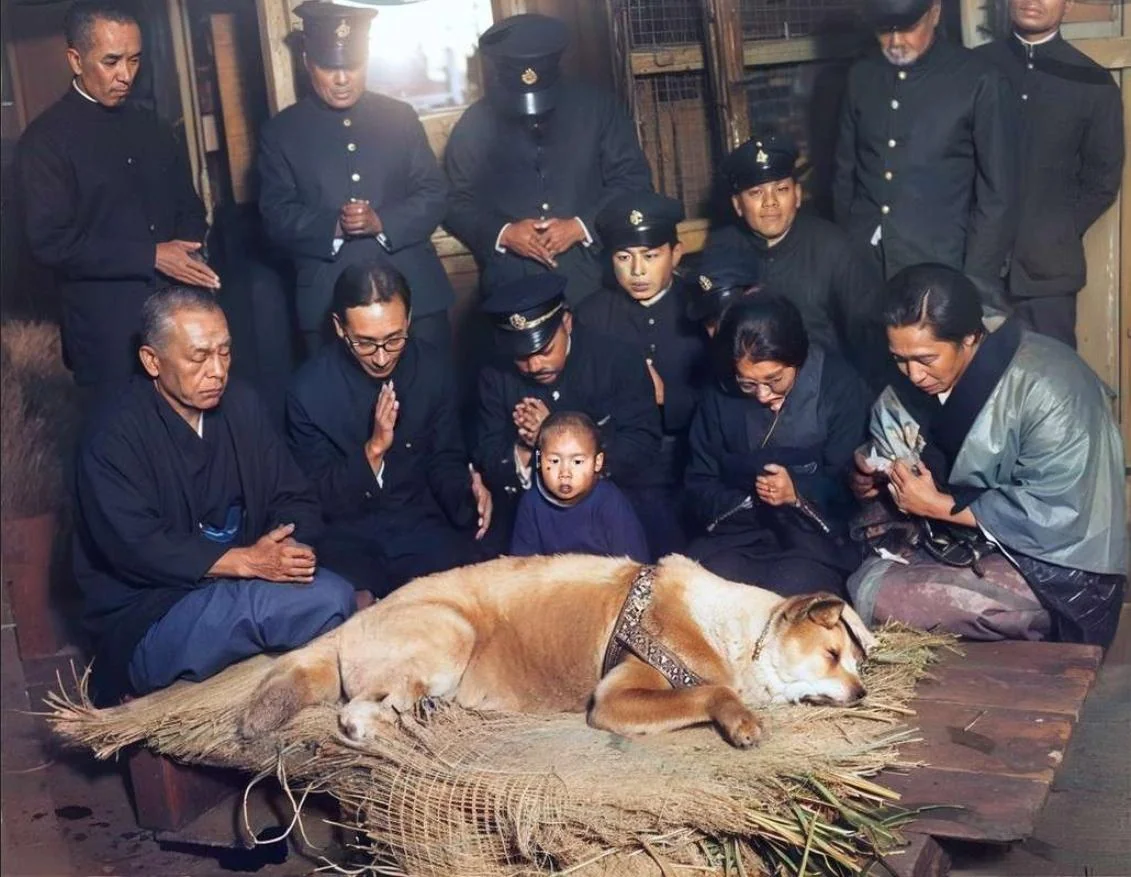
By the early 1930s Hachiko was no longer young. The Asahi Shimbun coverage in 1932 already described him as an aging dog. He continued his station visits until March 8, 1935, when he died at approximately eleven years old. University records confirm that his remains were examined at the University of Tokyo’s agricultural faculty, where Ueno had taught. These preserved materials offer concrete evidence of the dog’s age and general condition at the end of his life.
The sources mention that Hachiko faced the usual challenges of an urban dog, including occasional illness, yet the records do not provide clinical details or attribute specific diseases beyond general observations. His continued presence despite advancing age and the physical demands of daily travel to the station demonstrates remarkable consistency. This late phase invites reflection on animal welfare: the public affection that eventually surrounded him may have come too late to spare him earlier mistreatment noted in the 1932 article. Readers might usefully ask whether greater awareness earlier could have improved his daily experience.
The first major newspaper story appeared on October 4, 1932, sparking wider recognition of Hachiko’s routine. A bronze statue was later erected at Shibuya Station, with the original unveiled while the dog was still alive. The statue captured a pose associated with his station vigil and was later melted for metal during wartime before being recast. These developments transformed a local observation into a broader symbol of fidelity, yet the primary sources remain the 1932 newspaper account and the station employee’s journal.
Editorial analysis suggests the story’s enduring appeal lies in its blend of verifiable repetition and emotional resonance. The dog’s behavior can be seen as a genuine example of habit and attachment without needing embellishment. At the same time, the discrepancies between campus-gate testimony and station-focused legend illustrate how cultural narratives select and reshape details. A useful reading question is whether we value the story more for its factual precision or for the universal longing it satisfies. The preserved journal and newspaper articles allow us to appreciate both the real dog and the symbol that grew around him, each valuable in its own way.
AI-assisted original writing. This feature was revised against source material and checked for unsupported claims. Follow the references below for evidence and its limits.
PhotographBlowing Puffer Fish · CC BY 2.0
A dog-focused look at the training and daily work of hearing dogs, drawn from one UK charity’s own descriptions.
 Photograph
A look at coordinated Swiss rescue operations that include avalanche dogs, drawn from limited public descriptions of specialist teamwork.
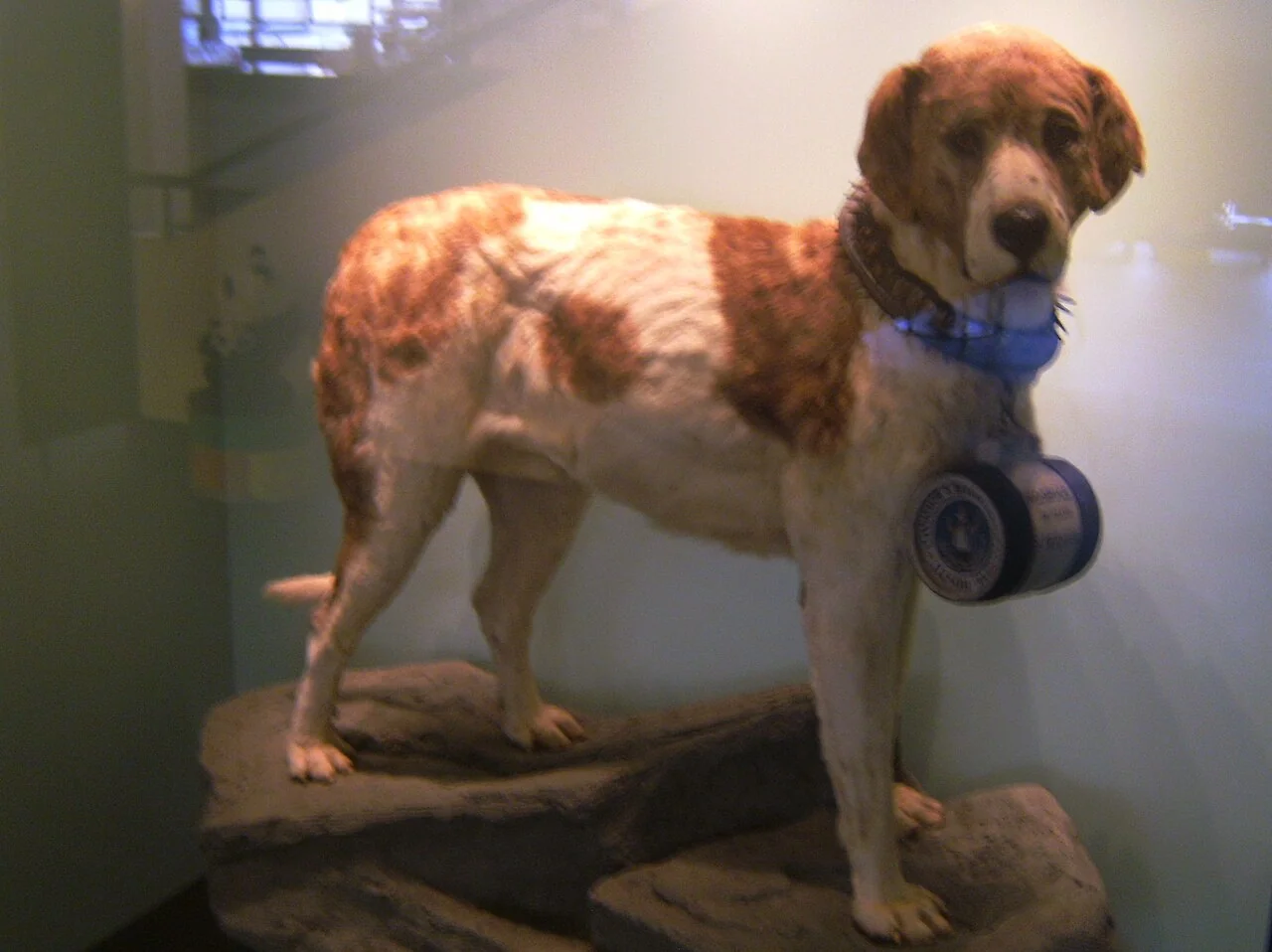
A real Alpine dog whose reputation grew from hospice service, even though detailed rescue records were never kept.