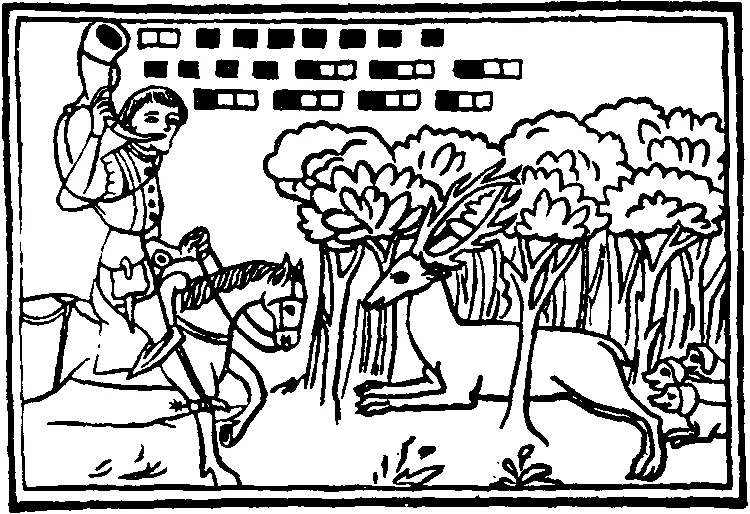
Royal charters set rules for restraining dogs to protect game, while hunting manuals later recorded the calls and names used by those who followed hounds on the trail.
Evidence from Saqqara and Asyut shows that dogs and other canids were mummified in large numbers as votive offerings connected to the gods Anubis and Wepwawet.
From sentries to messengers, dogs played practical roles in classical and Hellenistic warfare, though their use as battlefield combatants remains debated by scholars.
Archaeological finds from the Viking trading center at Birka include dog remains placed alongside people, offering limited but tangible clues about how some Norse communities treated animals in death.
The first recorded dog show in 1859 focused on sporting dogs, while the Kennel Club later introduced consistent rules emphasizing registration, health, and fair play.
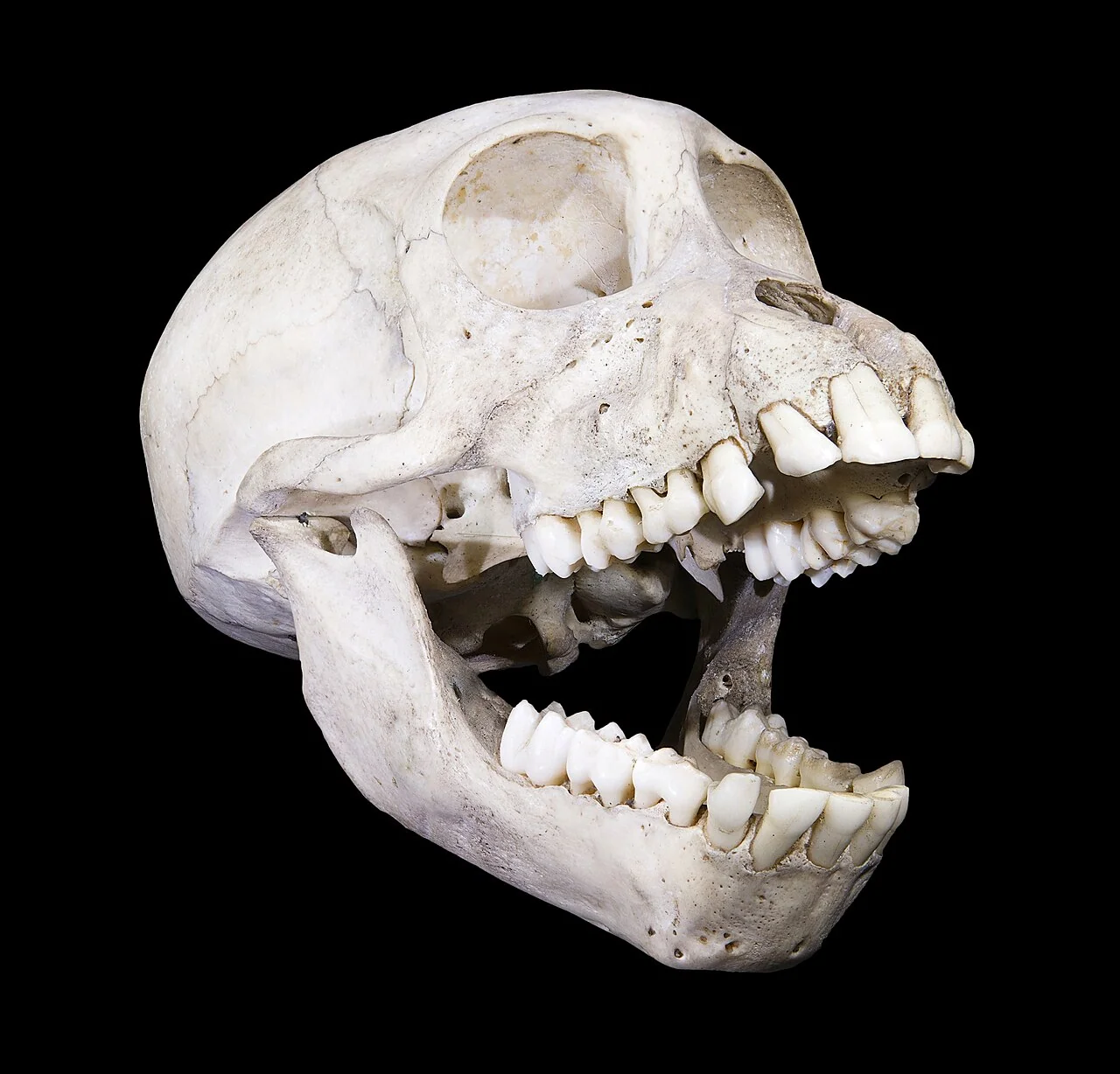
Conrad Gesner and Ulisse Aldrovandi compiled ancient traveler tales of cynocephali alongside descriptions of real primates, expressing varying degrees of skepticism about the more fantastical claims.
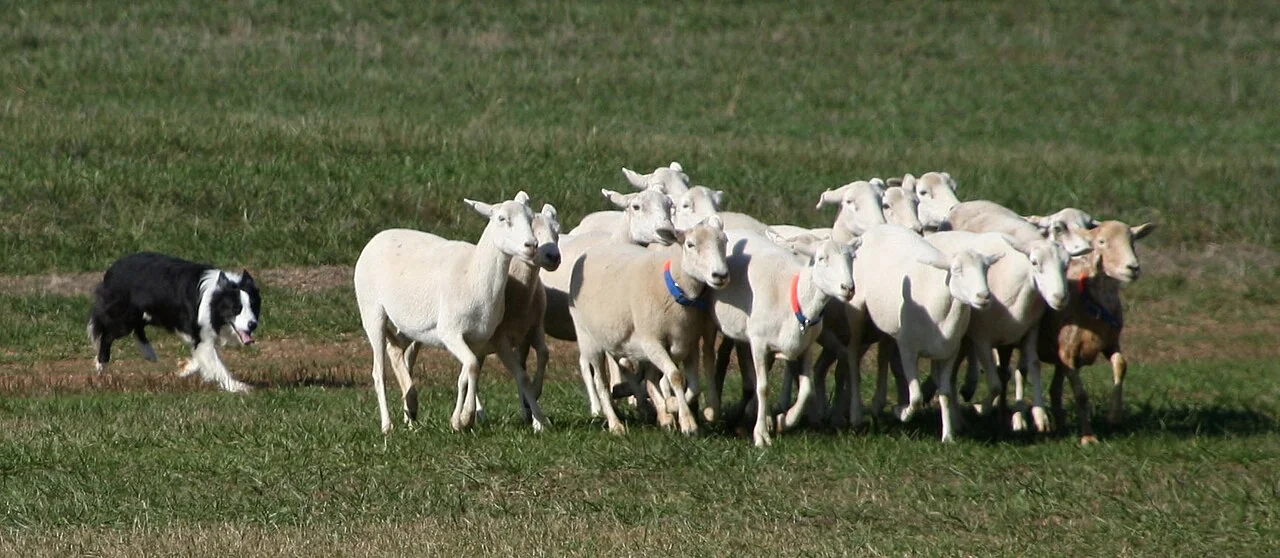
The formation of the United States Border Collie Club in 1975 and the first handler clinic in 1976 helped bring structured herding events to a country that previously had almost none.
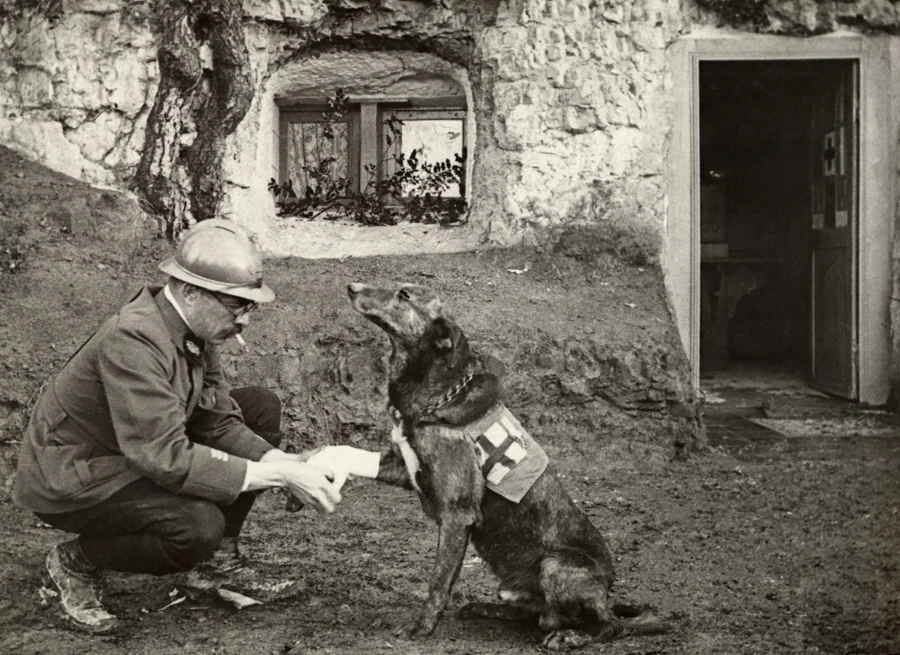
British and Belgian forces used trained dogs to carry messages and stand watch when other communication failed, relying on their natural alertness in the chaos of battle.
Imported German Shepherds helped some veterans of the Sino-Japanese War regain independence, decades before guide-dog programs became widespread in the country.
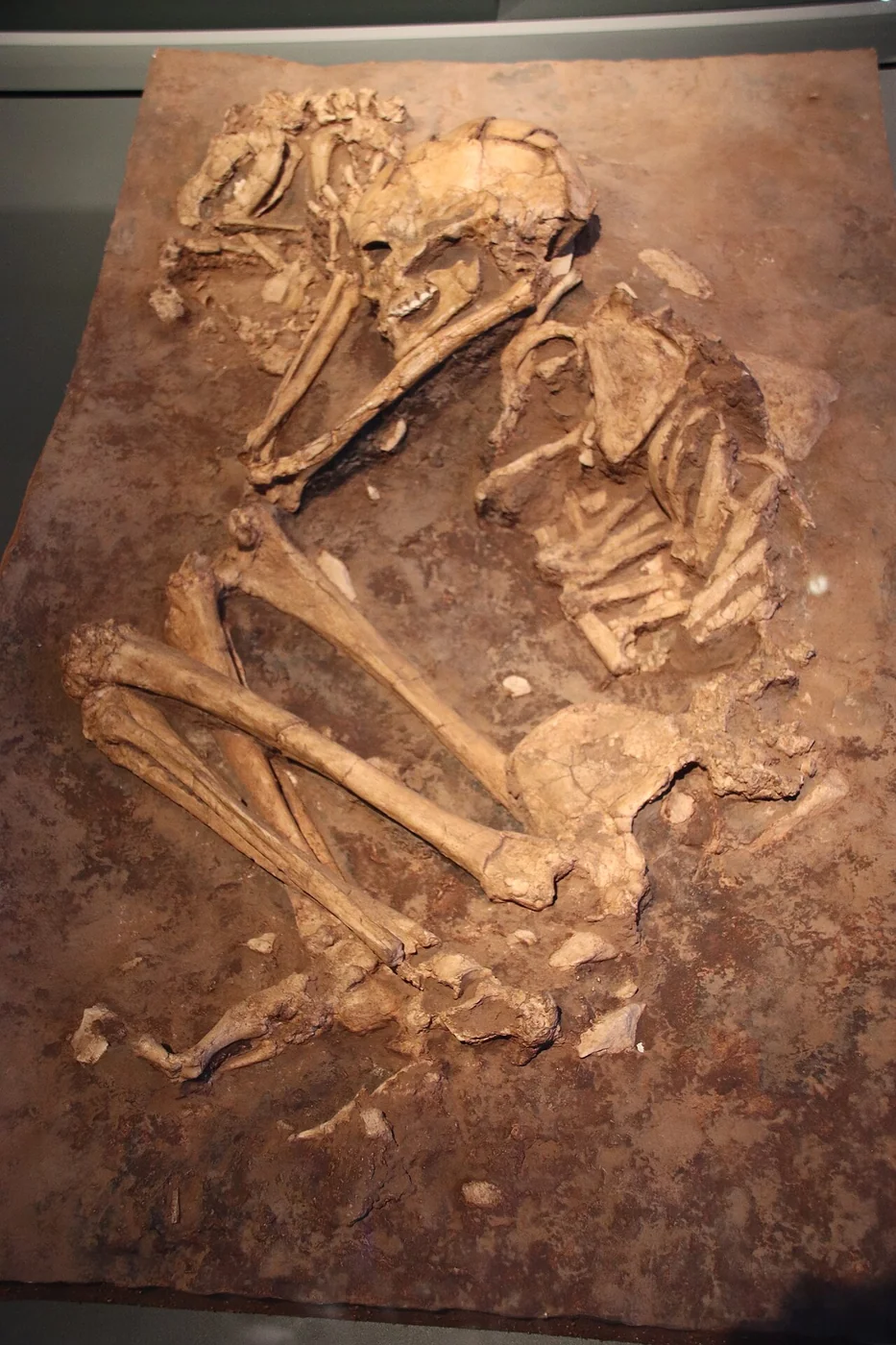
Burials from about 12,000 years ago in northern Israel contain small canids that lived near people, offering clues to changing relationships between humans and wolves.
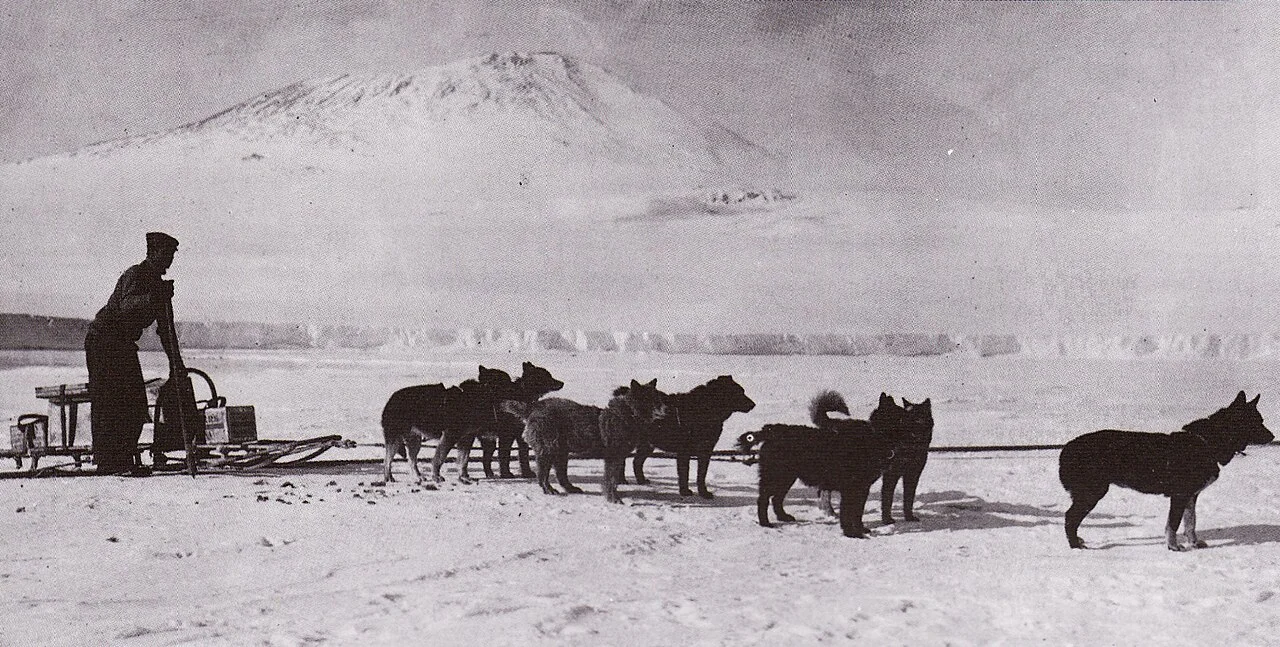
Norwegian and British expeditions to Antarctica in the early 20th century relied on working dogs for transport, with outcomes shaped by breed selection, feeding, and handling practices drawn from Arctic traditions.
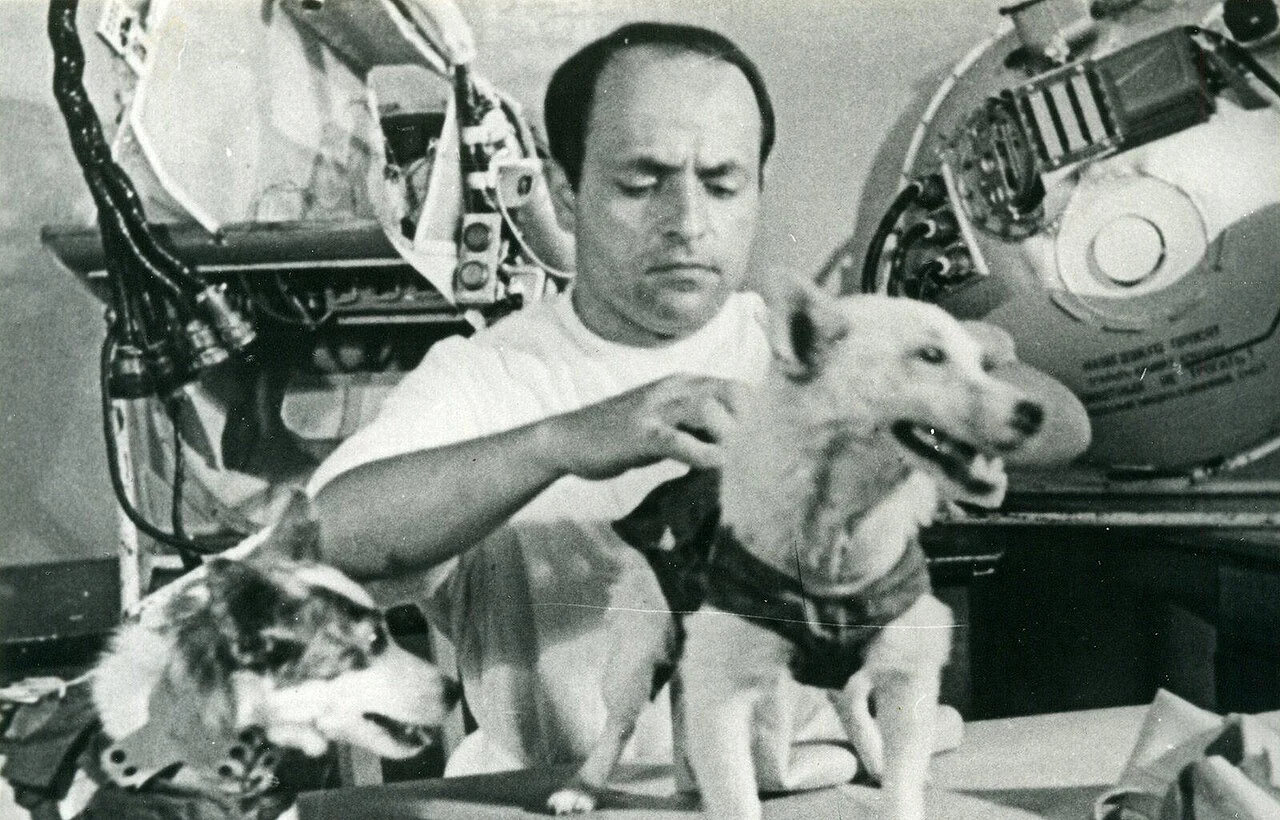
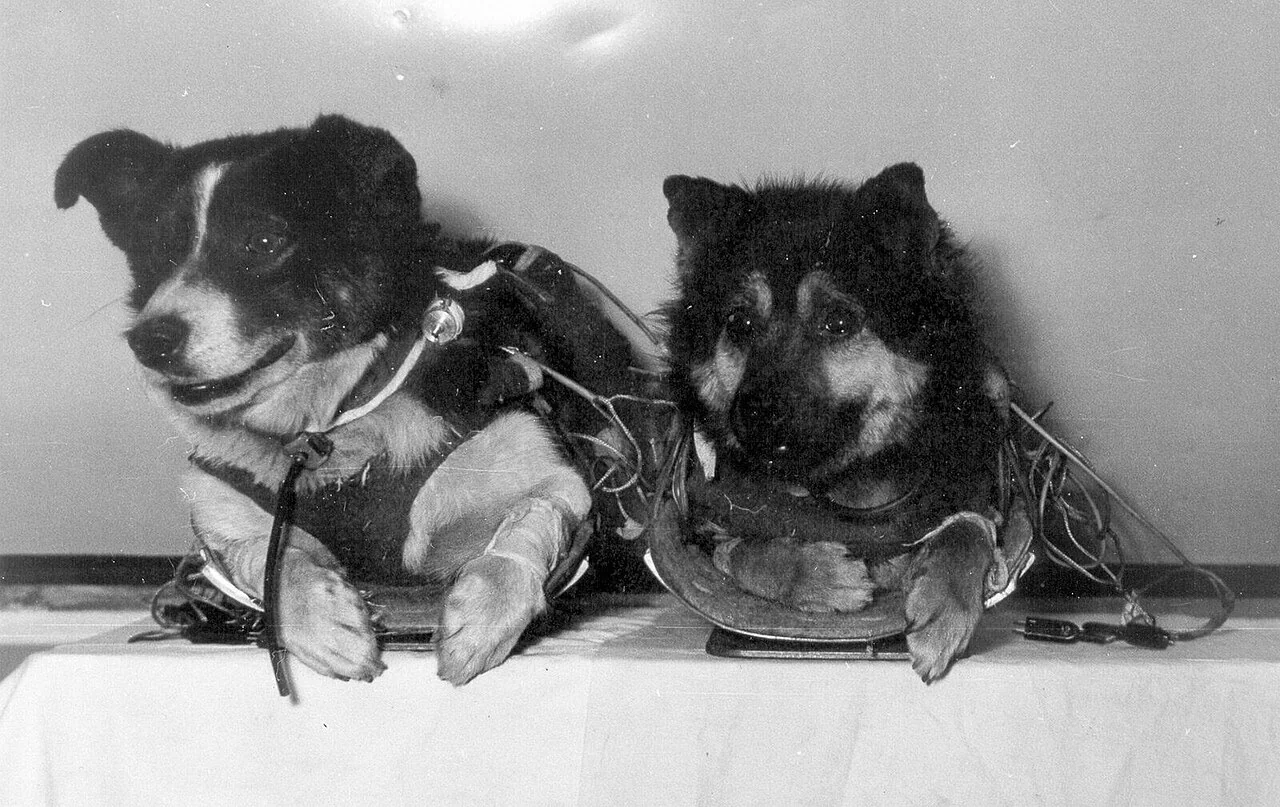
From suborbital rocket rides in the early 1950s to the first safe returns from space, mixed-breed street dogs from Moscow played a documented role in gathering data on launch stresses, weightlessness, and reentry.
Conquistadors brought large mastiffs to the Americas in the early 1500s. Contemporary accounts describe the animals creating fear among Indigenous fighters.
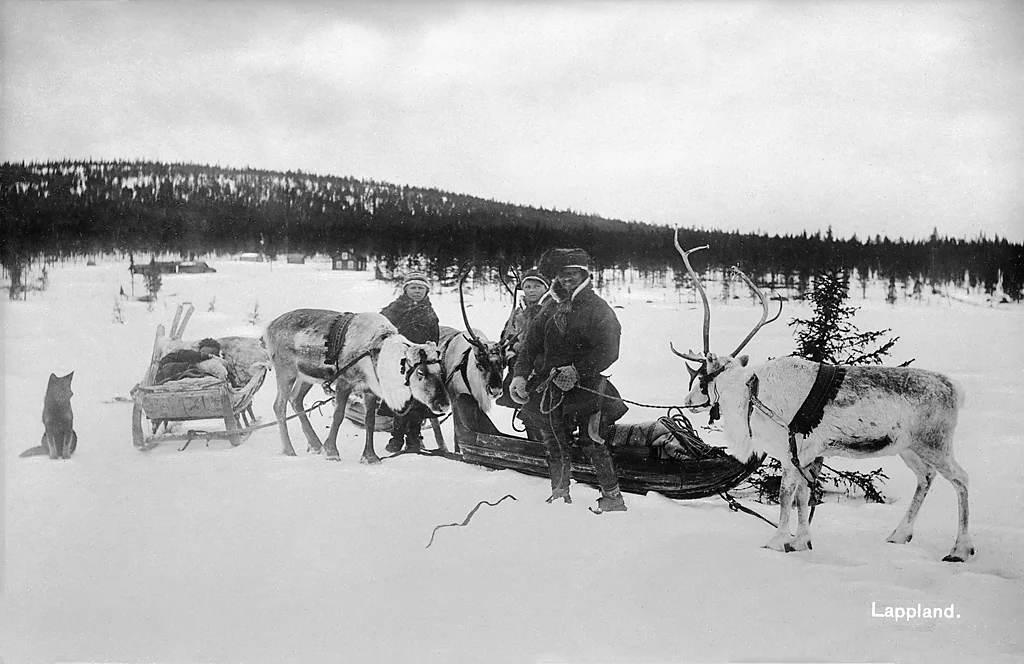
Accounts from the period describe how families in northern Scandinavia relied on working dogs to manage herds, drive animals to pasture, and guard against threats in daily nomadic life.
Technical publications and mission records show that dogs continued to fly in the years following Laika’s 1957 mission, revealing both the program’s demands and the animals’ capacity to adapt under extreme conditions.
 Historical collection image