How 16th- and 17th-Century Naturalists Catalogued Reports of Dog-Headed Beings
Conrad Gesner and Ulisse Aldrovandi compiled ancient traveler tales of cynocephali alongside descriptions of real primates, expressing varying degrees of skepticism about the more fantastical claims.
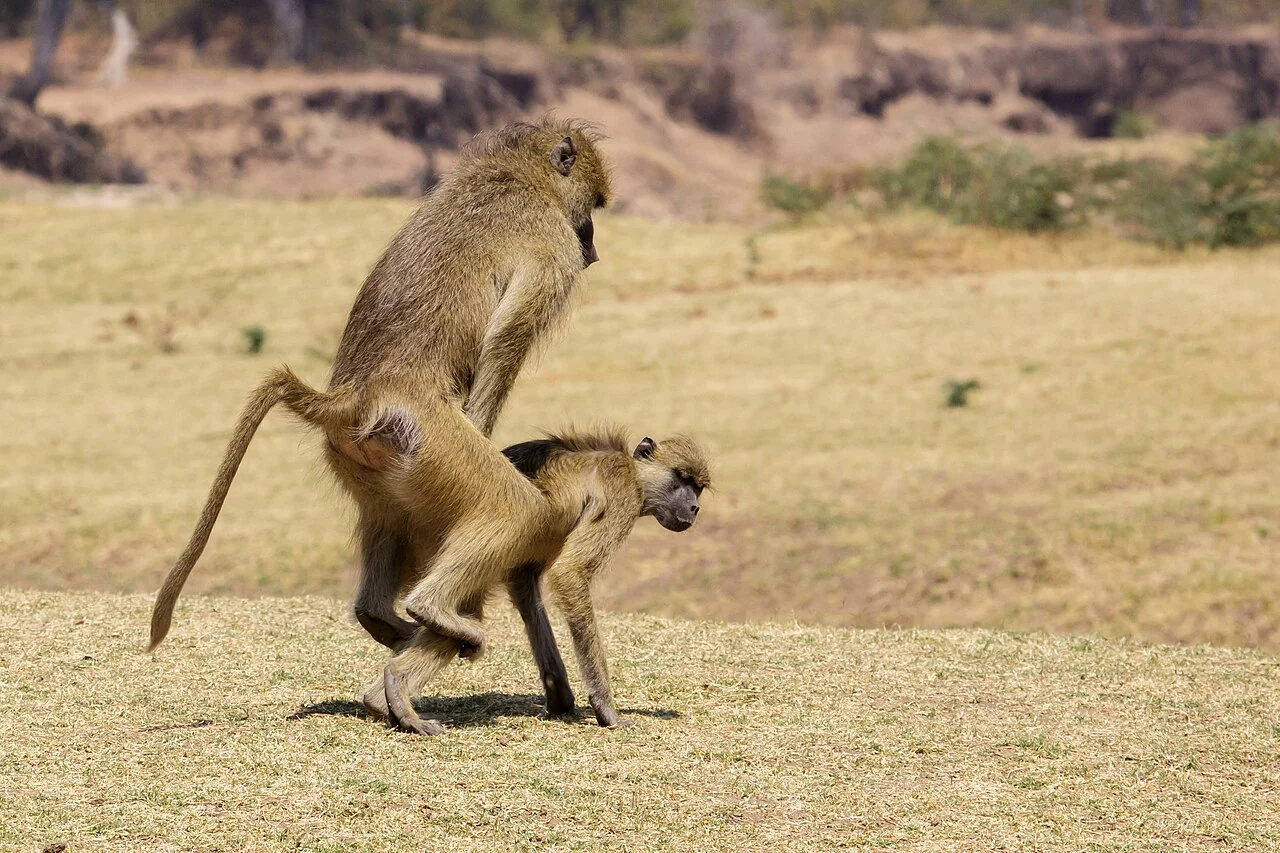
Yellow baboon (Papio cynocephalus) showing dog-like facial features and muzzle, a real primate whose appearance likely contributed to historical traveler tales of cynocephali. Didier Descouens · CC BY-SA 3.0 · Web size optimized; source linked for the original.
Long before modern primatology, European naturalists tried to make sense of strange reports filtering back from distant lands. Among the most persistent stories were those of cynocephali—beings said to have the heads of dogs but bodies resembling humans. Writers such as Conrad Gesner and Ulisse Aldrovandi gathered these accounts from classical authors and medieval travelers, placing them alongside descriptions of actual animals. Their works show an early attempt to separate plausible creatures from embellished legend, though they stopped short of firsthand verification. The result is a fascinating window into how Renaissance scholars weighed hearsay against observation. While the evidence never supports literal dog-headed people, it does highlight real primates that may have inspired some of the confusion.
Ancient Roots of the Cynocephali Stories
Reports of dog-headed beings appear in classical sources that later naturalists consulted. These accounts often placed the creatures in far-off regions such as northern Ethiopia or parts of Asia. The stories described beings with canine faces who sometimes behaved in ways that blurred the line between human and animal. Naturalists compiling these older texts noted that many details seemed exaggerated or mixed with fable. Rather than dismissing the entire tradition, they tried to find a kernel of truth by comparing the descriptions to known animals.
One recurring theme in the collected reports was the idea that these beings lived in remote islands or mountainous areas seldom visited by Europeans. Travelers claimed the creatures had dog-like teeth and, in some versions, even attacked strangers. The naturalists who later reviewed these tales treated them as secondhand information rather than proven fact. This cautious approach reflected a growing interest in distinguishing credible observation from storytelling. The persistence of the cynocephali legend across centuries shows how powerful such traveler accounts could be, even when the compilers themselves voiced doubt.
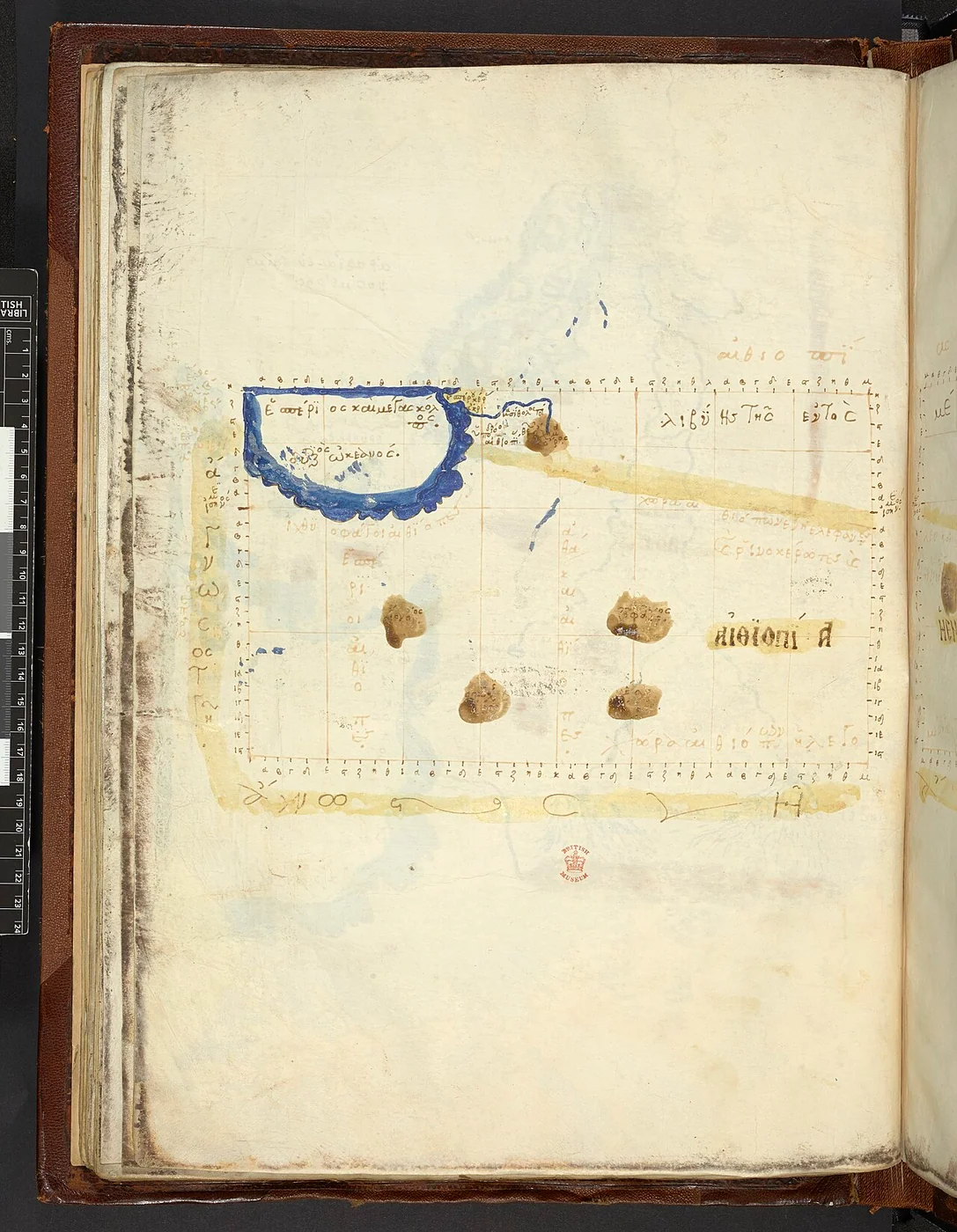
Map after Ptolemy's Geographia (Burney MS 111, f.61v), 1420. Historical map showing the Ethiopian Interior. Ptolemy · Public domain. Web size optimized; original linked.
Gesner’s Wide-Ranging Zoological Compilation
Conrad Gesner’s Historia animalium, published in Zurich between 1551 and 1587, stands as one of the most comprehensive natural history works of its time. In it, he gathered descriptions of both familiar and exotic animals drawn from ancient writers such as Pliny. While the encyclopedia does not introduce new claims about dog-headed men, it catalogs reports of strange creatures alongside illustrations and citations. Gesner’s method was to present the available accounts while indicating skepticism toward some of the more fanciful elements.
His treatment of primates and monstrous forms influenced later scholars, including Aldrovandi. By placing legendary beings in the same volumes as real quadrupeds, Gesner invited readers to consider possible connections. The work does not confirm that cynocephali were simply oversized hounds, nor does it endorse them as literal races of people. Instead, it functions as a reference that later naturalists could consult when trying to interpret traveler tales. The sheer scope of Gesner’s project underscores the challenge of evaluating distant reports without direct evidence.
Aldrovandi’s Dual Approach in Separate Volumes
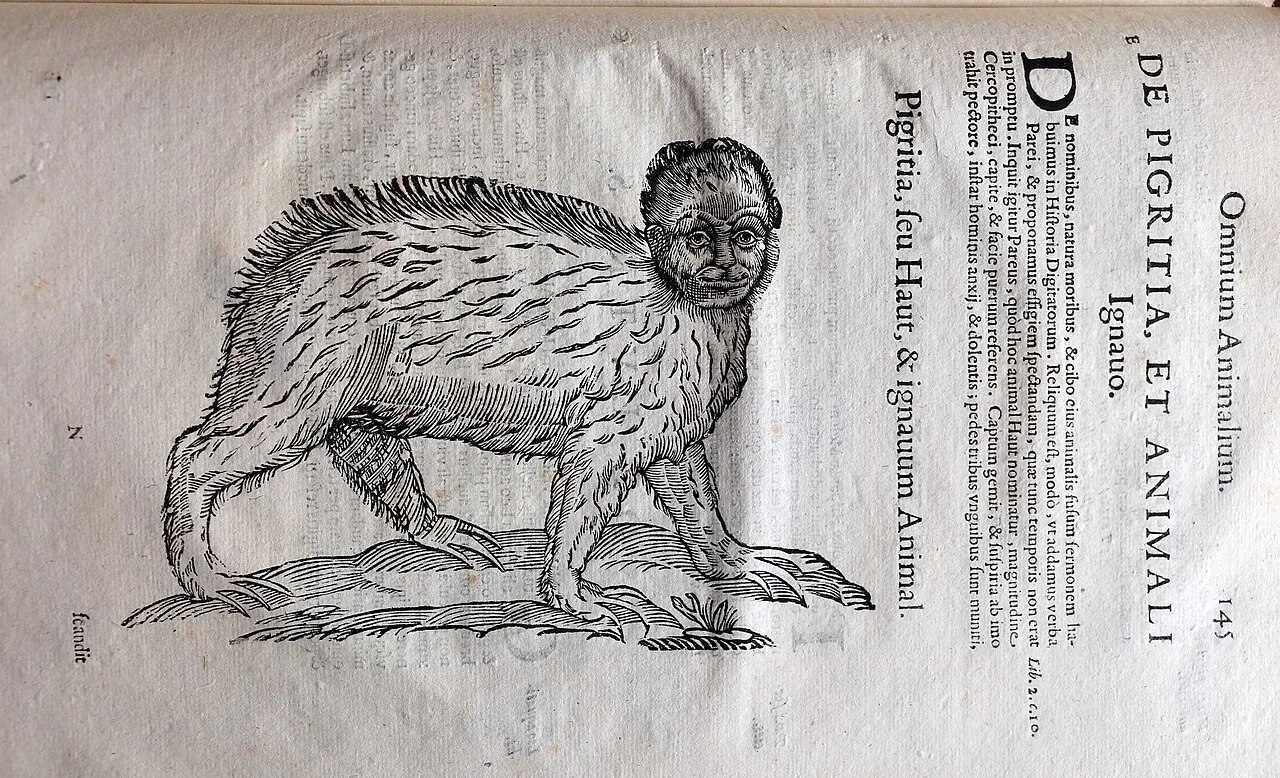
Ulisse Aldrovandi addressed cynocephali in at least two major works. In his 1642 Monstrorum historia, he describes hairy beings with heads and faces more like beasts than men, drawing on earlier authors including Lycosthenes, Vincent of Beauvais, and Marco Polo. Aldrovandi notes that many such reports are embellished with fables and considers the truth of these accounts dishonored by trifles. He ultimately interprets the legendary cynocephali as a nation of astute apes that almost simulate the human mind.
In his separate volume on quadrupeds, De quadrupedibus digitatis viviparis, Aldrovandi focuses on a real primate he calls the cynocephalus. He portrays it as an ape with a dog-like face and snout, larger and fiercer than related monkeys. Ancient writers such as Jacobus de Vitriaco had spoken of large, flame-spouting versions, but Aldrovandi expresses uncertainty about what those authors actually observed. By keeping the monstrous reports and the animal descriptions in different books, he maintained a practical distinction between legend and zoology. This separation offered readers a clearer framework for evaluating the old stories.
Illustration of a monkey from Ulisse Aldrovandi’s Monstrorum historia, 1642. Photograph of historic artifact. Sailko · CC BY 3.0. Web size optimized; original linked.
Geographic Claims and Traveler Sources
The compiled accounts frequently located cynocephali in northern Ethiopia, regions of Tartary, or the island of Angaman. Marco Polo’s description of dog-headed inhabitants who devour strangers appears repeatedly in Aldrovandi’s monster volume. These place names were often vague by European standards, making verification difficult. The naturalists presented the locations as part of the inherited reports rather than confirmed geography.
Aldrovandi’s texts acknowledge that the information comes from travelers and historical writers rather than personal observation. He compiles the anecdotes while cautioning that many details have been exaggerated. This approach allowed him to preserve the stories as part of natural history without endorsing them as literal truth. The geographic spread of the tales—from Africa to Asia—suggests how widely the motif circulated, possibly reflecting encounters with different primates or cultural misunderstandings.
Editorial Reflections on Skepticism and Modern Implications
What stands out in these Renaissance works is the blend of credulity and doubt. Both Gesner and Aldrovandi were willing to record extraordinary claims yet stopped short of accepting them at face value. Aldrovandi’s decision to equate the legendary cynocephali with apes rather than literal dog-headed humans shows an interpretive move toward the natural world. His uncertainty about flame-spouting versions further highlights the limits of secondhand reporting. In an era before reliable field study, such caution was itself a form of progress.
Reading these texts today raises useful questions. How do we distinguish cultural myth from possible misidentified wildlife? What responsibility do compilers have when repeating traveler tales? The evidence does not support claims of actual cynocephali, but it does illustrate how real primates with dog-like muzzles could have fueled centuries of wonder. For animal welfare, it is worth remembering that the living creatures behind the stories—baboons and similar primates—deserve respect rather than sensationalism. A light-hearted modern take might imagine a baboon reading these old books and rolling its eyes at the flame-breathing rumors, but that scenario is pure satirical invention and should not be mistaken for historical fact. The real lesson lies in the naturalists’ patient cataloguing: curiosity tempered by evidence remains a sound approach.
Yellow baboons (Papio cynocephalus) in South Luangwa National Park, Zambia Thomas Fuhrmann · CC BY-SA 4.0. Web size optimized; original linked.
AI-assisted original writing. This feature was revised against source material and checked for unsupported claims. Follow the references below for evidence and its limits.
Royal charters set rules for restraining dogs to protect game, while hunting manuals later recorded the calls and names used by those who followed hounds on the trail.
Evidence from Saqqara and Asyut shows that dogs and other canids were mummified in large numbers as votive offerings connected to the gods Anubis and Wepwawet.
 Historical collection image