Forest Law and the Regulation of Hunting Dogs in Medieval England
Royal charters set rules for restraining dogs to protect game, while hunting manuals later recorded the calls and names used by those who followed hounds on the trail.
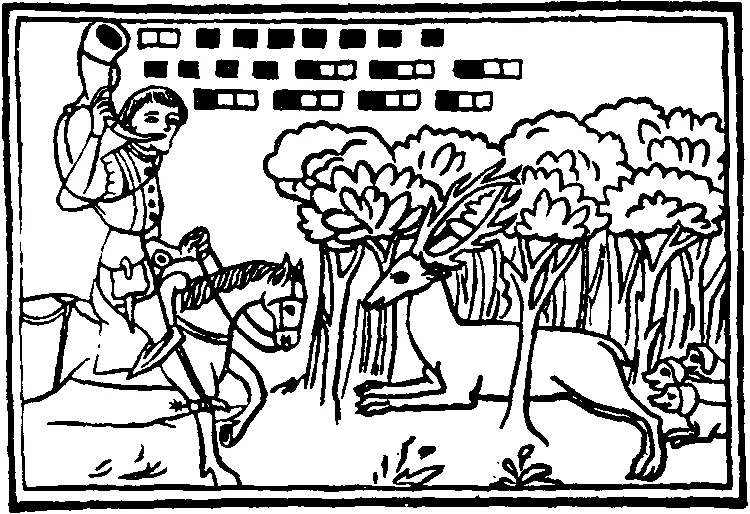
14th-century print of a hunter blowing a horn while a stag is chased by a pack of hunting hounds in a forest, with tablature for the horn signal. Unknown authorUnknown author · Public domain · Web size optimized; source linked for the original.
Medieval English kings claimed vast royal forests where ordinary people faced restrictions on hunting. Charters and manuals from the period show how dogs were managed to stop them from chasing the king’s deer. Evidence from these sources reveals practical rules about “lawing” dogs and the language used during hunts, though many popular stories about specific vanished breeds remain unverified by the documents themselves. The Charter of the Forest and a well-known hunting book offer glimpses into how animals and people interacted under strict forest law. This article examines what the records actually say, what they leave uncertain, and what questions they raise for readers today.
The Charter of the Forest and Rules for Dogs
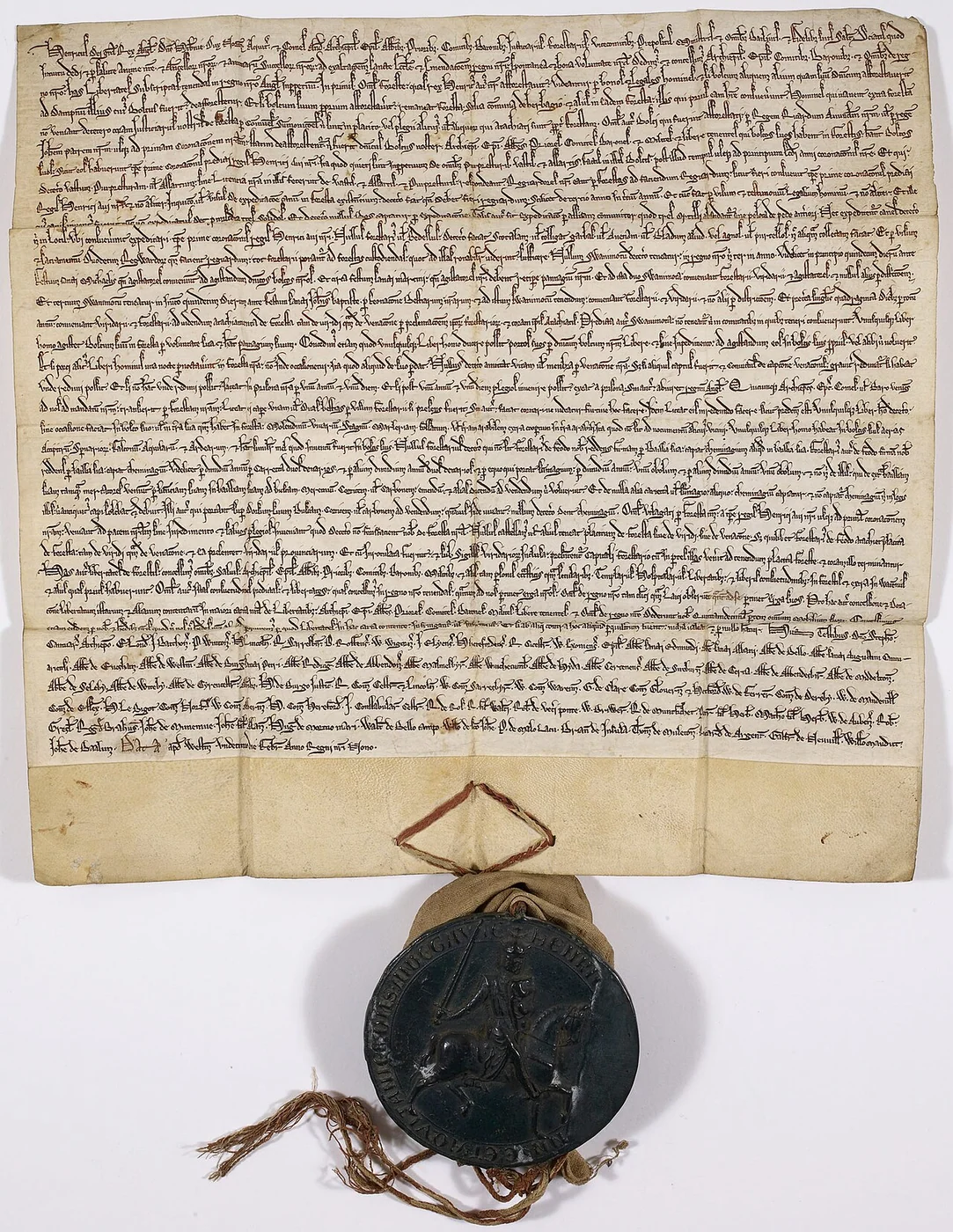
The Charter of the Forest, reissued in 1217 and confirmed in 1225, laid down rules governing royal forests across England. One provision required that an inquisition or “view” for the lawing of dogs living within the forest take place every third year. Lawful men would testify, and any owner whose dog had not been lawed faced an amercement of three shillings. The charter explicitly states that no ox was to be taken in payment for this process.
Lawing itself involved cutting three claws from the forefoot of the dog, but without cutting the ball of the foot. This was intended to hamper the dog’s ability to run fast and hunt game. The practice was not to be applied everywhere, only in places where it had been customary at the time of the first coronation of King Henry II. These rules applied to all dogs in the royal forests, not to any single type or color of hound. The goal was to protect the king’s deer from being pursued by local animals.
Careful reading shows the charter makes no reference to any particular breed. It does not mention white scent hounds, nor does it single out a dog called the Talbot. The text regulates dogs in general to prevent them from chasing the king’s game, but it offers no description of coat color, size, or scenting ability.
The document also stays silent on specific penalties for human poachers that might be linked to one type of dog. Instead, the focus remains on the financial consequence for owners whose dogs had not undergone the claw-cutting procedure. This narrow scope leaves modern readers wondering how individual hunting dogs were actually used or named in daily life.
Hunting Language in The Booke of Saint Albans
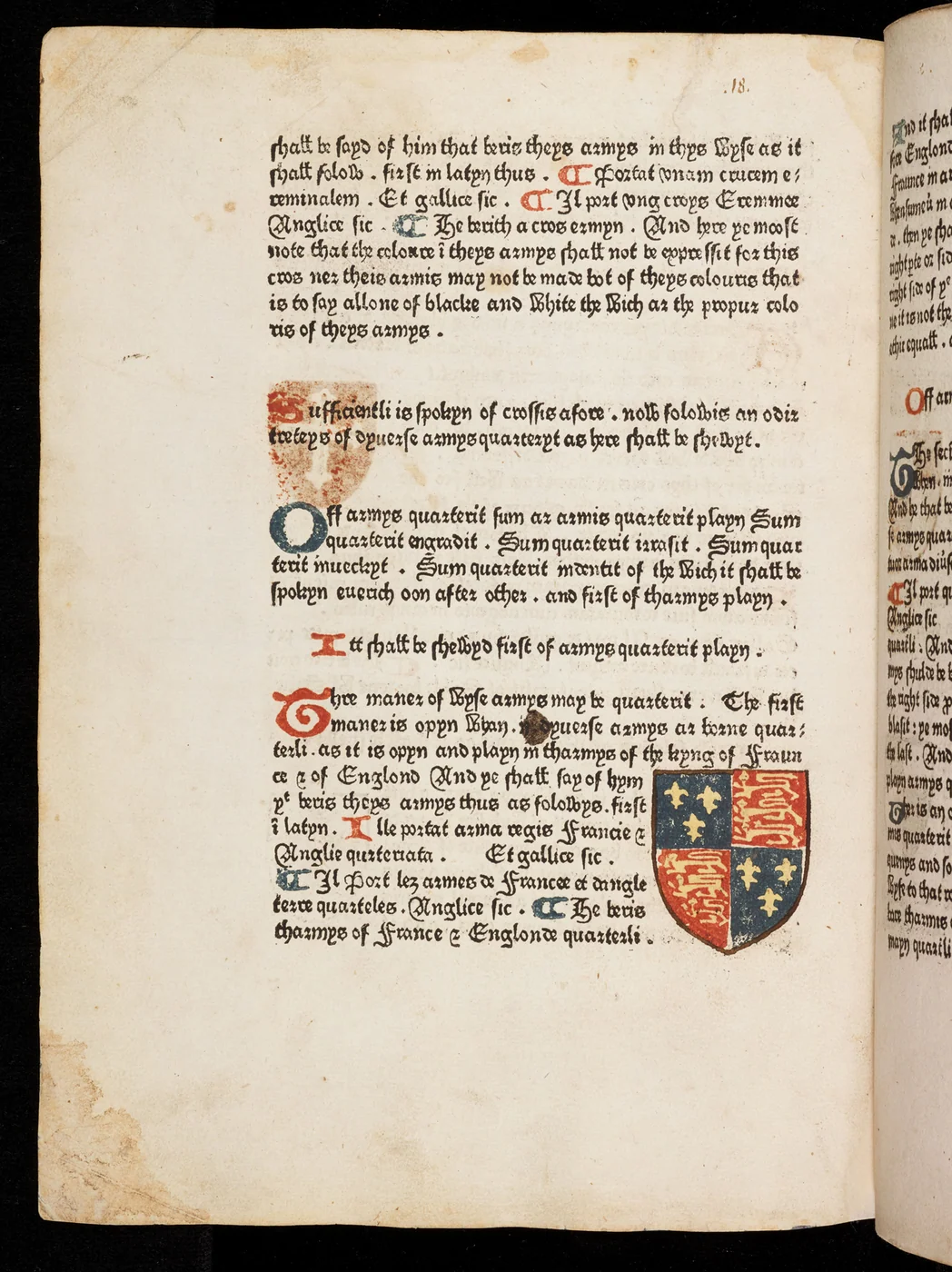
A late fifteenth-century hunting manual, best known in its 1486 printing and later editions, records practical language used in the field. In the section on hunting hares, the text includes the phrase “list a Talbot” as a cry or call to the hounds when a good scent or trail has been found. The same idea appears in a French equivalent, suggesting the term crossed linguistic boundaries among hunters.
Here “Talbot” functions as an example of a hound’s name or as part of the verbal commands given during a hunt. The manual compiles earlier material on hunting procedure, yet it does not describe a distinct breed. It offers no information about white coats, royal forest law, or any legal penalties. The call simply reflects the everyday vocabulary of those following hounds on the trail of hares.
The two sources contain no evidence that a specific “Talbot hound” stood at the center of royal forest law or directly shaped penalties for poachers. Nor do they mention any connection between such a dog and the ancestry of modern beagles. These ideas appear to be later interpretations or romantic additions not grounded in the charter or the hunting manual.
Readers may enjoy imagining a noble white hound trotting beside medieval nobles, yet the documents themselves remain silent on appearance, extinction, or genetic legacy. The charter’s focus is administrative and economic; the manual’s is procedural and linguistic. This gap between popular narrative and primary evidence invites caution when retelling medieval hunting history.
Reading Questions and Modern Implications
What does the three-shilling amercement tell us about the relative value of dogs and the seriousness with which forest officials took their duties? How might the periodic “view” every third year have affected relationships between forest dwellers and royal administrators? These questions flow directly from the charter’s text and remain useful for anyone studying medieval law or animal management.
The hunting call “list a Talbot” raises its own curiosities. Why did hunters choose that particular name or sound? Did it persist because it carried well across fields or because it honored a favorite hound? While we cannot answer with certainty, considering these details helps us picture the human–animal partnership in the hunt. Today the same spirit of naming and calling hounds survives in many working dog communities, reminding us that some traditions outlast the specific laws that once shaped them. Light-hearted speculation about a dog named Talbot slipping through history can be entertaining, yet it should always be labeled as imaginative storytelling rather than verified fact.
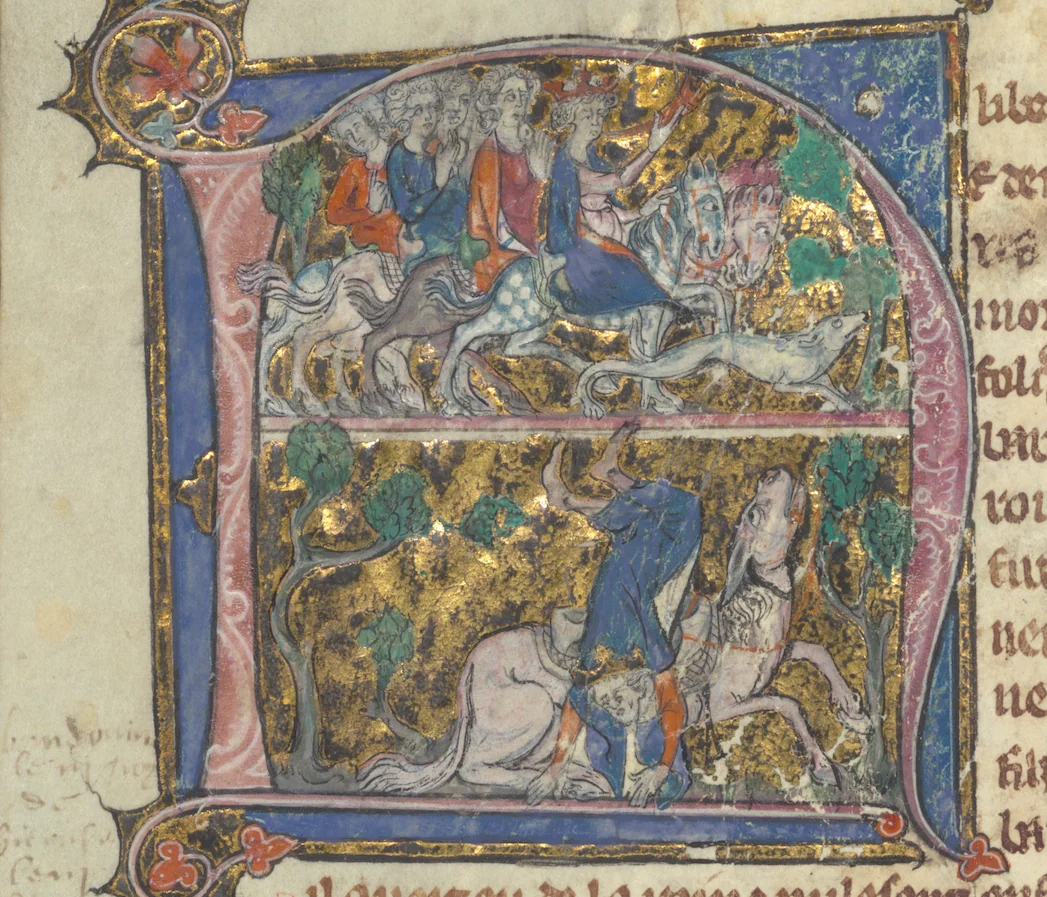
King Fulk of Jerusalem pursues a hare, from a 13th–14th century manuscript (Walters Art Museum MS 142) Unknown authorUnknown author · CC0 1.0. Web size optimized; original linked.
AI-assisted original writing. This feature was revised against source material and checked for unsupported claims. Follow the references below for evidence and its limits.
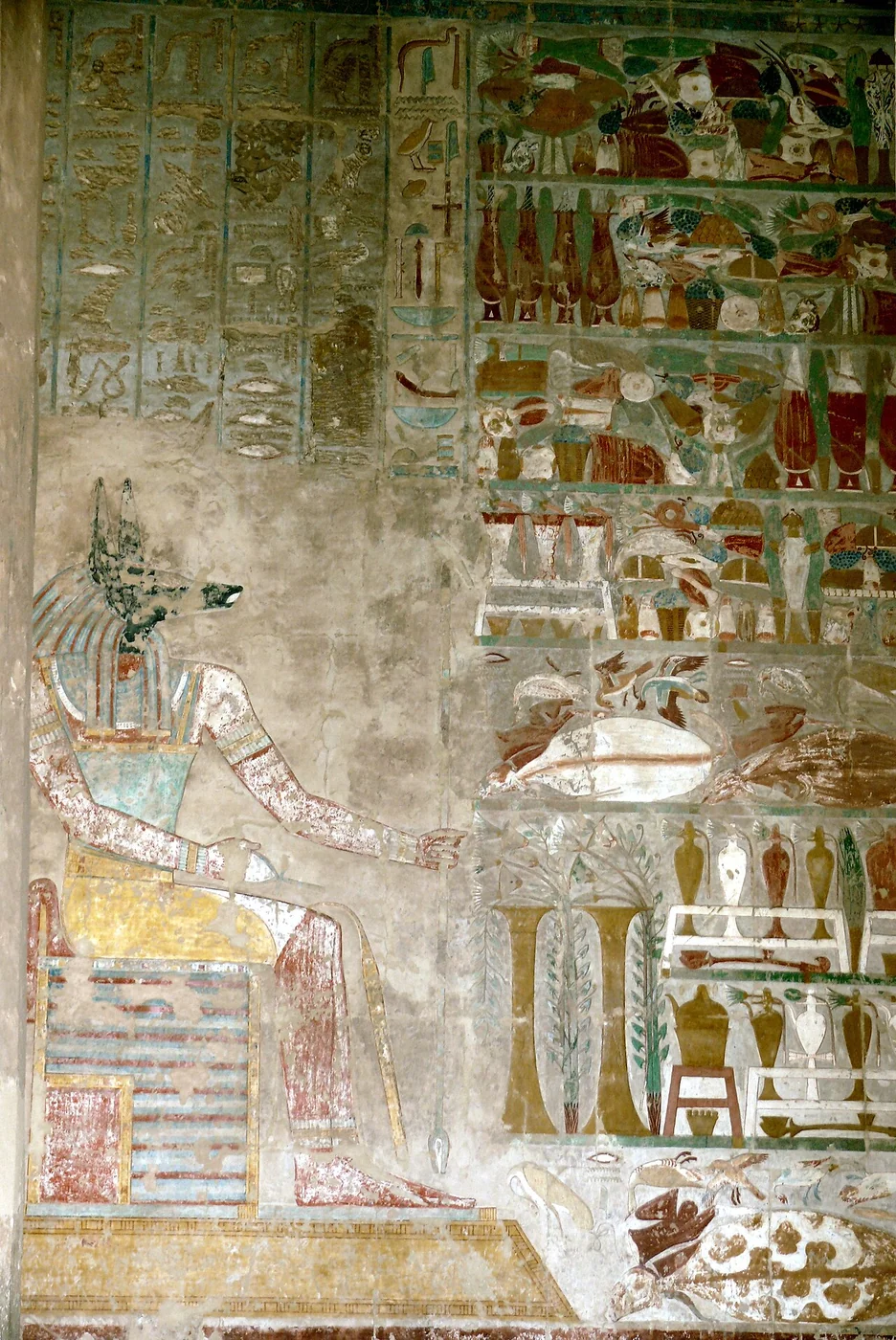
Evidence from Saqqara and Asyut shows that dogs and other canids were mummified in large numbers as votive offerings connected to the gods Anubis and Wepwawet.
 Historical collection image