Norwegian and British expeditions to Antarctica in the early 20th century relied on working dogs for transport, with outcomes shaped by breed selection, feeding, and handling practices drawn from Arctic traditions.
In the early 20th century, sled dogs served as vital partners in Antarctic expeditions. Explorers from Norway and Britain brought teams south, applying knowledge developed over centuries in Arctic regions. Evidence from expedition accounts and polar museums shows that the dogs' physical traits, care routines, and teamwork influenced how far and safely parties could travel across ice. While specific outcomes for individual expeditions are often interpreted through personal logs, the broader pattern is one of humans adapting long-established working-dog lines to an extreme new environment.
Longstanding Arctic Partnerships With Working Dogs
Humans and dogs have worked together in cold climates for thousands of years. Archaeological evidence from Siberia and Greenland indicates that dogs were pulling sleds as far back as roughly 9,000 years ago. These animals developed compact bodies and thick double coats that let them function where horses could not.
Over time, selective breeding in Arctic communities strengthened traits such as powerful shoulders for breaking trail and the ability to work on limited food. Inuit handlers further refined these lines, producing dogs capable of traveling long distances in severe cold. Early written accounts from European whalers and traders described the dogs' endurance, loyalty, and independence. These qualities later proved useful when the same general type of dog was taken to Antarctica.
In medieval Scandinavia and Russia, lighter spitz-type dogs continued the sledding tradition while larger mastiff breeds served other roles. Norse sagas and trader records mention dogs moving goods across snow and tundra. By the 1600s and 1700s, Russian and Canadian fur traders mixed local dogs to improve stamina for extended hauls.
Handlers learned that regular feeding with fish and fat helped maintain performance better than irregular meat rations. Observations from that era noted foot sores and muscle strains in overworked animals. The accumulated experience emphasized matching dogs to terrain and workload rather than relying solely on any single breed. These practical lessons later traveled with polar explorers heading to the opposite pole.
Dogs on Norwegian Polar Voyages
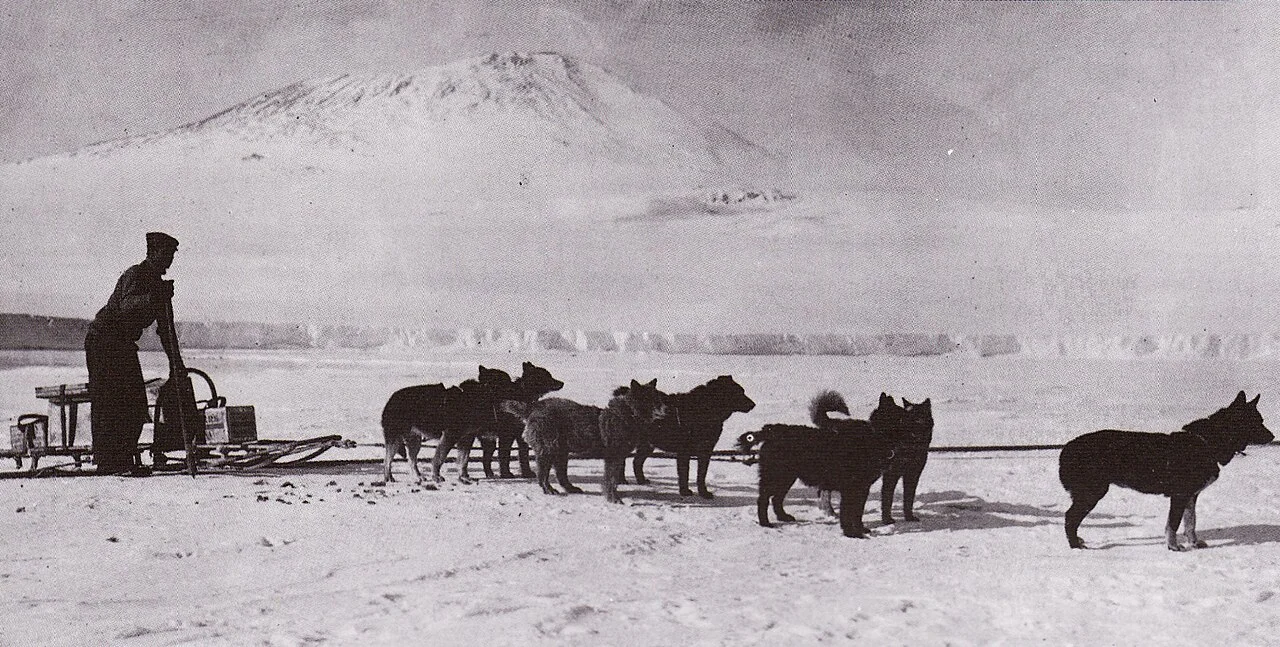
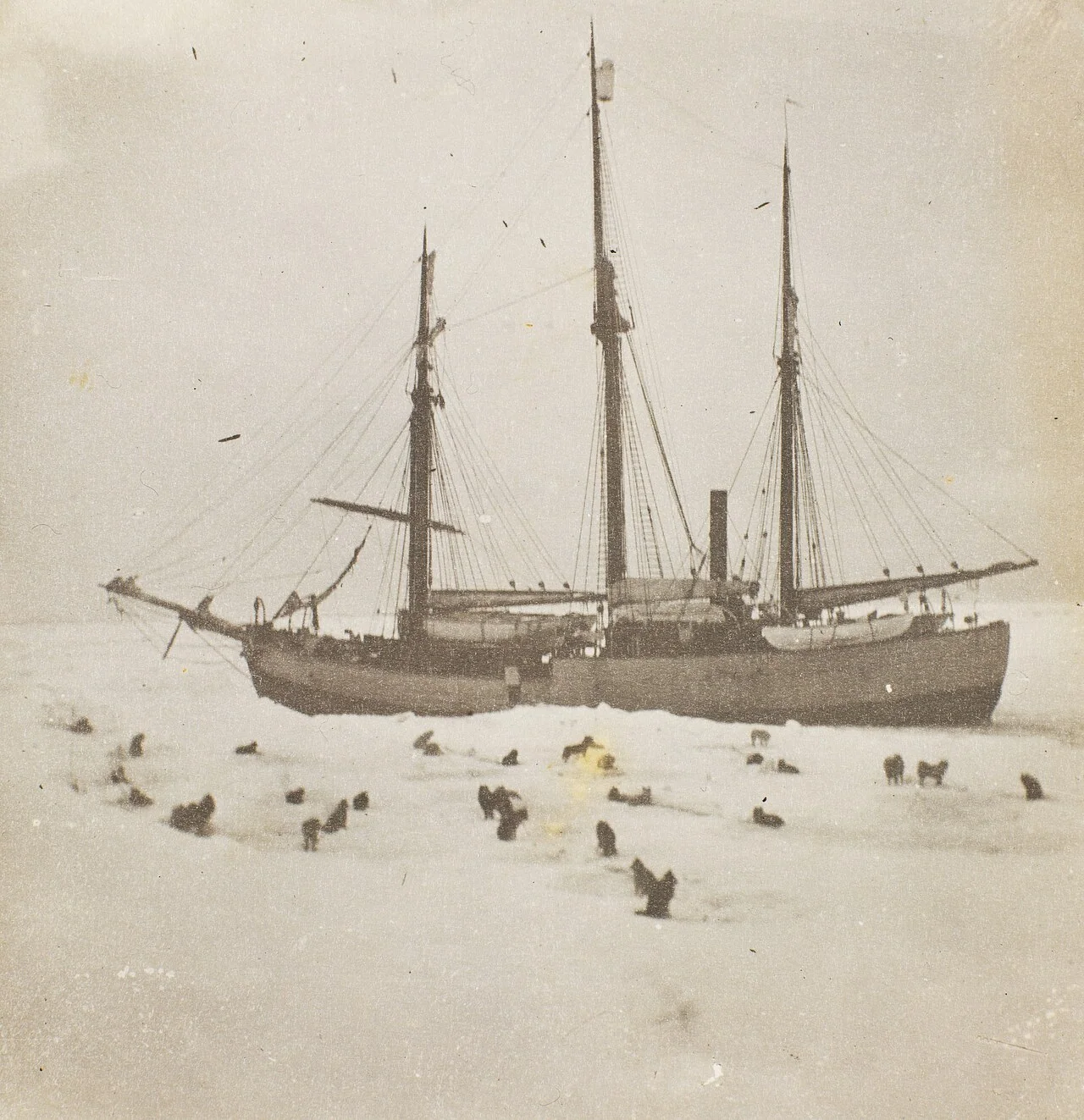
Norwegian expeditions, including those associated with the ship Fram, carried sled dogs as central members of the team. The Fram Museum highlights how these animals lived and worked alongside crews in both Arctic and Antarctic conditions. Diaries and logs preserved in museum collections describe the dogs forming social bonds at base camps and contributing to daily travel on the ice.
Feeding routines typically included seal meat when available. Traditional handling methods from Greenland and Norway guided decisions about managing the team's energy and supplies. Museum exhibits and virtual tours allow visitors to see the living quarters shared by humans and dogs, illustrating the close partnership required for survival in polar environments.
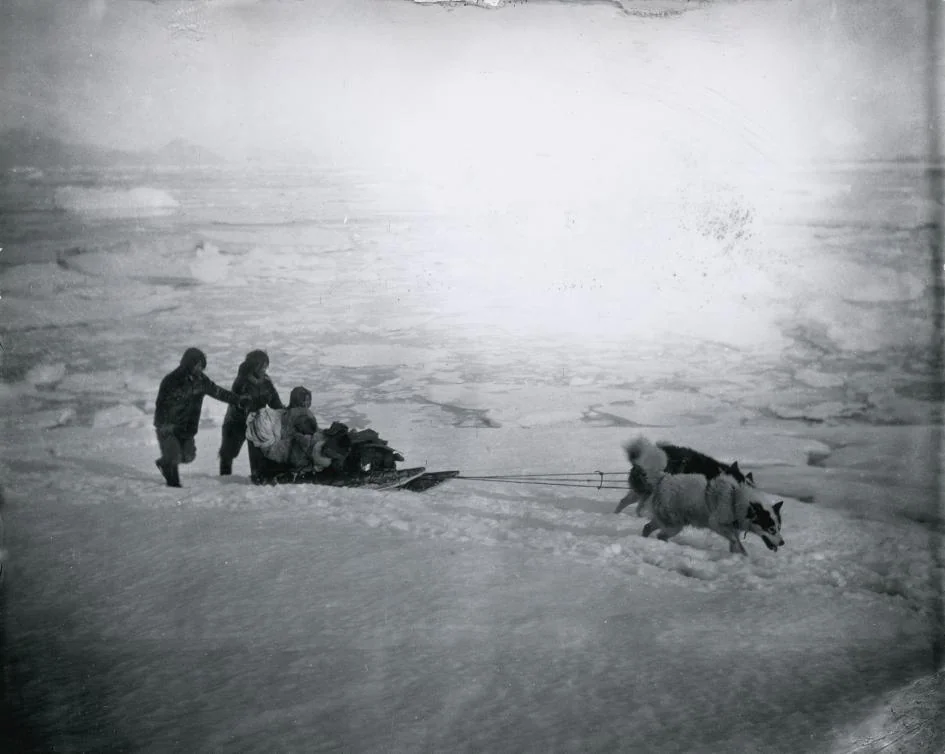
Archival photograph of Fram expedition sled dogs encountering the ice for the first time, 1893. Fridtjof Nansen · Public domain. Web size optimized; original linked.
British Expedition Use of Working Dogs
British expeditions also incorporated sled dogs, sourcing them from various northern regions. Ship logs from these voyages recorded the challenges of adapting the animals to Antarctic conditions, including unfamiliar diets and extreme weather that could lead to injuries.
Handlers noted variations in performance linked to differences in size, coat, and temperament. The Fram Museum's coverage of multiple polar journeys shows that logistical demands were high regardless of nationality. Dogs pulled sledges loaded with supplies, and their condition directly affected the pace and safety of travel. Primary records emphasize the importance of consistent care and training.
Legacy in Modern Polar Work and Museums
Descendants of early polar working lines still appear in Arctic research settings today. The Fram Museum preserves artifacts, harnesses, and photographs from these expeditions, offering visitors a direct connection to the dogs' historical roles. Educational displays stress how knowledge of breeding, feeding, and handling passed across generations and cultures.
Exhibits on the ship Fram itself let people walk through the spaces where crews and dogs lived together. Virtual tours and simulator experiences recreate aspects of polar travel, reminding modern audiences of the practical partnership between humans and dogs. The museum's collections continue to document nearly 100 expeditions spanning five centuries, keeping the focus on respect for the animals' contributions.
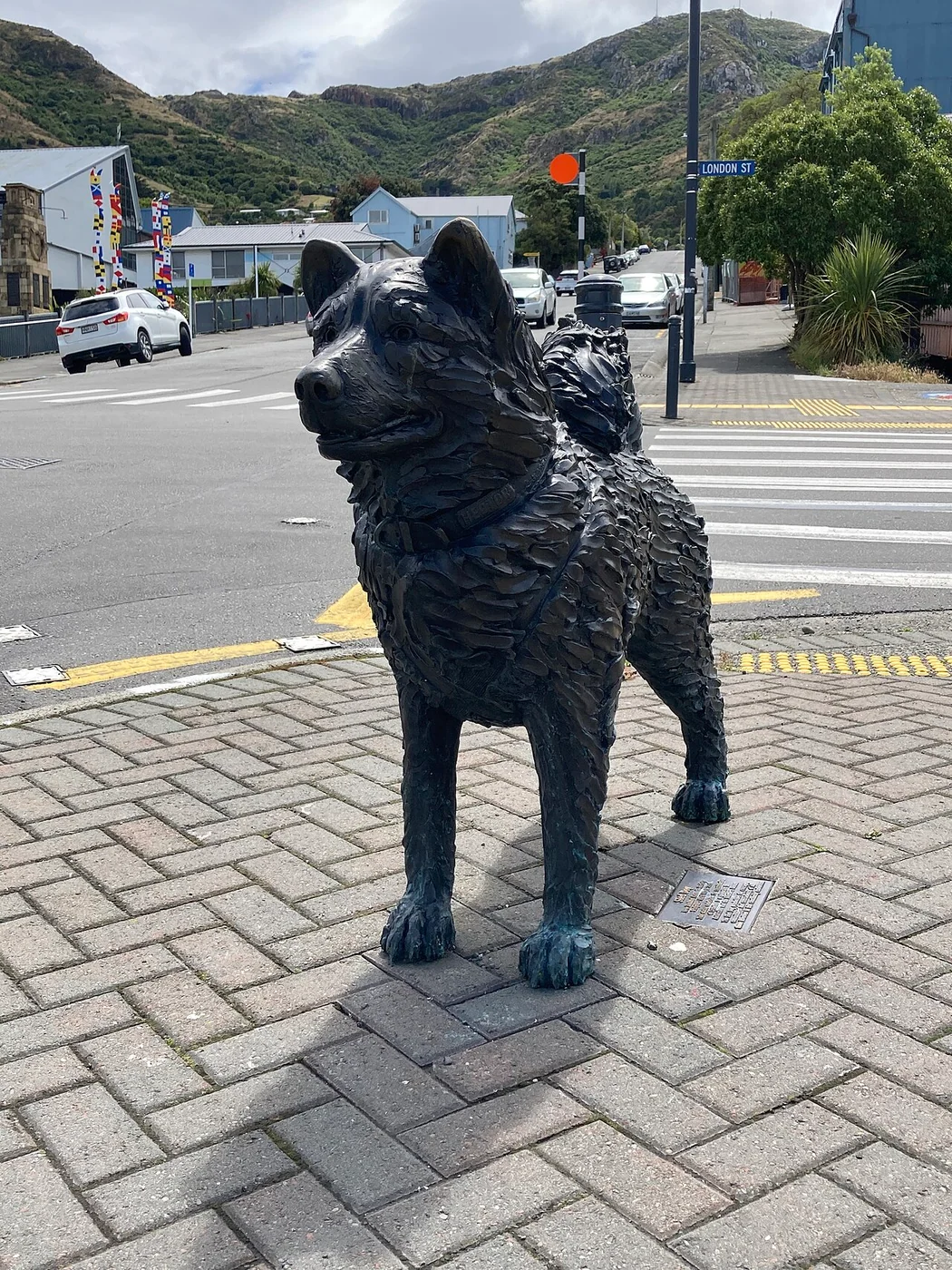
Statue of a sled dog in Lyttelton commemorating its role in Antarctic exploration, sculpted 2016 Mike Dickison · CC BY 4.0. Web size optimized; original linked.
AI-assisted original writing. This feature was revised against source material and checked for unsupported claims. Follow the references below for evidence and its limits.
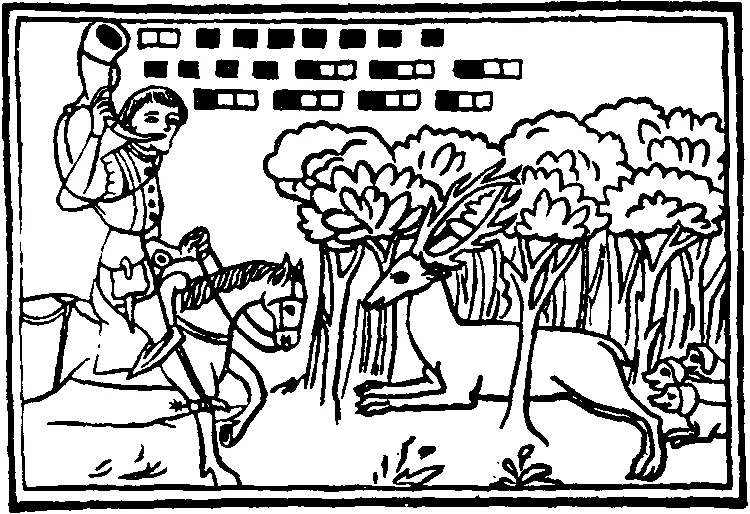
Royal charters set rules for restraining dogs to protect game, while hunting manuals later recorded the calls and names used by those who followed hounds on the trail.
Evidence from Saqqara and Asyut shows that dogs and other canids were mummified in large numbers as votive offerings connected to the gods Anubis and Wepwawet.
 Historical collection image