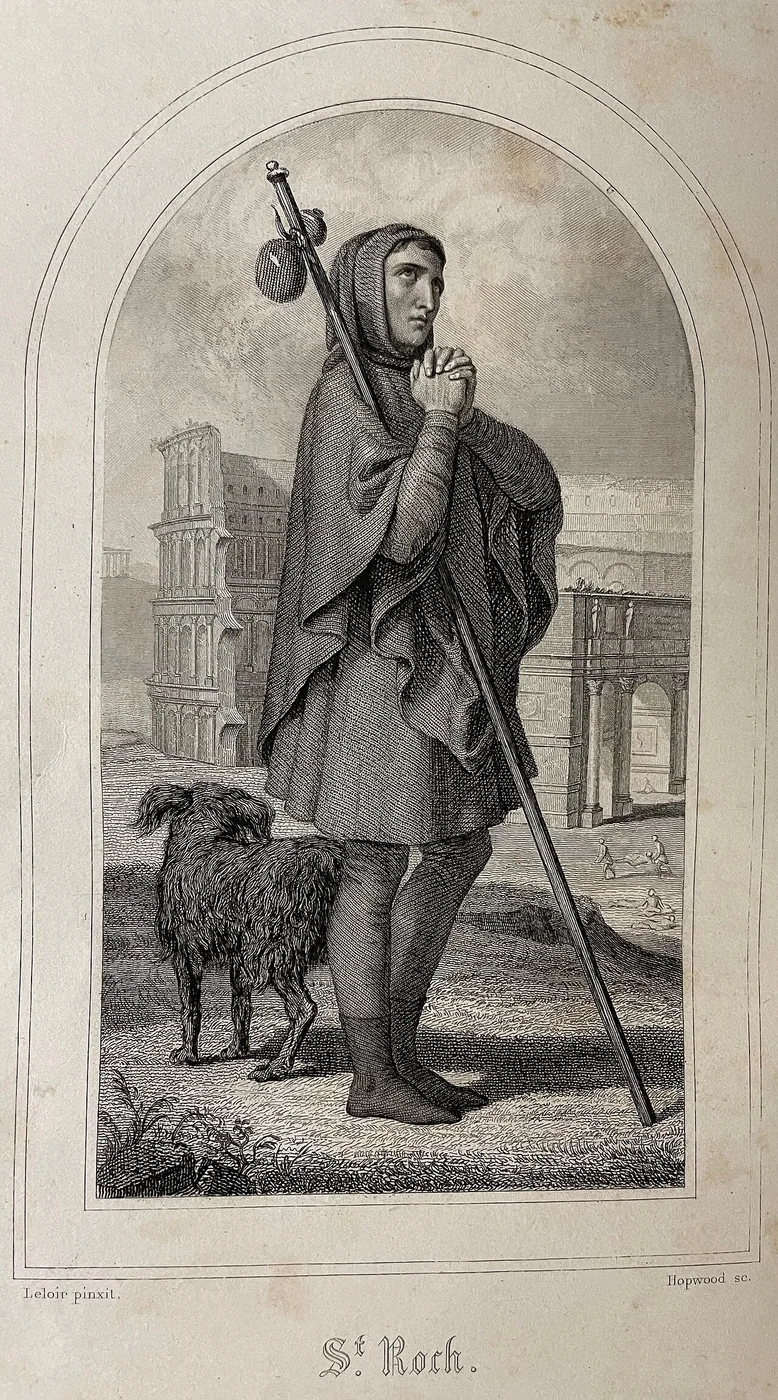
19th-century line engraving of Saint Roch with his dog, from Les vies des saints pères & martyrs par Godescard (historical artifact reproduction). Fil22plm · CC0 1.0 · Web size optimized; source linked for the original.
During the Black Death that devastated Europe in the mid-1300s, stories emerged of compassion amid widespread suffering. One of the most lasting involves Saint Roche, a French nobleman who cared for plague victims, fell ill himself, and was sustained by a loyal dog. The animal, often shown in art carrying bread and tending to the saint, became part of his iconography. While the precise historical details blend with legend, the story highlights themes of loyalty and mercy that resonated through later centuries.
Roche's Canine Companion in Medieval Lore
Saint Roche, also known as Roch or Rocco, is remembered for leaving a privileged life to tend plague victims in Italy around the time of the Black Death. According to traditional accounts, he contracted the disease, withdrew to a forest hut, and survived with help from a dog that brought him bread and licked his sores. These elements appear in later hagiographic texts that mix reported events with pious embellishment. Such narratives inspired hope during repeated outbreaks and established the image of a faithful dog as a symbol of divine mercy.
Early sources do not specify the dog's breed. Later artistic depictions often show it as a smooth-coated hound. The legend contributed to a cultural appreciation for dogs with strong scenting abilities and gentle temperaments, qualities valued in both hunting and the difficult work associated with epidemics. No breeding records from the period survive, but the cultural memory of the saint and his dog endured in religious art and local observances.
Line engraving by PL after B. Passarotti, ca. 1580, showing Saint Roch with his dog (historical artifact). Source collection · CC BY 4.0. Web size optimized; original linked.
Ancient Roots of Scent Hounds
Dogs with strong tracking abilities were already valued long before the 14th century. In ancient Mesopotamia and Egypt, hounds were used to follow game by scent. The Greeks and Romans continued to develop these animals, improving their stamina and olfactory capabilities.
These practices spread into Europe. By the early medieval period, large running hounds were used for tracking in forests. The foundation of selective breeding for scent work in antiquity provided the basis for later developments in European dog lines.
The Legacy in Modern Scent Detection Dogs
The cultural association of Saint Roche with a loyal hound lives on in the reputation of certain modern breeds known for tracking. Bloodhounds are celebrated for their ability to find lost or hiding people, combining a powerful sense of smell with a generally docile temperament when not working.
The American Kennel Club describes the bloodhound as unmatched in locating individuals through scent. This recognition reflects centuries of refinement in tracking breeds that trace back to medieval European lines. Trainers continue to value calm dispositions in dogs performing search and rescue or detection work.
Bloodhound puppy, representing the modern breed renowned for tracking and scent detection crazyforheelers · CC BY 2.0. Web size optimized; original linked.
Caring for Scent-Driven Breeds Today
Owners of breeds prized for their olfactory abilities should pay attention to the physical demands of intense scent work. These dogs can experience stress on joints and respiratory systems, making regular veterinary checkups important.
Breeders now use genetic testing to support both health and working ability. This approach helps ensure that descendants of historical tracking lines remain healthy and capable in varied environments.
Satirical Aside: The Saint Who Preferred Canine Company
In fictional satire that has appeared in European folklore festivals, Saint Roche is jokingly said to have found his dog more sensible than many bishops because the animal did not flee at the first sign of illness. This jest is clearly labeled as playful invention with no basis in medieval texts. It celebrates the dog's steadfastness while gently poking fun at human frailty.
Similar light-hearted, invented tales appear in later collections of regional legends. These stories do not claim historical accuracy but help keep the memory of the saint and his companion alive in popular imagination. They illustrate how humor can make even grim historical periods feel more approachable.
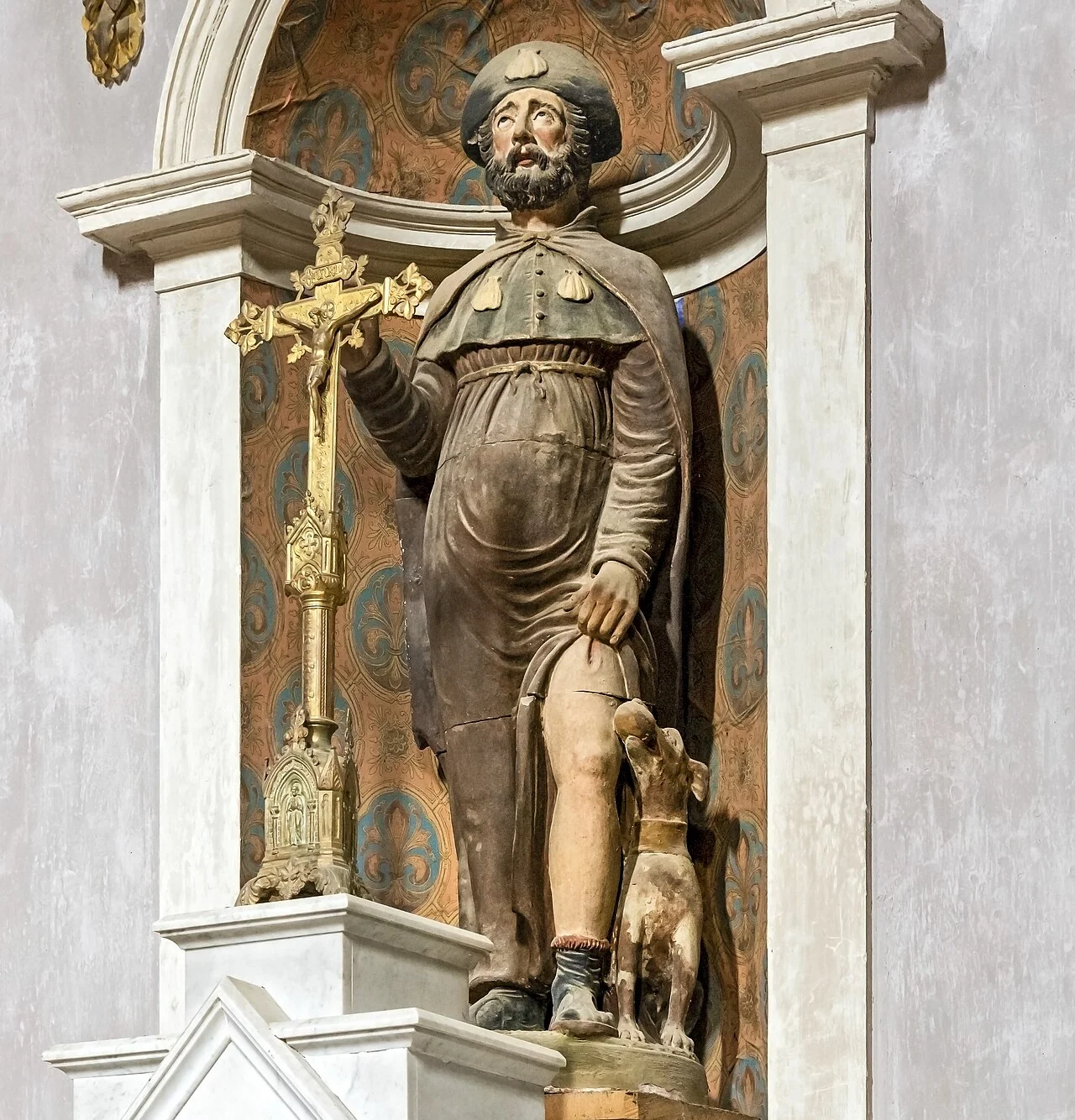
18th-century wooden sculpture of Saint Roch accompanied by his dog, from the church of Saint-Martin in Buzet-sur-Tarn, France. Didier Descouens · Public domain. Web size optimized; original linked.
AI-assisted original writing. This feature was revised against source material and checked for unsupported claims. Follow the references below for evidence and its limits.
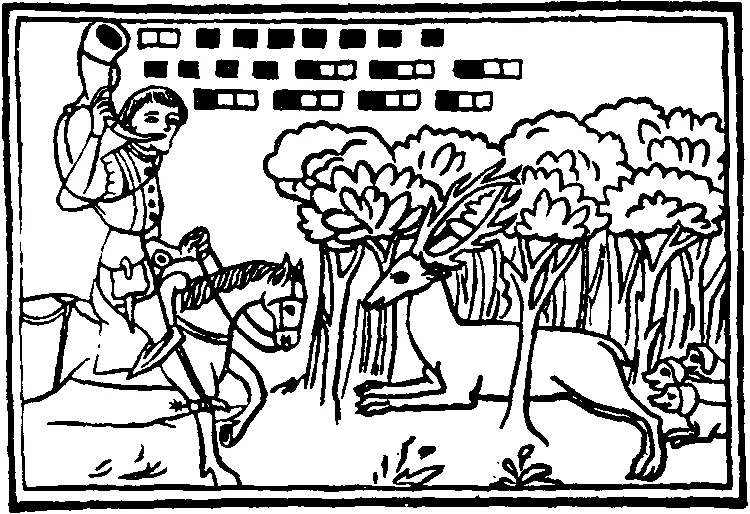
Royal charters set rules for restraining dogs to protect game, while hunting manuals later recorded the calls and names used by those who followed hounds on the trail.
Evidence from Saqqara and Asyut shows that dogs and other canids were mummified in large numbers as votive offerings connected to the gods Anubis and Wepwawet.


 Historical collection image