Accounts from the period describe how families in northern Scandinavia relied on working dogs to manage herds, drive animals to pasture, and guard against threats in daily nomadic life.
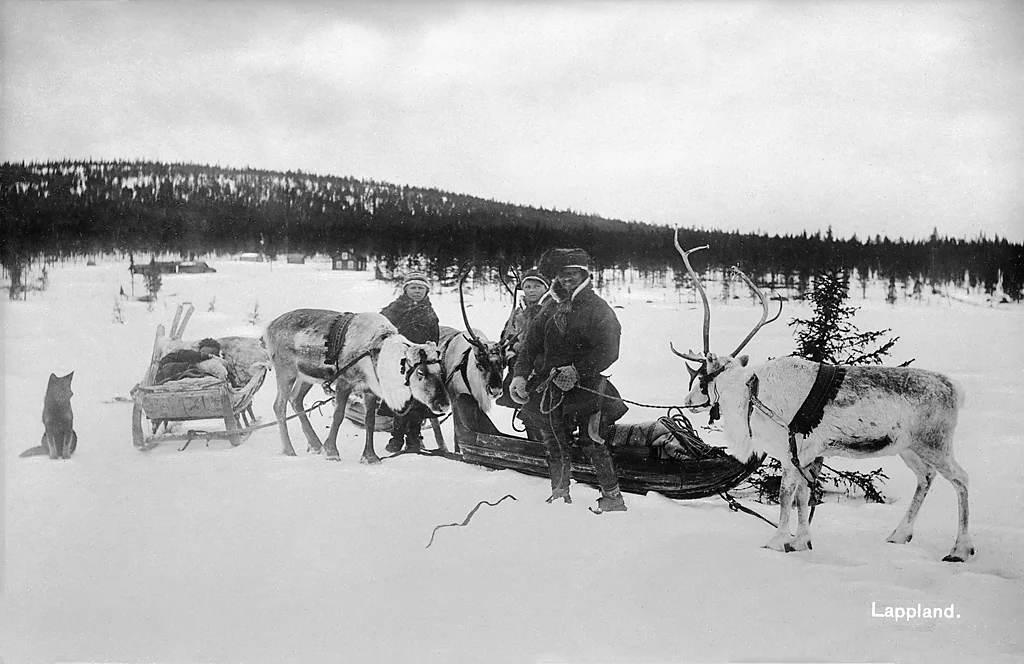
Sami family in Lapland with a sledge, reindeer and a dog, 1920–1939 Swedish National Heritage Board from Sweden · Public domain · Web size optimized; source linked for the original.
In the harsh landscapes of 18th-century Lapland, reindeer herding formed the backbone of Sámi nomadic life. European travelers and missionaries of the era observed that dogs played a practical role in keeping herds together, moving them between grazing areas, and protecting them from predators. These accounts, while written from outsider perspectives, offer glimpses into a working partnership between people, reindeer, and dogs long before any formal breed standards existed. The dogs appear in the records as hardy helpers trained to respond to simple signals, reflecting the demands of daily herding routines rather than any later notions of pedigree or show qualities. Reading these sources today invites questions about how much the writers truly understood of Sámi knowledge systems, and what details may have been filtered through European lenses of the time.
Daily Herding Routines and the Dogs’ Role
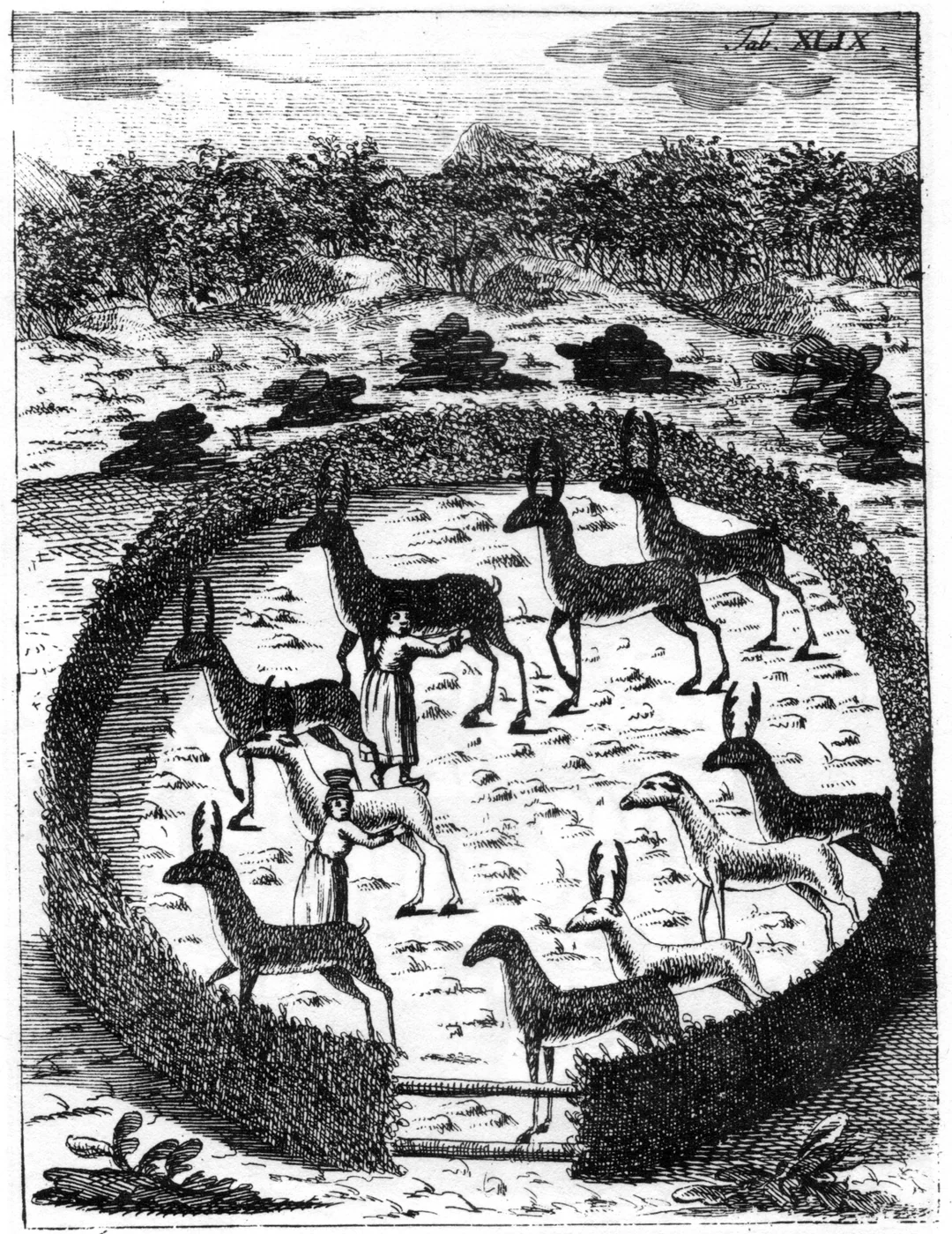
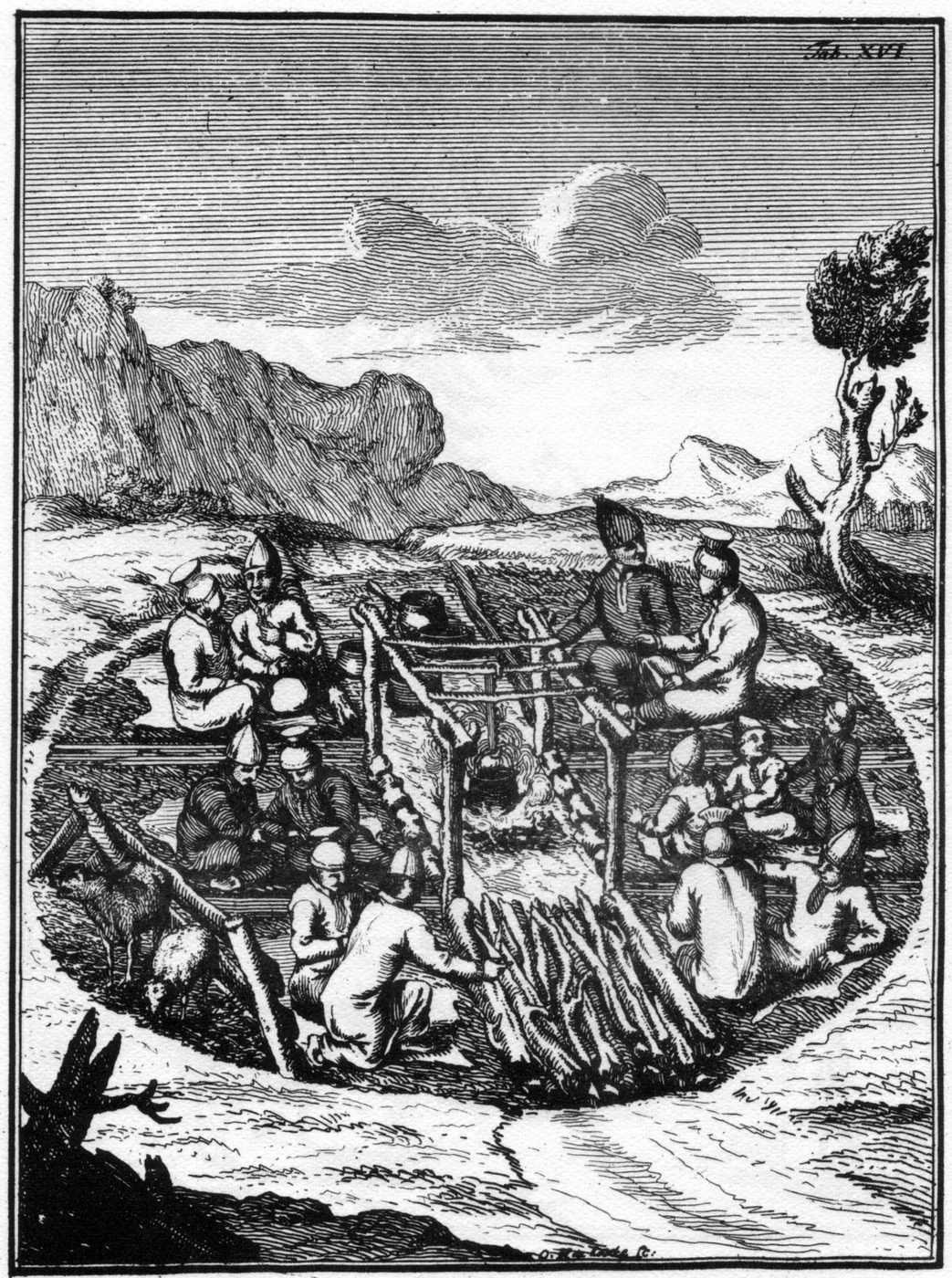
According to 18th-century missionary Knud Leem’s observations in Finnmark, Norway, Sámi herders brought their reindeer back to the tent twice in each 24-hour period for rest. During grazing times, dogs helped hold the animals under vigilance so they would not wander off from the main herd. Leem noted that the dogs were used to drive reindeer into woods and meadows for pasture and to gather them again when they had scattered while feeding. This suggests a steady, practical cycle in which the dogs supported the family’s need to manage a moving herd in open country.
The same account describes how the dogs could be directed by a herdsman’s gesture or point alone, prompting the reindeer to collect upon seeing them. Such training points to an established working relationship shaped by the environment and the needs of nomadic life. These details come from a European missionary text based on fieldwork among the Sámi, and modern readers may reasonably wonder how accurately the writer captured the full range of traditional methods or whether some practices were simplified for his audience. The reliance on dogs for routine tasks underscores their value in an unforgiving climate where losing animals could have serious consequences for a family’s livelihood.
Summaries of 18th-century travel accounts, including those by Leem and others, indicate that family members—sometimes including women and children—took part in herding alongside the dogs. These records describe the use of dogs during daily movements and milking sessions, as well as for defense against wolves. The picture that emerges is one of shared labor in which dogs extended the capacity of the entire household rather than serving as specialist tools for a single herder.
Later reflections drawing on 18th-century traditions, such as those noted by von Buch in the early 19th century, mention that Sámi reindeer herding welfare depended heavily on dogs to keep herds together, drive them when necessary, and protect against predators. At times, this could result in several dogs being present even inside the tent. While these accounts reflect outsider viewpoints that evolved from earlier mythologized ideas about the Sámi, they consistently highlight dogs as essential to family-based herding. One might ask how the presence of children and varied family roles influenced the way dogs were trained and handled across generations.
Shifting from Hunting to Herding Work
Historical overviews suggest that large-scale reindeer husbandry expanded during the 1700s in Lapland at the same time that wild reindeer hunting declined. As herds grew larger and the demands of year-round nomadic husbandry increased, dogs previously used for hunting appear to have taken on new herding responsibilities. This transition reflects broader changes in how Sámi families sustained themselves in the region.
The same interpretive summaries note that dogs became increasingly valued assets in 18th-century Sámi communities. A good working dog could be seen as a measure of family status and wealth before any modern breed classifications existed. These observations come from secondary sources that synthesize earlier records, and they carry the caveat that the first specific written mentions of Lappish herding dogs appear later, in 1891. The shift nonetheless illustrates how practical needs shaped the working roles of dogs without reference to selective breeding programs or standardized types.
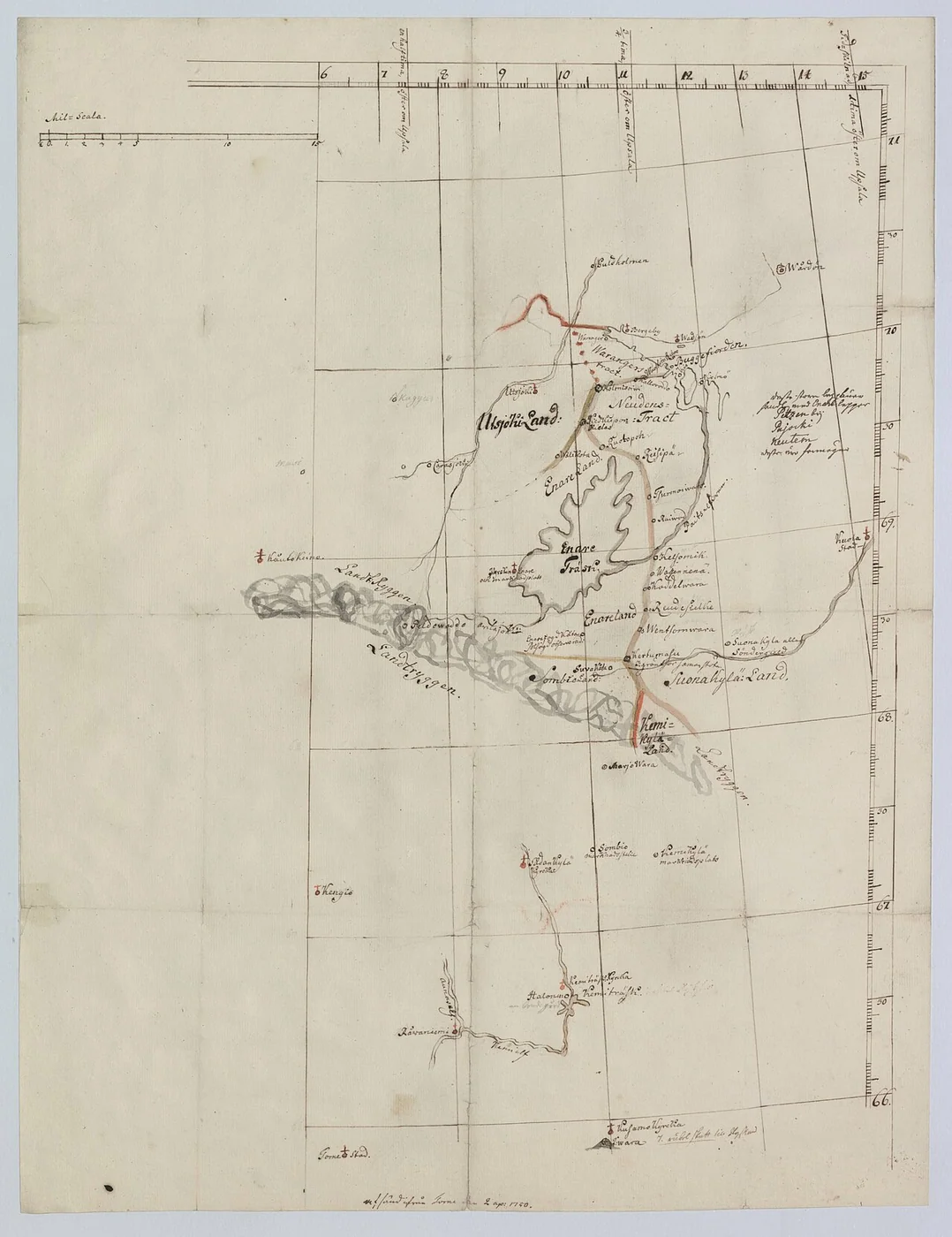
Map of Lake Inari with surroundings in Lapland, northern Finland, from border commissioner documents, 1733–1749. Historical cartographic artifact. Unknown · Public domain. Web size optimized; original linked.
Training, Names, and Individual Character
Leem’s text records that some dogs were given individual names, offering a small but telling detail about the personal relationships between herders and their animals. Examples include names rendered as Kiepros or Giehperos and Gousak or Guosat. The dogs were trained to obey signals and to help gather scattered reindeer, indicating a level of responsiveness that made them effective partners in daily work.
Such naming and targeted training hint at the dogs’ integration into family life and the herding routine. Readers might consider whether these named animals received different care or attention compared with those used only occasionally. The accounts do not describe physical appearance in detail that would match later breed standards, reinforcing that the focus remained on function in the Arctic environment rather than on any emerging concept of type or purity.
Reading the Sources Critically
All the available descriptions come from European missionaries, travelers, and scientists rather than from direct Sámi-authored records of the period. These outsider perspectives sometimes carried earlier mythologized views and were shaped by the writers’ own cultural frameworks. As a result, the accounts provide useful windows into observed practices but cannot be taken as complete or neutral ethnographic studies. Modern interpreters are wise to keep these limitations in view when considering what life with working dogs actually felt like for the families involved.
This raises broader questions about how historical evidence is filtered through time and viewpoint. What aspects of dog training or reindeer behavior might have been omitted or misunderstood? How did climate, season, and the size of individual herds affect the number of dogs needed? Engaging with these uncertainties encourages a cautious appreciation of the partnership between Sámi herders, their dogs, and their reindeer—an enduring relationship rooted in practical necessity rather than romanticized notions of northern life. A touch of light humor might be found in picturing a tent crowded with both people and watchful dogs after a long day, yet the underlying reality of survival in the Arctic was no laughing matter.
AI-assisted original writing. This feature was revised against source material and checked for unsupported claims. Follow the references below for evidence and its limits.
Royal charters set rules for restraining dogs to protect game, while hunting manuals later recorded the calls and names used by those who followed hounds on the trail.
Evidence from Saqqara and Asyut shows that dogs and other canids were mummified in large numbers as votive offerings connected to the gods Anubis and Wepwawet.
 Historical collection image