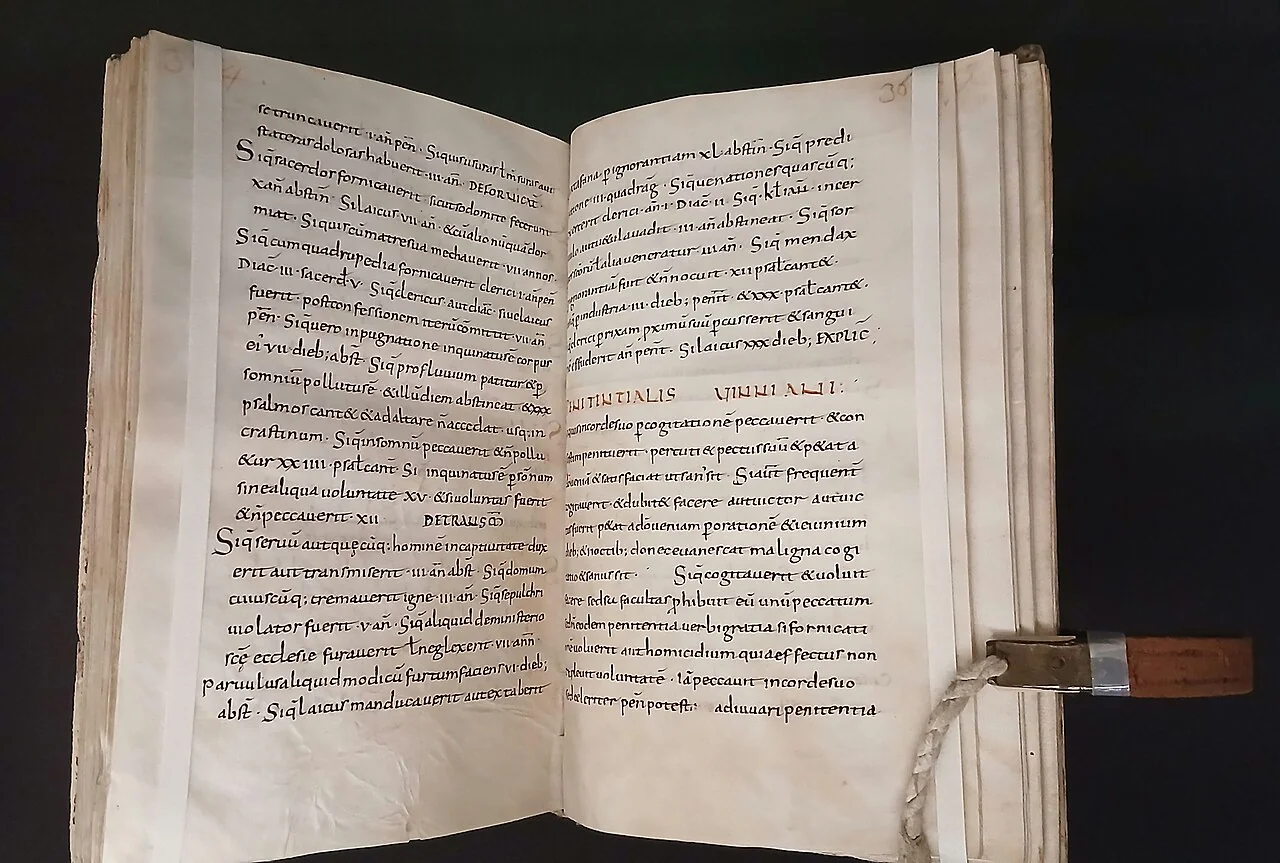
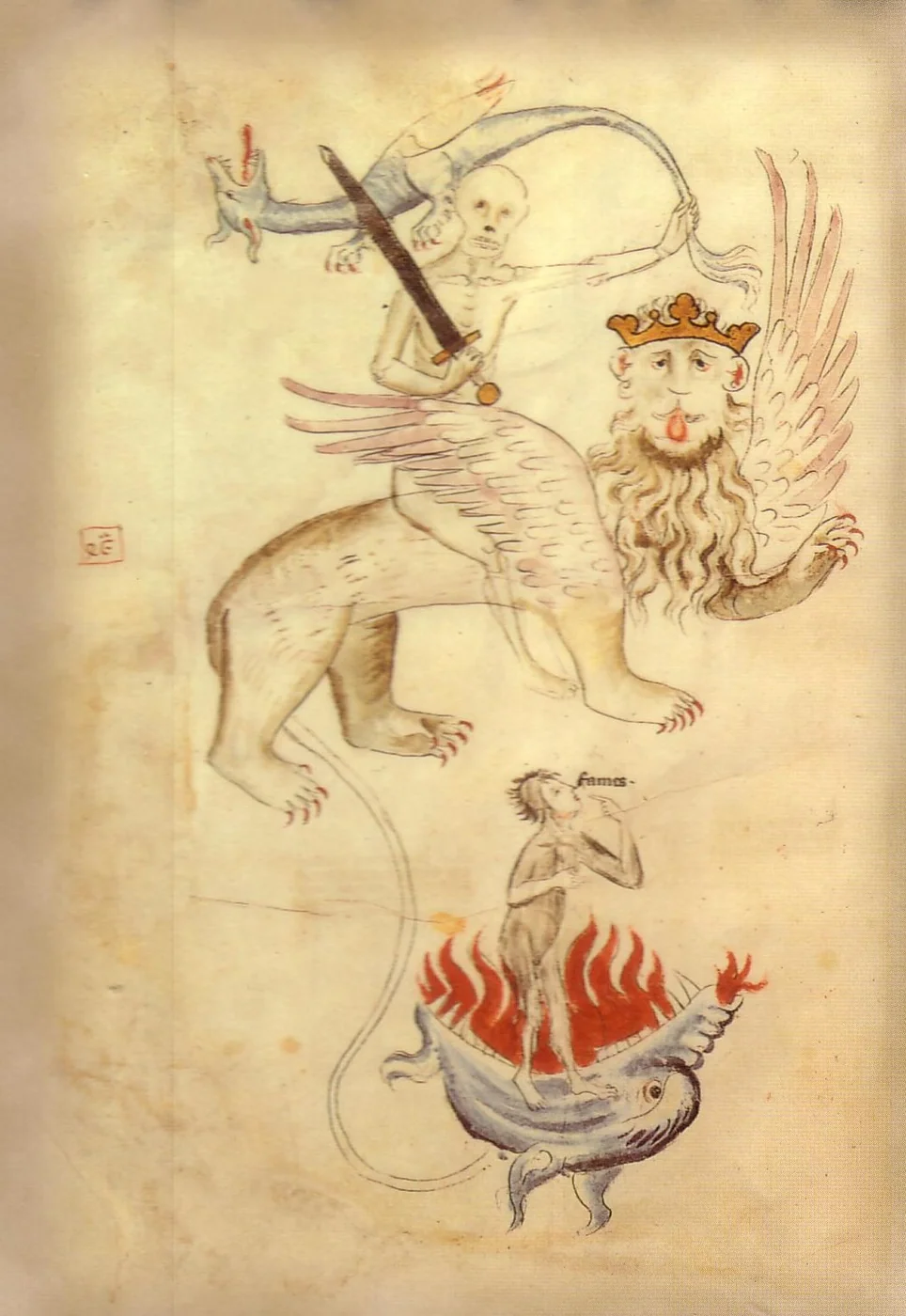
Penitential of Finnian, manuscript from the Abbey Library of St Gall, 2nd quarter of the 9th century (Cod. Sang. 150, pp. 367-368). A.-K. D. · CC BY-SA 4.0 · Web size optimized; source linked for the original.
In the early Middle Ages, certain church-related writings known as penitentials outlined rules about food. These documents treated the consumption of animals such as dogs, cats, and mice as impure acts that required penance. The rules appear aimed at drawing a line between what was considered clean and unclean food. While the topic of dog meat consumption surfaces in these texts, the surviving references concentrate on the period before the 11th century rather than the 11th- to 13th-century church decrees sometimes imagined in popular accounts. Evidence also shows that extreme hunger occasionally led people to ignore these taboos, sometimes in dramatic ways. The single scholarly article available for this review focuses on that earlier era and warns against assuming widespread disregard for the prohibitions outside of documented crises.
What the Penitentials Actually Said
The penitential handbooks, often called Libri Paenitentiales, catalogued various sins and the corresponding acts of penance. Among the food-related rules were bans on eating what they termed unclean meats. Dog appears in these lists alongside cat, mouse, and other animals regarded as impure. The purpose seems to have been to help believers maintain a distinction between pure and impure foods, echoing broader religious ideas about dietary boundaries.
Importantly, the evidence drawn from these texts is limited to the early Middle Ages. The article under review does not cite any specific church decrees from the 11th, 12th, or 13th centuries that newly elevated dogs to the status of companions or issued fresh prohibitions. Instead, the referenced canons, such as one labeled Ps.-Egbert XXXVIII, belong to an earlier period. This gap means modern claims of a clear medieval European “ban” centered on the High Middle Ages lack direct support in the available scholarship.
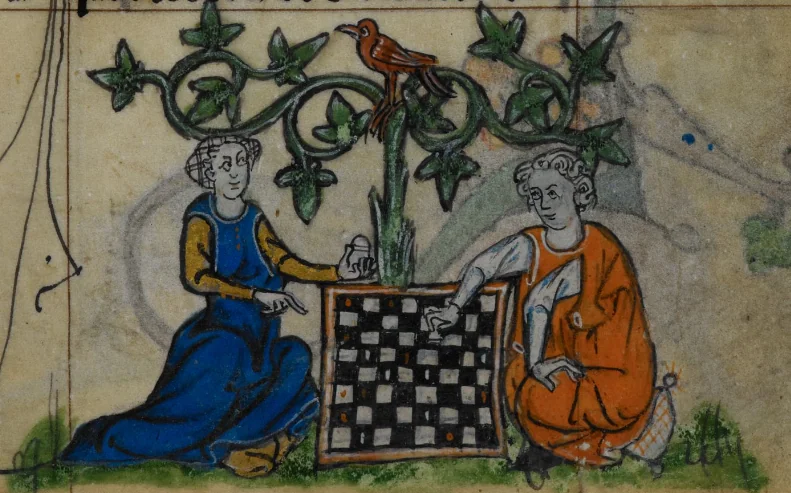
Detail of the Maastricht Book of Hours (BL Stowe MS17 f141r), a medieval manuscript known for lively depictions of animals and half-animals; folios 140r-157r constitute the Penitential Psalms. This drollery depicts two people playing chess underneath a tree with a bird. Unknown miniaturist from Liège-Maastricht area, ca. 1300-1325 · Public domain. Web size optimized; original linked.
Famine and the Breaking of Food Taboos
The same penitential literature notes that people sometimes consumed unclean meats when facing starvation. The article records nine documented cases of cannibalism in European chronicles and annals between 793 and 1032, often occurring alongside breaches of the unclean-meat rules. These episodes are presented as survival measures rather than everyday practice.
The author cautions readers against drawing overly bleak conclusions about early medieval society. Most communities, the text suggests, responded to hunger by working harder to increase food production instead of routinely turning to taboo foods. This perspective adds a note of optimism: the prohibitions appear to have held in ordinary times, with violations clustered in extreme conditions.
Dogs in Everyday Medieval Life
Although the penitentials classified dog meat as unclean, the texts do not describe dogs primarily as livestock. The rules seem to reflect cultural or symbolic ideas about purity more than an effort to stop a widespread habit of eating dogs. Light-hearted modern speculation might imagine a scruffy medieval pooch nervously eyeing the dinner table, yet the evidence supplies no such domestic comedy—only the formal listing of dog alongside other non-food animals.
The absence of later decrees in the source material leaves open the question of how attitudes evolved after the early Middle Ages. Without additional primary texts, it is impossible to confirm whether dogs gained clearer “companion” status through church rulings in the 11th–13th centuries or whether older taboos simply faded. The single article reviewed stays firmly within its pre-11th-century scope.
13th-century French champlevé enamel medallion depicting a hunting dog attacking a boar. Historical artifact photograph. Source collection · CC0 1.0. Web size optimized; original linked.
Regional Exceptions and Later Echoes
The evidence supplied contains no references to specific regions where eating dog meat continued openly after the early medieval period. The article does not discuss any documented exceptions persisting into later centuries. Any claim of lingering regional practices would therefore be unsupported by the material at hand.
This silence itself is instructive. It reminds us how fragmentary the surviving record can be. While later folklore or local customs might have preserved older habits, the penitential focus on early centuries leaves later developments unaddressed. Readers interested in the topic must look to additional sources beyond this study.
Reading Questions and Modern Reflections
Given the narrow evidence, several questions arise. How strictly were the penitential rules enforced outside of monastic or clerical circles? Did ordinary farmers even know the specific canons that listed dog as unclean? The article supplies no answers, underscoring the limits of what one scholarly piece can tell us.
An editorial observation follows: the early medieval concern with “unclean meats” feels distant from today’s debates over pet food or ethical vegetarianism, yet it shares a common thread—humans constantly redraw the line between which animals are companions, workers, or dinner. That line has always been cultural rather than purely nutritional. The penitentials offer one historical snapshot of where that boundary was drawn when survival itself was often precarious. A touch of humor surfaces in imagining a guilt-ridden medieval diner performing penance after a famine stew, but the underlying reality of hunger and taboo deserves serious attention rather than caricature.
AI-assisted original writing. This feature was revised against source material and checked for unsupported claims. Follow the references below for evidence and its limits.
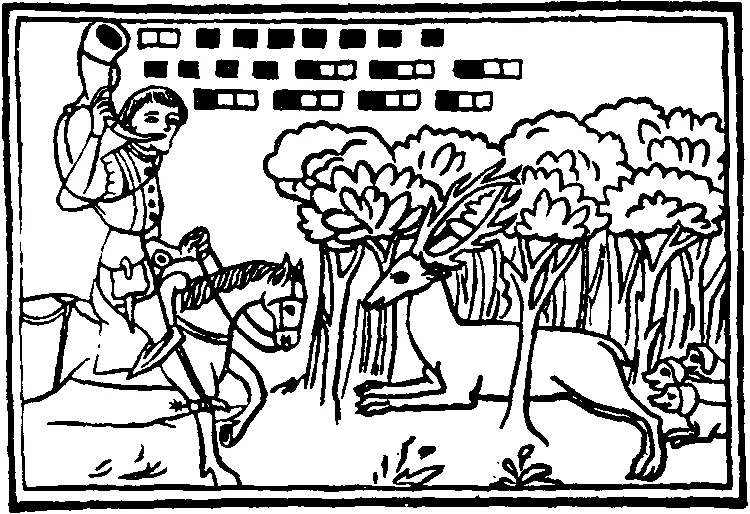
Royal charters set rules for restraining dogs to protect game, while hunting manuals later recorded the calls and names used by those who followed hounds on the trail.
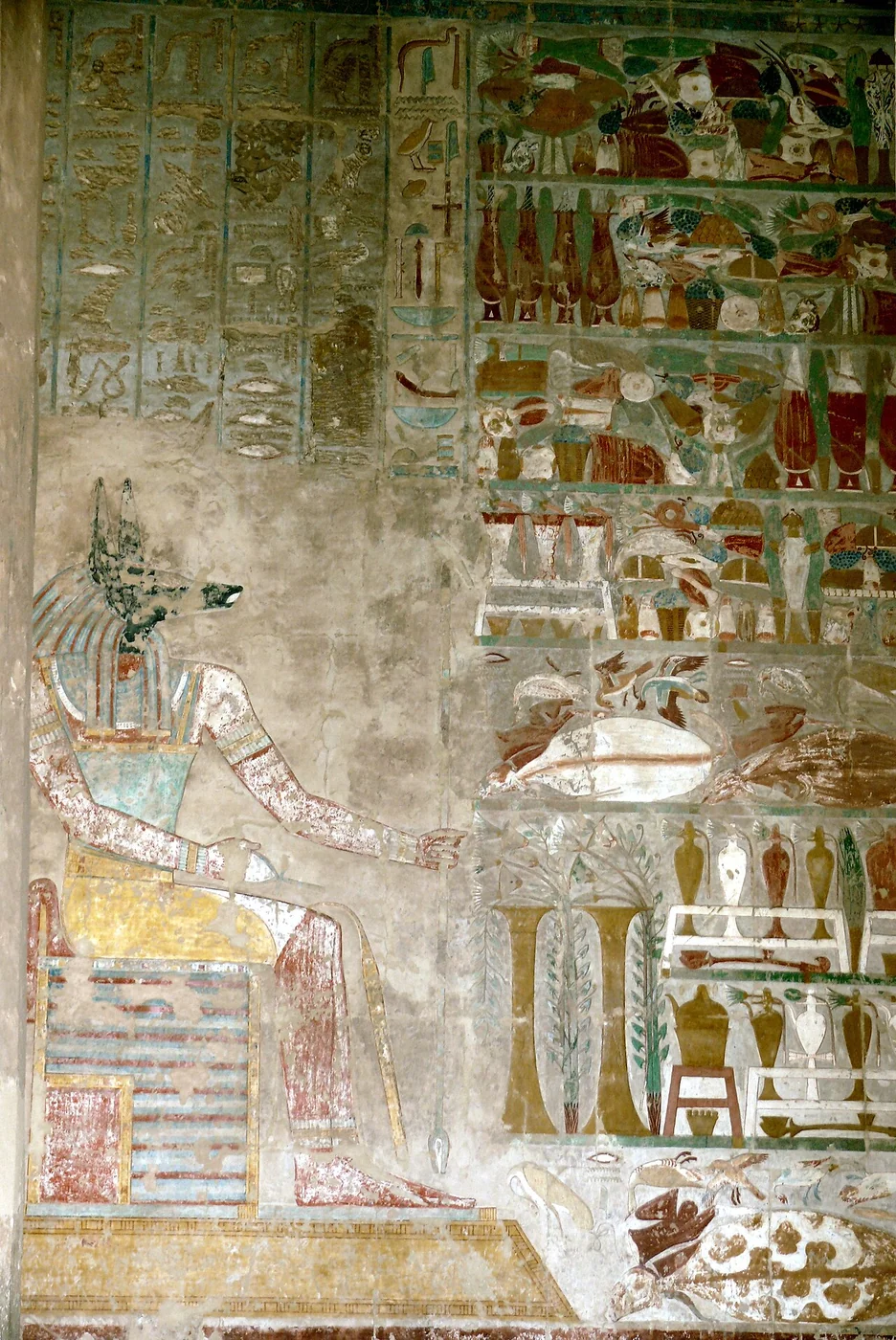
Evidence from Saqqara and Asyut shows that dogs and other canids were mummified in large numbers as votive offerings connected to the gods Anubis and Wepwawet.

 Historical collection image