


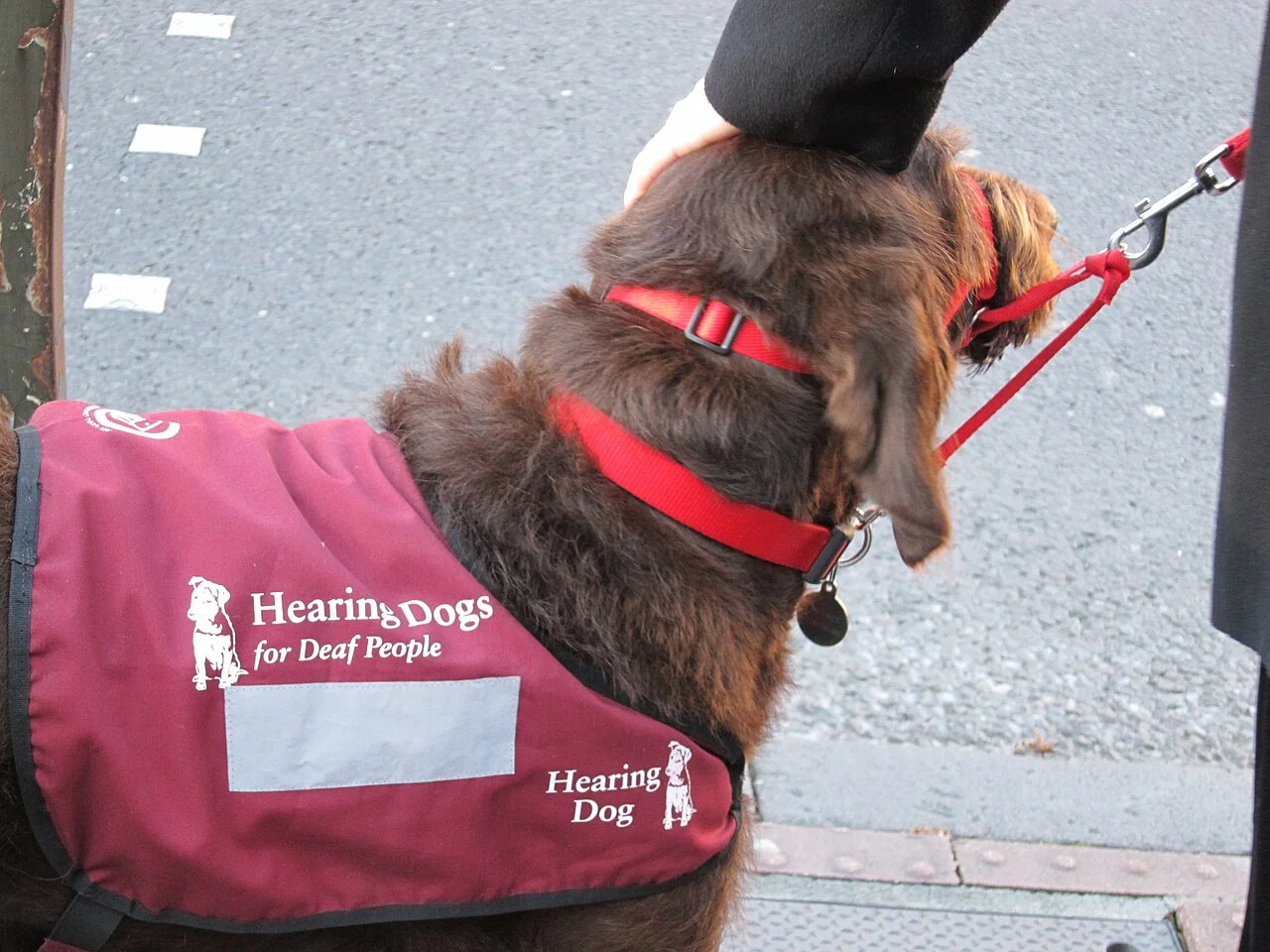
 Photograph
Blowing Puffer Fish · CC BY 2.0
Hero Dogs
Alert Ears and Wagging Tails: How Hearing Dogs Help Their Partners
A dog-focused look at the training and daily work of hearing dogs, drawn from one UK charity’s own descriptions.
All the News That's Fit to Bark!
A veteran Siberian husky and his musher completed an 84-mile nonstop push over fractured sea ice during the relay that delivered diphtheria antitoxin to Nome, Alaska.
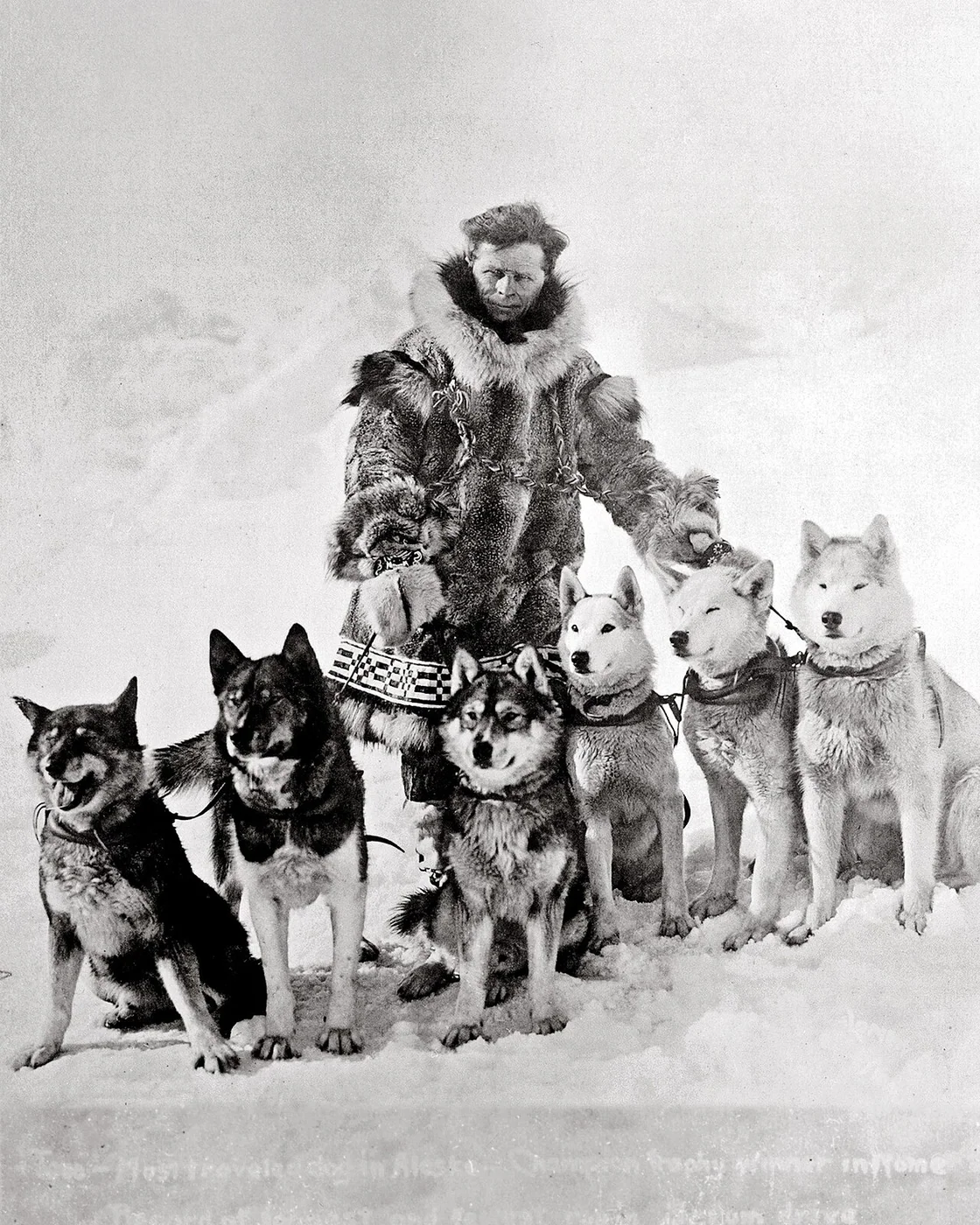
Leonhard Seppala posing with six of his sled dogs, including Togo (far left), circa 1924–1925. Copyright: Copyright © Carrie McLain Museum / AlaskaStock · CC0 1.0 · Web size optimized; source linked for the original.
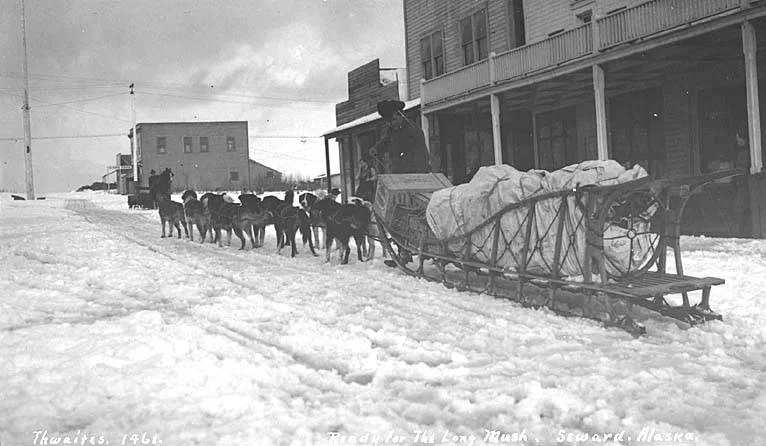
In January 1925 an outbreak of diphtheria in the remote town of Nome, Alaska, created an urgent need for antitoxin. Officials arranged a dogsled relay to bring serum nearly 700 miles from Nenana through harsh winter conditions. While several teams participated, one segment stands out for its length and difficulty. Leonhard Seppala and his lead dog Togo crossed Norton Sound on unstable ice, traveling without rest under severe weather. Contemporary records and later accounts describe the effort as a key part of the relay’s success. The story offers a window into the working partnership between mushers and sled dogs in early 20th-century Alaska.
Diphtheria struck Nome in January 1925, and local supplies of antitoxin were nearly gone. Primary documents from the Alaska governor’s office show that officials quickly organized a relay of dog teams to transport more serum from Nenana, roughly 674 miles away according to archival summaries. The route followed established trails but included a direct crossing of Norton Sound, a 42-mile stretch of sea ice exposed to winds from the Bering Sea. Seppala, an experienced musher known for breeding and driving Siberian huskies, was assigned a lengthy middle leg that required meeting an incoming team and returning with the serum.
Togo, a 12-year-old Siberian husky who had served as Seppala’s lead dog for years, handled navigation during the run. Evidence from historical summaries indicates that Seppala’s team ultimately covered more distance than most other participants in the relay. One retrospective account by Seppala himself states that his team traveled three hundred and forty miles in connection with the serum effort, while no other team exceeded fifty-three miles. This extended responsibility reflected confidence in the pair’s ability to manage long hauls in darkness and storm conditions. The relay involved multiple handoffs, with each segment advancing the serum through Arctic winter.
Norton Sound presented unstable ice, pressure ridges, and the constant risk of open water caused by wind and tides. Archival records from the period note gale-force winds and extremely low temperatures across the region during the relay, with one summary citing conditions reaching negative 85 degrees Fahrenheit. Contemporary communications describe blowing snow that created whiteout conditions and reduced visibility to nearly nothing.
Seppala’s own later writing mentions traveling through severe weather on this route. Educational summaries based on historical retellings report that the team crossed the sound in darkness, with Togo maintaining direction over ice floes. The ice surface was chaotic, and the dogs had to navigate shifting sections that could crack under pressure. These conditions turned the crossing into a test of the lead dog’s trail sense and the musher’s judgment. The combination of wind, cold, and unstable footing made the Norton Sound leg especially hazardous compared with overland portions of the trail.
After meeting the incoming serum, Seppala and his team turned around without stopping and headed back across Norton Sound. Aggregated historical accounts state that they covered 84 miles in this continuous effort, arriving at a roadhouse at 8:00 p.m. after departing in the late afternoon. Togo remained in the lead position throughout, guiding the team in a straight line despite poor visibility. The nonstop nature of the run meant the dogs received no scheduled breaks for food or rest during this segment.
Siberian huskies were traditionally used for freight and mail delivery in remote Alaskan villages. Their compact build, thick coats, and efficient movement suited them for sustained work in cold environments. Evidence from the relay shows that coordination between Seppala and Togo relied on voice commands and the dog’s familiarity with the trail. This partnership had developed over years of shorter runs. The 84-mile push kept the serum moving forward under the worst weather, contributing to the overall relay time of 127.5 hours recorded in official summaries.
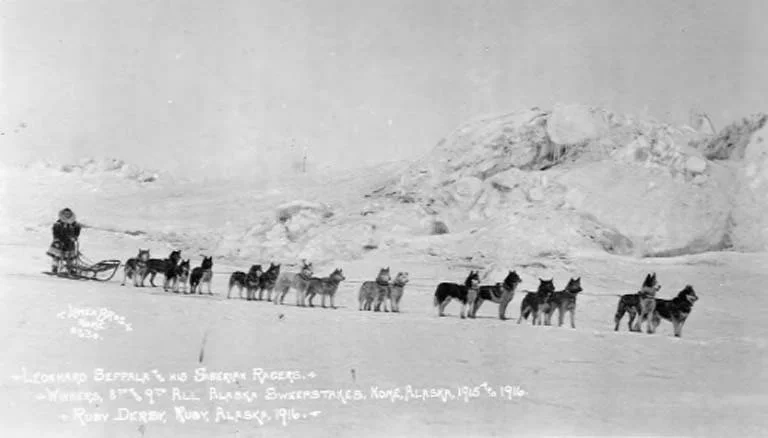
Several dog teams and mushers took part in the 1925 relay under similar blizzard conditions. Primary archival files document the organization of the effort and mention dog teams in general terms. Secondary educational sources note that Balto led the final leg into Nome and later received public recognition, including a statue. Togo’s segment, however, involved the longest recorded distance according to Seppala’s account and included the dangerous water crossing.
Many of these working dogs performed routine tasks such as pulling freight and carrying mail year-round. Their efforts helped sustain isolated communities. After the serum run, Seppala continued breeding Siberian huskies. Togo retired and lived until age 16. His preserved skeleton resides at the Peabody Museum of Natural History at Yale University, serving as a physical reminder of one animal that participated in the event.
The 1925 relay demonstrated the endurance of sled dogs in extreme conditions. Official records confirm that the teams completed the journey despite high winds and subzero temperatures. Modern interest in canine athletic performance sometimes looks back at such historical efforts, though direct physiological studies from 1925 are not part of the available evidence. The event also illustrates the value of experienced lead dogs that can maintain direction and avoid hazards when visibility fails.
Responsible care of high-energy working breeds requires attention to exercise, nutrition, and regular veterinary checkups. The serum run succeeded through the combined contributions of many teams rather than any single hero. That collective aspect remains a useful lens for thinking about animal welfare and partnership in demanding environments. Readers might ask how present-day working dogs are protected from similar risks and whether historical accounts sufficiently credit all participants. The story invites reflection on the practical realities of relying on animals for life-saving transport in remote areas.
AI-assisted original writing. This feature was revised against source material and checked for unsupported claims. Follow the references below for evidence and its limits.
PhotographBlowing Puffer Fish · CC BY 2.0
A dog-focused look at the training and daily work of hearing dogs, drawn from one UK charity’s own descriptions.
 Photograph
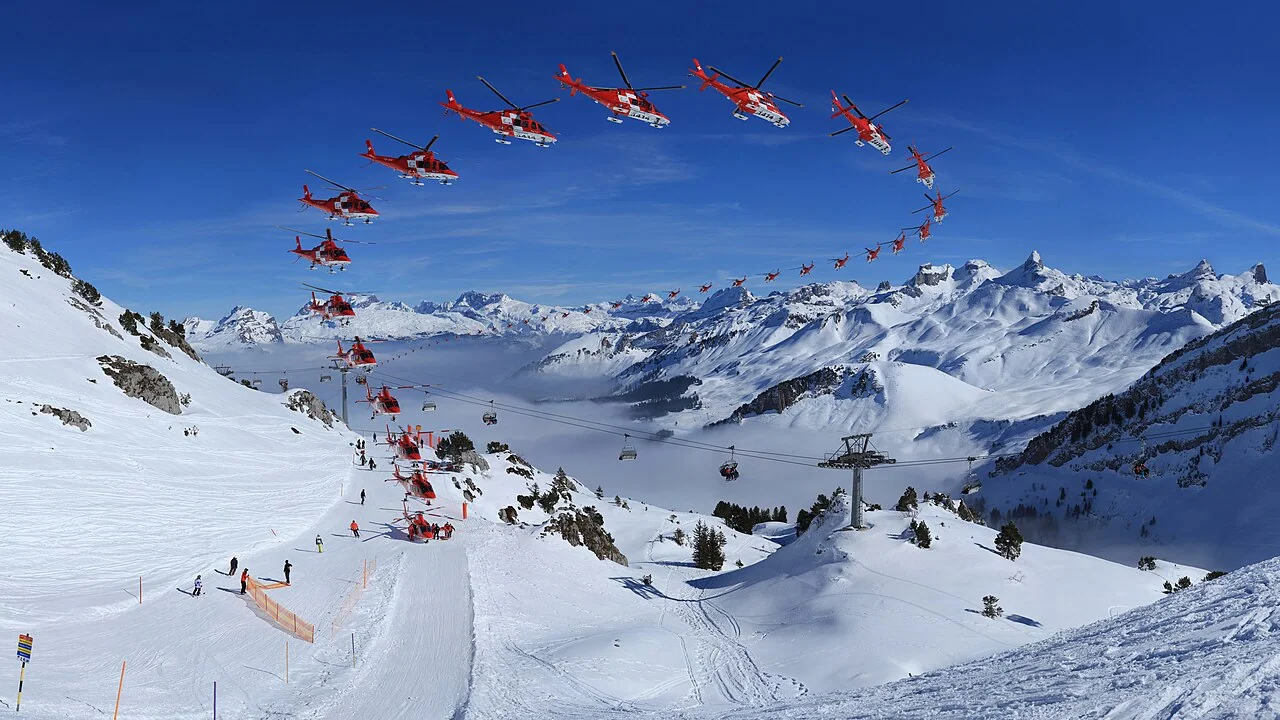
A look at coordinated Swiss rescue operations that include avalanche dogs, drawn from limited public descriptions of specialist teamwork.
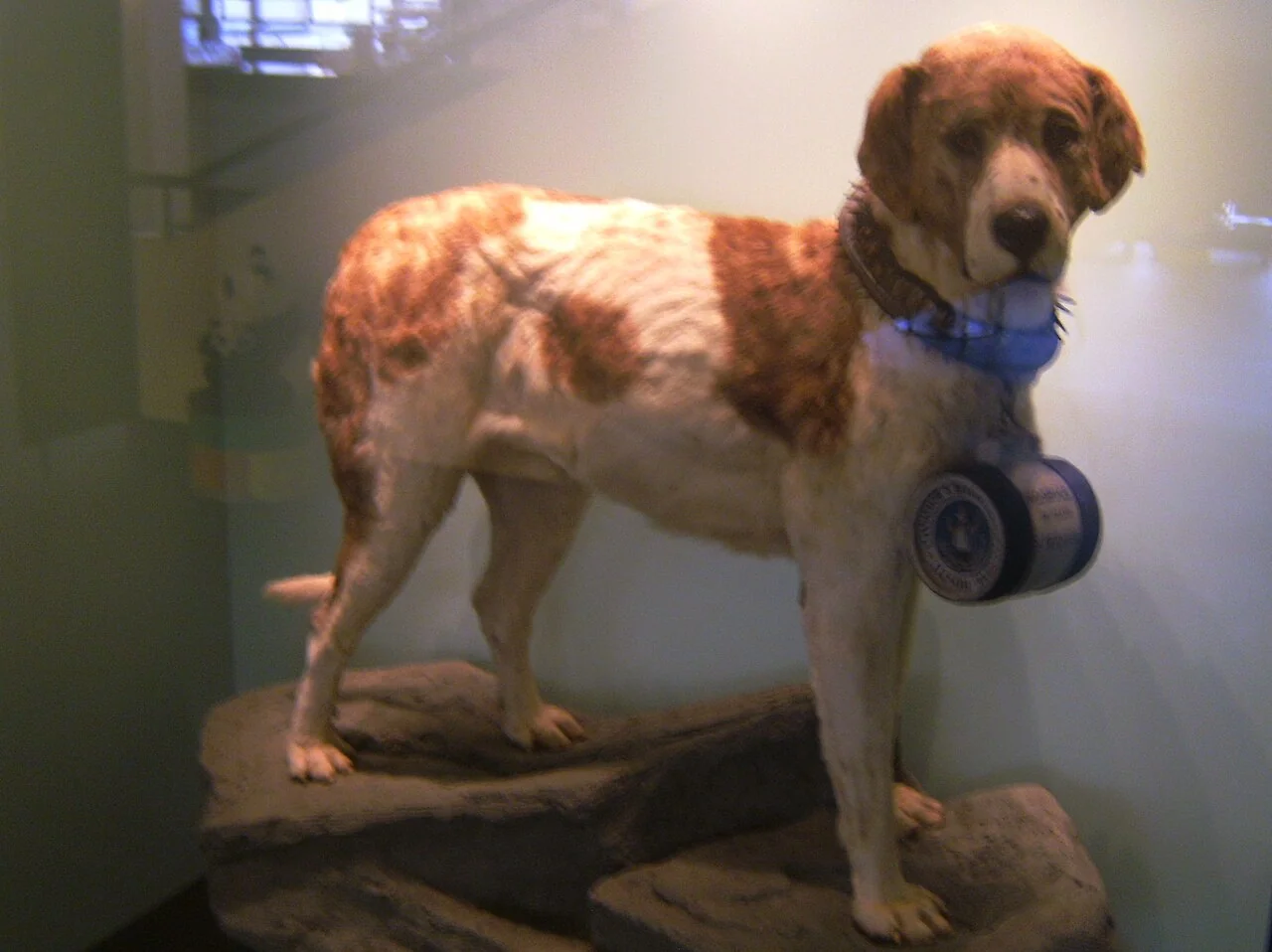
A real Alpine dog whose reputation grew from hospice service, even though detailed rescue records were never kept.