


 Photograph
Blowing Puffer Fish · CC BY 2.0
Hero Dogs
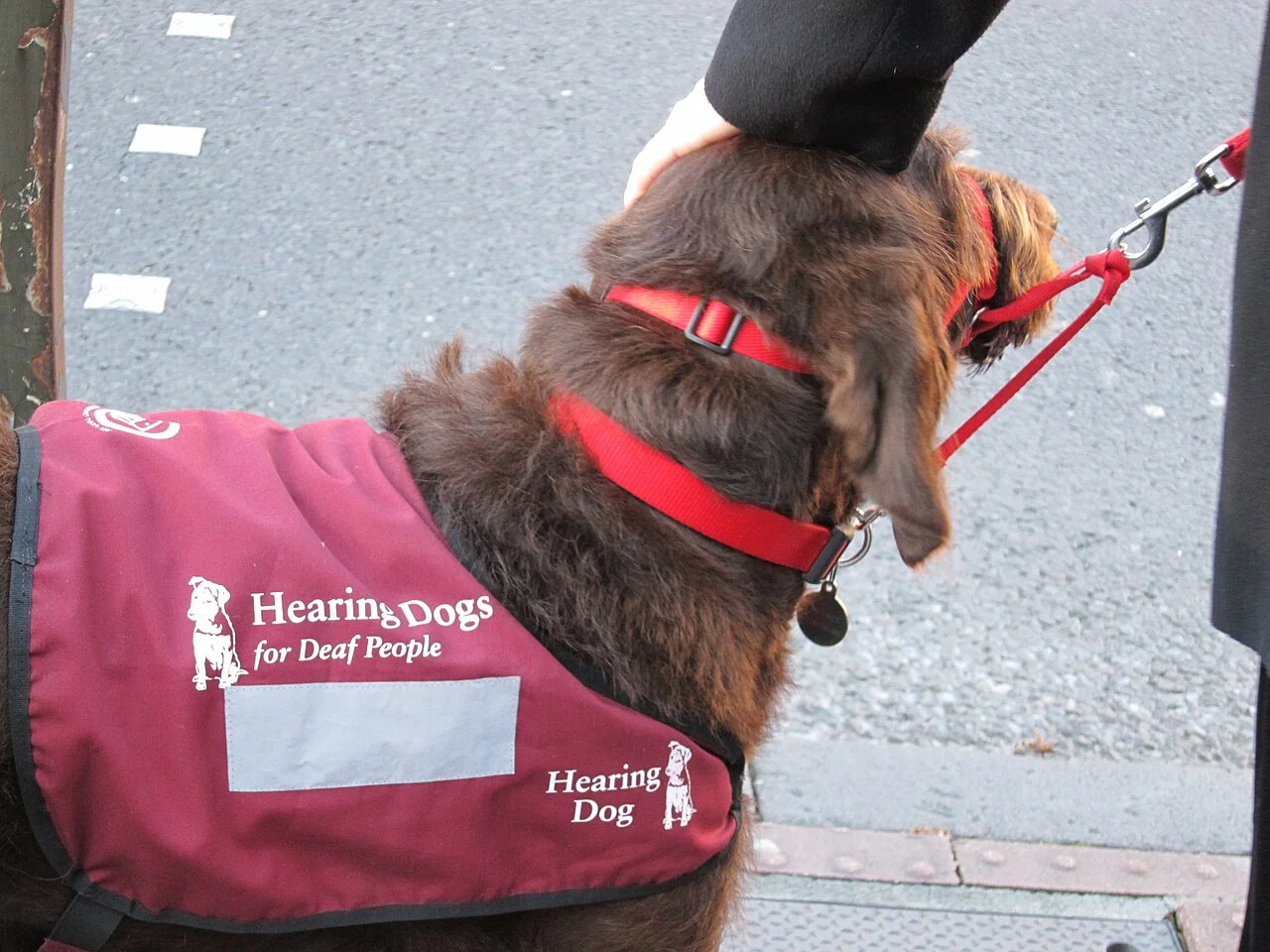
Alert Ears and Wagging Tails: How Hearing Dogs Help Their Partners
A dog-focused look at the training and daily work of hearing dogs, drawn from one UK charity’s own descriptions.
All the News That's Fit to Bark!
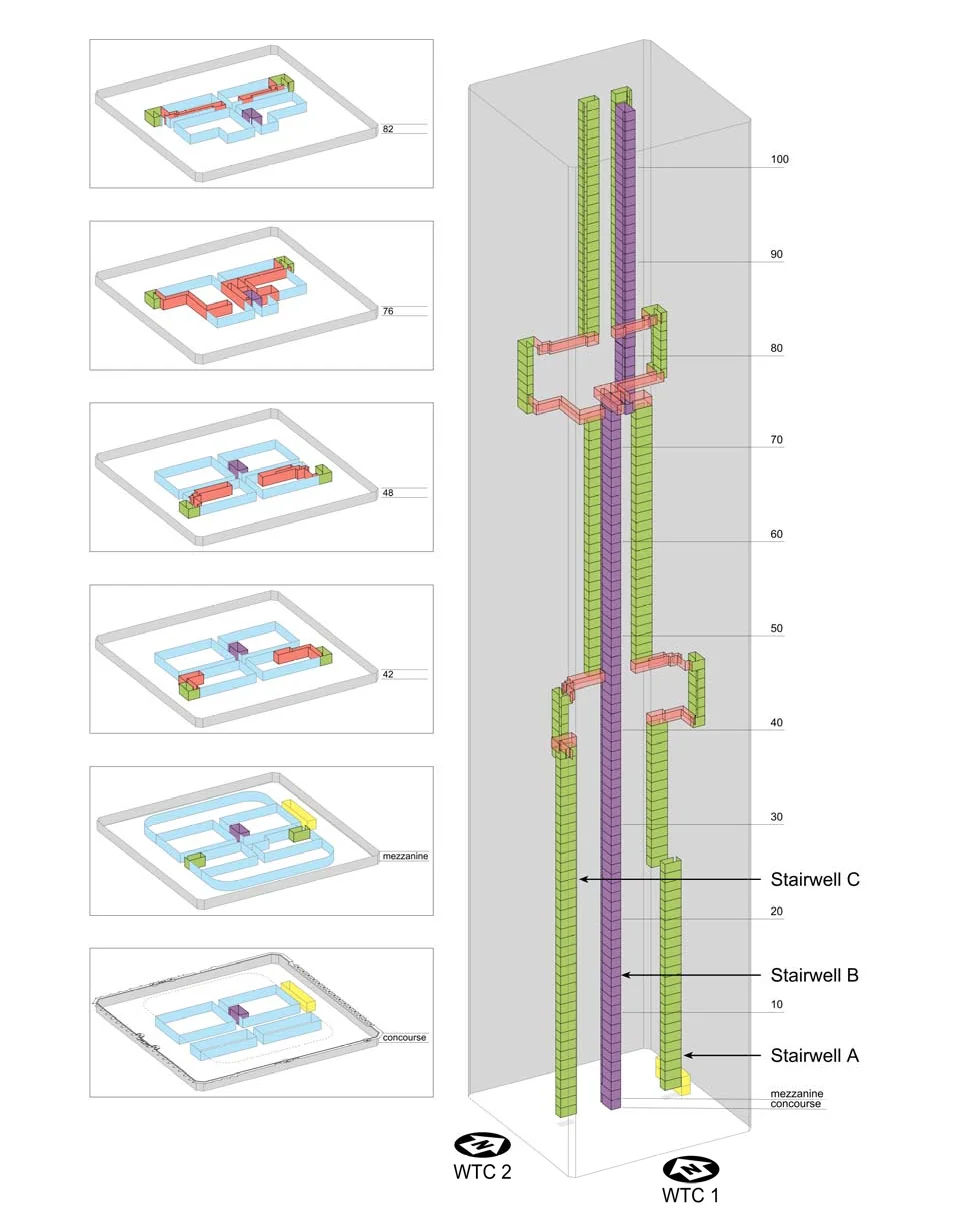
During the September 11 attacks, Roselle guided her blind partner Michael Hingson down many flights of stairs from the 78th floor of the North Tower, later drawing attention to the composure of working guide dogs.
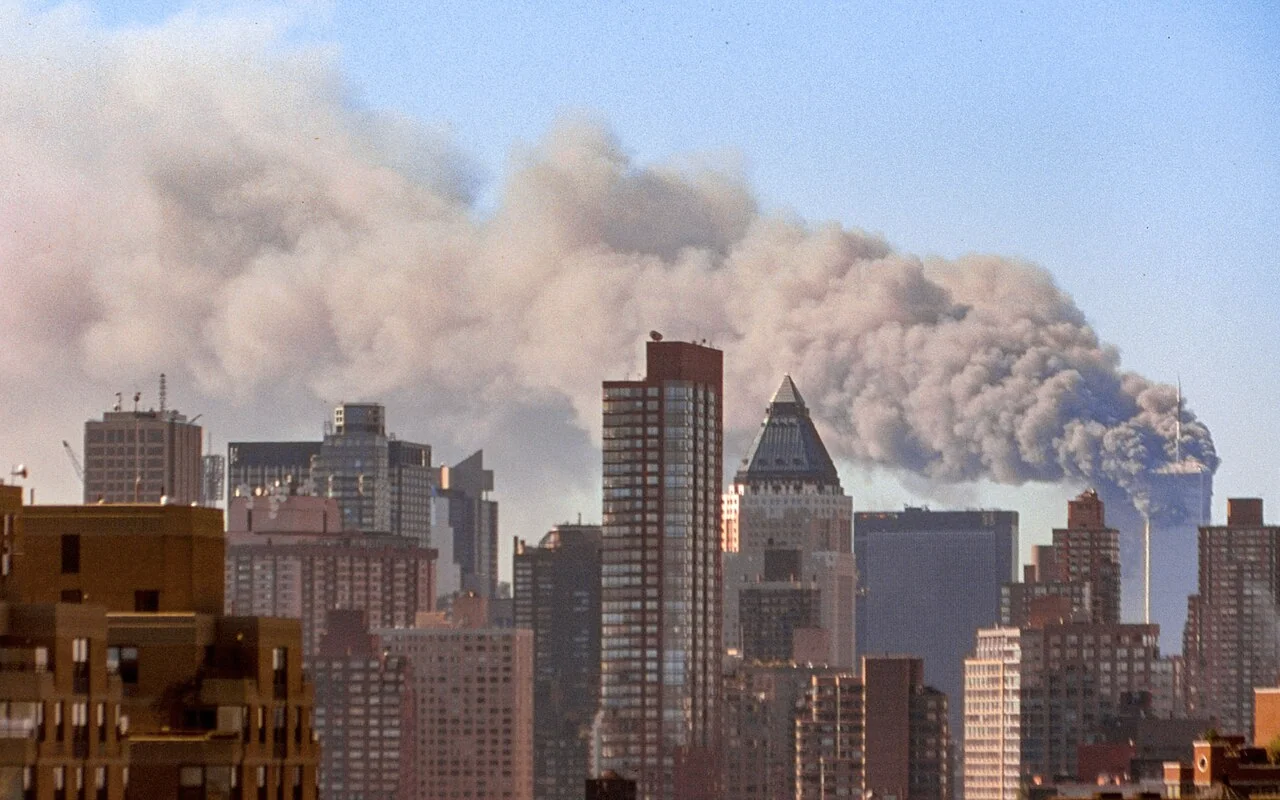
North Tower of the World Trade Center after being struck by an aircraft on September 11, 2001. Unknown authorUnknown author · Public domain · Web size optimized; source linked for the original.
On September 11, 2001, Michael Hingson was working on the 78th floor of the North Tower of the World Trade Center when a plane struck the building 18 floors above. His guide dog, Roselle, helped him navigate the crowded stairwells and reach safety. The pair’s experience became widely shared through interviews and writings, highlighting the bond between guide dogs and their partners. While some popular accounts add dramatic flourishes, the core facts remain consistent across sources: Roselle stayed focused amid the evacuation, and the event prompted broader conversations about guide-dog preparedness. This article examines what the available evidence actually shows, what remains uncertain, and what questions the story still raises for animal welfare and emergency planning.
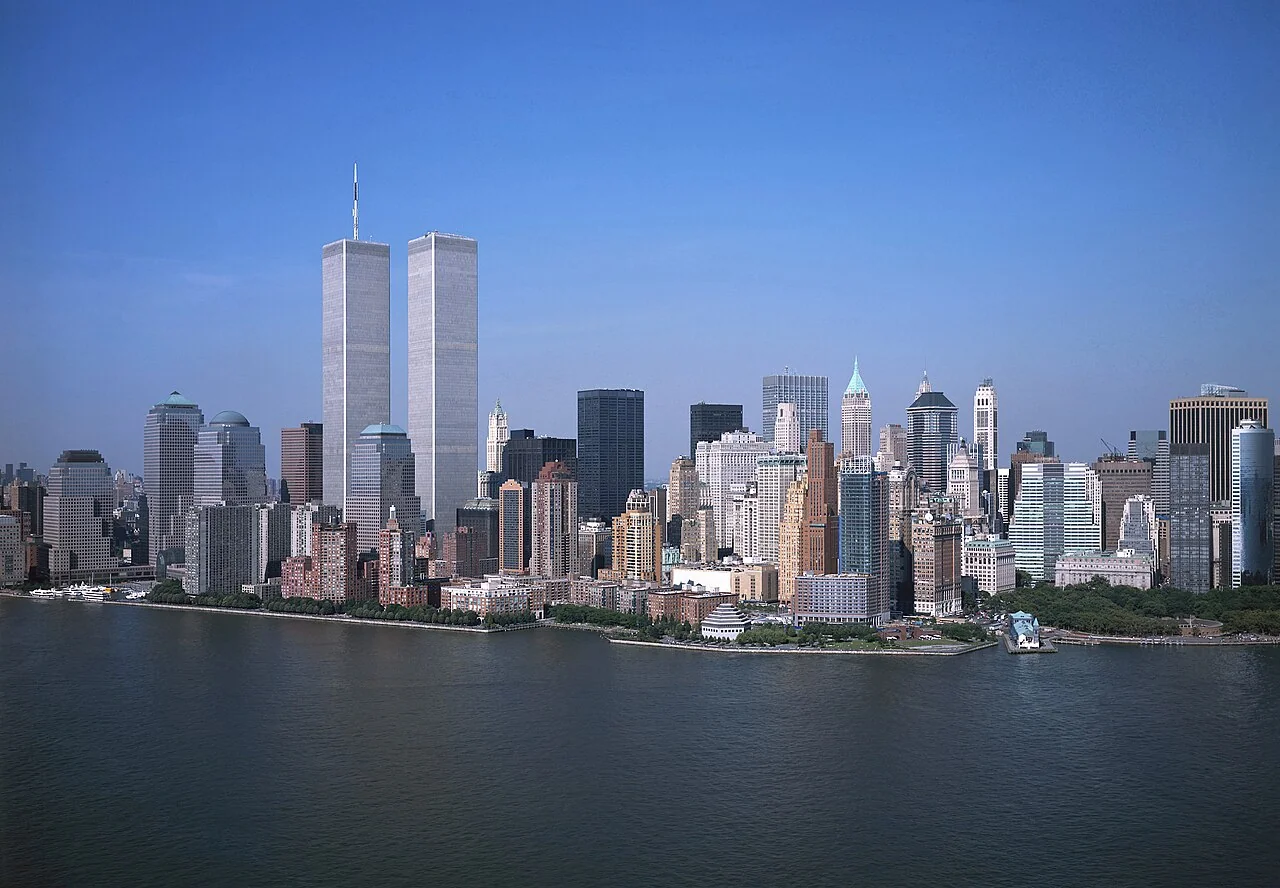
Michael Hingson, who has been blind since birth, was at his office on the 78th floor of the North Tower when the first plane hit. The impact occurred 18 floors above, sending shockwaves through the building. According to Hingson’s own account, he and his colleagues first ensured that visitors in the office left safely before beginning their own evacuation. Roselle, a yellow Labrador retriever trained by Guide Dogs for the Blind in San Rafael, California, remained at his side throughout.
Hingson has described Roselle’s steady guidance during those initial moments. In a later interview, he noted that the dog “did a tremendous job” and simply “played guide down the stairs.” The pair joined thousands of others descending the stairwells. Evidence from multiple retellings confirms they were among the last to leave their floor. No primary records in the cited sources mention smoke filling the specific stairwell they used or extreme chaos on their route, though the general environment of the evacuation is acknowledged as tense.
Hingson has stated that Roselle led him down 1,463 steps to safety. The sources consistently place their starting point on the 78th floor, not the 71st floor sometimes reported elsewhere. One firsthand narrative explicitly ties the step count to the full descent from that level. The journey took time, with the pair moving carefully amid other evacuees. Roselle maintained focus, guiding Hingson around obstacles and keeping a steady pace.
After reaching the ground, they continued moving away from the towers. The North Tower collapsed shortly afterward. Hingson has reflected on how Roselle’s training helped both of them stay calm. In his writings and interviews, he emphasizes the dog’s reliability rather than any heroic theatrics. This account appears in a 2011 Guideposts article and a transcript of a Larry King Live appearance, both of which center on partnership and composure rather than superhuman feats.
Roselle was trained by Guide Dogs for the Blind. All three the cited sources confirm this connection. After the attacks, she received the AKC Award for Canine Excellence in 2002, recognizing her work that day. Hingson later worked for the same organization that had trained Roselle, using their shared experience to speak publicly about guide dogs.
The evidence does not support claims that Roselle’s story directly changed formal disaster-readiness standards for guide dogs. While the event increased public interest in how guide dogs are trained and how they behave in crises, none of the sources describe new regulatory requirements or widespread program overhauls. Instead, the coverage focuses on the existing training that allowed Roselle to remain effective under stress. This distinction matters: the story illustrates the value of established guide-dog programs without proving they were rewritten afterward.
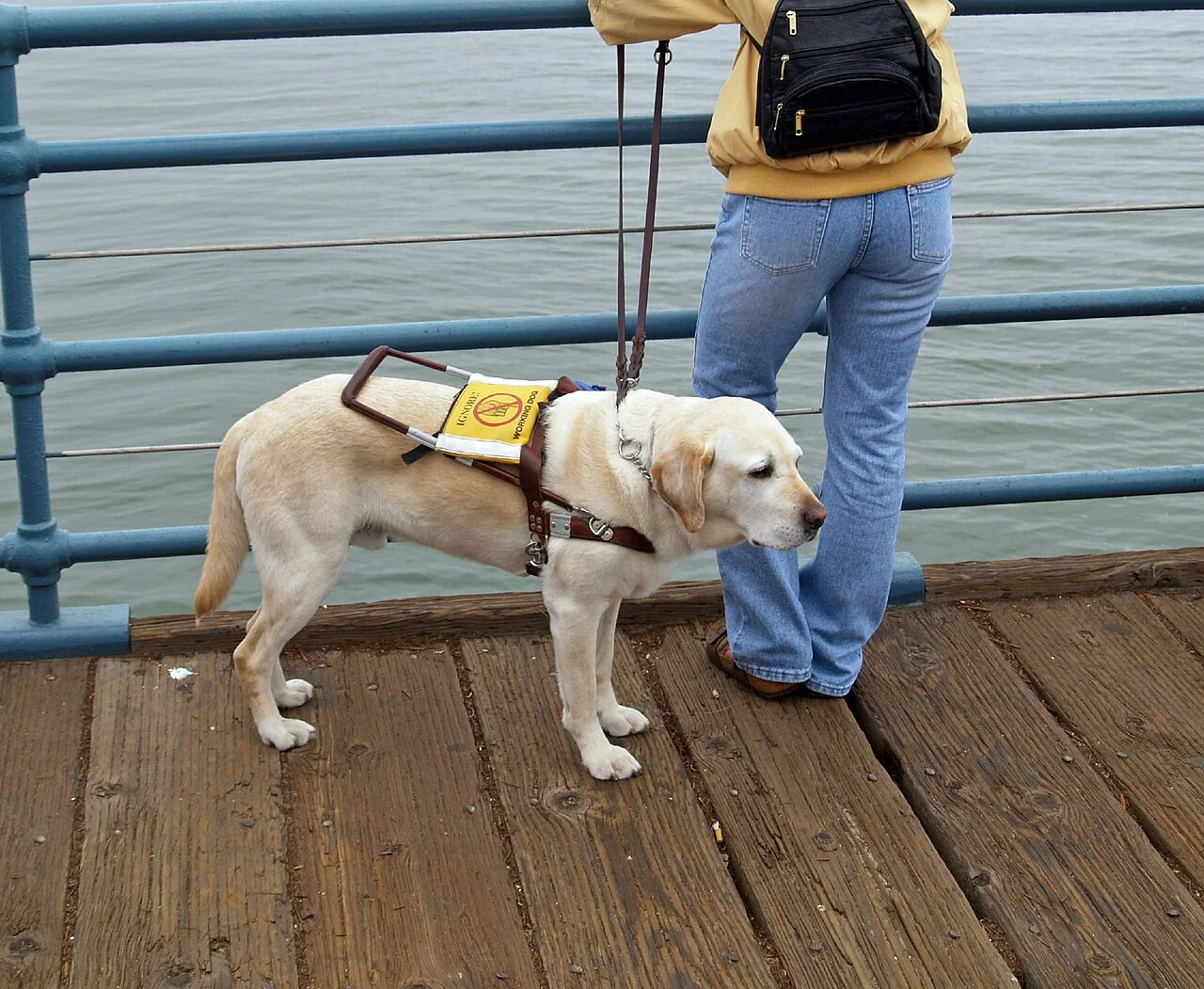
The Roselle story invites us to consider what makes a guide-dog partnership successful in a real emergency. Training clearly played a role—Roselle had been prepared to ignore distractions and follow her partner’s cues. Yet Hingson’s own calm leadership also seems to have mattered. Their mutual trust appears to have been the foundation. In an opinion framed by the evidence, this suggests that both human preparation and animal training deserve equal attention when we talk about service animals in disasters.
Light humor can be found in imagining Roselle’s likely perspective: a well-trained Labrador simply doing her usual job while the world fell apart around her. Of course, that is playful speculation, not reporting. The factual core remains serious. Guide dogs are working animals, not miracle workers. Their welfare depends on realistic expectations from handlers and the public alike. The 9/11 experience, as told by Hingson, underscores that consistent routines and clear communication help both partners when routines suddenly vanish.
Several uncertainties persist. The exact conditions inside the stairwells—how much smoke was present on the specific route Hingson and Roselle took—are not detailed in the supplied transcripts or articles. We also lack independent verification of the precise step count beyond Hingson’s testimony. These gaps are common in personal disaster narratives and do not invalidate the overall account, but they remind us to read such stories with care.
For guide-dog users, trainers, and emergency planners, the episode raises useful questions. How do we build even greater resilience into service-animal programs? What drills could help handlers and dogs practice together under simulated stress? The evidence supports continued investment in high-quality training rather than assuming any single event rewrote the rules. Readers might ask themselves: if you rely on a service animal, how would you and your partner handle sudden disruption? For the rest of us, the story quietly encourages respect for the daily work these dogs perform without turning them into legends.
AI-assisted original writing. This feature was revised against source material and checked for unsupported claims. Follow the references below for evidence and its limits.
PhotographBlowing Puffer Fish · CC BY 2.0
A dog-focused look at the training and daily work of hearing dogs, drawn from one UK charity’s own descriptions.
 Photograph
A look at coordinated Swiss rescue operations that include avalanche dogs, drawn from limited public descriptions of specialist teamwork.
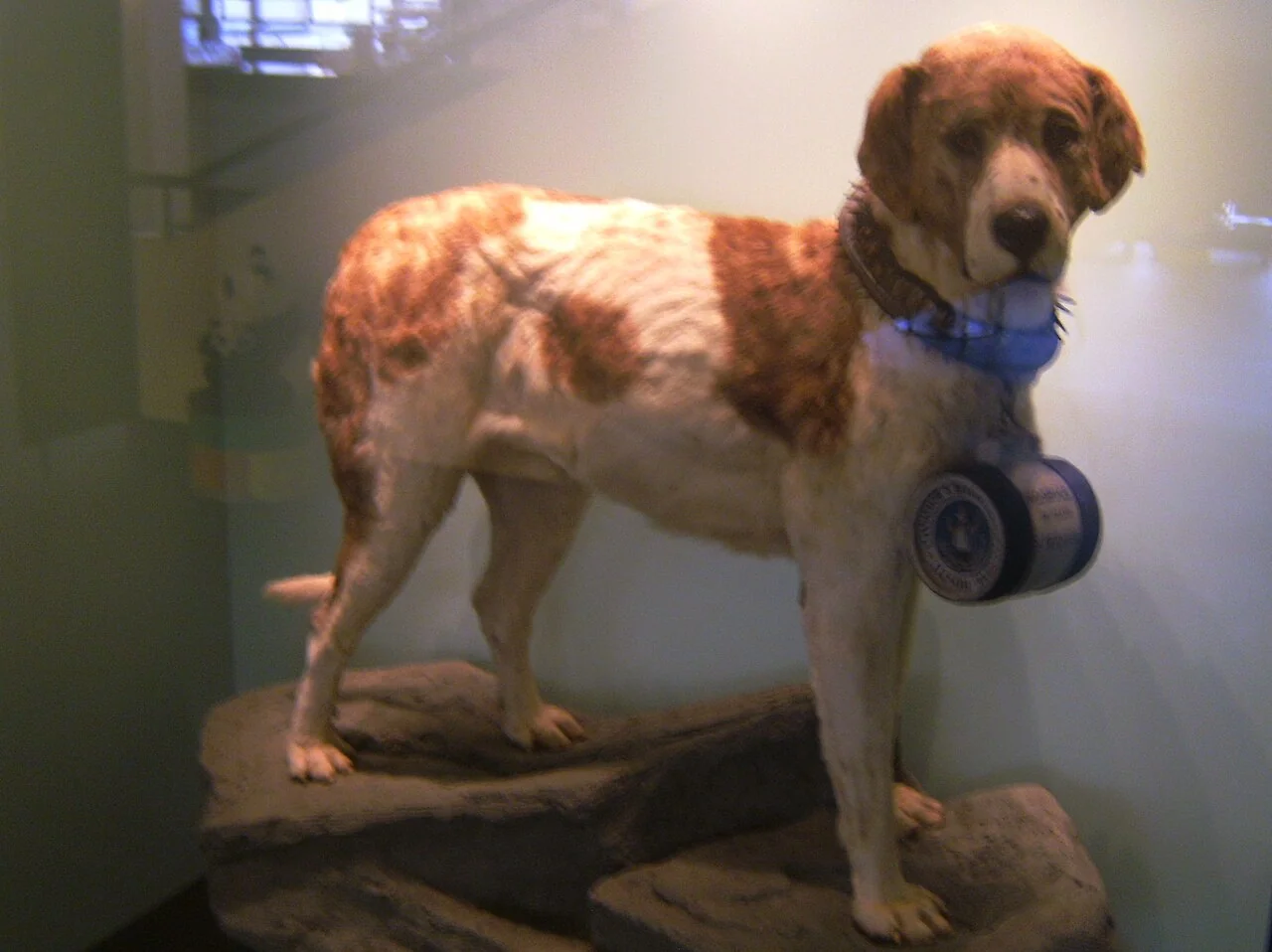
A real Alpine dog whose reputation grew from hospice service, even though detailed rescue records were never kept.