


 Photograph
Blowing Puffer Fish · CC BY 2.0
Hero Dogs
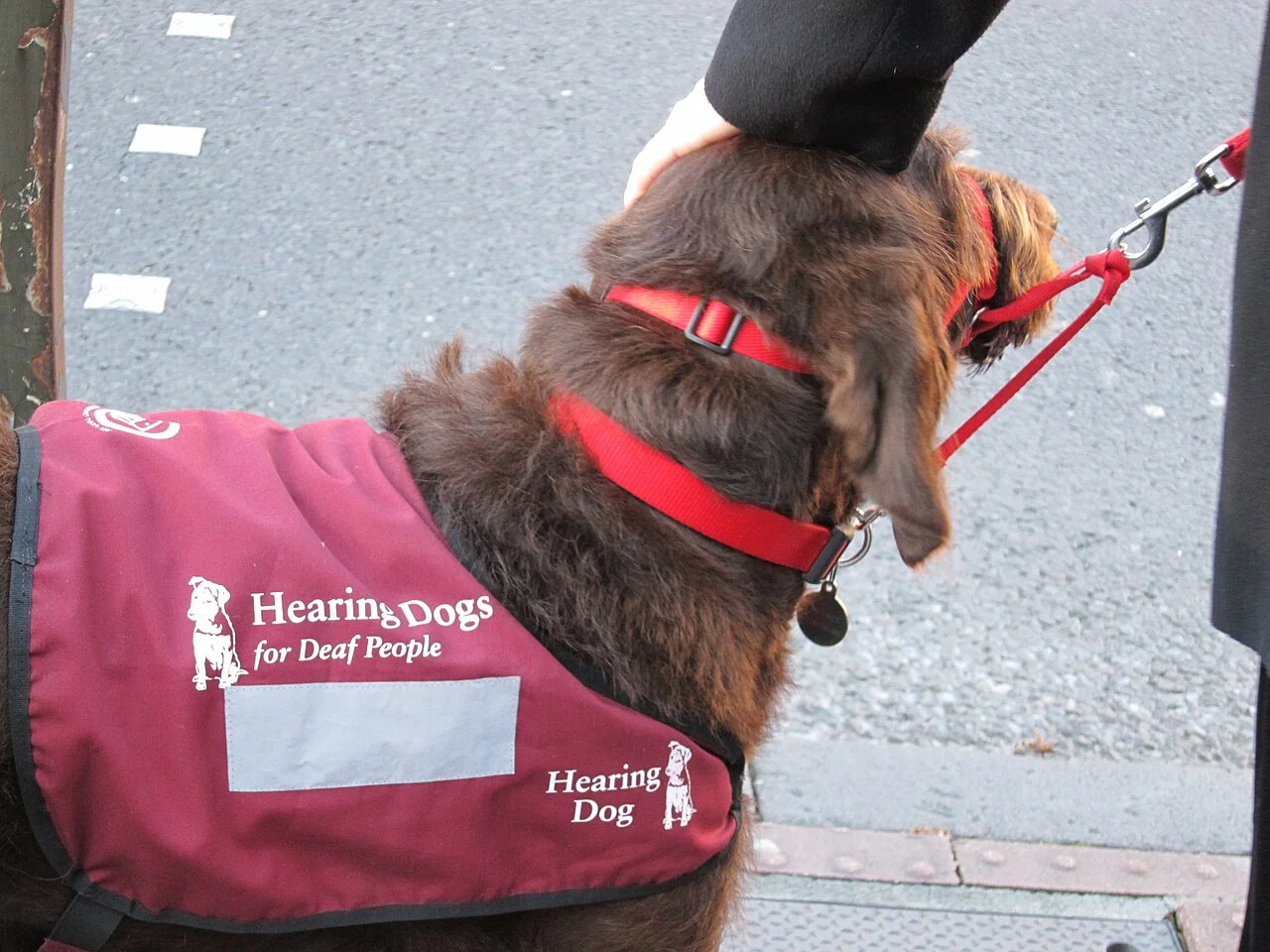
Alert Ears and Wagging Tails: How Hearing Dogs Help Their Partners
A dog-focused look at the training and daily work of hearing dogs, drawn from one UK charity’s own descriptions.
All the News That's Fit to Bark!
Certification standards from national canine associations set the bar for law enforcement teams that rely on dogs to track people using scent articles many hours old.
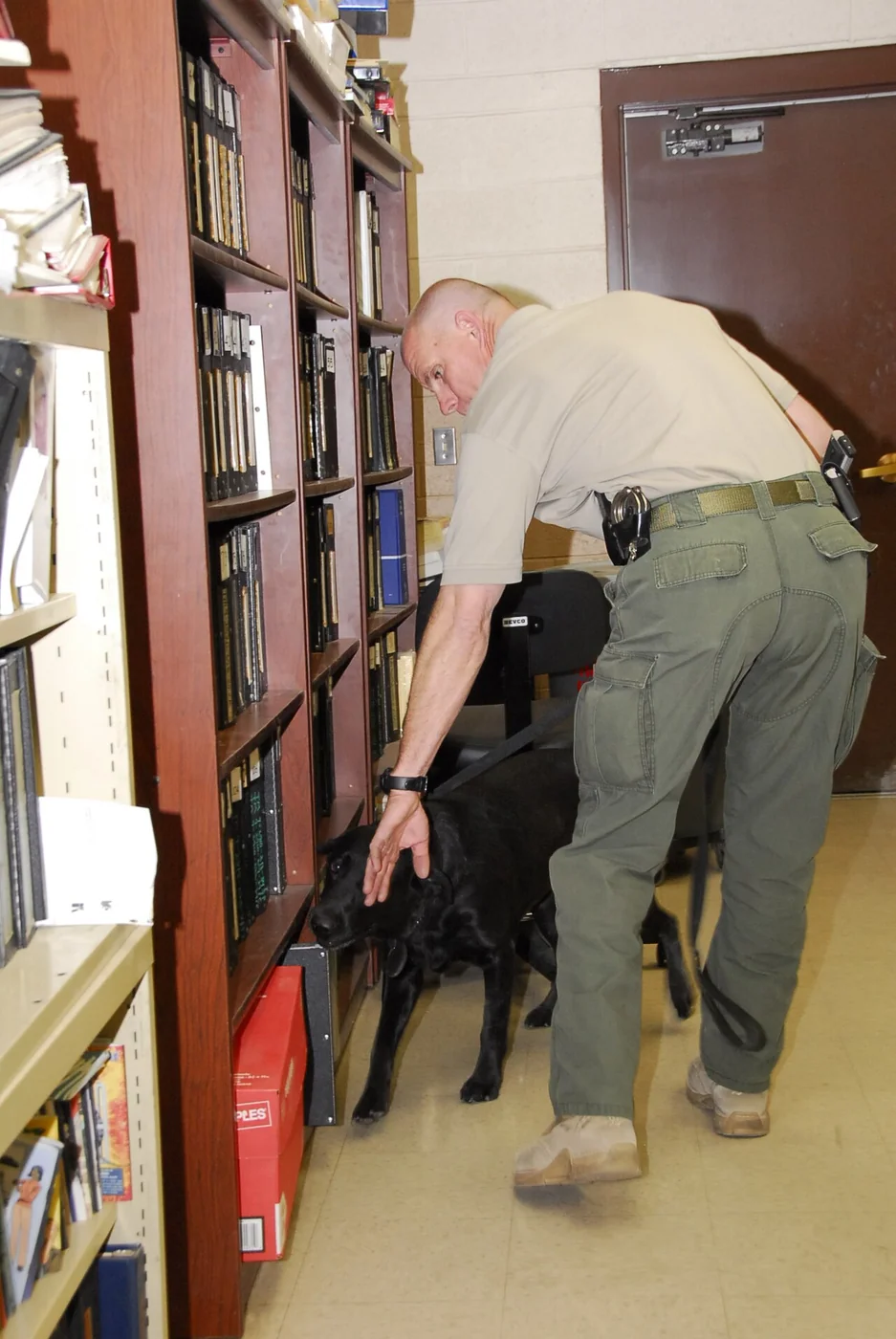
Sgt. Robert Gerome and his canine Ruger during National Police Canine Association certification testing, 2011. Source collection · Public domain · Web size optimized; source linked for the original.
When a suspect has been gone for hours, police teams sometimes turn to a trailing dog. The dog is offered an item the person touched, known as a scent article, and begins working to follow that individual scent. National organizations such as the National Police Canine Association and the United States Police Canine Association provide certification programs that test these teams on aged trails across varied ground. Their work shows the practical side of scent detection in law enforcement.
The National Police Canine Association and the United States Police Canine Association both run certification tests for police canine teams. These programs evaluate handlers and dogs on blind tracks laid by unknown people. The trails are often aged from several hours up to a full day and cross mixed urban and rural landscapes.
Teams must show they can handle scent articles correctly, read wind and terrain effects, and interpret the dog’s body language without over-guiding. Certification includes minimum performance standards on finding the track end while the dog ignores scents from other humans who may have crossed the path. Annual recertification is typical to maintain those standards.
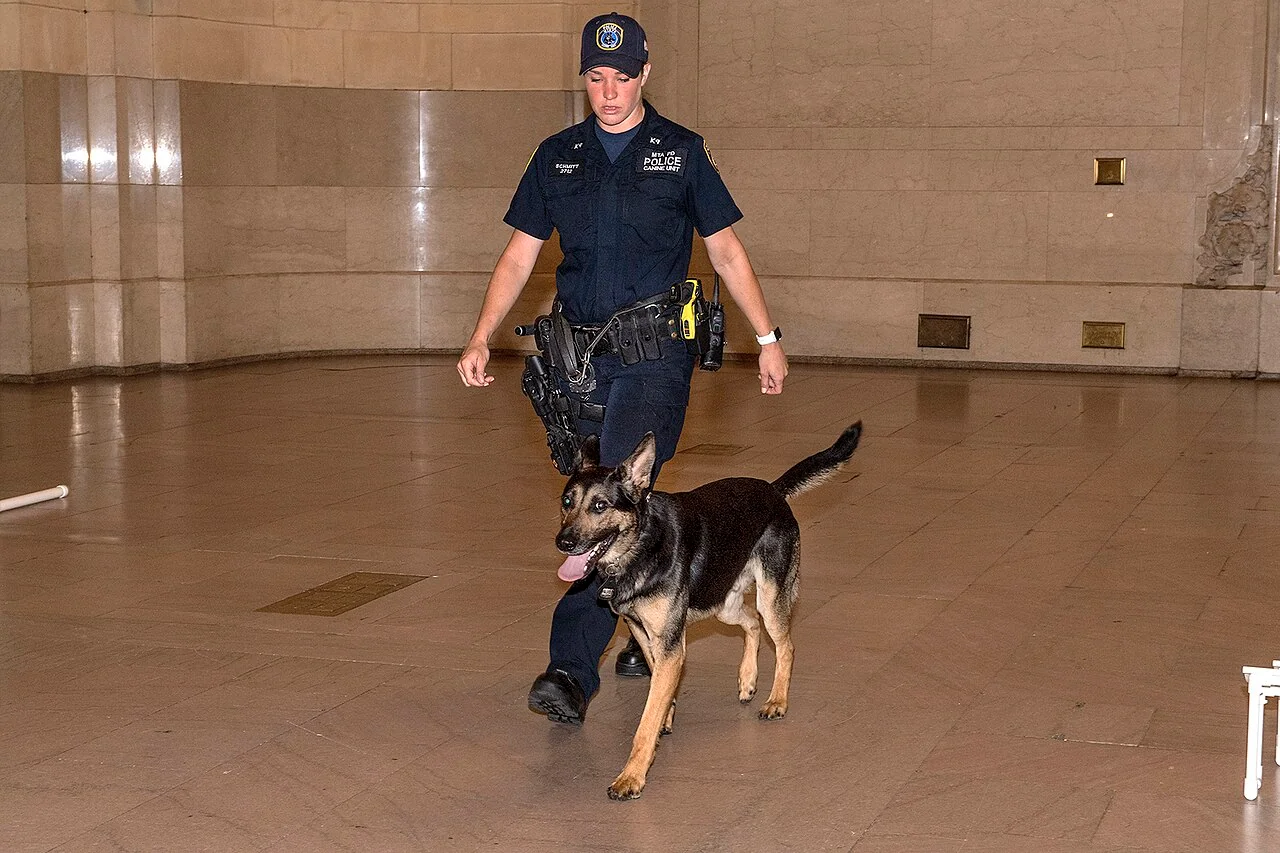
A scent article is any object a person has touched long enough to leave behind skin cells. Common examples include gloves, hats, or other personal items. Handlers collect these articles carefully, often using clean gloves, and store them in paper bags that allow airflow rather than plastic.
Before starting a track, the dog is given time to sniff the article in a quiet area free from strong competing odors such as vehicle exhaust. The handler watches for signs of interest such as a lowered head or changed breathing. Only a portion of the article is usually presented so the dog is not overwhelmed. This step helps the dog lock onto one specific human odor profile before the team begins to move.
Wind carries scent in cones or plumes. A steady breeze can help a dog move forward across open ground. Crosswinds push the scent sideways, requiring the dog to cast along the edges and sometimes double back. Handlers observe grass movement or other indicators to adjust their own position and avoid adding their scent to the ground.
Different surfaces affect how long scent lasts. Cooler, moist areas such as shaded woods or low ditches tend to hold odor longer than hot pavement. Dogs are trained to slow down on hard surfaces where scent dissipates quickly and to work more deliberately where microscopic particles may cling to vegetation or impressions left by footwear. Even after twelve hours, enough scent can remain for a certified trailing dog to follow under the right conditions.
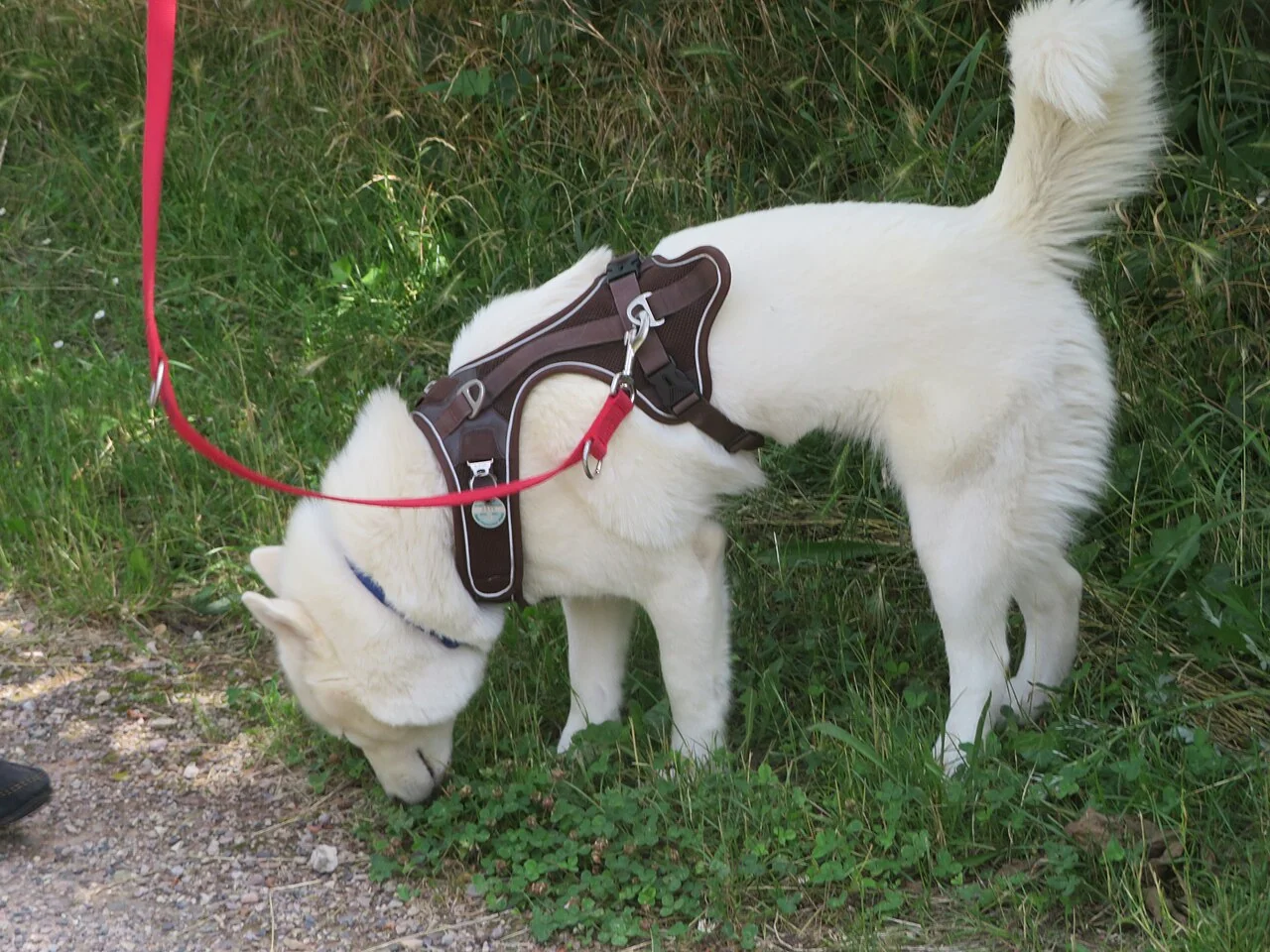
Trailing dogs have a focused job that differs from patrol or detection dogs. Their primary task is to follow a specific person’s scent to help locate a missing child, escaped inmate, or fleeing suspect. The trail can support search warrants when it ends at a particular location and can help officers clear areas with less intrusion.
Certification from the National Police Canine Association or United States Police Canine Association helps establish reliability in court. The organizations note that their standards have been referenced in multiple legal cases as a recognized benchmark for police service dogs.
The United States Police Canine Association offers a Retired K9 Assistance Grant to help members cover unexpected medical costs for dogs that are no longer on active duty. This program is limited to qualifying members and is not intended for routine care.
Handlers are encouraged to watch for signs of fatigue or injury after long searches, such as limping or changes in appetite, and to seek care from a veterinarian experienced with working breeds. Proper nutrition, rest after tracks, and attention to paw and joint stress help keep these dogs healthy for their demanding work.
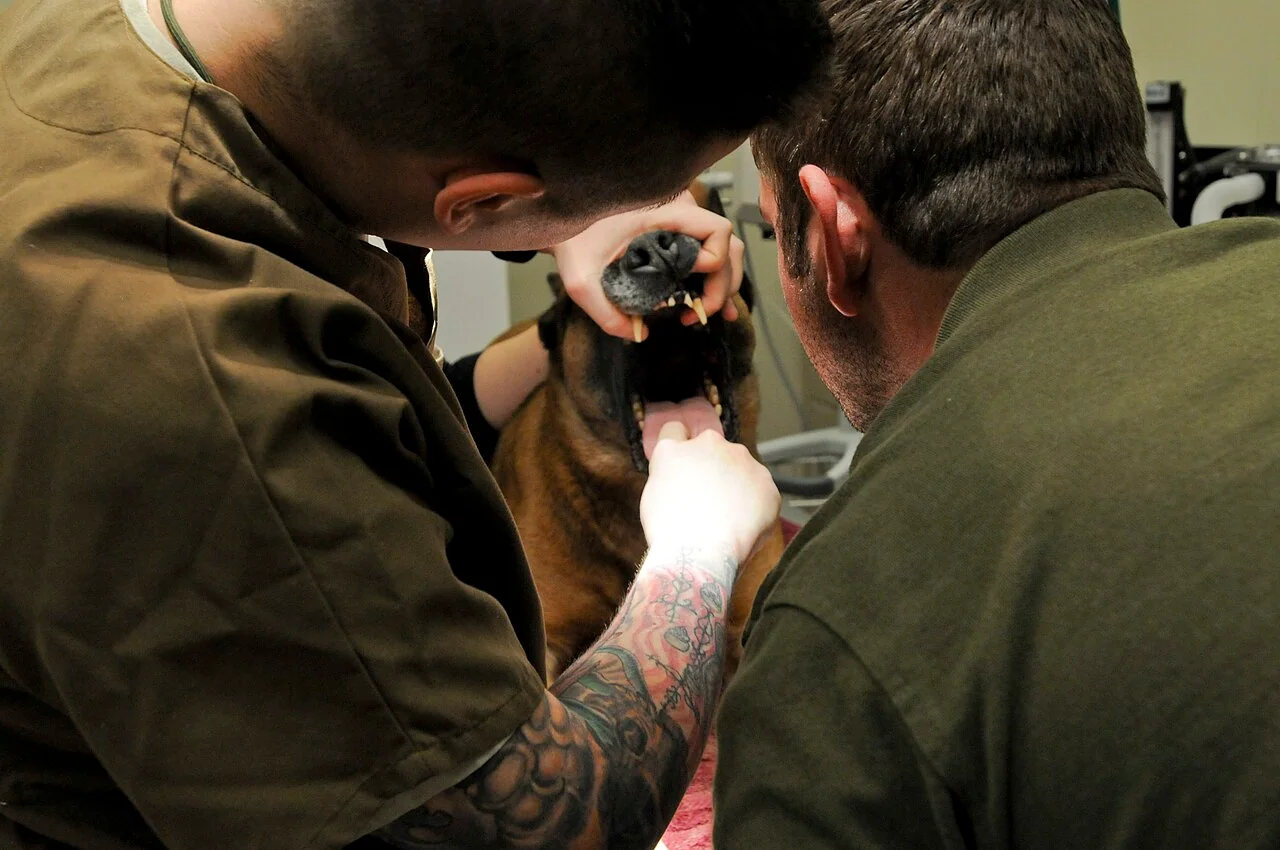
AI-assisted original writing. This feature was revised against source material and checked for unsupported claims. Follow the references below for evidence and its limits.
PhotographBlowing Puffer Fish · CC BY 2.0
A dog-focused look at the training and daily work of hearing dogs, drawn from one UK charity’s own descriptions.
 Photograph
A look at coordinated Swiss rescue operations that include avalanche dogs, drawn from limited public descriptions of specialist teamwork.
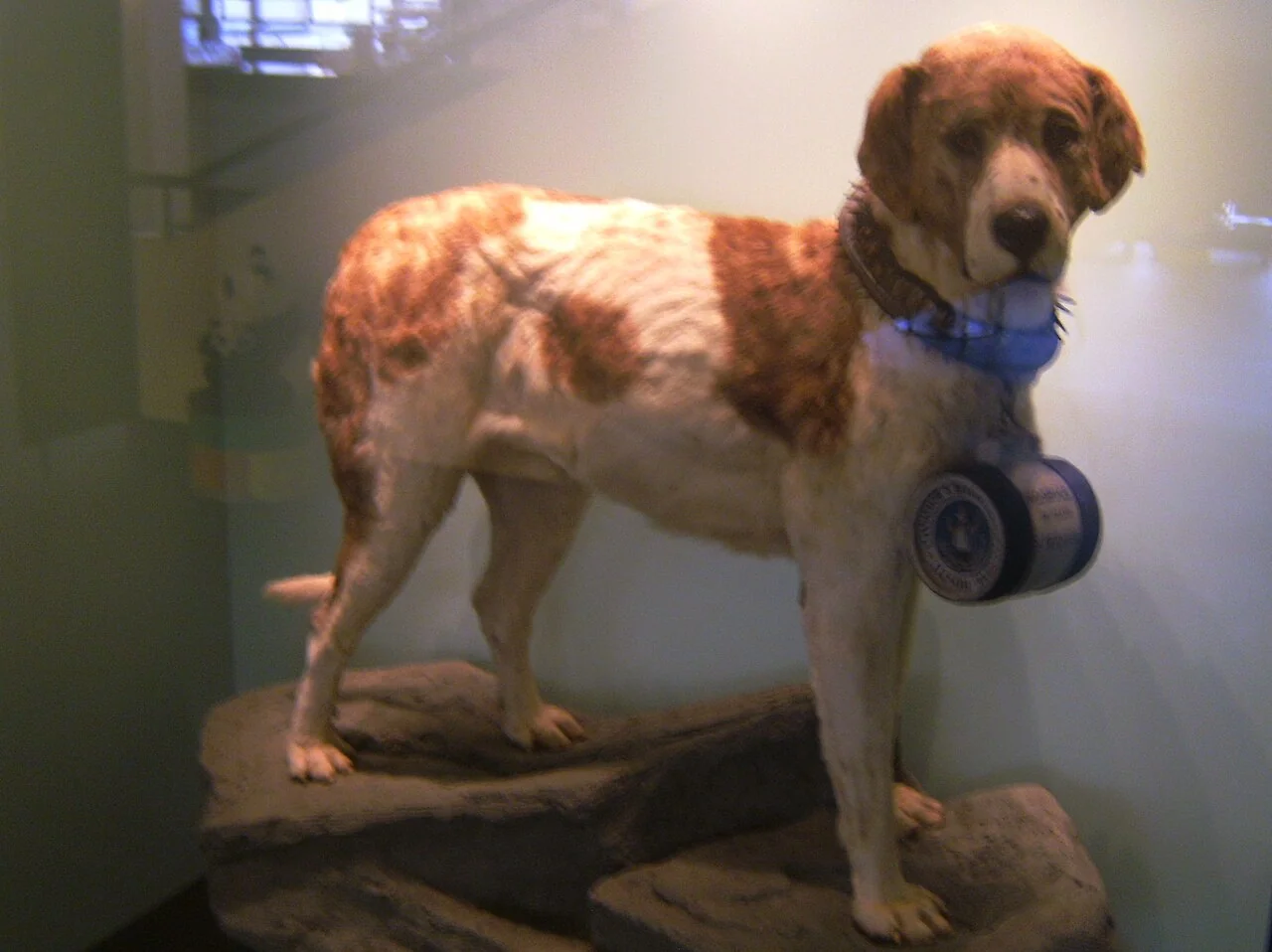
A real Alpine dog whose reputation grew from hospice service, even though detailed rescue records were never kept.