


 Photograph
Blowing Puffer Fish · CC BY 2.0
Hero Dogs
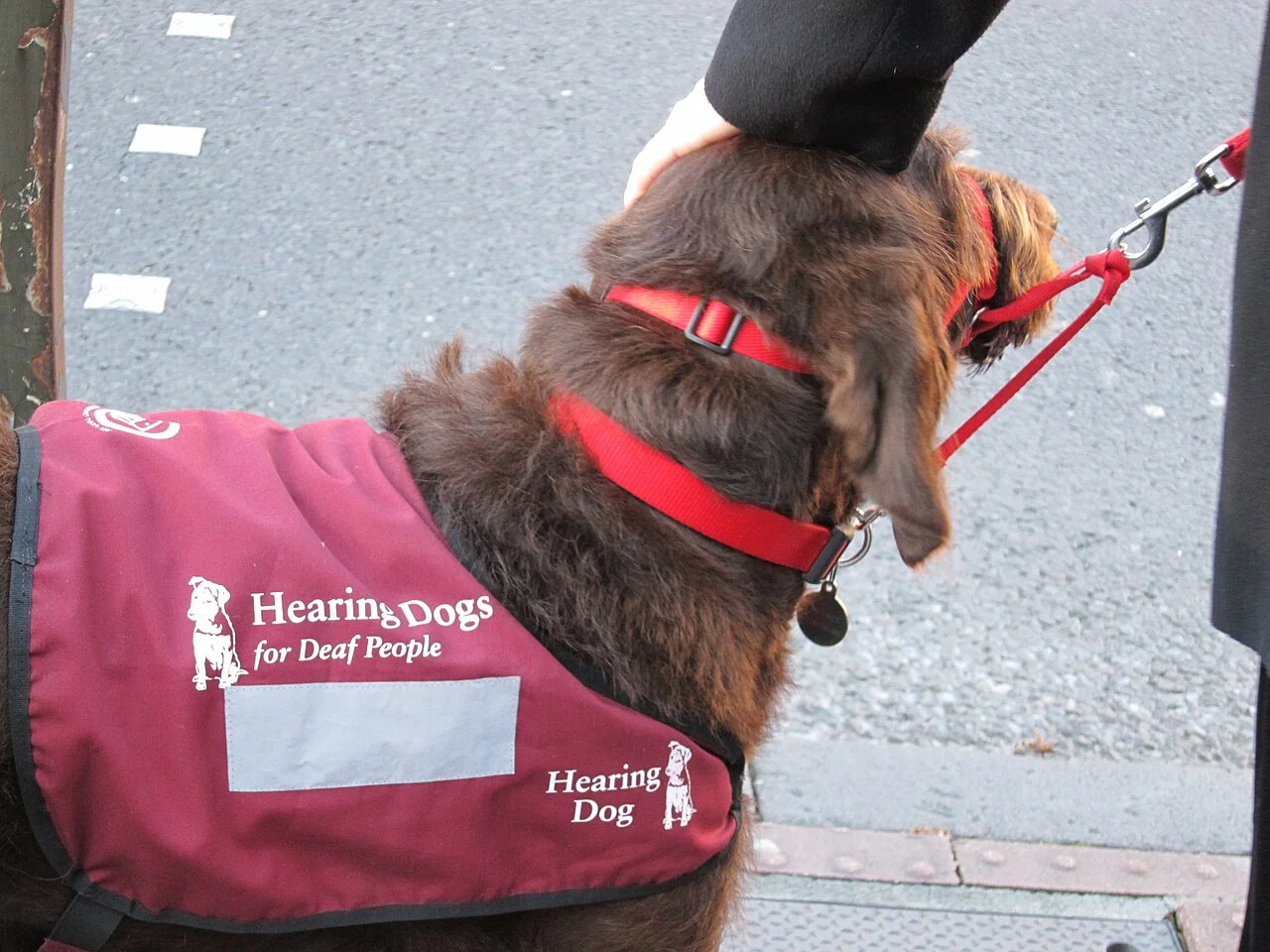
Alert Ears and Wagging Tails: How Hearing Dogs Help Their Partners
A dog-focused look at the training and daily work of hearing dogs, drawn from one UK charity’s own descriptions.
All the News That's Fit to Bark!
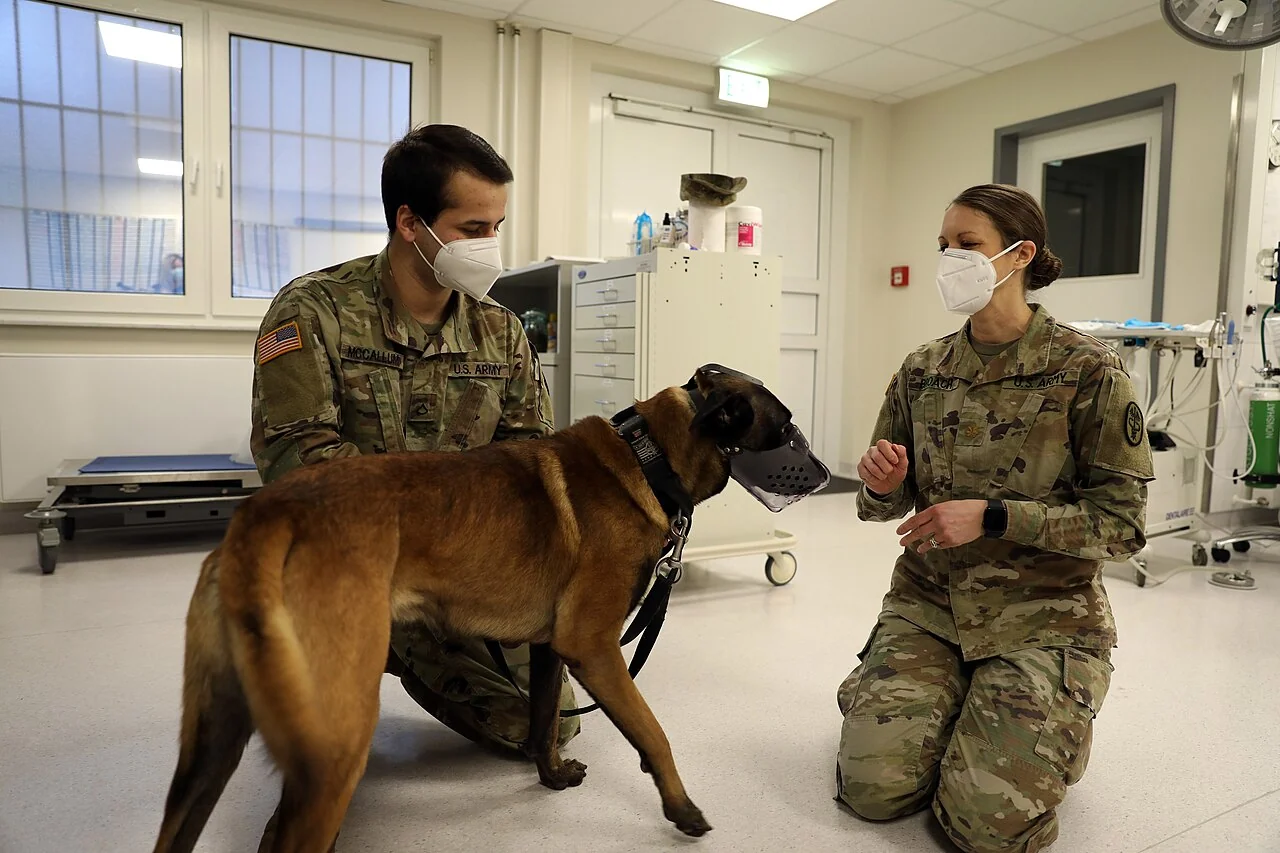
A Belgian Malinois accompanied Navy SEALs on the 2011 Abbottabad mission, outfitted with protective and camera-equipped vests that illustrate how canine teams support elite units.
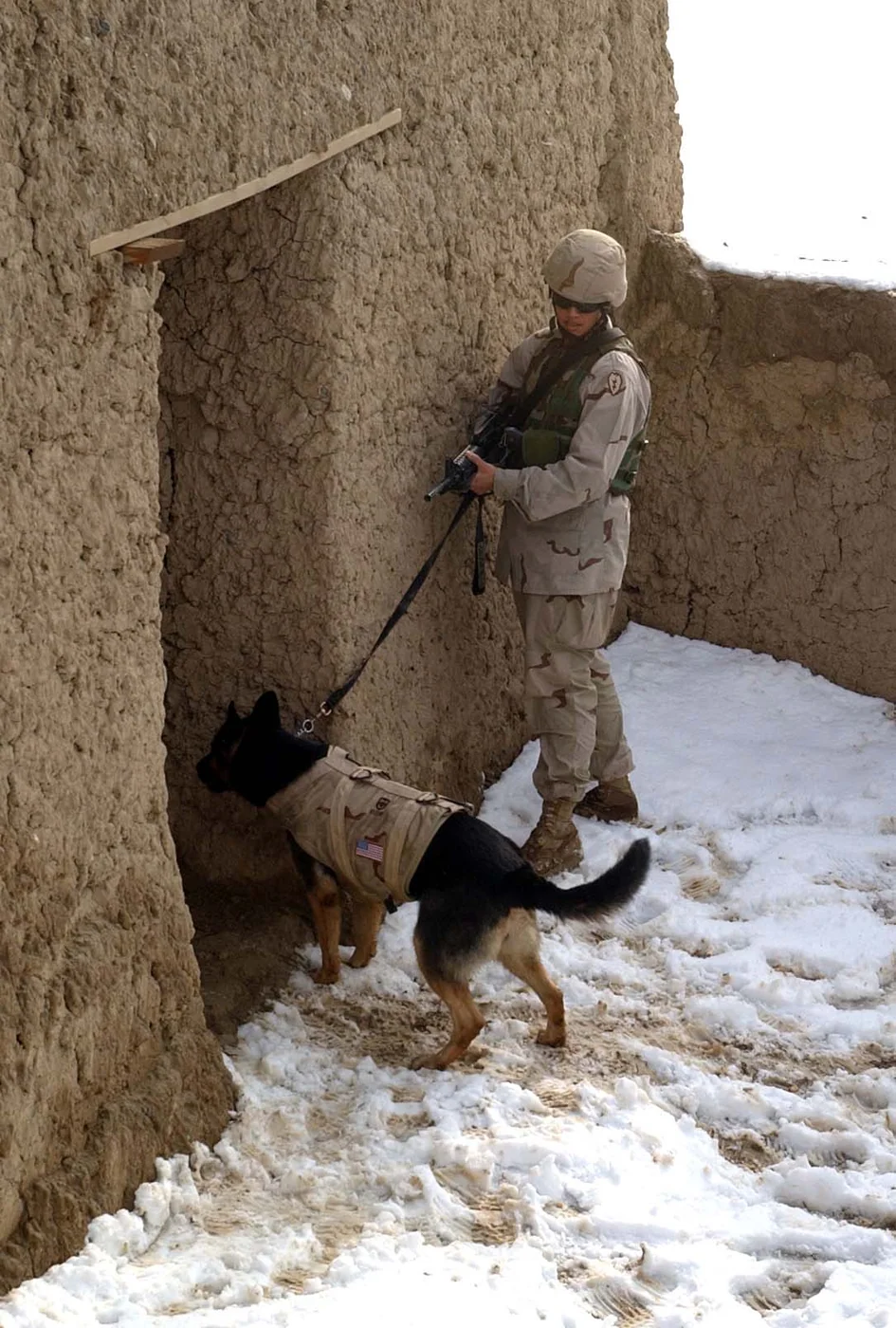
Documentary photograph of military working dog Hanna wearing K9 Storm bulletproof vest clearing a building during urban terrain training at Bagram Air Base, Afghanistan, 25 February 2005 (U.S. Army photo by Spc. Cheryl Ransford). Spc. Cheryl Ransford · Public domain · Web size optimized; source linked for the original.
Military working dogs bring specialized skills and equipment to high-stakes operations. One such dog joined the Navy SEAL team during the 2011 raid on Osama bin Laden’s compound in Abbottabad, Pakistan. While details remain limited outside of handler accounts and commercial reporting, the gear and training associated with these dogs highlight their value in detecting threats and navigating complex environments. This article examines the reported equipment, roles, and broader implications based solely on available sources, with light consideration of the unusual image of a dog kitted out like a miniature operator—think tactical tail instead of tactical veil.
Sources indicate the dog, referred to as Cairo, was likely equipped with a tactical vest from K9 Storm Inc. These vests, weighing between three and seven pounds, feature Kevlar or similar protective materials designed to guard against bullets, slashes, and stabs. Double panels reportedly cover vital areas such as the heart. The vest could include attachments for day and night cameras plus a two-way radio, theoretically allowing a handler to monitor the dog’s surroundings and issue commands even through barriers like concrete walls. Commercial reports note that SEALs had purchased four such vests the year before the raid for a total of about $86,000, though the articles present this as probable rather than officially confirmed for that specific dog.
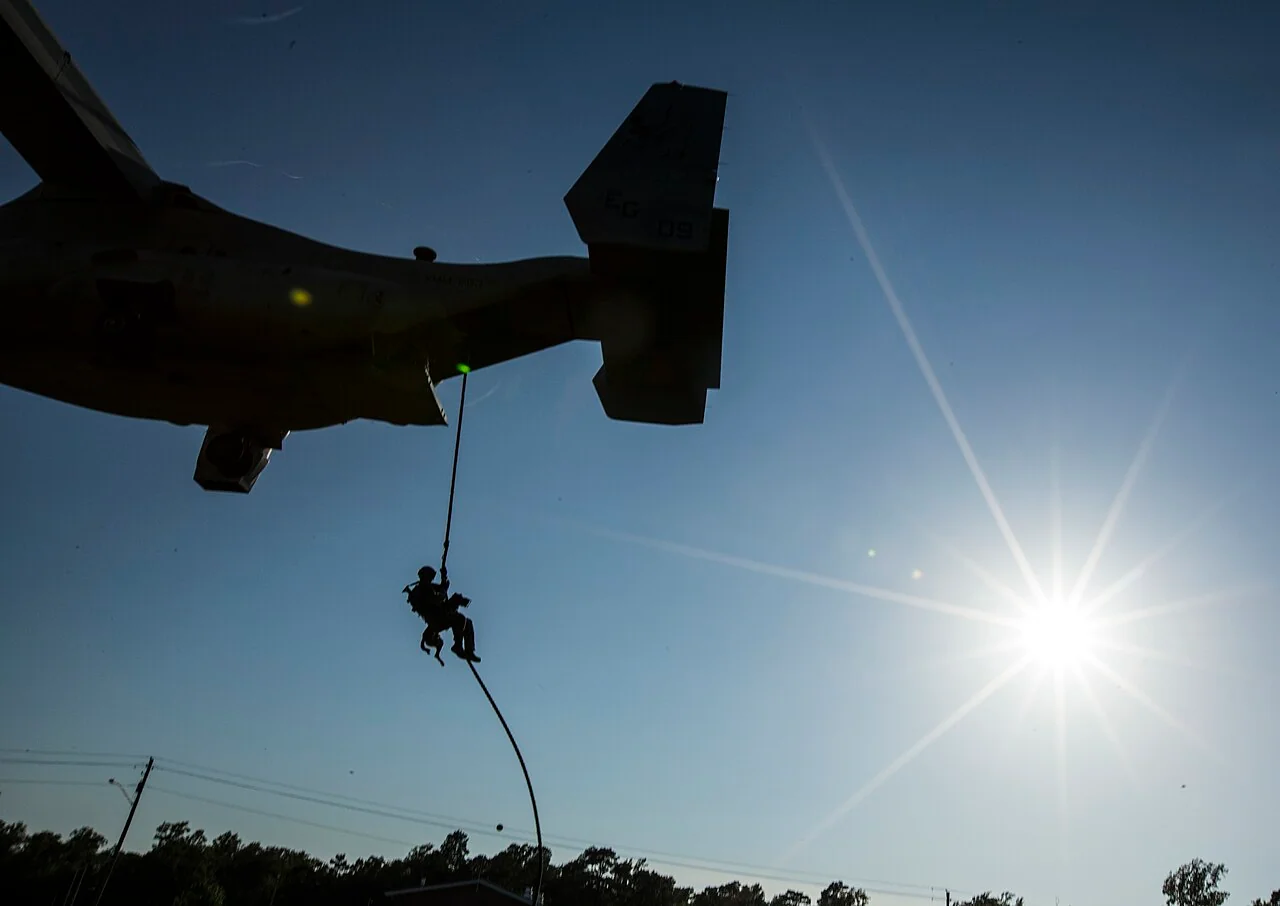
Additional possible components mentioned include a harness suitable for fast-roping or parachuting from helicopters and night-vision goggles, sometimes called doggles. One manufacturer’s stripped-down aerial-insertion model was listed at around $2,800, with added options increasing the price. Titanium fang covers have appeared in some reporting but are flagged as possibly inaccurate. These descriptions come from manufacturer information and secondary journalism rather than declassified Department of Defense records, leaving some capabilities uncertain. The overall picture suggests an effort to equip the animal for insertion, protection, and remote observation during nighttime operations.
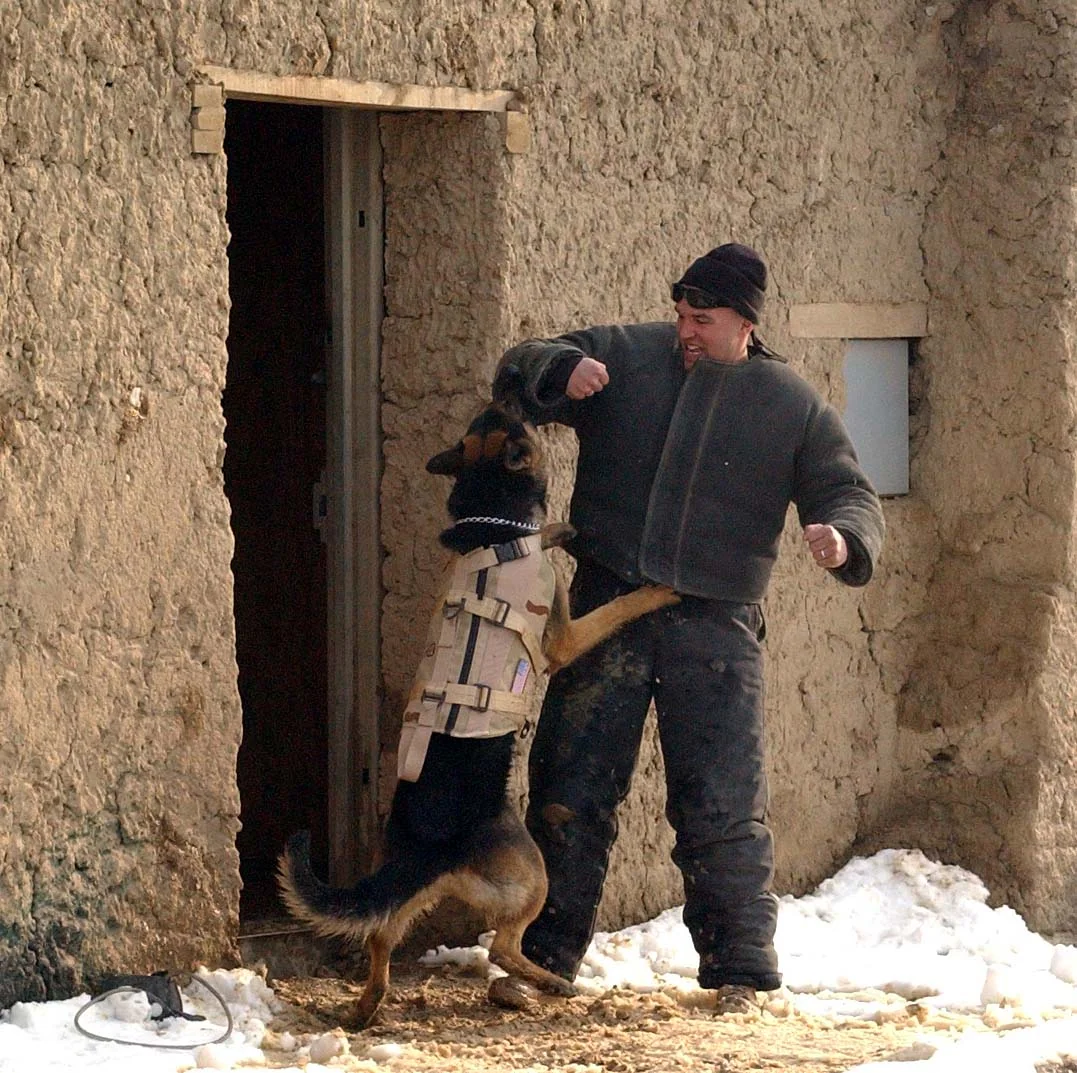
According to a firsthand account from handler Will Chesney, the dog was a Belgian Malinois trained as a dual-purpose military working dog. This training reportedly included detecting explosive odors, human scents, improvised explosive devices, and booby traps. The animal was also prepared for apprehension tasks. Such skills would logically support perimeter security and threat detection in a compound that might contain hidden hazards.
Chesney’s memoir describes the dog wearing a Kevlar vest and night-vision equipment while being transported by helicopter. The account notes that during the mission the dog assisted in searching the perimeter for explosives, possible escape tunnels, or concealed rooms and helped with clearing activities. Because this narrative originates from a participant rather than an independent operational summary, readers should treat the precise sequence and outcomes as one perspective. Still, it underscores how scent detection and controlled apprehension can complement human operators who face visibility and access limitations at night.
The reported use of a dog during the Abbottabad raid fits a pattern of growing reliance on four-legged partners in special operations. Their acute senses allow detection of threats that technology may miss, such as faint chemical traces or subtle sounds. When combined with protective vests and cameras, these animals can extend a team’s reach without immediately exposing human members to danger.
Editorial analysis suggests that investing in such gear—lightweight, silent, and modular—reflects an understanding that dogs are force multipliers rather than mere mascots. A humorous but practical question arises: if the dog can see in the dark and radio back intel, does that make it the ultimate recon specialist who never complains about MREs? More seriously, the equipment implies a commitment to animal welfare by attempting to shield the dog from harm while leveraging its natural abilities. This balance merits ongoing scrutiny to ensure training and deployment prioritize both mission success and the animal’s well-being.
Public sources stop short of providing official confirmation of the exact gear worn on the 2011 raid or the dog’s specific tactical actions. Descriptions rely on handler recollection, manufacturer marketing, and journalistic inference. Exact model numbers, performance metrics during the operation, and after-action veterinary assessments remain unavailable in the cited source material.
This opacity invites useful reading questions: How do we evaluate the effectiveness of canine gear without transparent data? What standards govern the procurement and testing of vests costing tens of thousands of dollars? Implications include the need for clearer public accountability when animals serve in classified missions. Without independent verification, claims stay provisional, reminding us that heroism in these contexts often stays partially veiled.
The reported integration of advanced vests and cameras points toward continued evolution of military working dog programs. If such equipment proves reliable, it could reduce risks for both dogs and handlers in future operations. At the same time, the high cost and specialized nature of the gear raise practical questions about scalability and maintenance across different units.
From an editorial standpoint, the story invites reflection on the ethical dimensions of deploying animals in combat. Light humor aside—imagine a Malinois negotiating hazard pay—the core issue is ensuring their service does not come at undue cost to their health. Sources do not detail long-term outcomes for the dog in question, leaving room for readers to consider how transparency and welfare standards might improve. Ultimately, the evidence supports viewing these dogs as skilled partners whose contributions deserve recognition alongside thoughtful oversight.
AI-assisted original writing. This feature was revised against source material and checked for unsupported claims. Follow the references below for evidence and its limits.
PhotographBlowing Puffer Fish · CC BY 2.0
A dog-focused look at the training and daily work of hearing dogs, drawn from one UK charity’s own descriptions.
 Photograph
A look at coordinated Swiss rescue operations that include avalanche dogs, drawn from limited public descriptions of specialist teamwork.
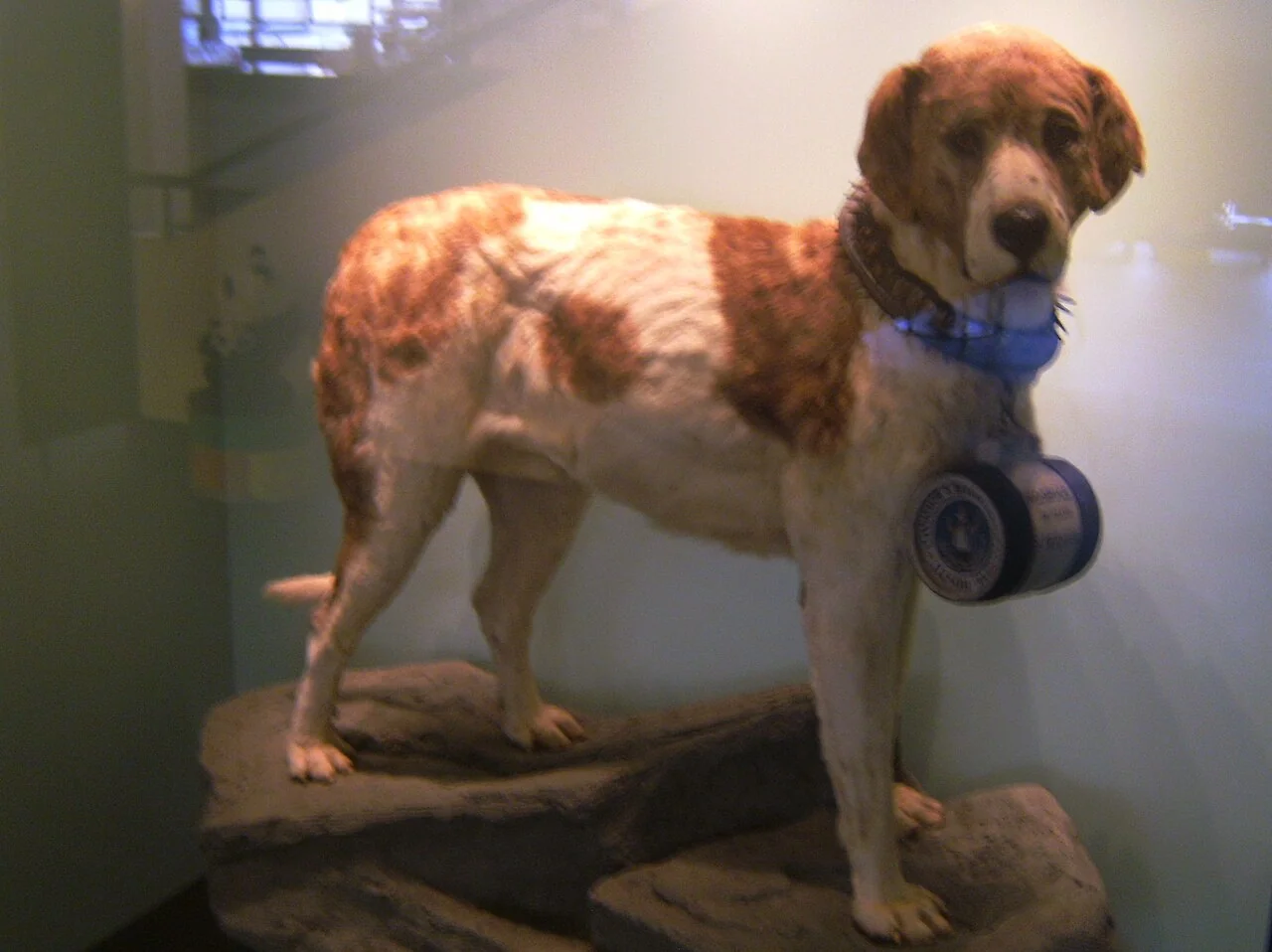
A real Alpine dog whose reputation grew from hospice service, even though detailed rescue records were never kept.