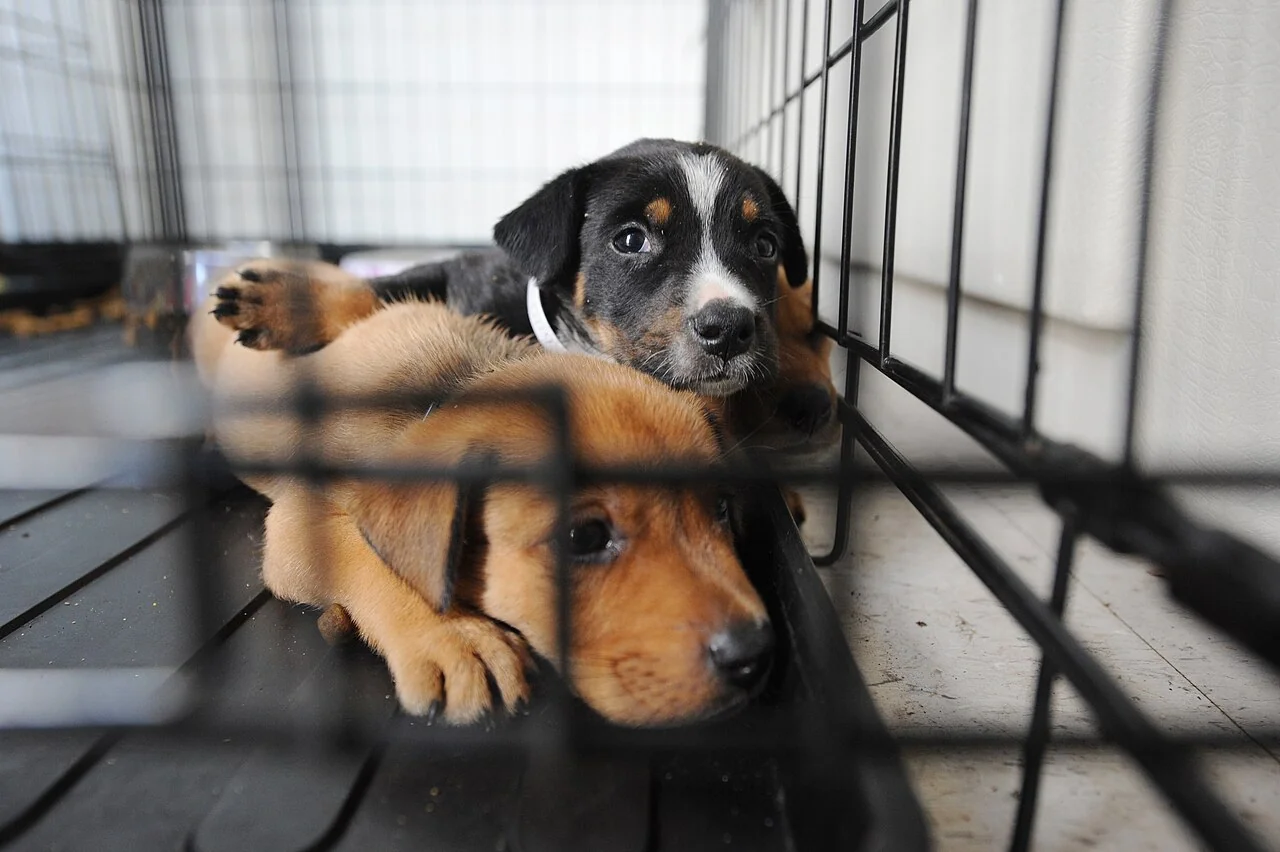
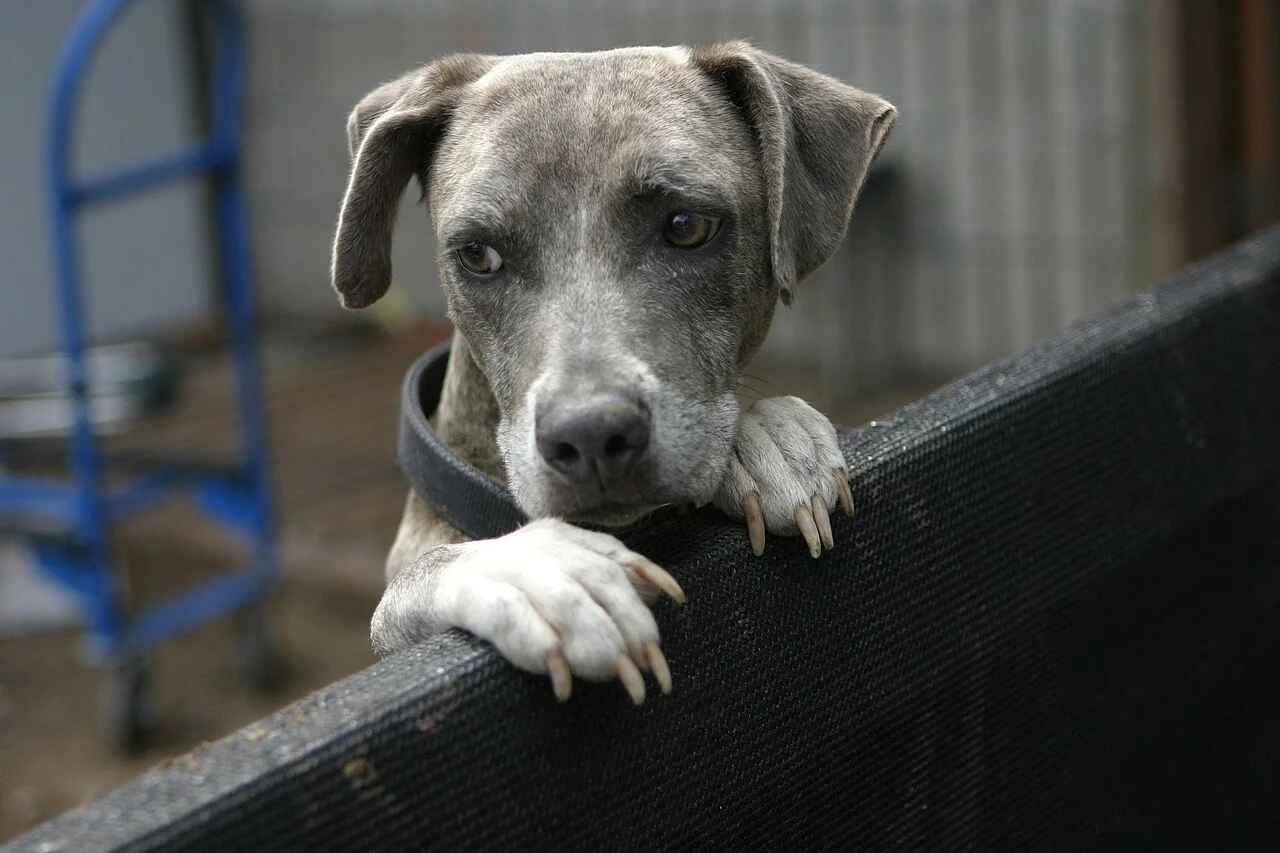
A dog peers over a wall at the Friends for Life animal rescue shelter, which rescues animals and prepares them for adoption into families. Source collection · Public domain · Web size optimized; source linked for the original.
Matching a dog with a new family can be joyful yet uncertain. Some animal shelters have turned to foster-to-adopt arrangements, letting potential owners take a dog home on a temporary basis before deciding on permanent adoption. Available studies suggest this approach may help reduce returns to the shelter, giving both dogs and people time to adjust.
What Foster-to-Adopt Arrangements Involve
In a foster-to-adopt setup, a potential adopter brings a dog home under a foster agreement rather than an immediate adoption. The shelter keeps legal ownership during a trial period. This gives the household a chance to see how the dog fits into daily routines, energy levels, and living space without the pressure of an instant permanent commitment.
Dogs benefit by leaving the shelter environment sooner and settling into a home setting. The arrangement also lets families provide feedback on the dog's behavior and needs that might not appear during short shelter visits. One analysis of fostering during the COVID-19 pandemic found that about 73 percent of foster-to-adopt experiences in the studied programs ended with adoption by the same person.
Shiba Inu dog inside a house, illustrating a dog that has left a shelter environment to settle into a home setting. Picography · CC0 1.0. Web size optimized; original linked.
Findings From Available Research
A review of over 2,500 fostering cases from 19 U.S. shelters across 14 states during the pandemic showed that roughly 27 percent of dogs in foster-to-adopt arrangements were returned after the trial. More than 93 percent of all fostered dogs in the study had positive outcomes, including adoption, return to original owner, or transfer.
An earlier study from an Italian shelter examined temporary adoption programs and found they had a statistically significant positive effect on reducing returns when the trial participant became the permanent adopter. The Italian data came from 763 dogs and noted that behavioral issues, such as fearfulness, were linked to higher return rates. The study authors cited benefits from increased human interaction and training.
The U.S. analysis also referenced this Italian work as one of the few prior empirical looks at trial adoptions. Traditional fostering without the adopt intent led to adoption by the caregiver in only about 18 to 20 percent of cases in the pandemic-era data.
Factors That May Support Better Matches
Trial periods appear to give families time to adjust schedules, introduce the dog to other pets, and spot any early training needs. New community foster caregivers without prior shelter ties were more than four times as likely to adopt compared with those who had existing relationships.
The research supports the idea that these programs can serve as an evidence-based practice for improving animal welfare. However, the studies examined emergency fostering during a pandemic and one specific Italian shelter under local laws that affect length of stay. Results may differ in routine, non-crisis settings.
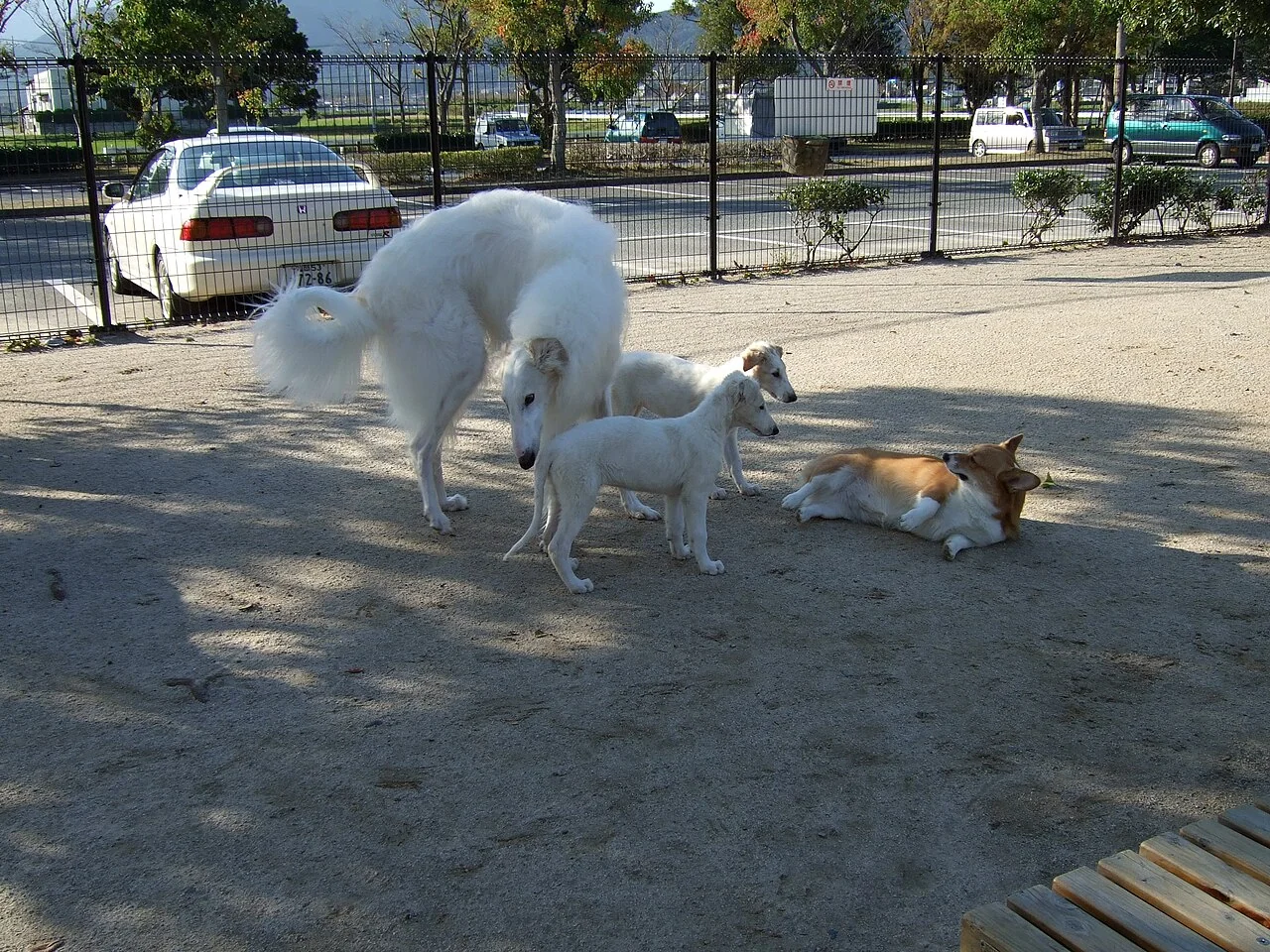
Adult Borzoi with two pups meets a friendly Pembroke Corgi in a dog park. (Documentary photograph, 2006) ROVER_JP · CC BY 2.0. Web size optimized; original linked.
Practical Steps Shelters Sometimes Recommend
Some programs provide families with basic guidance before a trial begins. This can include preparing a quiet rest area, securing household items, and planning for veterinary care. The goal is to reduce common early surprises that might strain the new relationship.
Simple enrichment activities, such as using toys or games suited to the dog's age and personality, may help the dog feel more secure. These steps are not detailed in the reviewed studies but appear in shelter practices that pair with fostering. Feedback from participants can help shelters offer more tailored advice.
Health and Ongoing Support
Early veterinary visits are often encouraged during or right after a trial to check on the dog's well-being and discuss any observed issues. Recognizing signs of stress and understanding individual needs can make the transition smoother.
The studies emphasize that each dog is different. Trial time allows observation before a lifelong commitment. Professional veterinary guidance remains essential, as no general checklist substitutes for personalized care from a licensed veterinarian.
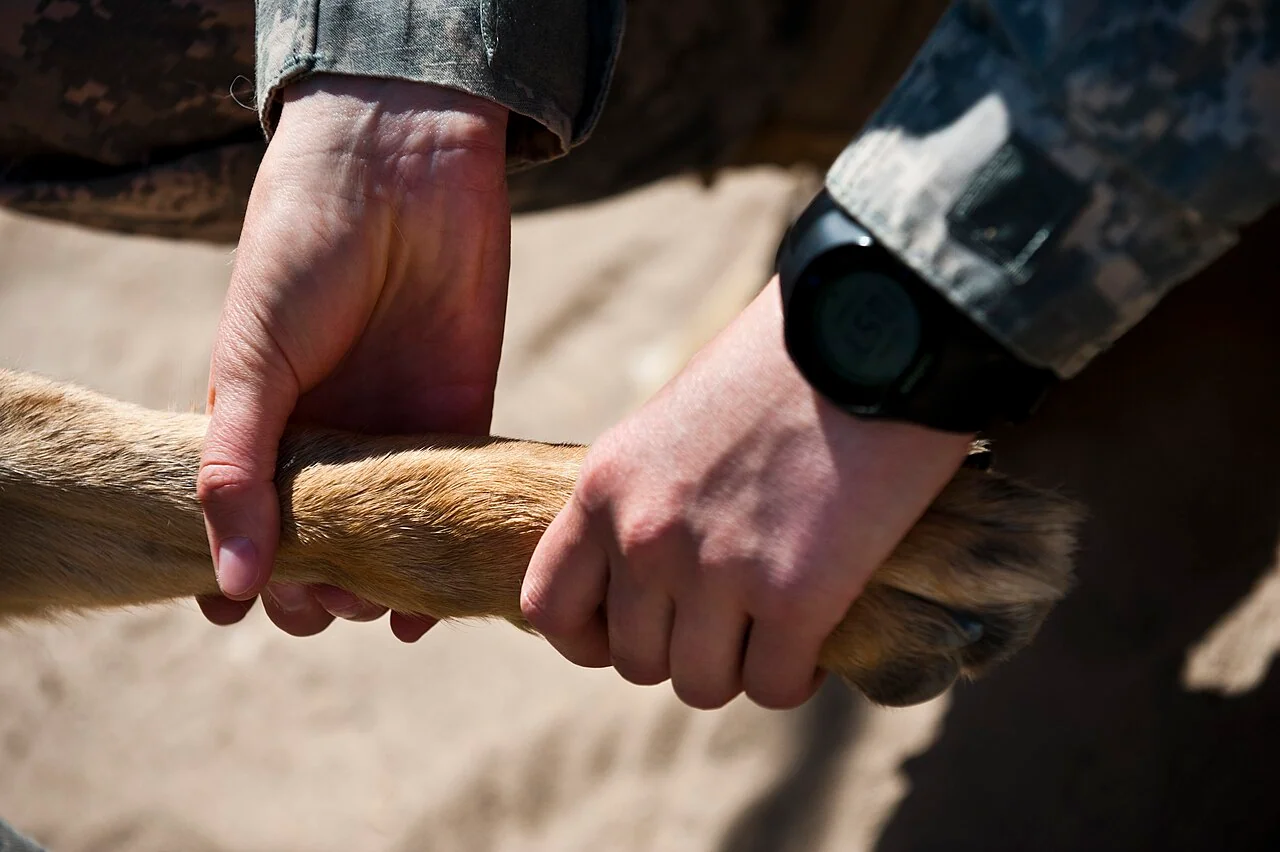
Army Capt. Angela Demaree performs a follow-up exam on Military Working Dog Celo after a bout with tendinitis. Senior Airman Brett Clashman · Public domain. Web size optimized; original linked.
AI-assisted original writing. This feature was revised against source material and checked for unsupported claims. Follow the references below for evidence and its limits.

 Photograph