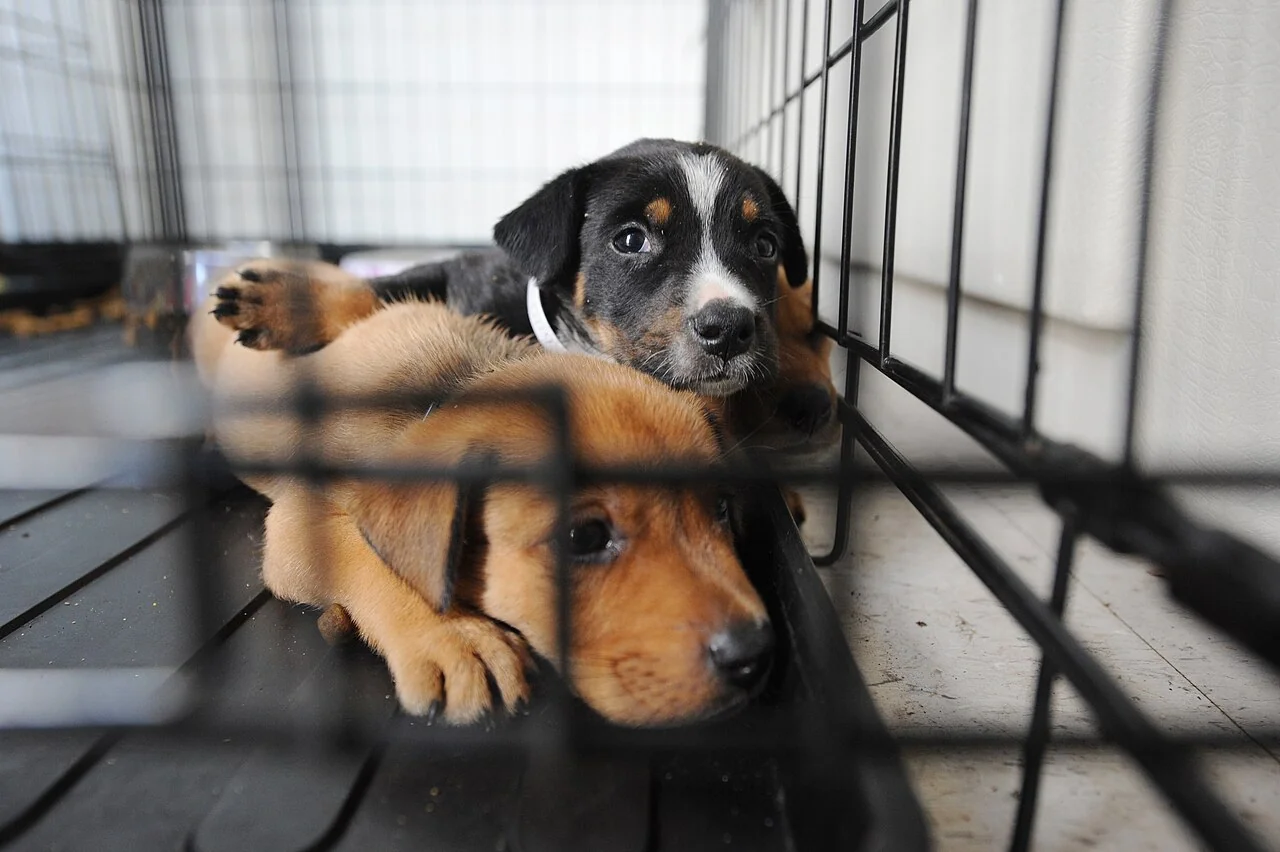
Events that combine independent breweries, community gatherings, and support for local animal welfare organizations offer one enjoyable model for helping dogs in need.
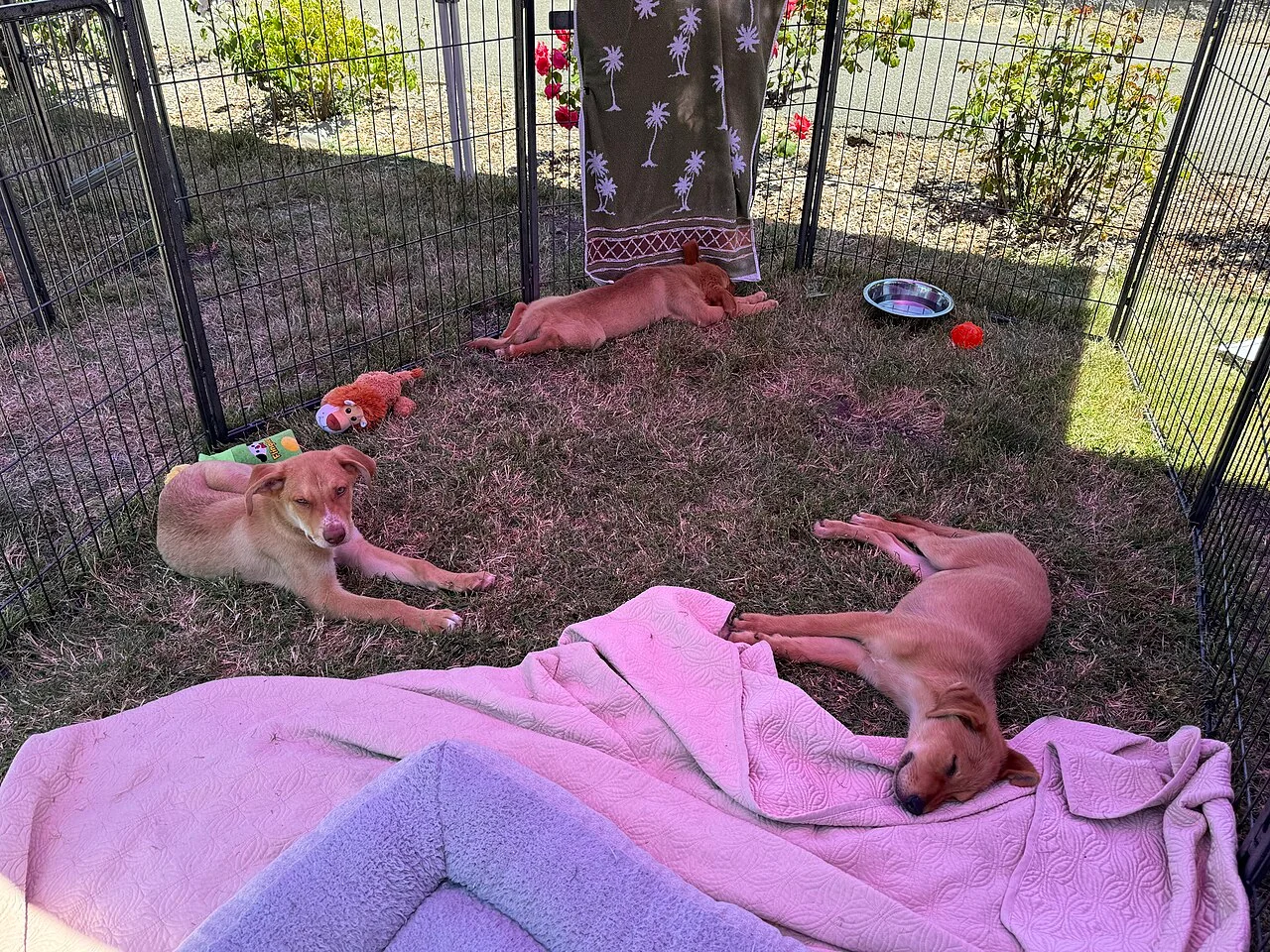
Dogs from the Petaluma Animal Shelter at the 2024 Sonoma-Marin Fair Missvain · CC0 1.0 · Web size optimized; source linked for the original.
On designated days, crowds gather at craft beer events where dogs are welcome and a portion of proceeds supports local pet rescues. These festivals blend sampling of brews with promotion of canine welfare, channeling community enthusiasm into tangible aid for animals awaiting homes. One longstanding example pairs dozens of breweries with rescue groups, directing ticket revenue toward organizations that provide care, medical treatment, and adoption services for dogs and other pets.
One Festival’s Approach to Combining Beer and Rescue
The Pints N’ Paws Craft Beer Festival in Sanford, Florida, brings together more than 70 breweries, food trucks, vendors, live entertainment, and attendees with their dogs. Organized to benefit local pet rescues such as Pet Rescue by Judy, the event welcomes canine companions and focuses attention on animal welfare. According to the organizer’s website, 100 percent of ticket proceeds after costs go toward supporting these groups. This structure creates an atmosphere where enjoying craft beer directly ties to helping organizations that assist dogs and other animals in need.
The festival has operated since 2012 and illustrates how larger-scale events can draw diverse participants who might not otherwise engage with rescue work. Dogs attending experience a supervised, festive setting, while their humans learn about available adoption resources. The model emphasizes positive visibility for the partner rescues, potentially encouraging future volunteering or adoptions. Editorial analysis suggests that such events succeed by aligning two popular local interests without requiring attendees to choose between fun and philanthropy.
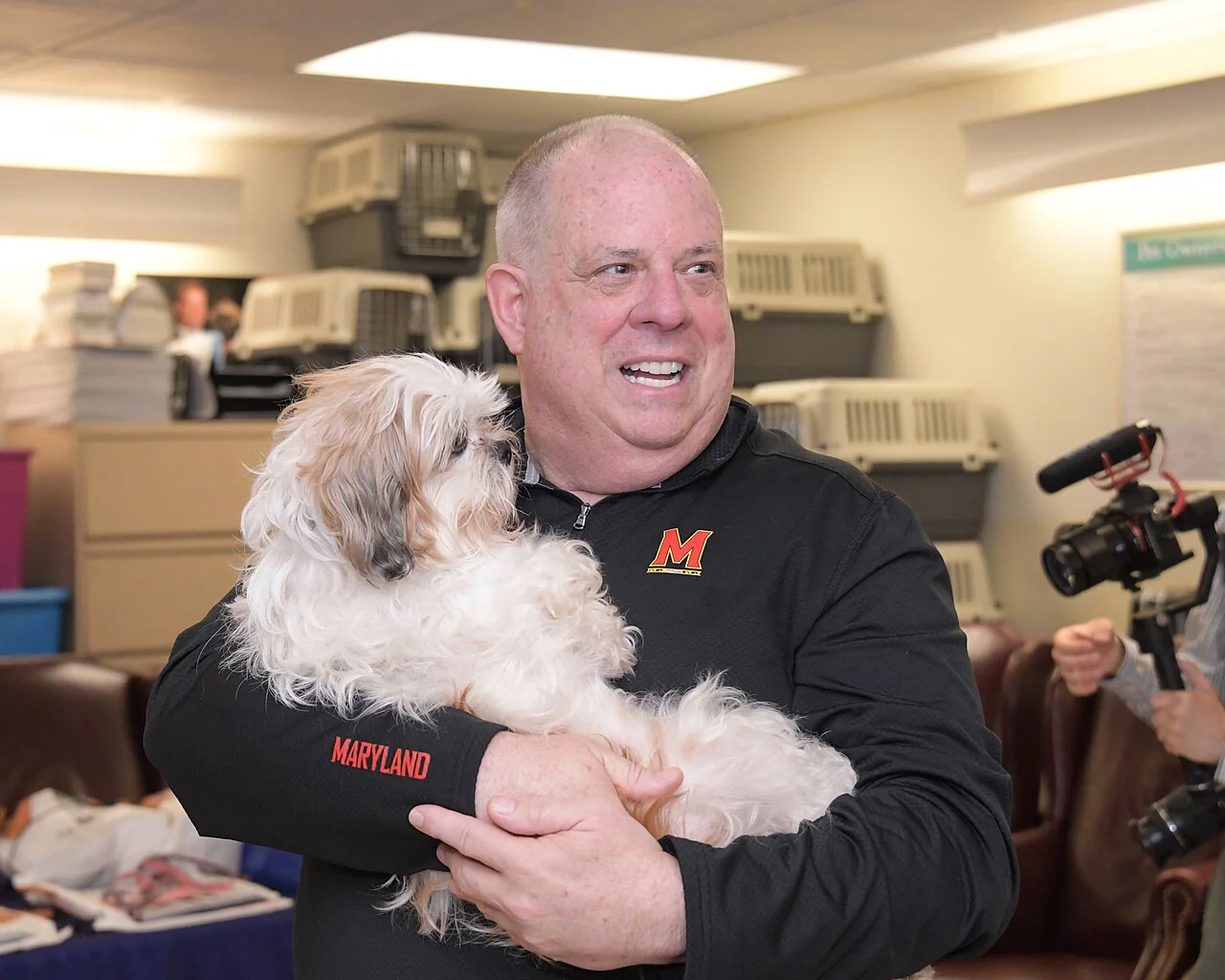
Governor Hogan, First Lady Yumi Hogan, The Churchills and DeLeavers Rescue An entire Family by Joe Andrucyk at The Baltimore Animal Rescue and Care Shelter (BARCS), 301 Stockholm St, Baltimore, MD 21230 MDGovpics · CC BY 2.0. Web size optimized; original linked.
Reported Fundraising Totals
The Pints N’ Paws event website reports that the festival has raised a cumulative total of $1,062,301 for local pet rescues since its inception. This figure reflects overall support across multiple years and organizations, though specific annual breakdowns, exact allocations to dog-only programs, or independent audits are not detailed on the source page. The event operates as a daytime festival rather than a series of evening happy hours or “Paw-tini” themed nights, yet it demonstrates breweries and rescues collaborating on a shared platform.
Because the reported total comes from the organizer and has not been cross-verified here, readers should treat it as an organizer-stated claim. Still, the existence of repeated events over more than a decade points to sustained community interest. A useful question for potential attendees or planners is how transparently each event tracks and reports its net contributions. This focus on traceability helps ensure that goodwill translates into measurable support for veterinary care, food, and other necessities that keep rescued dogs healthy.
Partner Organizations and Their Work
Rescues like Pet Rescue by Judy receive funds from the Florida festival to continue their mission of caring for homeless pets. Similar groups nationwide, including those affiliated with broader animal welfare networks, focus on medical treatment, rehabilitation, and finding permanent homes. The ASPCA, founded in 1866 as the first animal welfare organization in North America, does not operate its own shelter network but partners with and trains hundreds of local shelters, rescues, and clinics. Its role includes advancing innovations in veterinary care, disaster response, adoption programs, and legislative protections.
These partnerships highlight how brewery-linked events can amplify smaller organizations’ reach. Attendees may encounter adoptable animals or staff ready to discuss responsible ownership. The ASPCA notes that its hands-on work impacts hundreds of thousands of animals annually while broader solutions benefit millions more. One implication is that community events can supplement the efforts of established groups by increasing public awareness and volunteer pipelines. Editorial perspective: when festivals remain transparent about fund distribution, they reinforce trust and encourage ongoing participation.
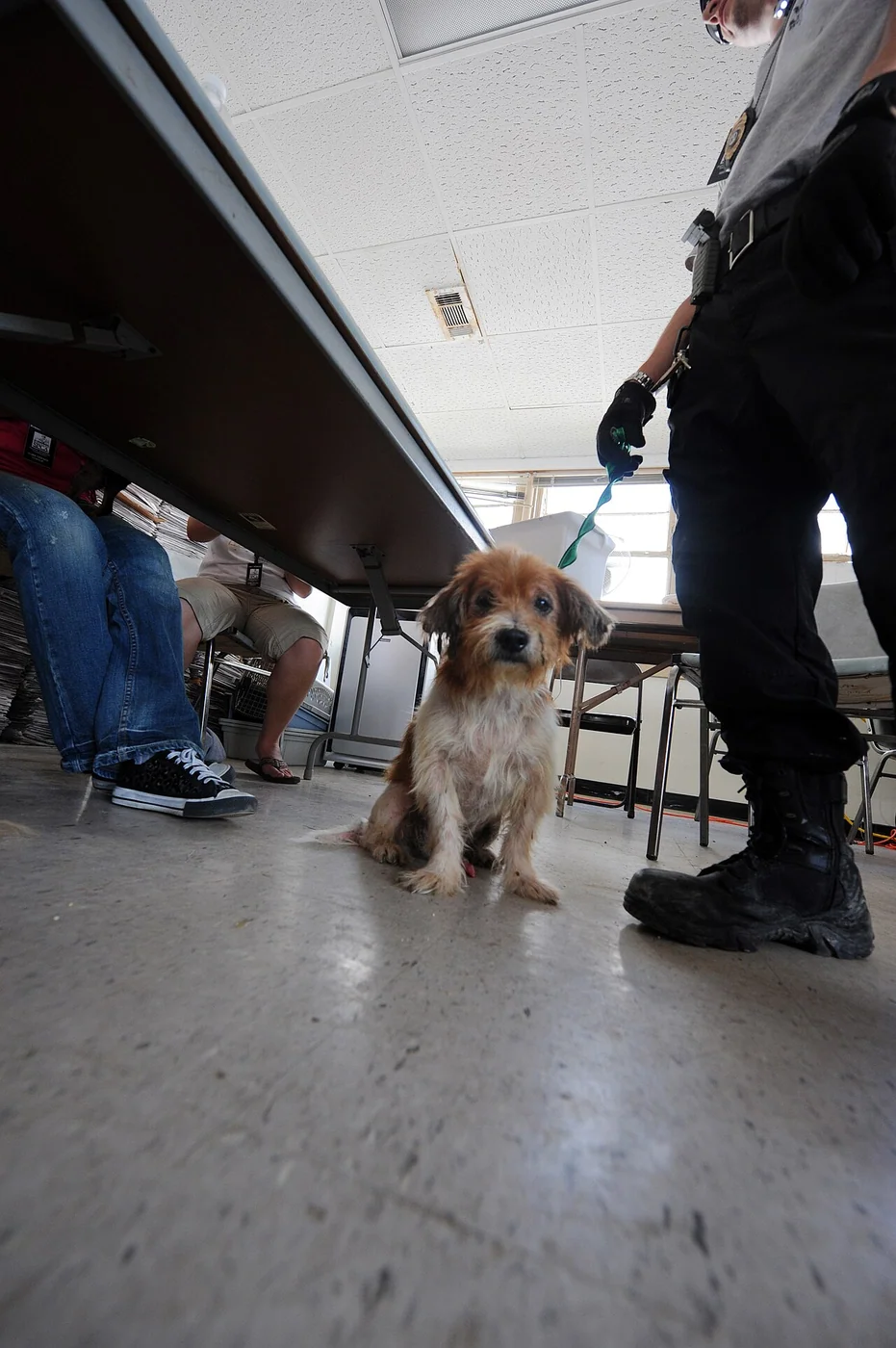
A dog and people inside a Texas emergency shelter after Hurricane Ike, September 2008. Archival FEMA photograph of disaster sheltering. Jocelyn Augustino · Public domain. Web size optimized; original linked.
Practical Considerations for Similar Events
Communities interested in replicating aspects of these gatherings might start by connecting local breweries with established rescues to identify shared goals. Consistent scheduling, clear communication about how proceeds will be used, and optional supervised dog attendance can help manage logistics. Simple amenities such as water stations and waste disposal areas show consideration for all participants. Marketing through both brewery and shelter channels can broaden reach while keeping costs low.
Organizers should review local regulations concerning animals in food-service venues, as rules differ by municipality. Keeping events supervised helps ensure comfort for dogs, people, and staff alike. A light-hearted editorial observation: few things pair better with a cold pint than watching a tail-wag contest, provided everyone follows safety guidelines. Reading question: how might smaller taprooms adapt the festival model into monthly gatherings while maintaining the same emphasis on transparency and animal welfare?
Wider Community Benefits and Open Questions
Events that merge craft beer with rescue advocacy can strengthen neighborhood connections by uniting businesses, animal advocates, and residents around a common purpose. Regular participants sometimes describe feeling more tied to their local area through repeated involvement. The pattern also sparks parallel efforts in other sectors, though each new variation should be evaluated on its own merits and reporting practices.
From an editorial standpoint, the core appeal lies in converting everyday socializing into incremental support for dogs in transition. Uncertainties remain around long-term adoption rates directly attributable to these festivals and the precise split between dog-specific and multi-species aid. Still, the model offers a repeatable blueprint for creativity that feels rewarding. Implication: communities seeking effective, enjoyable ways to back animal welfare might examine how existing festivals allocate funds and then consider tailored versions that fit their own scale and resources.
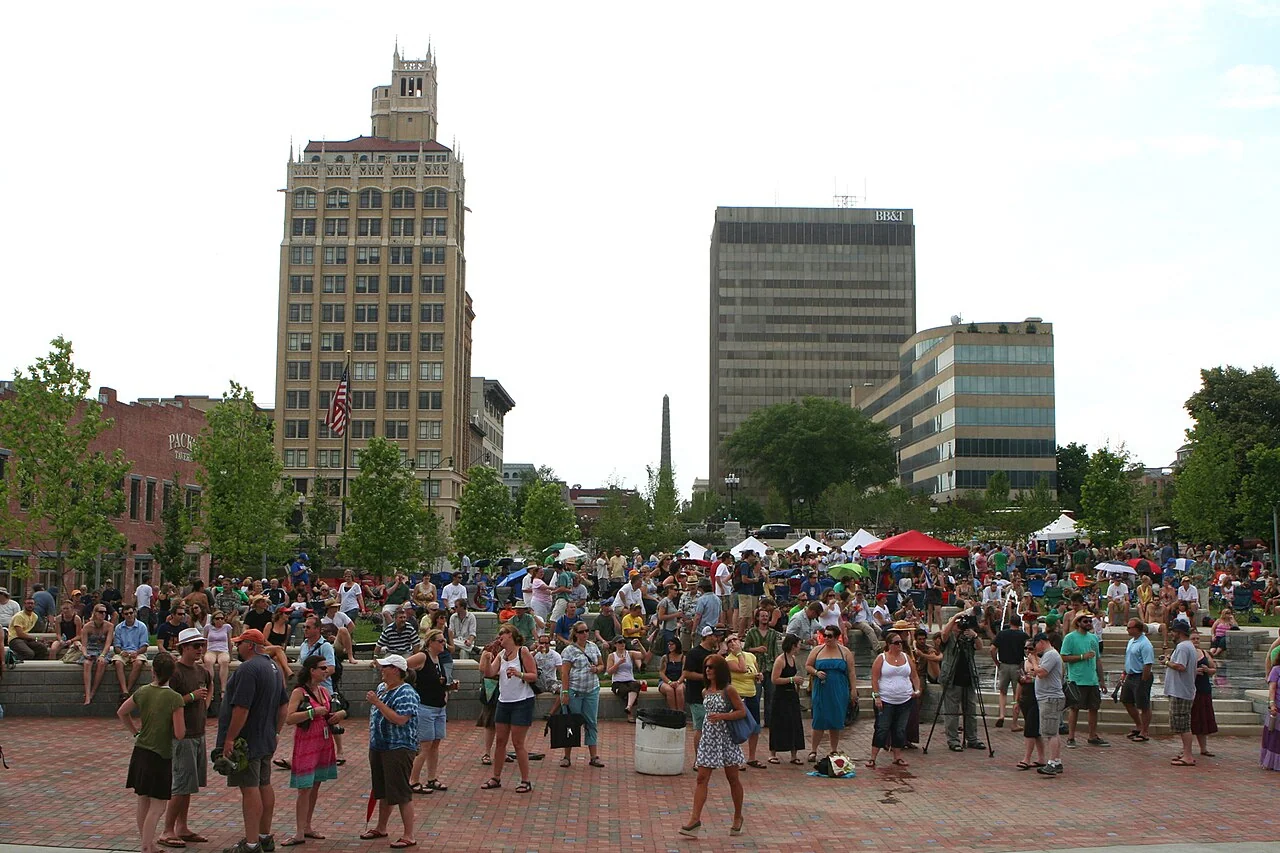
Attendees at the 2010 Asheville Beer City Festival enjoying craft brews from regional microbrewers with live music and food in a public park. anoldent · CC BY-SA 2.0. Web size optimized; original linked.
AI-assisted original writing. This feature was revised against source material and checked for unsupported claims. Follow the references below for evidence and its limits.
 Photograph