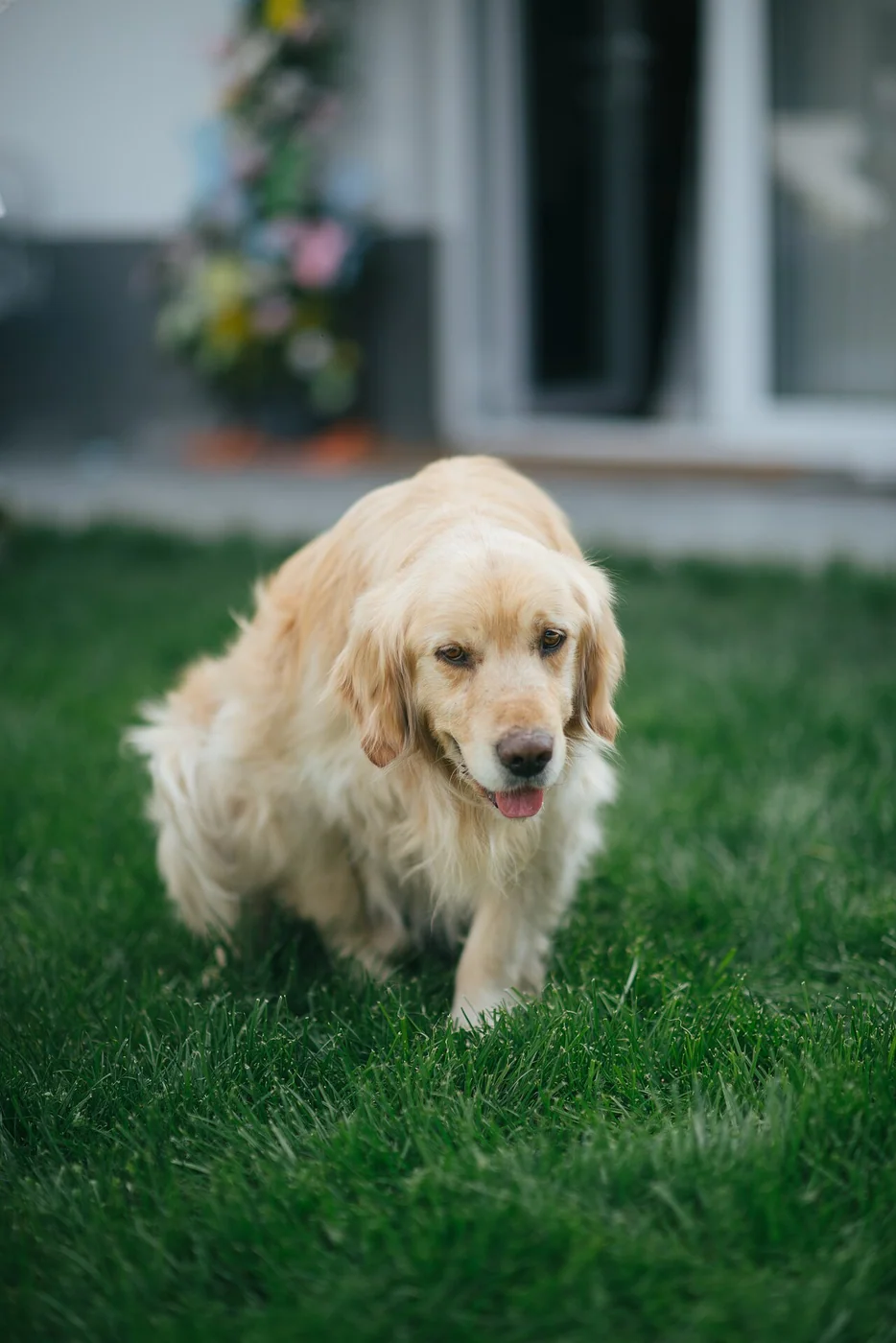
Golden retriever exploring a sunny backyard with green grass and a flower arrangement nearby Shixart1985 · CC BY 2.0 · Web size optimized; source linked for the original.
Shelter dogs often spend their days in runs that, while clean and safe, can feel monotonous. A sensory garden offers one practical way to add interest without major expense or disruption. The ASPCApro resource outlines straightforward features—varied textures underfoot, gentle sounds, and simple interactive elements—that many shelters could adapt. These spaces are not a cure-all and do not replace daily exercise, medical care, or the patient work of adoption counseling. Still, they represent a thoughtful, low-tech step toward better daily welfare. This article explores the concept, its potential benefits, practical starting points, and the realistic boundaries that matter when planning such a garden. We also consider what questions shelters and volunteers might ask before breaking ground.
What a Sensory Garden Looks Like
According to the ASPCApro guidance, a sensory garden for shelter dogs typically includes surfaces that feel different under paw: grass, mulch, sand, or even rubber mats. These textures give dogs new information about their environment each time they step outside. The same resource suggests adding safe, weather-resistant toys that encourage sniffing, pawing, or gentle batting. Water features might be as simple as a shallow basin with floating objects or a drip hose that creates soft splashing sounds. The goal is not grandeur but variety that fits the space a shelter already has.
Sound elements can range from wind chimes hung out of reach to leaves that rustle when dogs walk through them. The ASPCApro piece stresses that these additions should be chosen with safety in mind—no small parts that could be swallowed, no toxic plants, and nothing that could trap or frighten a nervous dog. In short, the garden is an outdoor enrichment station rather than a full-time living area. Shelters are reminded that dogs still need one-on-one time with people and that a garden cannot substitute for basic behavioral support.
A happy dog sits in a field of tall grass, looking up with curiosity during the golden hour Shixart1985 · CC BY 2.0. Web size optimized; original linked.
Why Variety Matters to Dogs in Shelters
Dogs in shelters may experience weeks or months of routine that is necessarily predictable for health and safety reasons. The ASPCApro resource notes that introducing novel but manageable stimuli can reduce signs of boredom and stress. A patch of tall grass to push through or a hanging toy that moves in the breeze offers mental exercise without requiring staff to be present every minute. This kind of passive enrichment can complement, not replace, structured play sessions and training.
The guidance also highlights that individual dogs react differently. A confident dog might bound into a textured area and explore for ten minutes, while a shy one may only watch from the edge on the first few visits. The ASPCApro material makes clear that these gardens are tools, not guarantees of calmer behavior or faster adoptions. They form one piece of a larger welfare picture that includes quiet spaces, consistent routines, and skilled handling.
Practical Ideas for Getting Started
The ASPCApro article offers several no-frills suggestions that most shelters could try. Planting safe herbs such as mint or parsley in raised beds lets dogs sniff without digging up the whole plot. Logs or large rocks that are securely placed provide climbing or perching spots for dogs who enjoy height. Old fire hoses or knotted ropes can be anchored to create tug-resistant pull toys. All of these can be rotated or refreshed periodically so the garden does not become just another familiar backdrop.
Budget is a common concern. The resource points out that many features can be built from donated materials or volunteer labor. A local landscaper might supply clean wood chips; a hardware store could donate PVC pipes for scent trails. The key, according to the guidance, is starting small, observing the dogs, and adjusting. Shelters are encouraged to keep records of which features seem popular and which go unused, turning the garden into an ongoing experiment rather than a one-time project.
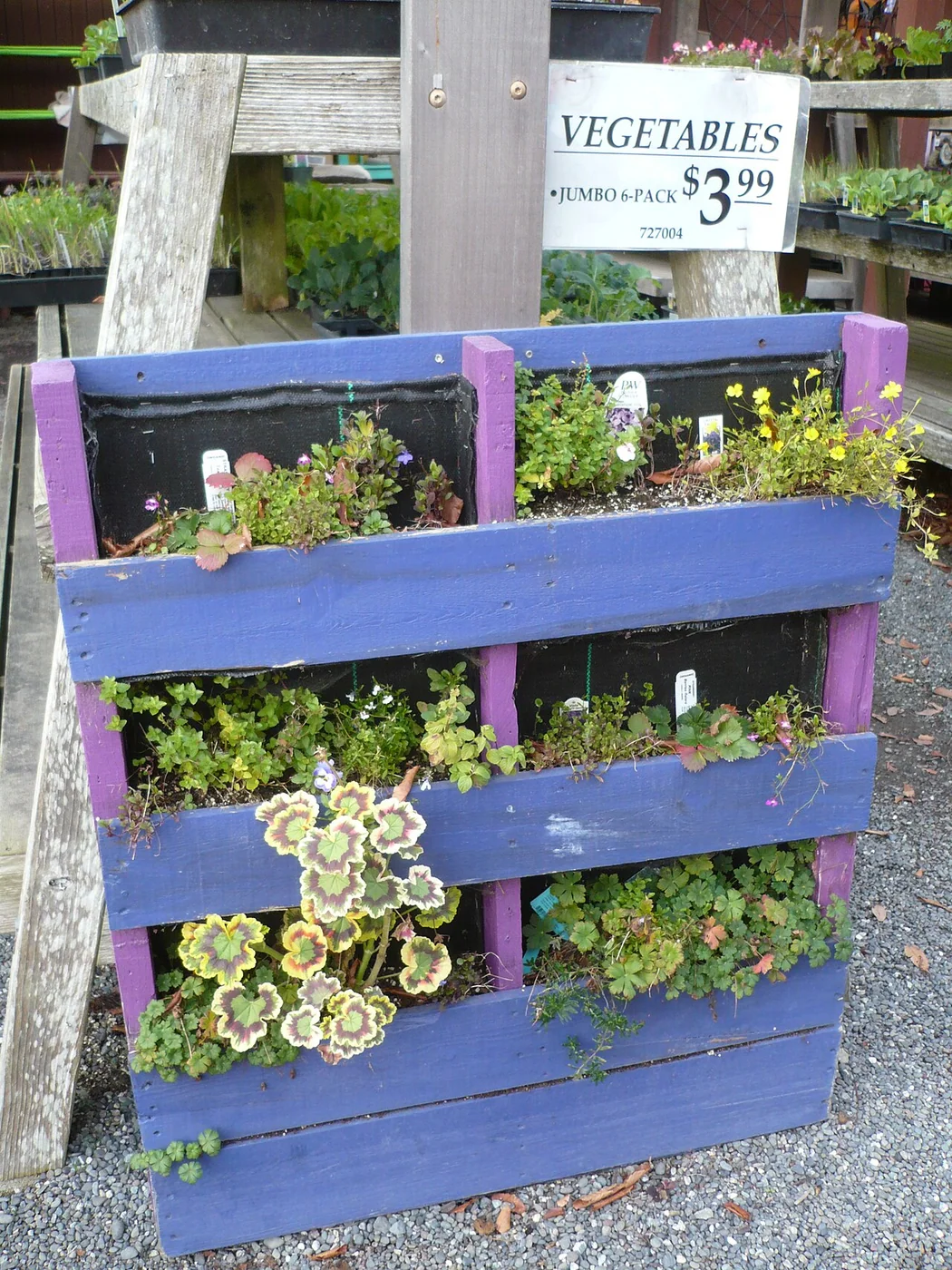
Reused shipping pallet converted into a raised bed herb garden Ellin Beltz · CC BY-SA 3.0. Web size optimized; original linked.
Realistic Limits and Important Cautions
The ASPCApro resource is careful to frame sensory gardens as enhancements, not solutions. They cannot address underlying medical issues, replace daily walks, or speed up the matching process between dogs and adopters. Over-stimulating a highly anxious dog could backfire, so staff must watch for signs of distress and be ready to limit access. The guidance also warns against plants that are toxic if chewed and against any feature that cannot be cleaned regularly to prevent the spread of parasites.
Another limit is staffing. A beautiful garden still needs consistent supervision, especially when multiple dogs share the space. The ASPCApro piece reminds readers that enrichment works best when it is part of a broader behavior program that includes positive reinforcement training and, when needed, medication prescribed by a veterinarian. In other words, the garden is one helpful ingredient in a much larger recipe for welfare.
Questions to Ask and What It All Might Mean
Before building, shelters might consider: Which dogs in our population would benefit most, and which might find it overwhelming? How will we measure whether the garden is actually reducing stress rather than just looking nice? The ASPCApro guidance does not supply ready answers but does encourage observation and record-keeping. Volunteers could track how long dogs engage with different features or whether certain sounds seem to relax more dogs than others. Those notes become useful data for refining the space over time.
For the wider animal-welfare community, these gardens illustrate a larger truth: small, thoughtful changes can improve daily life even when resources are tight. They also invite a gentle sense of play—watching a dog discover that crunchy leaves make satisfying noises underfoot can bring a smile to staff and visitors alike. Yet the same evidence reminds us not to over-promise. A sensory garden is not a shortcut to perfect behavior or instant adoptions. It is, at best, one more way to say the dogs in our care matter enough that we keep trying to make their temporary homes a little more interesting. That modest ambition, grounded in careful observation, feels like genuinely good news.
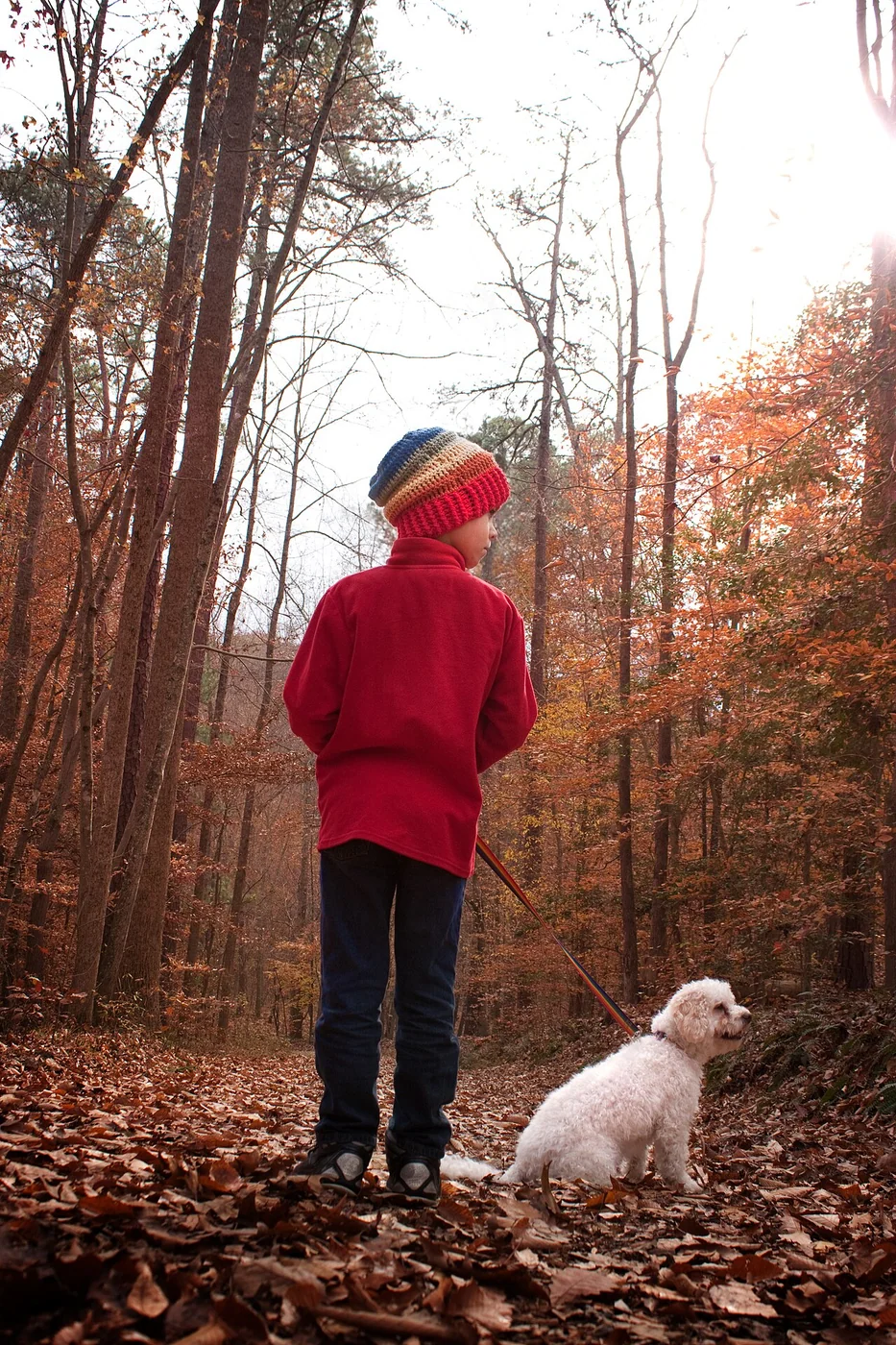
A moment of silence among the many crunchy leaves at Pocahontas State Park. vastateparksstaff · CC BY 2.0. Web size optimized; original linked.
AI-assisted original writing. This feature was revised against source material and checked for unsupported claims. Follow the references below for evidence and its limits.

 Photograph