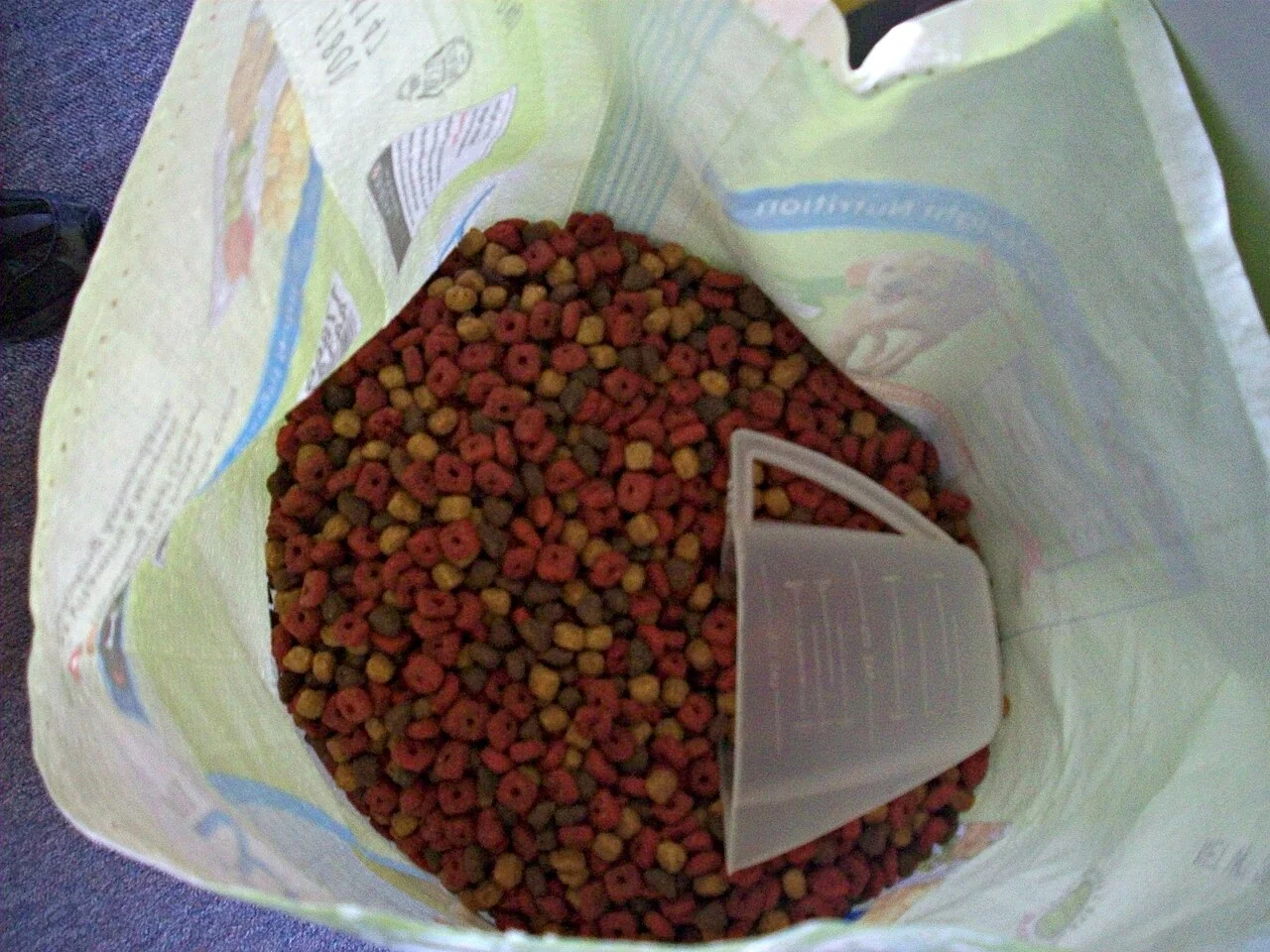
Dog food kibble Alisha Vargas · CC BY 2.0 · Web size optimized; source linked for the original.
In various neighborhoods, initiatives focused on pet food distribution operate through pantries that provide kibble, canned meals, and other supplies. These efforts rest on the idea that access to pet food can support families in keeping their dogs. Volunteers manage donations and track what is given out. The programs combine neighborly help with practical steps to reduce one barrier related to pet ownership during tough times.
How Pet Food Pantries Developed
Ideas for helping with pet food needs gained attention as groups observed that some families facing financial strain turned to pantries. Organizers set up distribution points stocked with surplus pet food from donations. These pantries focus on pet-safe items to avoid any risks of mixing with human food supplies.
Placement often occurs near accessible community spots. Clear signage typically outlines guidelines such as taking only what is needed. Local animal welfare groups sometimes step in to help maintain supplies. This model draws from other shared-resource approaches that aim to build community connections while addressing specific needs.
A 2017 descriptive survey of staff at 19 participating food banks and pantries in a Western Pennsylvania pet food distribution program called Chow Wagon found that pet food availability was highly valued by clients. Staff reported that when pet food was unavailable, about three-fourths believed clients were likely to share human food with pets.
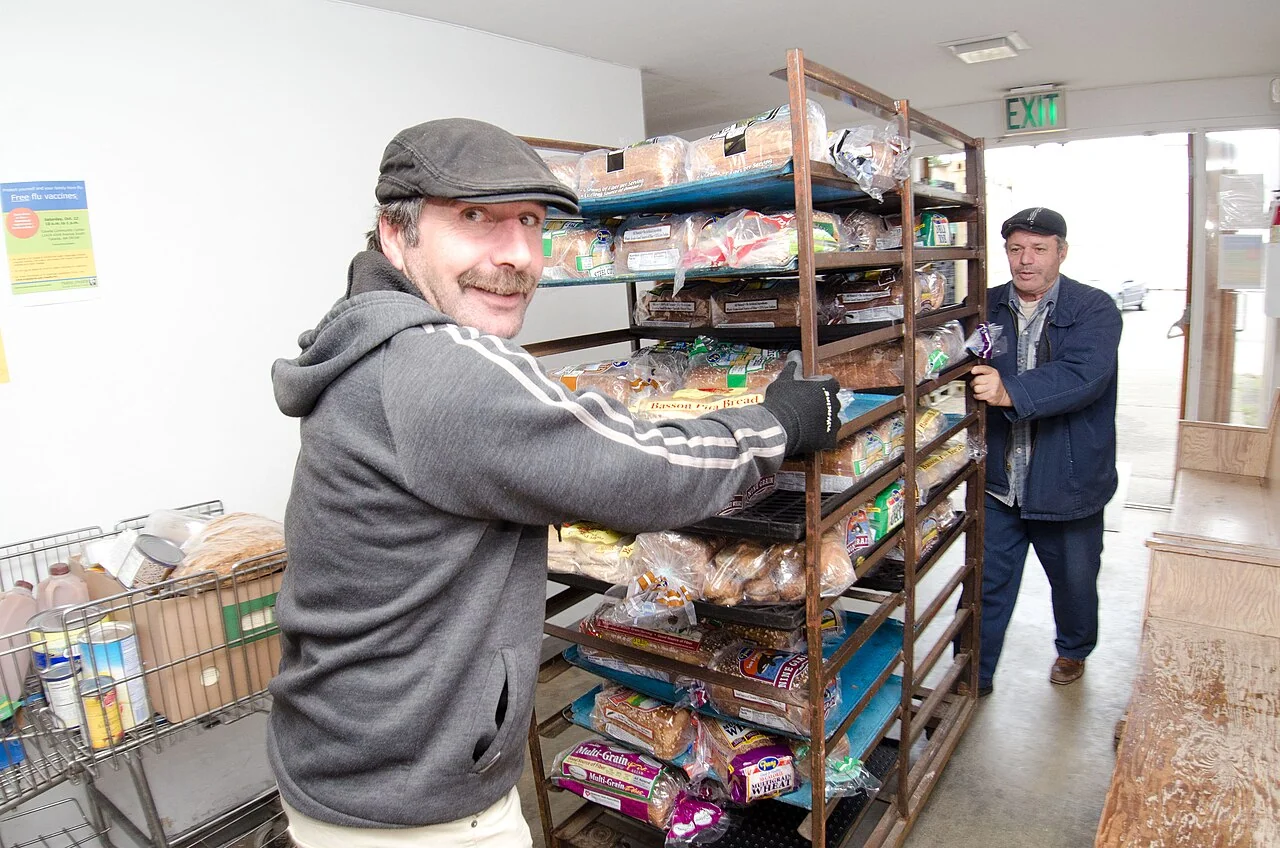
Food pantry car line Wikideas1 · CC0 1.0. Web size optimized; original linked.
Perceptions Around Pet Food Access and Surrender
Tracking connections between pet food access and shelter intakes involves looking at records that note reasons for surrender. Some programs use intake codes tied to economic hardship or inability to afford pet food.
A cited cross-sectional study of 30 human and pet food pantries in Western Pennsylvania found that animal owners using pantries with pet food reported greater human food security than those without access. Pets were noted as both a motivator for securing food and a source of anxiety due to fluctuating supplies.
Findings from the 2017 Chow Wagon survey on whether pet food availability prevents animal surrender were inconclusive. National household food security estimates do not account for animals in the household, and the extent of pet food insecurity had not been estimated by veterinary or animal welfare studies at that time.
Practical Ways to Support Local Efforts
Neighbors can help by donating unopened kibble or canned pet food. Checking expiration dates helps reduce waste. Some groups collect clean, gently used items that families might need during transitions.
Others contribute time by helping organize distributions or alerting coordinators when supplies are low. Organizing collection events at local spots can turn into support for bulk purchases. Sharing information about pantry locations through neighborhood channels can help more people learn about them.
A 2025 case study of Ellie’s Pet Food Pantry, operated by Humane Animal Rescue of Pittsburgh since 2010, describes using human-centered design to improve distribution. In 2023 the pantry served 1,469 patrons, a 10 percent increase from 2022, though supply fluctuates monthly based on donations.
Modern documentary photograph of a pile of dry kibble dog food ready for donation. Megan Marrs · CC BY 2.0. Web size optimized; original linked.
Veterinary Views on Pet Nutrition
Community pantries supply calories but are not meant to replace professional advice. Veterinarians often point to the importance of checking labels for complete-and-balanced statements from groups like the Association of American Feed Control Officials.
Portion control and gradual food transitions are generally recommended to avoid digestive issues. Age-specific needs for puppies or senior dogs may call for different nutrient profiles. Consulting a veterinarian remains key, particularly if a dog shows signs like weight loss or low energy.
Some pantries include information on broader care topics such as affordable clinics, which can help families manage budgets.
Ongoing Local Impact and Adaptations
Pantries continue to operate in different areas, adapting to local needs. Some explore ways to reach more households, including those in apartments with pet policies.
Universities and groups have looked at mapping pantry locations against other data to consider placement. The focus stays on addressing one part of the challenges families face with pet ownership.
The 2025 case study references other research estimating that 30-50 percent of pet owners relinquishing animals reported that low-cost or free pet food availability would have prevented relinquishment, though this is drawn from prior cited studies rather than new data from that pantry.
AI-assisted original writing. This feature was revised against source material and checked for unsupported claims. Follow the references below for evidence and its limits.


 Photograph