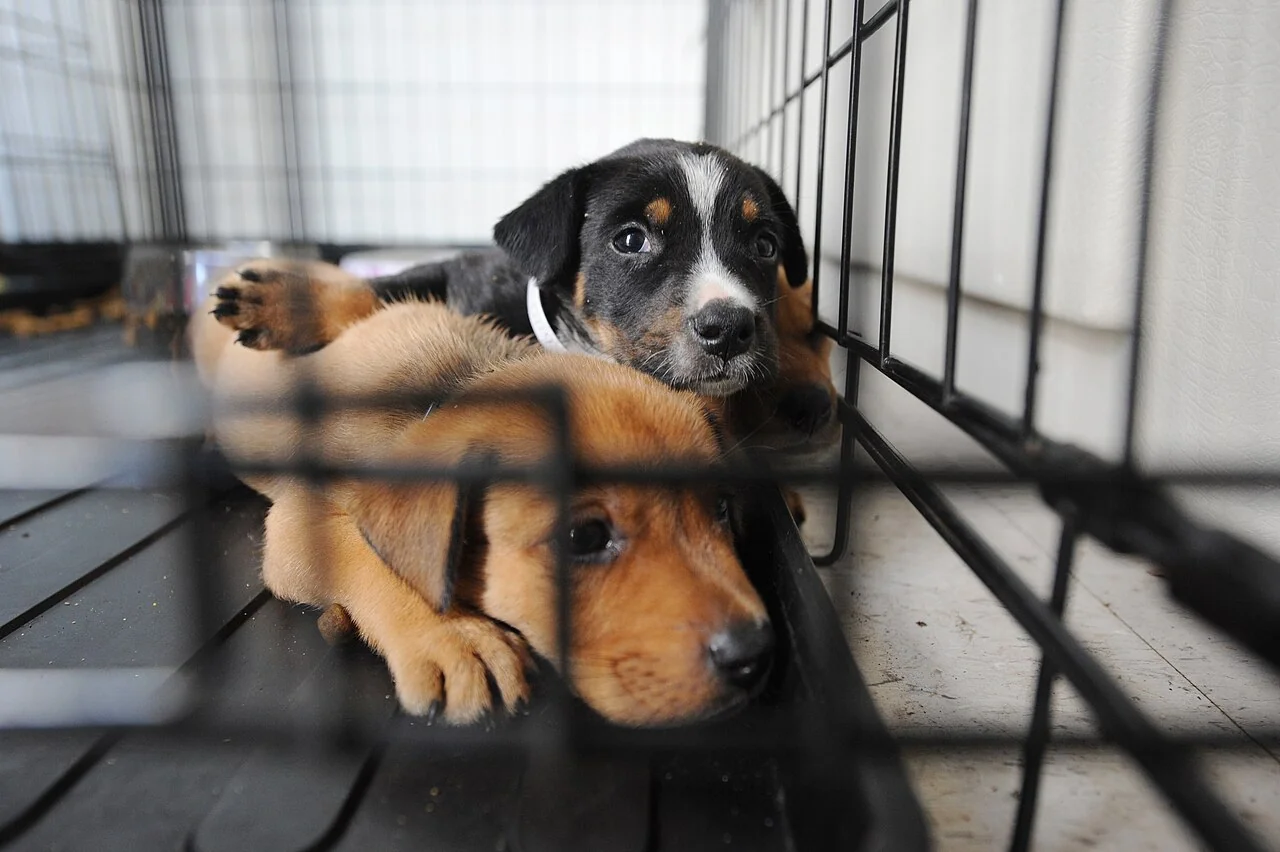
Animal shelters often run on tight budgets and busy schedules, yet the daily experiences of the dogs in their care can be brightened through simple, consistent efforts. Enrichment activities, such as scent-based games or coordinated walks, are practical ways to reduce stress and encourage natural behaviors. According to resources from the ASPCA, these practices can be built into regular shelter routines rather than treated as occasional extras. Volunteers who pitch in with small tasks contribute meaningfully, even if their time is limited. This article explores how such contributions fit into broader shelter operations, with clear boundaries on what volunteers should and should not do. The focus remains on evidence-based approaches that prioritize animal welfare without overstepping professional protocols.
Understanding Daily Enrichment in Shelters
Shelter environments can be noisy and unpredictable, which may increase stress for dogs waiting for homes. Enrichment schedules offer a structured way to incorporate activities that stimulate senses and promote well-being as part of everyday care. The ASPCA provides sample schedules that shelters can adapt, recommending they be posted visibly so staff and volunteers know what to prepare. These routines emphasize consistency, turning potential chaos into predictable positive moments. For instance, pairing a dog's walk with kennel cleaning can create a smoother flow for both the animal and the caretakers. This approach highlights that enrichment does not require elaborate setups; steady, modest efforts often yield the most reliable benefits.
Volunteers stepping in for these tasks bring fresh energy without needing to overhaul systems. Their help allows full-time staff to focus on medical needs or adoptions while ensuring dogs receive attention. Yet the emphasis is always on following shelter-specific directions. Introducing personal ideas outside approved methods could unintentionally disrupt routines or pose risks. Editorial analysis suggests that celebrating these volunteer contributions encourages more people to get involved, fostering a community sense of shared responsibility. One might ask: How could your local shelter better highlight the impact of even one hour a week from a volunteer? The implication is that small, reliable help scales up to meaningful improvements in animal care when channeled properly.
Scent games tap into dogs' powerful sense of smell, providing mental stimulation that can ease boredom in a kennel setting. The ASPCA outlines these games as an accessible enrichment option, noting they can be simple to implement with items already on hand. Coordinating such an activity with routine tasks like kennel cleaning maximizes efficiency, allowing a dog to enjoy an outing while its space is refreshed. This integration shows how enrichment can be woven into the daily schedule rather than added as a separate burden. Shelters benefit when volunteers assist with these games under supervision, helping more dogs experience variety in their day.
The guidance stresses caution: volunteers must adhere strictly to the shelter's protocols and avoid starting unsupervised new routines. This limit protects both the animals and the volunteers from unintended issues, such as mismatched play styles or health concerns. With light humor, one could imagine a well-meaning volunteer arriving with a suitcase of exotic scents only to learn the shelter prefers a simple game of "find the treat" using yesterday's towels—proof that creativity thrives best within clear boundaries. Reading question: What small scent-based idea might align with your shelter's existing schedule? The broader implication is that respecting these guidelines turns good intentions into sustainable support, ultimately helping more dogs stay calm and adoptable.
The Volunteer Role: Support, Not Substitution
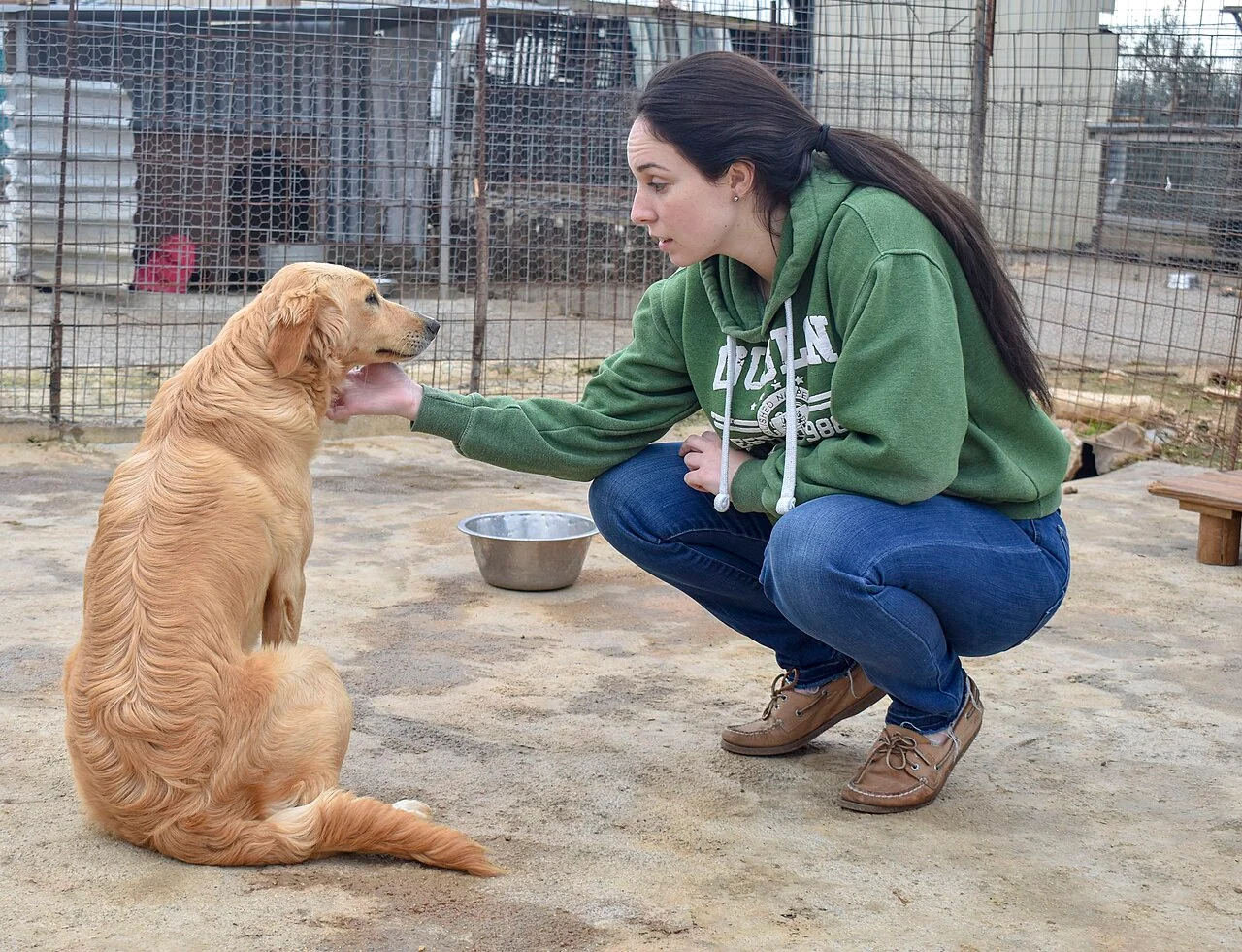
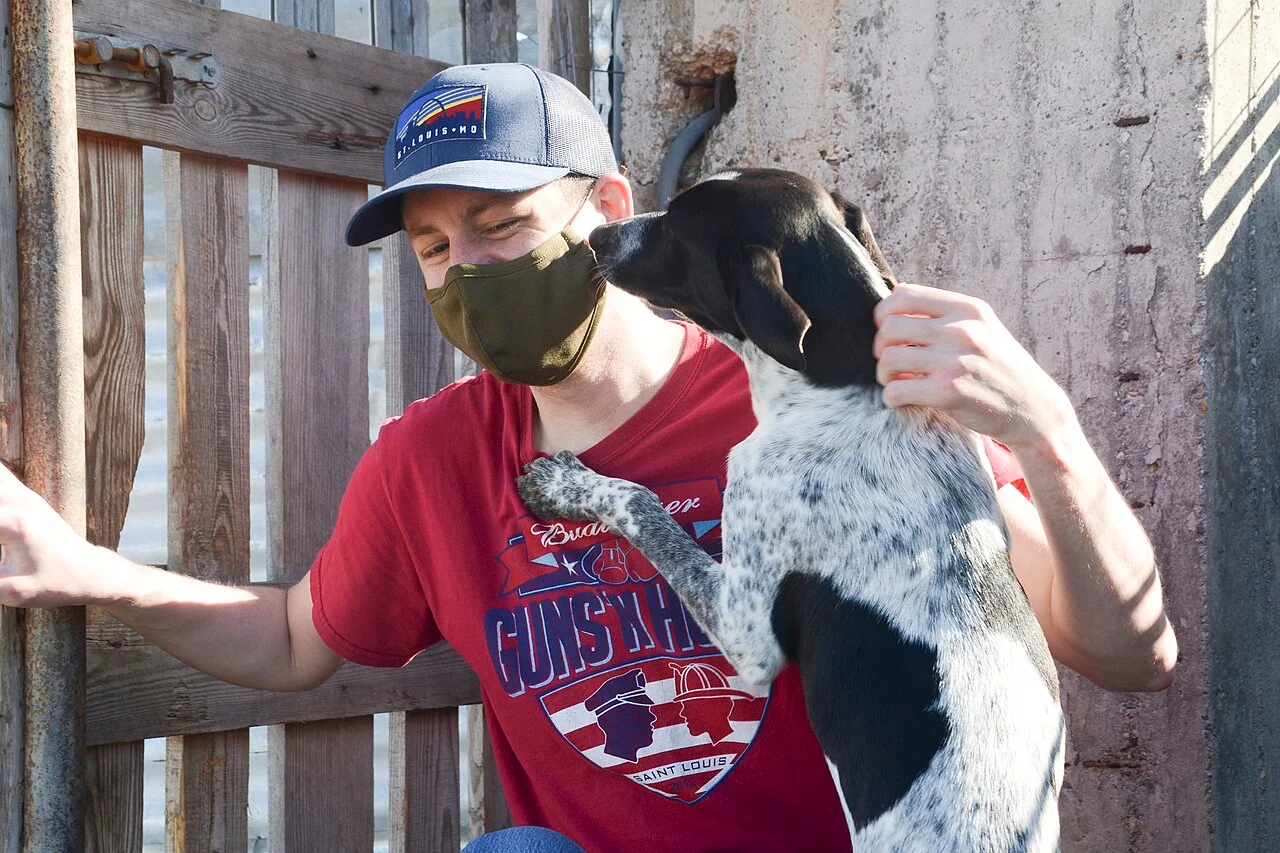
Volunteers often bring enthusiasm and extra hands to shelters that might otherwise struggle to offer individualized attention. Small tasks, such as helping prepare enrichment items or joining a scheduled walk, allow them to contribute without needing veterinary training or full operational knowledge. Evidence from shelter resources underscores that these roles are most effective when they align with posted schedules and staff instructions. This setup values the volunteer's time while maintaining professional standards of care. It is a reminder that every task, no matter how modest, supports the larger goal of improving dogs' quality of life.
Editorial analysis here points to the quiet power of consistency over grand gestures. A volunteer who shows up weekly to assist with scent games or cleaning coordination may not see immediate adoptions, yet their presence helps create a less stressful environment that can make dogs more appealing to potential families. Humorously, it's like being the reliable sous-chef in a busy kitchen—your chopped carrots might not make the final photo, but the meal turns out better for it. Useful question for readers: How does your own schedule allow for reliable but limited involvement? The implication is that shelters thrive when they communicate clear, bite-sized opportunities, encouraging broader participation without burnout.
It is easy to hope that one afternoon of volunteer work will transform a shelter dog's future, yet the evidence supports a more measured view. Enrichment schedules are tools for ongoing care, not quick fixes. The ASPCA materials frame them as regular practices that accumulate benefits over time, such as reduced barking or improved sociability. Volunteers who understand this scope avoid disappointment and focus on the tangible help they provide in the moment. This perspective keeps efforts grounded and sustainable for everyone involved.
Analysis suggests that acknowledging these limits prevents unrealistic pressure on volunteers or staff. For example, a scent game might brighten one dog's afternoon without guaranteeing an adoption the next day, but it still counts as worthwhile care. Light fictional satire: Picture a volunteer expecting a parade for hiding kibble in a towel, only for the dog to give a polite sniff and resume napping—this reminds us that animal responses are delightfully unpredictable. Reading question: What small win would feel rewarding in your volunteer experience? Implication: By valuing incremental progress, communities can sustain long-term support for shelters and the animals they serve.
Building a Culture of Appreciated Small Contributions
Shelters that post enrichment schedules and clearly define volunteer tasks create an environment where small efforts are visibly valued. This transparency helps newcomers understand their place in the system, reducing confusion and increasing confidence. Resources highlight that such organization makes enrichment a shared priority rather than an afterthought. When volunteers see how their assistance with walks or games fits the daily flow, they are more likely to return and recruit others. This culture of credit for modest tasks strengthens the entire operation.
From an editorial standpoint, recognizing these contributions publicly—through thank-you notes or simple updates—can boost morale without inflating expectations. It underscores that animal welfare improves through collective, unglamorous work. With a touch of humor, consider the volunteer who proudly logs "assisted one enthusiastic tail wag today"; that single wag still represents a small victory worth noting. Question for consideration: How might shelters better track and celebrate these micro-impacts? The logical follow-on is that stronger volunteer retention leads to steadier enrichment programs, benefiting dogs in concrete ways while fostering community goodwill.
AI-assisted original writing. This feature was revised against source material and checked for unsupported claims. Follow the references below for evidence and its limits.

 Photograph