Thai Ridgeback Dogs: A Cultural Guardian in Eastern Thailand
Evidence shows the breed has deep roots in eastern coastal provinces, where it has long served as a regional protector, though claims of specific border patrol heritage remain unsupported.
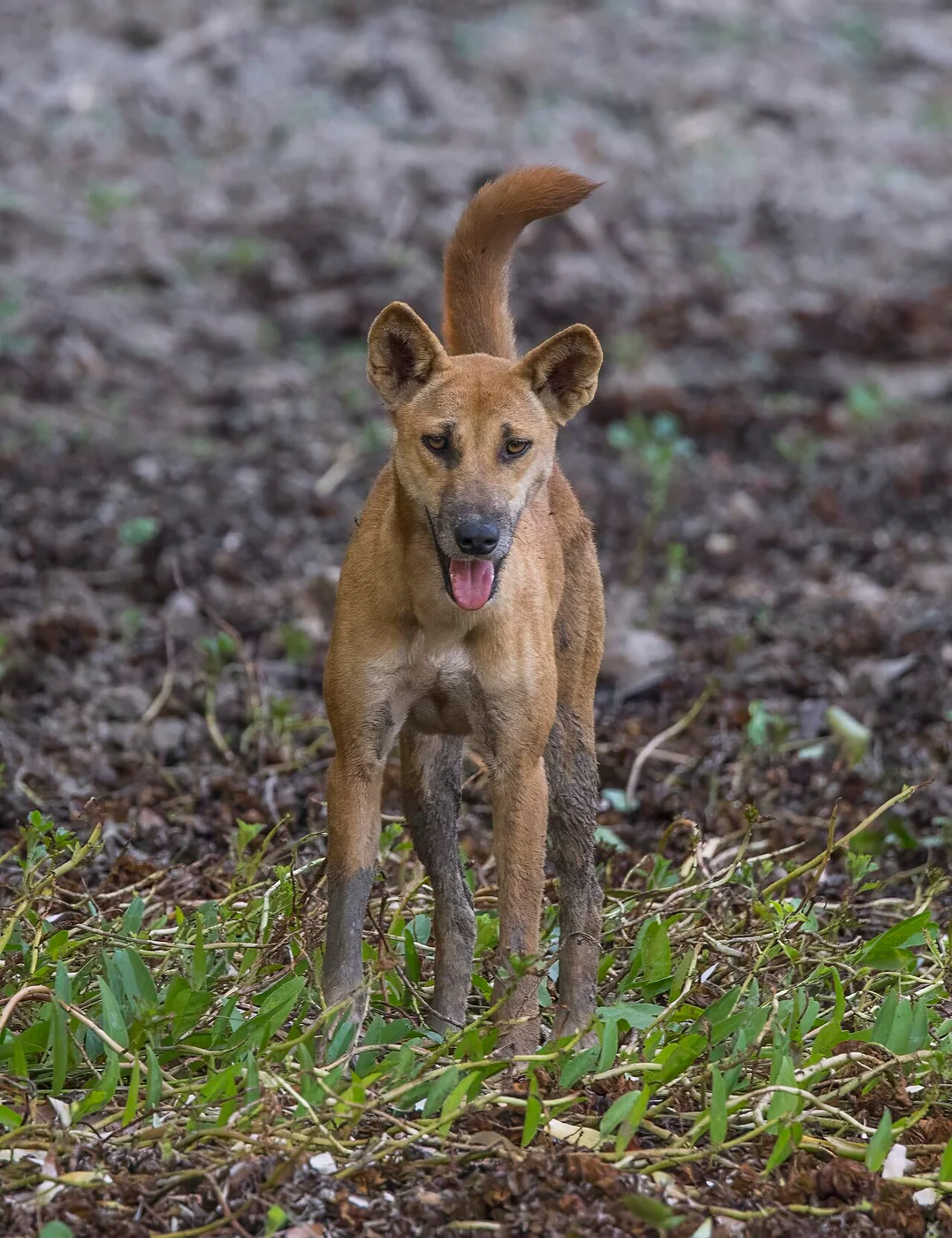
Modern documentary photograph of a red Thai Ridgeback dog. Canarian · CC BY-SA 4.0 · Web size optimized; source linked for the original.
The Thai Ridgeback is a distinctive dog breed known for the ridge of hair running along its back. Historical accounts place its origins in eastern Thailand, particularly in provinces along the coast. While popular narratives sometimes link the dogs to rugged frontier work, available sources focus instead on their longstanding role in local communities as guardians and companions. This article explores what the evidence actually supports about the breed's history and development, highlighting the difference between documented facts and enthusiastic storytelling. Light-hearted tales of these alert, muscular dogs patrolling family compounds add color, but they remain in the realm of affectionate folklore rather than verified record.
Documented Geographic Roots
Research indicates that the Thai Ridgeback has a history spanning over 300 years, with a particular concentration in Thailand's eastern coastal provinces including Trat, Rayong, Chonburi, and Chanthaburi. These areas have shaped the breed's development, influencing its physical traits and role in daily life. The dog is often described in cultural terms as a regional guardian, reflecting its place in Thai traditions of protection and loyalty. Sources emphasize this eastern focus without venturing into specifics about international borders or organized patrol duties.
An older compilation of breed information suggests the Thai Ridgeback may have existed in eastern Siam, an area near the Cambodian border, for at least four hundred years. However, this account is presented with clear caveats, labeling such timelines as traditional estimates rather than confirmed historical data. It references possible links to ancient depictions but stops short of treating them as definitive proof. Readers might ask: How do oral traditions and limited written records shape our understanding of a breed's past? The implication is that cultural memory plays a strong role, even when primary documents are scarce.
Within Thai culture, the breed is associated with guardianship and protection, terms that appear in studies of its place in local life. This role aligns with the dog's alert nature and physical build, making it a natural fit for watching over homes and property in rural settings. Enthusiasts value these instincts today, seeing them as a link to the breed's heritage. Yet the evidence does not extend to formal partnerships with rangers or military-style operations along any frontier.
One journal article from 2025, authored by Lunchawan Nimmahnratanakul and affiliated with the Bunditpatanasilpa Institute under Thailand's Ministry of Culture, explores the breed's history and development. It uses phrases like "regional guardian" to capture the dog's significance but provides no references to border patrol activities or specific working lines dedicated to guarding borders. This leaves room for interpretation: perhaps the protective reputation grew organically from village life rather than structured programs. A whimsical fictional scenario might imagine a Ridgeback solemnly "inspecting" a backyard fence for intruders, complete with a dramatic pause at every suspicious leaf—clearly labeled satire, not history.
Challenges in Tracing Precise History
Both available sources acknowledge limitations in the historical record. The Zenodo repository paper, while detailed on regional ties, offers no primary references for claims beyond general cultural roles. Similarly, the Usenet FAQ compilation explicitly notes that ideas about cave paintings or exact centuries of existence are estimates rooted in tradition. This uncertainty invites readers to consider how breed histories are often built on a mix of observation, storytelling, and later scholarship.
Such gaps matter because they affect conservation efforts. Without clear documentation of particular "working lines," it becomes harder to define what traits to preserve. The evidence supports an eastern Thai origin but does not confirm any specialized border heritage. An editorial observation: enthusiasts who romanticize frontier patrols may be expressing genuine affection for the breed's stamina and independence, yet this enthusiasm risks blurring the line between celebration and invention. What questions should future researchers prioritize—perhaps seeking local oral histories or archaeological finds in those coastal provinces?
Photograph of prehistoric cave painting from a cave in Thailand. Peter van der Sluijs · CC BY-SA 3.0. Web size optimized; original linked.
Modern Enthusiasts and Preservation Efforts
Today's admirers of the Thai Ridgeback often focus on maintaining the breed's distinctive appearance and temperament. The sources describe ongoing interest in its development from past to present, suggesting that cultural pride drives preservation. While the 2025 article is affiliated with a Ministry of Culture institute, it stops short of detailing specific programs or outcomes for any border-related lines, reinforcing that protection efforts center on the breed as a whole rather than a narrow working type.
This situation highlights a broader pattern in dog breeding: popular lore can inspire dedicated stewards, even when the underlying facts are narrower. A useful implication is that accurate education—grounded in what sources actually say—helps avoid disappointment when romanticized narratives don't hold up. Light humor surfaces in the image of devoted owners scouring old village tales for "proof" of their dog's heroic ancestry, only to find the real hero is the loyal companion snoring on the porch. Such stories, clearly framed as fictional embellishment, keep the conversation lively without claiming historical truth.
Reading Questions and Forward Implications
Considering the evidence, several questions emerge for readers interested in the breed. How can cultural institutions balance storytelling with rigorous documentation? What role should enthusiasts play in supporting scholarly work on Thai Ridgebacks? The sources imply that future studies could benefit from deeper local engagement in provinces like Chanthaburi, potentially uncovering more about the dog's practical contributions over centuries.
The key takeaway is humility before incomplete records. Claims of centuries-old partnerships with rangers on the Cambodian frontier lack support here and have been removed from this account. Instead, the breed's verified eastern coastal heritage offers plenty to appreciate—resilience, distinctive looks, and a guardian spirit rooted in Thai life. Preserving that spirit may depend less on dramatic border tales and more on honest appreciation of what we can confirm. This approach protects both historical accuracy and animal welfare by encouraging responsible breeding based on real traits rather than myth.
Modern documentary photograph of the riverside in Chanthaburi, Thailand. Travelpleb · Public domain. Web size optimized; original linked.
AI-assisted original writing. This feature was revised against source material and checked for unsupported claims. Follow the references below for evidence and its limits.
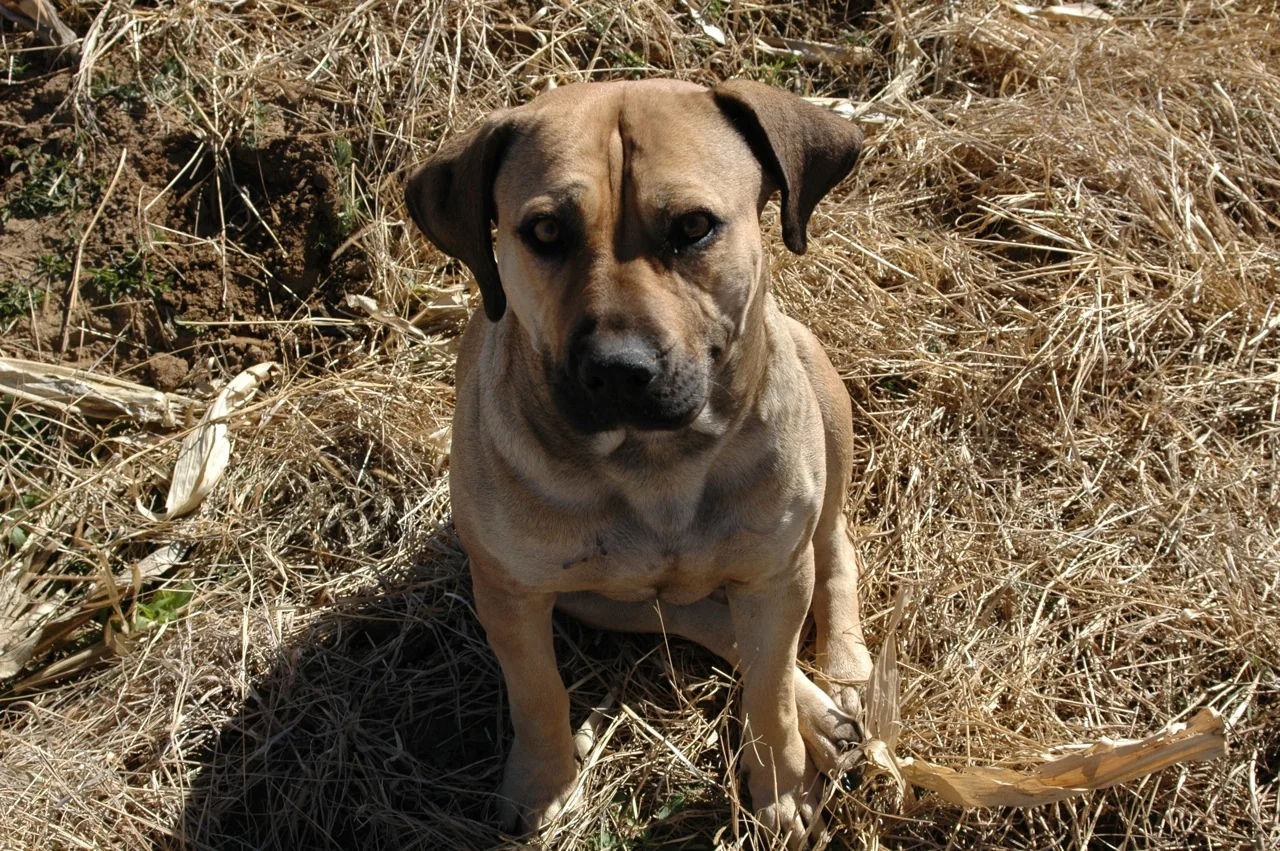
Large mastiff-type dogs have served as protectors on remote South African farms for generations, though many popular stories about their exact origins remain unverified tradition.




 Photograph