


 Photograph
Dogs Around the World
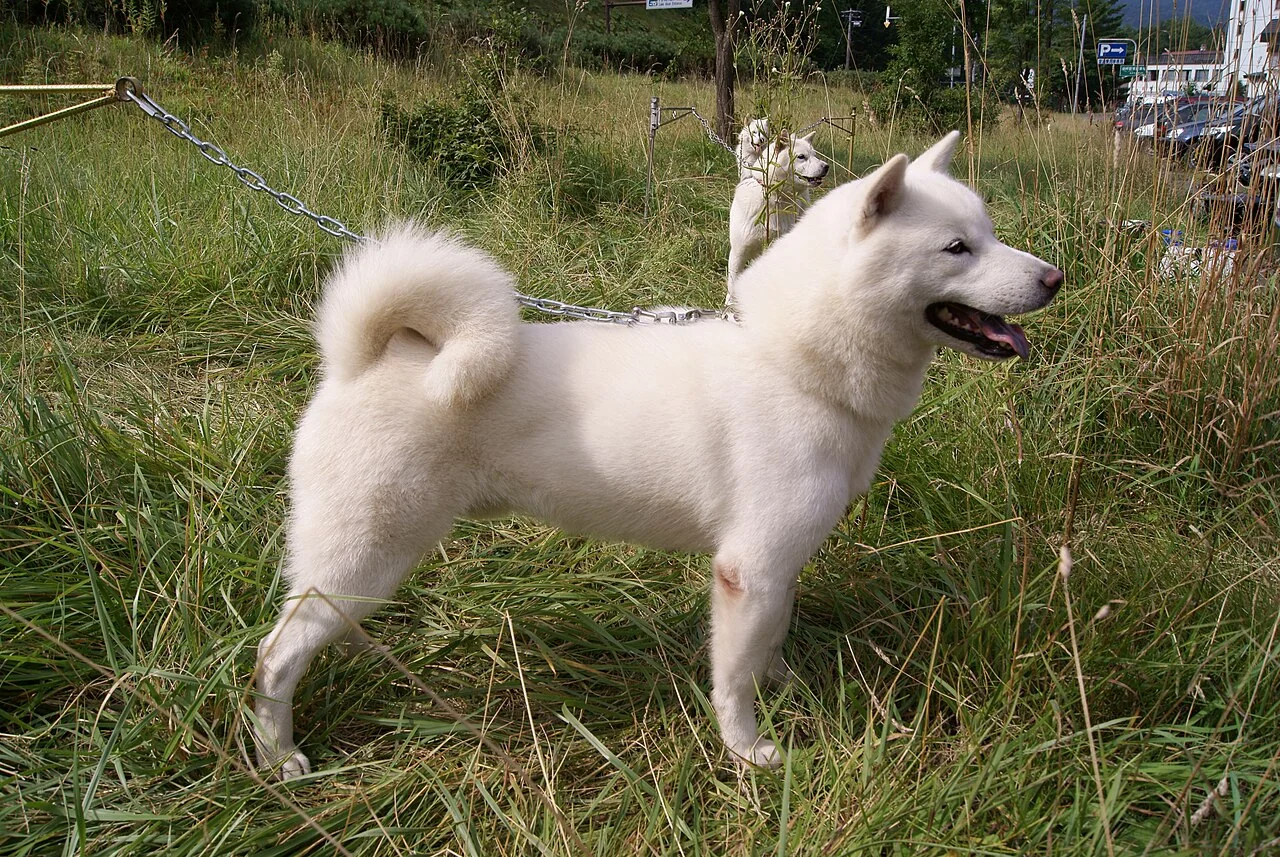
Ainu Dogs in Traditional Hunting and Fishing
Ethnographic accounts describe how these sturdy companions assisted Hokkaido's Indigenous people with practical tasks along rivers and in the forest.
All the News That's Fit to Bark!
Large mastiff-type dogs have served as protectors on remote South African farms for generations, though many popular stories about their exact origins remain unverified tradition.
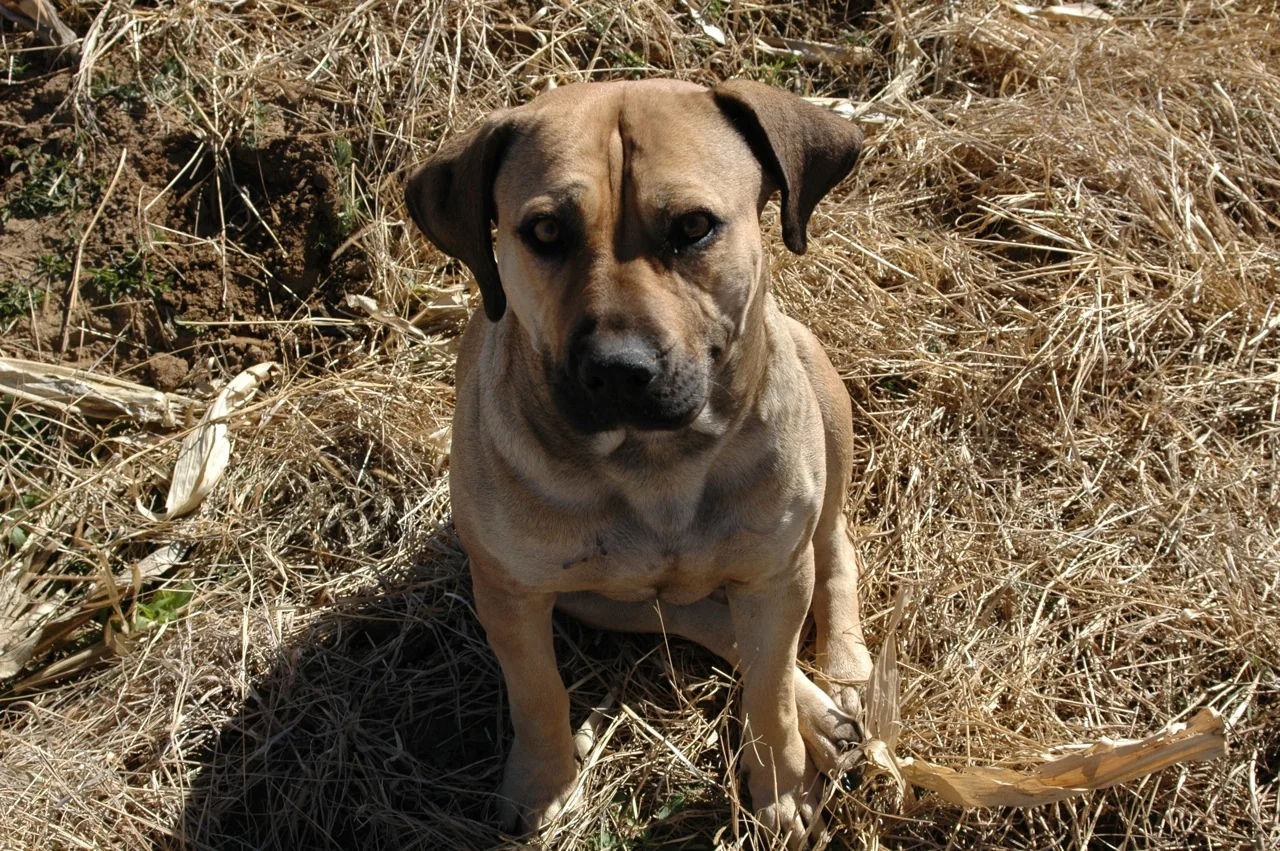
Useless, a Boerboel farm dog on Hannie's farm in South Africa (2006 documentary photograph) Abri le Roux from Potchefstroom, South Africa · CC BY 2.0 · Web size optimized; source linked for the original.
Large, powerful dogs have long been part of South African farm life, standing watch over homes, families, and livestock in remote areas. While some accounts link these animals to the earliest European settlers at the Cape, the documented history of the modern Boerboel breed is more recent. Evidence shows these dogs descend from colonial crosses of mastiffs and bulldogs used for guarding and hunting. Yet claims tying them specifically to heritage wine estates or the protection of archival winemaking records lack support in available sources. This article explores what the evidence does confirm about these dogs' roles, their development, and the uncertainties that persist. Readers might ask: How do working dogs fit into South Africa's changing rural landscape today, and what does their story reveal about blending folklore with verifiable history?
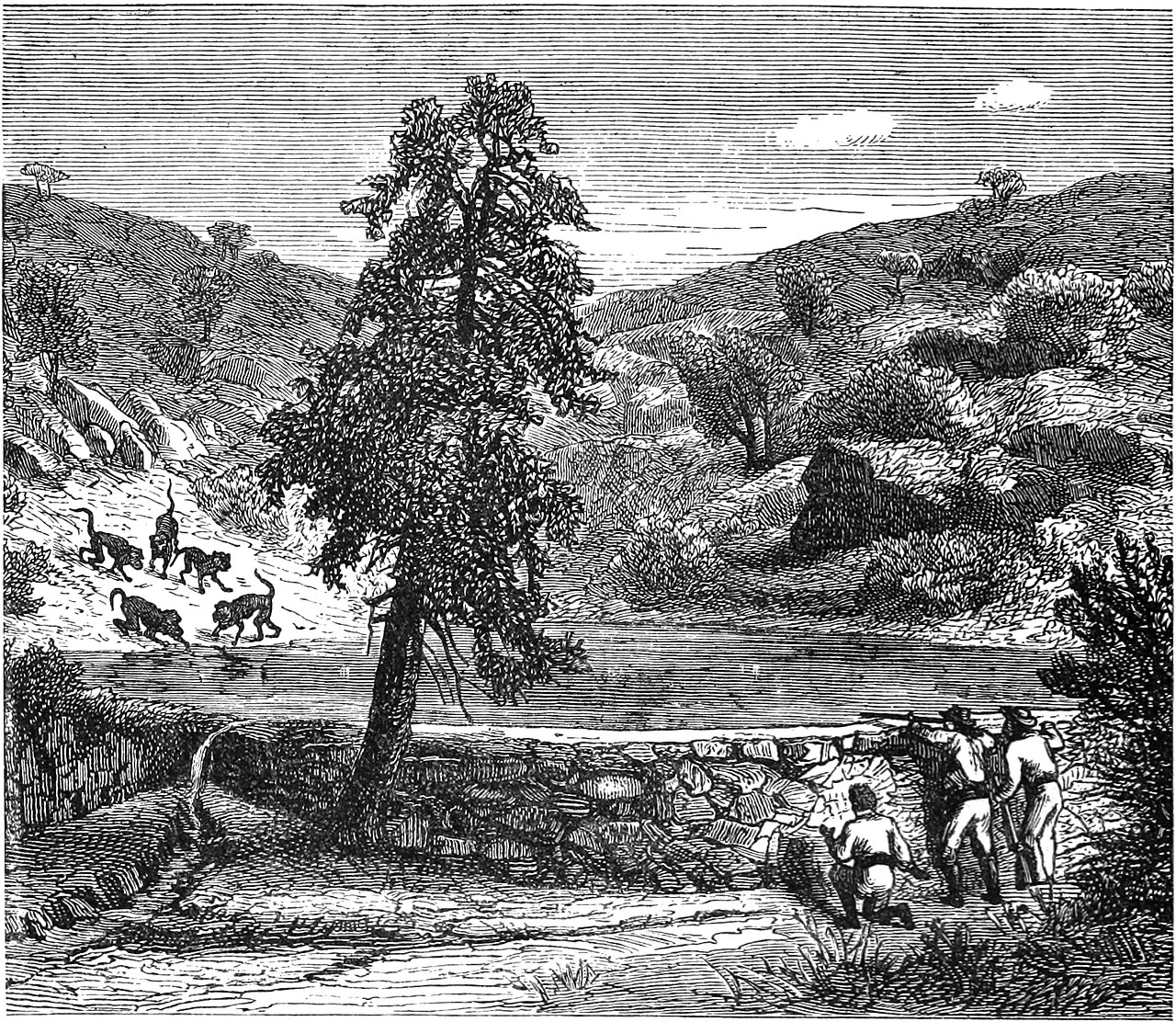
Large mastiff-type dogs known as bull-biters arrived at the Cape with European settlers in the decades following 1652. These animals were valued for their strength and protective instincts on isolated farms and estates. Historical accounts describe them as effective guardians against both human intruders and predators. One primary source from 1909 in the Agricultural Journal of the Cape of Good Hope highlights a mastiff-bulldog cross used in packs for hunting leopards and baboons. This points to a versatile working role that combined defense of property with assistance in controlling wildlife threats.
The dogs' documented job centered on homestead and farm guardianship, safeguarding families, houses, and livestock. They were not specialized livestock guardians in the style of some European breeds but served as all-purpose protectors. This practical function made them well-suited to the challenges of remote South African farming life, where self-reliance was essential. Editorial analysis suggests these animals embodied the rugged independence associated with early colonial existence. One might wonder how such dogs adapted as farming practices evolved over centuries. The evidence underscores their utility without romanticizing unproven ancestral ties.

Breeding efforts for the Boerboel as a standardized type began in the 1950s, with the South African Boerboel Breeders Association formed in 1983. Prior to the 1970s, no formal stud books existed, and the breed recognized today was deliberately reconstructed in the early 1980s from a small number of surviving farm dogs. This process drew on remaining examples of the older colonial types scattered across rural areas. Sources emphasize that deeper roots in crosses from the 1600s onward are plausible but largely undocumented.
The absence of early records means many origin narratives rely on tradition rather than primary evidence. For instance, stories claiming a direct link to Jan van Riebeeck's 1652 arrival are labeled as folklore without supporting 17th-century sources. This reconstruction highlights a deliberate effort to preserve a cultural landrace. In South Africa, the Boerboel is officially regarded as an indigenous developed breed under the Animal Improvement Act of 1998. An interpretive question arises: Does formal recognition today help maintain working traditions, or does it shift focus toward show and companionship? The evidence invites caution against assuming unbroken lineages.
Many popular tales about these dogs blend fact with unverified elements. While colonial mastiff and bulldog crosses clearly contributed, specific applications to certain types of estates or records receive no mention in the sources reviewed. The 1909 account, for example, addresses hunting utility but does not reference wine production, Cape Dutch architecture, or fragile documents. This gap illustrates how local traditions can enrich cultural identity without aligning fully with traceable history.
Light fictional satire might imagine a Boerboel solemnly "guarding" a dusty wine ledger from mischievous baboons, complete with a tiny spectacles prop for the dog. Yet such scenarios must be labeled clearly as invented for illustration, carrying no claim of real events. Editorial analysis notes that distinguishing folklore from fact strengthens appreciation for these animals' genuine contributions. Readers could consider: In an era of digital archives, what value remains in physical farm guardians, and how might communities preserve both dogs and heritage without overstating connections? Uncertainties like these remind us that history often arrives in fragments.
Today the Boerboel holds status as a landrace under South African law, reflecting its importance in national agricultural heritage. This designation acknowledges its development within the country from imported and local influences. The breed's reputation as a formidable guardian persists among those who keep working dogs on farms. Sources confirm its role in protecting against predators and intruders remains relevant in rural settings.
However, the transition from purely functional farm dogs to a more formalized breed has introduced new considerations around welfare and responsible ownership. With reconstruction occurring relatively recently, ongoing breeding focuses on health and temperament alongside traditional traits. One useful implication is the need for balanced approaches that honor the dogs' working background while avoiding exaggeration of their history. What responsibilities do modern owners have in maintaining the practical skills that once defined these animals? The evidence supports viewing them as capable protectors shaped by South Africa's demanding environments.
The story of these South African guardian dogs intersects with broader themes of rural security and cultural continuity. Their presence on farms has historically provided a living layer of protection that complements other measures. As agricultural practices modernize, questions emerge about integrating traditional working dogs into sustainable systems. Editorial perspective suggests that celebrating verified roles can foster better animal welfare by focusing on realistic needs rather than mythic status.
For those interested in South African history, the dogs offer a lens into colonial adaptation and post-colonial identity. Yet the lack of evidence for specialized duties like safeguarding winemaking archives means such links should not be asserted. A reading question for reflection: How can communities draw on folklore for inspiration while grounding conservation efforts in documented realities? This balanced view encourages thoughtful engagement with both the dogs' proven strengths and the limits of available records. Ultimately, these animals represent resilience in challenging landscapes, a trait worth preserving through ethical breeding and care.

AI-assisted original writing. This feature was revised against source material and checked for unsupported claims. Follow the references below for evidence and its limits.
PhotographEthnographic accounts describe how these sturdy companions assisted Hokkaido's Indigenous people with practical tasks along rivers and in the forest.
 Photograph
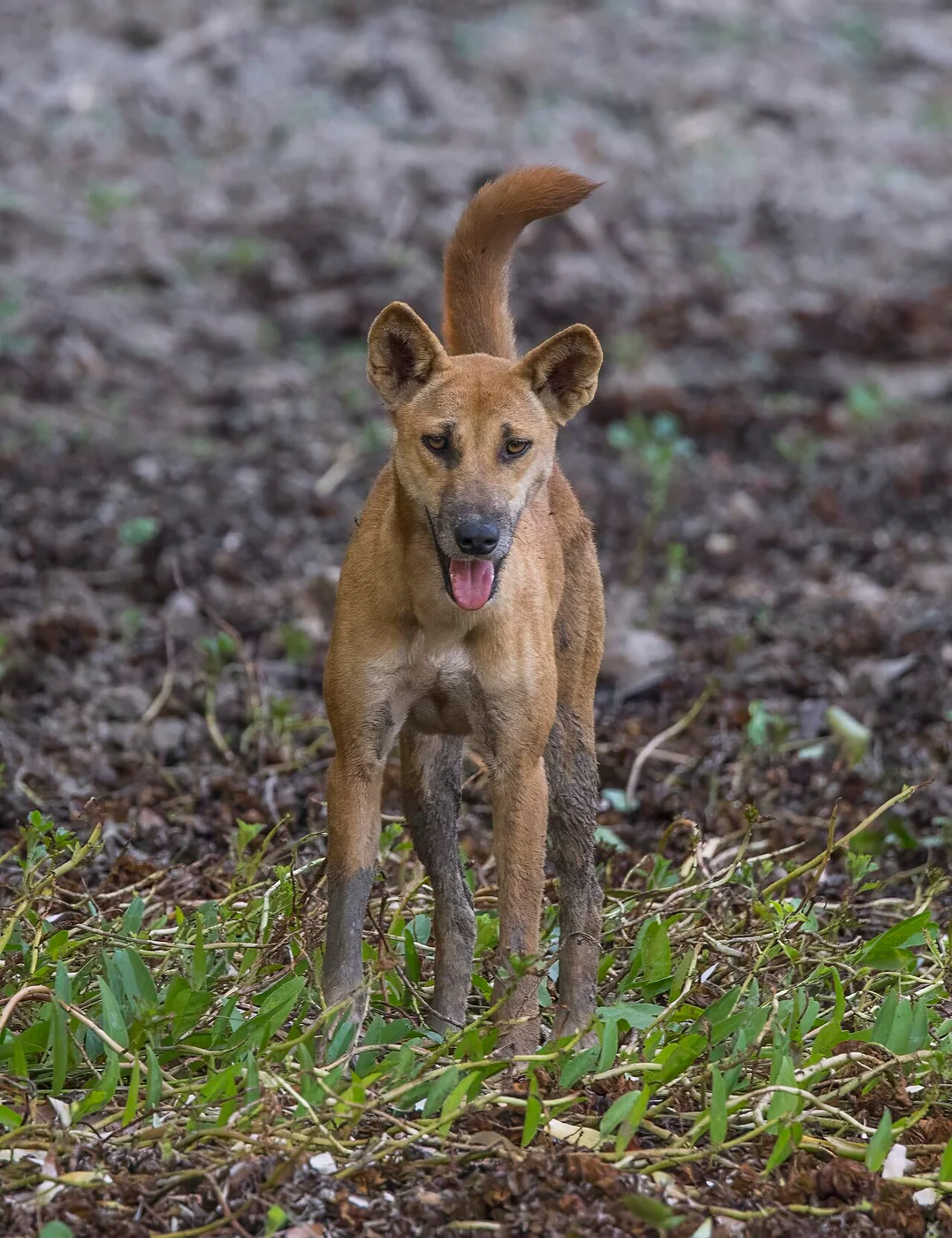
Charles J. Sharp · CC BY-SA 4.0
What we know from museum records about the arrival and ecology of dingoes, with clear limits on what the sources can tell us.
 Photograph
Working dogs demonstrate their skills in public events that highlight ongoing traditions of livestock herding in Catalonia.