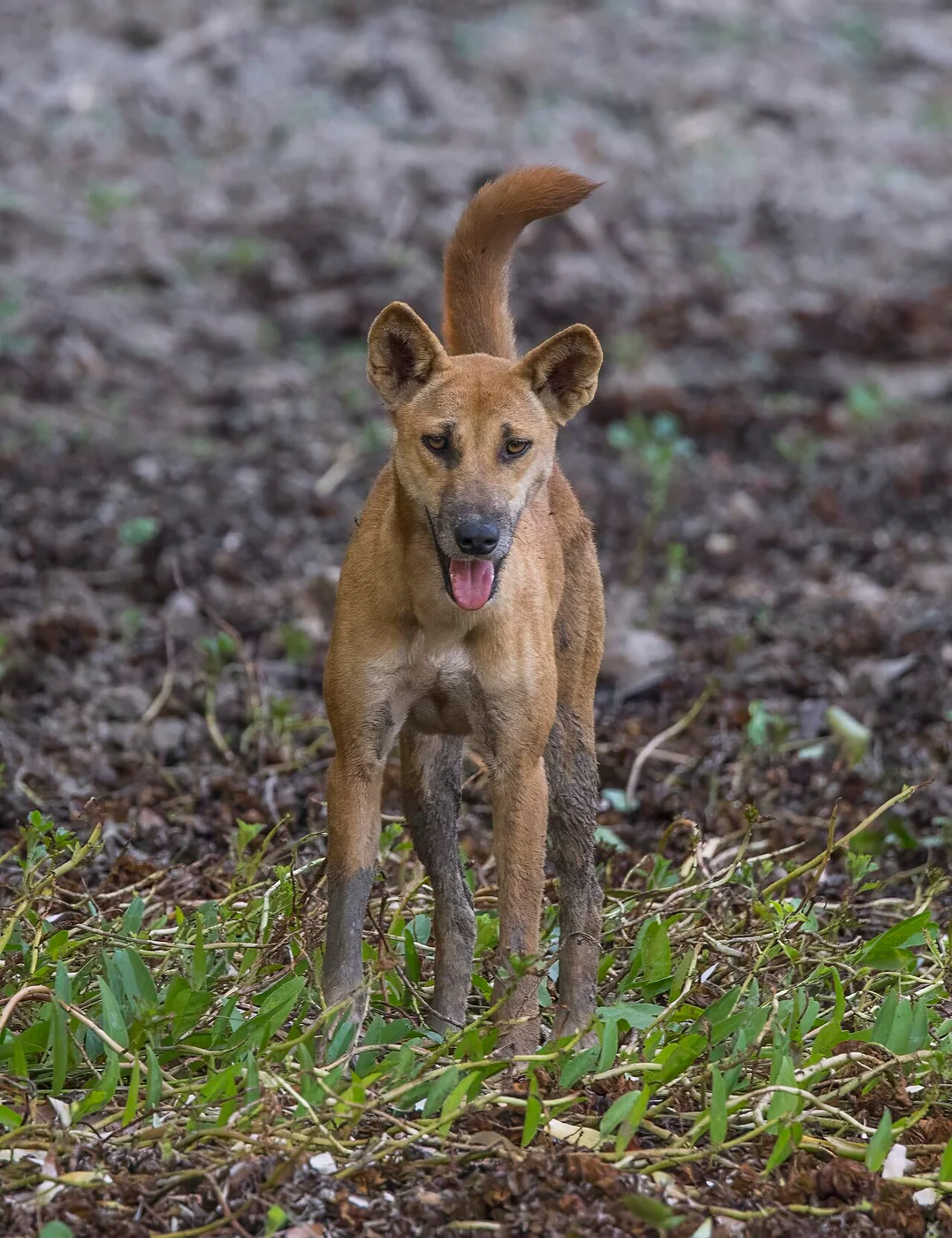
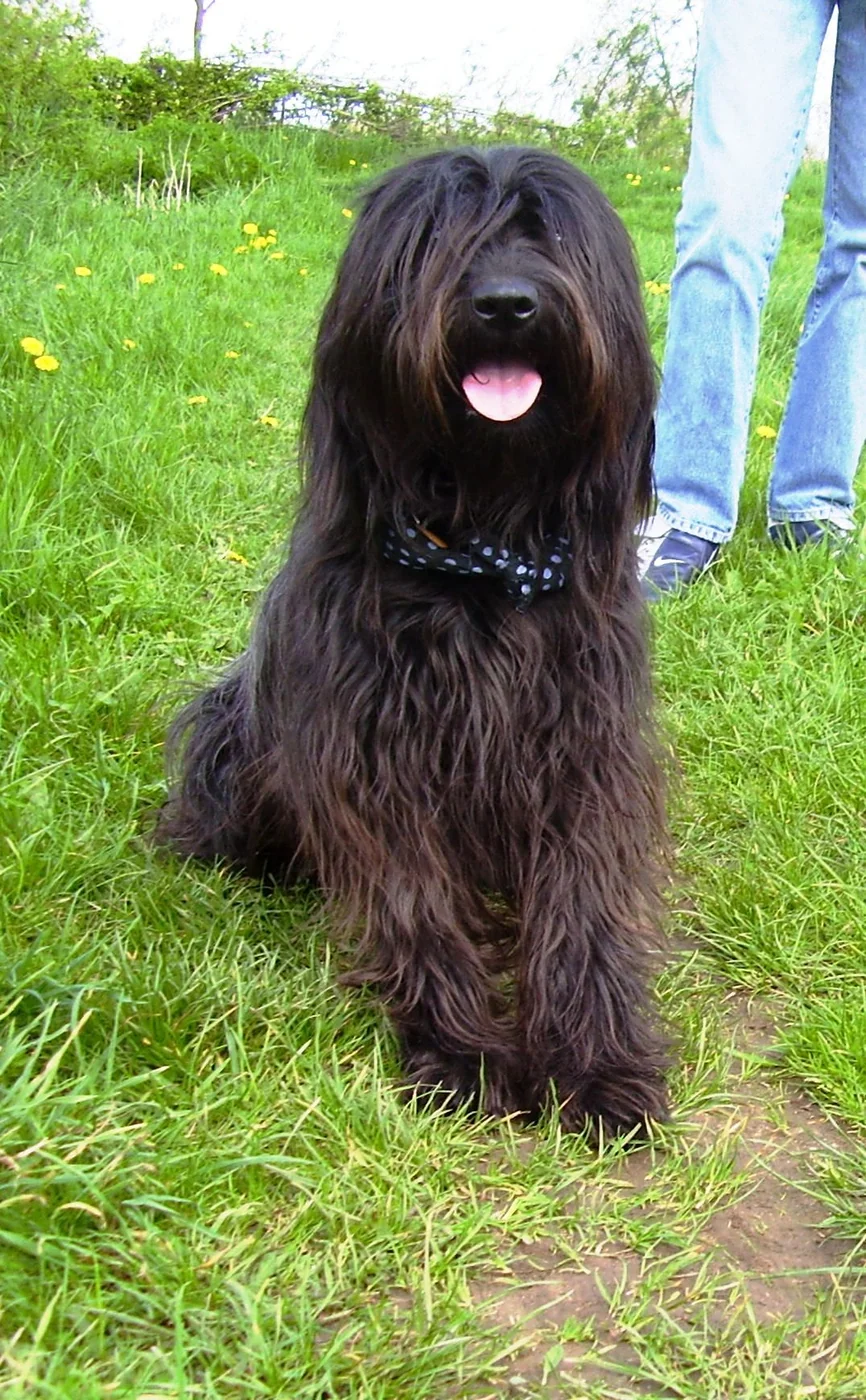
Modern photograph of a Hokkaido Inu, the breed historically associated with the Ainu people. Midori · CC BY 3.0 · Web size optimized; source linked for the original.
Historical travel writing and ethnographic summaries record that Ainu communities in northern Japan and nearby regions kept dogs that helped with hunting and, in some places, fishing. While popular narratives sometimes link these animals to sacred bear ceremonies known as iyomante, the available evidence does not support that connection. Instead, dogs appear in accounts as working partners that drove fish or tracked game. This article draws directly from the cited sources to examine what is documented, what remains uncertain, and what thoughtful questions arise for readers interested in Ainu culture and animal roles in traditional life. Light-hearted observations about canine enthusiasm appear only as gentle editorial asides, never as reported fact.
Documented Use of Dogs in Salmon Fishing
One firsthand travel account describes Ainu men employing packs of dogs to drive salmon and trout toward shore. According to the observer, the dogs swam in a coordinated formation in shallow water, herding the fish so that they could be seized and delivered to handlers. Those dogs that successfully caught fish received the heads as their share; any that caught nothing went without. The writer noted that around thirty dogs took part in one such expedition. This method was presented as distinctive to the Ainu. The same account, however, locates the primary observations on Sakhalin rather than Hokkaido, even though the book title references the broader region.
This description offers a vivid picture of practical cooperation between people and dogs. It highlights how the animals' swimming ability and pack instinct could be channeled into food gathering. From an editorial perspective, the scene invites reflection on the balance of effort and reward: dogs that contributed ate, while those that did not received nothing. One might gently smile at the image of eager canines paddling with purpose, yet the underlying welfare point remains serious. The method depended on the dogs' physical condition and training; any romanticized view of constant success would overlook the reality that some animals simply went hungry on a given day.
Ethnographic summaries state that Hokkaido Ainu used trained dogs for hunting. These animals sometimes assisted men who pursued bear and deer with bow and arrow. The cooperation appears to have involved tracking or flushing game, allowing hunters to approach within range. No specific numbers of dogs or detailed techniques are supplied in the reviewed sources, only the general statement that dogs played a role in hunting.
A popular article focused on the breed historically known as the Ainu dog or Hokkaido-inu echoes this point. It describes the dogs as vital hunting companions for targeting brown bears and sika deer. Again, the text does not cite primary sources, and it makes no reference to fishing or ceremonies. Taken together, the sources paint a consistent but limited picture: dogs were working partners in the pursuit of large animals. Editorial analysis might note that such partnerships required mutual trust developed over time. A useful reading question follows: how did Ainu handlers select and train puppies for these demanding roles, and what happened to dogs that proved unsuited to the work? The evidence leaves that unanswered.
The Iyomante Bear Ceremony and Absence of Dogs
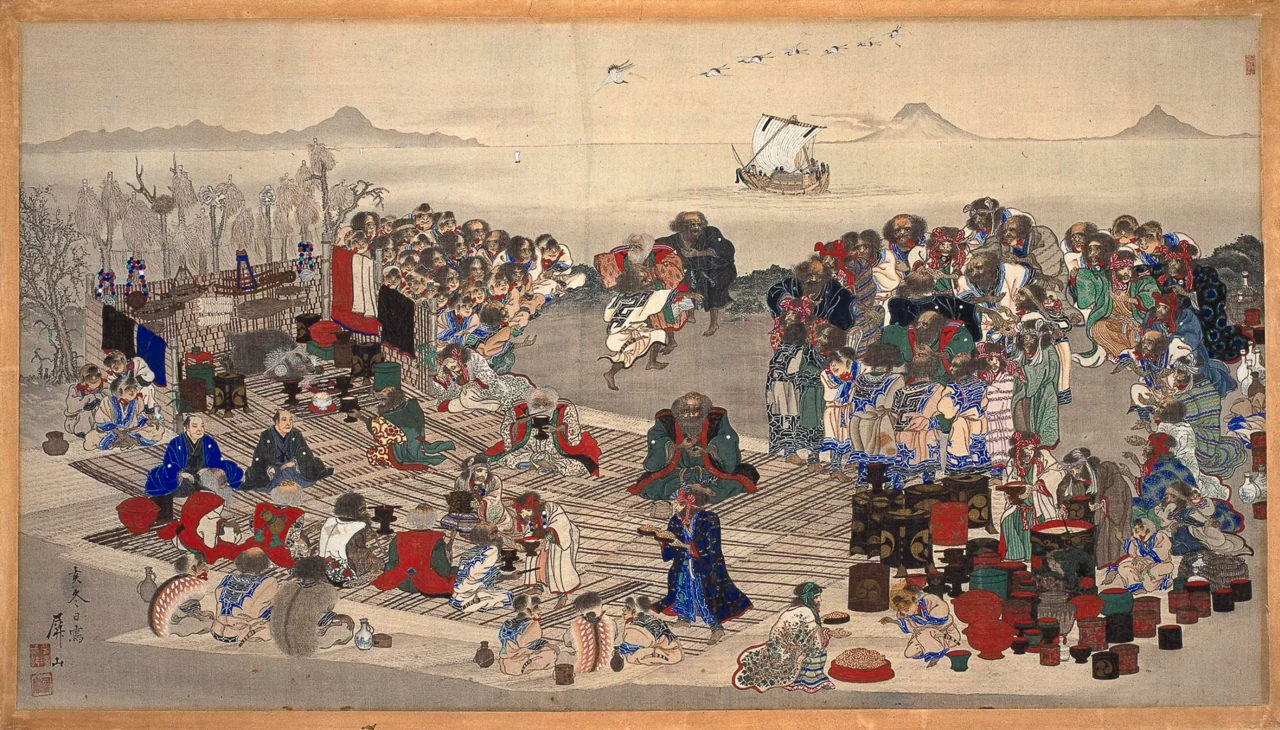
The iyomante, or bear-sending ceremony, stands as the most important religious event in traditional Ainu practice. It centered on a bear cub that had been raised by the community, treated with reverence as a visiting deity, and ultimately sent back to the spirit world through ritual prayers, blunt arrows, and strangulation. Museum collections and ethnographic reviews describe the ceremony in detail, yet none of the cited source material mention dogs participating in or assisting with the rites.
Some accounts note that Ainu held separate sending ceremonies for other animals, including dogs in certain cases. This distinction matters. Dogs could themselves be subjects of a sending ritual, but they are not described as helpers in the bear ceremony. Editorial caution is necessary here: popular imagination sometimes blends working dogs into sacred scenes for dramatic effect, yet the sources do not support that blend. A thoughtful implication arises for contemporary readers. When we encounter modern retellings that place dogs at the center of iyomante, we should ask what evidence backs the claim. Without it, such additions risk romanticizing or distorting cultural practice. A light fictional satire might imagine an overly enthusiastic modern festival planner adding a pack of dogs to the ceremony for Instagram appeal, but that scenario must be labeled clearly as invented commentary, not historical reporting.
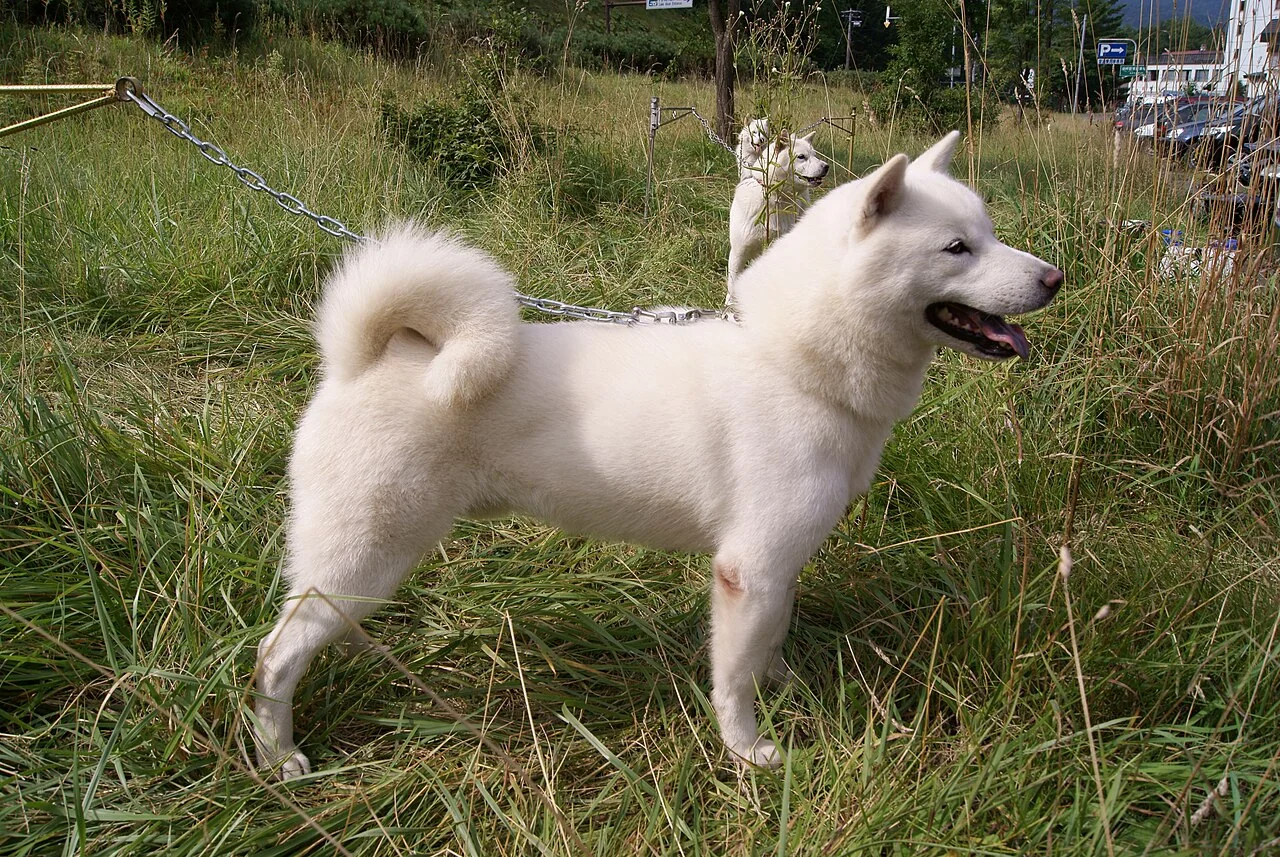
The sturdy northern breed is today commonly called the Hokkaido dog or Hokkaido-inu. Earlier references often used the name Ainu dog. Sources agree that these animals lived and worked alongside Ainu communities, valued for their strength in cold climates and their utility in the hunt. One article emphasizes their role in the icy north without linking them to fishing techniques or sacred rituals.
This naming history reflects changing perspectives on Indigenous cultures and canine heritage. The shift from "Ainu dog" to "Hokkaido-inu" mirrors broader efforts to recognize regional identity. From an editorial viewpoint, precise language helps avoid unsupported generalizations. Readers might usefully ask how breed standards evolved after the traditional working context changed. The evidence supplies no numbers or timelines, only the acknowledgment that these dogs once aided in practical subsistence tasks. Any claim of ancient sacred partnership with bears remains outside what the sources can verify.
Implications for Understanding Ainu Life and Modern Reflection
The reviewed materials illustrate both the value of dogs in daily survival and the boundaries of what current evidence can confirm. Fishing and hunting accounts show practical interdependence, while religious descriptions keep dogs separate from the central bear ceremony. This separation encourages respect for the distinct spiritual elements of Ainu tradition rather than merging them for narrative convenience.
For contemporary audiences, these accounts raise questions about cultural preservation and animal welfare. How are working roles remembered in Ainu communities today? What responsibilities do we carry when sharing historical observations? A gentle editorial note: while it is tempting to picture heroic dogs in every ritual, fidelity to the sources keeps the picture more grounded and ultimately more interesting. An invented satirical scenario could feature a time-traveling dog that insists on attending iyomante wearing a tiny ceremonial scarf; such a tale is offered only as fictional humor, never as fact. The real legacy lies in the documented partnership that helped secure food and in the careful rituals that honored the natural world. Readers are encouraged to consult the original sources listed below and to approach popular retellings with a critical eye.
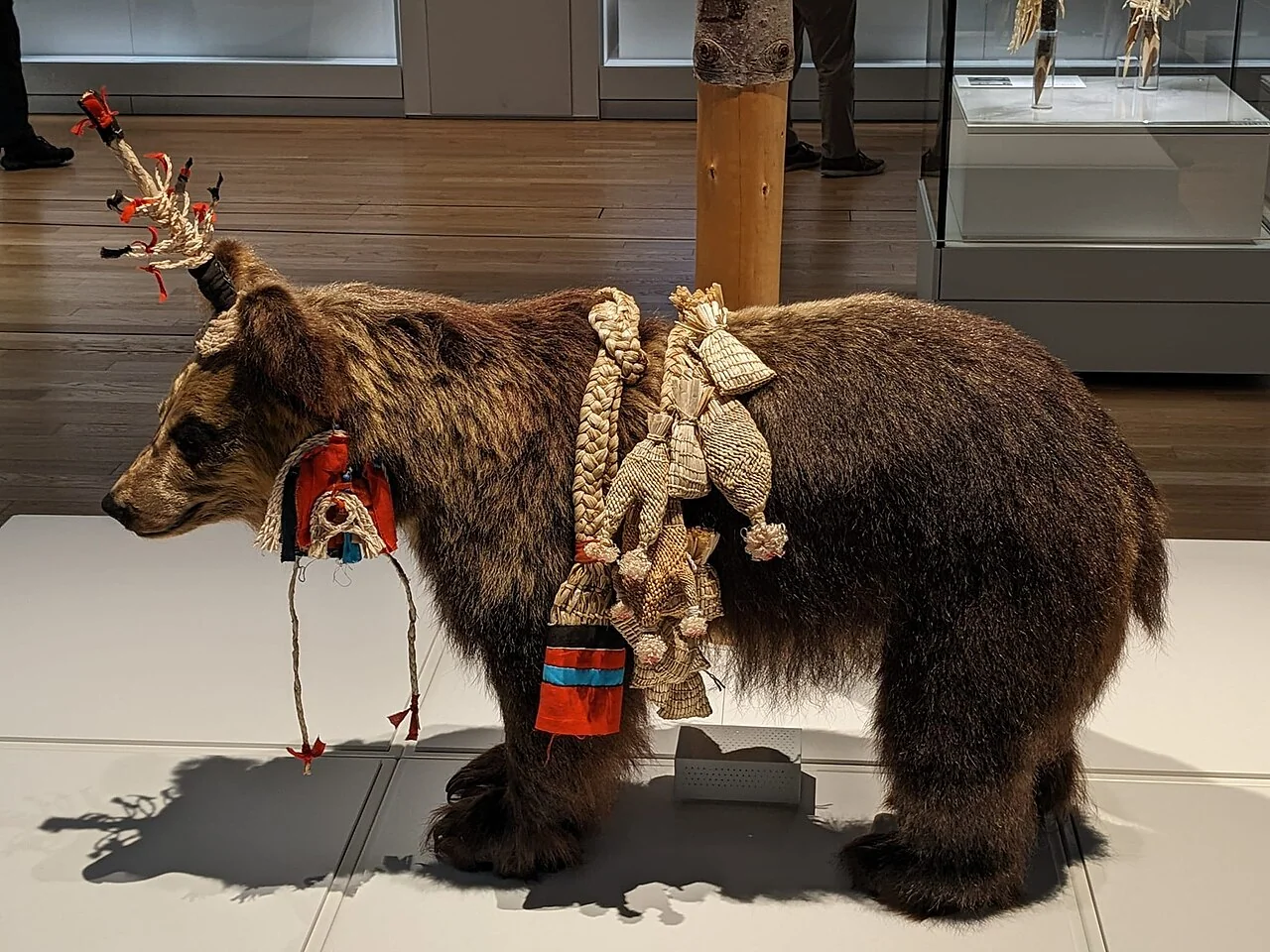
Sakhalin Ainu bear decoration. Taken in 2023 at Upopoi. タクナワン · CC BY-SA 4.0. Web size optimized; original linked.
AI-assisted original writing. This feature was revised against source material and checked for unsupported claims. Follow the references below for evidence and its limits.
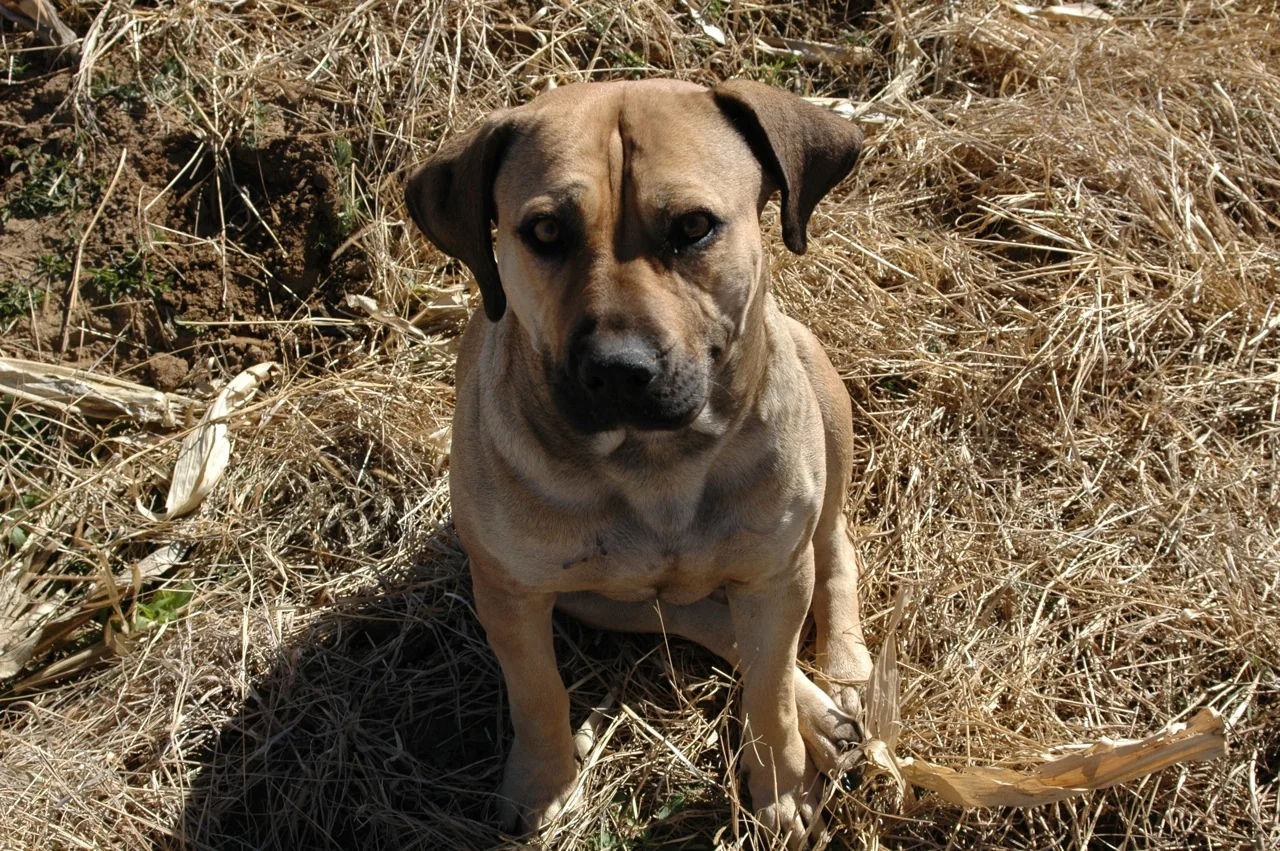
Large mastiff-type dogs have served as protectors on remote South African farms for generations, though many popular stories about their exact origins remain unverified tradition.
 Photograph