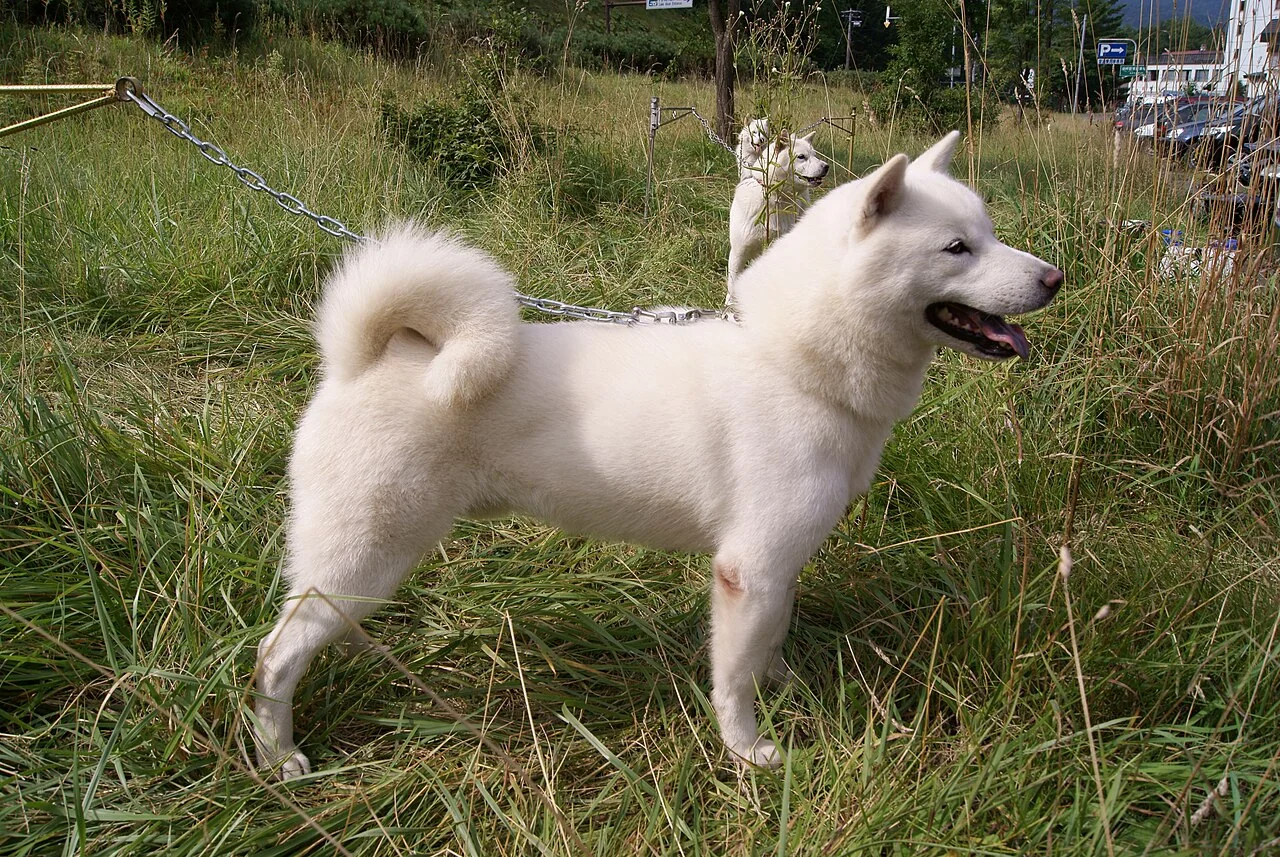
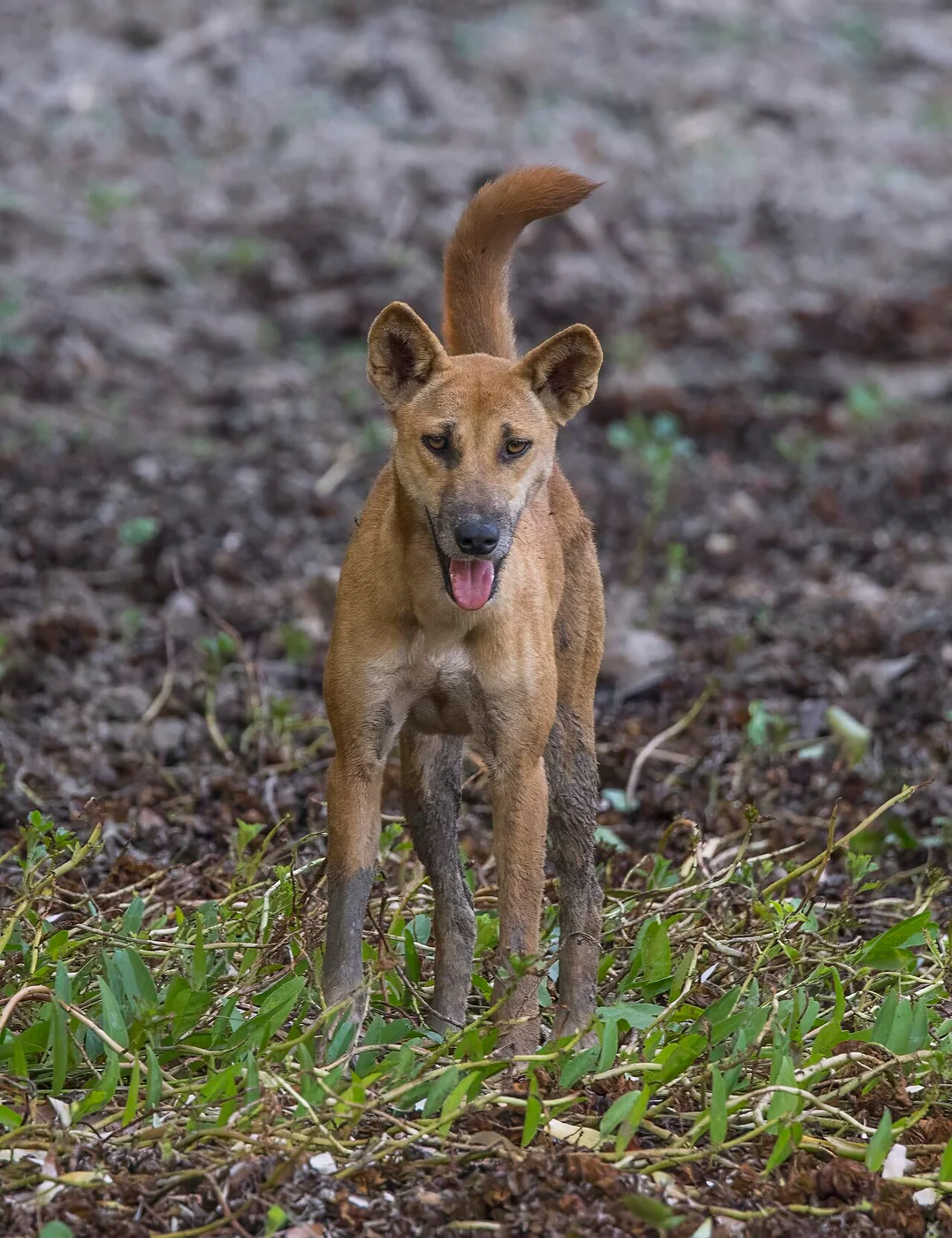
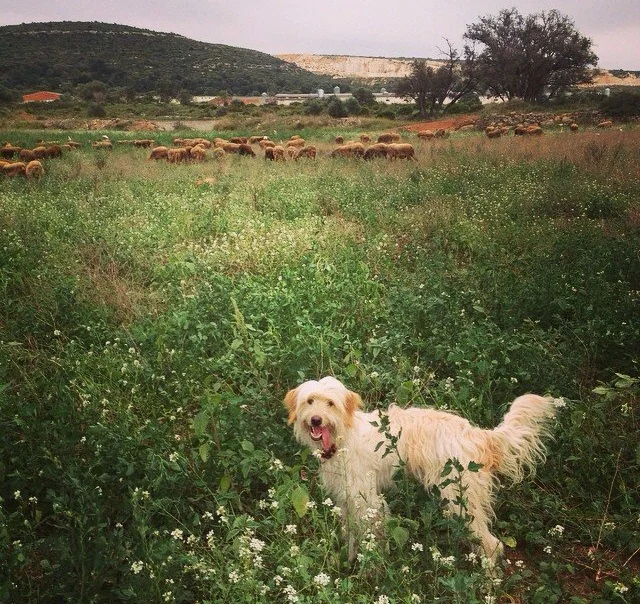
Catalan Sheepdog (Gos d'Atura Català). Donnamosa · CC BY-SA 3.0 · Web size optimized; source linked for the original.
In the Catalan Pyrenees, shepherd dogs continue to play a central role in herding practices. Competitions that grew out of daily work with flocks now serve as public spectacles, drawing attention to the skills of both dogs and shepherds. The Catalan Sheepdog, or gos d'atura català, is particularly associated with this rugged landscape and the demands of moving livestock. While some accounts describe these activities as having deep historical roots, the organized events themselves are products of the mid-20th century onward. This article examines the breed's place in transhumance, the evolution of public competitions, and what these displays mean for cultural preservation today. Evidence comes primarily from breed studies and tourism-focused reports on shepherding events, which together illustrate a living partnership between people, dogs, and the land.
The Catalan Sheepdog's Role in Transhumance
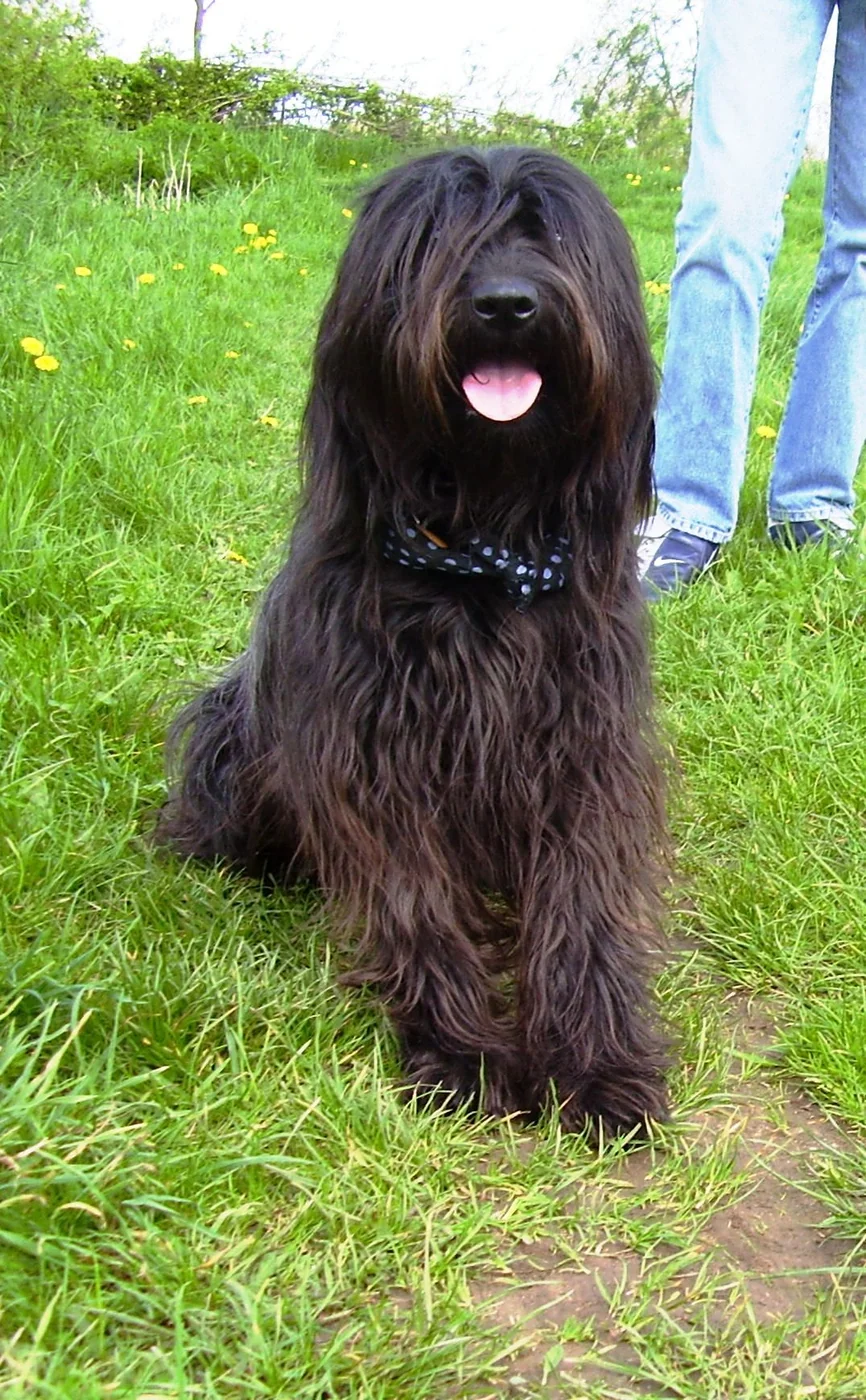
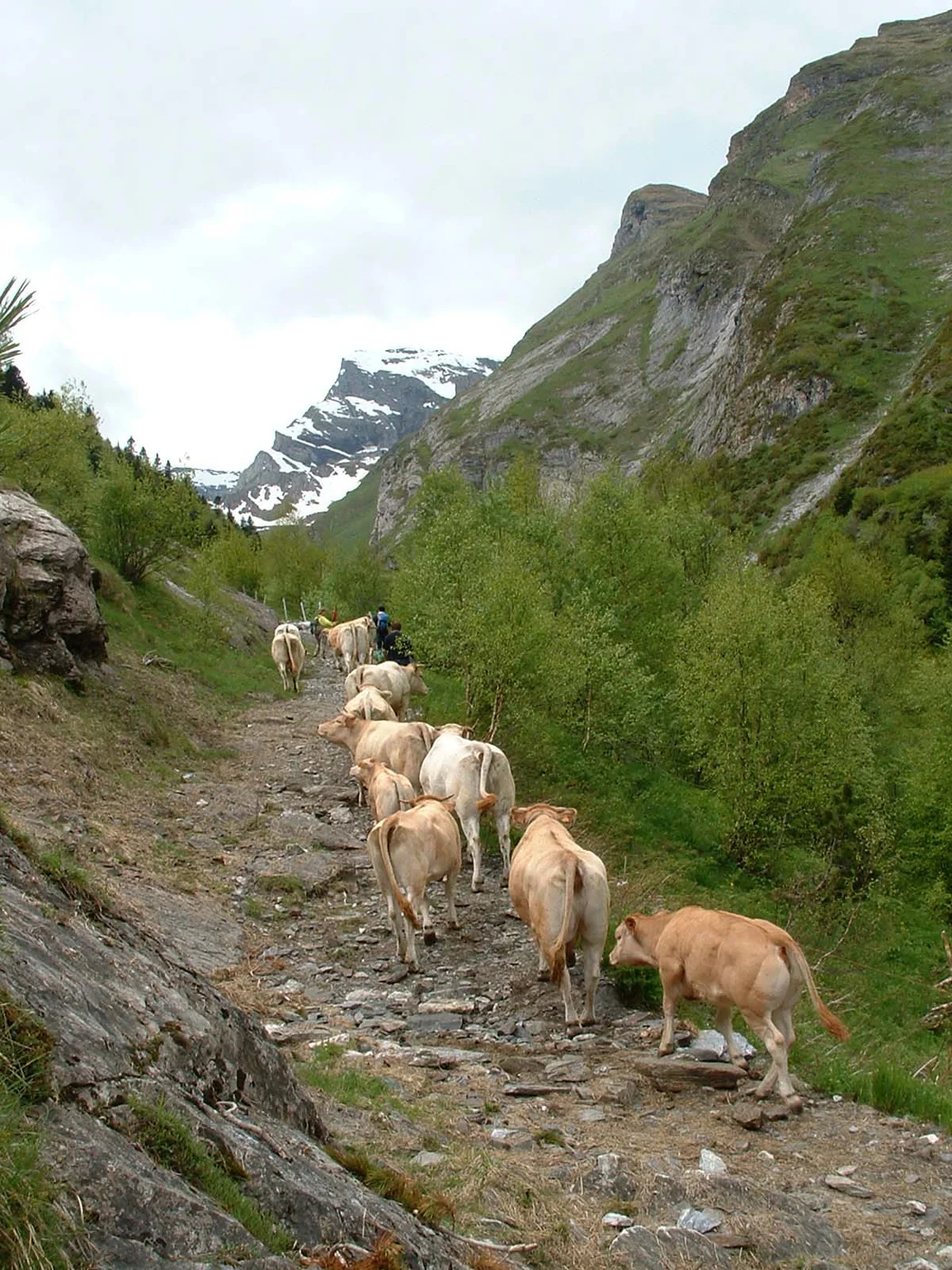
Transhumance in the Mediterranean region involves the seasonal movement of livestock between lowland areas and high mountain pastures in the Pyrenees. This practice allows shepherds to take advantage of grass growth at different elevations throughout the year. Within this system, shepherd dogs function as essential working tools. The Catalan Sheepdog has been raised among the flock, sometimes treated almost as one of the sheep, and selected in part for a white coat that helps it blend in at night. These traits support its effectiveness in protecting and guiding animals across varied terrain. A study published in a local research journal describes the breed in the context of these herding practices, noting its adaptation to the demands of extensive livestock farming.
The same research highlights that such dogs are indispensable companions for shepherds managing sheep and goats in the Pyrenean environment. While the precise historical timeline of the breed's development remains a matter of interpretation, the article presents its connection to transhumance as longstanding. However, specific claims about ancient festivals or processions are not detailed in the available sources. This leaves some uncertainty about exactly how far back particular celebratory elements extend. What is clearer is the dog's practical value in daily herding work, a foundation that later inspired public demonstrations.
Transhumance of livestock in the Pyrenees (Vallée de La Gela, Hautes-Pyrénées) Filou · CC BY-SA 3.0. Web size optimized; original linked.
Recognition and Early Studies of the Breed
The Catalan Sheepdog gained formal recognition at a national and international level in 1929. This milestone was based on specific dogs named Tac and Iris, from a breeder in the region. An official standard for the breed was established at that time, according to the 2002-2003 journal article by Xavier Gasol and Ferran Miralles. The study draws on earlier work, including a 1957 doctoral thesis by Joaquim Capdevila i Pons, which is cited as the first serious examination of the breed during a period when its numbers had declined.
That thesis and subsequent recovery efforts underscore a narrative of conservation for an indigenous Catalan breed. The journal piece presents this history in general terms, without providing exact population figures or pinpointing causes of decline beyond broad context. Readers might ask how such recognition influenced breeding practices going forward. The formal standard likely helped standardize desirable traits for working ability, even as the dog's role in transhumance remained rooted in practical herding rather than show criteria alone. This balance between utility and preservation appears central to the breed's story.
The Rise of Shepherd Dog Competitions
Public sheepdog competitions in Catalonia originated from the everyday tasks of shepherds but evolved into organized events that function as festivals. The first such competition in the Catalan Countries took place in Ribes de Freser in 1948. Since 1962, an international competition has been held annually in Castellar de n'Hug, in the Berguedà region of the Catalan Pyrenees. It occurs on the last Sunday of August at Prat del Castell. These details come from a tourism-oriented article that promotes the events as a way to experience rural heritage.
The Federació de Concursos de Gossos d'Atura dels Països Catalans organizes multiple gatherings across sites including Ribes de Freser, Castellar de n'Hug, Llavorsí, and other Pyrenean locations. Participants often wear traditional shepherd attire, adding a cultural dimension to the displays of flock movement. The events showcase the skills required for herding sheep and goats, turning practical work into spectacle. While the promotional piece refers to traditions spanning centuries, it ties specific competitions to the post-1940s era. This distinction is important: the underlying herding techniques may be older, but the festival format is a modern development that helps keep transhumance culture visible.
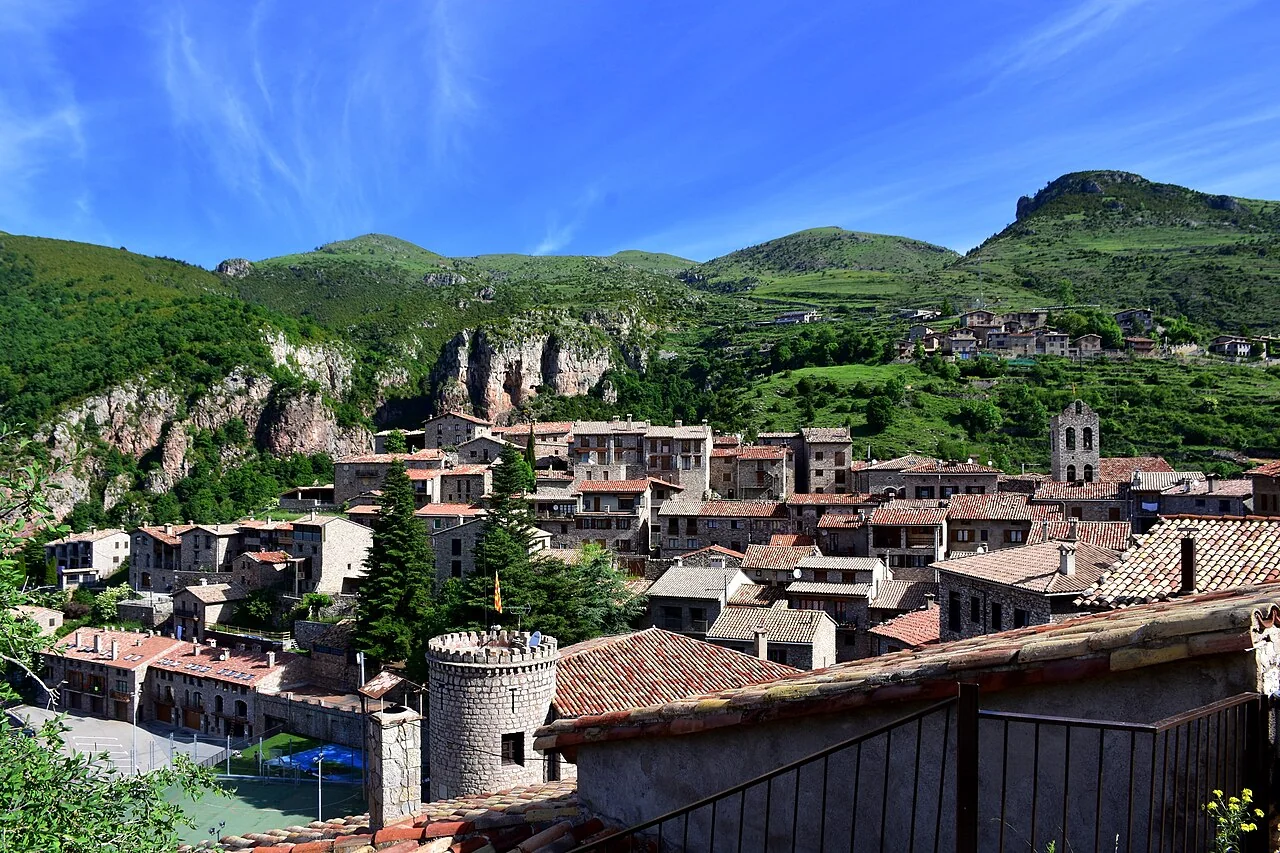
Castellar de n'Hug village in the Berguedà region of the Catalan Pyrenees Angela Llop · CC BY-SA 2.0. Web size optimized; original linked.
What the Competitions Reveal About Working Dogs
Watching these competitions offers a window into the intelligence and versatility of the Catalan Sheepdog. Dogs demonstrate control over flocks in front of audiences, replicating maneuvers that shepherds perform daily. The events emphasize partnership between human and dog, with success depending on subtle cues and the animal's independent judgment. A light-hearted observation is that the dogs often appear more composed than some of the spectators when things get chaotic. Yet this humor points to a serious reality: effective herding requires years of training and an innate understanding of livestock behavior.
The Pyrenean setting adds layers of challenge, from steep slopes to unpredictable weather. Competitions therefore highlight adaptations that make the breed well-suited to the region. Editorial analysis suggests these public shows serve a dual purpose. They entertain while educating viewers about rural livelihoods that might otherwise fade from view. One useful question for readers is whether such events truly support ongoing transhumance or mainly function as cultural tourism. The evidence leans toward the latter as a key motivation, with the federation explicitly aiming to preserve heritage through demonstration rather than solely through commercial herding.
Implications for Cultural Preservation and Future Questions
These shepherding competitions illustrate how working traditions can be adapted for new audiences without losing their core purpose. By framing daily skills as spectacle, organizers help sustain interest in transhumance and the animals that make it possible. The Catalan Sheepdog stands as a living symbol of this continuity, its white-coated form still moving through mountain pastures much as described in breed literature. However, the sources do not provide data on current population health or the economic viability of herding today, leaving room for uncertainty about long-term sustainability.
From an editorial perspective, the festivals invite reflection on what we value in rural landscapes. Do we attend for nostalgia, for the chance to see skilled animals at work, or to support communities facing modern pressures? The evidence supports viewing these events as bridges between past practices and present appreciation, even if precise historical claims require caution. Future observers might consider how climate shifts or land-use changes could affect transhumance routes. In the meantime, the sight of a Catalan Sheepdog guiding its flock offers a warm, grounded reminder of humanity's enduring partnership with working dogs. For those interested, attending one of the federation's events provides a direct experience of this heritage in action.
Gos d'atura català Edso · CC BY-SA 4.0. Web size optimized; original linked.
AI-assisted original writing. This feature was revised against source material and checked for unsupported claims. Follow the references below for evidence and its limits.
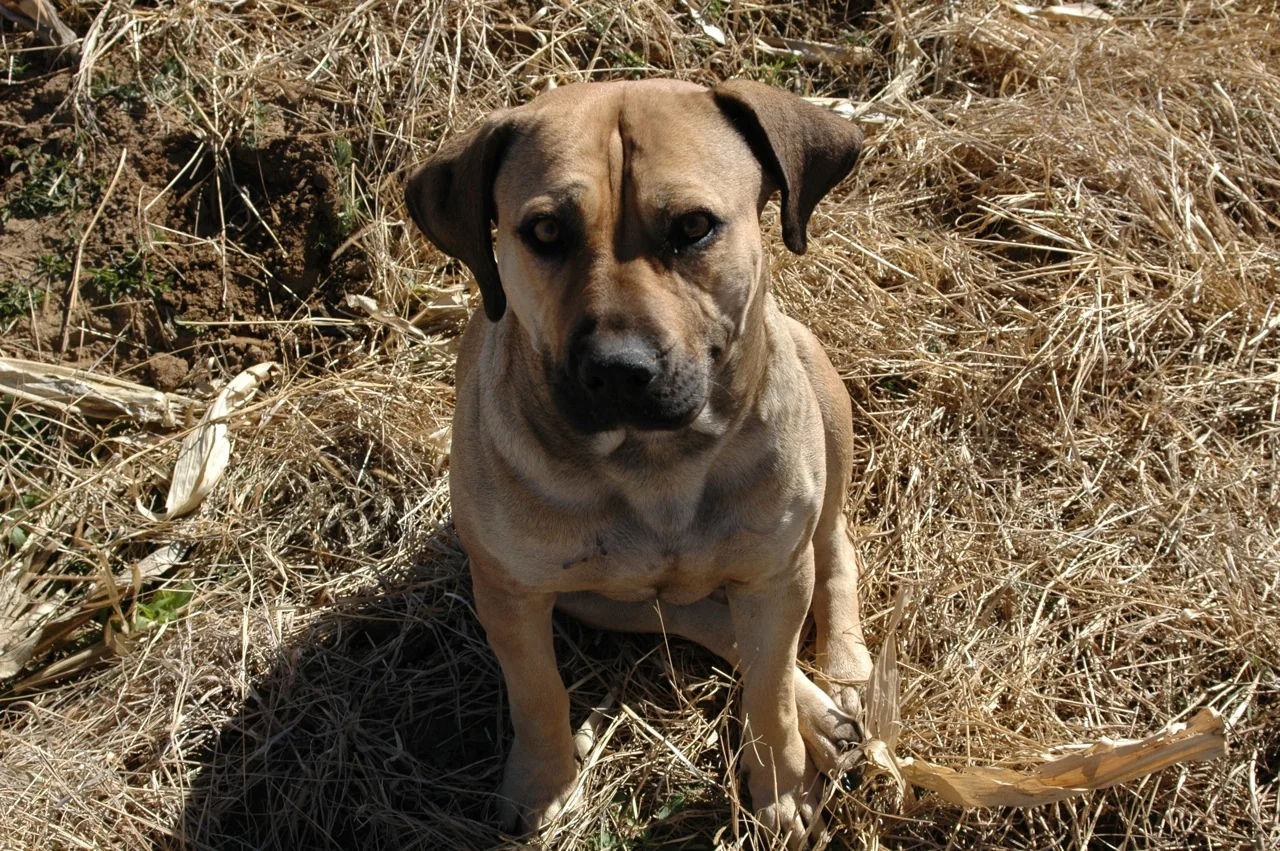
Large mastiff-type dogs have served as protectors on remote South African farms for generations, though many popular stories about their exact origins remain unverified tradition.
 Photograph