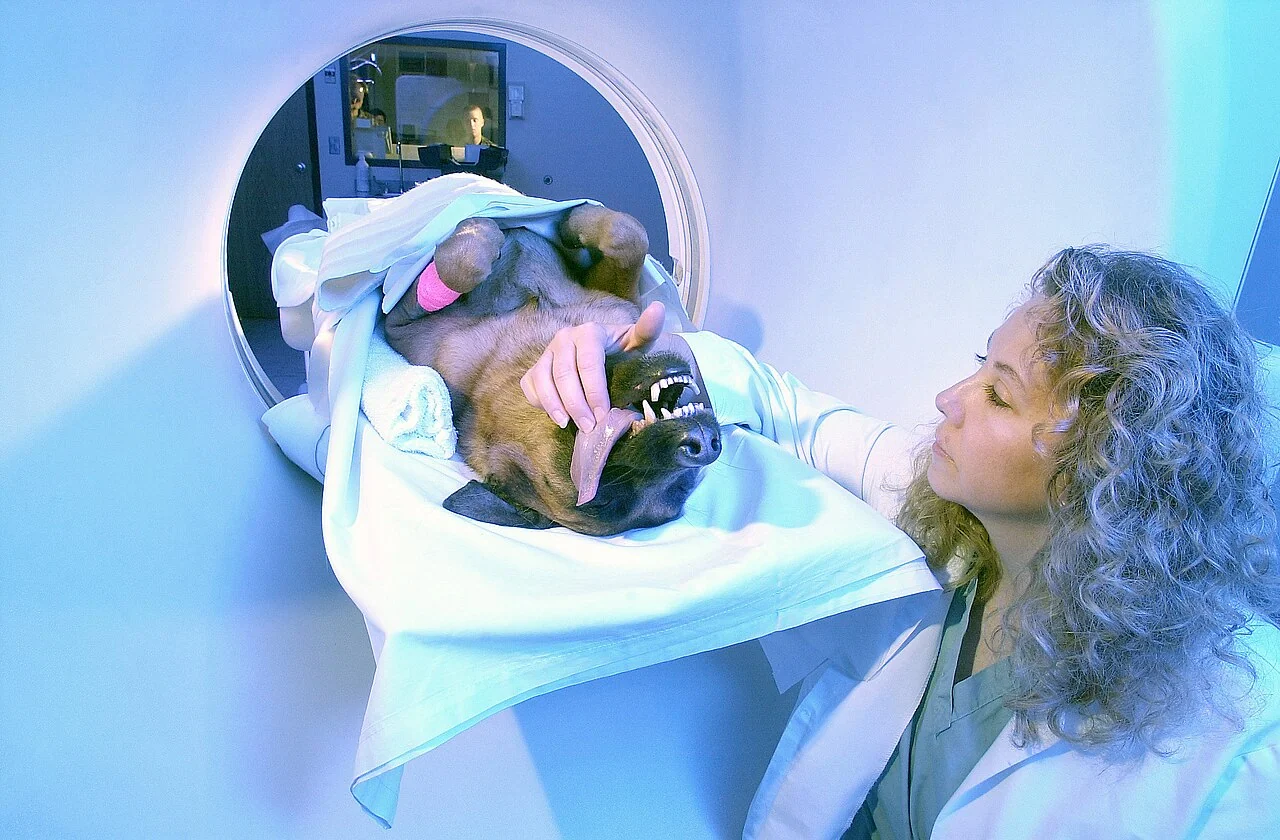
Studies using CT scans and MRI show that breeding for flatter faces in dogs has shifted the position of their olfactory bulbs, with possible effects on scent processing.
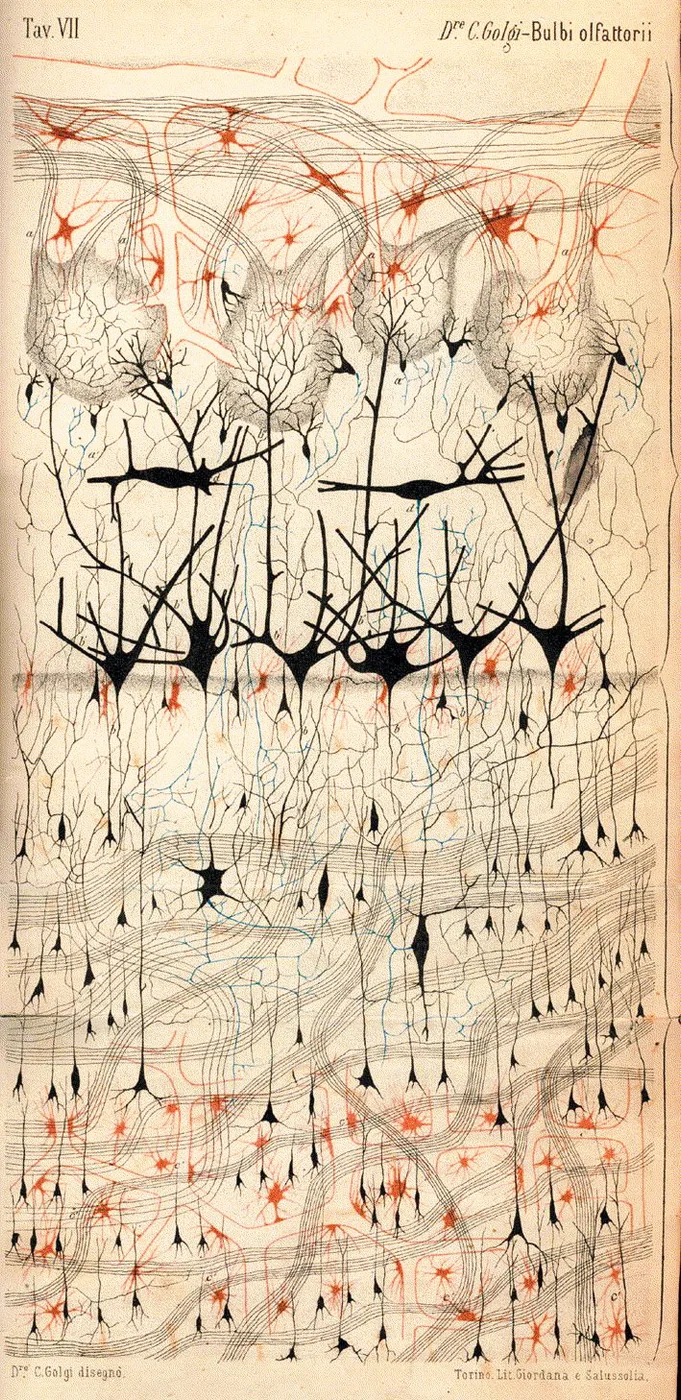
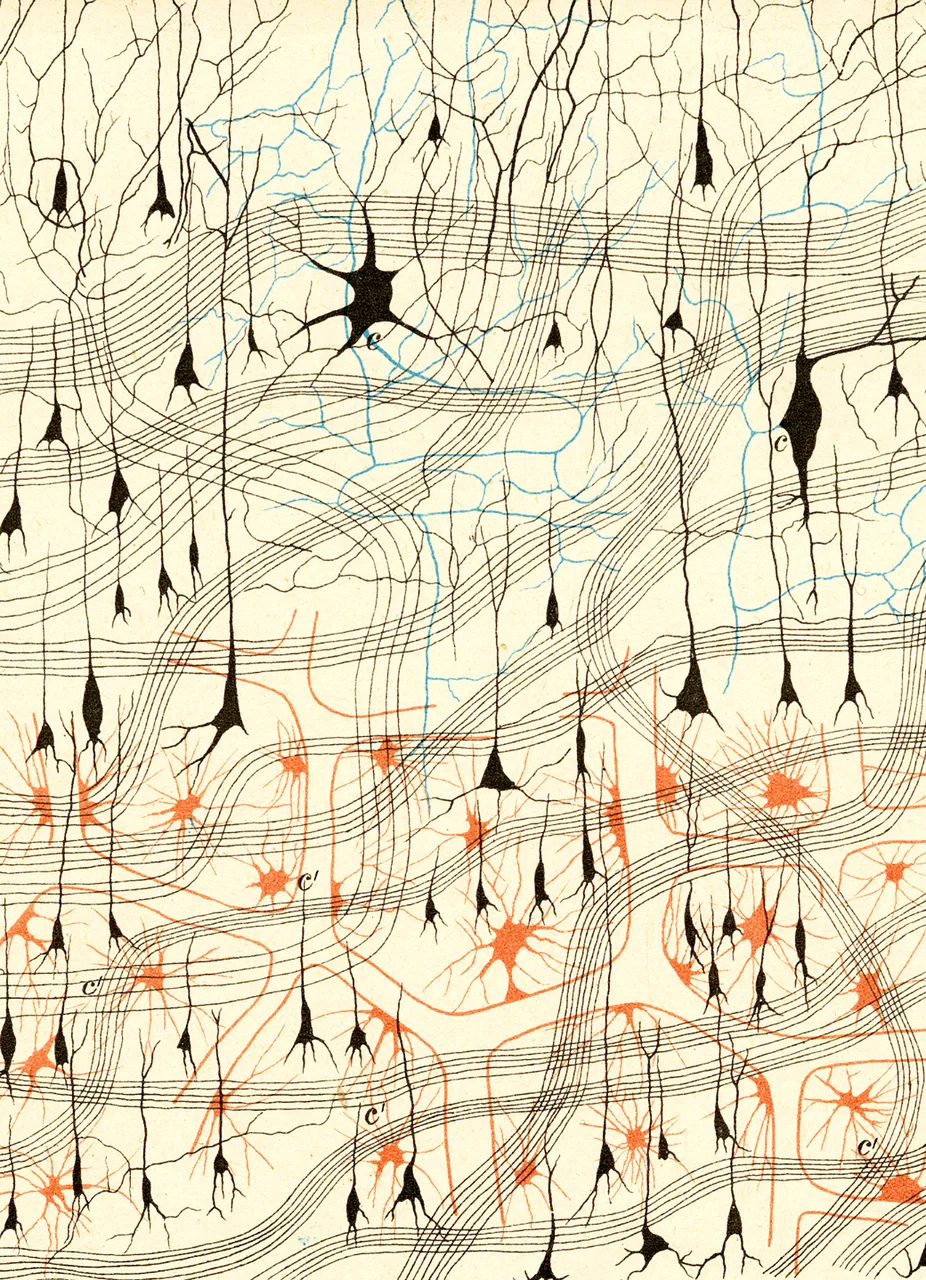
Camillo Golgi's 1885 anatomical drawing of a dog’s olfactory bulb Camillo Golgi · Public domain · Web size optimized; source linked for the original.
For centuries people have chosen dogs for particular looks, from long elegant muzzles to flat friendly faces. Those choices have quietly reshaped more than appearance. Two scientific studies using medical imaging found that dogs with shorter skulls, known as brachycephalic breeds, tend to have olfactory bulbs that sit at different angles and in different positions compared with dogs that have longer noses. The research does not prove that these dogs have worse or better senses of smell, but it does show measurable changes inside the skull that follow the shape of the face. The findings offer a window into how selective breeding can influence anatomy in ways that affect daily life for both dogs and the people who live with them. While the work is careful and limited, it raises gentle questions about what we ask of our canine companions.
Measuring Skull Shape and Brain Position
Researchers examined the inside of dogs’ skulls using endocasts, which are digital models created from CT scans. They placed 31 consistent landmarks on these endocasts and looked for patterns across different head shapes. The key measure was cephalic index, essentially how wide a dog’s head is compared with its length. Dogs with higher indices, those with shorter and broader faces, showed consistent differences in the shape of the brain cast.
The majority of the shape differences appeared in areas connected with the sense of smell. In dogs with shorter muzzles the olfactory bulbs and the stalks that connect them to the rest of the brain were displaced. Even when the scientists removed the landmarks directly tied to smell, the remaining brain shape still varied with skull proportions. This suggests the effect of breeding for a short face reaches beyond just the nose and affects how the brain sits inside the cranium. The study included purebred dogs from four different breeds plus mixed-breed animals, giving a reasonable range of shapes to compare.
Camillo Golgi's 1885 anatomical drawing of a dog’s olfactory bulb Camillo Golgi · Public domain. Web size optimized; original linked.
Olfactory Bulbs in Brachycephalic Dogs
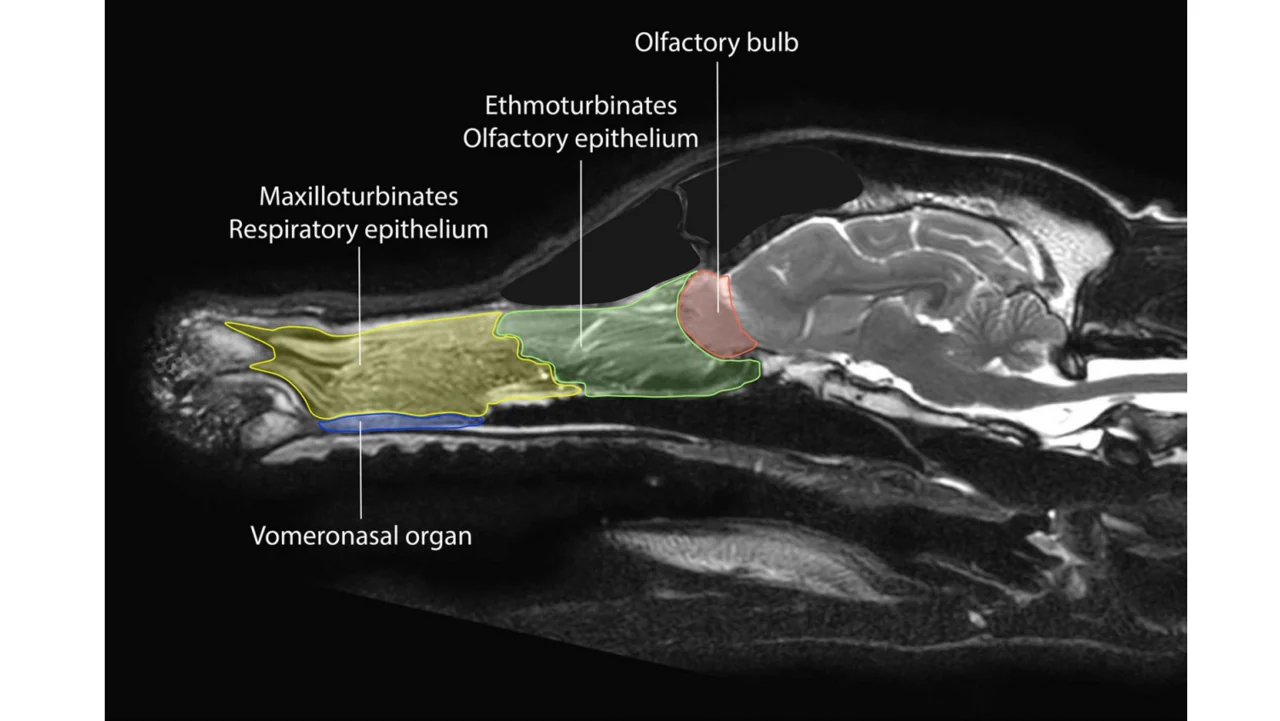
A second team used magnetic resonance imaging on living dogs to measure the precise angle and orientation of the olfactory bulbs. They found a clear statistical link: the more brachycephalic the dog, the smaller the angle of the olfactory bulb relative to a standard reference line. In the flattest-faced dogs these bulbs also pointed more toward the base of the skull rather than forward.
The researchers noted that the position of the bulbs, the bony cribriform plate, and the delicate ethmoid turbinates all seem to move together as the skull shortens. The MRI study looked at 40 client-owned dogs chosen so that none had conditions obviously affecting skull shape or smell anatomy. While this was a clinical sample rather than a random survey of all dogs, it still provided clean images that let scientists quantify the changes. The authors suggest that measuring these angles could help veterinarians spot extreme brachycephalic traits that might need extra monitoring.
What the Changes Might Mean for Scent
Both papers focus on structure rather than function, so they stop short of declaring that short-faced dogs have weaker noses. Still, the consistent displacement of olfactory anatomy raises the reasonable possibility that airflow or sensory processing could differ. The first study found no statistically significant difference in the overall volume or surface area of the endocasts between short-faced and more typical dogs, although one measure came close at p equals 0.070. That leaves open the question of whether the brain itself is smaller or simply packed differently.
Editorial analysis: these anatomical shifts illustrate a trade-off. Humans have prized the appealing, childlike faces of brachycephalic dogs for companionship, yet the same features that make them cute may subtly alter their most important sense. The humor here is gentle; many owners already joke that their flat-faced pug seems more interested in lap time than tracking scents across a field. The studies give that observation a biological grounding without turning it into veterinary advice.
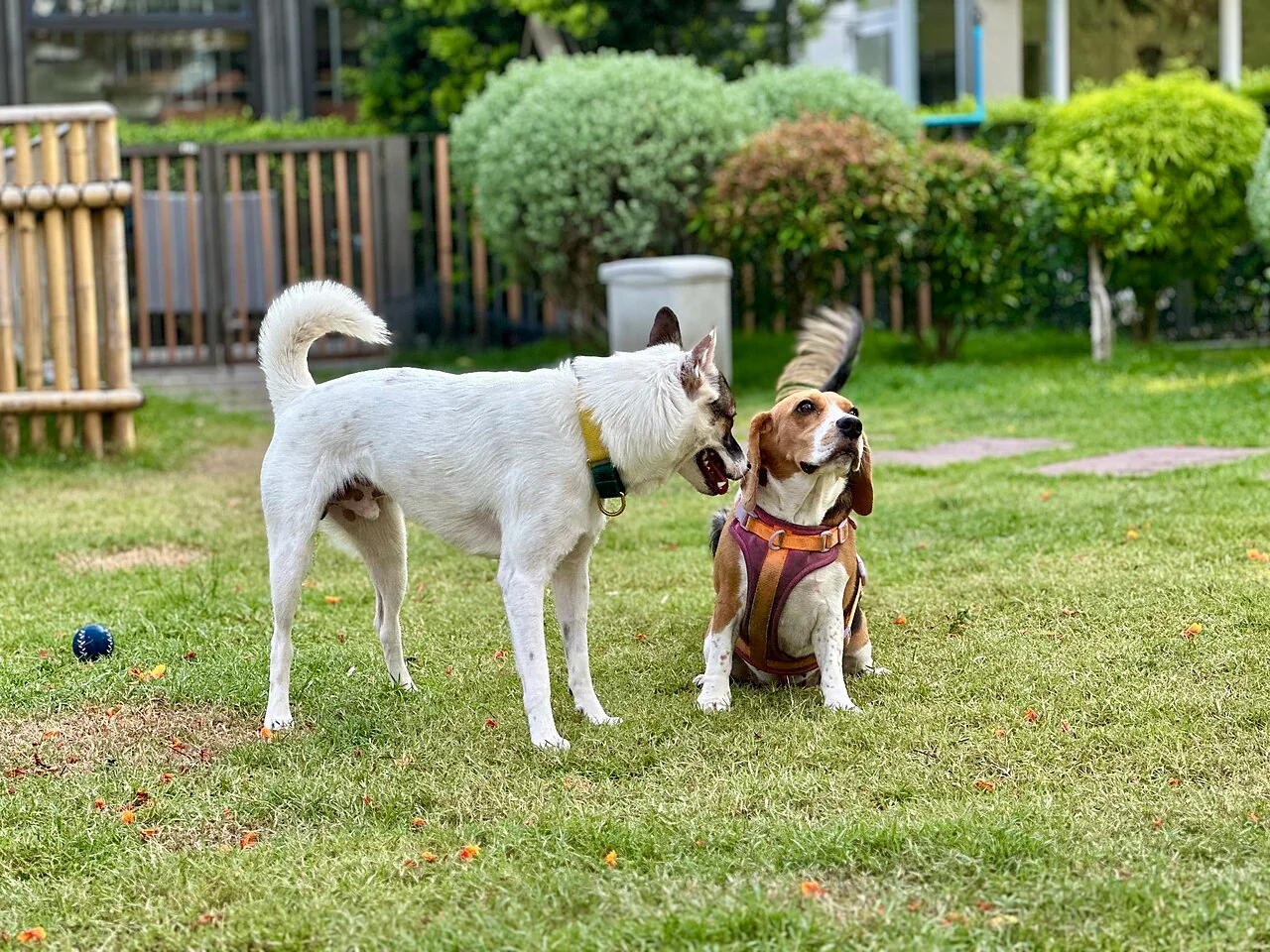
A dog sniffing another dog Slyronit · CC BY-SA 4.0. Web size optimized; original linked.
Broader Effects on Skull and Bite
Shortening the face does more than move the smell bulbs. The overall reorganization of the brain inside the skull can affect how muscles attach and how the jaw works. Although the supplied studies emphasize olfaction, the same morphometric methods have been used by other researchers to explore bite mechanics and airway space, topics that often appear in veterinary discussions of brachycephalic health.
Reading question: if we continue selecting for ever-flatter faces, at what point do the sensory and breathing changes become unacceptable from an animal-welfare perspective? The evidence here cannot answer that ethical question, but it supplies concrete measurements that can inform future breeding guidelines. Responsible breeders already consider health alongside appearance; these imaging studies add another data point to that conversation.
Limitations and Next Steps
Both research teams are careful to note the limits of their work. The CT-based endocast study used a modest sample and found that overall brain volume differences were not quite statistically significant. The MRI study relied on dogs that visited a veterinary hospital, so extreme healthy examples or working breeds may be underrepresented. Neither paper claims that the observed changes definitely impair a dog’s daily life.
Still, the consistency across two different imaging methods and two different groups of dogs strengthens the core observation: face shape and olfactory anatomy are linked. Future studies could pair these structural measurements with behavioral scent tests to see whether the anatomical shifts translate into noticeable differences in tracking, food finding, or social sniffing. Until then, the takeaway is one of awareness rather than alarm. Understanding these trade-offs lets us appreciate the quiet consequences of choices made over many generations of selective breeding.
Sagittal MRI highlighting structures of the canine olfactory system, with the olfactory bulb shown in red. Paula Jendrny · CC BY 4.0. Web size optimized; original linked.
AI-assisted original writing. This feature was revised against source material and checked for unsupported claims. Follow the references below for evidence and its limits.
Archaeological finds from select European sites offer glimpses into possible relationships between people and dogs, while underscoring the challenges of interpreting ancient deposits.
Owner-led projects offer scale and real-world glimpses into canine minds, yet differences in tester identity and uncontrolled home settings can introduce systematic errors that large samples do not automatically cancel out.
Penn State researchers once used MRI scans and computer simulations to map airflow inside a dog’s nasal passages, offering clues for designing better chemical sensors.
 Photograph