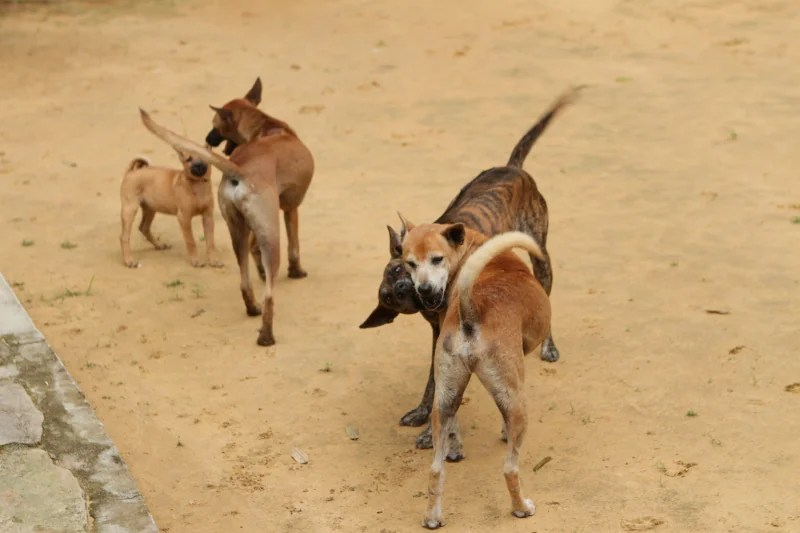
Phu Quoc Ridgebacks at play on Phu Quoc Island, June 2015. (modern documentary photograph) Frank Fox · CC BY-SA 4.0 · Web size optimized; source linked for the original.
The Phu Quoc Ridgeback is a native dog breed associated with Vietnam’s largest island. A scientific study measured 175 adult dogs to document their physical traits, confirming the presence of a distinctive dorsal ridge. While the paper notes the breed’s origins on the island and a historical mention of some dogs reaching Paris in the late 19th century, it provides no evidence about traditional work with fishermen, boat-watching, or daily life shaped by tides. This article reviews what the available research actually says, highlights the gaps, and offers questions for readers interested in native breeds and cultural heritage. Editorial analysis suggests that without further field studies, claims about specific working roles stay in the realm of unverified tradition rather than documented fact.
What the Measurements Reveal
A peer-reviewed study examined 175 mature Phu Quoc Ridgeback dogs at least 19 months old. Researchers collected data on height at the withers, body weight, and other morphological features from samples taken on Phu Quoc Island itself and in the Ho Chi Minh City area. The results showed measurable variation between the sampled dogs and the official standards published by the Vietnam Kennel Association. This variation is presented as a factual finding rather than a flaw; the authors simply record the differences without claiming one set of numbers is superior.
Such zoometric work helps establish a baseline for the breed’s physical profile. Readers might ask how environmental factors on the island—such as diet, climate, or selective breeding—could influence these measurements over generations. The study does not explore those causes, leaving room for future research. From an editorial perspective, precise measurements add credibility to breed recognition efforts, yet they also underscore how much remains unknown about the dogs’ adaptability in real island settings. Light humor enters here: imagine a ridgeback politely declining to stand still for calipers while a researcher tries to keep a straight face on a hot tropical morning.
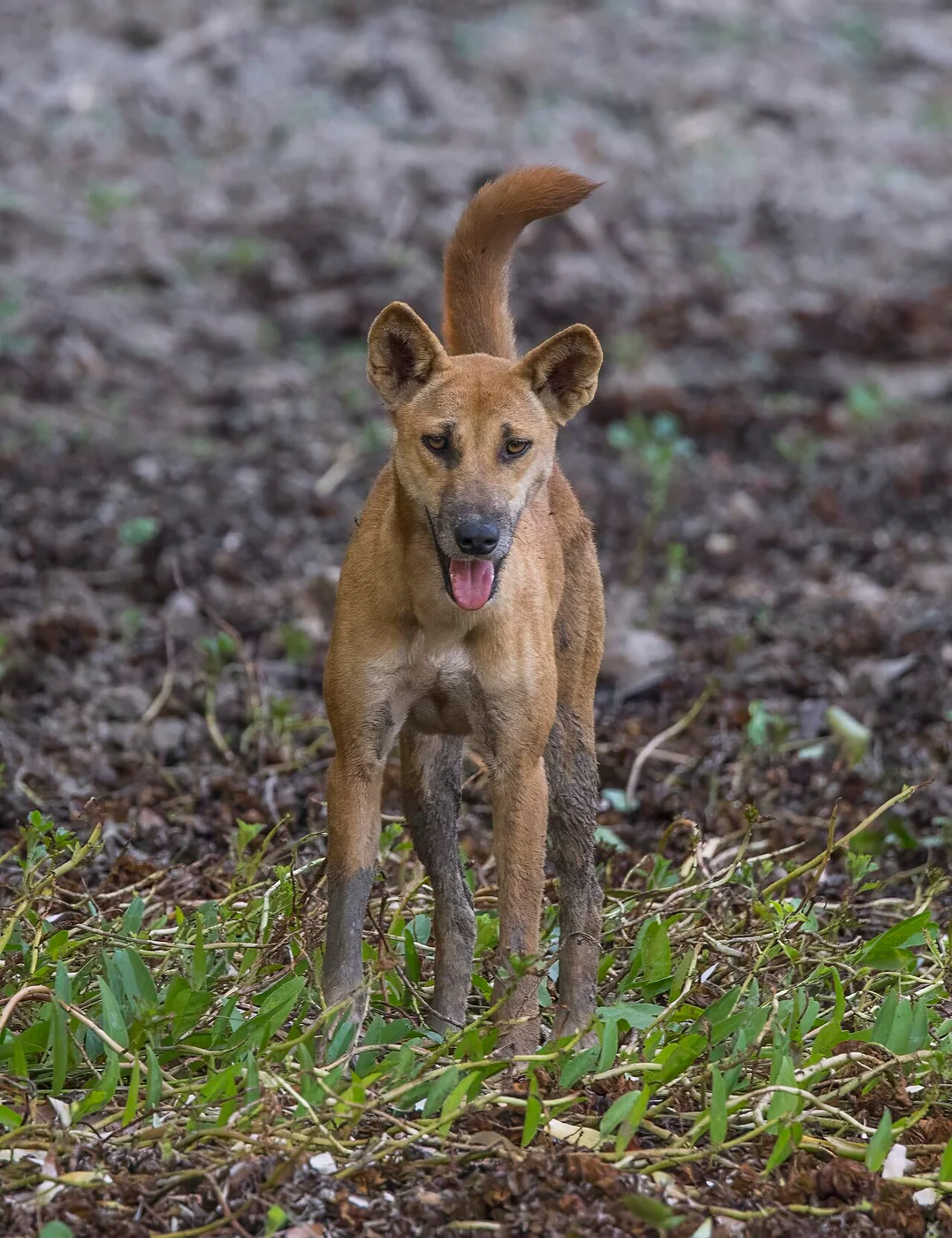
Phu Quoc Ridgeback dog standing for scale and morphological assessment Stefan from Dresden, Germany · CC BY 2.0. Web size optimized; original linked.
The Distinctive Dorsal Ridge Trait
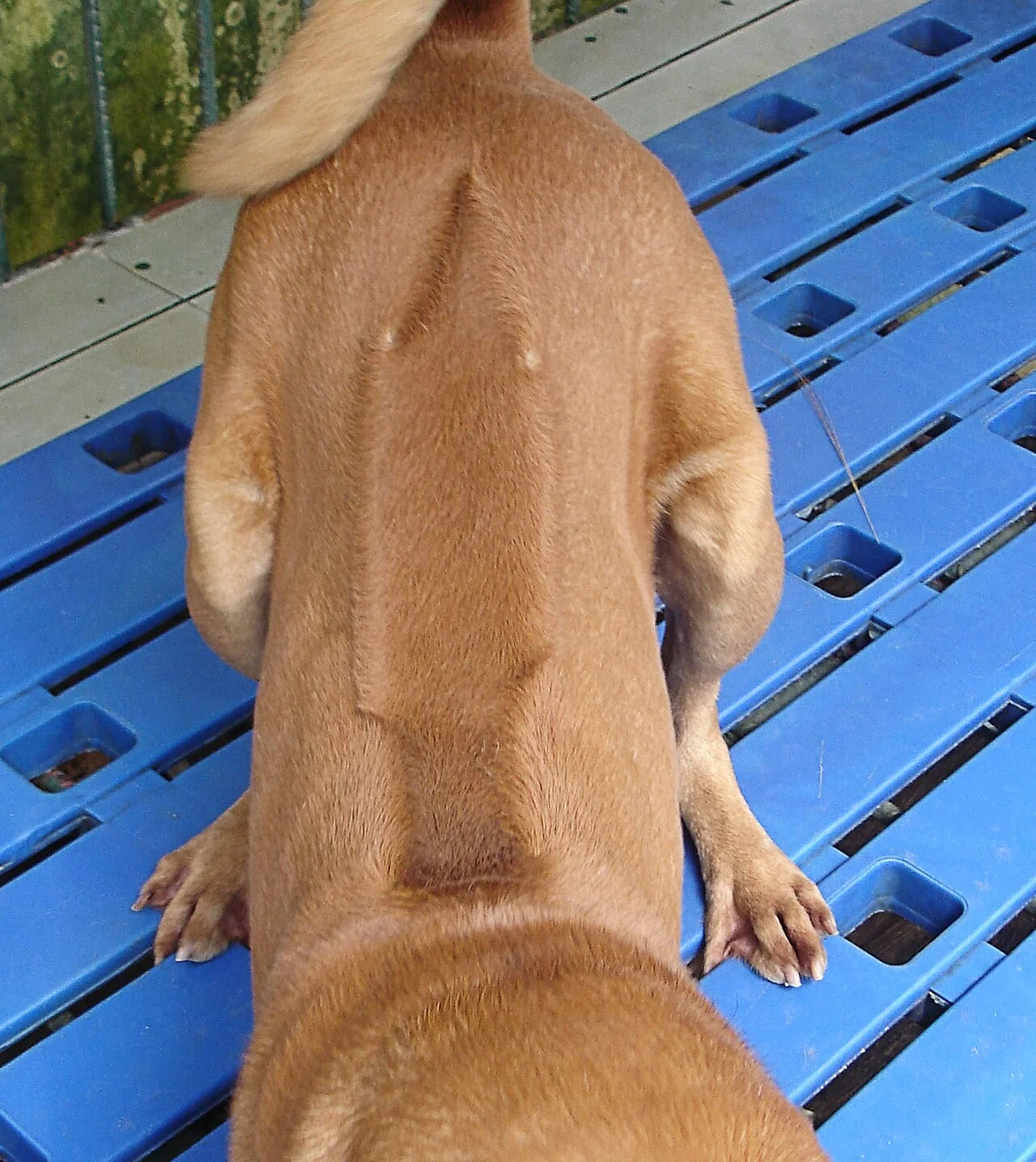
The defining visual feature of the Phu Quoc Ridgeback is the strip of hair that grows in the opposite direction along the dog’s back, forming a clear ridge. The research paper confirms this trait as characteristic of the breed and notes its presence across the sampled population. No explanation is given for the genetic origin of the ridge, nor does the document compare it with similar traits in other breeds.
This physical marker has helped the breed gain notice beyond Vietnam. Editorial analysis reminds us that visible traits alone do not tell the full story of a dog’s value to its community. Without supporting field observations, it is impossible to know whether the ridge serves any practical purpose or is simply an inherited curiosity. A useful reading question follows: if the ridge is primarily aesthetic, what other unseen qualities—temperament, endurance, or scenting ability—might matter more to people living alongside these dogs? The study remains silent on such behavioral aspects.
Historical Notes and Their Limits
According to the literature cited in the paper, the breed was first brought to Paris in 1886 by a French colonial official. The exact number of dogs transported is described as uncertain, so the account functions as a historical footnote rather than a precise record. The study treats this detail as background rather than central evidence.
Such early international exposure hints at long-standing interest in the breed, yet it also illustrates how quickly details can blur. Editorial perspective suggests caution: a single colonial-era mention does not prove widespread fame or specific working roles at that time. Readers could usefully ask what other archival sources might exist—perhaps Vietnamese records or oral histories—that could flesh out the breed’s past without relying on one outsider’s observation. The absence of broader historical context in the paper leaves the 1886 event feeling isolated, like a single shell found on a wide beach.
The research document makes no reference to fishing villages, the watching of boats or gear, or any integration into the daily rhythms of fishermen. This silence is not an oversight in the study’s design; the authors focused strictly on physical measurements. As a result, any description of the dogs sharing tides and tradition with islanders must be labeled as unverified tradition rather than supported fact.
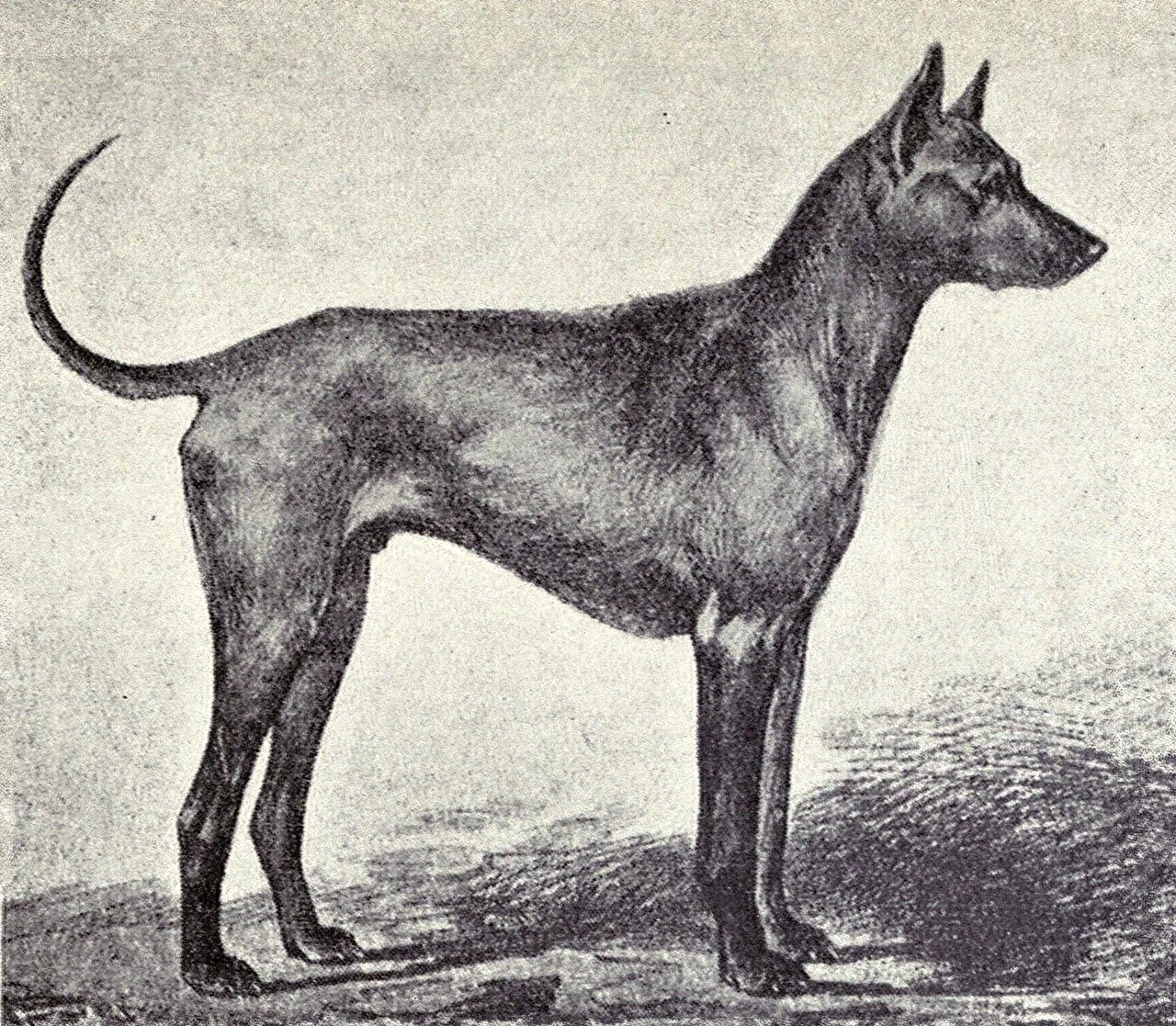
From an editorial standpoint, the gap invites reflection on how native breeds are often romanticized. Stories of loyal dogs guarding tackle while owners are at sea make for compelling imagery, yet without ethnographic evidence they remain speculative. A practical implication is clear: conservation or breeding programs would benefit from paired studies that document both morphology and lived behavior. Until those exist, enthusiasts might enjoy the idea of a ridgeback standing sentinel at dawn, while remembering the image is fictional illustration, not reportage. This distinction protects animal welfare by avoiding unrealistic expectations of the dogs’ roles.
Implications for Future Research and Breed Recognition
The study’s sample of 175 dogs offers a useful starting point for understanding the Phu Quoc Ridgeback’s physical diversity. However, its narrow focus on measurements means broader questions about health, genetics, population size, and cultural significance stay unanswered. Editorial analysis suggests that credible breed recognition depends on expanding beyond zoometrics to include behavioral and ecological data gathered on the island.
Readers might consider supporting or conducting non-invasive field research that respects both the dogs and the communities around them. What would change if future papers confirmed or refuted popular stories about working roles? The uncertainty itself becomes an invitation for careful observation rather than hasty storytelling. In the spirit of light humor, one can picture a future researcher trading calipers for a notebook and a strong cup of local coffee—still measuring, but now listening to the rhythms of island life that the current evidence leaves unexplored. Such work could strengthen genuine appreciation for the breed while guarding against unsupported claims that might affect animal welfare or cultural accuracy.
Phu Quoc ridgeback dog showing the characteristic dorsal ridge, photographed in 2008. Lưu Ly at Vietnamese Wikipedia · CC BY-SA 3.0. Web size optimized; original linked.
AI-assisted original writing. This feature was revised against source material and checked for unsupported claims. Follow the references below for evidence and its limits.
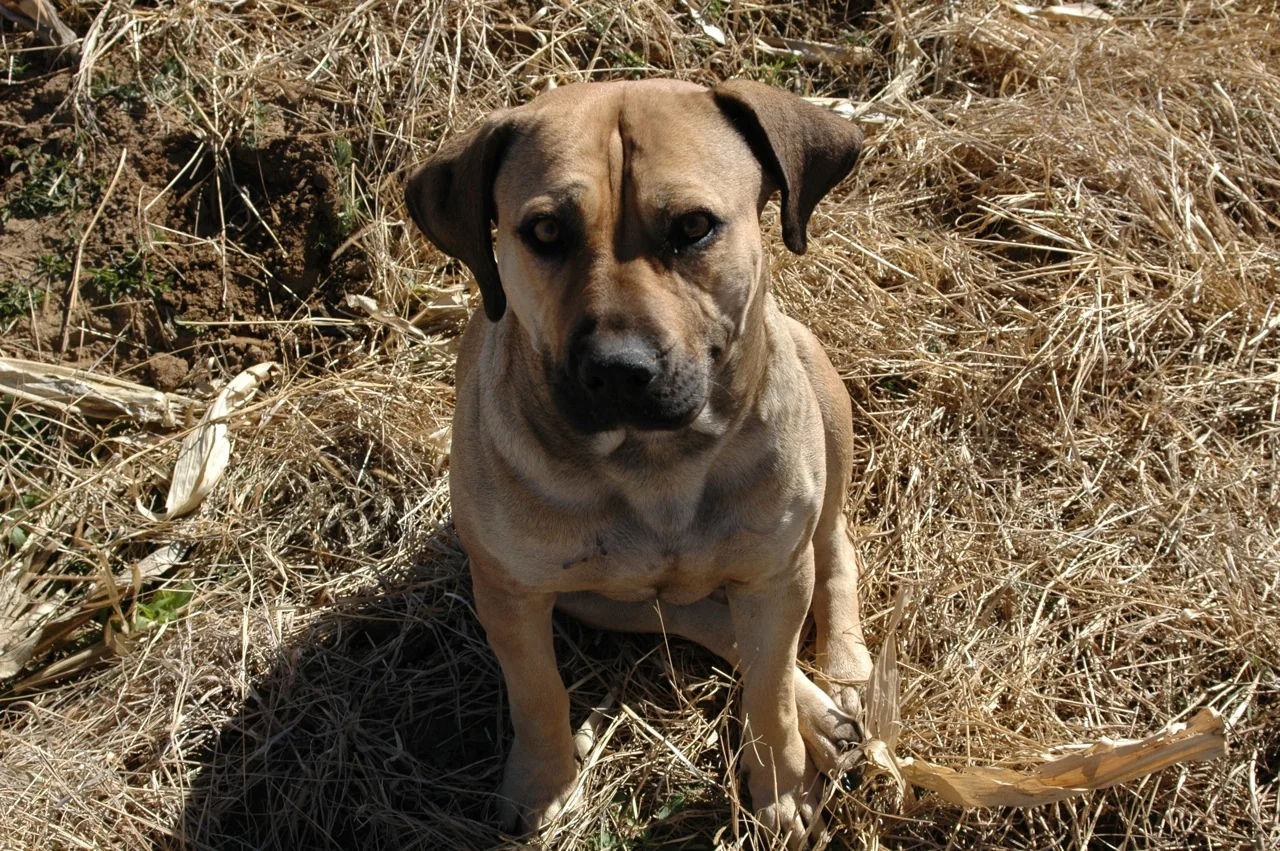
Large mastiff-type dogs have served as protectors on remote South African farms for generations, though many popular stories about their exact origins remain unverified tradition.
 Photograph