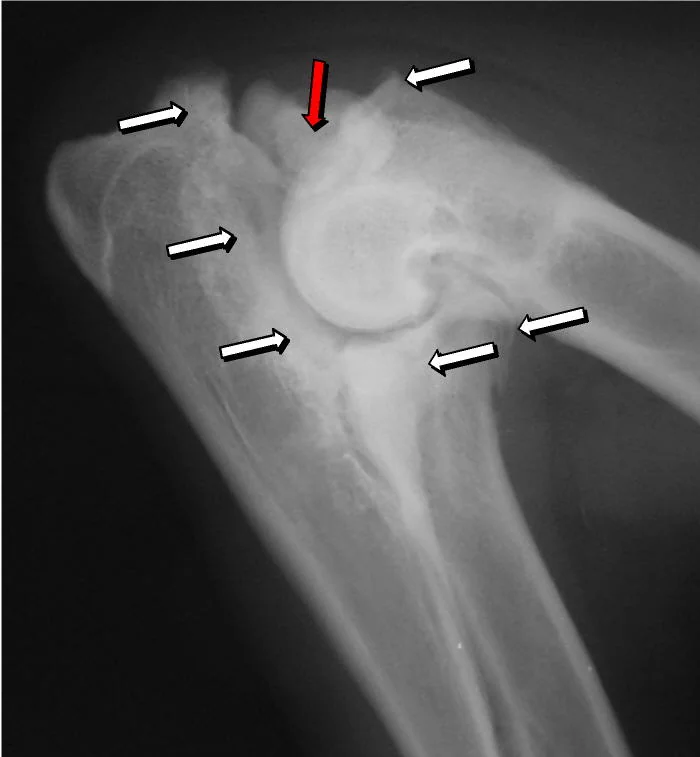
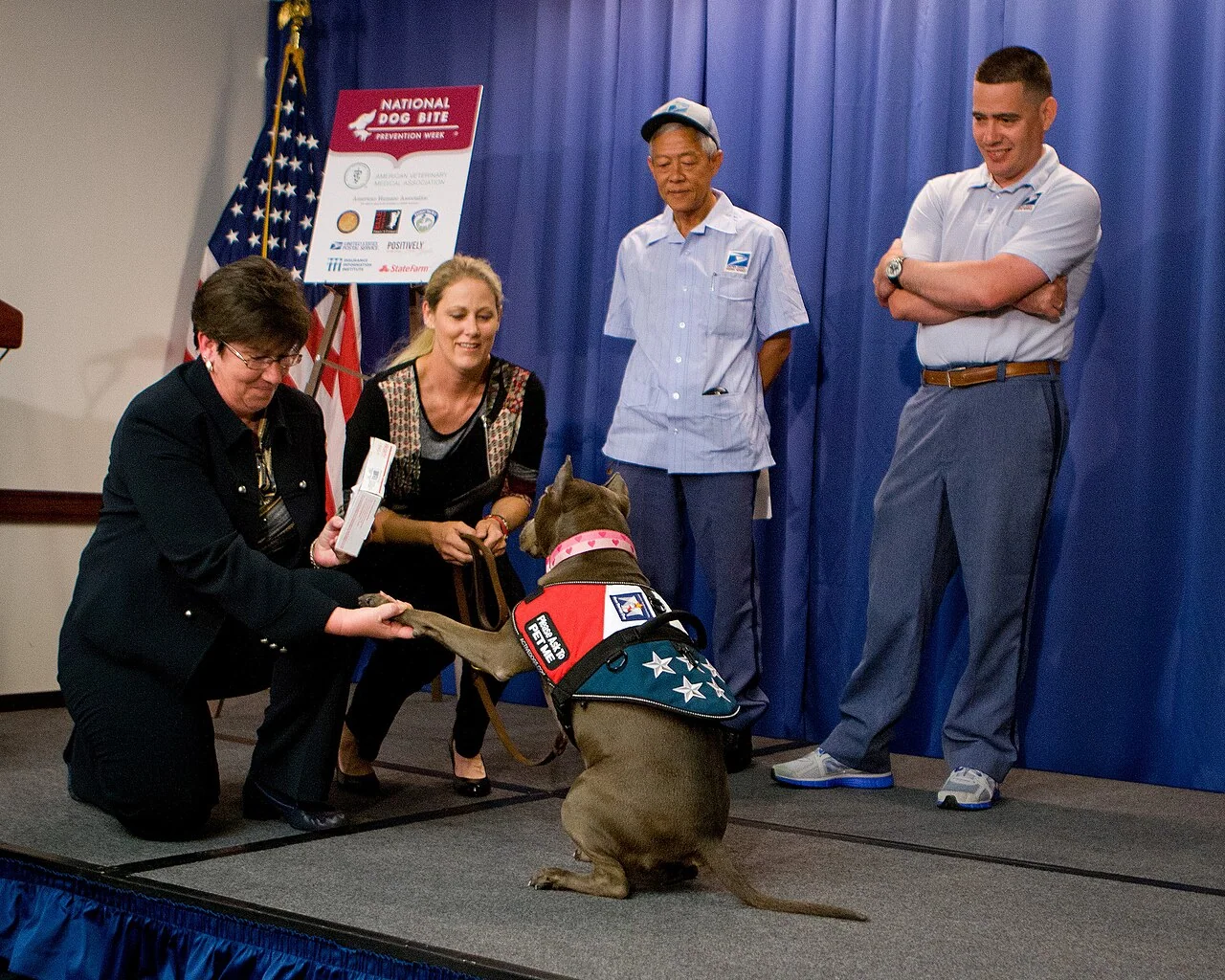
National Dog Bite Prevention Week poster featuring a therapy dog and USPS safety personnel, 2014 State Farm · CC BY 2.0 · Web size optimized; source linked for the original.
News stories about dog bites often grab attention with dramatic headlines that highlight a particular breed. Yet research shows that such coverage can mislead readers about what truly contributes to these incidents. Two studies from veterinary and public health sources emphasize that multiple preventable factors usually align before a serious bite occurs. Responsible ownership, proper socialization, and awareness of a dog's history matter far more than any single label. This article draws directly from the evidence to help readers interpret reports more accurately, ask better questions, and consider practical prevention steps. A touch of cautionary humor: if every headline were taken at face value, one might think certain dogs were plotting world domination rather than simply living in less-than-ideal circumstances.
Common Factors Behind Serious Incidents
One major study examined 256 dog bite-related fatalities in the United States from 2000 to 2009. It found that the absence of an able-bodied person who could intervene was present in 87.1 percent of cases. In 85.2 percent of incidents, the victim had only an incidental or no familiar relationship with the dogs involved. Owner failure to neuter the dogs appeared in 84.4 percent of cases, while 77.4 percent involved victims who had a compromised ability to interact appropriately with dogs. Additionally, 76.2 percent of the dogs had been kept isolated from regular positive human interactions.
These figures illustrate that serious bites rarely stem from one cause. The same research noted that four or more of these preventable factors co-occurred in 80.5 percent of the deaths. This pattern suggests that tragedies often result from a perfect storm of circumstances rather than any inherent trait. Readers encountering a news story might therefore look beyond the surface to consider whether similar overlapping conditions were at play. Asking what supervision, socialization, and neuter status looked like could reveal more about prevention than any breed mentioned.
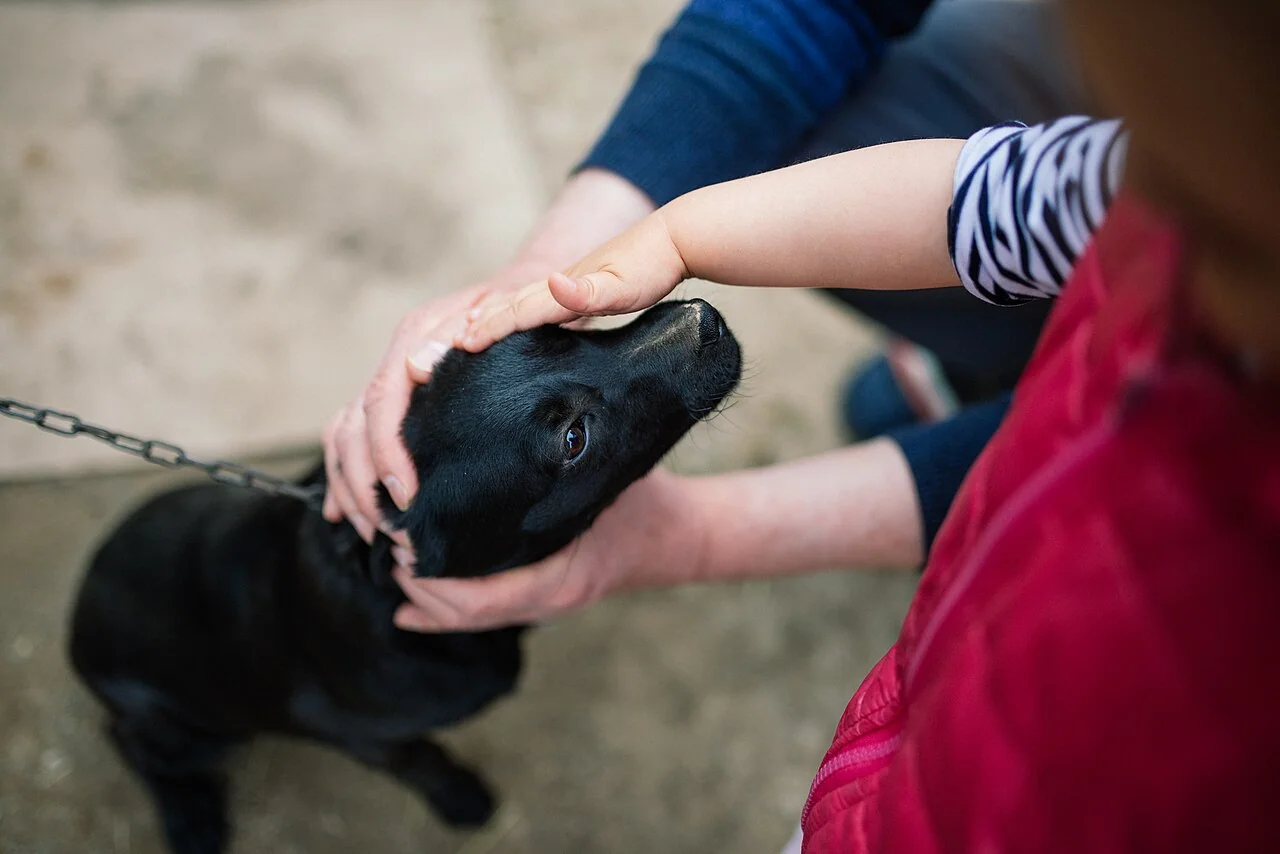
Child interacting with a black dog under adult supervision in an outdoor setting Shixart1985 · CC BY 2.0. Web size optimized; original linked.
The Limits of Breed Identification
Valid breed determination was possible for only 17.6 percent of the fatalities reviewed in the study, covering just 45 cases. In situations where both media accounts and animal control reports identified a breed, the two sources differed in 30.9 to 40.2 percent of those cases. Media errors regarding which dogs were involved or their breeds were specifically noted by law enforcement investigators.
This inconsistency highlights a practical challenge for anyone trying to interpret news coverage. Even experienced observers can struggle to classify dogs accurately by appearance alone. When a headline singles out one type of dog, it is worth pausing to ask how the breed was determined and whether multiple sources agreed. The evidence supports treating breed references with caution rather than as definitive fact.
Why Breed-Specific Approaches Fall Short
A review by the American Veterinary Medical Association concludes that any dog can bite, regardless of breed. The likelihood of a bite and the chance of serious injury depend instead on the dog's individual history, its behavior, its general size, the number of dogs involved, and the vulnerability of the bitten person. The connection between breed and bite risk appears weak or absent according to the available research.
Attempting to calculate a reliable bite rate for any specific breed proves nearly impossible. Breed information for biting dogs is often unknown or inaccurately reported, total bites in a community tend to be undercounted, the population of each breed is rarely known, and statistics may overlook repeat incidents by the same dog. Breed popularity also shifts over time, further complicating comparisons. These limitations mean that policies focused solely on certain breeds may miss the broader picture of risk factors tied to ownership and environment.
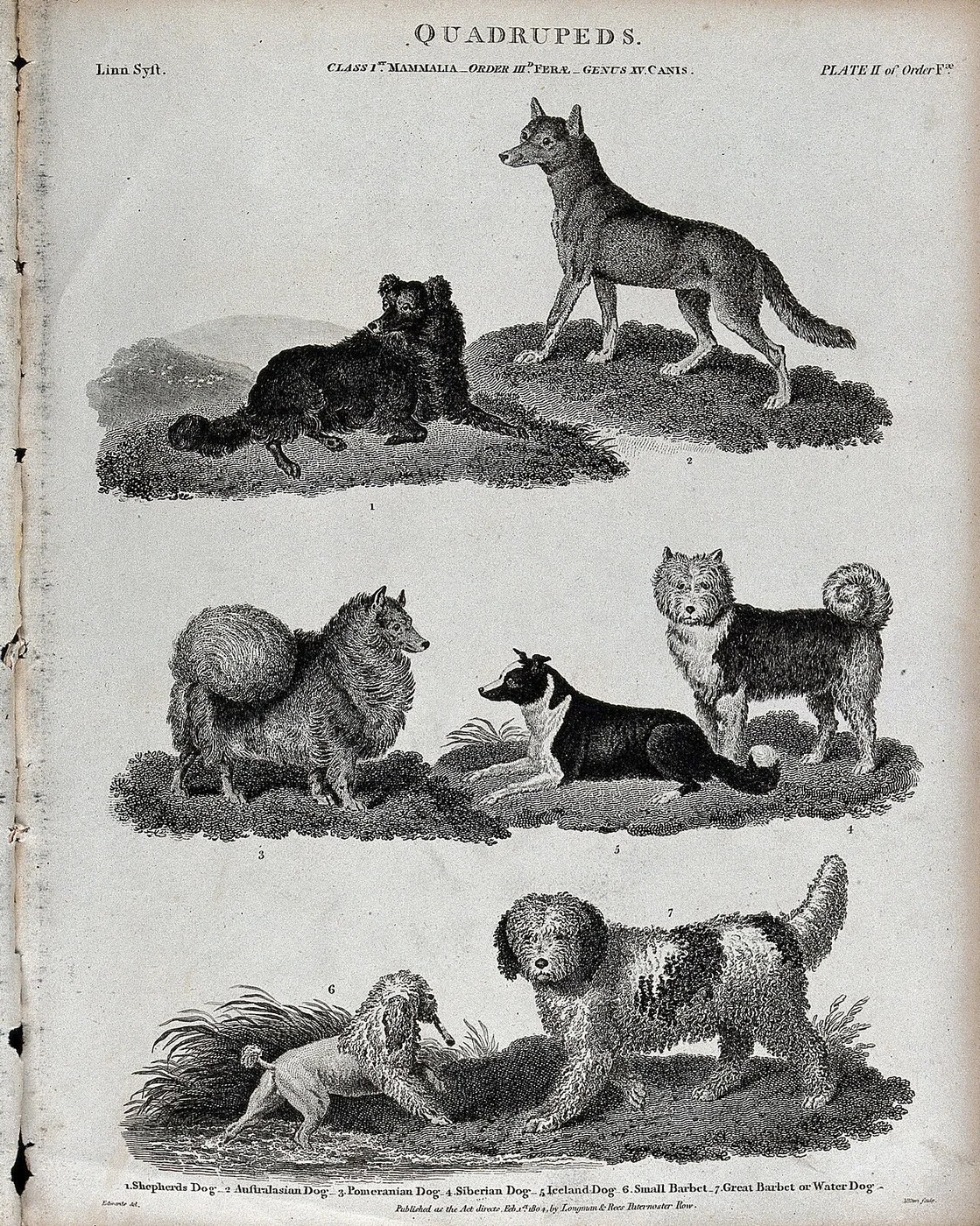
Line engraving showing seven different breeds of dogs of the genus Canis Source collection · CC BY 4.0. Web size optimized; original linked.
Responsible Ownership as the Stronger Focus
The evidence points more strongly toward variables within human control. Proper socialization, neutering, and secure containment consistently emerge as relevant to reducing risk. Dogs kept isolated from regular positive human contact, for example, appeared in a large majority of the examined fatalities. Likewise, the failure to neuter was a frequent co-occurring element.
This emphasis on ownership suggests practical steps that families and communities can take. Ensuring dogs receive regular, positive interactions and live in supervised environments can address several of the identified factors at once. For readers, this shifts the conversation from fear of particular dogs to curiosity about how well any dog is integrated into a safe, structured household. A bit of light humor might note that a well-socialized dog is far less likely to star in a sensational headline than one left to its own devices in the backyard.
Questions to Ask and Implications for Prevention
When reading a dog bite news story, several questions can help cut through the drama. Was an able-bodied adult present? Did the victim know the dog well? Was the animal neutered and regularly socialized? How was the breed identified, and did different sources agree? These inquiries flow directly from the patterns documented in the research and encourage a more nuanced understanding.
The implications are clear: prevention works best when it targets multiple factors rather than relying on single solutions such as breed-specific legislation. Multifactorial approaches that promote responsible ownership, education about dog behavior, and appropriate supervision stand on firmer ground according to the studies. Communities might therefore prioritize resources for owner training and accessible veterinary care over bans that the evidence suggests are unlikely to address the root causes. By applying this lens, readers can move from reactive fear to informed advocacy that genuinely supports both people and dogs.
Men socializing at a dog park while their dogs do the same. (Ford Park Dog Park, Redlands, CA, 2012) inkknife_2000 (7.5 million views +) · CC BY-SA 2.0. Web size optimized; original linked.
AI-assisted original writing. This feature was revised against source material and checked for unsupported claims. Follow the references below for evidence and its limits.

 Historical collection image