The Peruvian Hairless Dog: A Distinctive Breed with Ancient Roots
Recognized by international kennel organizations, this unique hairless breed has ties to South American history, though its precise role in pre-colonial textile traditions remains uncertain.
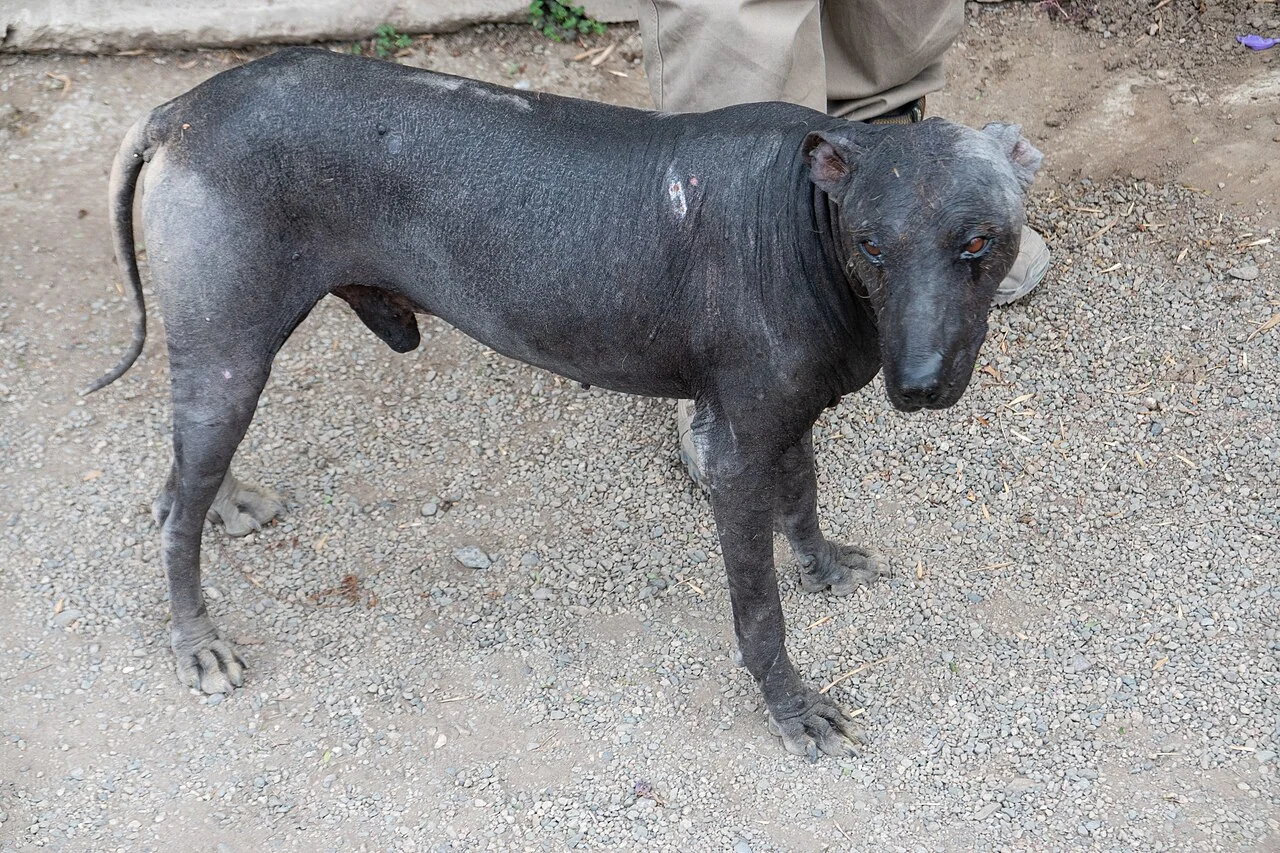
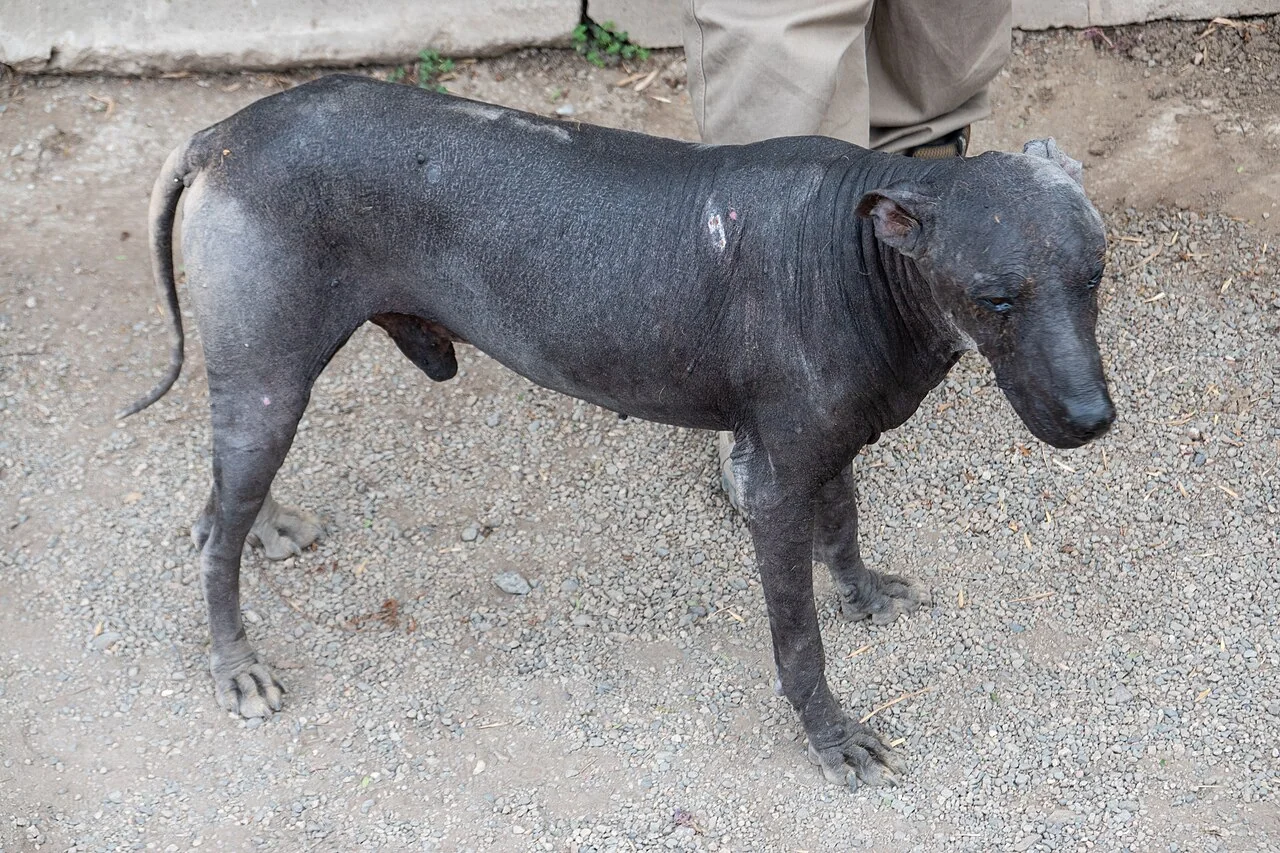
Peruvian Hairless Dog standing outdoors (2019 documentary photograph) PsamatheM · CC BY-SA 4.0 · Web size optimized; source linked for the original.
The Peruvian Hairless Dog stands out among canine breeds for its smooth, often completely hairless skin and alert, lively personality. According to the Fédération Cynologique Internationale (FCI), the breed is officially recognized and valued by enthusiasts for its distinctive appearance and temperament. While popular narratives sometimes link these dogs to ancient Andean weaving communities in places like Peru's Sacred Valley, the cited source material focuses narrowly on the modern breed standard rather than confirming specific historical roles in textile heritage. This article explores what is documented about the breed, its care, and its place in contemporary dog ownership, while noting the limits of available verification. Readers might ask: How do we separate verifiable breed traits from appealing but unconfirmed cultural stories?
Breed Recognition and Official Standards
The Fédération Cynologique Internationale maintains a detailed standard for the Peruvian Hairless Dog, classifying it among breeds recognized on a definitive basis. This international body, which oversees pedigree dog activities worldwide, provides guidance on the breed's physical characteristics, including its lack of hair, elegant build, and expressive features. The standard emphasizes the importance of responsible breeding practices to maintain the dog's health and welfare. Dog owners and judges refer to these guidelines to ensure consistency in shows and breeding programs. The FCI's involvement highlights the breed's global appeal beyond its South American origins.
Breed-specific education forms part of the FCI's broader work, which includes resources on nutrition, environment, health, behavior, and mental state. For those considering adding a Peruvian Hairless Dog to their family, the organization stresses preparation and responsible acquisition. This focus on welfare aligns with the FCI's mission to promote ethical dog ownership. Potential owners are encouraged to consult national canine organizations that are members of the FCI for localized advice. The standard's availability helps prevent exaggeration of traits that could compromise the animal's well-being, such as skin sensitivities common in hairless breeds.
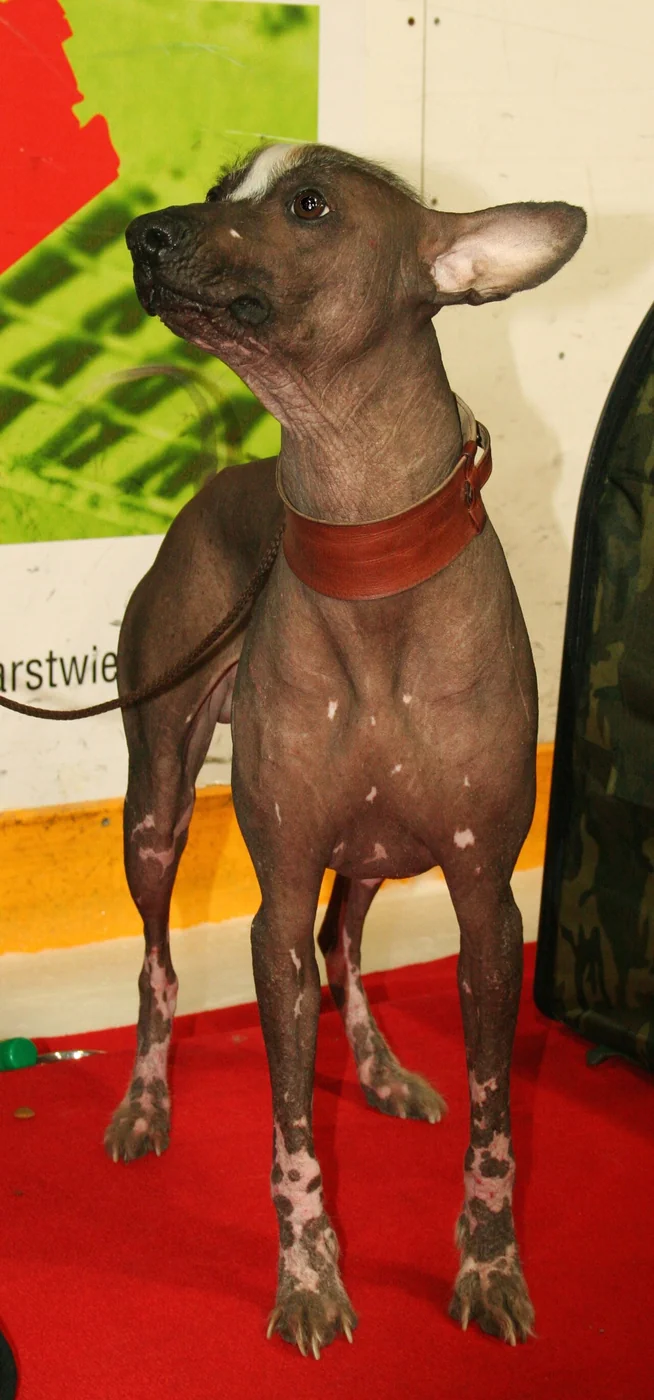
A large Peruvian Hairless Dog at the international dog show in Katowice, Poland. Context for breed standards and show recognition. Pleple2000 · CC BY-SA 4.0. Web size optimized; original linked.
Physical Characteristics and Care Considerations
As its name suggests, the Peruvian Hairless Dog typically lacks a full coat, resulting in exposed skin that requires attentive care. The FCI standard outlines acceptable variations, including dogs with minimal hair on certain areas like the head or feet. This feature makes the breed distinctive in dog shows but also demands protection from sun exposure, cold temperatures, and skin irritations. Regular bathing with gentle products and application of dog-safe moisturizers are commonly recommended by breed enthusiasts, though the cited source material does not specify exact routines.
The breed's alert and affectionate nature makes it a engaging companion, according to general descriptions within cynological resources. Owners often note the dogs' intelligence and suitability for various activities, though the FCI materials prioritize overall welfare over performance specifics. Prospective guardians should consider the breed's sensitivity to environmental factors, ensuring proper housing and veterinary check-ups. Light-hearted observations from owners sometimes compare the dog's smooth skin to a warm, living statue—amusing imagery that underscores its unique look without replacing practical care advice.
Historical Context and Cultural Associations
Many accounts associate the Peruvian Hairless Dog with ancient South American civilizations, suggesting the breed may have existed in the Andes long before European contact. However, the FCI documentation reviewed here does not provide specific archaeological or historical details to substantiate exact timelines or roles. The evidence remains centered on contemporary breed recognition rather than pre-colonial records. This leaves room for interpretation: while the dog's presence in Peru is acknowledged, claims tying it directly to Inca-era textile production or guardianship in weaving communities lack support in the cited source material.
Editorial analysis suggests caution when blending modern breed enthusiasm with unverified historical narratives. An invented satirical scenario might imagine a hairless dog critiquing a lopsided Andean rug in a cartoon—clearly fictional and not presented as fact. In reality, the FCI's emphasis on breed standards helps ground discussions in observable traits rather than speculative history. Readers could consider: What responsibilities do we have to verify cultural stories before linking them to living animals? The breed's heritage is best appreciated through its current welfare-focused framework.
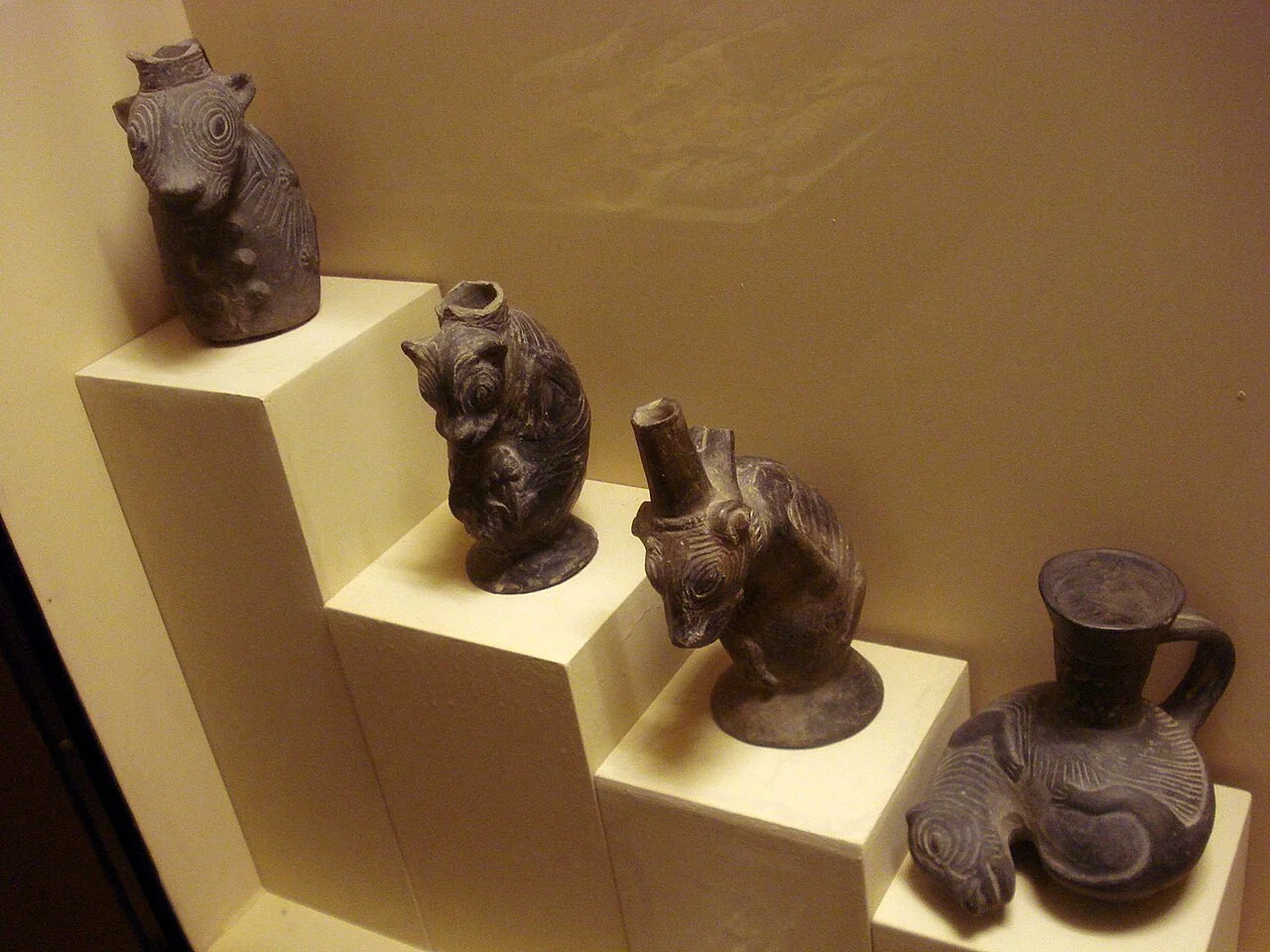
Huacos from the Lambayeque culture representing dogs, Brüning Museum, Lambayeque, Peru Miguel Vera · CC BY 2.0. Web size optimized; original linked.
Breeding, Events, and Community Involvement
The FCI supports structured breeding through its network of national organizations and judges. Breeders are expected to follow guidelines that prioritize health testing and ethical practices. Events such as championships and shows allow owners to display dogs that meet the standard, fostering a community around the Peruvian Hairless and similar breeds. The organization's resources on junior handling and youth activities introduce younger generations to responsible dog care, potentially inspiring future stewards of the breed.
Participation in FCI-sanctioned activities, from obedience trials to breed-specific education sessions, provides practical outlets for owners. These programs underscore the value of understanding a dog's mental and physical needs. For the hairless varieties, special attention to temperature regulation during outdoor events is implied by general welfare principles. The FCI's statistics and schedules offer transparency into the scale of involvement, though specific participation numbers for this breed are not detailed in the evidence. This community aspect helps sustain interest while reinforcing animal welfare as a core principle.
Implications for Modern Owners and Future Outlook
Owning a Peruvian Hairless Dog carries both joys and responsibilities, particularly around skin health and socialization. The FCI's materials encourage thorough research before acquisition, advising contact with reputable sources and preparation for the breed's needs. This approach helps ensure positive outcomes for dogs and humans alike. Editorial reflection highlights how breed standards serve as living documents, evolving with scientific input from the FCI's commissions on health and behavior.
Looking ahead, the breed's distinctive traits may continue attracting admirers who value its lively character and striking appearance. Uncertainties remain about the full scope of its ancient connections, inviting further responsible inquiry rather than assumption. Useful questions for potential owners include: Am I equipped to meet the breed's environmental sensitivities? How can I contribute to welfare-focused breeding? By focusing on documented standards and ethical practices, enthusiasts can enjoy the Peruvian Hairless Dog while respecting the limits of historical evidence. A touch of humor reminds us that while these dogs may not literally guard ancient looms, they certainly guard the couch with impressive dedication—in a purely fictional, light-hearted sense.
Peruvian Hairless Dog PsamatheM · CC BY-SA 4.0. Web size optimized; original linked.
AI-assisted original writing. This feature was revised against source material and checked for unsupported claims. Follow the references below for evidence and its limits.
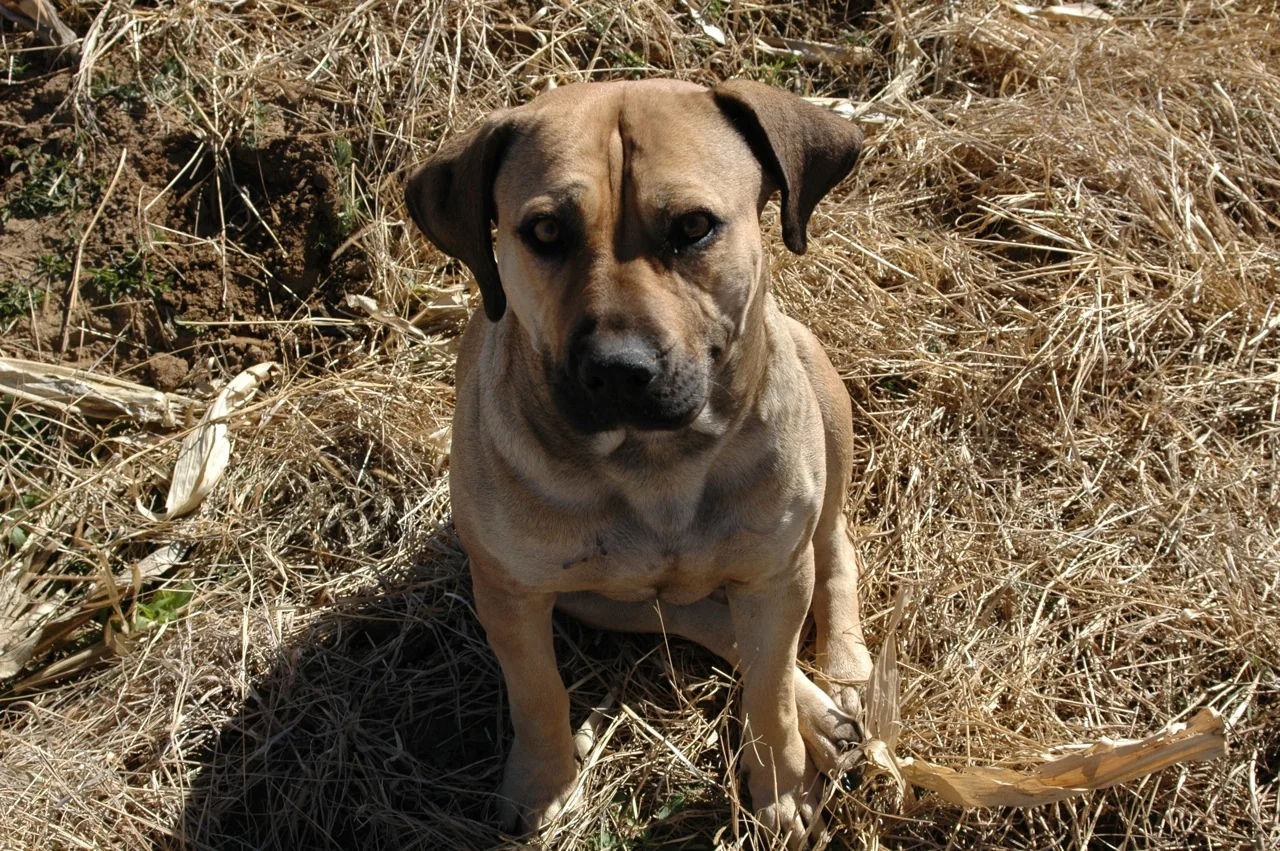
Large mastiff-type dogs have served as protectors on remote South African farms for generations, though many popular stories about their exact origins remain unverified tradition.
 Photograph