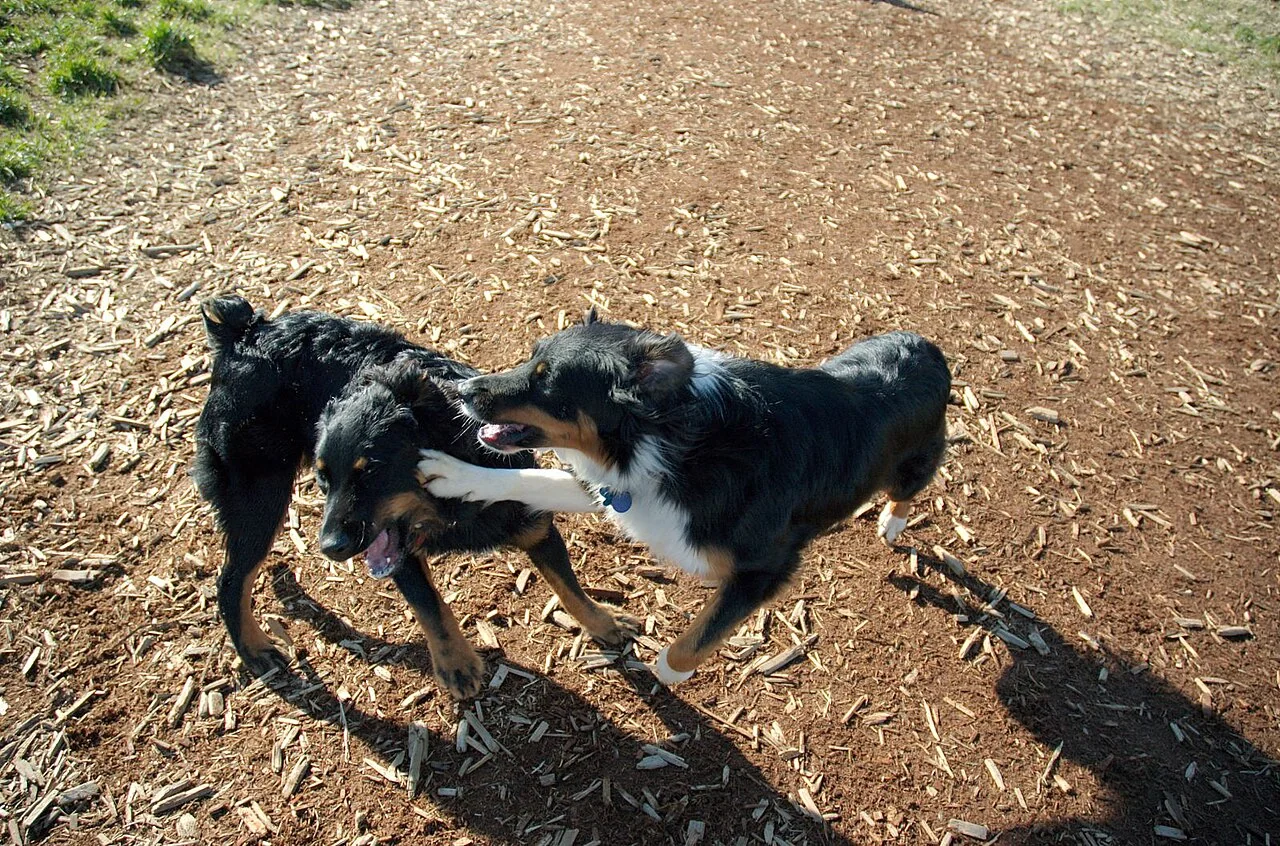
Focusing on certain breeds distracts from the real drivers of dog bites: negligent ownership and missed opportunities for early socialization that affect every kind of pup.
Urban planners rarely pause to consider how their straight paths and echoing plazas feel through a dog's nose, ears, and eyes, yet a few gentle adjustments could transform shared spaces into places where both species truly thrive together.
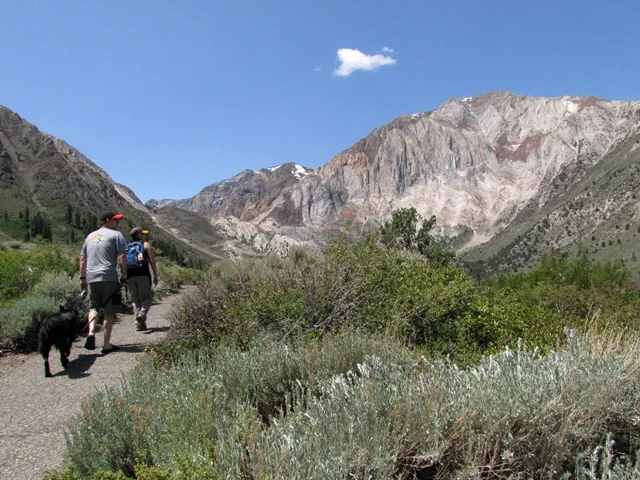
Strict enforcement on suburban paths and trails quietly shields our canine companions from injury, escape, and tense encounters that off-leash freedom too often invites.
Feeding uncooked meat can feel like a pure return to nature, yet it quietly invites tradeoffs that touch the health and harmony of every household sharing space with our canine companions.
Rental agreements and building codes should require verifiable daily outdoor access for dogs, acknowledging that good intentions alone cannot substitute for the living world's pull on a dog's spirit.
Single dogs often thrive when their human partners provide consistent engagement, while adding a second pet can sometimes spark conflict rather than companionship.
Living well alongside our canine companions means embracing both the luminous joys and the everyday trade-offs, finding a humane balance that honors their wild hearts and our shared spaces.
Public shaming of owners whose dogs bark, lunge, or freeze often deepens their isolation instead of helping; a gentler approach honors the hidden struggles and fosters real progress.
Insisting on cheerful hellos between unfamiliar dogs and people may feel like good manners, yet it often sows seeds of unease that later blossom into lasting worry.
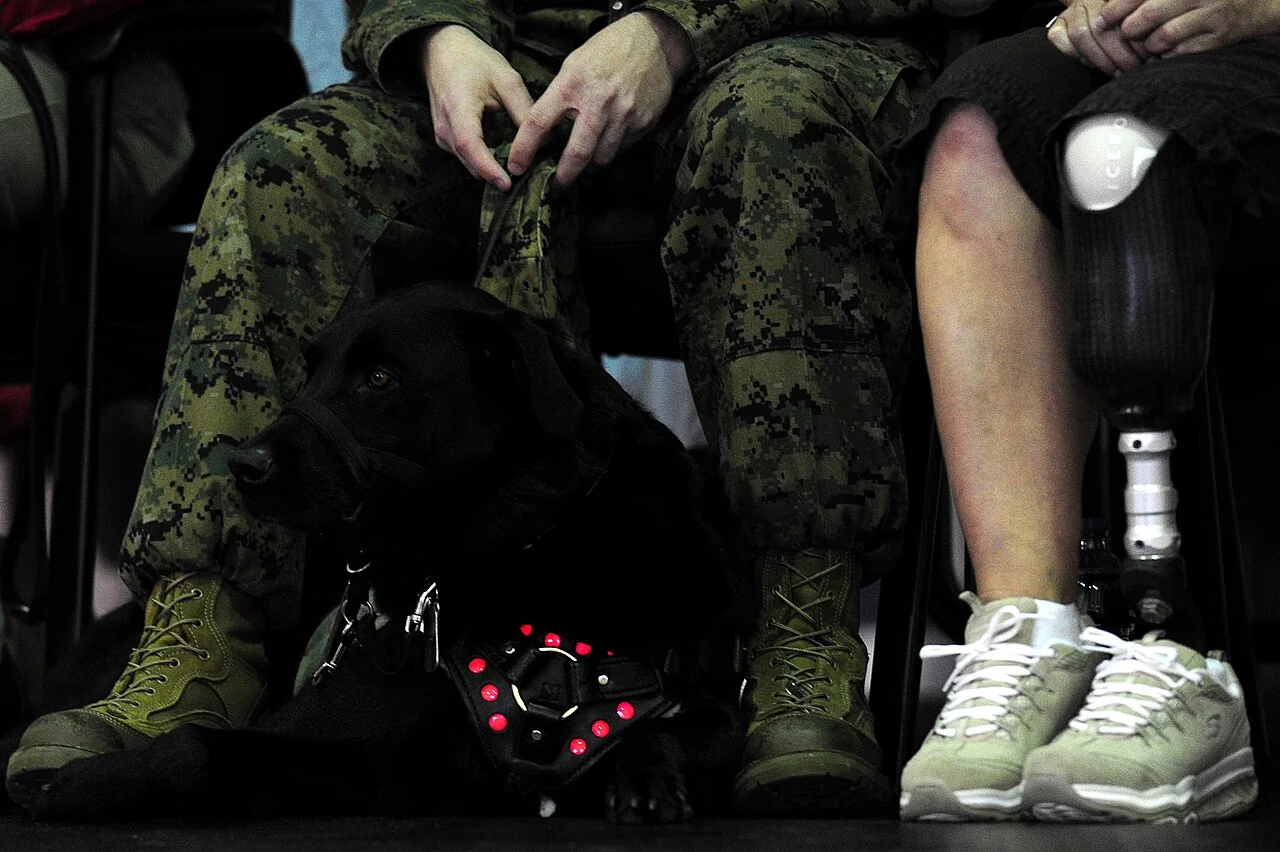
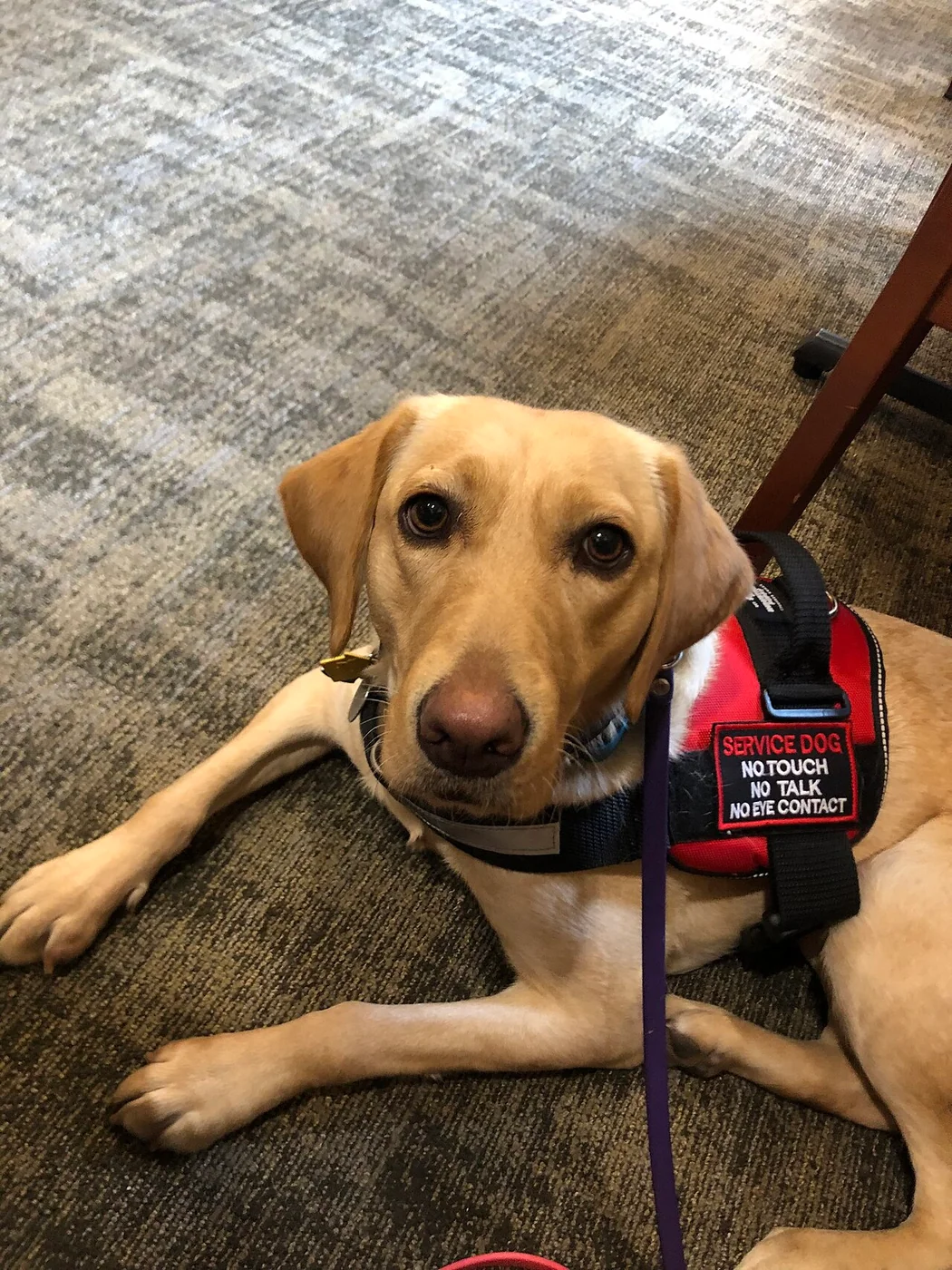
The growing habit of treating pets as emotional support props risks eroding the delicate public trust that lets genuine working dogs do their vital jobs.
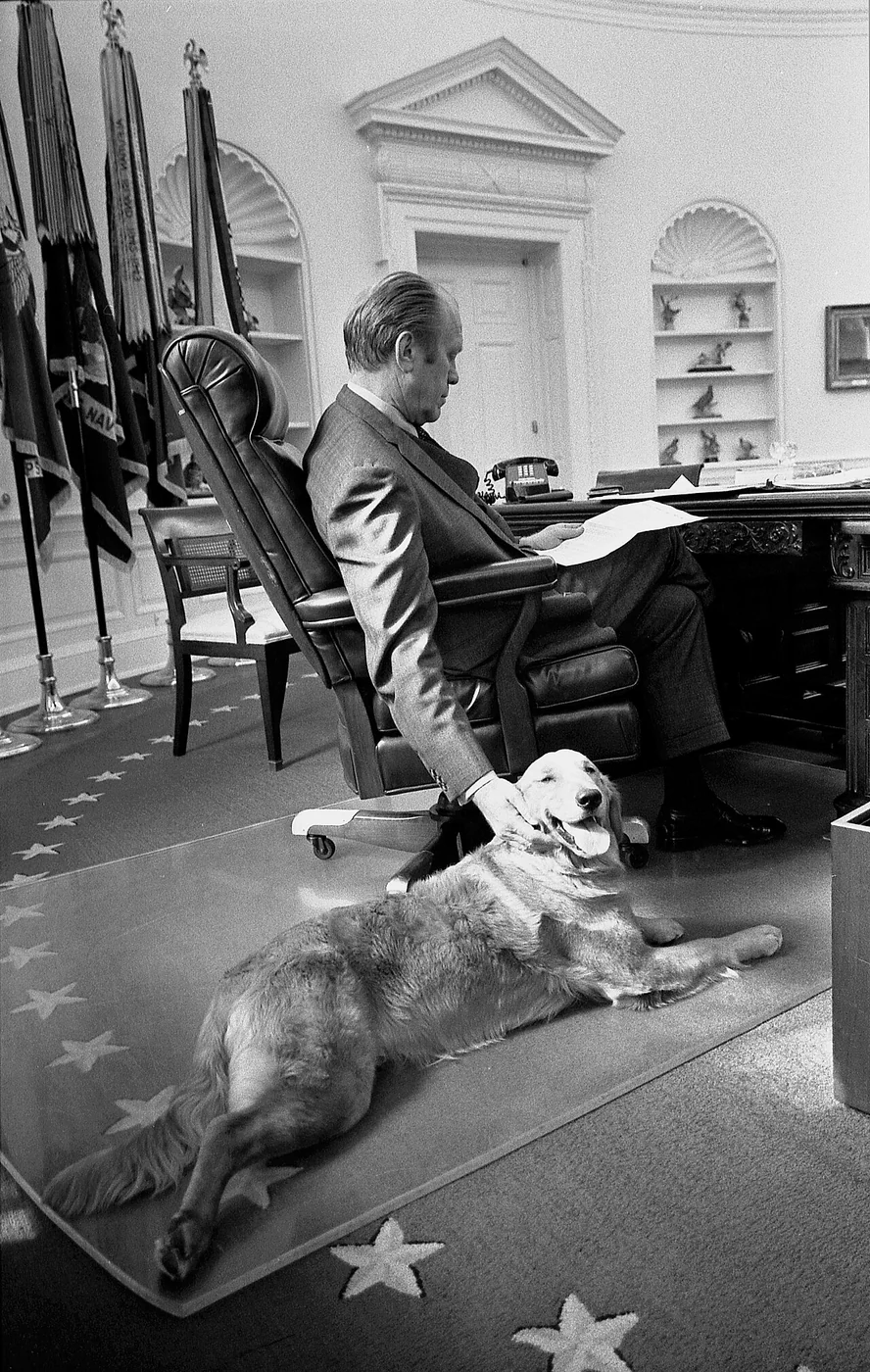
Dog-friendly workplaces may look like enlightened progress, yet they often trade genuine animal comfort for human optics, inviting us to imagine kinder, more honest arrangements instead.
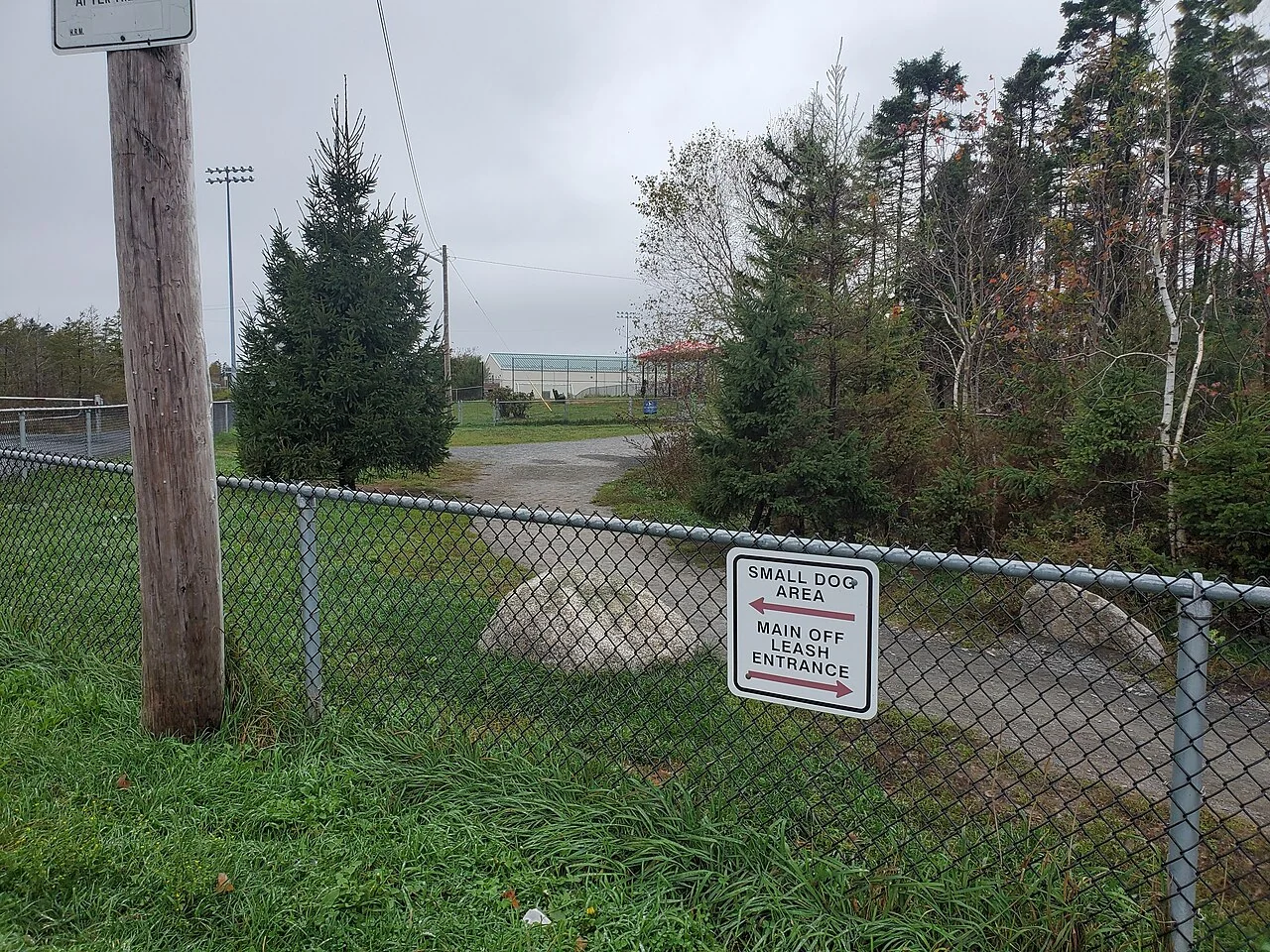
Dedicated adult-only off-leash areas can ease urban tensions, encourage polite park sharing, and let mature dogs play in ways that suit their calmer energy.
The free-for-all atmosphere at typical dog parks often creates stress rather than genuine companionship, suggesting that structured alternatives could better serve canine welfare.
Unstructured gatherings in living rooms and backyards may feel friendly, yet they often invite hidden hazards that neutral ground or guided classes can sidestep.
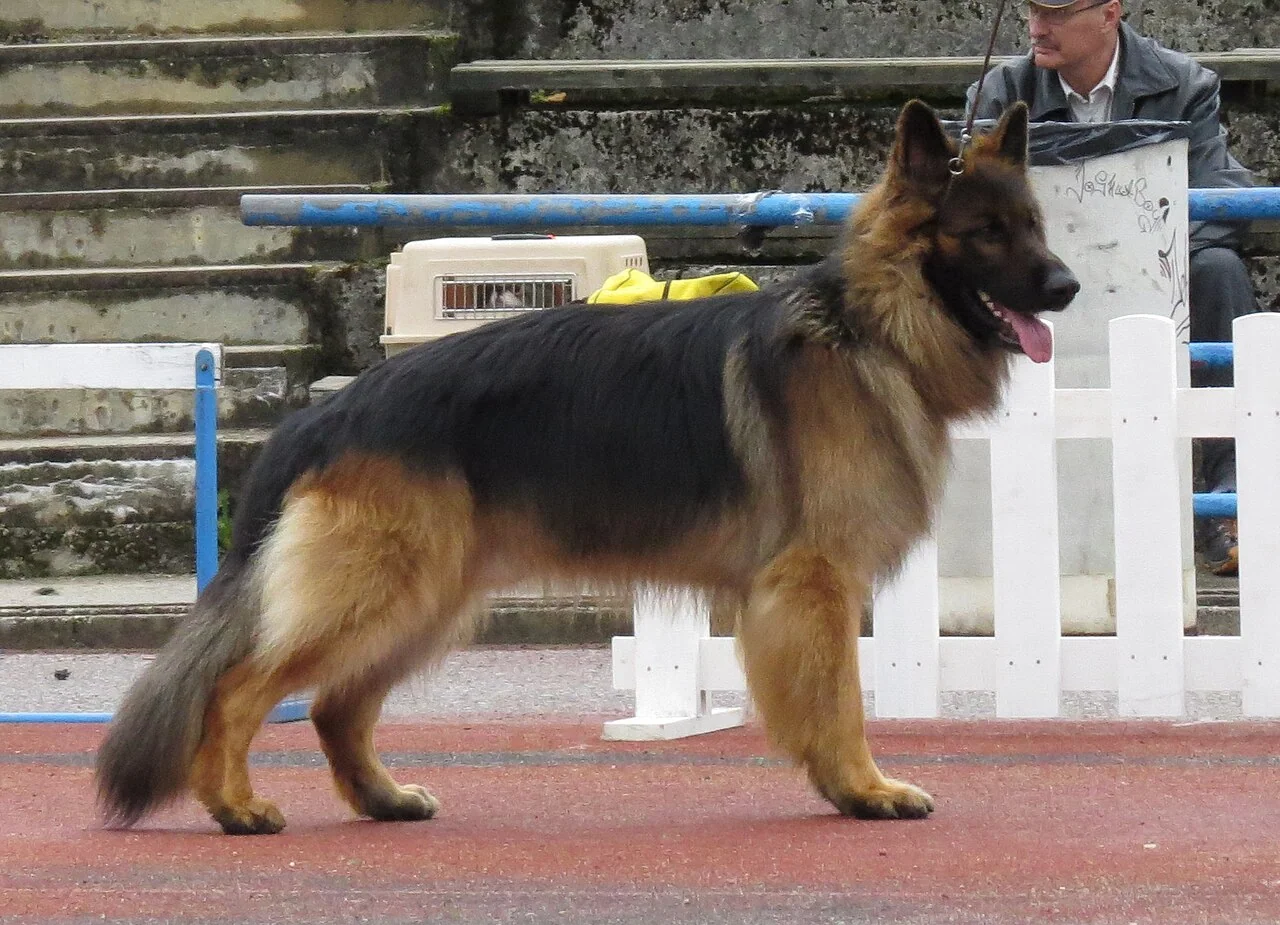
Show-ring ideals that once shaped elegant working lines now often saddle family dogs with health burdens that clash with the everyday joys of companionship.
The romantic image of dogs that panic without their owners may feel like ultimate loyalty, but it often masks distress that harms both pets and people.
 Photograph