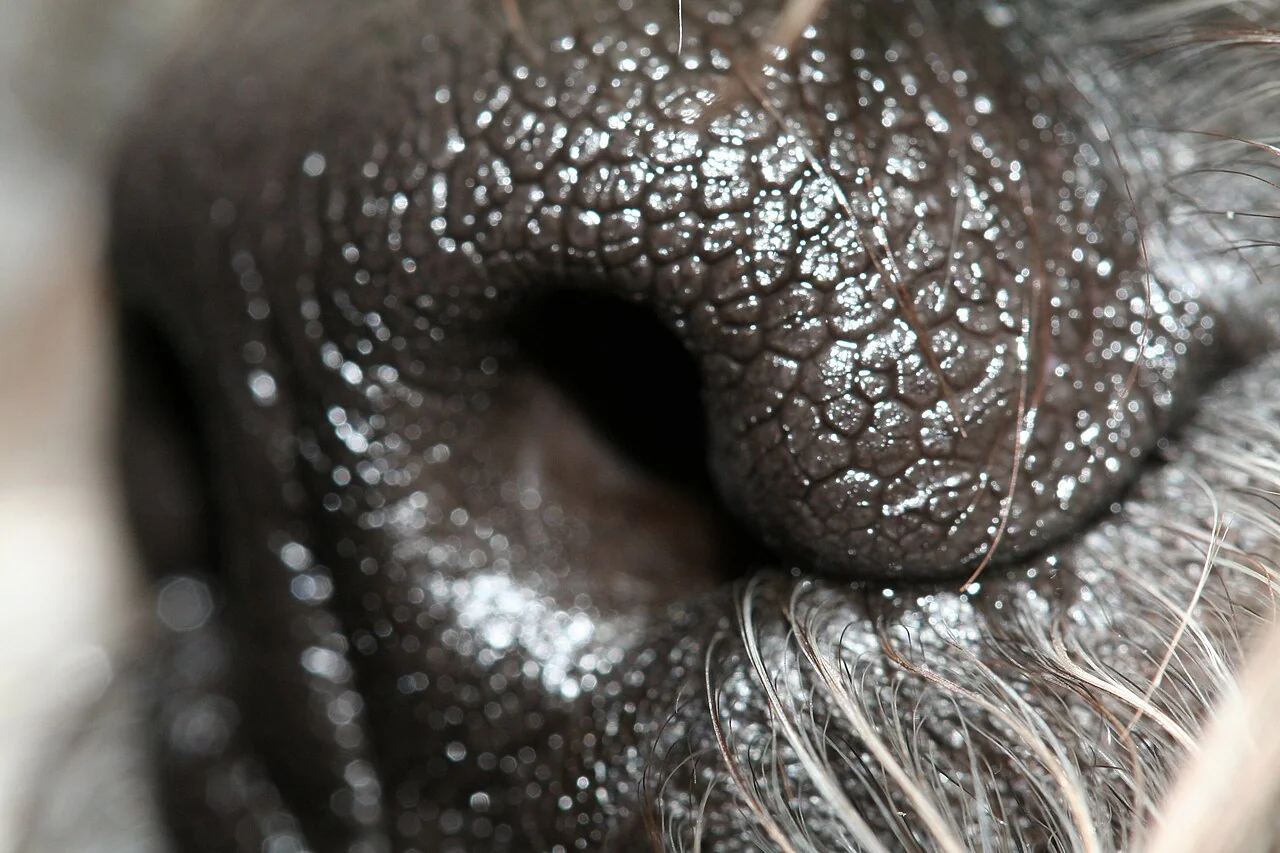
Simon, a Schnauzer and Beagle mix, at home. ZuzucooperLOLZ · CC BY-SA 4.0 · Web size optimized; source linked for the original.
We often imagine the ideal dog owner as someone with endless time, a fenced paradise of a yard, and the budget for every possible test and toy. Yet most of us live in apartments with odd hours, shared fences, or incomes that force choices. Living well with dogs means embracing these constraints with creativity and care rather than chasing an unattainable standard. It is less about rules and more about a humane willingness to see the animal clearly while seeing ourselves honestly.
The Myth of the Perfect Setup
Picture a young couple in a city studio, both working shifts that overlap awkwardly. They long for a dog but worry their space is too small and their schedule too chaotic. In this hypothetical, they might choose a smaller breed known for adaptability, like a cavalier spaniel mix, and commit to midday walks with a neighbor in exchange for occasional evening play. The tradeoff is real: less spontaneous freedom for themselves, yet the dog gains a predictable rhythm that many larger, high-energy breeds would find torturous in such confines.
This scenario reveals a deeper truth. Insisting on only those who can offer sprawling rural acres or full-time presence excludes good people from the profound comfort dogs provide. The alternative is not neglect but adaptation: teaching the dog to thrive in bursts of attention, using puzzle toys during alone time, and accepting that some couch-potato evenings are a shared pleasure rather than a failure. Such choices respect the dog's need for mental stimulation without demanding superhuman logistics from the humans.
Cavalier King Charles Spaniel, 2009 (Photo by David Shankbone via Wikimedia Commons) Kjunstorm · CC BY 2.0. Web size optimized; original linked.
Health as Partnership, Not Guarantee
Imagine a family adopting an enthusiastic mutt from a local shelter, drawn by her boundless affection. They know her unknown parentage might carry hidden risks like joint issues or allergies. Rather than despair, they budget for basic wellness checks and prepare for possible future costs by forgoing lavish vacations. In this possibility, the dog lives a full decade of hikes and car rides, her occasional vet visits becoming moments of trust rather than crises.
The tradeoff here is financial humility. Not every owner can afford cutting-edge genetic panels or specialist referrals for every symptom. Yet living well means viewing veterinary care as an ongoing dialogue instead of a one-time warranty. It might mean learning to spot early signs of discomfort at home, choosing preventive routines like weight management over miracle cures, and accepting that some ailments are the price of the unconditional love we receive in return. This approach keeps the bond warm even when imperfect.
Training Without Tyranny
Consider a retiree with a vocal beagle who bays at every passing delivery truck. In this imagined life, the owner attends a few group classes not to create a show champion but to channel the dog's natural curiosity into polite greetings. The tradeoff involves patience during the learning curve: tolerating some neighborhood eye-rolls while the beagle masters a reliable recall, perhaps trading off long solitary garden time for consistent practice sessions that ultimately deepen their mutual understanding.
Training, in this light, becomes less about dominance and more about translation between species. We give up the fantasy of a silent, instantly obedient companion and instead invest in clear signals and positive reinforcement that honor the dog's intelligence. The result is not flawless behavior but a respectful coexistence where both parties compromise. The dog learns to temper his voice for apartment living; the human learns to appreciate his alert nature as a quirky gift rather than a flaw to eradicate.
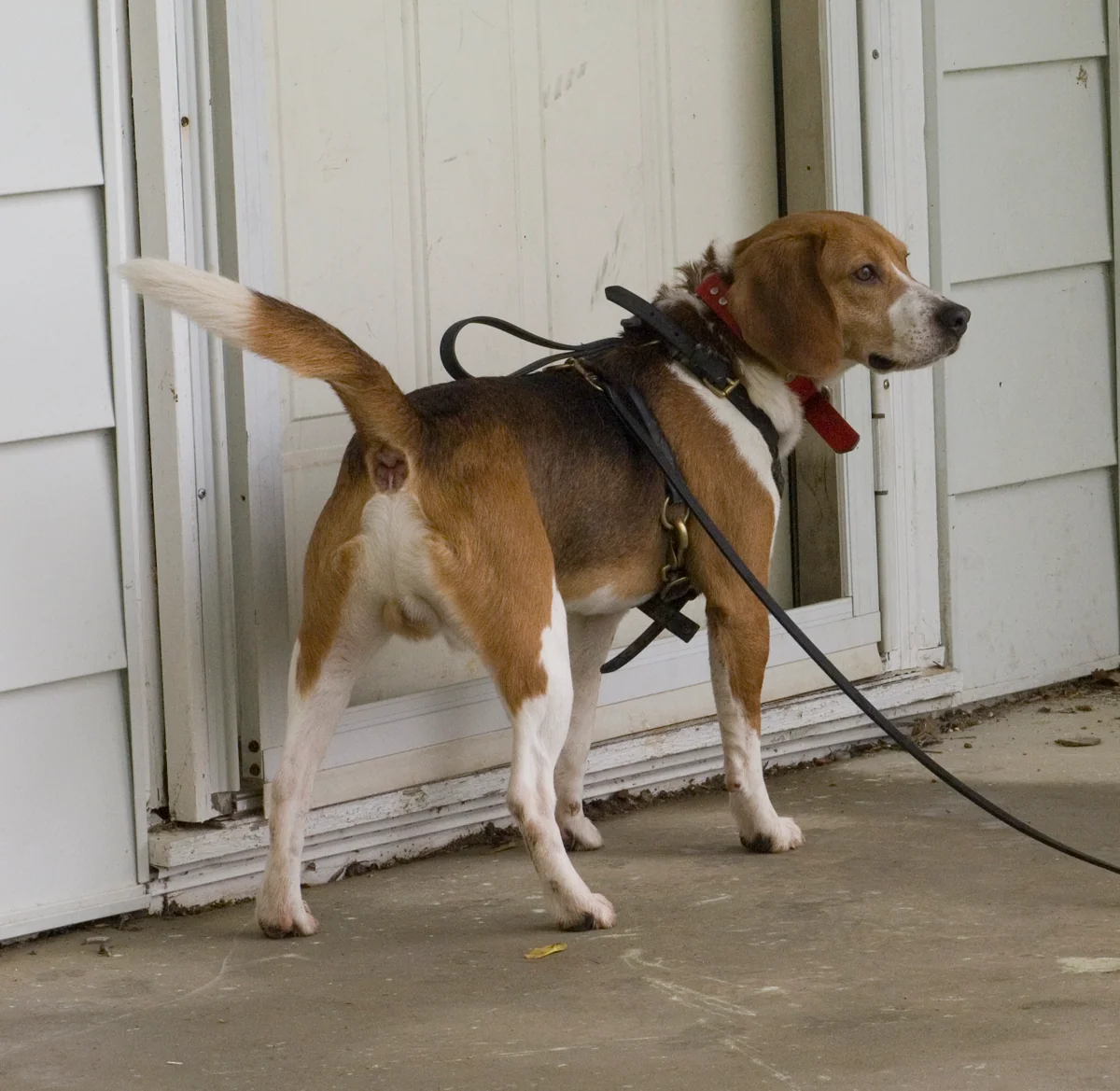
Sam, a 2-year-old beagle, works with his handler during a training session at Muscatatuck Urban Training Center. Source collection · Public domain. Web size optimized; original linked.
The Shared Public World
Envision a neighborhood where several dogs meet daily at the local park, their owners forming an informal network. One hypothetical resident owns a large, exuberant Labrador who loves to romp but sometimes overwhelms smaller dogs. The owner chooses to visit during quieter hours and practices impulse control exercises, trading the convenience of peak playtime for harmony with the community. In return, the park remains a welcoming space rather than a source of complaints.
These public tradeoffs remind us that dogs do not live in vacuums. Their joy ripples outward, affecting neighbors, children, and other animals. Responsible presence might mean forgoing off-leash freedom in sensitive areas or carrying extra waste bags without resentment. It asks us to weigh our dog's happiness against the collective peace, choosing routes or times that minimize conflict. Far from dimming the relationship, such mindfulness often strengthens it by turning everyday outings into acts of quiet stewardship.
A Legacy of Gentle Realism
Suppose an older dog begins to slow down, his once-endless zoomies replaced by stiff mornings. His guardian, perhaps a single parent balancing work and childcare, opts for ramps, joint supplements, and shorter but more meaningful sniff walks instead of heroic interventions. In this possible future, they savor the twilight years with photo albums of past adventures, accepting the ache of limited mobility as part of the full arc of companionship.
Ultimately, living well with dogs invites us to release perfectionism in favor of presence. We trade the illusion of total control for the reality of mutual growth, where a muddy paw print on the rug becomes a reminder of shared explorations rather than a mark of failure. By acknowledging our limitations and the dog's inherent wildness, we create space for authentic joy. This humane balance does not diminish the bond; it deepens it, allowing both species to thrive in the beautiful imperfection of ordinary days.
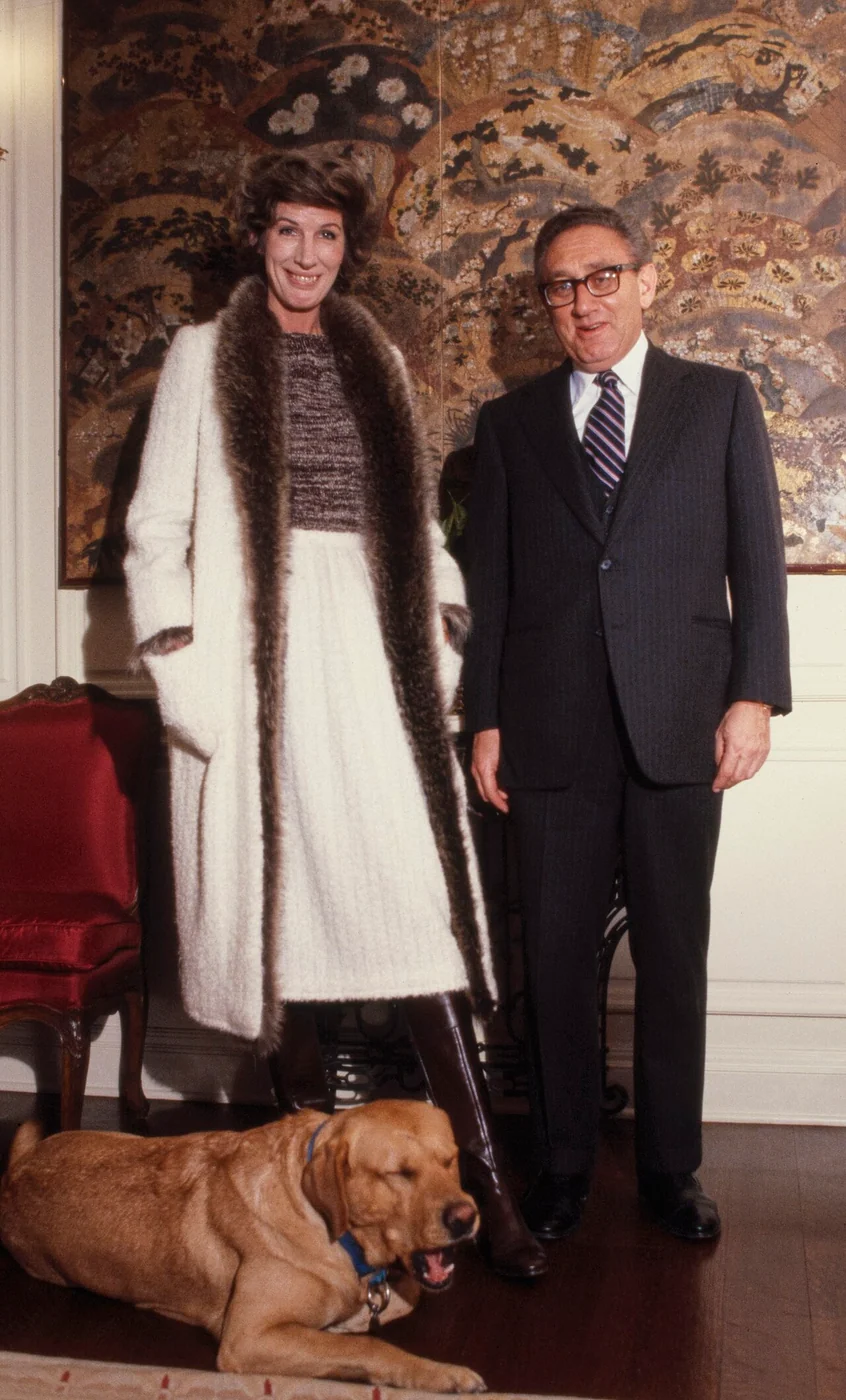
Nancy and Henry Kissinger at home with their dog Tyler in their New York apartment, 1978. Bernard Gotfryd · Public domain. Web size optimized; original linked.
AI-assisted original writing. This feature was revised against source material and checked for unsupported claims. An editorial perspective; interpretations are distinguished from factual reporting.
Sources & further reading
This article is labeled opinion and offers an editorial perspective.
Focusing on certain breeds distracts from the real drivers of dog bites: negligent ownership and missed opportunities for early socialization that affect every kind of pup.
Urban planners rarely pause to consider how their straight paths and echoing plazas feel through a dog's nose, ears, and eyes, yet a few gentle adjustments could transform shared spaces into places where both species truly thrive together.
Strict enforcement on suburban paths and trails quietly shields our canine companions from injury, escape, and tense encounters that off-leash freedom too often invites.


 Photograph