Why Purebred Standards Are Failing Modern Companion Dogs
Show-ring ideals that once shaped elegant working lines now often saddle family dogs with health burdens that clash with the everyday joys of companionship.
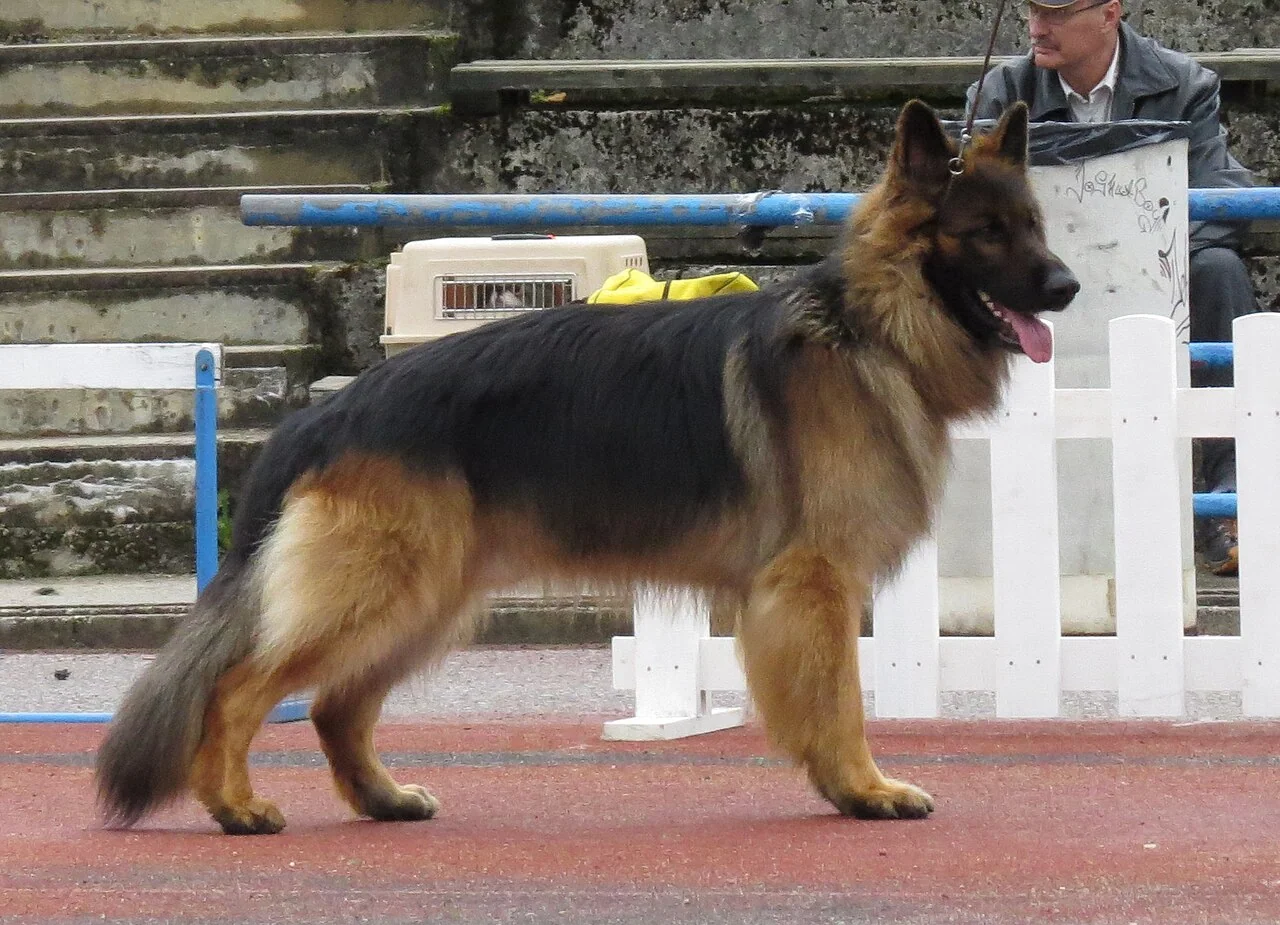
German Shepherd shown in the show ring at an international dog show in Tallinn, Estonia, 2013. Томасина · CC BY-SA 3.0 · Web size optimized; source linked for the original.
We bring dogs into our homes expecting laughter, loyalty, and the simple pleasure of a warm body curled at our feet after a long day. Yet too often, the very standards meant to define their excellence end up undermining the life we hope to share. Purebred ideals born in the show ring can burden companion dogs with physical and temperamental traits that fit poorly with the realities of stairs, toddlers, spontaneous park romps, and quiet evenings on the couch. Reimagining those standards with companionship at the center could free generations of dogs to thrive as true family members rather than living monuments to outdated aesthetics.
The Show Ring's Long Shadow
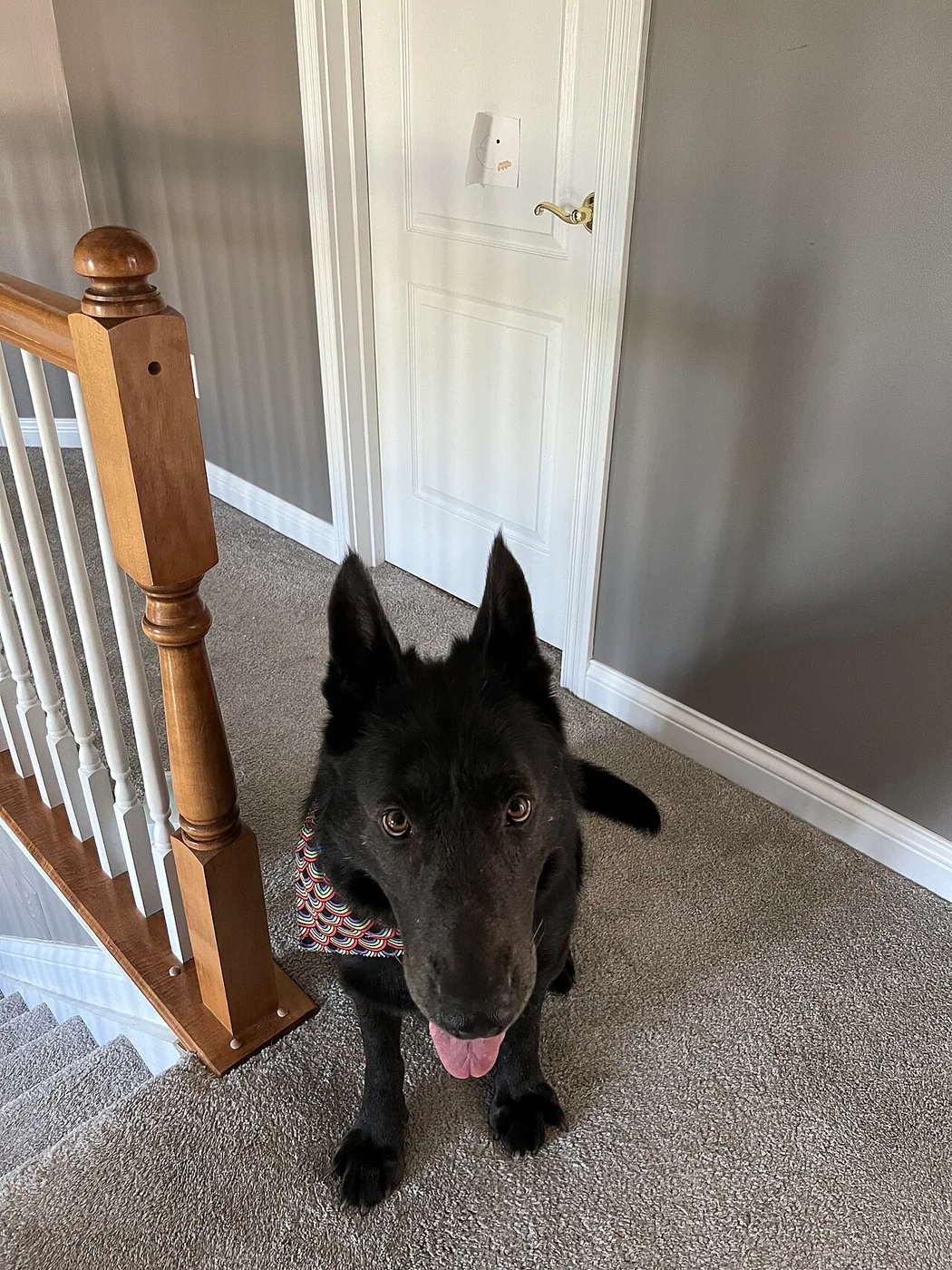
Imagine a hypothetical family adopting a sleek German shepherd puppy because its elegant silhouette reminds them of the noble guardians in old movies. In the show ring that inspired its lineage, the dramatic slope of its hindquarters once earned admiring nods and blue ribbons. Yet at home, that same angle makes climbing stairs a daily struggle and turns a game of fetch into a cautious ballet. What began as a functional trait for herding or patrolling has been exaggerated into a look that photographs beautifully but complicates ordinary movement.
This pattern repeats across many breeds. A bulldog's dramatically shortened muzzle might have helped it grip tenaciously in some long-ago task, but today it often translates into noisy breathing that worries parents when their child wants to wrestle on the rug. The show ring, once a showcase for working excellence, evolved into its own echo chamber where judges reward ever more extreme versions of certain features. For dogs whose primary job is simply to be present and joyful, these inherited exaggerations can feel like inherited burdens rather than badges of honor.
German Shepherd named Rollo sitting at the top of a staircase and panting, illustrating mobility challenges associated with exaggerated hindquarter angulation. Icemannn999 · CC BY-SA 4.0. Web size optimized; original linked.
Health Trade-offs That Hit Home
Consider a lively young family enchanted by the wrinkled charm of a pug. They picture endless playdates and snuggly movie nights. In possibility, however, that adorable flat face leads to overheating after a short backyard chase, turning what should be carefree fun into a careful monitoring of symptoms. The very feature that makes the dog look perpetually surprised can restrict airflow so severely that even mild excitement becomes a respiratory event requiring veterinary intervention.
Larger breeds face parallel dilemmas. Picture a Great Dane whose towering stature dazzles at first glance but whose joints begin to ache before its fifth birthday, limiting its ability to bound alongside children on bikes or sprawl comfortably on a standard-sized bed. These are not inevitable fates for every individual dog, yet they illustrate the trade-offs embedded in standards that prioritize dramatic conformation over everyday resilience. Families drawn to a breed's classic look may discover that the emotional cost of chronic care can quietly strain the very companionship they sought.
Temperament Takes a Back Seat
Physical appearance often dominates conversations about breed standards, yet the emotional makeup of a dog determines whether life together feels harmonious or constantly negotiated. Envision a household with frequent visitors and neighborhood children running through the yard. A dog selected primarily for a perfectly sculpted head and show-perfect gait might arrive with an intensity that makes every doorbell a source of stress rather than excitement. The calm adaptability needed for modern family chaos receives only passing mention in many standards, overshadowed by precise descriptions of ear set or tail carriage.
In contrast, imagine working lines of the same breed retaining sharper focus for specialized tasks while show lines sometimes trade robust nerves for a placid ring demeanor that masks underlying anxiety. A hypothetical golden retriever bred strictly for the show bench might look flawless in photographs but struggle with the unpredictable noises of a city street or the roughhousing of siblings. Prioritizing stable, flexible temperaments in standards could help ensure that the dogs we welcome home possess the emotional steadiness to meet life's ordinary surprises with wagging tails instead of worry.
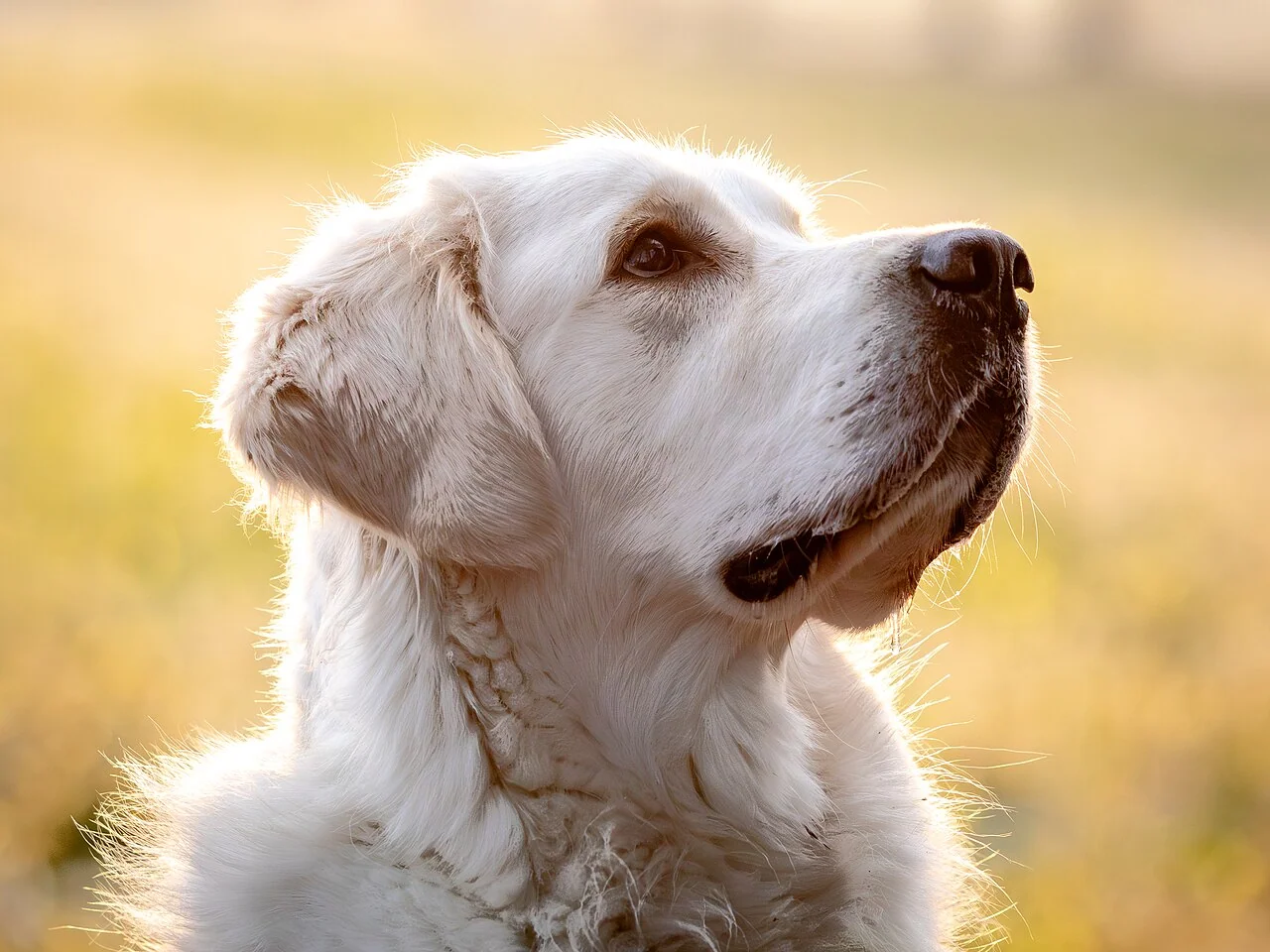
Golden Retriever standing outdoors near Hausdülmen, Germany, representing a breed often discussed in show versus working lines. Dietmar Rabich · CC BY-SA 4.0. Web size optimized; original linked.
A Call for Revised Standards
Updating breed standards does not require discarding tradition or erasing the distinctive silhouettes that make each breed recognizable. Instead, kennel clubs could weave in practical evaluations that test a dog's ability to breathe easily during moderate exercise, move fluidly across varied surfaces, and greet new people with balanced curiosity rather than alarm. Some thoughtful breed communities already encourage health clearances and temperament assessments; elevating these to core requirements would realign incentives toward dogs who flourish in suburban backyards and neighborhood walks.
Such revisions might encourage breeders to value moderate proportions, broader genetic pools, and resilient minds over the pursuit of ever more exaggerated show traits. The result could be companion dogs who need fewer surgeries, fewer medications, and far less anxious hovering from their humans. In this vision, the sofa-sitting, park-visiting reality of most purebred lives would finally shape the ideals that define them, allowing heritage to serve happiness rather than constrain it.
Balancing Heritage With Modern Realities
Skeptics may worry that reforming standards attacks the soul of breeds that have delighted humans for generations. Yet those standards have always shifted with the times, reflecting new fashions, new roles, and new understandings of what dogs can offer us. The majority of registered dogs today live as beloved family members rather than working specialists or ring competitors. Preserving the charm and predictability of breed types remains worthwhile only when those traits genuinely support health, comfort, and mutual delight.
Responsible breeders, thoughtful owners, and caring veterinarians already demonstrate that progress is possible through collaborative health efforts and open conversations about realistic expectations. By placing companionship at the heart of revised standards, the dog world can honor its rich past while embracing the everyday needs of modern households. Ultimately, the dogs themselves would benefit most: freer to run, breathe, and simply be without the weight of exaggerated ideals. Their bright eyes and eager greetings would remind us that living well with dogs means choosing traits that enrich daily life, not ones that merely look impressive under spotlights.
AI-assisted original writing. This feature was revised against source material and checked for unsupported claims. An editorial perspective; interpretations are distinguished from factual reporting.
Sources & further reading
This article is labeled opinion and offers an editorial perspective.
Focusing on certain breeds distracts from the real drivers of dog bites: negligent ownership and missed opportunities for early socialization that affect every kind of pup.
Urban planners rarely pause to consider how their straight paths and echoing plazas feel through a dog's nose, ears, and eyes, yet a few gentle adjustments could transform shared spaces into places where both species truly thrive together.
Strict enforcement on suburban paths and trails quietly shields our canine companions from injury, escape, and tense encounters that off-leash freedom too often invites.
 Photograph