The Daily Sky: Why Apartment Dogs Deserve Guaranteed Outdoor Time
Rental agreements and building codes should require verifiable daily outdoor access for dogs, acknowledging that good intentions alone cannot substitute for the living world's pull on a dog's spirit.
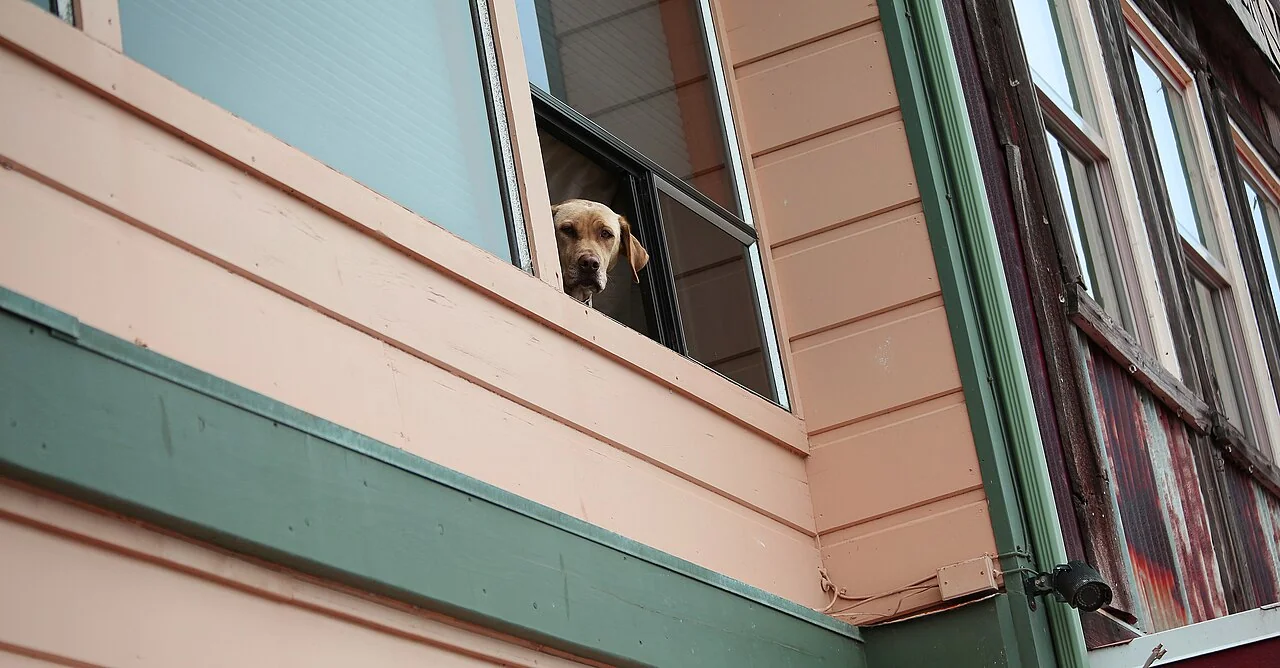
Dog looking out from a window (2015) Rennett Stowe from USA · CC BY 2.0 · Web size optimized; source linked for the original.
We bring dogs into our lives promising adventure and companionship, yet many of us tuck them into apartments where the promise shrinks to a patch of carpet and a view of rooftops. A thoughtful city might reconsider this squeeze. By weaving mandatory outdoor time into leases and building standards, we could honor the ancient rhythm that still beats beneath every wagging tail. This is not about scolding busy owners but about designing a gentler default, one that respects both the dog's wild inheritance and the practical limits of human days. The tradeoffs are real: added rules, shared spaces, occasional inconvenience. Yet the alternative, a life lived mostly in artificial light, leaves both species diminished.
The Quiet Erosion of Indoor Days
Imagine a terrier named Juno in a sunlit but sealed tenth-floor unit. Each morning she traces the same figure-eight from couch to door and back, her nails clicking a restless Morse code against the hardwood. What looks like quirky habit may be the body's way of saying the world has grown too small. Without regular chances to read the outdoor story through scent and motion, even the most affectionate dog can turn inward, chasing reflections or shadows in lieu of real horizons.
A large hound in a studio might fare no better, his powerful frame folded into routines of short hallway sprints and window-watching. Over months, the absence of varied terrain could stiffen joints that were built for uneven ground and sudden direction changes. These are not inevitable aging pains but possible consequences of a habitat that forgets the dog's original bargain with us: we domesticate, they adapt, yet adaptation has limits. A policy requiring daily outdoor excursions would not magically erase every behavioral quirk, but it could prevent the slow accumulation of frustration that turns a cheerful companion into a pacing silhouette against the blinds.
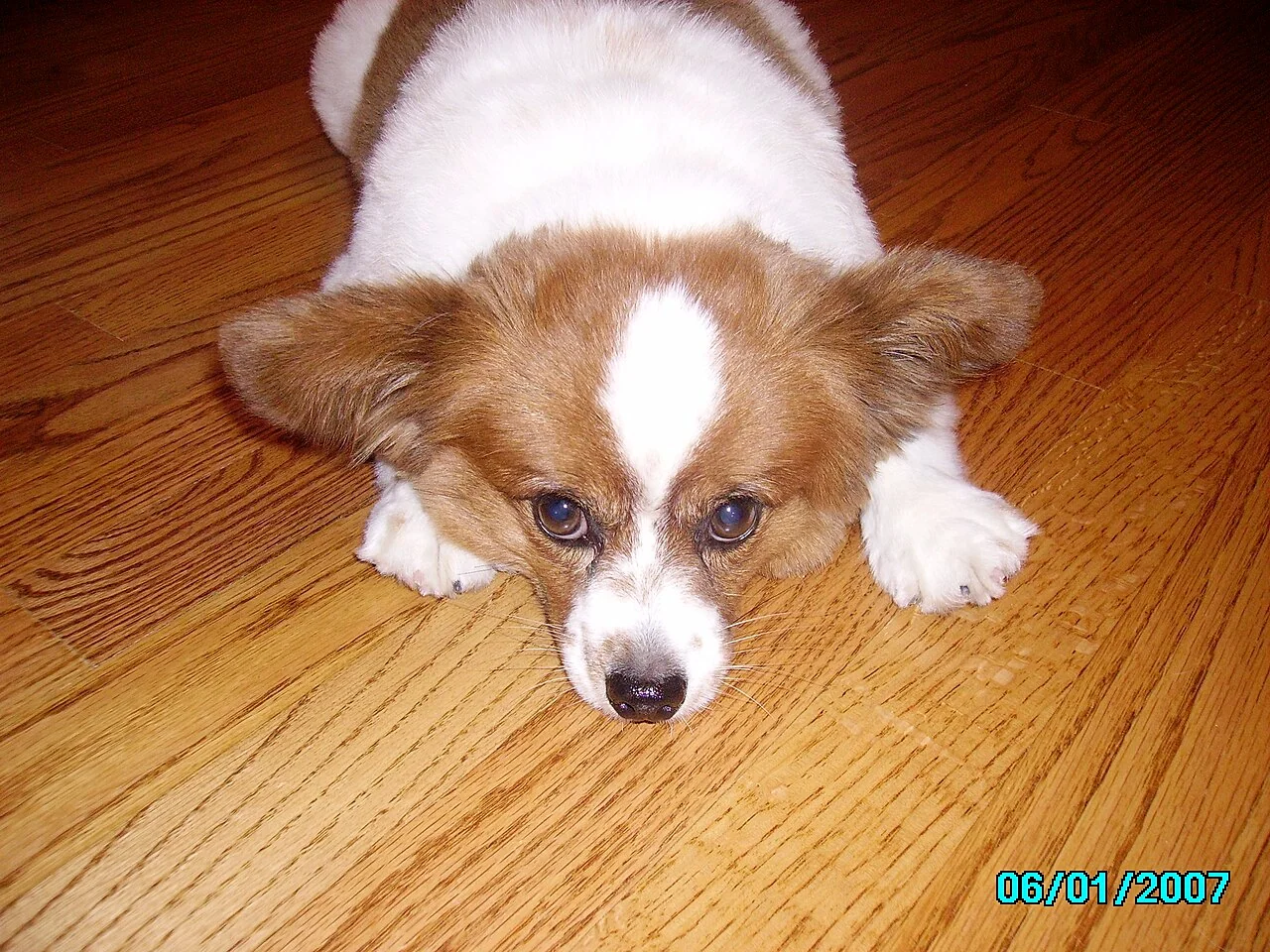
Papillon dog sitting on a hardwood floor indoors Swatjester · CC BY-SA 3.0. Web size optimized; original linked.
The Limits of Trusting Good Intentions
Most of us mean to do right by our dogs. Yet life crowds in: deadlines that stretch past dusk, sudden downpours that test resolve, the hypnotic pull of a favorite chair after a long commute. A quick loop around the block at midnight might soothe our conscience and technically fulfill a vague lease clause, but it offers little of the layered sensory banquet a dog craves in daylight, when birds scatter and breezes carry neighborhood gossip.
Requiring proof of outdoor time, perhaps through simple building logbooks or partnered walking services, nudges us beyond self-reporting's gentle fictions. The tradeoff is clear: some loss of personal autonomy in exchange for accountability that protects the voiceless resident. We already tolerate far more intrusive rules about recycling bins and quiet hours; extending similar expectations to the animals who share our walls seems a modest extension of communal courtesy rather than an assault on freedom. Thirty to sixty minutes split across morning and evening could serve as a flexible baseline, adjustable for a greyhound's sprinting needs or a bulldog's preference for leisurely sniffs.
Rediscovering Shared Rhythms Outdoors
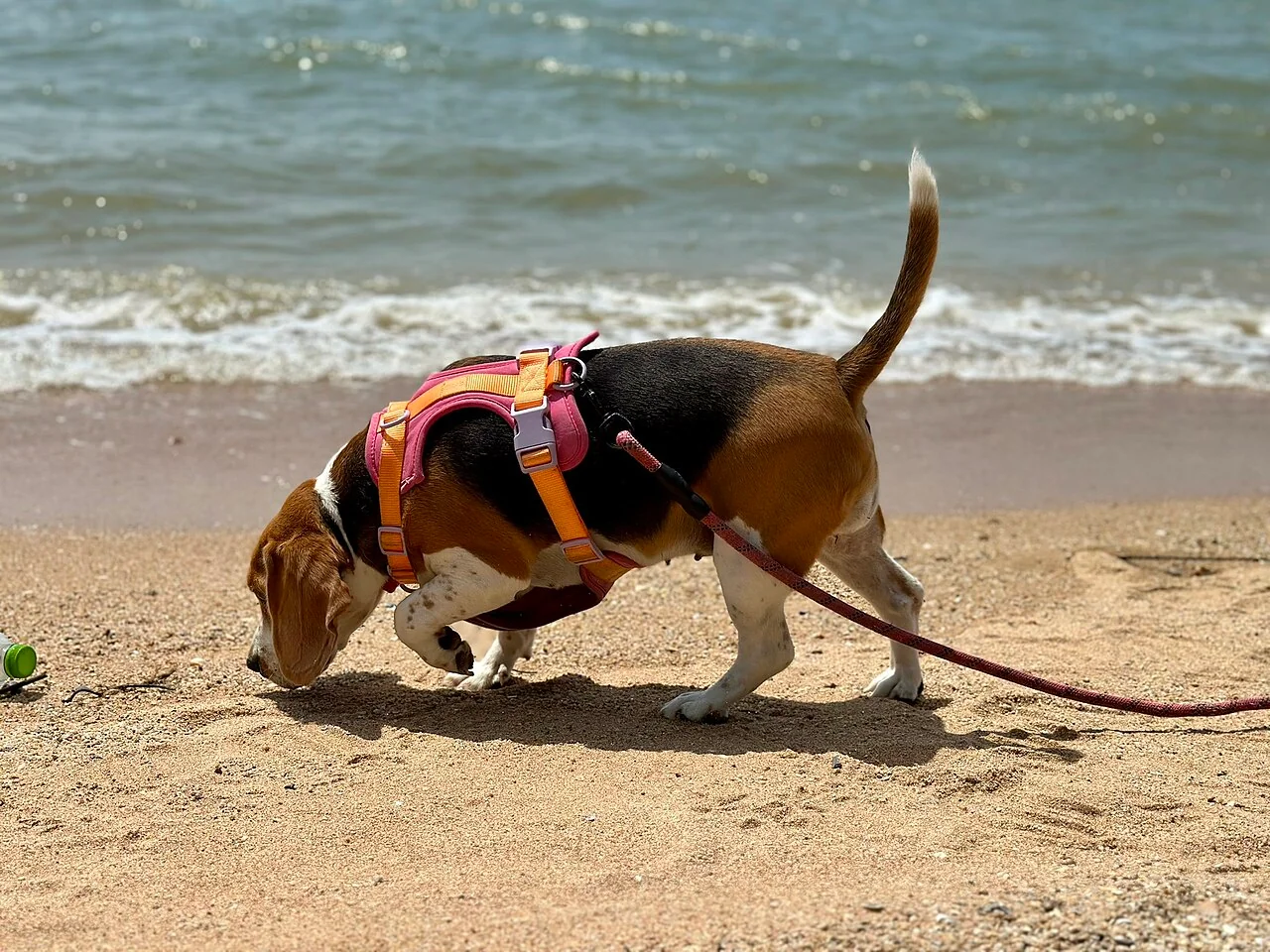
Picture an older couple in a mid-rise building who adopt a young rescue beagle. At first the dog seems content with indoor toys and affection, but weeks reveal a growing restlessness that strains their patience and the neighbors' goodwill. Only when the lease demands they schedule daily park visits does the household transform: the beagle's nose leads them down streets they had never truly noticed, and the couple returns home lighter, their own worries briefly out-sniffed by a dog discovering which mailbox post holds the most interesting news.
These hypothetical moments reveal a deeper companionship that flourishes beyond four walls. When we step outside together, the dog becomes teacher again, reminding us to pause, to notice, to move for the pure joy of movement. The tradeoff here is temporal; carving out those minutes may mean rising earlier or skipping an episode of television. Yet many owners report that the shared ritual becomes the bright thread in otherwise ordinary days, turning obligation into quiet ceremony. Cities already maintain pocket parks and greenways; writing access to them into housing policy simply ensures the animals living overhead actually reach the grass.
Coco the beagle sniffing at Jomtien beach Slyronit · CC BY-SA 4.0. Web size optimized; original linked.
Crafting Workable Rules Without Rigidity
Practical implementation could begin modestly. New apartment buildings might include small ground-level relief areas planted with resilient turf, while older structures partner with nearby dog-friendly parks and maintain a simple sign-out system. For tenants with mobility challenges or unpredictable schedules, leases could require access to vetted walking services, subsidized partly by modest building fees. The goal remains steadfast: every apartment dog crosses the threshold to open air each day, rain or shine.
Critics might rightly note added costs or administrative burden, and those concerns deserve honest weight. Yet calmer dogs could mean fewer chewed baseboards, reduced noise complaints, and lower turnover rates, benefits that might offset expenses over time. The policy need not micromanage exact routes or durations; thoughtful flexibility, perhaps with veterinary notes for special cases, would prevent the rule from becoming another source of stress. In the end, we trade the illusion of unlimited owner discretion for a baseline that acknowledges dogs as living beings rather than lifestyle accessories.
Toward Cities That Welcome All Their Creatures
Requiring daily outdoor time reframes apartment dogs from convenient roommates to fellow participants in urban life, their needs shaping stairwells, elevators, and green corridors. A building that plans for wagging tails and curious noses becomes, almost by accident, a warmer place for human residents too: more conversations at the dog relief station, more spontaneous smiles between neighbors who recognize one another by their pets' antics.
This proposal honors the ancient pact between our species without demanding perfection. We cannot return dogs to open fields or village lanes, but we can refuse to let glass towers become permanent prisons of comfort. By moving outdoor access from hopeful suggestion to quiet standard, we create room for tails to wag with genuine enthusiasm and for humans to remember that living well often means living outward. The result might be slightly more complicated leases and slightly more predictable mornings, yet the trade seems small against the daily gift of sky, wind, and the simple, profound joy of a dog who has been allowed to remember he is a dog.
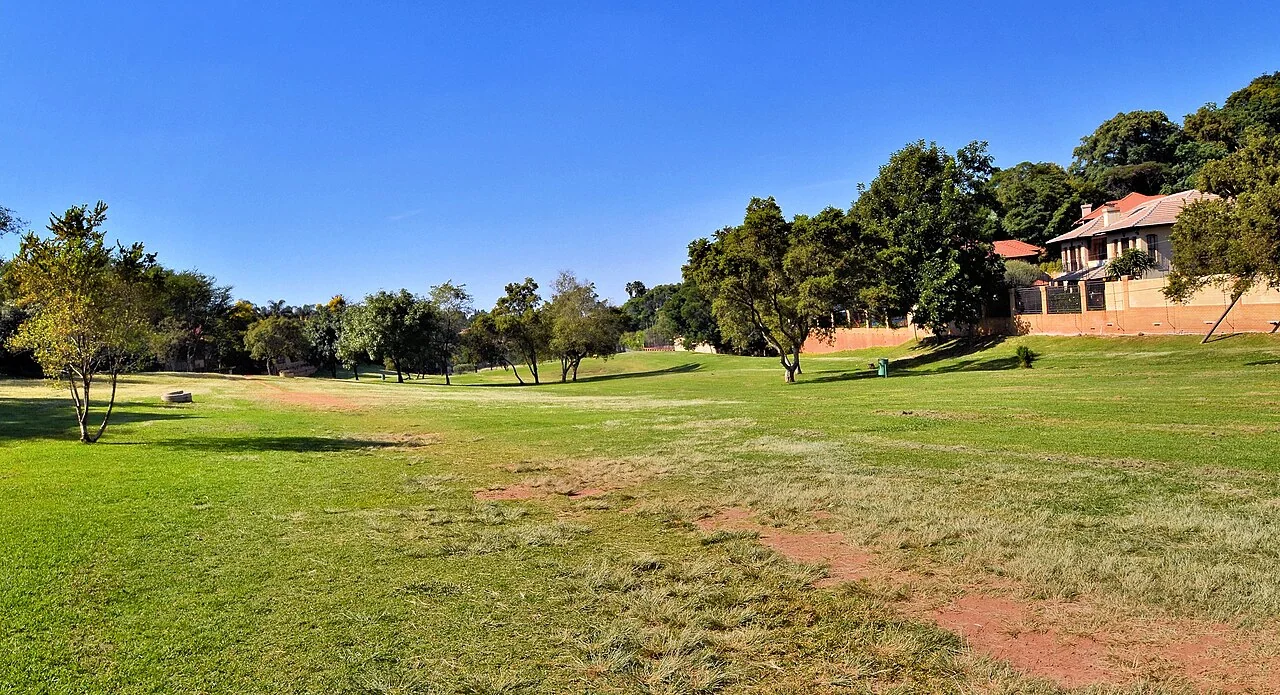
Eridanus Doggy Park in Pretoria, South Africa Ossewa · CC BY-SA 4.0. Web size optimized; original linked.
AI-assisted original writing. This feature was revised against source material and checked for unsupported claims. An editorial perspective; interpretations are distinguished from factual reporting.
Sources & further reading
This article is labeled opinion and offers an editorial perspective.
Focusing on certain breeds distracts from the real drivers of dog bites: negligent ownership and missed opportunities for early socialization that affect every kind of pup.
Urban planners rarely pause to consider how their straight paths and echoing plazas feel through a dog's nose, ears, and eyes, yet a few gentle adjustments could transform shared spaces into places where both species truly thrive together.
Strict enforcement on suburban paths and trails quietly shields our canine companions from injury, escape, and tense encounters that off-leash freedom too often invites.
 Photograph