Single dogs often thrive when their human partners provide consistent engagement, while adding a second pet can sometimes spark conflict rather than companionship.
Italian Greyhound sitting alone on a sofa Plenopticon · CC BY-SA 4.0 · Web size optimized; source linked for the original.
We have all seen the heart-tugging images: two dogs curled together like puzzle pieces, tongues lolling in shared mischief. The story sells itself—every dog secretly pines for a furry roommate, and denying that companionship borders on neglect. Yet this tidy tale flattens the messy, individual realities of life with dogs. Many single dogs bloom under the steady, imaginative care of their humans, while a second dog can introduce friction that no one anticipated. The kindest choice is rarely the most popular one. It begins with seeing our dogs as distinct characters rather than interchangeable pack members.
Personality Matters More Than Pack Size
Imagine a sleek Italian greyhound named Luna who lives for sunbeams and the particular rhythm of her person’s evening book-reading hour. She tolerates the mail carrier with aristocratic disdain and greets visiting dogs with a polite sniff before retreating to her favorite window perch. For Luna, another dog might feel like an uninvited guest who rearranges the furniture of her quiet days. Her hypothetical human might notice how she relaxes only after the neighbor’s boisterous beagle leaves the yard, tail low and ears soft in relief. Recognizing that preference is not deprivation; it is respect.
Contrast her with a young cattle dog who seems to invent new games the moment his person’s back is turned. In this imagined scenario, a compatible playmate of similar drive could channel his boundless scheming into joyful wrestling matches that leave both dogs happily exhausted. The difference lies not in some universal canine rule but in the particular constellation of breed echoes, past experiences, and private quirks that make each dog who they are. Assuming every tail wag is an invitation for company risks missing the dog who leans against your leg during neighborhood walks simply because your company is enough.
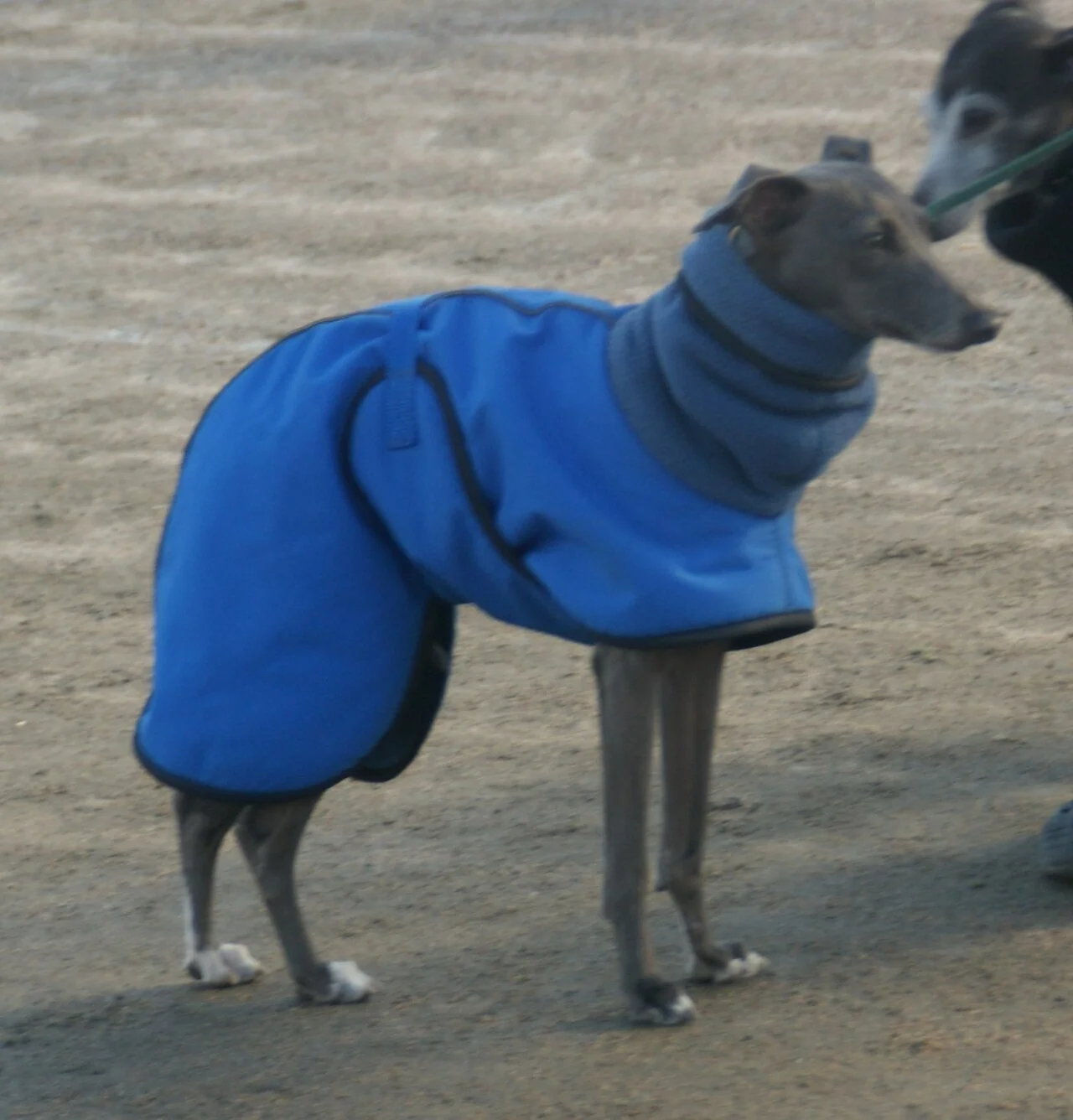
Italian Greyhound, grey. (Modern documentary photograph) Canarian · CC BY-SA 4.0. Web size optimized; original linked.
The High Cost of Canine Roommates
Picture a cozy one-bedroom apartment where a middle-aged rescue named Max has perfected the art of claiming the entire couch. Introduce a hypothetical second dog—an energetic young mutt—and suddenly the once-serene space shrinks. The couch becomes contested territory, the single water bowl a site of subtle negotiations, and the nightly ritual of quiet belly rubs interrupted by refereeing minor spats. What began as a generous impulse can quietly multiply vet bills, training sessions, and the emotional labor of keeping peace.
Even in larger homes the math changes. Resources that once felt abundant—time, attention, patience—stretch thin when two distinct personalities must be kept from tipping into rivalry. One dog may guard the front window with territorial zeal while the other learns that stolen toys yield the best chases. The hypothetical owner who dreamed of double the snuggles may instead find themselves installing baby gates, scheduling separate walks, and wondering whether the original dog’s contented sighs have grown rarer. These tradeoffs deserve honest weighing before romance overrides practicality.
Owner Engagement Trumps Automatic Pairing
Consider an older beagle whose joints protest sudden leaps but who still lights up at the promise of a slow, scent-rich ramble through the park. In this imagined life, his human trades boisterous fetch for gentle nosework games hidden around the living room. The dog’s days fill with predictable rhythms: morning stretches on a yoga mat, midday puzzle toys that reward patience, and twilight cuddles that require no translation. The bond deepens precisely because the human’s attention is undivided and tailored.
Such consistency can feel like luxury to a dog who once shared the household spotlight. Without the unpredictable moods of a roommate, routines become reliable anchors. The hypothetical single dog learns that his person’s return always means a walk at his pace, a treat earned through a favorite trick, and quiet time that never gets interrupted by canine drama. Many owners discover that this focused presence satisfies what their dog actually craves: not necessarily another dog, but a human who shows up fully and often.
Former racing greyhound smiling while resting on a sofa L. Bower · CC0 1.0. Web size optimized; original linked.
When Two Dogs Do Make Sense
None of this dismisses the households where two dogs genuinely enrich each other’s lives. Envision a pair of retired greyhounds who arrived at the same foster home and immediately fell into a synchronized routine of long naps and gentle zoomies at dawn. Their hypothetical adopters, after months of careful observation, decide the match feels effortless rather than forced. Separate feeding stations and individual training time keep small tensions from growing, allowing the dogs to share warmth on cold nights without competition.
Success here hinges on rejecting the idea that pairing is obligatory. It becomes one thoughtful option among many, chosen only after honest assessment of space, schedules, and personalities. The people in these homes often speak of the extra work—monitoring play, providing solo adventures, maintaining multiple resource zones—not as burden but as the price of harmony. Their example reminds us that companionship works beautifully when it fits, and that forcing the fit rarely does.
Rethinking the Pack Mentality
Our collective imagination still carries faded pictures of wolves moving as seamless units across tundra. Domestic dogs, however, have spent centuries adapting to life alongside us, forming primary attachments that do not always require four-legged mirrors. A single dog who meets his person at the door with bright eyes and a toy offering may be expressing perfect contentment rather than subtle loneliness. The myth that every dog needs a canine companion can quietly breed guilt in perfectly capable homes.
Letting go of that myth creates room for decisions rooted in reality instead of romantic shorthand. Those with long workdays, tiny balconies, or dogs carrying old injuries can stop measuring their love by the number of collars on the hook. The focus turns toward enriching the relationship already in progress—learning the precise tilt of an ear that signals delight, inventing new games that suit aging bodies, noticing when silence itself feels companionable. In the end, living well with dogs means seeing them clearly, not through the soft filter of what we wish for them. The most humane gift may be the courage to say one devoted human is sometimes the fullest pack a dog needs.
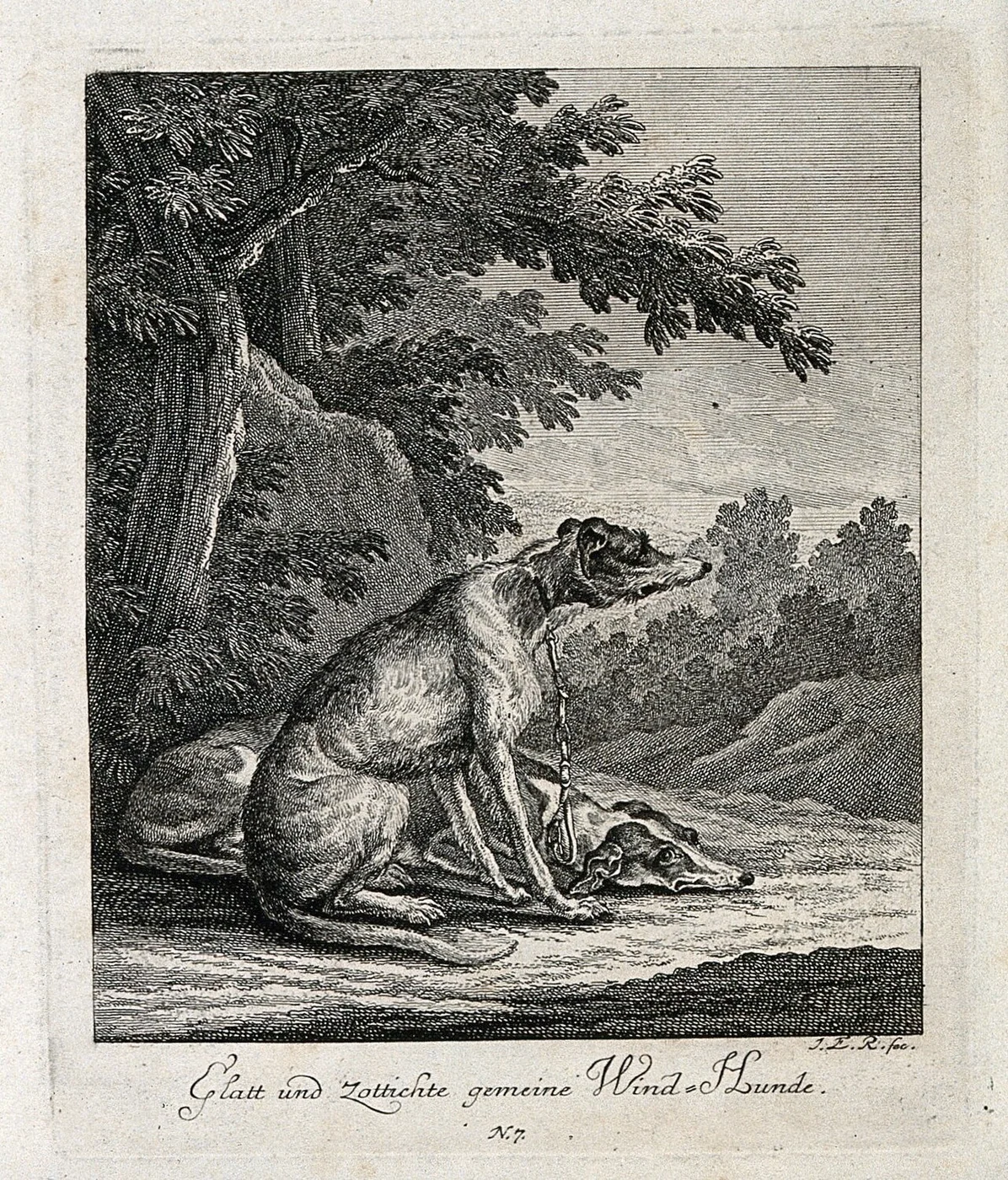
A wire-haired and a straight-haired greyhound resting on a forest clearing. Etching by J. E. Ridinger. Source collection · CC BY 4.0. Web size optimized; original linked.
AI-assisted original writing. This feature was revised against source material and checked for unsupported claims. An editorial perspective; interpretations are distinguished from factual reporting.
Sources & further reading
This article is labeled opinion and offers an editorial perspective.
Focusing on certain breeds distracts from the real drivers of dog bites: negligent ownership and missed opportunities for early socialization that affect every kind of pup.
Urban planners rarely pause to consider how their straight paths and echoing plazas feel through a dog's nose, ears, and eyes, yet a few gentle adjustments could transform shared spaces into places where both species truly thrive together.
Strict enforcement on suburban paths and trails quietly shields our canine companions from injury, escape, and tense encounters that off-leash freedom too often invites.


 Photograph