Why Cities Need More Off-Leash Zones for Adult Dogs
Dedicated adult-only off-leash areas can ease urban tensions, encourage polite park sharing, and let mature dogs play in ways that suit their calmer energy.
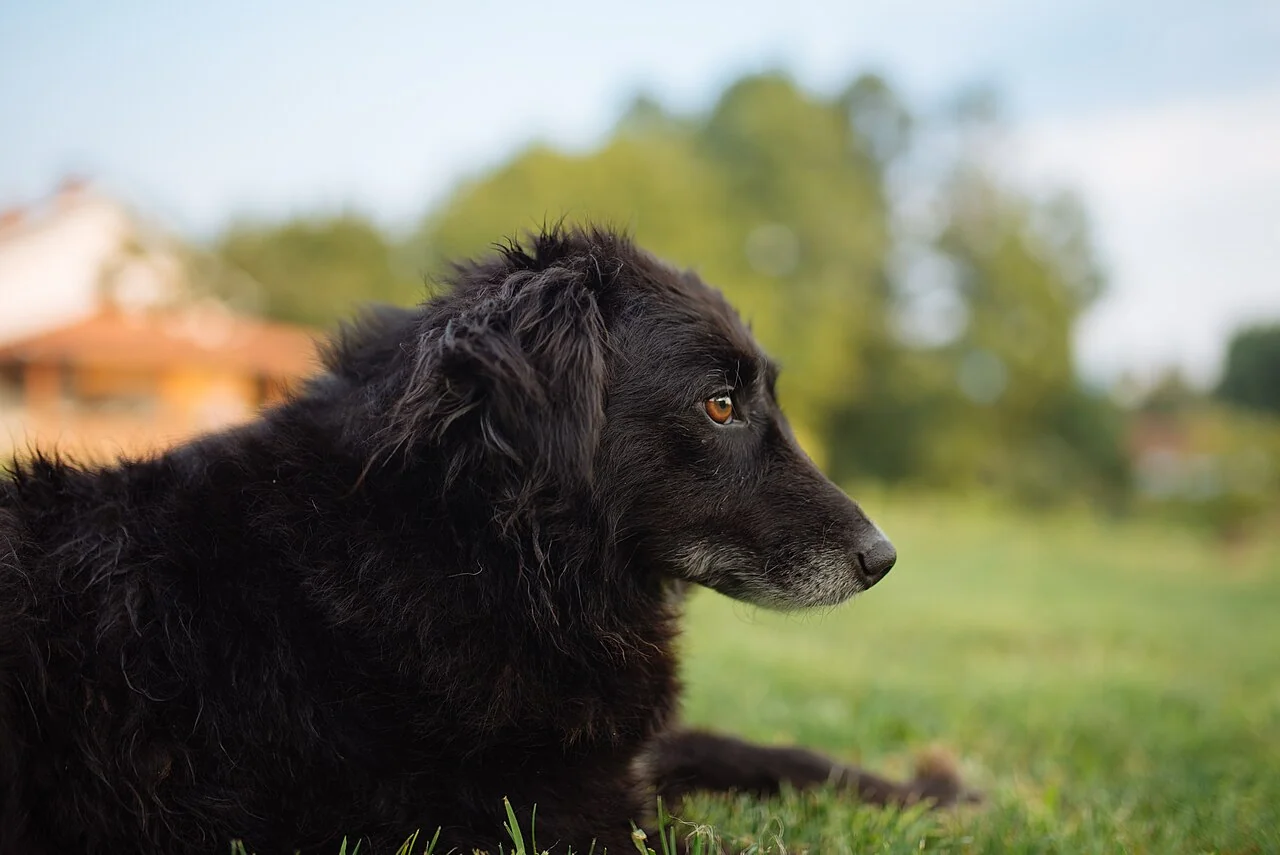
A black dog lies comfortably on lush green grass, gazing thoughtfully into the distance (2020). Shixart1985 · CC BY 2.0 · Web size optimized; source linked for the original.
In the tight choreography of city life, our dogs often mirror our own search for breathing room. Puppies tumble through existence with the wild abandon of fireworks, while their older counterparts move with the measured grace of seasoned dancers. Yet most urban parks force these rhythms together, breeding small frictions that ripple outward. Imagine instead a landscape where adult dogs claim spaces tuned to their tempo. Such zones would not only honor the natural arc of a dog's life but also soften the edges of shared public ground, turning potential clashes into moments of quiet harmony.
The Visible Divide Between Puppy Energy and Adult Reserve
Picture a sunlit patch of grass in a downtown park on a Saturday morning. A cluster of puppies ricochets like pinballs, their bodies colliding in joyful, uncoordinated bursts that mimic the chaos of a schoolyard at recess. An older dog, perhaps a thoughtful eight-year-old shepherd mix, stands at the edge, ears flicking back as she tries to read the whirlwind. In this hypothetical scene, her attempts at calm sniffing or a gentle play bow are drowned out by the younger crew's relentless enthusiasm. She might freeze, avert her gaze, or offer a quick corrective snap to carve out some personal space, gestures that could easily be misread by nearby humans as bad temper rather than polite boundary-setting.
Such imagined encounters highlight a deeper truth about living well with dogs in crowded places. When age groups mix without intention, both sides lose something vital. The puppies barrel ahead without learning to notice subtler signals, while the adults endure a low hum of unease that turns what should be a highlight of their day into an ordeal. Creating adult-only zones offers a graceful alternative, letting each generation practice the social language that fits its moment. It is not about exclusion but about respect for the quiet evolution every dog undergoes, from reckless explorer to contemplative companion.
How Adult-Only Spaces Lower Stress in Dense Urban Life
Consider the daily gauntlet an apartment-dwelling dog might face: echoing sirens at dawn, elevators crammed with strangers, sidewalks alive with skateboarders and strollers. In this possible routine, even a short leash walk can feel like threading a needle under pressure. Off-leash time promises relief, yet when that freedom collides with mismatched playmates, the release can curdle into fresh tension. An adult dog circling for a peaceful roll in the dirt might instead spend the hour dodging enthusiastic lunges, her body language tightening in ways that echo the very stress she came to shed.
Now envision her in a dedicated adult space, where peers match her deliberate pace. She might trot a lazy figure-eight, pause to savor layered scents on the breeze, or trade slow, mutual bows with a fellow Labrador of similar vintage. These hypothetical moments of unhurried choice seem capable of unwinding the knots built up from city constraints. For their humans, the difference is palpable too. Instead of scanning the horizon for trouble, one might settle on a bench with a book or strike up easy conversation with someone whose dog shares the same measured vibe. The park transforms from a battlefield of anticipation into a pocket of communal ease, reminding us that thoughtful design can nurture calmer lives on both ends of the leash.
Improving Park Etiquette Through Clear Expectations
Envision the familiar blur of a typical dog park sign that reads simply "Dogs must be under voice control." In practice, this leaves room for interpretation as wide as the city itself. One guardian might view a puppy's full-body tackle as harmless fun; another sees it as an intrusion on her senior dog's hard-earned peace. In a hypothetical mixed gathering, voices rise, leashes snap on in haste, and the air grows thick with mutual judgment. An adult-only zone cuts through that fog with elegant simplicity: this ground belongs to dogs who have graduated from puppy roughhousing.
That clarity, one might imagine, ripples outward like a stone dropped in still water. Regular visitors begin to intervene sooner when play tips out of balance, modeling the expected tempo for newcomers. Over repeated visits, the space could cultivate its own gentle culture, where greetings stay brief and respectful, much like a favored bookstore that quietly discourages loud chatter. Meanwhile, family-oriented parks gain breathing room too. With dedicated outlets for mature dogs, the urge to bend rules in spaces meant for children and cautious leashed pups diminishes. Everyone, it seems, stands to gain from boundaries drawn with kindness rather than vagueness.
Practical Design Elements That Make Adult Zones Succeed
Success in these imagined spaces would hinge on more than good intentions scribbled on a sign. Picture ample acreage allowing dogs to maintain comfortable distances, perhaps with gentle hills for natural pacing and scattered trees offering dappled shade. Separate entry gates could prevent startling collisions, while benches and a reliable water source invite humans to linger attentively. In this hypothetical blueprint, the details signal care: the city has considered not just the dogs but the full picture of those who love them.
Maintenance would play its part too. Double fencing at the gates, visible age guidelines at eye height, and thoughtful scheduling, maybe mornings reserved for the most senior visitors, could keep the area welcoming rather than chaotic. Park staff might notice fewer emergency calls, freeing them to focus on keeping paths clear and grass healthy. The result feels like a living agreement between citizens and their government, one where small, practical choices foster larger waves of goodwill. Well-tended adult zones could become places where responsibility feels natural rather than enforced, drawing in the very guardians most likely to uphold the standard.
A Modest Investment With Outsized Returns for City Living
Skeptics might counter that setting aside such zones shrinks the pie for everyone or invites endless enforcement headaches. Yet one can picture cities already juggling skate plazas, reading gardens, and sports fields without descending into anarchy. A pilot adult-dog area tucked into a quiet corner of an existing park need not be extravagant, perhaps just thoughtful signage and a bit of fencing. The imagined returns arrive in softer currencies: neighbors pausing to chat instead of argue, fewer complaints drifting toward city hall, and dogs trotting home with a looser gait and brighter eyes.
For those in compact apartments without backyards of their own, these pockets of freedom could feel essential rather than optional, small sanctuaries woven into the urban fabric. As our cities grow denser, the humane choice lies in allocating public space with an eye toward the varied rhythms of the lives sharing it. Adult dogs, with their steady companionship and lower demands, have already given us years of loyalty. Offering them places to simply be themselves, at their own unhurried speed, seems a modest trade-off with the power to ripple outward in friendship, calm, and mutual respect. In the end, designing better for our dogs might teach us something about designing better for ourselves.
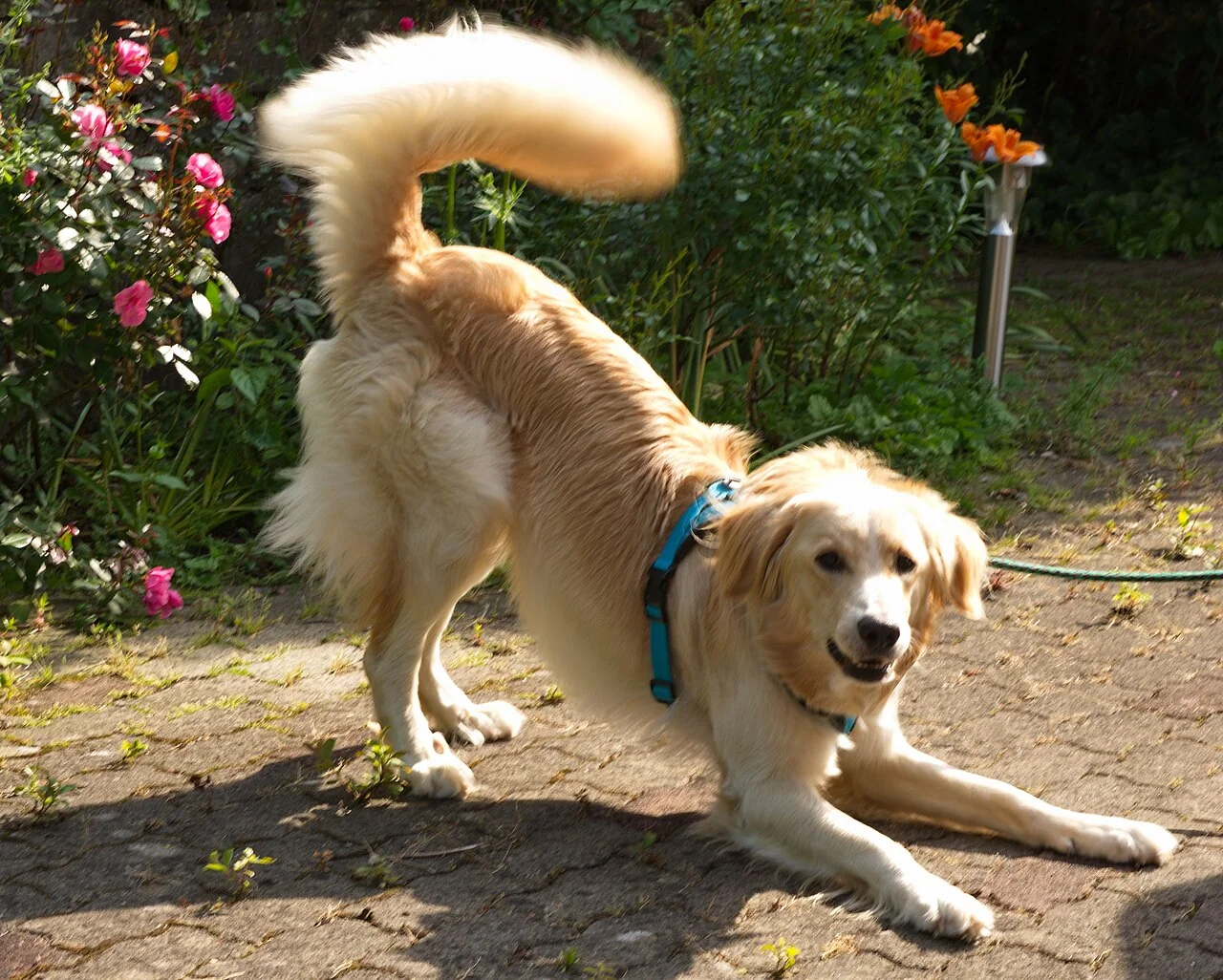
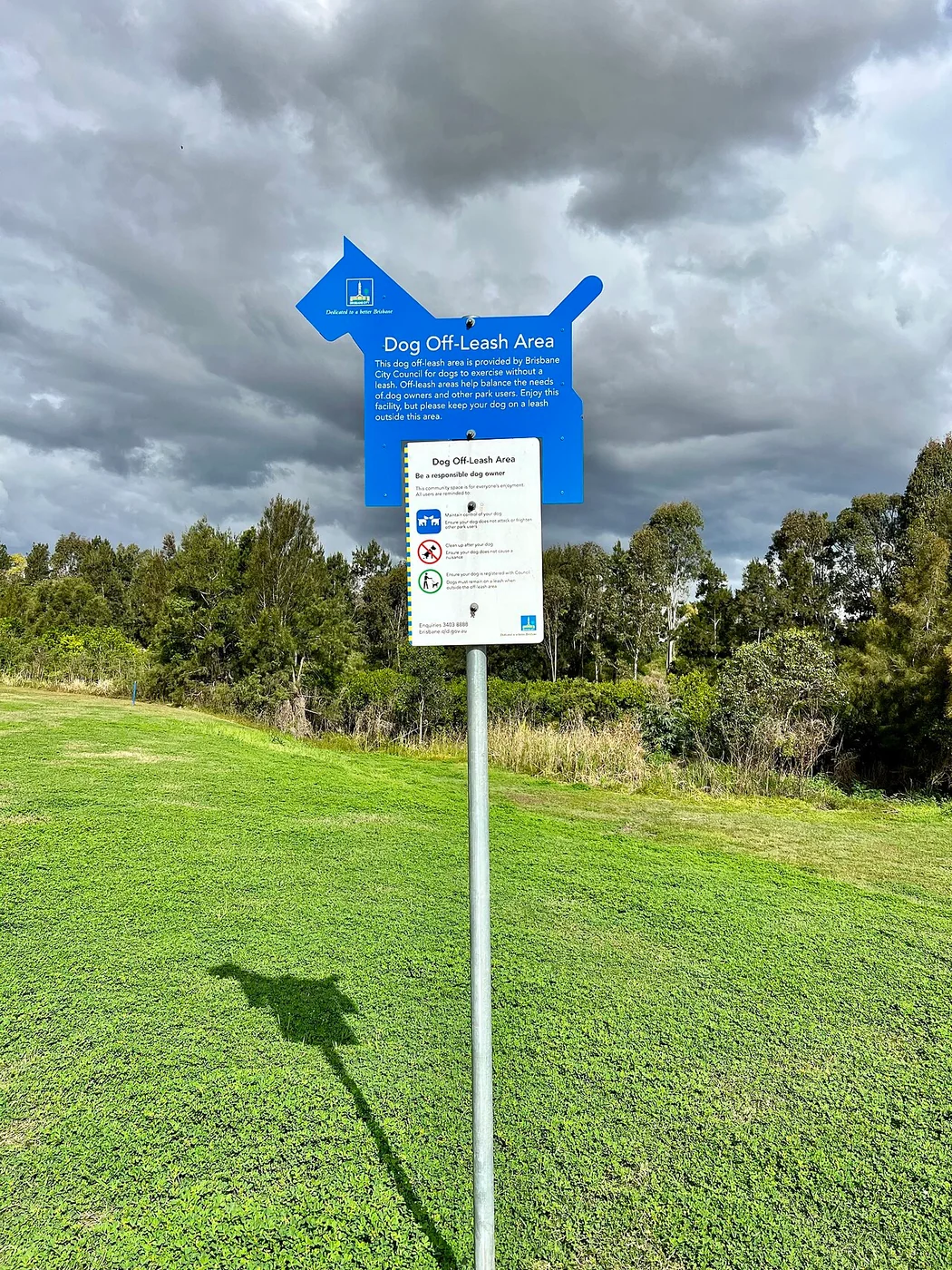
Dog Off-Leash Area, Sherwood Park, 2022 Kgbo · CC BY-SA 4.0. Web size optimized; original linked.
AI-assisted original writing. This feature was revised against source material and checked for unsupported claims. An editorial perspective; interpretations are distinguished from factual reporting.
Sources & further reading
This article is labeled opinion and offers an editorial perspective.
Focusing on certain breeds distracts from the real drivers of dog bites: negligent ownership and missed opportunities for early socialization that affect every kind of pup.
Urban planners rarely pause to consider how their straight paths and echoing plazas feel through a dog's nose, ears, and eyes, yet a few gentle adjustments could transform shared spaces into places where both species truly thrive together.
Strict enforcement on suburban paths and trails quietly shields our canine companions from injury, escape, and tense encounters that off-leash freedom too often invites.
 Photograph