Why Home Playdates Might Be Overrated for Our Dogs
Unstructured gatherings in living rooms and backyards may feel friendly, yet they often invite hidden hazards that neutral ground or guided classes can sidestep.
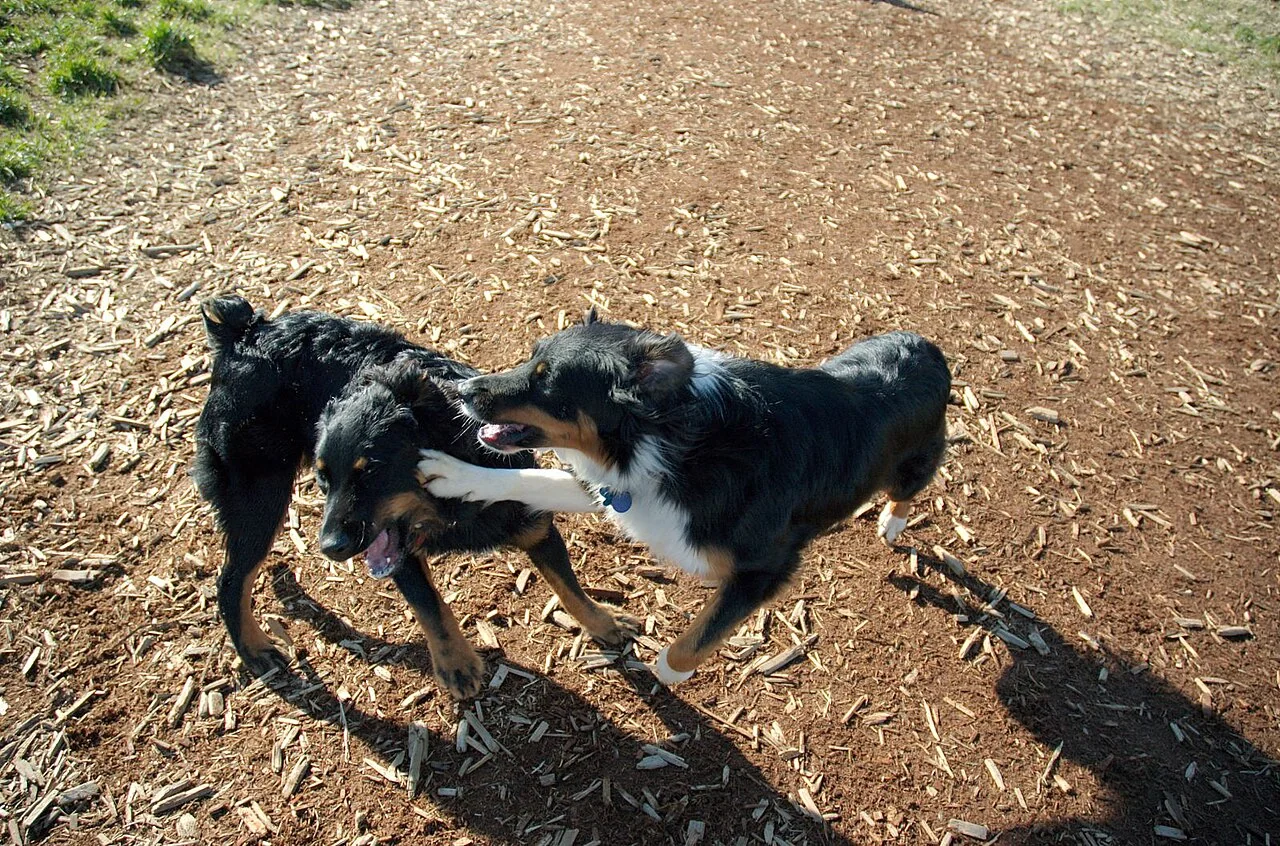
Dogs playing at Marymoor Park, Redmond, Washington (2006 documentary photograph). yimmy149 from Bothell, WA, US · CC BY 2.0 · Web size optimized; source linked for the original.
We adore our dogs and want them to thrive, not merely survive. Yet in our eagerness to give them a rich social life, many of us default to inviting other pups into our kitchens and living rooms. These home playdates carry an appealing intimacy: familiar smells, favorite toys, the comfort of known corners. But perhaps we have romanticized them too much. A thoughtful shift toward parks, patios, and structured classes might better serve both our four-legged companions and the humans who cherish them. This is not a call to isolation, but an invitation to reconsider how we foster canine friendships with eyes wide open to the subtle tradeoffs involved.
The Invisible Guests: Disease Transmission at Home
Imagine two dogs tumbling across a living-room rug, tails whipping with delight while their humans sip coffee nearby. In that cozy chaos, saliva flies, fur drifts, and invisible passengers hitch rides on everything from water bowls to throw pillows. A hypothetical scenario might unfold where one dog carries a mild respiratory bug picked up days earlier at the groomer; by evening, the host dog begins coughing, and soon two households face vet bills and worried nights. Confined indoor spaces trap these microscopic travelers far more than breezy meadows ever could, turning what feels like harmless fun into an unintended exchange of health challenges.
Of course, no one wants to wrap their dog in bubble wrap. Yet weighing the warmth of home against the practicality of open air reveals a gentle tradeoff. A park allows wind to disperse what a closed room cannot, and a simple conversation about recent checkups before any meetup adds a layer of care without spoiling spontaneity. In this light, choosing neutral territory becomes less about fear and more about quiet stewardship, preserving the joy of play while giving immune systems every possible advantage. The goal remains connection, just expressed with a touch more foresight.
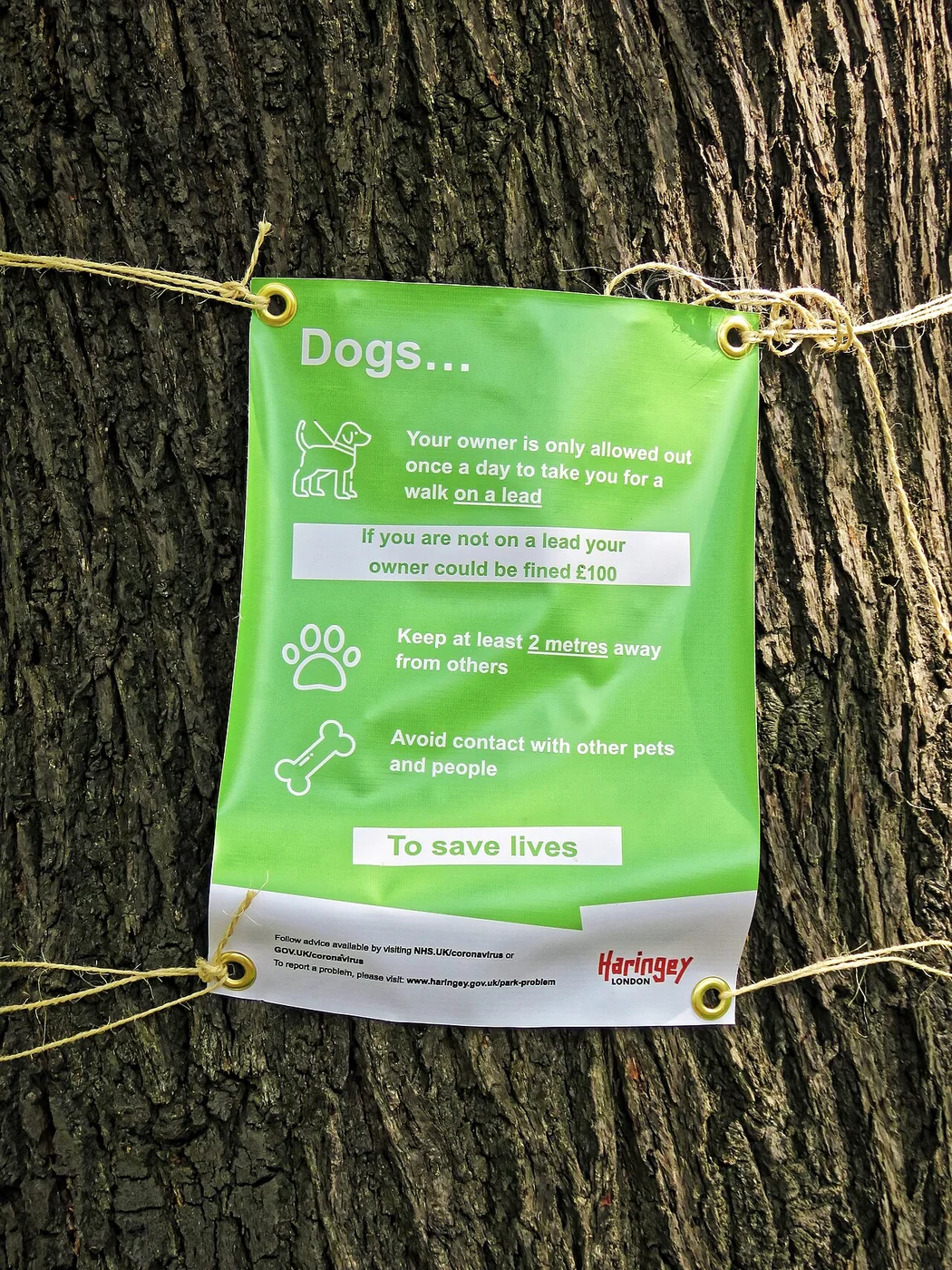
Notice to dogs at Downhills Park, during the Covid-19 coronavirus pandemic in Haringey, London, England Acabashi · CC BY-SA 4.0. Web size optimized; original linked.
Territory and Toys: When Resource Guarding Turns Serious
Picture a beloved couch cushion that suddenly becomes contested territory the moment a visiting dog flops onto it. What starts as a playful game of tug with a squeaky toy can shift in an instant when one animal decides this particular ball belongs only to him. In a home environment, familiar objects heighten those protective instincts, and furniture or doorways can block easy escape, turning tension into something sharper. A hypothetical standoff might see two otherwise friendly dogs escalate from stiff stares to snaps because neither feels able to yield without losing face in the other's perceived kingdom.
Contrast that with a wide-open field where a tossed ball belongs to the moment rather than any single owner. Public spaces level the emotional ground, allowing dogs to practice sharing without the added weight of defending personal real estate. Structured classes go further by teaching impulse control through patient guidance, rewarding calm moments that build confidence over time. The tradeoff here feels humane: we sacrifice some of the casual ease of home for fewer anxious aftermaths and injured feelings. Familiarity between dogs does not always guarantee harmony once possessions enter the equation, so choosing venues that minimize those triggers honors their emotional lives as much as their physical ones.
Injury Risks Hidden in Plain Sight
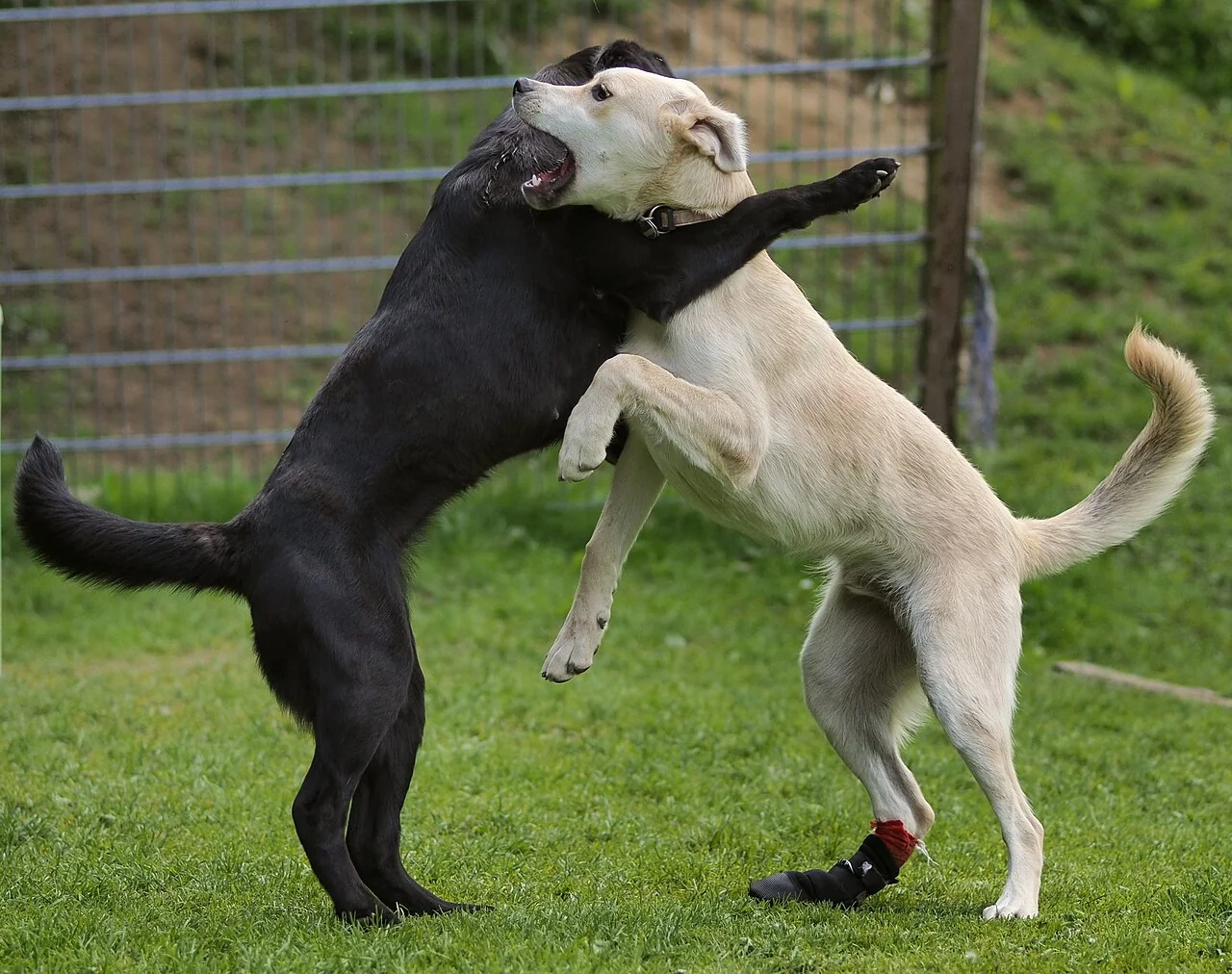
Envision two dogs wrestling with glee until a playful paw clips an eye or a sudden leap ends in a collision against a coffee table leg. In cramped quarters, there is little room to create distance when excitement tips into overwhelm, and slippery floors turn exuberance into accidents waiting to happen. Consider a possible scene where a larger breed's enthusiastic bounce accidentally bowls over a smaller friend, resulting in a limp that lingers for weeks. These moments rarely stem from malice; they arise from mismatched energy and environments that cannot absorb the impact of pure canine enthusiasm.
Neutral venues offer breathing room, literally and figuratively. Fenced parks with forgiving grass or training facilities with non-slip mats and watchful professionals provide buffers that private homes struggle to match. The tradeoff involves trading the convenience of your own backyard for settings designed to absorb chaos safely, allowing owners to relax rather than hover like anxious referees. Learning to read the shift from loose, happy body language to rigid, high-tailed signals empowers us to intervene early. In the end, preventing a single emergency visit frees up more days for unshadowed delight, reminding us that protection and pleasure need not stand in opposition.
Two dogs playfully wrestling on grass; one dog wears a bandage on its leg from a prior injury Kreuzschnabel · CC BY-SA 3.0. Web size optimized; original linked.
The Socialization Sweet Spot: Structured Classes Over Chaos
Socialization matters deeply for building confident, adaptable dogs, yet not every gathering delivers the intended lesson. Envision a boisterous young Labrador barreling into a shy terrier during an unstructured home romp; before anyone notices the mismatch in size and style, the smaller dog may retreat into lasting wariness. A hypothetical series of such encounters could gradually shape a once-curious puppy into an adult who tenses at every approach, making everyday walks and vet visits harder for everyone involved. Quality of experience, not sheer quantity of playmates, shapes character most lastingly.
Well-designed group classes, led by patient professionals, introduce dogs gradually with tools like leashes, gates, and proven techniques that turn potential mishaps into teachable successes. The tradeoff lies in swapping the free-for-all atmosphere of living-room free time for intentional structure that prevents negative associations from taking root. Public spaces further expand the curriculum by teaching polite greetings with both dogs and humans, broadening horizons beyond the private kingdom of home. Over months, these choices can yield calmer temperaments and deeper bonds, proving that sometimes the path to true companionship winds through patience rather than pure abandon.
Rethinking Companionship: Parks, Patios, and Shared Joy
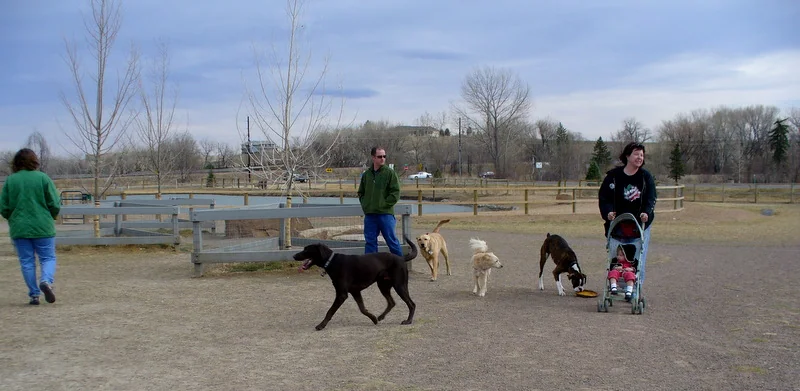
Stepping away from frequent home playdates does not mean withdrawing from friendship; it simply redirects it to settings where everyone can exhale. Imagine a sunny dog park where tails wag freely and owners chat on benches while their pups maintain comfortable distances, or a neighborhood patio where leashed companions share the breeze without territorial disputes. These venues keep the spirit of connection vibrant while lowering the invisible stakes that come with inviting others into our most personal spaces. The occasional carefully planned backyard gathering might still happen after thoughtful preparation, but making neutral ground the default feels like an act of kindness.
On the human side, the emotional labor of constant monitoring and the practical burden of extra cleanup can quietly drain the very joy we hope to create. Many of us already balance work, family, and the daily rhythms of pet care; adding the role of party host and referee can erode the relaxed pleasure of simply being with our dogs. By choosing parks and classes, we free ourselves to savor the wagging tails and silly grins without bracing for the next possible squabble. Ultimately, our dogs trust us to decide what keeps them both safe and fulfilled. Shifting play toward environments designed for it honors that trust, nurturing a culture of companionship that blends fun with gentle wisdom. In the end, living well with dogs means embracing tradeoffs that let their brightest selves shine without unnecessary shadows.
Dogs playing at a dog park Benpershouse · CC BY 3.0. Web size optimized; original linked.
AI-assisted original writing. This feature was revised against source material and checked for unsupported claims. An editorial perspective; interpretations are distinguished from factual reporting.
Sources & further reading
This article is labeled opinion and offers an editorial perspective.
Focusing on certain breeds distracts from the real drivers of dog bites: negligent ownership and missed opportunities for early socialization that affect every kind of pup.
Urban planners rarely pause to consider how their straight paths and echoing plazas feel through a dog's nose, ears, and eyes, yet a few gentle adjustments could transform shared spaces into places where both species truly thrive together.
Strict enforcement on suburban paths and trails quietly shields our canine companions from injury, escape, and tense encounters that off-leash freedom too often invites.
 Photograph