The free-for-all atmosphere at typical dog parks often creates stress rather than genuine companionship, suggesting that structured alternatives could better serve canine welfare.
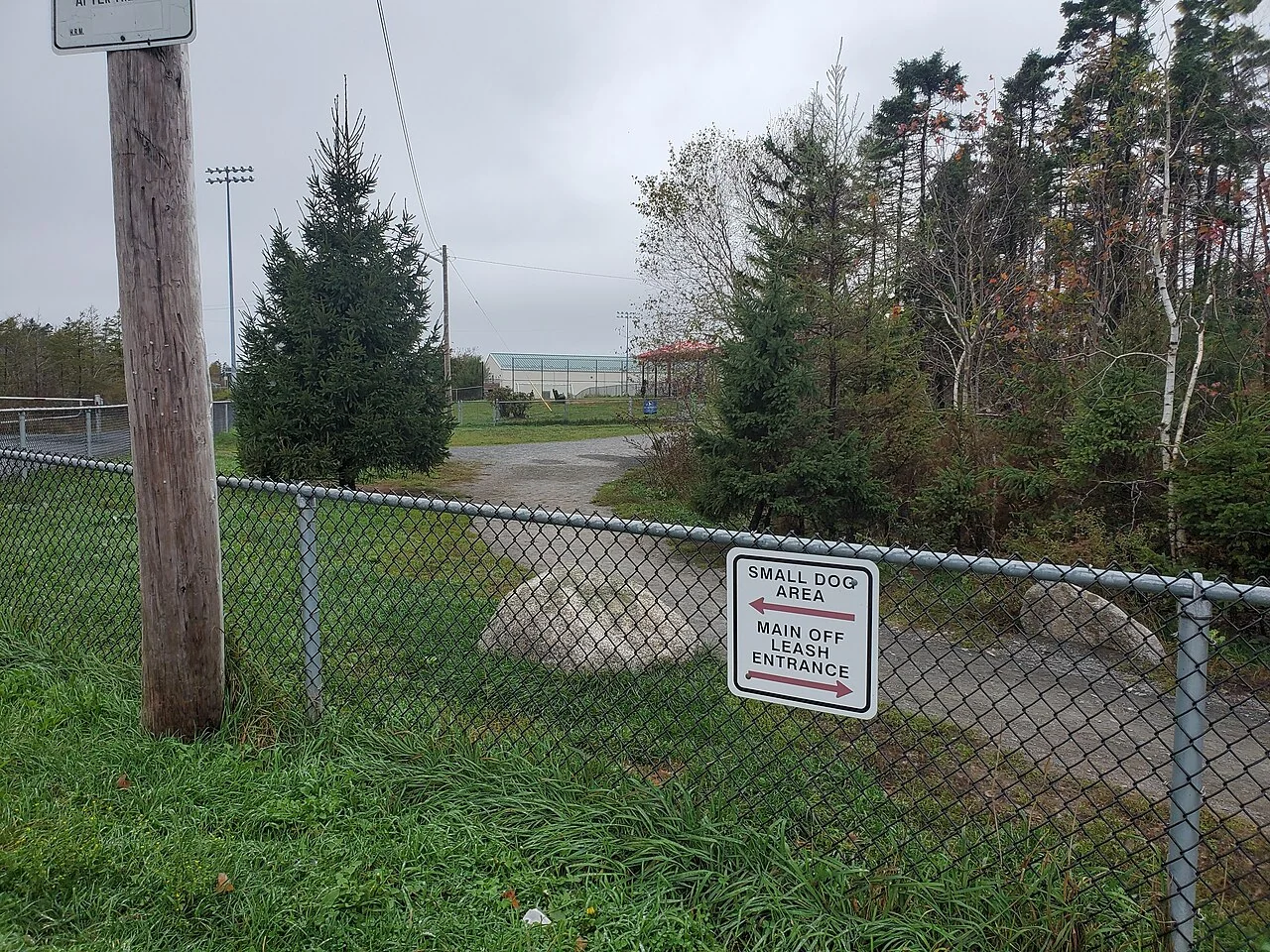
A fence on the edge of an enclosed dog park in Halifax, Nova Scotia, Canada (2022). BMCurrently · CC BY-SA 4.0 · Web size optimized; source linked for the original.
We love our dogs with a fierce, wordless loyalty, yet sometimes our good intentions tangle with their actual needs. The neighborhood dog park, that beloved patch of fenced grass where leashes come off and tails supposedly wag, has become a ritual for many of us. But imagine a place where the very promise of joyful connection instead leaves your dog scanning the horizon for escape routes, ears pinned, body tense. What if the unstructured chaos we celebrate as freedom is quietly teaching our companions that other dogs equal trouble? A more thoughtful approach, built on compatibility and calm, might give them the social lives they truly crave.
The Promise and the Reality of Unstructured Play
Picture the original dream: a sunlit meadow where every dog, from the bouncy adolescent to the dignified elder, mingles freely, learning the elegant grammar of canine conversation. Play bows exchanged like polite handshakes, gentle mouthing as conversation, tails signaling pure delight. In this vision, regular visits would hone social fluency the way childhood recess once sharpened human negotiation skills. Yet consider a hypothetical golden retriever named Juno stepping through the gate on a busy Saturday. Instead of relaxed romps, she spends her hour circling the perimeter, eyes darting toward the gate, body language broadcasting a wish to be anywhere else.
The trouble lies in the randomness of the crowd. One week brings a stable handful of familiar faces; the next delivers an excitable newcomer whose enthusiastic charges scatter the group like startled quail. Without the chance to build layered familiarity, dogs fall back on caution rather than curiosity. What should be recreation becomes a series of defensive calculations, leaving owners to wonder whether the exhausted panting on the car ride home signals satisfaction or simply relief. This gap between ideal and experience suggests we have mistaken volume of interaction for quality of connection.
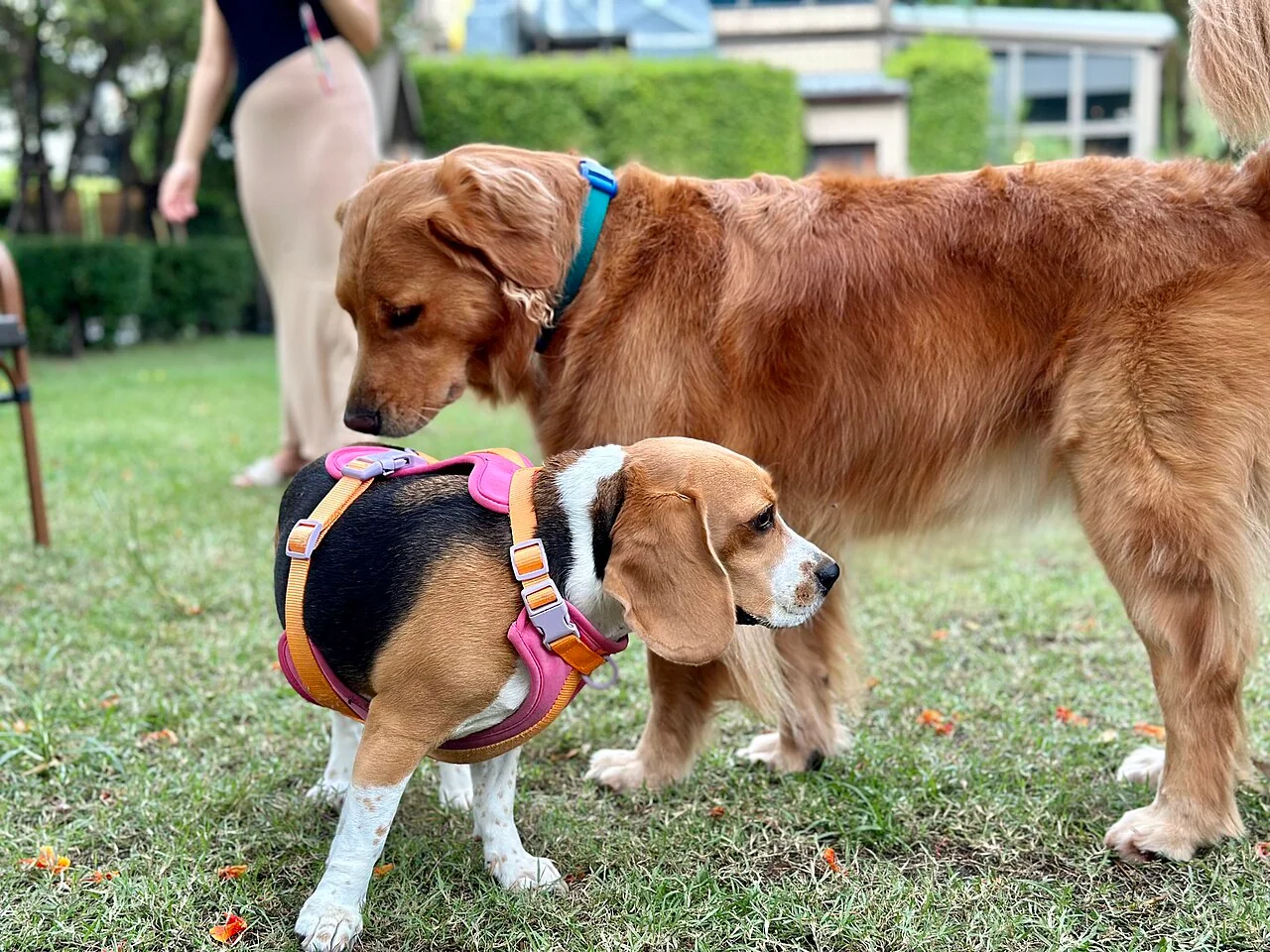
A Golden Retriever and a Beagle interacting at a dog park Slyronit · CC BY-SA 4.0. Web size optimized; original linked.
Stress Signals Often Go Unnoticed
Imagine a small spaniel mix named Pepper at the park, offering repeated yawns and quick tongue flicks while a cluster of larger dogs mills nearby. To an owner chatting with friends, these might look like nothing more than idle gestures. Yet in the subtle language of dogs, they can whisper discomfort long before it blooms into fear or aggression. A dog repeatedly exposed to such unease might gradually narrow its world, becoming reactive on leash or avoiding other canines altogether, trading potential friendships for the safety of solitude.
The public nature of these spaces magnifies the problem. One visitor scrolls through their phone while their dog corners a shy counterpart; another leaps in with loud corrections that only heighten the tension. The few owners who stay vigilant find themselves in a constant state of watchfulness, defeating the relaxation they came for. In this hypothetical swirl of mismatched attention, the park stops being a haven and becomes another arena where dogs must manage human distraction as much as one another. Recognizing these quiet signals could shift our priorities from mere exercise to genuine emotional safety.
Size, Age, and Energy Mismatches Matter
Consider a scenario where a powerful Labrador named Atlas barrels toward a delicate Italian greyhound named Luna in enthusiastic greeting. Even with the best intentions, the difference in mass and momentum can turn playful momentum into accidental collision. Puppies with still-soft joints might fare worse, their developing bodies jarred by roughhousing meant only in fun. Meanwhile, an older shepherd with aching hips might simply retreat to the gate, choosing dignified withdrawal over risk.
Energy styles add another layer of complexity. A border collie might treat every chase as serious work requiring completion, while a basset hound prefers leisurely scent trails and quiet observation. When these temperaments collide without any sorting mechanism, frustration builds on all sides. The free-for-all model rests on an optimistic belief that dogs will naturally self-sort and self-regulate. Yet centuries of breeding for distinct roles suggest this expectation asks more of them than biology easily supplies. Acknowledging these differences need not limit joy; it could instead channel it more thoughtfully.
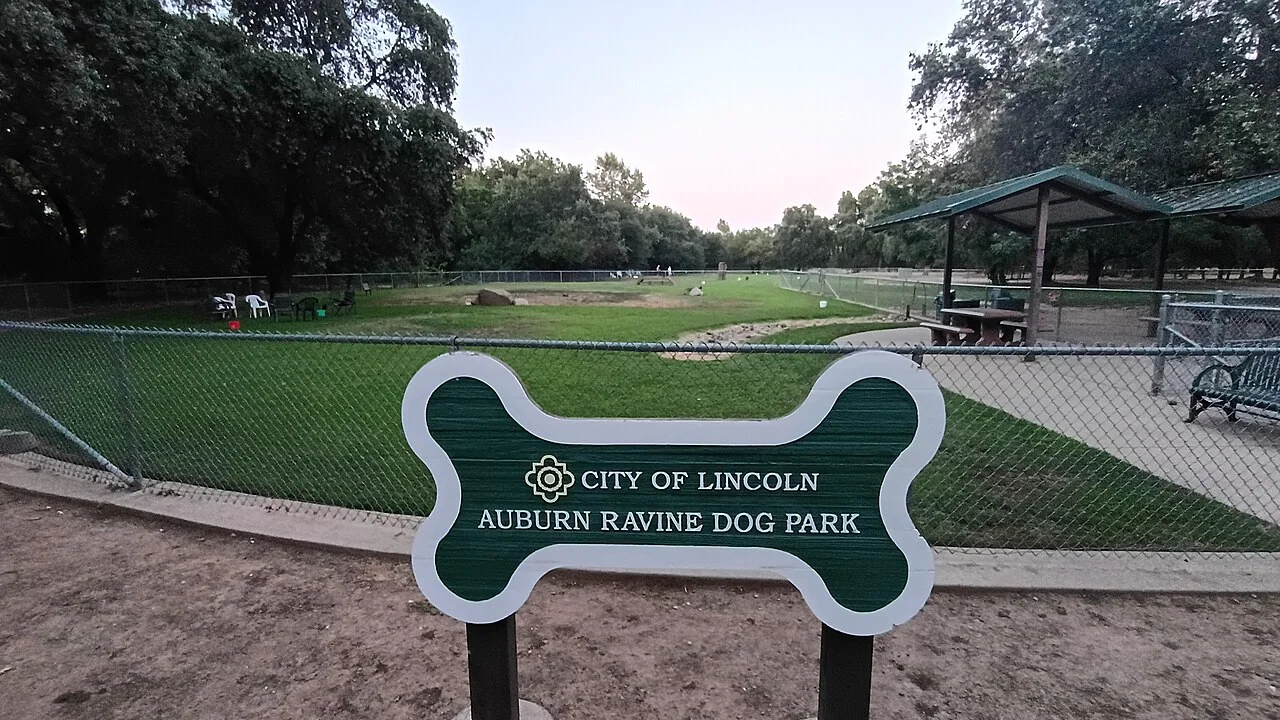
Auburn Ravine Dog Park with separate areas for small-breed and large-breed dogs TheAriAlvarez · CC0 1.0. Web size optimized; original linked.
Better Models Already Exist and Deserve Wider Adoption
Envision a different kind of gathering: small playgroups where owners reserve time slots matched by size, age, and observed temperament. Dogs return week after week to the same gentle companions, gradually building the easy trust that lets play deepen rather than remain superficial. Certified trainers circulate, offering gentle guidance and timely breaks, transforming potential missteps into opportunities for learning. Separate fenced areas for different categories of dogs reduce the chance of overwhelming collisions while preserving the delight of off-leash freedom.
These alternatives ask for more planning and sometimes a modest investment, yet the imagined rewards shine through in dogs who trot home with soft eyes and loose bodies instead of tight anxiety. Private facilities already experiment with membership models that include behavioral screenings and ongoing observation. Cities could partner with local trainers and veterinary behavior consultants to adapt similar systems in public spaces, turning underused land into true assets for welfare. The tradeoff is clear: less spontaneity in exchange for deeper satisfaction and fewer emotional scrapes.
Toward Parks That Respect Canine Nature
The aim is not to fence off our dogs from the world but to craft environments that honor their need for choice and control. Imagine shaded corners for voluntary retreat, looping pathways that allow comfortable distance, and clear signage reminding everyone that a turned back or tucked tail means "not now." Knowledgeable attendants during busy hours could offer quiet education to newcomers, helping them read their dogs more accurately and intervene with kindness rather than force.
In the end, living well with dogs means recognizing that more freedom is not always more kindness. A dog who can opt into play or gracefully decline without being pursued develops real confidence; one repeatedly tossed into the fray may simply learn endurance. By moving past the assumption that unstructured volume equals enrichment, we might create spaces that truly respect canine nature. The investment in imagination and coordination would repay itself in the sight of genuinely relaxed dogs, tails soft and eyes bright, enjoying companionship on terms that make sense to them. Our loyalty deserves nothing less.
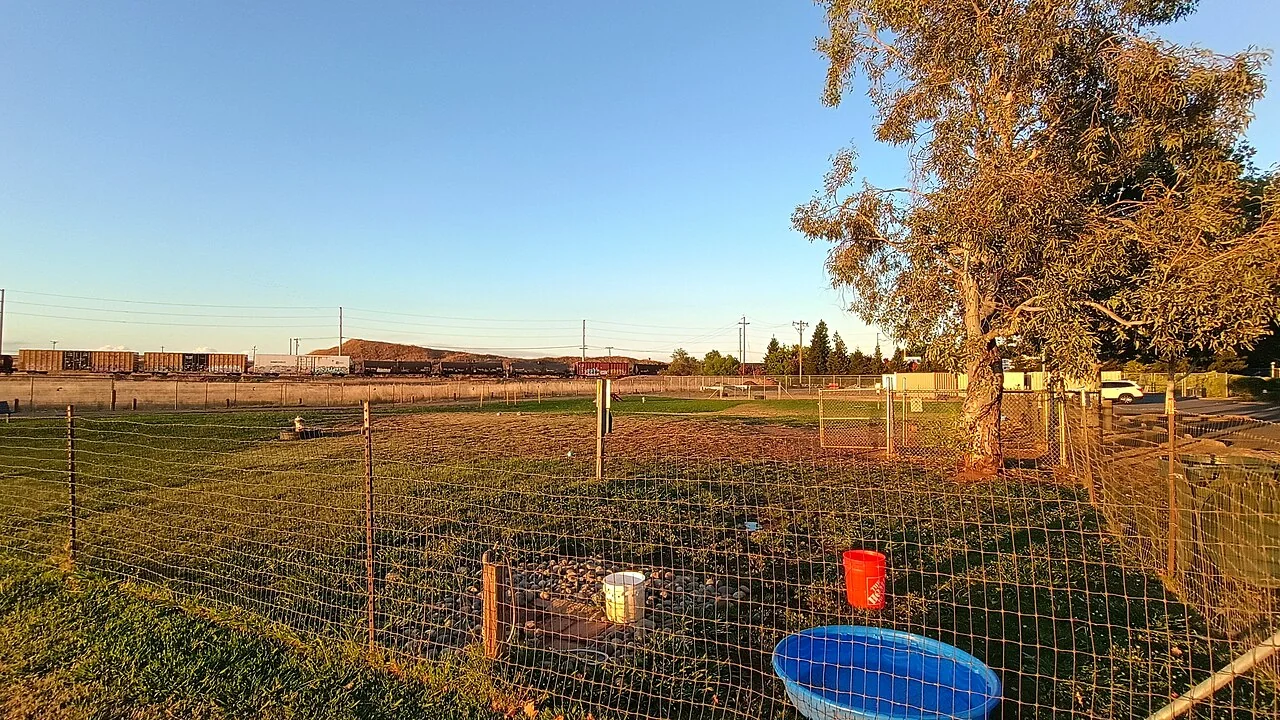
Fenced area for off-leash dogs at Foskett Regional Park. TheAriAlvarez · CC0 1.0. Web size optimized; original linked.
AI-assisted original writing. This feature was revised against source material and checked for unsupported claims. An editorial perspective; interpretations are distinguished from factual reporting.
Sources & further reading
This article is labeled opinion and offers an editorial perspective.
Focusing on certain breeds distracts from the real drivers of dog bites: negligent ownership and missed opportunities for early socialization that affect every kind of pup.
Urban planners rarely pause to consider how their straight paths and echoing plazas feel through a dog's nose, ears, and eyes, yet a few gentle adjustments could transform shared spaces into places where both species truly thrive together.
Strict enforcement on suburban paths and trails quietly shields our canine companions from injury, escape, and tense encounters that off-leash freedom too often invites.
 Photograph