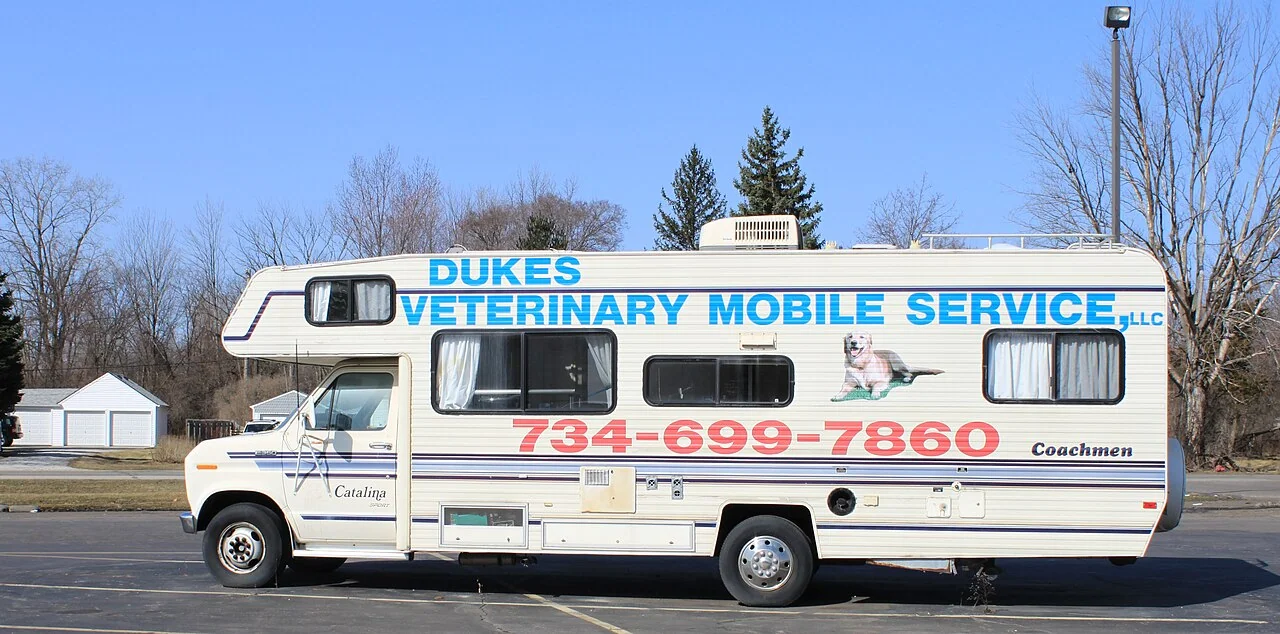
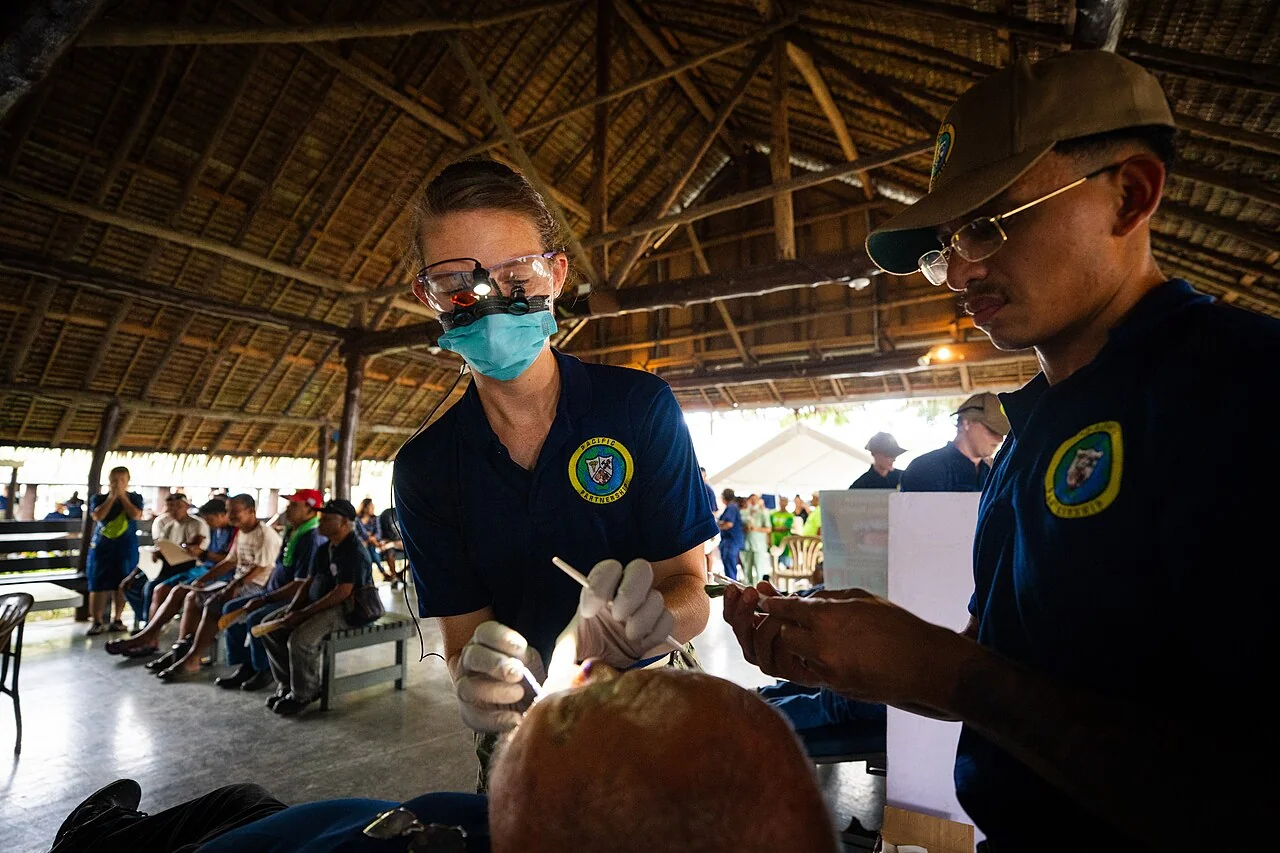
Gallery events featuring animal-inspired works have directed proceeds to organizations offering low-cost veterinary care, including mobile clinics that reach varied communities.
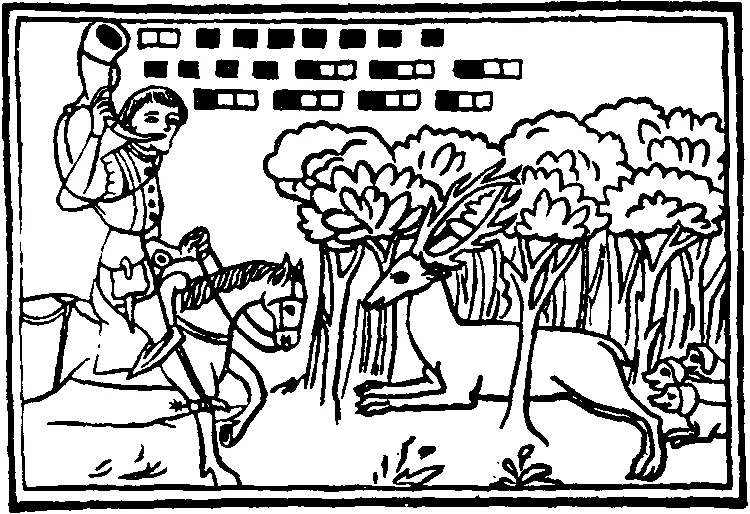
Royal charters set rules for restraining dogs to protect game, while hunting manuals later recorded the calls and names used by those who followed hounds on the trail.
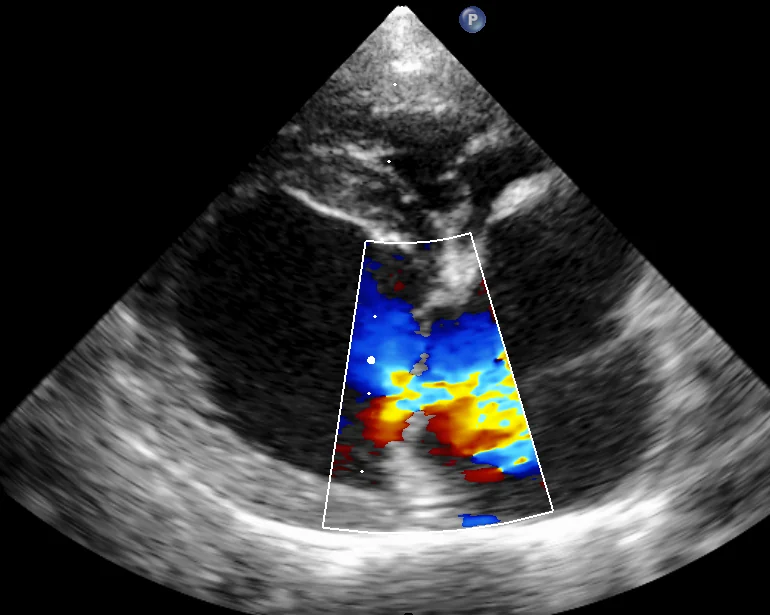
From the energetic demands of puppyhood to the measured pace of later years, a dog's cardiovascular system follows observable patterns that owners can learn to recognize.
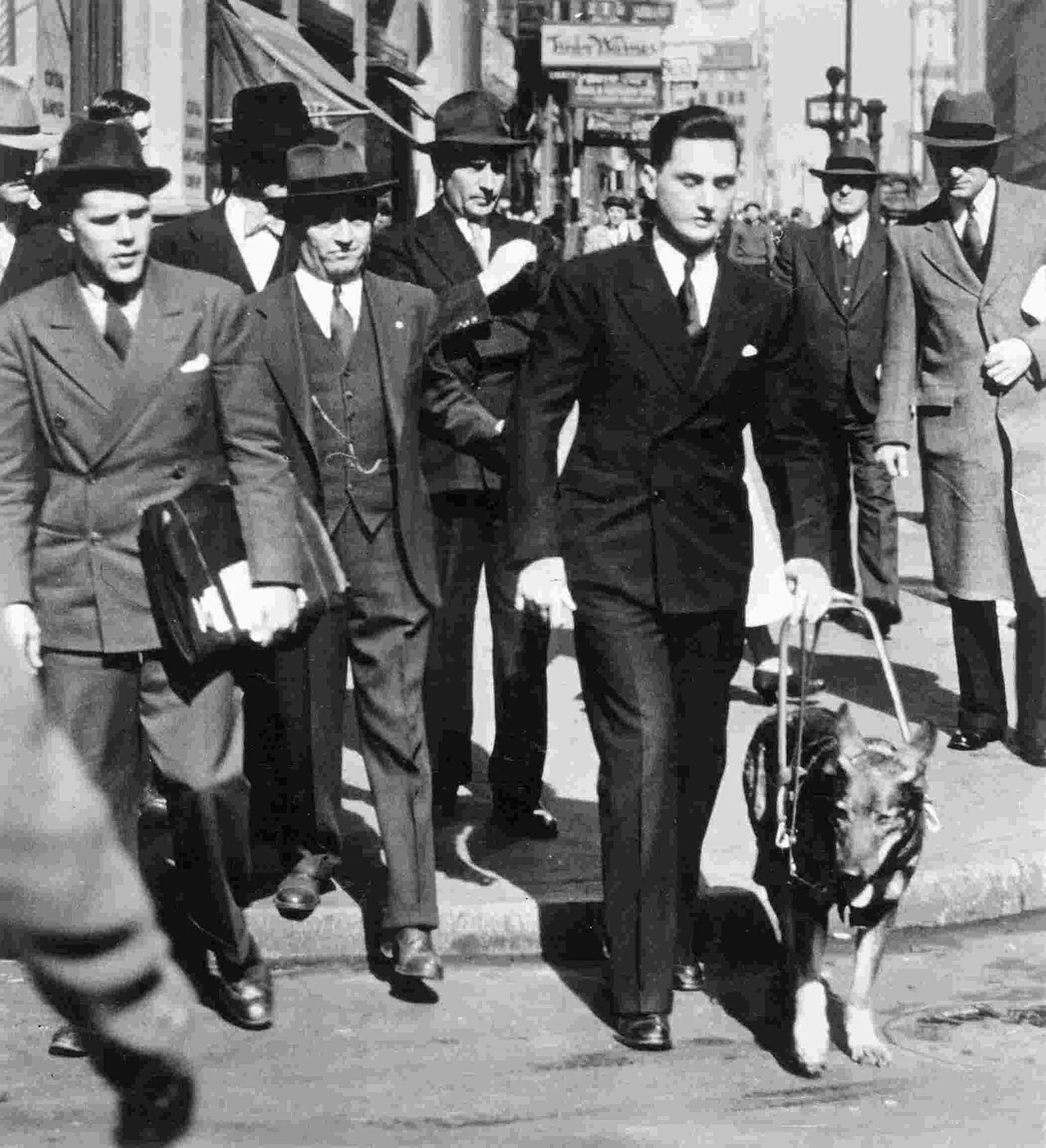
In 1928, a German shepherd originally named Kiss became Buddy and helped launch guide dog work in America after training at a Swiss center with her blind partner Morris Frank.
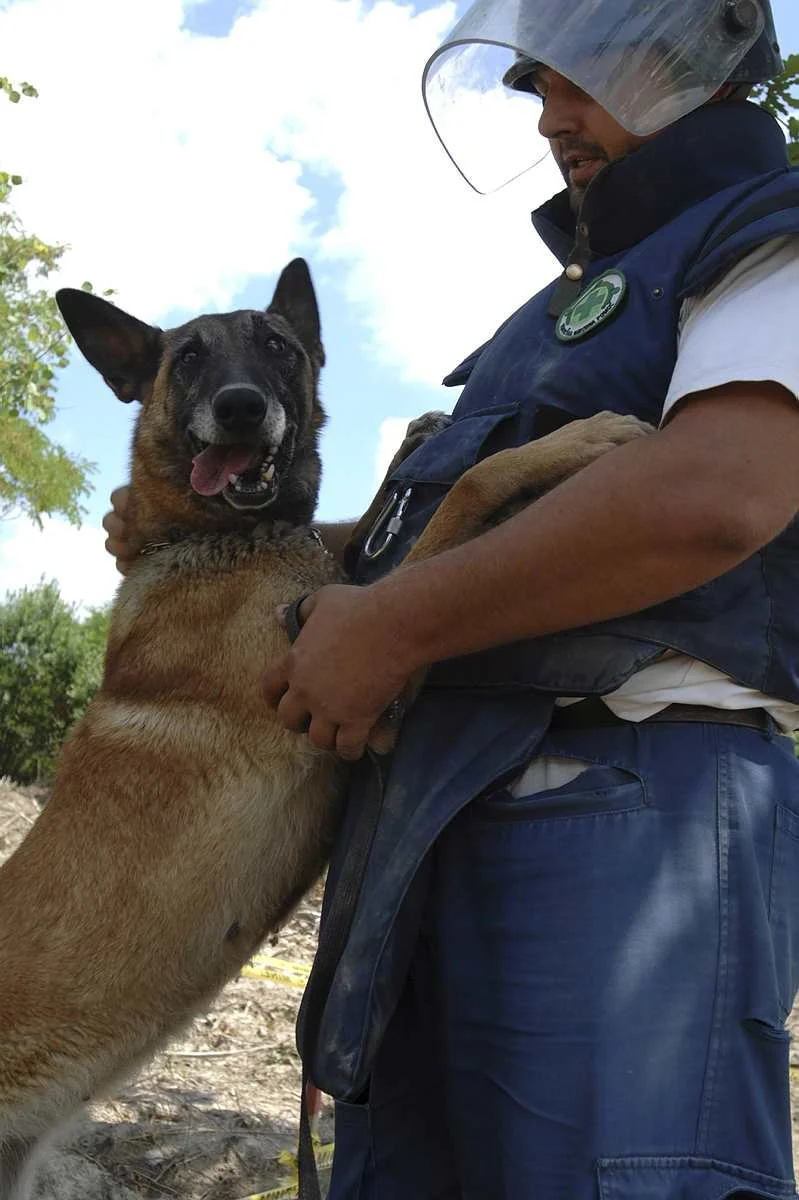
Inside a Sarajevo centre where puppies begin learning to support land-release efforts, Belgian Shepherd Malinois dogs train as part of a broader humanitarian approach.
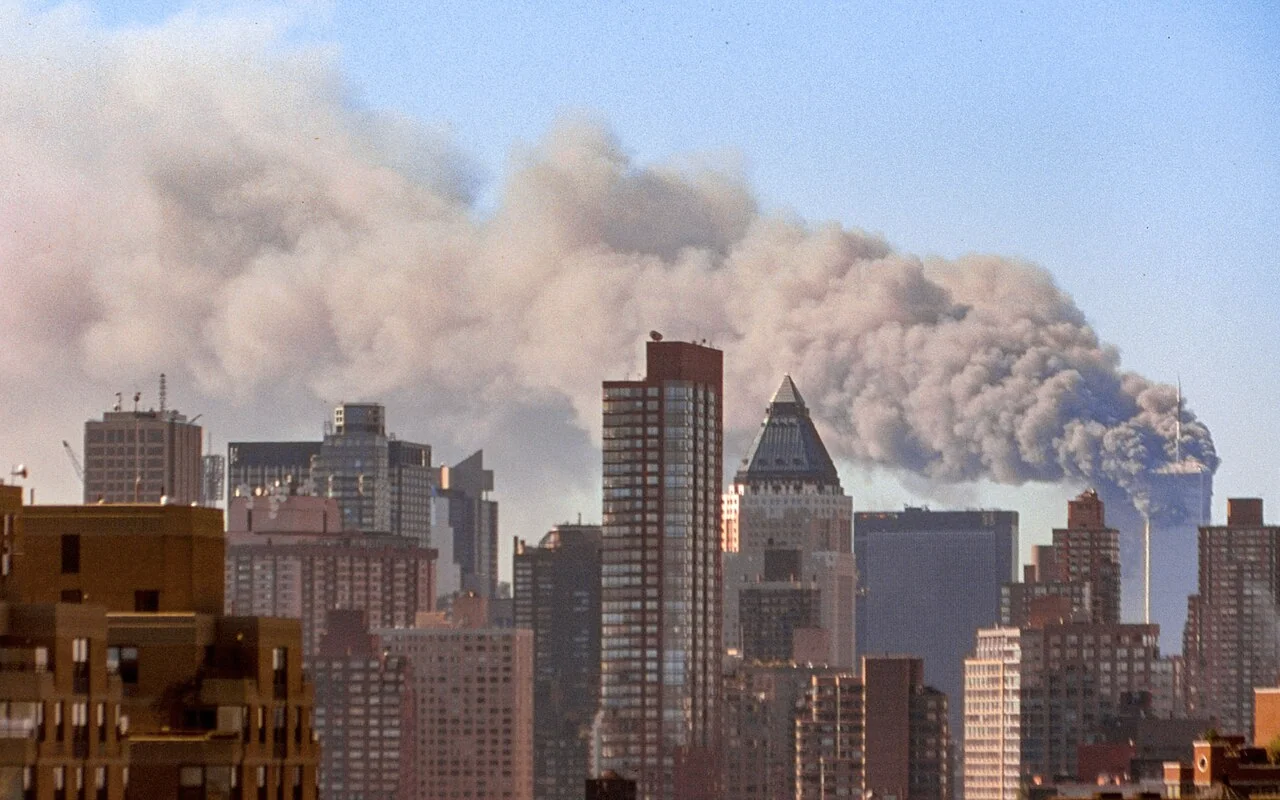
During the September 11 attacks, Roselle guided her blind partner Michael Hingson down many flights of stairs from the 78th floor of the North Tower, later drawing attention to the composure of working guide dogs.
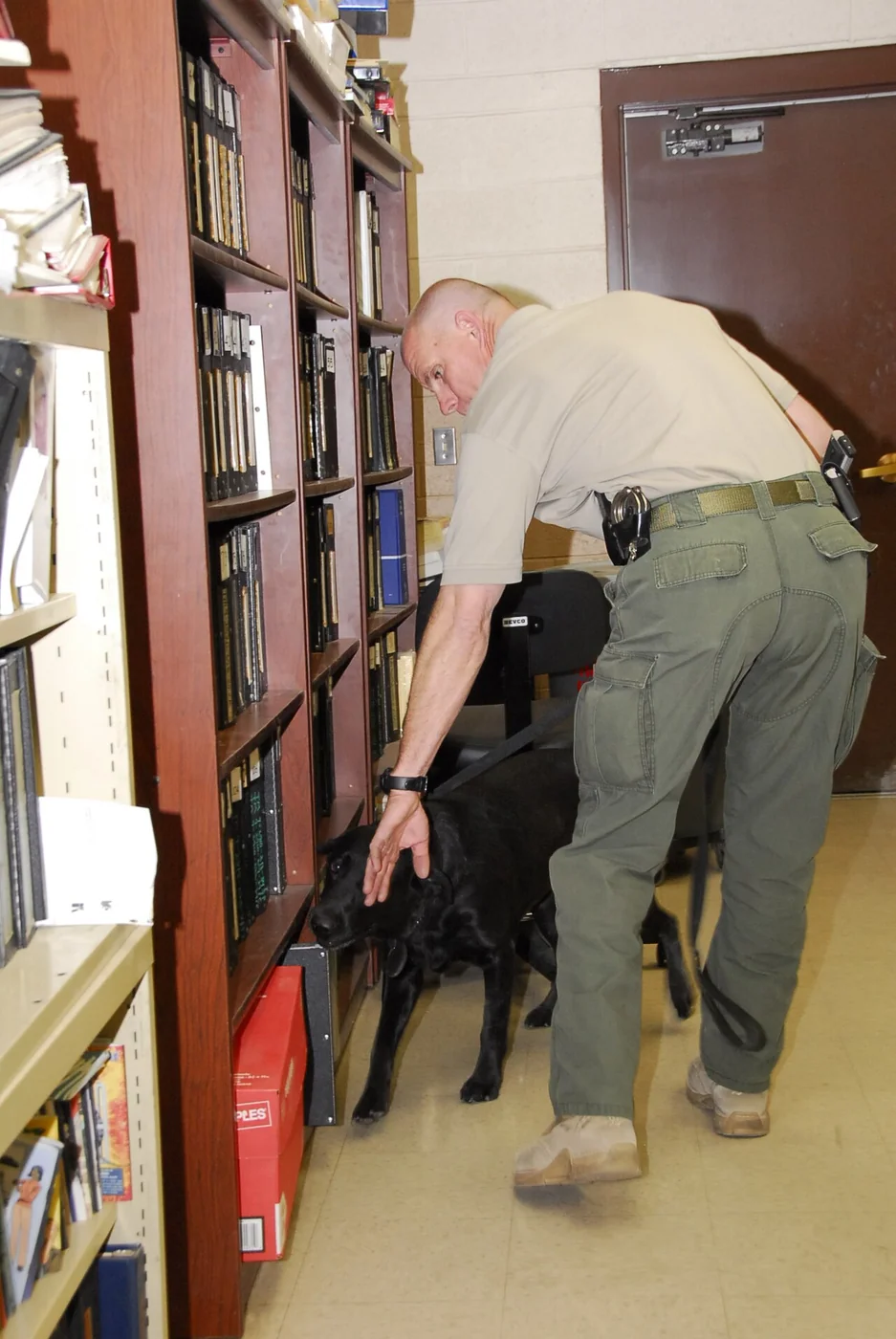
Certification standards from national canine associations set the bar for law enforcement teams that rely on dogs to track people using scent articles many hours old.
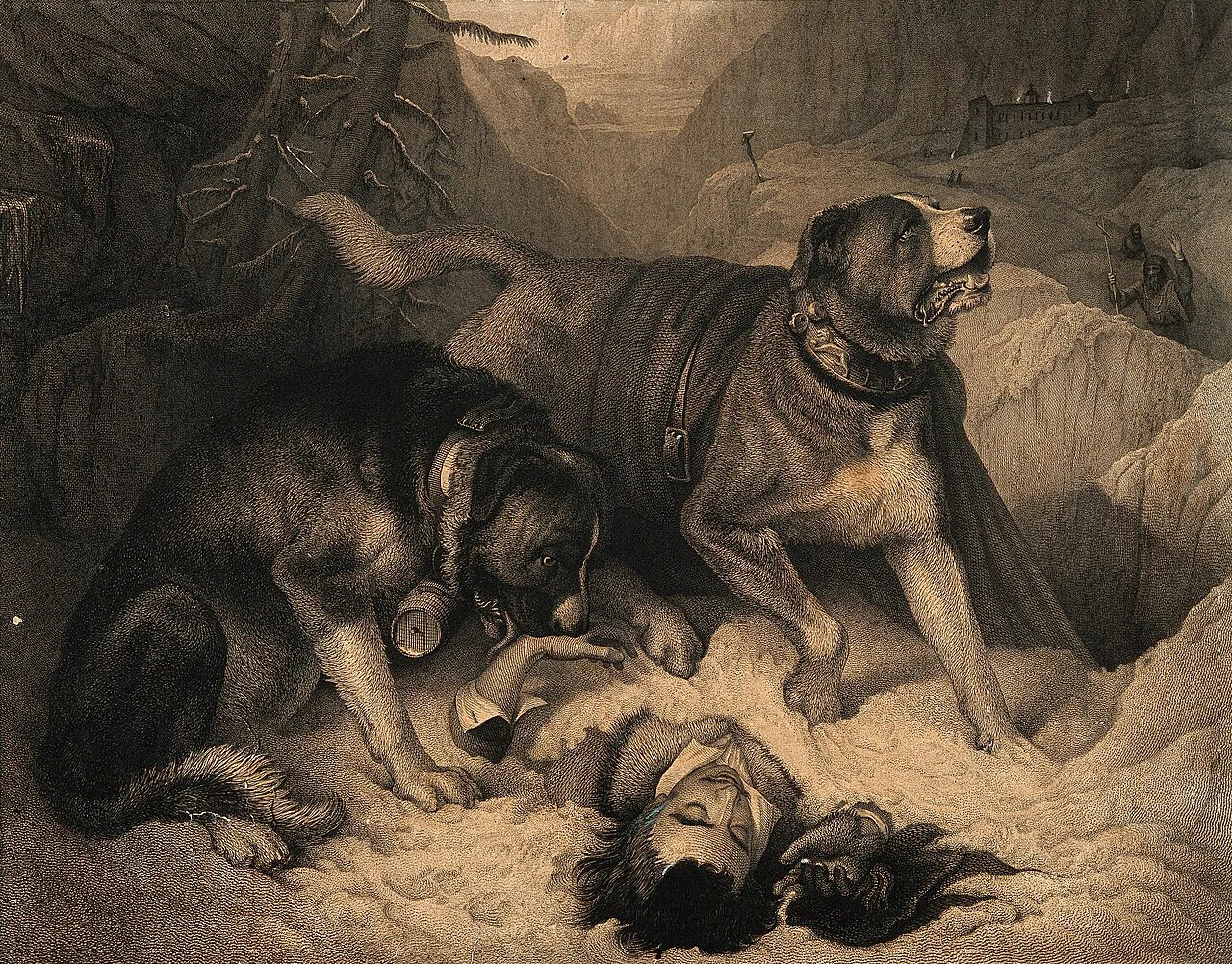
From military experiments in the 1940s to civilian stewardship by the Swiss Alpine Club, dogs became valued partners in locating people buried by snow.
National shelter statistics reveal patterns in animal arrivals and outcomes that shift with the calendar, informing smarter responses without reliable links yet drawn to specific weather events.
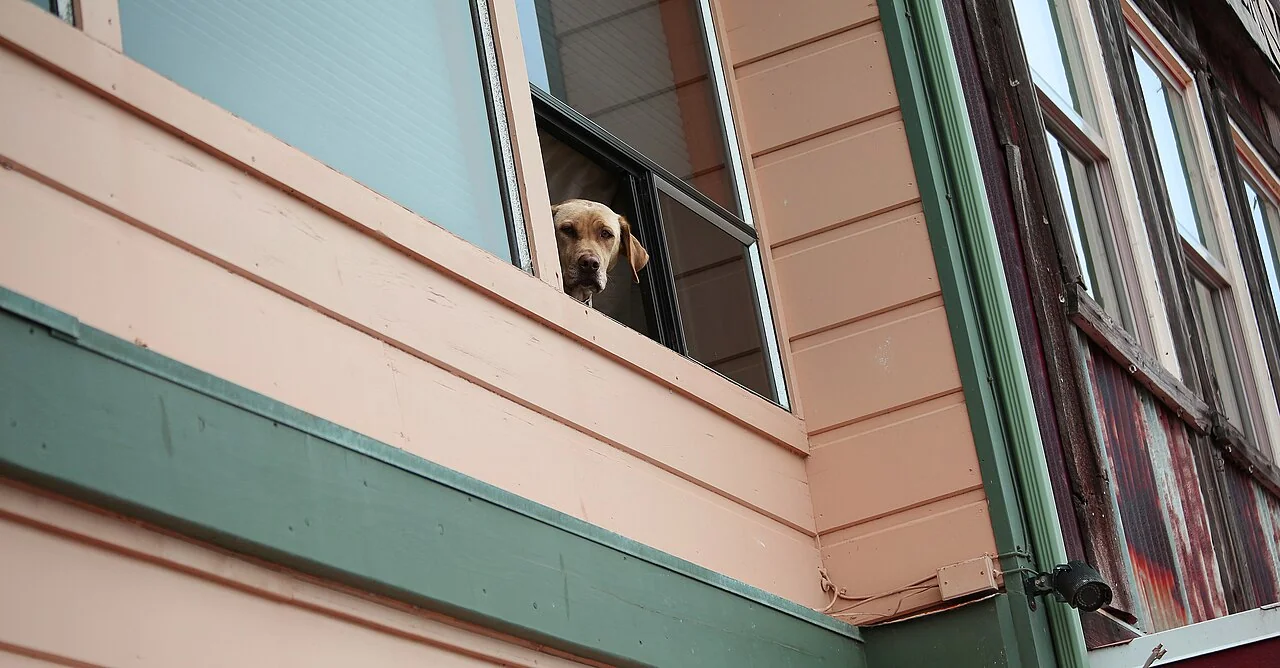
Rental agreements and building codes should require verifiable daily outdoor access for dogs, acknowledging that good intentions alone cannot substitute for the living world's pull on a dog's spirit.
Single dogs often thrive when their human partners provide consistent engagement, while adding a second pet can sometimes spark conflict rather than companionship.
Living well alongside our canine companions means embracing both the luminous joys and the everyday trade-offs, finding a humane balance that honors their wild hearts and our shared spaces.
 Photograph