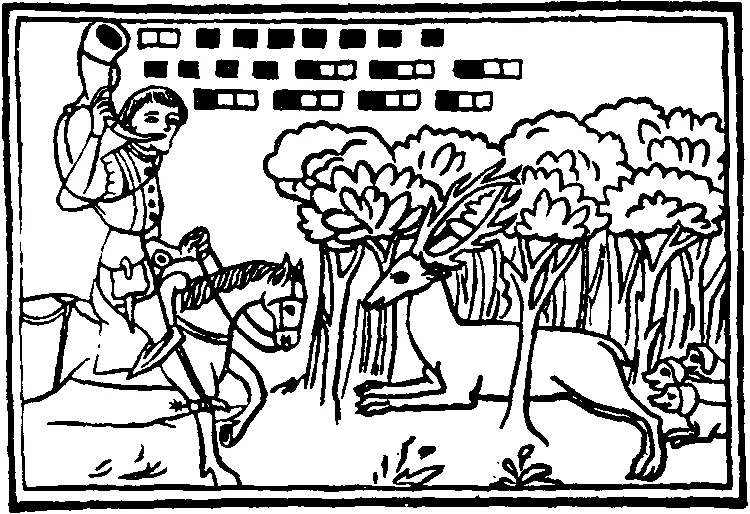
Royal charters set rules for restraining dogs to protect game, while hunting manuals later recorded the calls and names used by those who followed hounds on the trail.
The first recorded dog show in 1859 focused on sporting dogs, while the Kennel Club later introduced consistent rules emphasizing registration, health, and fair play.
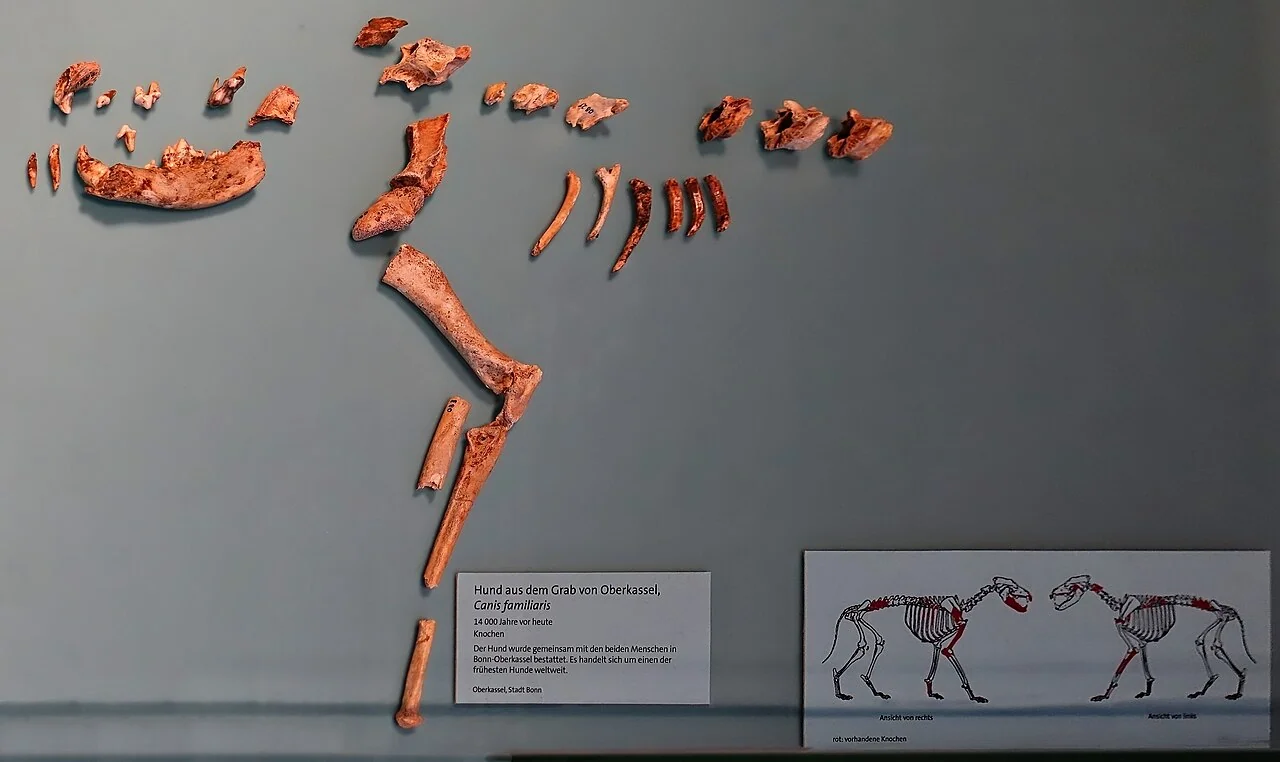
Archaeological finds from select European sites offer glimpses into possible relationships between people and dogs, while underscoring the challenges of interpreting ancient deposits.
The romantic image of dogs that panic without their owners may feel like ultimate loyalty, but it often masks distress that harms both pets and people.
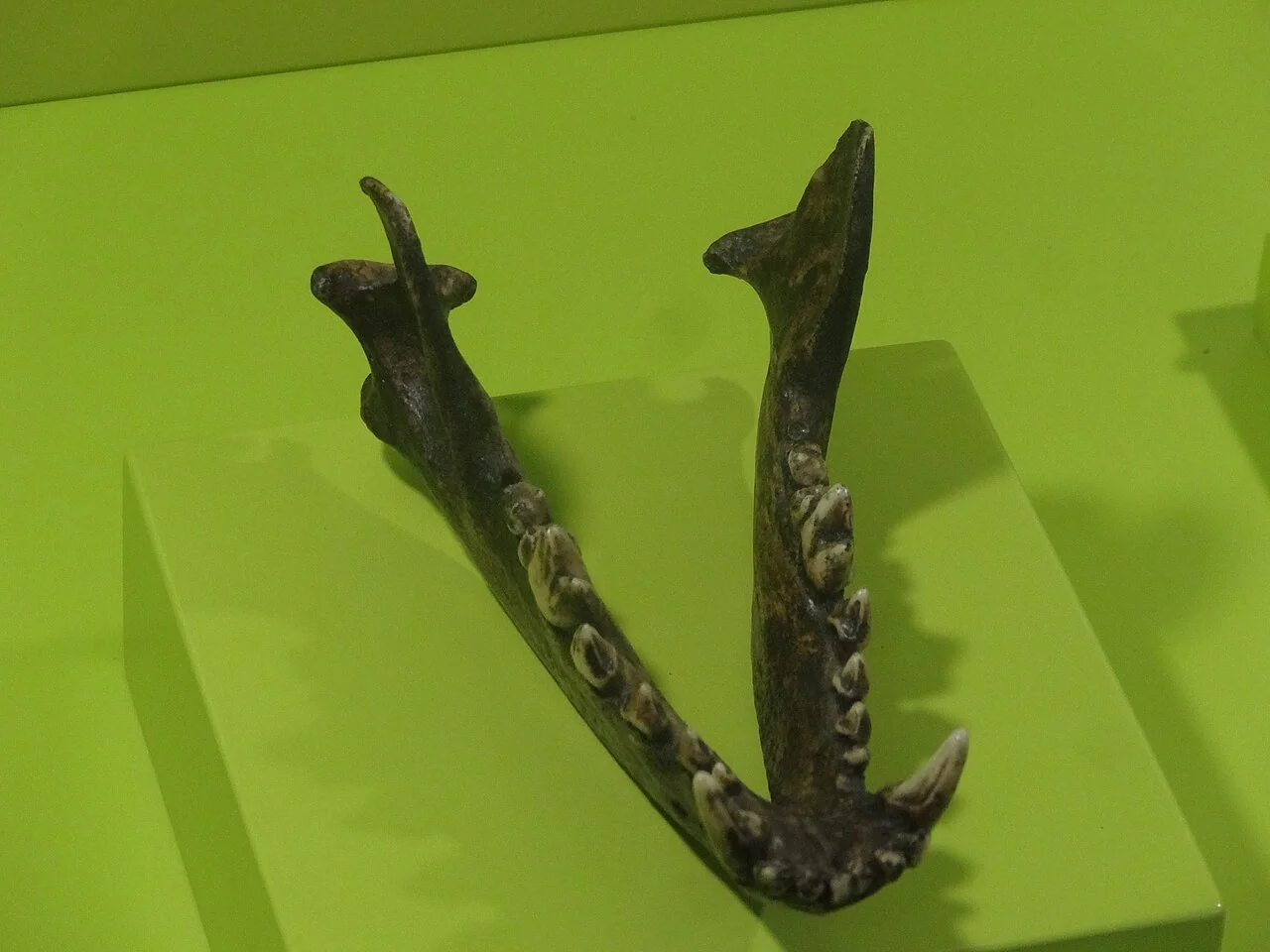
Isotope data and jaw shapes from Mesolithic through Chalcolithic canine remains show how dogs’ feeding patterns shifted alongside changes in human hunting and herding economies.
New DNA from roughly 15,000-year-old bones shows a widespread population of early dogs already living alongside humans across Europe and Anatolia during the Late Upper Paleolithic.
 Historical collection image