What Shelter Euthanasia Reason Codes Actually Mean
Labels such as "behavior," "medical," or "space" reflect shelter pressures like limited resources and high intake more than simple judgments about the dogs themselves.
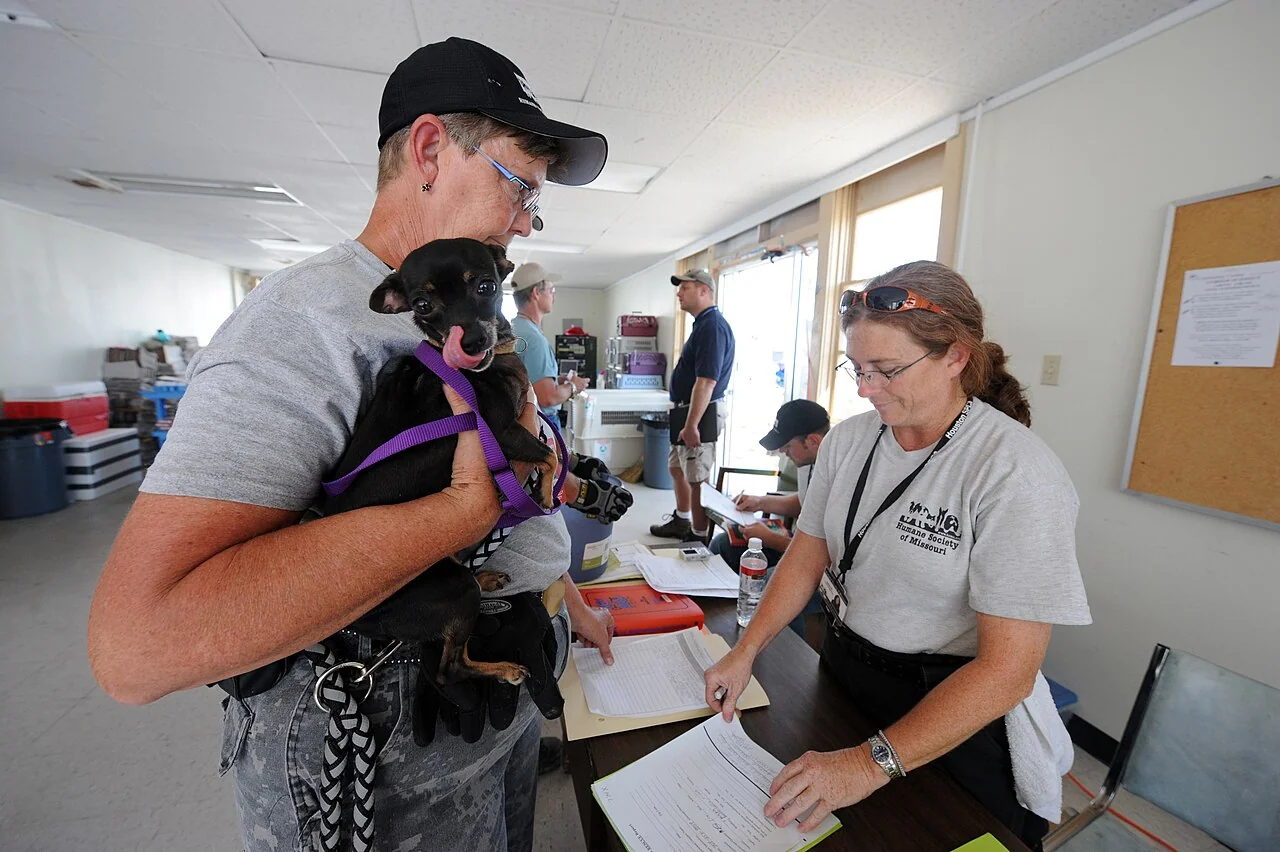
A dog displaced by Hurricane Ike waits to be checked in at a local shelter set up by the Humane Society, Galveston Island, Texas, September 17, 2008. (Jocelyn Augustino/FEMA) Jocelyn Augustino · Public domain · Web size optimized; source linked for the original.
Animal shelter records often list shorthand next to a dog's outcome: "Behavior," "Medical," "Owner Request," or "Space." These codes sum up difficult decisions in a few words. For adopters browsing listings, volunteers considering transfers, or anyone following animal welfare news, the terms can seem vague or harsh. Looking closer shows they point to real operational challenges rather than straightforward flaws in the animals. Grasping what lies behind the labels helps people read adoption stories with more context, support practical improvements, and recognize the hard work of shelter teams managing tough limits every day.
How Reason Codes Help Shelters Track Outcomes
Shelter euthanasia reason codes serve as standardized tools for recording why an animal leaves the system. They allow staff to spot patterns, decide how to use scarce veterinary or behavior support, and share information with donors or oversight groups. One example from municipal programs is "V-PAIN/SUF," which a veterinarian uses when an animal faces ongoing suffering that available treatments cannot ease. Another is "SEV BHAVE," applied to cases of aggression or fear that persist despite efforts and pose risks to people or other animals.
Different organizations use slightly different systems. Some separate treatable from non-treatable medical problems or distinguish manageable fear from dangerous reactivity. The Association of Shelter Veterinarians stresses that choices must center on welfare, often involving sedation and confirmed death when euthanasia occurs. A code rarely tells the whole story. A dog marked for behavior may have entered the shelter emaciated, then developed heightened reactivity from kennel stress, or arrived with an incomplete history that left out past triggers. Specific observations matter. One case of resource guarding in a busy kennel differs from repeated, unprovoked bites seen in varied settings.
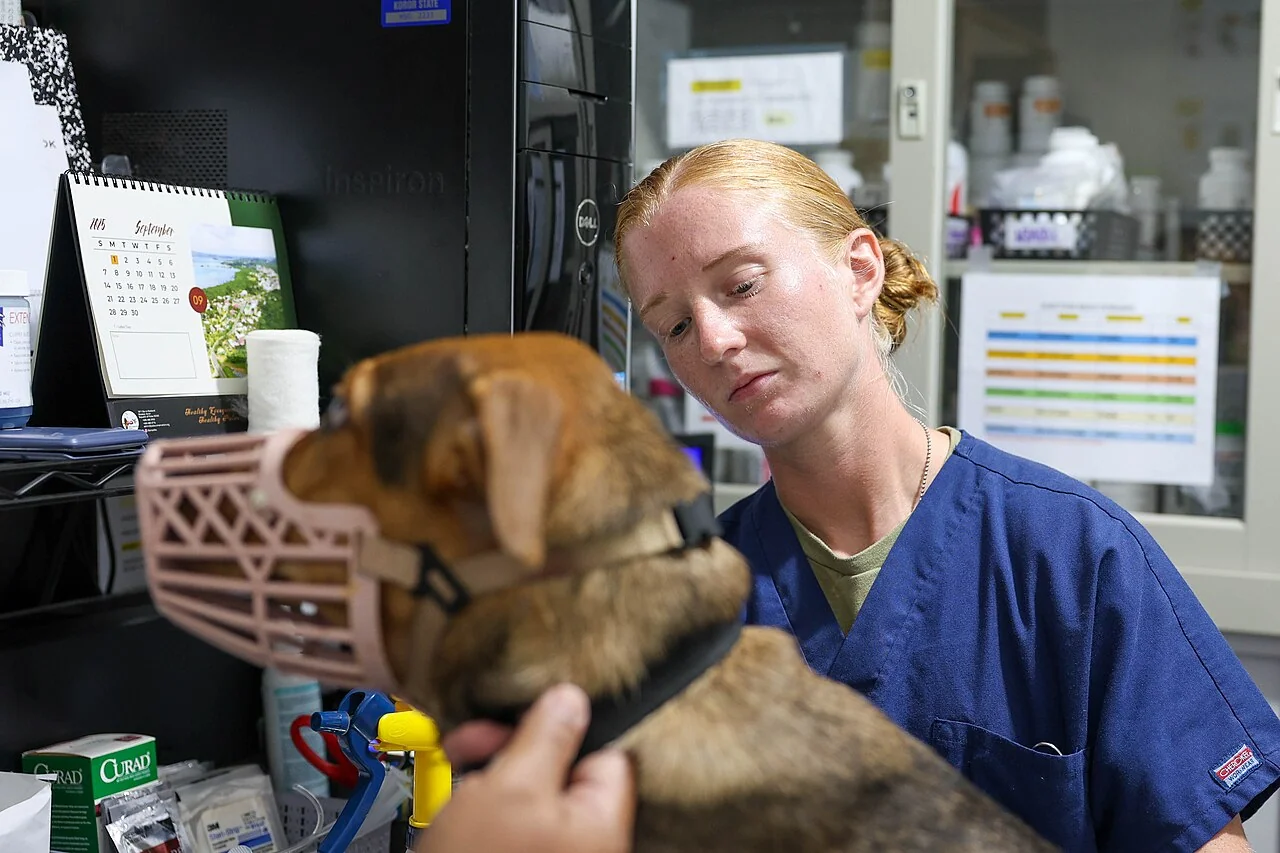
Army Capt. Chalise Brown, a veterinarian, assesses a dog at the Koror State Animal Shelter and Clinic, Palau, September 25, 2025. U.S. Navy photo by Seaman Elijah Webb · Public domain. Web size optimized; original linked.
Medical Reasons and the Limits They Reveal
A "Medical" code generally indicates conditions involving significant pain, long-term illness, injury, or a poor outlook given the shelter's resources. This can cover advanced organ failure, serious untreated infections, extensive dental problems affecting the whole body, or trauma requiring surgery and follow-up care that typical adopters cannot provide. Veterinary staff assess quality of life questions such as whether the dog can eat, move without distress, or interact comfortably.
Shelters usually try treatment first, especially for frequent issues like upper respiratory infections or common parasites. Even so, the label sometimes reflects capacity more than the condition itself. A heartworm-positive dog might receive the full months-long protocol in a shelter with extra funding and foster homes, but in a facility overwhelmed by seasonal influxes it may compete for space with puppies or simpler cases. Owner-requested euthanasia appears in shelter data when families seek a humane end for pets with irremediable suffering from age, injury, or disease. Guidelines recommend that shelters only provide this service when a veterinarian determines there is no chance of acceptable quality of life or when it would be inhumane or unsafe to delay.
Behavior Codes and the Role of Environment
Behavior codes often draw the most public attention. They cover severe aggression, such as cases where a veterinarian has ruled out medical causes, specialist rehabilitation has not succeeded, and safety for staff, the public, or the dog cannot be assured without compromising quality of life. They also include intense barrier reactivity, extreme fear that blocks handling, or resource guarding that escalates to attacks.
Progressive shelters record behavior in many settings including intake, play groups, walks, and foster homes. They try enrichment, medication, or training before considering euthanasia. The shelter setting itself can shape what staff observe. Dogs unused to noise, confinement, or shifting routines may freeze or react in ways they would not in a stable home. Many arrive as strays or surrenders carrying unknown histories of isolation, punishment-based training, or missed socialization. The no-kill benchmark of a 90 percent save rate recognizes that animals with irremediable medical or behavioral issues compromising quality of life typically make up no more than 10 percent of intakes.
Many codes ultimately trace back to limited space. When a shelter exceeds its housing capacity, even healthy and sociable dogs may receive a "space" or population-management label after legally required holding periods pass without adoption or rescue placement. Overcrowding speeds disease spread, heightens stress behaviors, and reduces time for individual attention.
Live-release rates differ widely by region partly because of these capacity differences. Owner-requested euthanasia is counted in save-rate calculations. Best Friends Animal Society explains that this service helps families who cannot afford end-of-life veterinary care when no low-cost options exist. The 90 percent benchmark exists partly because justifiable euthanasia for irremediable suffering or aggression is expected to stay under 10 percent of intakes. Shelters are encouraged to evaluate each request independently and explore surrender for rehabilitation when possible.
Using the Codes to Support Better Outcomes
Interpreting codes with care avoids oversimplified stories. A medical label does not mean a dog is permanently unadoptable; many conditions can improve in experienced homes with continued veterinary support. Behavior notations call for honest talks about safety and lifestyle fit rather than instant rejection. Adopters can ask for detailed histories, commit to training, and use post-adoption resources.
Advocates and journalists add value by placing individual cases in larger context, spotlighting programs that cut down on these decisions. Community supports such as low-cost veterinary care, behavior hotlines, and pet-friendly housing help dogs stay in homes longer. The codes, taken together, point to upstream issues including uneven spay-neuter access and economic strains on families. Understanding them equips people to back policies that address root causes before animals reach the shelter door.
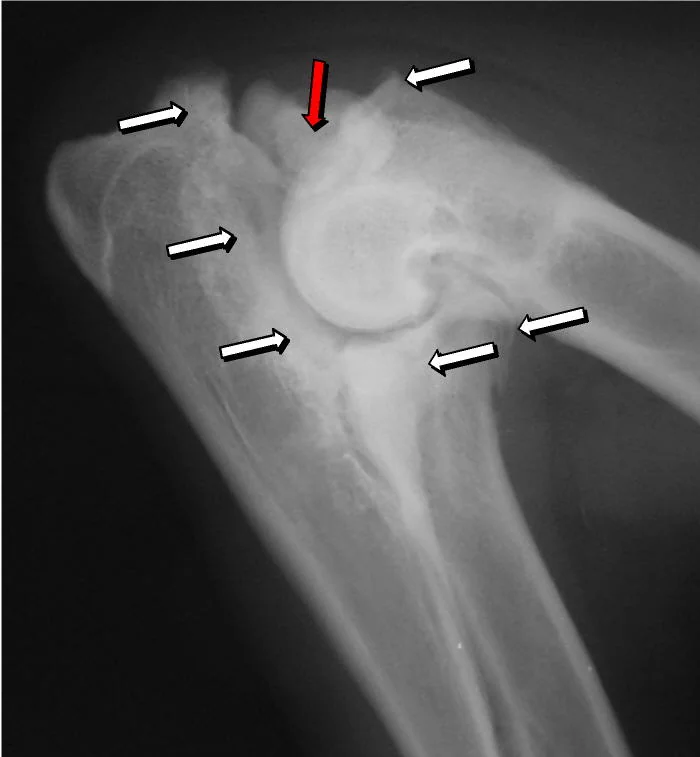
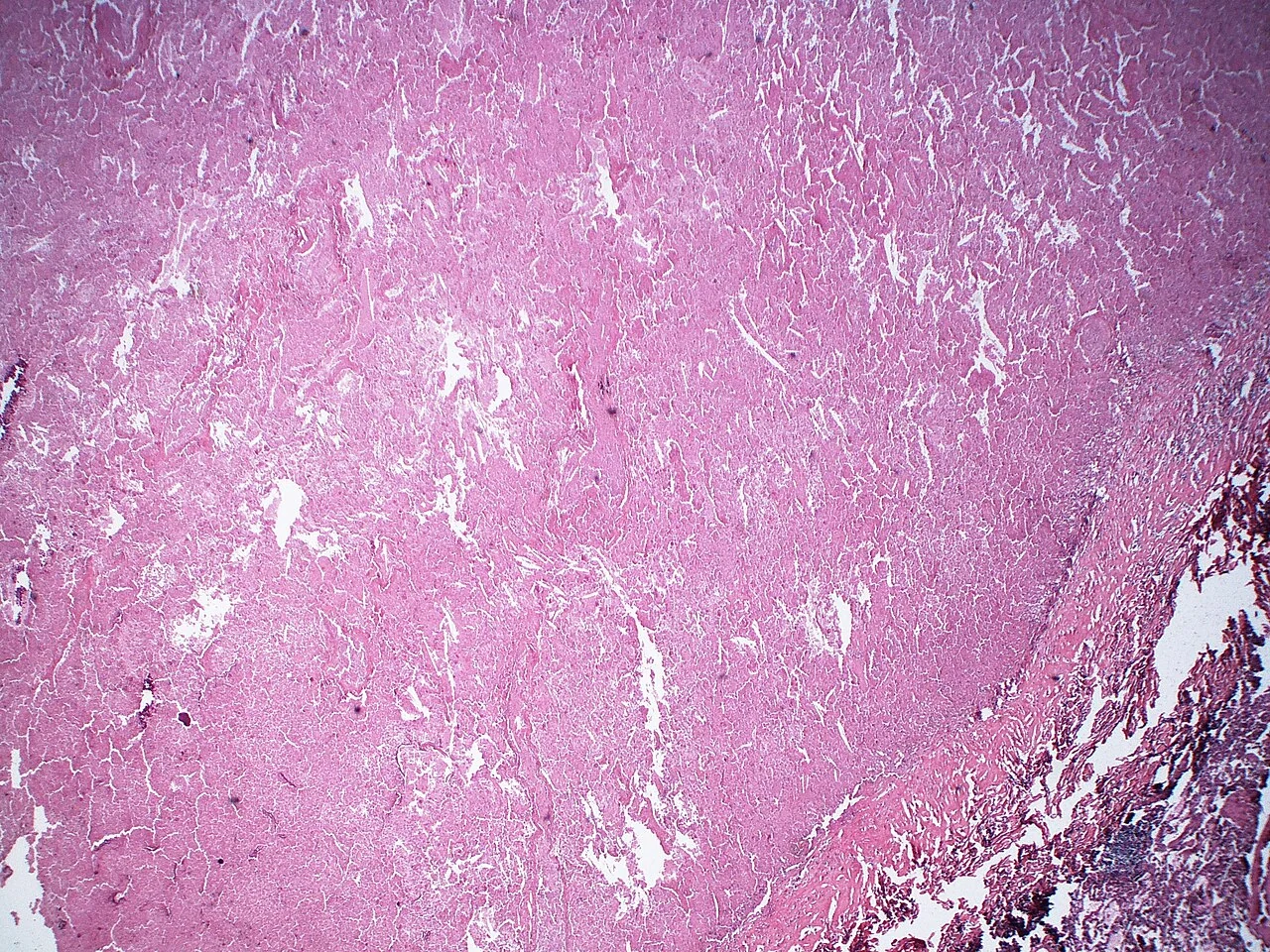
Low magnification image of an old lung infarct in a dog caused by heartworm (Dirofilaria immitis) embolization, showing a fibrous capsule and part of a partially calcified dead worm. Yale Rosen from USA · CC BY-SA 2.0. Web size optimized; original linked.
AI-assisted original writing. This feature was revised against source material and checked for unsupported claims. Follow the references below for evidence and its limits.

 Historical collection image