What 'Foster Failure' Really Means for Shelter Capacity
The term 'foster failure' carries a sting, yet when fosters adopt their charges it often signals deeper gains in lifesaving space, faster placements, and stronger community ties.
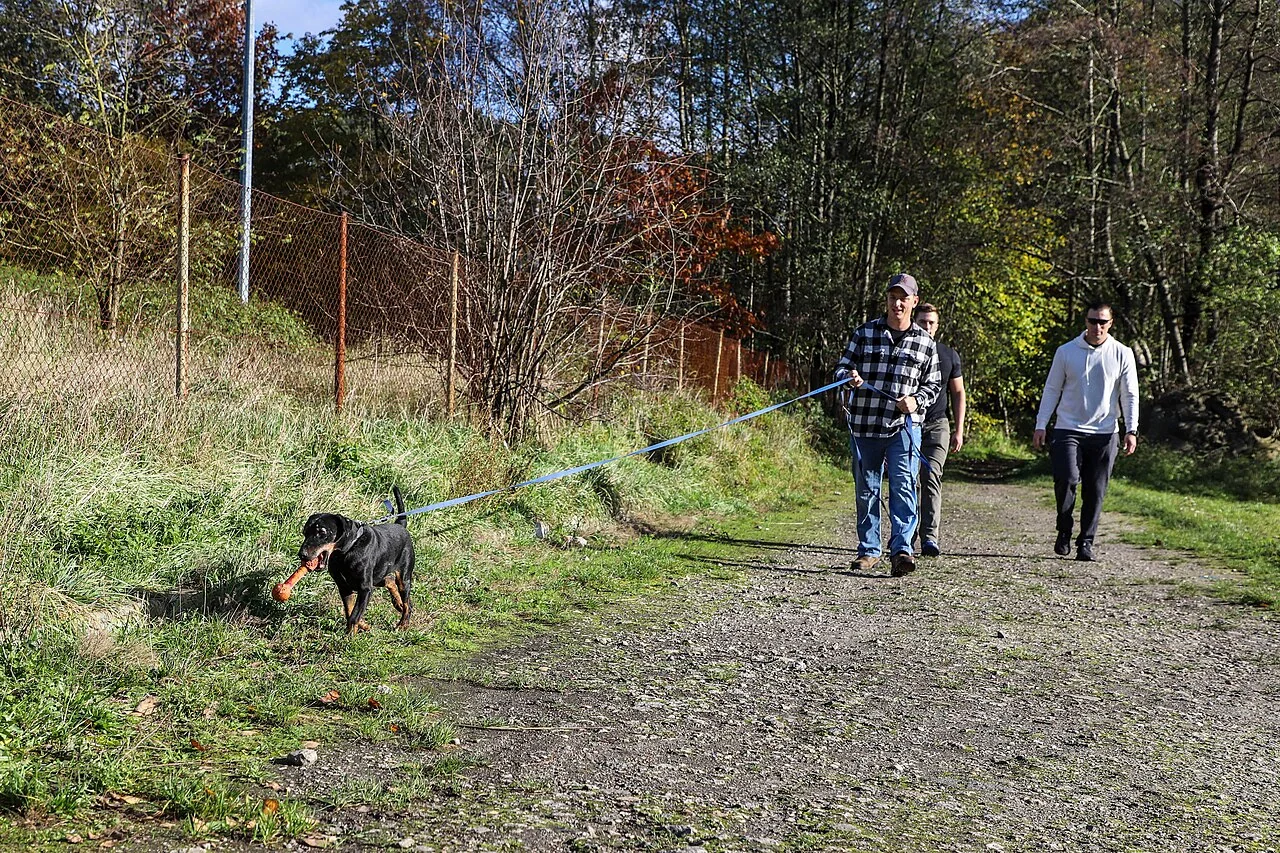
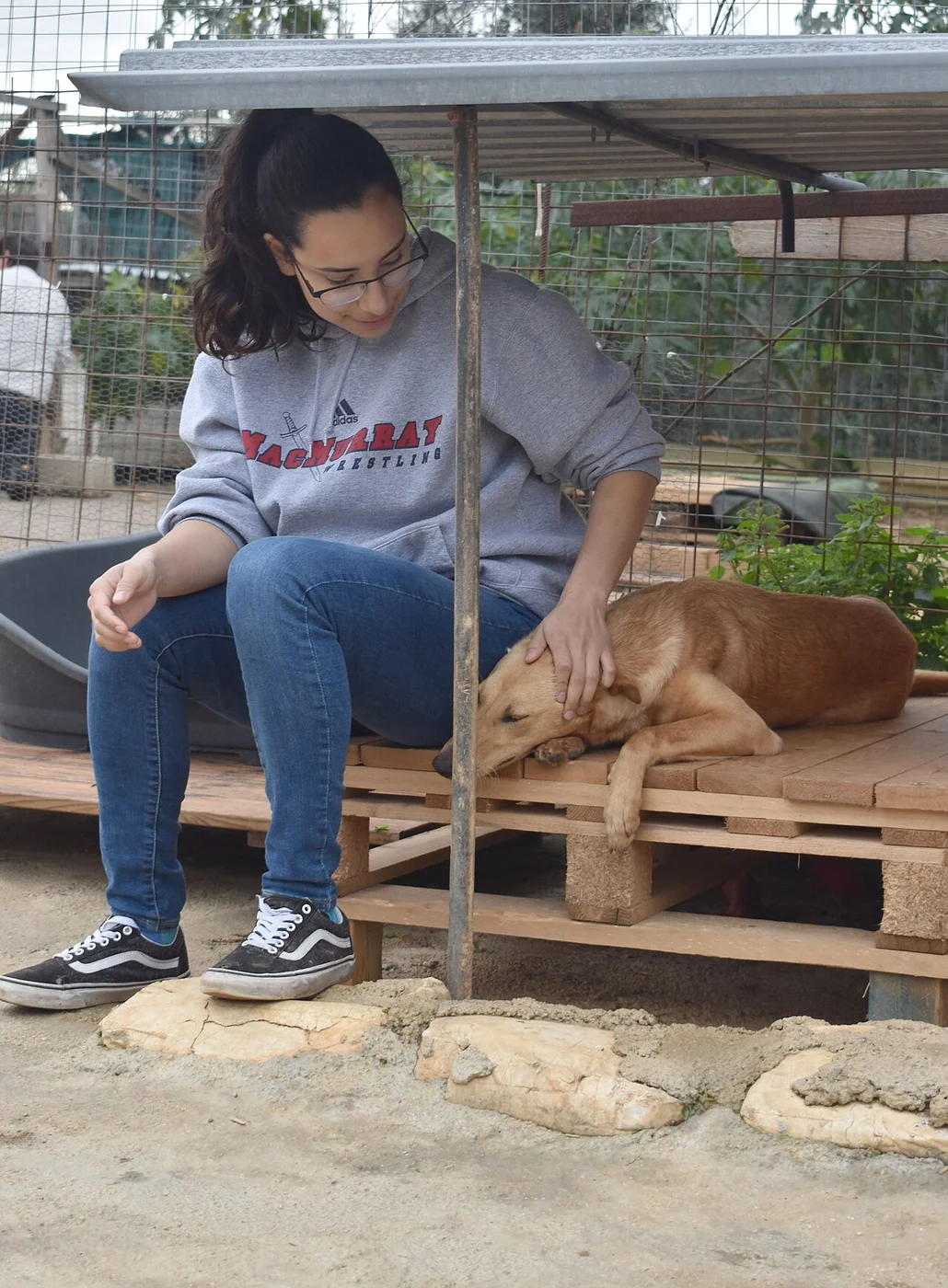
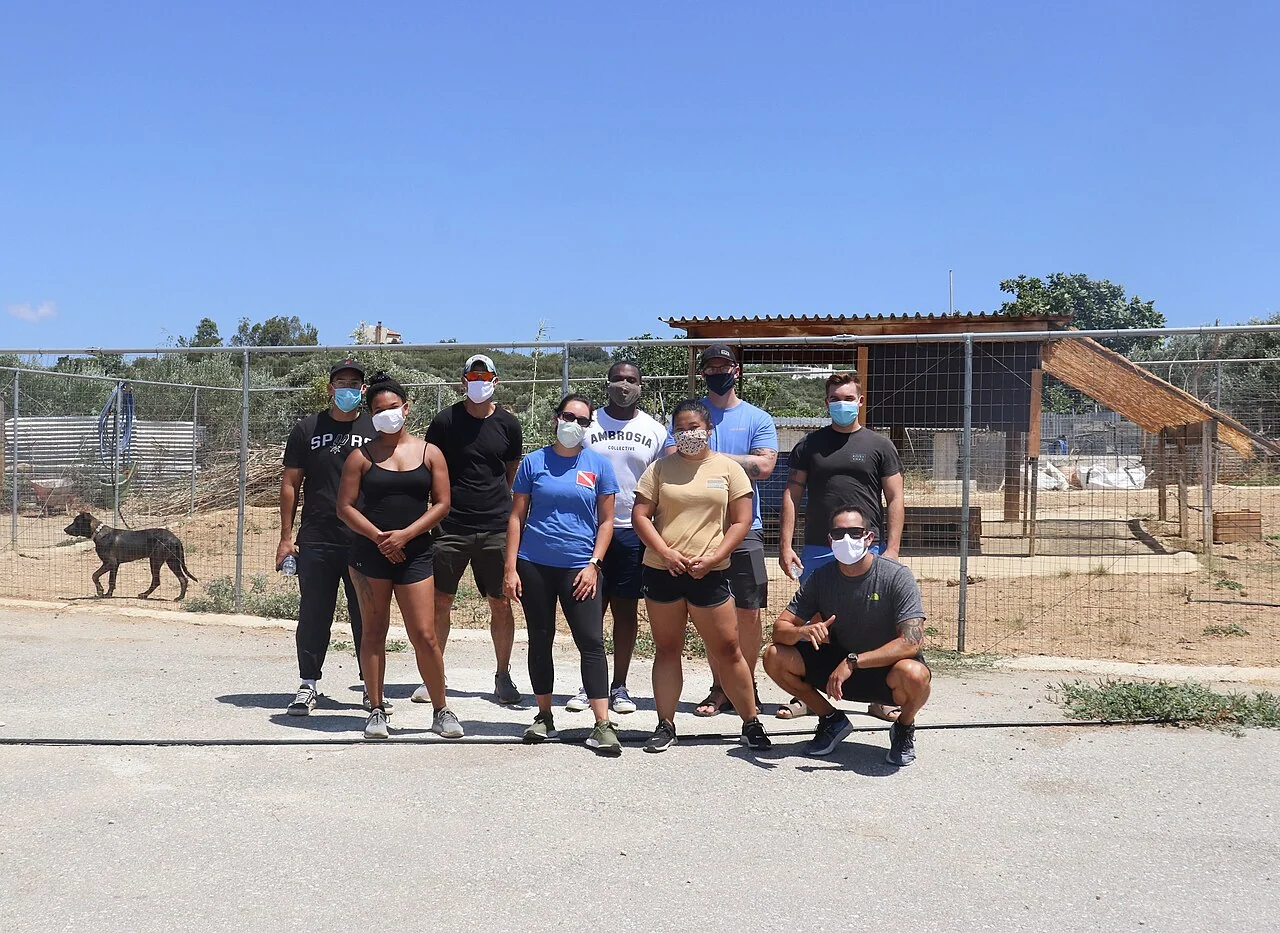
Volunteers walking dogs from an animal shelter in Poland. Context for the practical work that supports shelter capacity. U.S. Army photo by Spc. Elsi Delgado · Public domain · Web size optimized; source linked for the original.
Walk into any bustling animal shelter on a busy intake day and the math quickly becomes clear: limited kennels, stretched staff hours, and a steady stream of dogs and cats needing care. Fostering steps in as a flexible extension of that space, moving animals into homes where they can decompress, receive one-on-one attention, and often shine for potential adopters. Yet the playful label 'foster failure' persists for those moments when a caregiver cannot bear to part with their temporary charge. Far from a setback, these adoptions frequently free up resources in surprising ways while reinforcing the volunteer pipeline that keeps shelters functioning. Understanding this dynamic reveals how individual choices ripple through intake decisions, live-release rates, and the web of local support that ultimately determines how many animals a community can help.
Beyond the Label: Reframing Foster Outcomes
The phrase 'foster failure' emerged from the affectionate exasperation of volunteers who set out to provide temporary homes but end up adding a permanent family member. A survey of 947 foster volunteers found that 38 percent had not adopted a foster in the past ten years and another 38 percent had adopted one or two. Volunteers who had adopted more fosters reported significantly higher resilience scores and were more satisfied with their fostering experience. Those who had adopted more also tended to have longer tenures and to foster more frequently.
This reframing matters because shelters operate on tight margins. Every animal moved into a foster home immediately reduces daily care demands inside the facility. When that foster bond leads to adoption by the caregiver, the outcome counts as a live release. Shelters with robust foster programs have been found to have lower euthanasia rates than those with weaker or no foster programs.
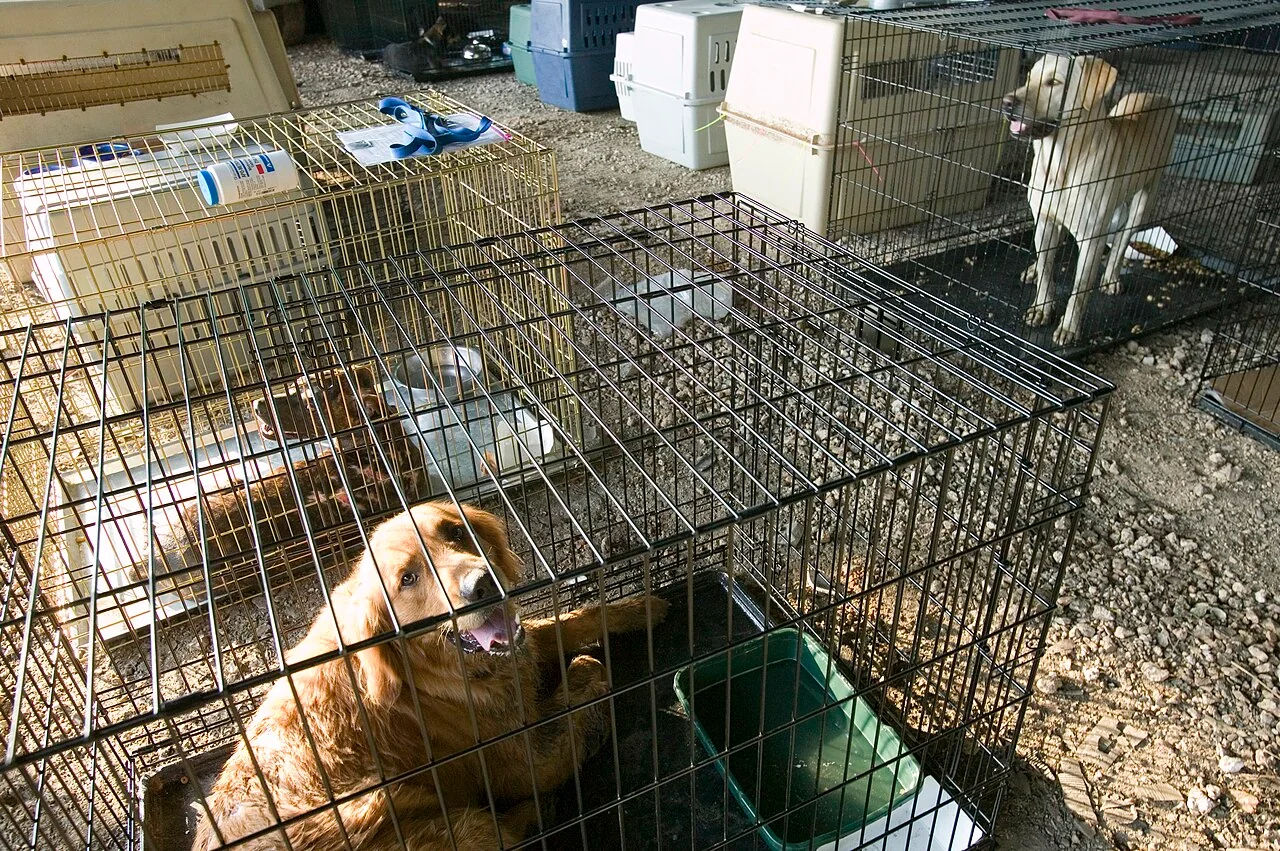
Lost pets housed and cared for at a temporary animal clinic following Hurricane Katrina, Bywater, Louisiana, 2005. Andrea Booher · Public domain. Web size optimized; original linked.
Freeing Physical and Staff Capacity
Shelter capacity extends far beyond the number of kennels. Capacity for Care calculations factor in safe housing, daily handling time, disease control, and staff bandwidth to ensure each animal receives adequate attention. Overcrowding correlates with higher disease transmission and increased behavioral deterioration. Fostering directly expands this capacity by shifting animals out of the building.
When a foster adopts the dog or cat in their care, that home opens again for the next intake. The caregiver, now experienced and attached to the mission, frequently signs up for another animal. Organizations with active foster coordinators and high foster participation enjoy lower euthanasia rates. The time saved on one animal translates into better care for those remaining and the ability to accept more surrenders or strays without compromising welfare standards.
Influence on Intake Policies and Live-Release Rates
Intake decisions often hinge on current population relative to capacity. When kennels overflow and foster homes fill, shelters may pause stray intakes or implement managed admission to prevent welfare decline. Successful fosters, including those ending in adoption by the caregiver, help maintain flow. Each permanent placement removes an animal from the system permanently.
Live-release rates, which track animals exiting alive through adoption, return to owner, or transfer, improve when fosters participate actively. Animals in homes avoid the cumulative stress of shelter life. Fostering can lead to quicker adoptions because animals can avoid the stress of the shelter, and behavioral or medical barriers can be addressed.
Fostering does more than house animals; it embeds the shelter's work into neighborhood life. Caregivers become ambassadors, sharing stories that humanize shelter pets. When a foster adopts, that household often deepens its involvement, fostering again, volunteering, or donating supplies. This sustained engagement creates a broader safety net.
Strong foster programs also ease pressure on municipal budgets and staff morale. Overcapacity leads to safety incidents and higher turnover among workers. By contrast, visible success stories draw new volunteers and adopters. Organizations that empower fosters to assist with adoptions see gains, turning one-time helpers into long-term partners.
Practical Steps for Sustainable Fostering
Shelters maximize these benefits by supporting fosters with thorough training, clear communication, and realistic expectations around medical needs or behavioral quirks. Providing supplies, veterinary access, and ongoing check-ins prevents burnout. Programs that match animals carefully to household lifestyles see higher success and retention, whether the outcome is adoption by the foster or a smooth transition to a new home.
For potential fosters, the message is one of informed commitment. Temporary care still saves lives even if it ends in a permanent addition. Viewing every foster placement as a step toward capacity relief shifts the focus from individual success or failure to collective impact.
AI-assisted original writing. This feature was revised against source material and checked for unsupported claims. Follow the references below for evidence and its limits.
 Historical collection image