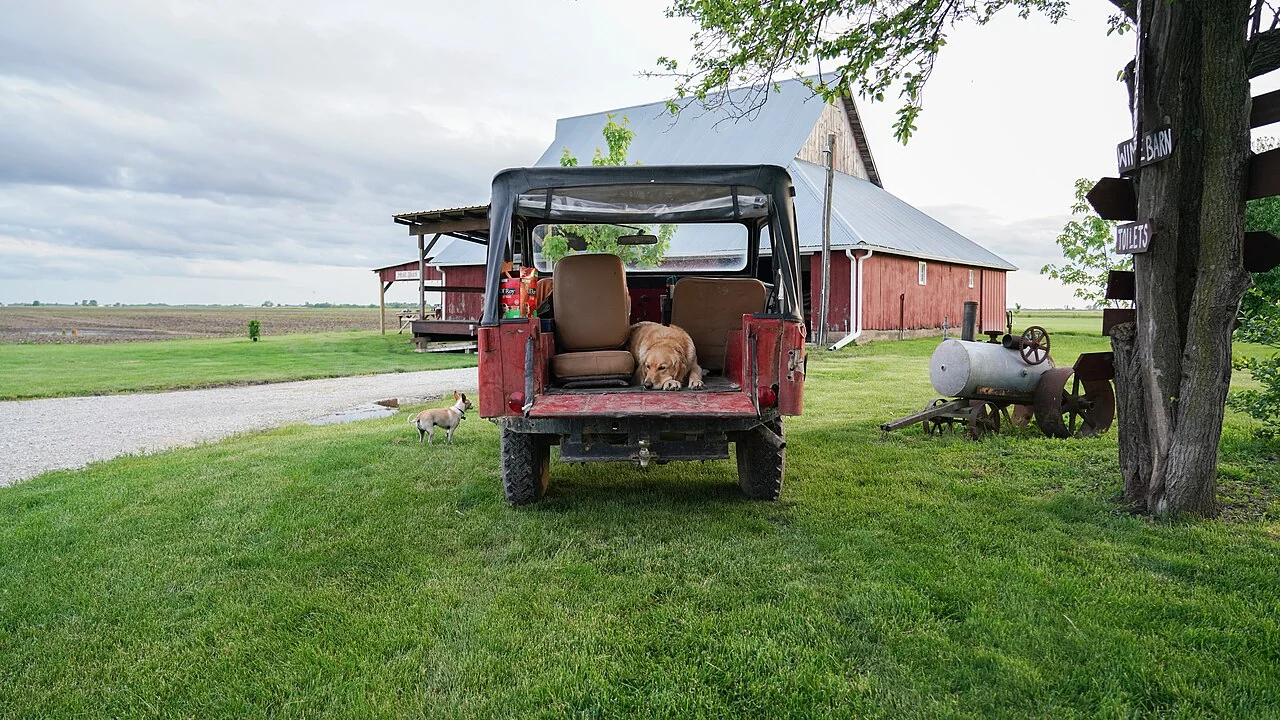
A dog at a Henry County meet-and-greet event. Contextual photograph; it does not document a particular courtesy listing. Elizabeth Warren · CC BY 2.0 · Web size optimized; source linked for the original.
When you scroll through pet adoption sites, not every adorable dog photo represents an animal already in a shelter or rescue program. Some are courtesy listings: animals still living with their current owners who have decided to rehome them. The rescue or shelter simply lends its online platform to help spread the word. This approach keeps kennel space free for dogs that truly need immediate shelter care, while giving owners an extra hand finding new families. Yet the arrangement also shifts much of the responsibility—and the risk—onto the individual adopter and owner. Understanding exactly what a courtesy listing is can help potential adopters approach these opportunities with clear eyes and realistic expectations.
How Courtesy Listings Work
A courtesy listing is posted by a shelter or rescue organization on behalf of a pet’s current owner. The owner remains responsible for the rehoming process, including any screening of potential adopters and any fees involved. The animal never enters the rescue’s physical care, so it avoids spending time in a kennel environment. This setup allows the organization to support community members trying to find new homes for their dogs without taking on the full burden of intake, fostering, or medical care.
Because the dog stays with its owner during the search, the rescue acts mainly as a bulletin board. Adopters must reach out directly to the listed owner rather than going through the rescue’s standard adoption counselors. Every situation unfolds differently depending on the owner’s preferences, schedule, and standards. The rescue itself does not perform its usual health checks, temperament evaluations, or home visits. This lighter-touch approach can move faster than a traditional adoption, but it also means less standardized oversight.
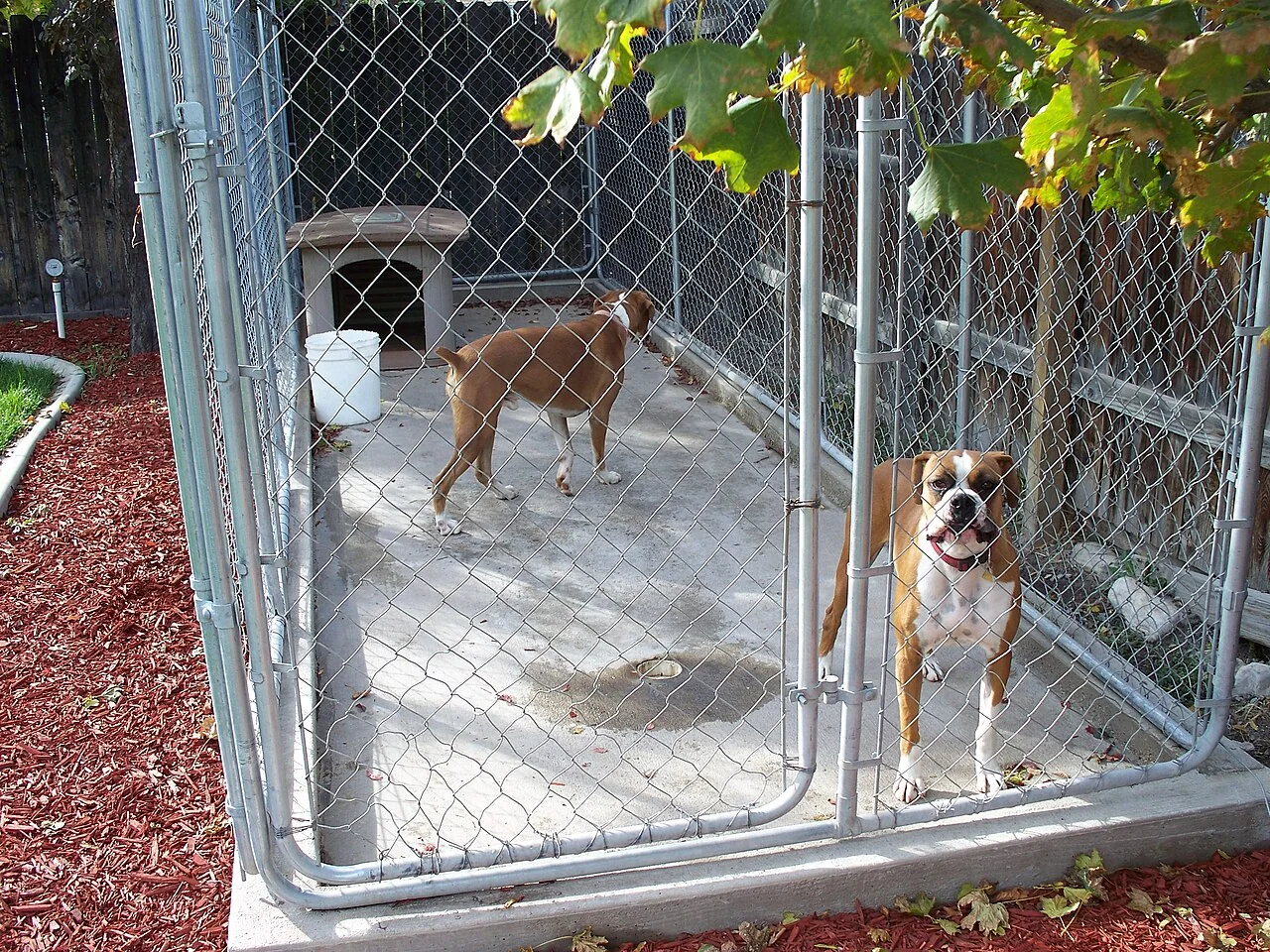
A pair of boxers in a dog kennel Bobjgalindo · CC BY 4.0. Web size optimized; original linked.
Why Rescues Offer This Service
Rescue groups and shelters face constant pressure on space and resources. By posting courtesy listings, they help prevent dogs from entering already crowded facilities. Keeping an animal in its familiar home while the owner searches for a new family can reduce stress for the dog and free up kennels for strays or cruelty cases that have nowhere else to go. It is a practical way for organizations to extend their reach without stretching their budgets or volunteer networks too thin.
At the same time, these listings reflect a belief that many owners genuinely want the best outcome for their pets. Rather than surrendering a dog to a shelter, some people prefer to stay involved and choose the next home themselves. The rescue platform lends credibility and wider visibility, increasing the chances of a good match. Still, the organizations are careful to clarify their limited role so that expectations stay realistic on all sides.
Risks and Responsibilities for Adopters
When pursuing a courtesy listing, adopters deal directly with the current owner. This means they must ask their own questions about health history, behavior quirks, and reasons for rehoming. No rescue staff has evaluated the dog or visited the home, so there are no guarantees about temperament or medical background. The organization typically states that it makes no claims and accepts no responsibility for outcomes once the adoption is complete.
That direct contact can feel refreshing—potential adopters get unfiltered answers from someone who has lived with the dog. Yet it also requires extra caution. Adopters should consider whether they feel comfortable relying on the owner’s self-reported information. Meeting the dog multiple times, asking for veterinary records, and even arranging a trial stay can help reduce surprises. Light-hearted advice from rescue veterans often includes bringing a sense of humor and a list of probing but polite questions; after all, both parties are essentially conducting an informal interview.
Two dogs meeting and greeting nose-to-nose Nancy Wong · CC BY-SA 4.0. Web size optimized; original linked.
What the Listings Mean for Animal Welfare
Courtesy listings can benefit welfare by keeping dogs out of shelter environments that may be stressful or carry disease risk. A dog that stays in its current home during rehoming might continue its regular routine, training, and social life while a new family is found. This can lead to smoother transitions and potentially fewer returns later. However, success depends heavily on the owner’s honesty and the adopter’s diligence.
On the flip side, the lighter screening can sometimes allow dogs with serious behavioral or medical issues to move between homes without proper support. Rescues emphasize that they cannot verify details, so the system relies on good faith from everyone involved. Thoughtful adopters often weigh whether they have the experience and resources to handle whatever the dog may bring. In this sense, courtesy listings highlight both the generosity of community networks and the limits of informal arrangements.
Questions to Ask and Practical Next Steps
Before responding to a courtesy listing, consider asking the owner about the dog’s daily routine, any known medical conditions, and what prompted the rehoming decision. Request recent veterinary records and, if possible, speak with the owner’s veterinarian. Arranging a meet-and-greet in a neutral location can reveal how the dog behaves around strangers, children, or other pets. These steps help turn an informal listing into a more informed choice.
Potential adopters might also reflect on their own capacity. Are you prepared for the possibility that the dog’s needs differ from the owner’s description? Do you have a trusted trainer or behaviorist lined up if challenges arise? Reading the rescue’s disclaimer carefully reminds everyone that this is a private rehoming facilitated by a helpful platform, not a fully vetted rescue adoption. Approaching the process with patience, curiosity, and a touch of humor—perhaps joking about becoming an amateur detective—can make the experience less stressful while still respecting the seriousness of bringing a new dog into your life.
Golden Retriever resting its head on its paw Elizabeth Warren · CC BY 2.0. Web size optimized; original linked.
AI-assisted original writing. This feature was revised against source material and checked for unsupported claims. Follow the references below for evidence and its limits.


 Historical collection image