Weighing the Pros and Cons of Pet Adoption Events and Discounts
Organized adoption drives and price reductions can speed animals out of shelters, but evidence shows they also carry risks that require careful management.
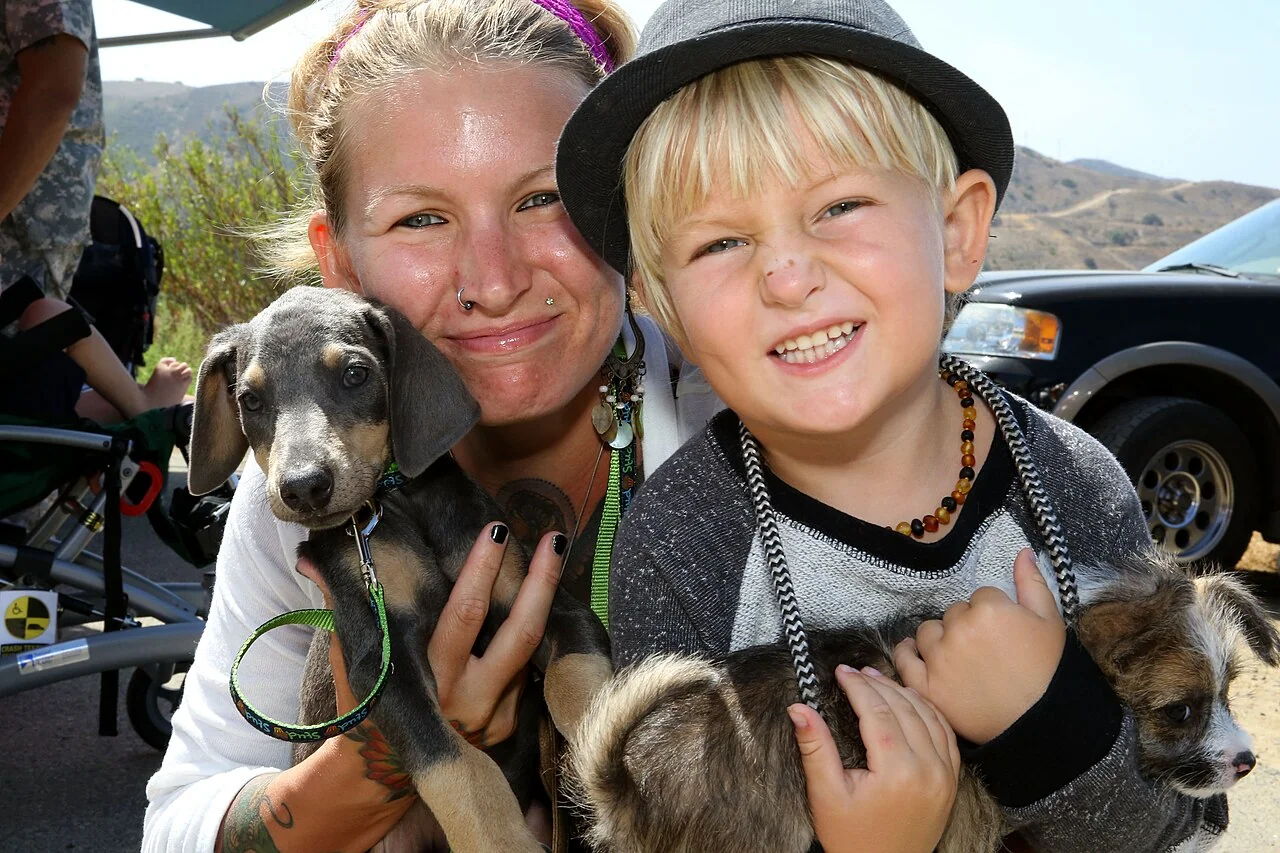
Families interact with animals during the annual adoption event at Camp Pendleton Animal Shelter, July 26, 2014. (documentary photograph) Sgt. Valerie Eppler · Public domain · Web size optimized; source linked for the original.
Animal shelters and rescues often turn to special adoption events and temporary discounts to move dogs into new homes more quickly. These approaches can bring in crowds and boost numbers, yet they also raise practical and ethical questions about animal stress, long-term outcomes, and whether speed sometimes outpaces good matching. Two independent sources—one focused on best practices and another on data from a municipal shelter—offer a window into what actually happens. The evidence highlights both clear benefits and notable limitations, reminding us that no single tactic fits every situation. This article examines the available findings, explores implications for welfare, and suggests questions shelters and potential adopters might consider.
The Practical Appeal of Adoption Events
Adoption events are designed to create excitement and urgency, drawing in members of the public who might not otherwise visit a shelter. According to guidance on skills, ethics, and best practices, these gatherings can help organizations place more animals and potentially reduce the number that face euthanasia. The same source notes that the decision to hold such events is both practical and ethical, requiring each group to weigh its own circumstances, resources, and beliefs about animal welfare.
Yet the practical upside is not automatic. Some organizations have chosen to stop running events after determining that the logistical costs and added stress on the animals outweighed any gains. This illustrates that context matters deeply. An event that succeeds in one community or for one type of animal may create problems elsewhere. The evidence does not claim that events are universally effective or harmful; instead it frames them as tools whose value must be assessed locally.
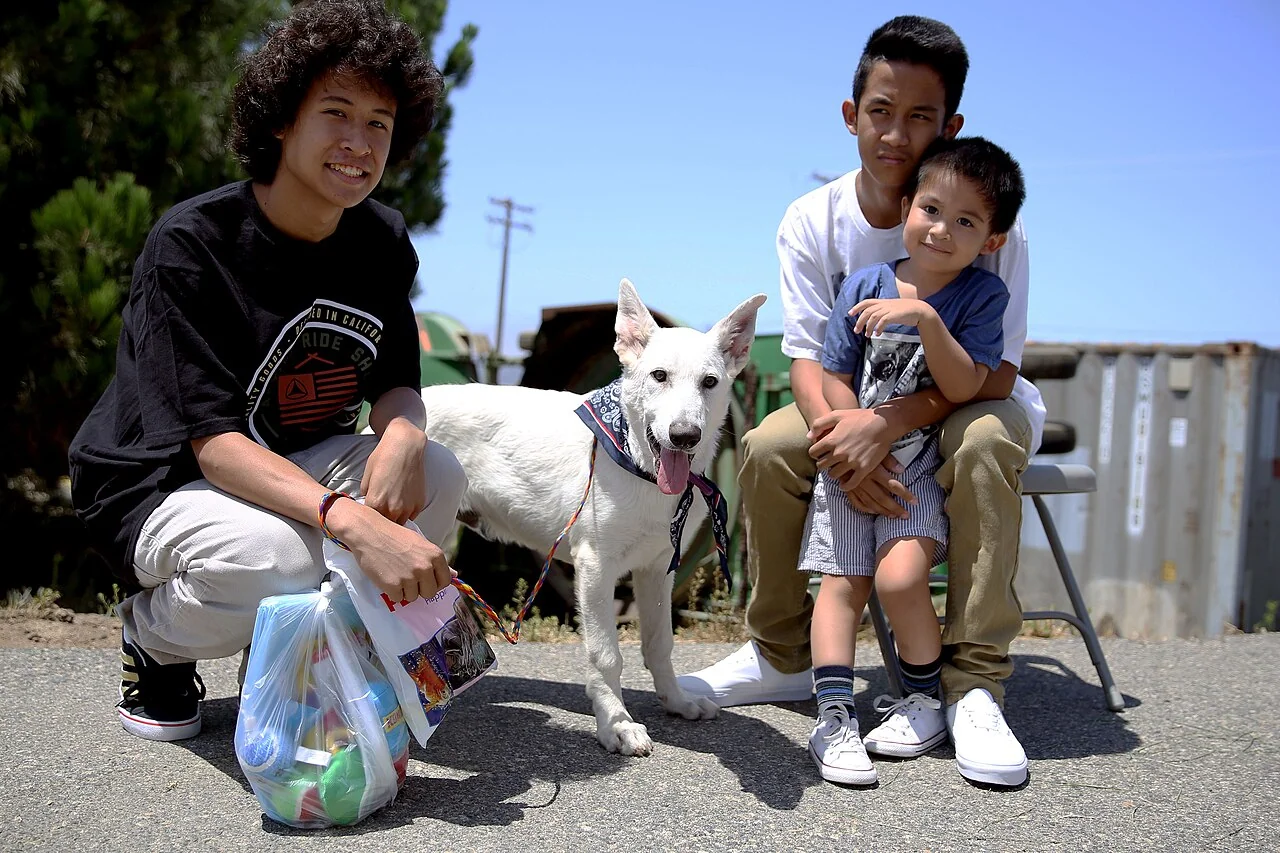
Brothers with their newly adopted dog Obi Wan Kenobi at the Camp Pendleton Animal Shelter adoption event, July 26, 2014. (documentary photograph) Sgt. Valerie Eppler · Public domain. Web size optimized; original linked.
Stress, Behavior, and Special-Needs Animals
One documented concern is the stress that events can place on dogs, particularly those with behavioral challenges. The best-practices discussion points out that animals who have stabilized in a shelter environment may regress when exposed to the noise, crowds, and disruption of a busy adoption day. It recommends extra care and monitoring for these individuals, suggesting they may not be ideal candidates for high-pressure event settings.
This observation invites shelters to think carefully about which animals they feature. While the source does not quantify how often regression occurs or provide comparative data across many organizations, it underscores a welfare trade-off: faster placement might come at the cost of short-term setbacks in behavior. Editorial analysis suggests that shelters could mitigate this by offering quieter interaction areas or limiting event exposure for sensitive dogs. Potential adopters might usefully ask whether the dog they are considering has shown stress-related changes during the event itself.
What Discount Campaigns Reveal About Adoption Speed
Temporary price reductions, including flash sales lasting 48 hours or less, have been shown to increase daily adoption rates substantially. In one Australian municipal shelter studied over a single year, a flash sale produced a 204 percent rise in daily adoptions compared with non-campaign periods. This provides concrete evidence that discounts can accelerate placements, at least in the short term.
However, the same research found that dogs receiving discounts of 75 percent or more, or between zero and 50 percent, tended to have longer lengths of stay than non-discounted dogs. The authors note this is likely because many discounted animals had already been at the shelter for extended periods before the campaign began. Importantly, the study emphasizes that the observed association is not necessarily causal. Other factors such as breed group, size, age, and intake method also influenced length of stay.
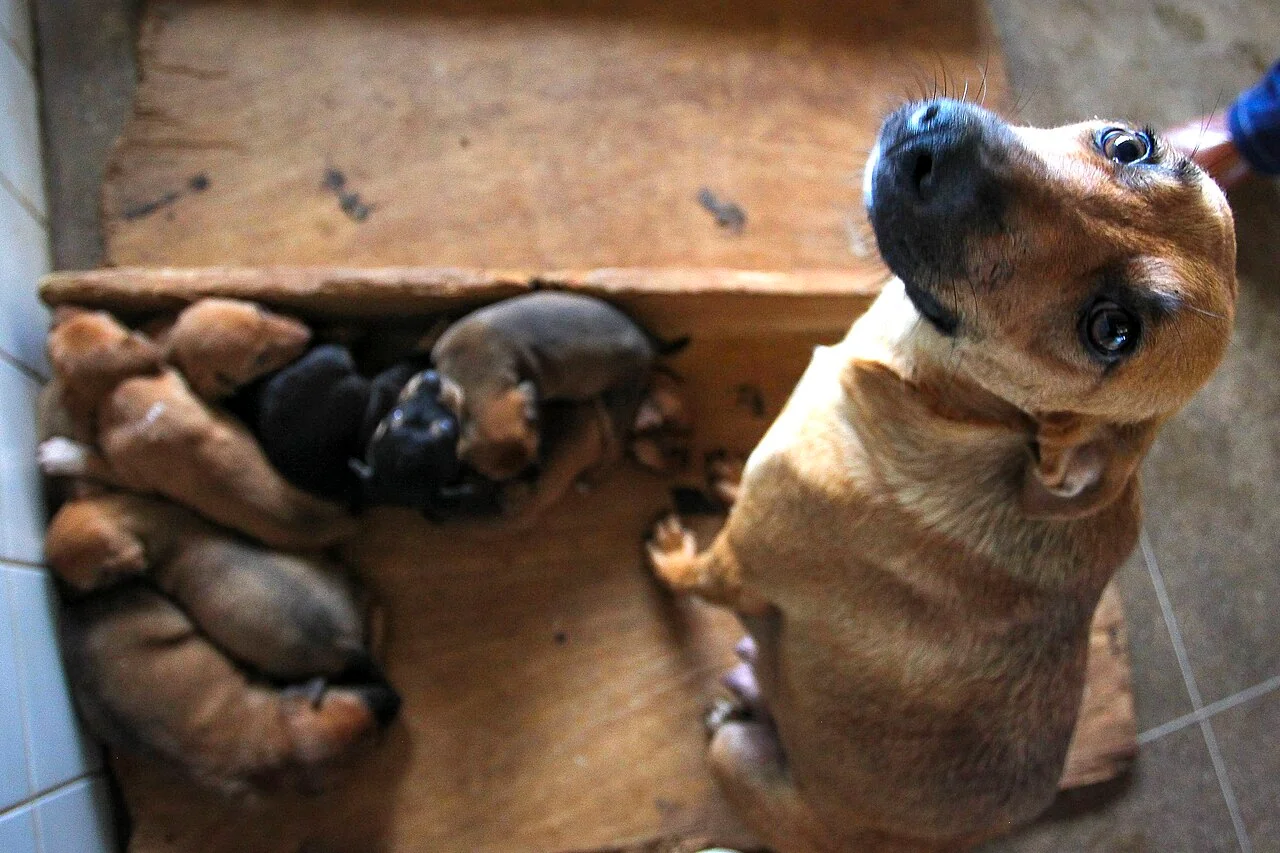
Mother dog with litter of puppies at a shelter or adoption facility Agência Brasília · CC BY 2.0. Web size optimized; original linked.
Return Rates and the Risk of Impulse Decisions
One flash sale in the Australian study was linked to significantly higher return rates than other temporary campaigns. This finding raises a legitimate concern that rapid, heavily promoted discounts may encourage impulse adoptions that later prove unsustainable. The researchers caution that this pattern was specific to a single event and call for further work that includes direct input from adopters to understand the underlying reasons.
From an editorial perspective, higher returns represent a welfare cost for the animals, who must readjust to shelter life, and an emotional cost for families. Shelters might consider pairing discounts with mandatory counseling sessions or follow-up support to reduce returns. Adopters could ask themselves whether they would still want the dog if the price were full. This simple mental exercise might separate genuine commitment from bargain-driven enthusiasm.
Reading the Evidence: Implications and Open Questions
Both sources make clear that adoption events and discounts are not one-size-fits-all solutions. The best-practices article frames the choice as an ethical calculation that depends on an organization’s resources, the types of animals in its care, and its tolerance for stress-related risks. The shelter study supplies limited but useful numbers from a single open-admission facility, showing that while discounts can drive volume, they do not automatically shorten overall stays and may increase returns in some cases.
Several uncertainties remain. The data come from only one shelter over one year, so broader patterns across different regions, shelter types, or species are unknown. The Australian research also cannot prove that discounts themselves cause longer stays or returns; they may simply highlight animals that were already harder to place. These limitations suggest caution in generalizing. Thoughtful reading questions include: How can shelters measure post-event welfare and retention without adding excessive burden? Should certain animals be excluded from discount campaigns or large public events? And how might communities support adopters beyond the day of adoption to improve long-term success? The evidence supports continued experimentation paired with transparent tracking rather than blanket endorsement or rejection of these tactics.
Puppies available for adoption at a shelter. Agência Brasília · CC BY 2.0. Web size optimized; original linked.
AI-assisted original writing. This feature was revised against source material and checked for unsupported claims. Follow the references below for evidence and its limits.

 Historical collection image