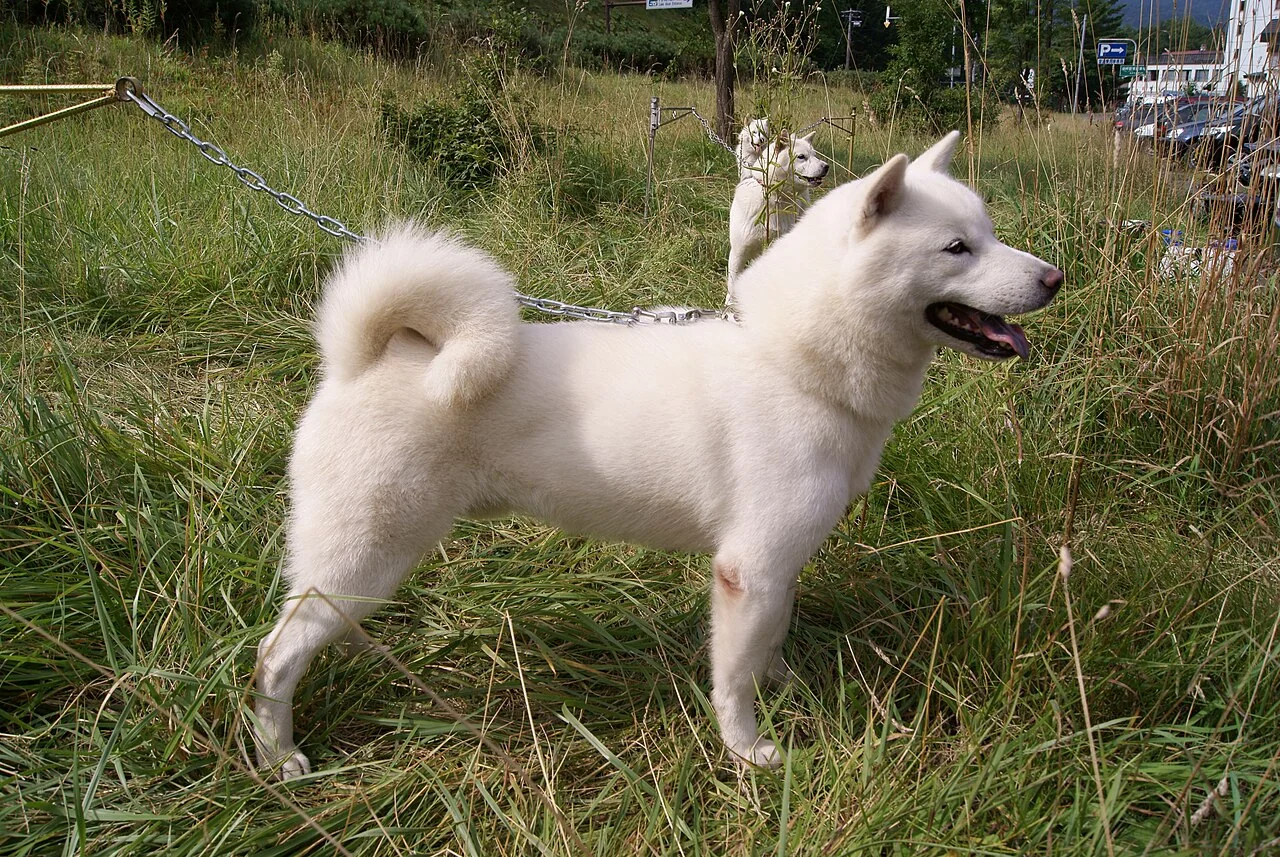
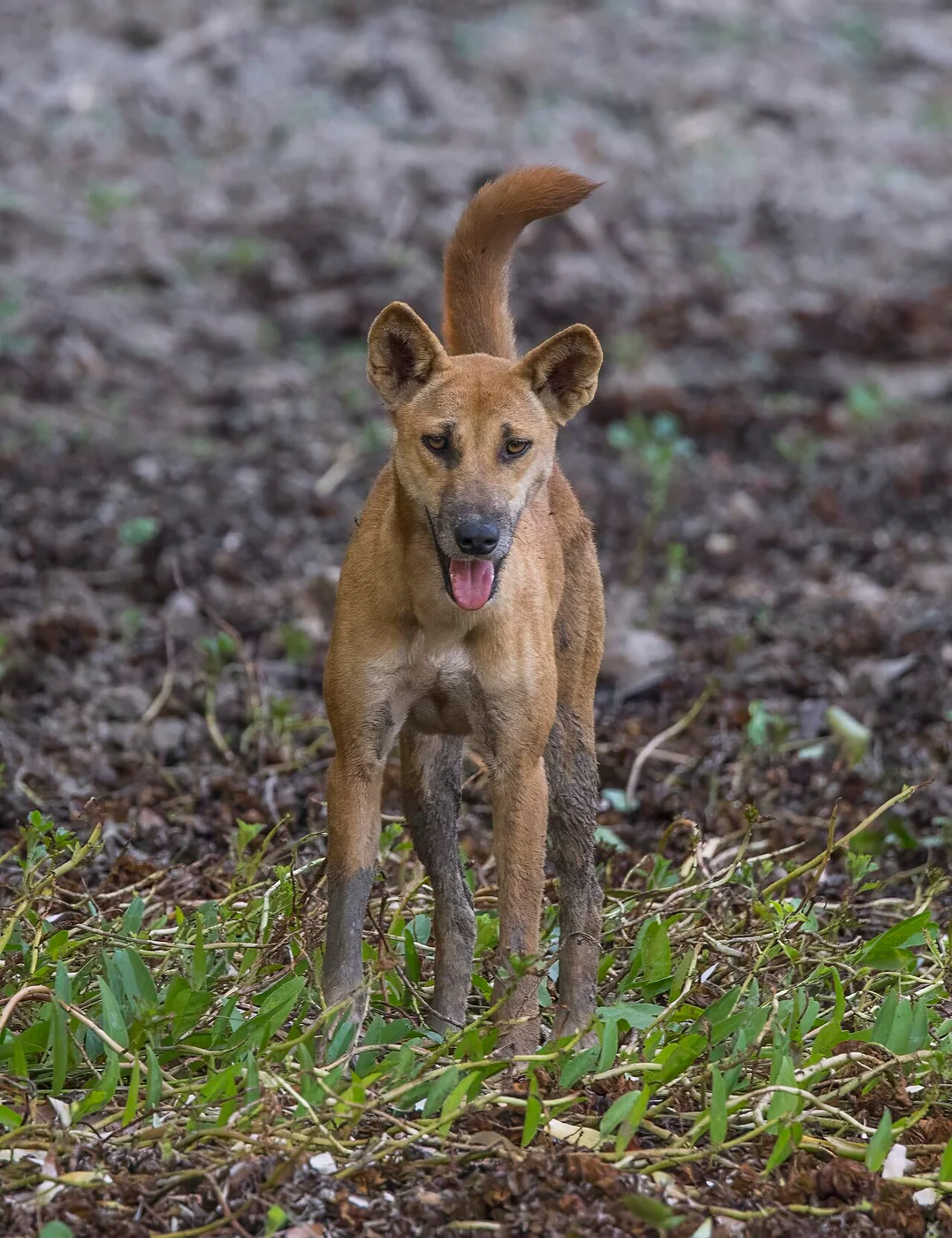
A 17th-century hunting dog named Shiro is remembered at a rare Japanese shrine dedicated to canine spirit, blending local Matagi tradition with prayers for safety and good fortune.
Roken Shrine (老犬神社) main hall in Odate, Akita Prefecture, Japan. Modern documentary photograph, 2019. らんで · CC BY-SA 4.0 · Web size optimized; source linked for the original.
In the northern prefecture of Akita, the city of Odate honors its deep-rooted connection to dogs through stories that mix hunting heritage with touches of the supernatural. At the center of one such tale stands a large female hunting dog called Shiro, whose spirit is said to reside at Roken Shrine—also known as the Old Dog Shrine. While popular accounts sometimes stretch the breed’s past to include formal roles guarding temples, the available records point instead to practical uses by hunters and nobility, with only limited, anecdotal links to religious sites. This article explores what the evidence actually shows about Shiro, the shrine built in her memory, and the annual festival that continues to draw visitors who appreciate dogs. Light-hearted speculation about what a watchful hound might think of modern tourists is offered here purely as playful fiction, not as historical fact.
Origins of Akita Dogs in Odate
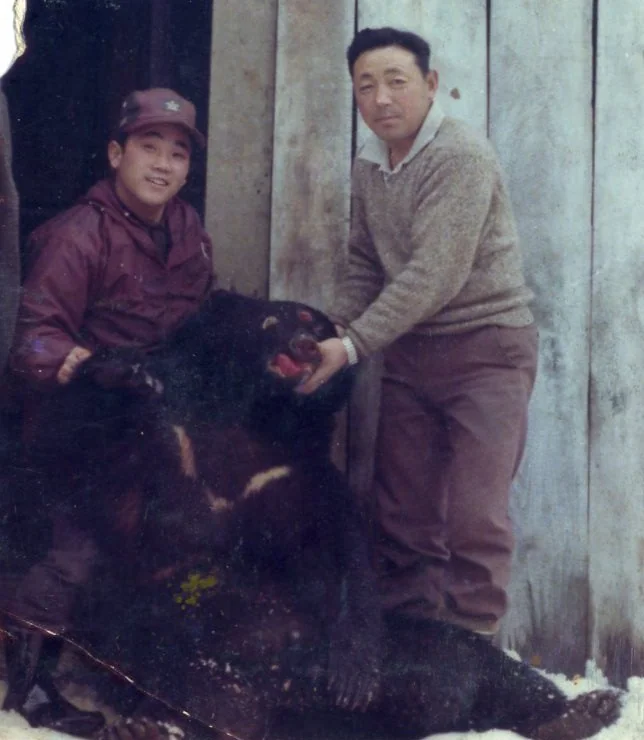
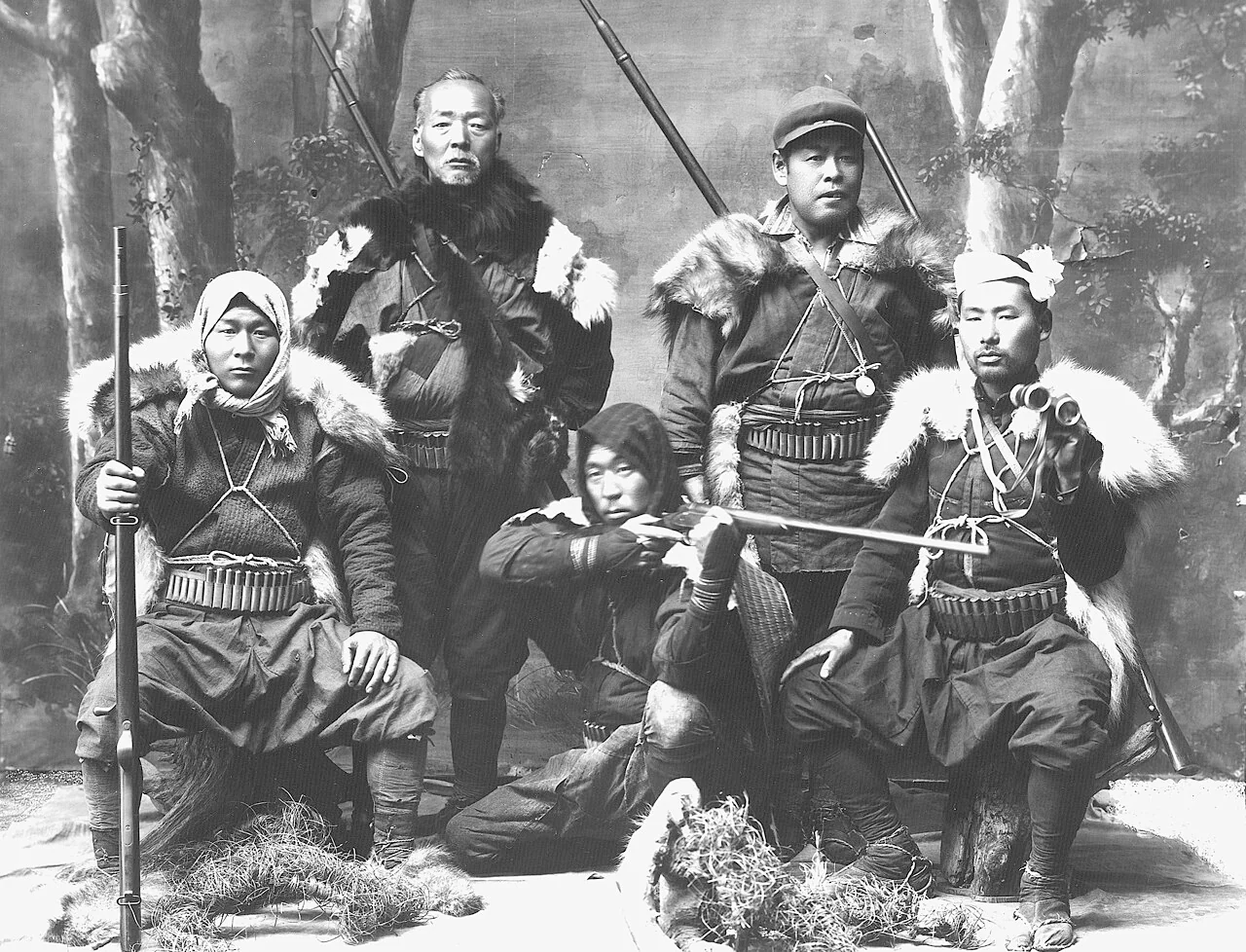
Akita dogs trace their beginnings to the Odate area and nearby parts of Akita Prefecture, where they served the Matagi—traditional hunters who worked in the snowy northern forests. These sturdy dogs were valued for their strength and loyalty during hunts. Over time, local nobility and upper classes in the Akita Domain started using medium-sized Matagiinu dogs to guard homes and property. They selectively bred the animals to become larger, turning capable hunters into even more imposing protectors. This shift happened toward the end of the Edo period, showing how the dogs’ roles evolved with changing social needs.
Official city information confirms that dog fighting was also promoted by a lord of Odate Castle, adding another layer to the breed’s early history. These practical uses—hunting, guarding, and occasional fighting—form the documented backbone of the Akita’s past rather than any widespread role inside sacred spaces. One elder recollection from Odate does mention a single dog kept at Jououji Temple that was known as a fierce fighter, but breed historians stress this appears to be an isolated case. The Japanese Akitainu Club of America notes explicitly that Akita ancestors, aside from that one dog, were never temple dogs and that ownership was never limited to royalty. This caveat helps separate romantic stories from the more grounded historical picture.
Matagi hunter with a killed bear, Kamikoani, Akita, 1966. Archival photograph of traditional hunters whose culture developed the Akita breed. 佐藤良美 · CC BY-SA 3.0. Web size optimized; original linked.
The Legend of Shiro and Roken Shrine
Roken Shrine in Kuzuhara, Odate, stands out because it enshrines the spirit of a dog. According to local tradition, Shiro was a large female hunting dog from the early 17th century. The story, presented as based on real events, includes a preserved hunting license that supposedly allowed her owner to hunt even on temple and shrine grounds. After a tragic incident, the tale takes on legendary elements: Shiro is said to have sought revenge and later haunted the area. While the license serves as tangible evidence for parts of the narrative, the supernatural details remain in the realm of folklore.
The shrine itself is described as rare for treating a dog as a deity. It was established to honor Shiro’s loyalty and spirit. Visitors today often stop by with their own pets, seeking blessings or simply enjoying the connection to Akita’s canine heritage. The municipal tourism materials focus heavily on this legend alongside the more globally famous story of Hachiko, the loyal Akita who waited for his owner at a Tokyo train station. Together these tales reinforce Odate’s identity as the birthplace of the breed. Editorial note: the blend of verifiable artifact and ghostly revenge makes for compelling storytelling, yet it also invites readers to consider how communities use animal legends to express values like fidelity and resilience.
Annual Festival and Community Traditions
Each year on April 17, Roken Shrine holds its grand festival, or reisai. The event includes prayers for disaster prevention, good harvests, family safety, and traffic safety—practical hopes that reflect both agricultural roots and modern concerns. Because the shrine venerates a dog spirit, the festival naturally attracts pet owners who bring their animals along. This creates a lively, dog-friendly atmosphere that feels distinct from more formal shrine observances elsewhere in Japan.
The celebration ties back to the Matagi hunting culture that shaped early Akitas. While living dogs no longer appear to serve as active guardians at the shrine or participate in formal processions according to the city’s own descriptions, the festival keeps the memory of those working dogs alive. Reading question: How might a community’s choice to deify an animal influence the way residents treat real dogs in daily life? The answer seems to foster respect and care, even if the precise historical role of temple guardianship remains limited to that single recalled fighting dog at Jououji Temple.
Careful review of breed-club and municipal sources reveals important limits. Claims that Akitas broadly served as temple guardians across Akita Prefecture do not appear supported beyond the one elder’s recollection of a dog at Jououji Temple. The Japanese Akitainu Club of America cautions that this story should not be generalized. Most Akita ancestors worked for Matagi hunters or guarded private homes of the nobility, not sacred perimeters. Ownership was never restricted to royalty, another common exaggeration that the club explicitly corrects.
This distinction matters for animal welfare as well as historical accuracy. Romanticizing dogs as ancient temple sentinels can be charming, yet it risks overlooking the real pressures the breed has faced, including past use in fighting. A light fictional scenario might imagine Shiro herself rolling her eyes at tourists taking selfies while ignoring the “no feeding the deity” signs—purely satirical, of course, and not a serious historical claim. The evidence instead highlights loyalty in practical contexts: hunting, home protection, and the enduring symbolic value of dogs in local culture.
Modern Reflections and What the Shrine Offers Today
Today Roken Shrine functions as both a memorial and a living community site. Pet owners visit to pray for their animals’ health or simply to feel connected to Odate’s heritage. The focus on safety and good fortune in the annual rites mirrors concerns that transcend centuries. While the original Matagi hunting lifestyle has largely faded, the dogs’ reputation for steadfastness lives on through stories like Shiro’s and Hachiko’s.
Implications worth considering include how local pride in a breed can support preservation efforts without needing to inflate historical roles. Editorial analysis suggests that celebrating the real contributions of working dogs—hunters, guardians, companions—may be more meaningful than unverified tales of widespread temple duty. For visitors, the shrine offers a quiet place to reflect on loyalty, with the added charm of seeing fellow dog lovers. Reading question: In an age of urban pets far removed from snowy hunts, what lessons from these old legends still apply? The evidence points to enduring appreciation for the bond between people and dogs, even if the specific guardian-at-the-gate image stays mostly in the realm of inspiring folklore.
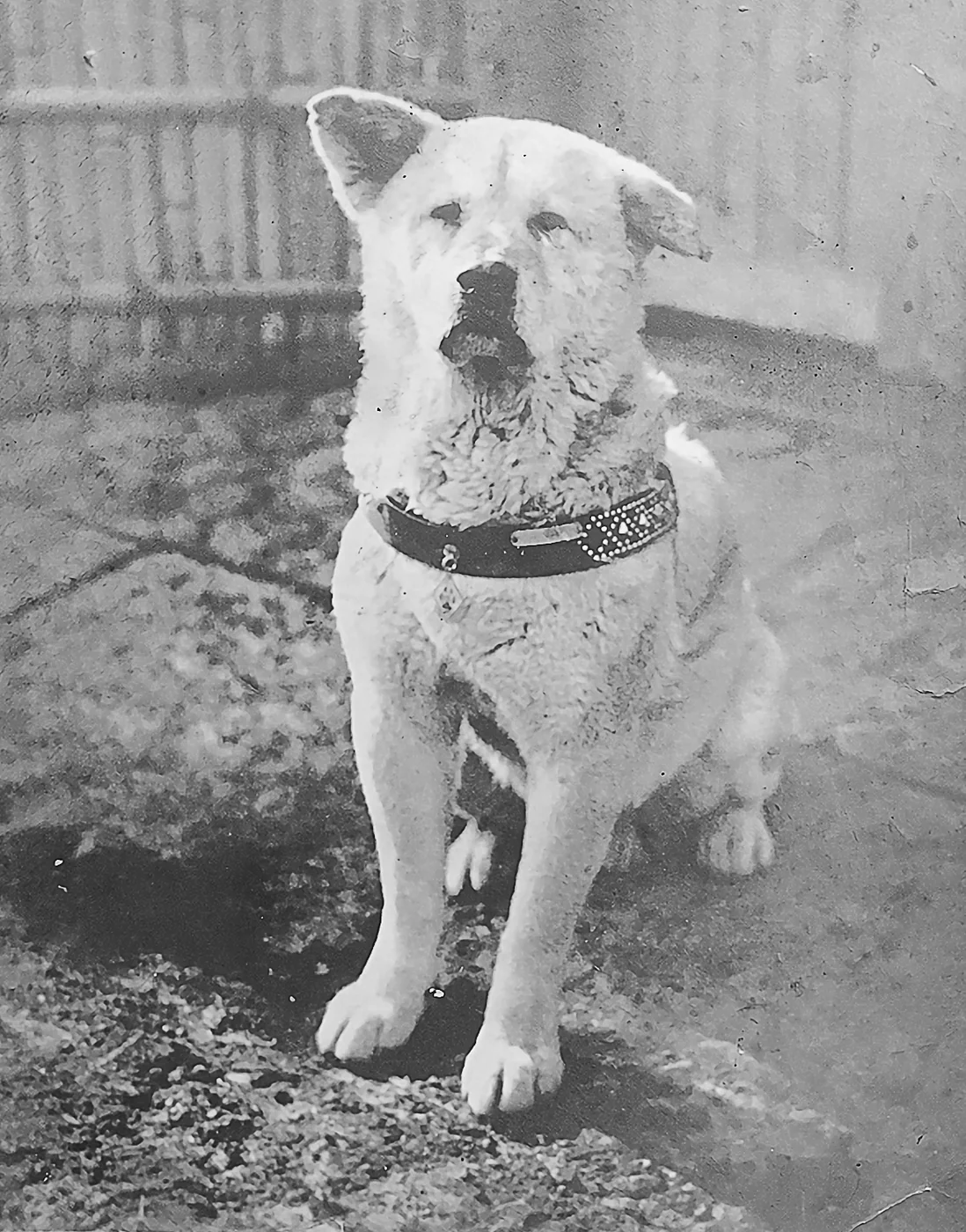
Photo of the faithful dog Hachiko (chūken Hachikō (忠犬ハチ公)). Hachiko (1923-1935) was a famous Akita dog born in Akita Prefecture, remembered for his remarkable loyalty to his owner, Hidesaburō Ueno, long past Ueno's death. Unknown · Public domain. Web size optimized; original linked.
AI-assisted original writing. This feature was revised against source material and checked for unsupported claims. Follow the references below for evidence and its limits.
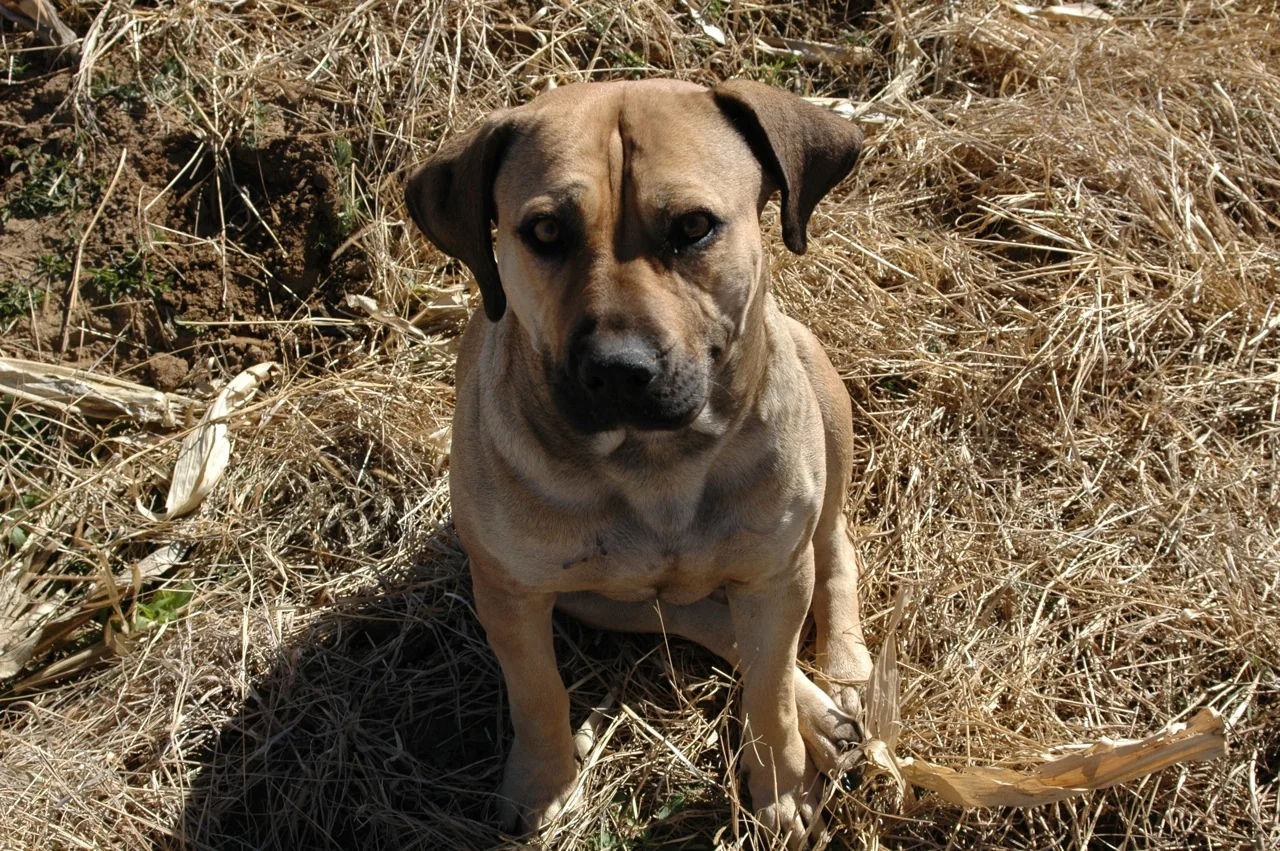
Large mastiff-type dogs have served as protectors on remote South African farms for generations, though many popular stories about their exact origins remain unverified tradition.

 Photograph