Long-distance dog rescues move animals from high-intake shelters to new homes, but careful selection, vaccination, and quarantine steps are essential to limit the spread of illnesses such as parvovirus and distemper.
British Transport Police Ford Transit Connect van for the Dog Section at Euston railway station, London (2009). Documentary photograph of a dog transport vehicle. John Bradley · CC BY-SA 3.0 · Web size optimized; source linked for the original.
Across the United States, transport programs move dogs from crowded southern shelters to regions with greater adopter demand. These efforts give many animals a chance at adoption instead of euthanasia. Yet moving dogs also carries risks of spreading infectious diseases that are more common in some source areas. Strategies such as vaccinating on intake, choosing animals carefully, and using quarantine can help reduce those risks. The evidence comes from shelter medicine guidance that emphasizes balancing lifesaving transport with practical biosecurity measures.
Why Transport Programs Matter
For many shelters, animal transport provides a release valve for overcrowded, high-intake facilities. This gives them time and space to develop longer-term strategies for their communities. High-intake shelters often face constant threats from infectious disease that may be endemic in the region. Transport is viewed as a short-term tool rather than a permanent fix.
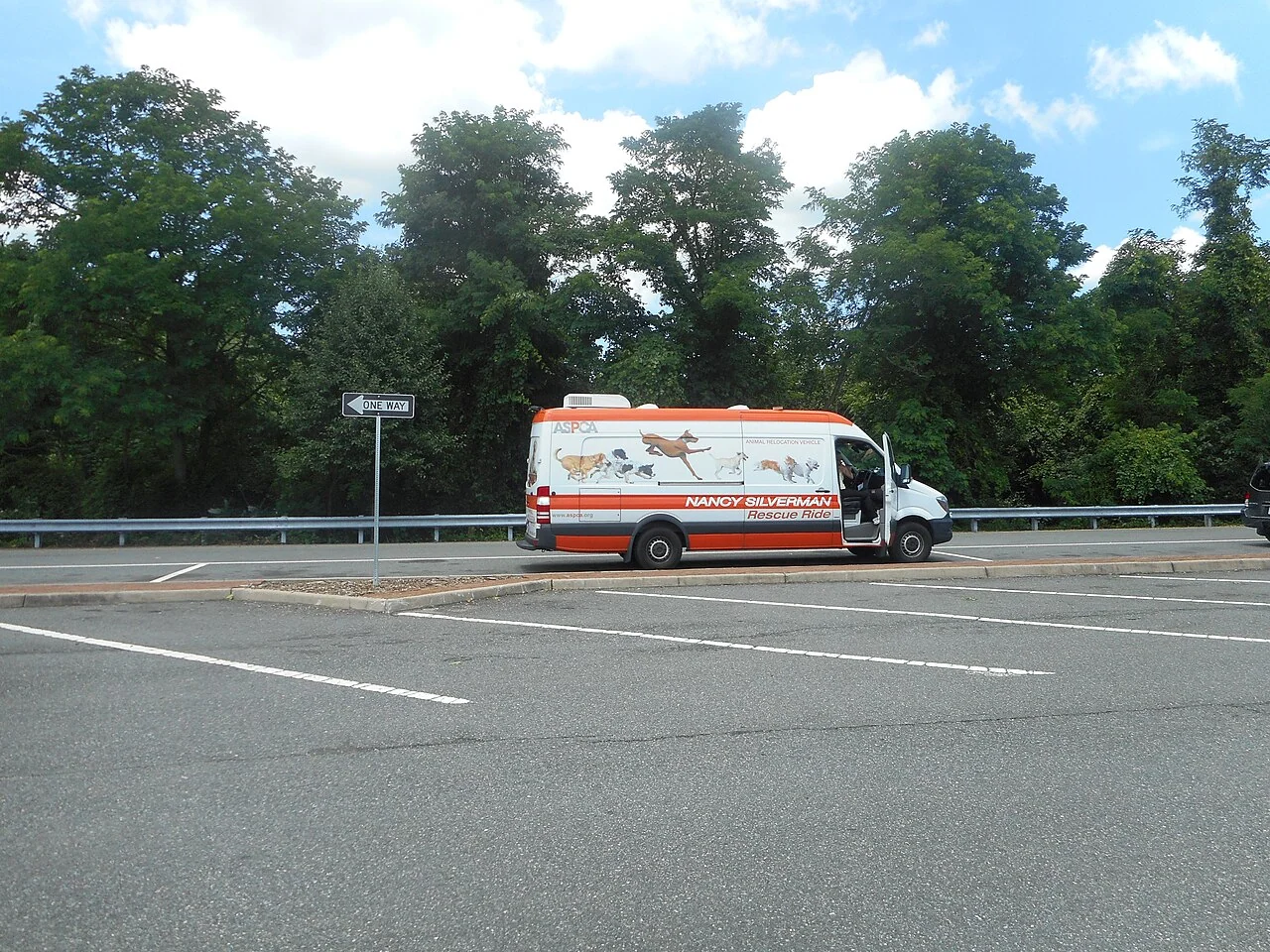
ASPCA Rescue Ride Mercedes-Benz Sprinter van at an Interstate 95 rest area in Virginia, used to transport dogs and cats from overcrowded shelters (2016). Documentary photograph. DanTD · CC BY-SA 4.0. Web size optimized; original linked.
Selecting Animals and Planning Before Transport
Careful selection of animals for transport can reduce the risk of disease spread. When possible, animals on a single transport vehicle should originate from a single source shelter. Smaller transports with fewer animals lower the chance that one sick dog will expose others, although larger loads may be chosen for economic reasons.
Quarantine in foster care before transport allows any previously exposed animals to show clinical signs so they can be held back. A 14-day foster quarantine is a common choice because it matches the usual incubation period for both distemper (around 14 days) and parvovirus (commonly seven days or less, but up to 14 days).
Vaccination using a modified live vaccine immediately upon intake, followed by a booster two weeks later, gives animals the best opportunity to develop immunity. Puppies cannot be considered reliably protected until after four to five months of age because of interference from maternal antibodies. Fast-tracking vulnerable animals out of the shelter through adoption or fostering also lowers their disease risk.
Practices During the Journey
Standard biosecurity steps on the transport vehicle help limit disease transmission. Hard-sided airline crates reduce airborne spread and contain urine or feces better than wire kennels. Covering crates with cloth sheets can further reduce airborne spread, provided ventilation remains adequate.
Stringent personal protective equipment protocols are recommended during loading, walking, and unloading, especially when animals from multiple shelters share a vehicle. After walks or overnight stays, dogs should return to the same kennel, or kennels must be thoroughly cleaned and disinfected before reuse.
Police dog transport trailer used for secure movement of working dogs. Stiopa · CC BY-SA 4.0. Web size optimized; original linked.
Steps After Arrival
Receiving organizations should be informed about the disease risks associated with the sending shelter. Common concerns from southern shelters include canine parvovirus, canine distemper, canine upper respiratory disease, and feline panleukopenia.
If animals were not quarantined in foster care before transport, receiving groups may place them in foster quarantine after arrival. Keeping new arrivals out of the main shelter building when possible avoids exposing the existing population. When quarantine in the building is necessary, the dogs should be housed together but separated from the general population, with continued use of personal protective equipment and limited movement.
Staff should be trained to watch for clinical signs of the diseases of concern. If infectious disease appears, communication with the sending shelter and other receiving partners is important so everyone can stay vigilant.
Partnerships That Improve Outcomes
One example describes a northern shelter that supplied vaccines to a southern partner so all incoming dogs and cats could be vaccinated on intake. The northern group also provided training and support for timely boosters. As a result, the health of animals at the southern shelter improved, fewer disease cases occurred, and more transport partners became willing to accept dogs.
Another shelter dealing with endemic distemper in its community uses foster quarantine for two weeks before transport for risk-averse partners. In some cases it runs distemper testing before departure when the receiving group covers the cost. These extra steps do not eliminate risk entirely because incubation periods are long and exposure can occur after testing, but each added measure decreases the overall chance of transmission.
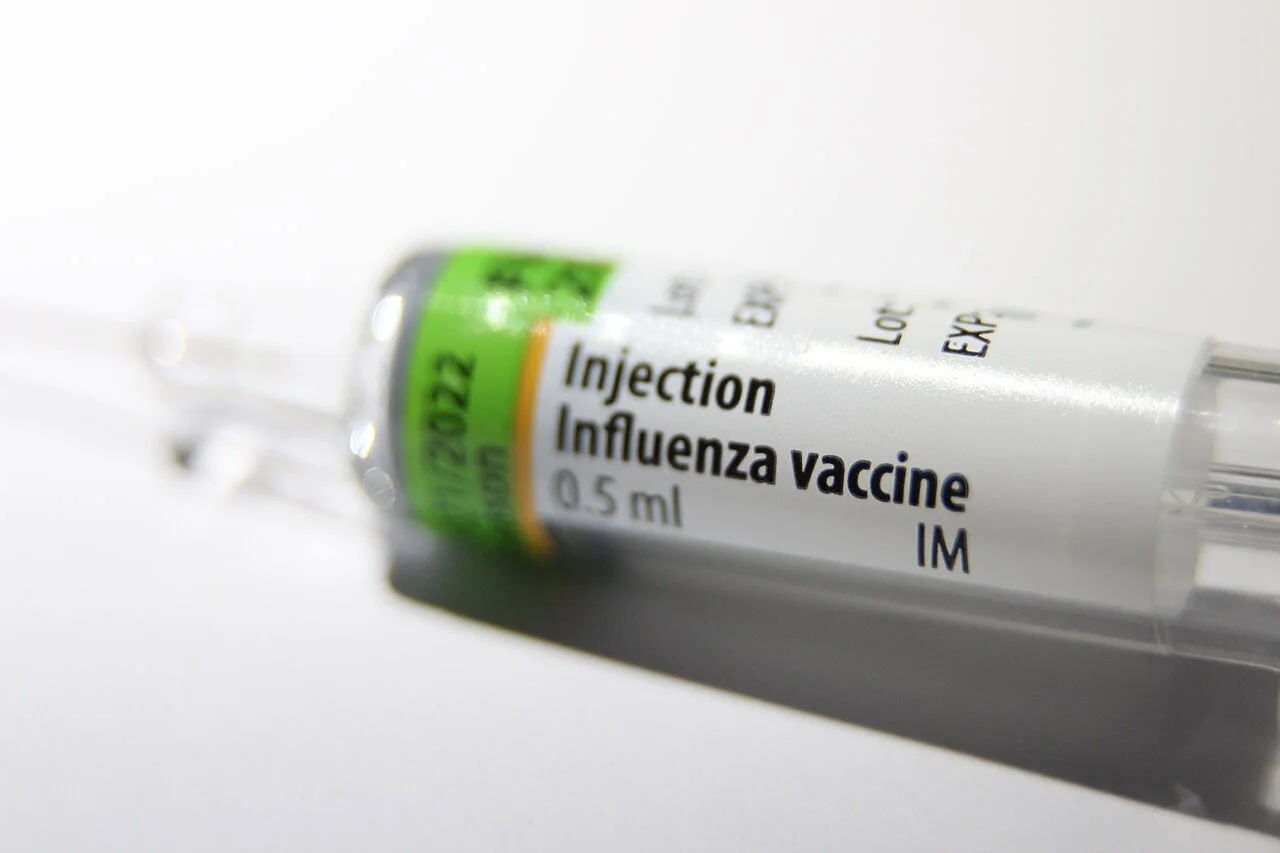
Influenza vaccine vial, representing vaccination supplies provided in shelter partnerships. Pete from Liverpool, UK · CC0 1.0. Web size optimized; original linked.
AI-assisted original writing. This feature was revised against source material and checked for unsupported claims. Follow the references below for evidence and its limits.


 Historical collection image