Preserving Pariah Dogs in Israel's Desert Landscapes
Wild and semi-wild dogs connected to ancient Middle Eastern herding traditions continue to appear in the Negev, where conservationists work to maintain their natural traits amid modern pressures.
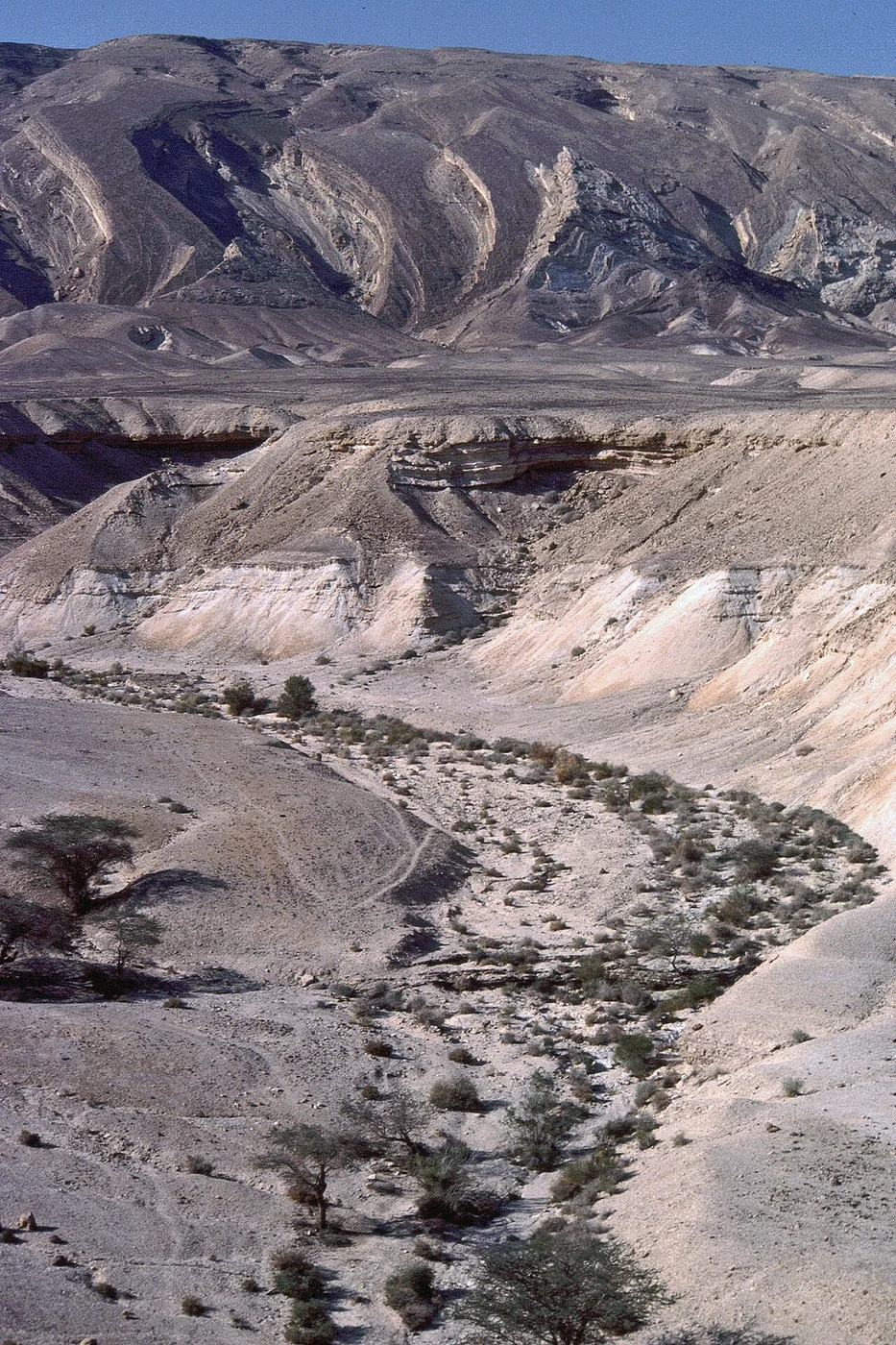
Negev Desert landscape, Israel, 1980 Rosewoman · CC BY 2.0 · Web size optimized; source linked for the original.
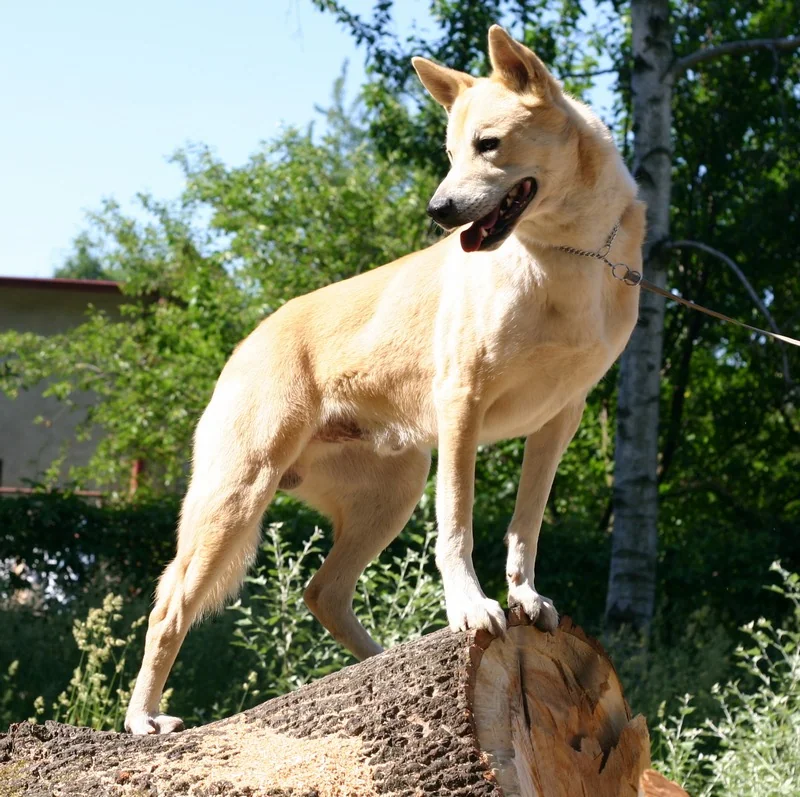
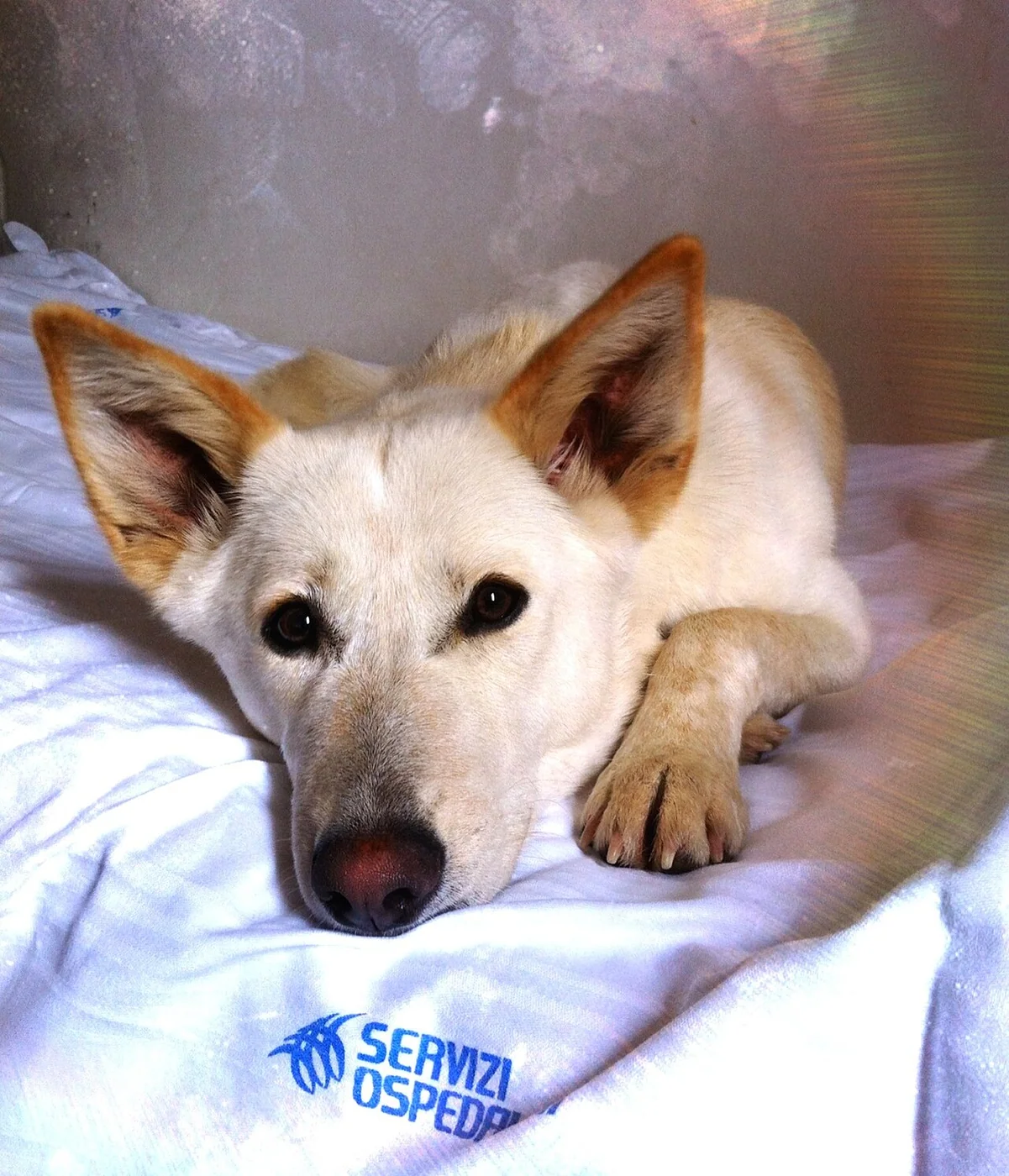
In the arid expanses of Israel's Negev Desert, certain dogs have long lived on the edges of human settlements. These pariah-type dogs, sometimes associated with Bedouin communities, have drawn attention from breeders aiming to keep their hardy, undomesticated qualities intact. While popular narratives speak of deep biblical roots, the available evidence points to a more interpretive picture grounded in regional wildlife patterns and ongoing efforts to incorporate new desert and herding stock. The work highlights both the practical challenges of conservation and the cultural threads that tie people to these adaptable animals. This piece explores what is known from available accounts, what remains uncertain, and what questions arise for those interested in animal heritage and habitat protection.
The Negev as a Wildlife Reservoir
The Negev Desert has functioned as a natural refuge for various forms of Israeli wildlife, including dogs that retreated there and stayed largely undomesticated after earlier periods. These animals have persisted in the landscape, sometimes living alongside Bedouin groups where they help guard herds and camps. Such patterns illustrate how certain canine populations have maintained a semi-wild existence even as surrounding areas changed. Conservation-minded individuals have looked to this region as a source for dogs displaying traits considered characteristic of the type.
Accounts note that the desert environment helped these dogs remain relatively free from heavy human influence for extended stretches of time. This setting supported their survival as independent foragers and guardians. Yet the same harsh conditions also limit numbers and make encounters less frequent. The interplay between habitat and animal behavior offers a window into how wildlife adapts, raising practical questions about how best to observe and support such populations without disrupting their natural ways. Light-hearted observation might compare them to resourceful desert survivors who know exactly where the next shady spot or meal might appear, without pretending their lives are easy.
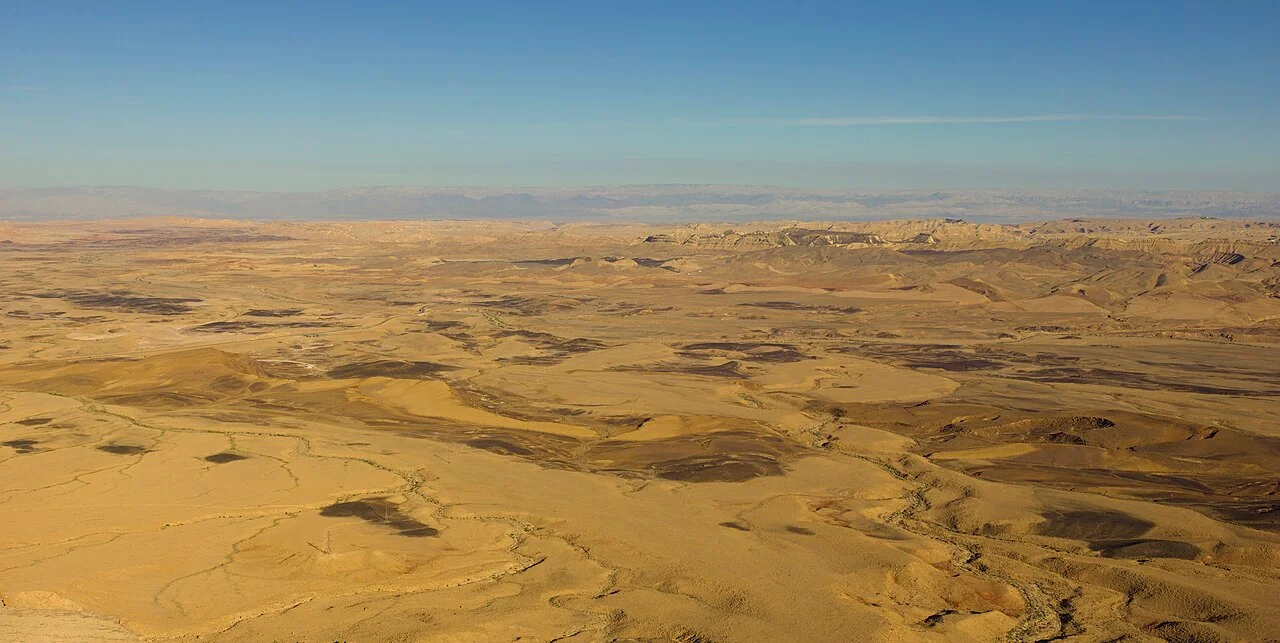
Aerial view of Makhtesh Ramon in the Negev Desert, Israel, 2013. Godot13 · CC BY-SA 4.0. Web size optimized; original linked.
Bedouin Connections and Herding Roles
Some of these dogs have lived with Bedouin communities, contributing to the protection of livestock and temporary camps. This relationship reflects a long-standing partnership in which the dogs provide alert guardianship in exchange for occasional food and tolerance. The arrangement appears pragmatic rather than highly formalized, allowing the animals to retain much of their independent character. Such roles tie the dogs to human cultural practices that have endured across generations in the region.
Preservation efforts have included seeking out dogs from these Bedouin lines to broaden genetic diversity in managed groups. The goal is to keep the animals' innate alertness and resilience. However, the evidence indicates that locating suitable new individuals is becoming more difficult over time. This trend prompts reflection on shifting land use, declining traditional herding, and the implications for both cultural heritage and canine welfare. Readers might ask how modern development affects these quiet working relationships and whether alternative models could sustain them.
Breeding Efforts and Introduction of New Bloodlines
Breeders based in Israel have actively brought in dogs from wild or Bedouin sources whenever feasible, aiming to preserve traits such as hardiness and natural instincts. This approach emphasizes maintaining the animals' original characteristics rather than selecting solely for appearance. The late Dr. D'vora Ben-Shaul, who served as chief biologist for the Israel Nature Reserves Authority, collaborated on these initiatives alongside Myrna Shiboleth. Their work focused on incorporating desert and herding stock into breeding groups.
Despite these steps, the process faces growing obstacles. The evidence explicitly notes that finding wild-born or suitably representative dogs has become harder. This reality underscores limitations in the conservation strategy and highlights the importance of careful, ethical sourcing. Editorial analysis suggests that such programs walk a line between honoring heritage and risking over-management of animals that thrive best with minimal interference. A useful question for consideration is whether intensified breeding could inadvertently reduce the very independence these dogs are valued for, or if thoughtful integration might instead help ensure their future in protected landscapes.
The dogs in question display traits shaped by their environment, including keen senses and self-reliance. Efforts to retain these qualities rely on periodic addition of new blood from the wild or traditional settings. As those sources dwindle, breeders must weigh the benefits of captive propagation against the risk of losing edge-of-wild behaviors. The evidence presents this as an ongoing tension rather than a resolved success.
From an editorial perspective, the situation invites thoughtful discussion about what "preservation" truly means. Is the aim to freeze a snapshot of the past, or to allow continued adaptation within safeguarded habitats? Light humor surfaces when imagining these savvy dogs rolling their eyes at human attempts to "help" them stay wild, yet the underlying animal welfare concern is serious. Conservation should prioritize the dogs' well-being over romanticized notions. Implications include the need for transparent monitoring of health, behavior, and genetic diversity, alongside broader habitat protection that benefits multiple species sharing the Negev.
Interpretive History and Forward-Looking Questions
References to ancient continuity often draw from drawings, carvings, and regional lore, yet these connections are described as interpretive rather than definitive. The dogs' presence in the Negev offers a living link to older Middle Eastern canine types, but precise historical claims remain open to scholarly debate. This interpretive quality encourages humility in how we frame their story, avoiding overstatement while appreciating the cultural resonance.
Looking ahead, several practical questions emerge. How can nature reserves best accommodate these dogs without turning them into managed exhibits? What balance might be struck between cultural respect for Bedouin traditions and ecological priorities? Satire might invent a fictional scenario in which a clever pariah dog attends a committee meeting to argue for fewer fences and more rabbits, explicitly labeled as humorous invention with no basis in real events. Such playful framing reminds us not to take ourselves too seriously while still grappling with genuine conservation dilemmas. Ultimately, the evidence supports cautious optimism grounded in continued collaboration between biologists, breeders, and local communities, always with animal welfare at the forefront.
AI-assisted original writing. This feature was revised against source material and checked for unsupported claims. Follow the references below for evidence and its limits.
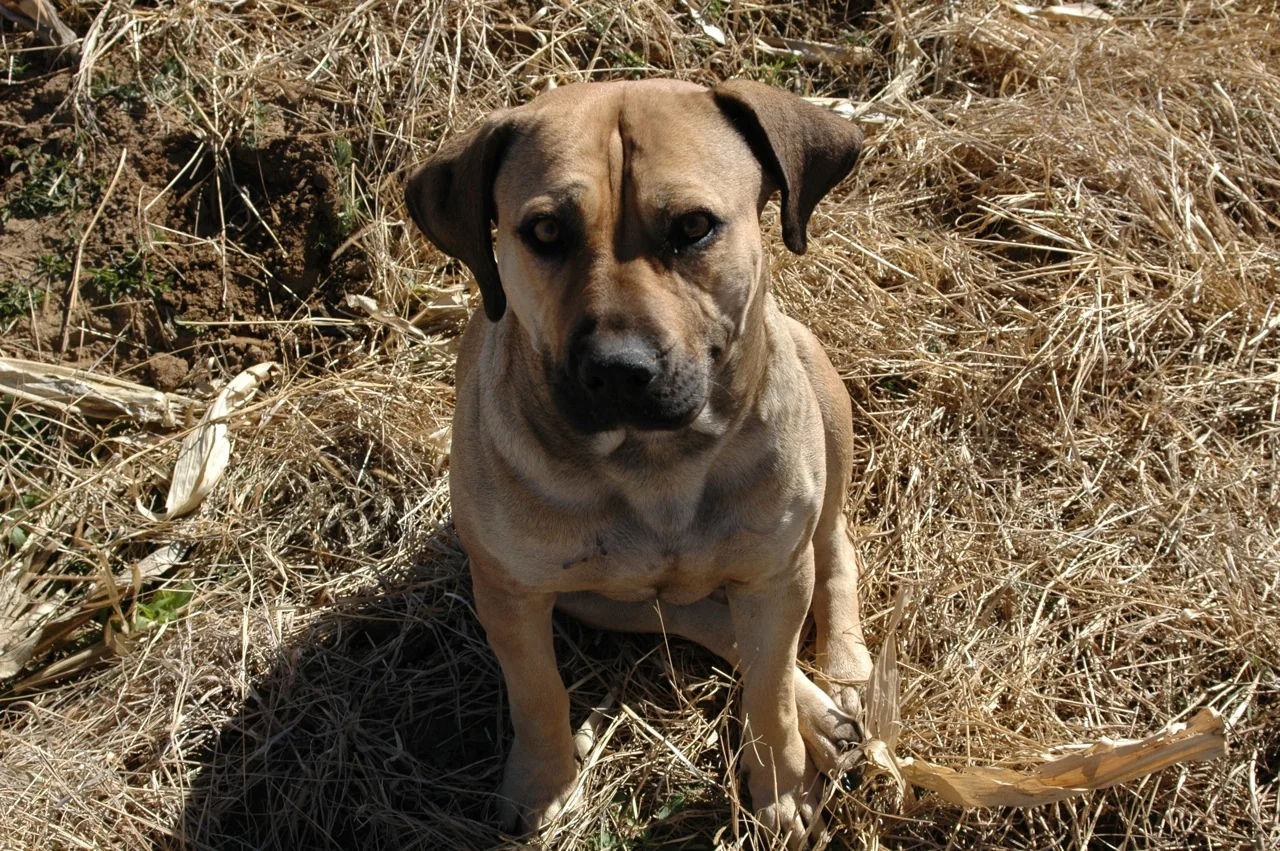
Large mastiff-type dogs have served as protectors on remote South African farms for generations, though many popular stories about their exact origins remain unverified tradition.
 Photograph