Livestock Guarding Dogs and the Transhumance Tradition in Georgia’s Greater Caucasus
Georgian shepherds and their dogs follow ancient seasonal movements between high mountain meadows and lowland valleys, with the dogs helping protect flocks from threats during the cycle.
In the rugged landscapes of Georgia, herders have long moved their livestock with the seasons. This transhumance practice sees flocks travel from lowland winter pastures to high summer meadows in the Greater Caucasus Mountains. Livestock guarding dogs play a key role alongside the shepherds, offering protection in remote areas where predators may roam. While direct observations on the highest summer pastures are limited, available accounts describe the dogs as valued companions throughout the annual cycle. The following sections explore the traditions, the dogs involved, the challenges of the journey, and what this means for modern herding.
The Ancient Rhythm of Seasonal Herding
Tushetian pastoralists in eastern Georgia have practiced transhumance for centuries. Each year, they move their flocks of sheep, goats, and cattle between the alpine highlands of the Greater Caucasus in summer and various lowland areas in winter. In winter, when deep snow makes the high-altitude pastures inaccessible, many herders now take their animals to the semi-arid grasslands of Vashlovani, which borders Azerbaijan. This shift reflects both tradition and adaptation to the harsh mountain climate.
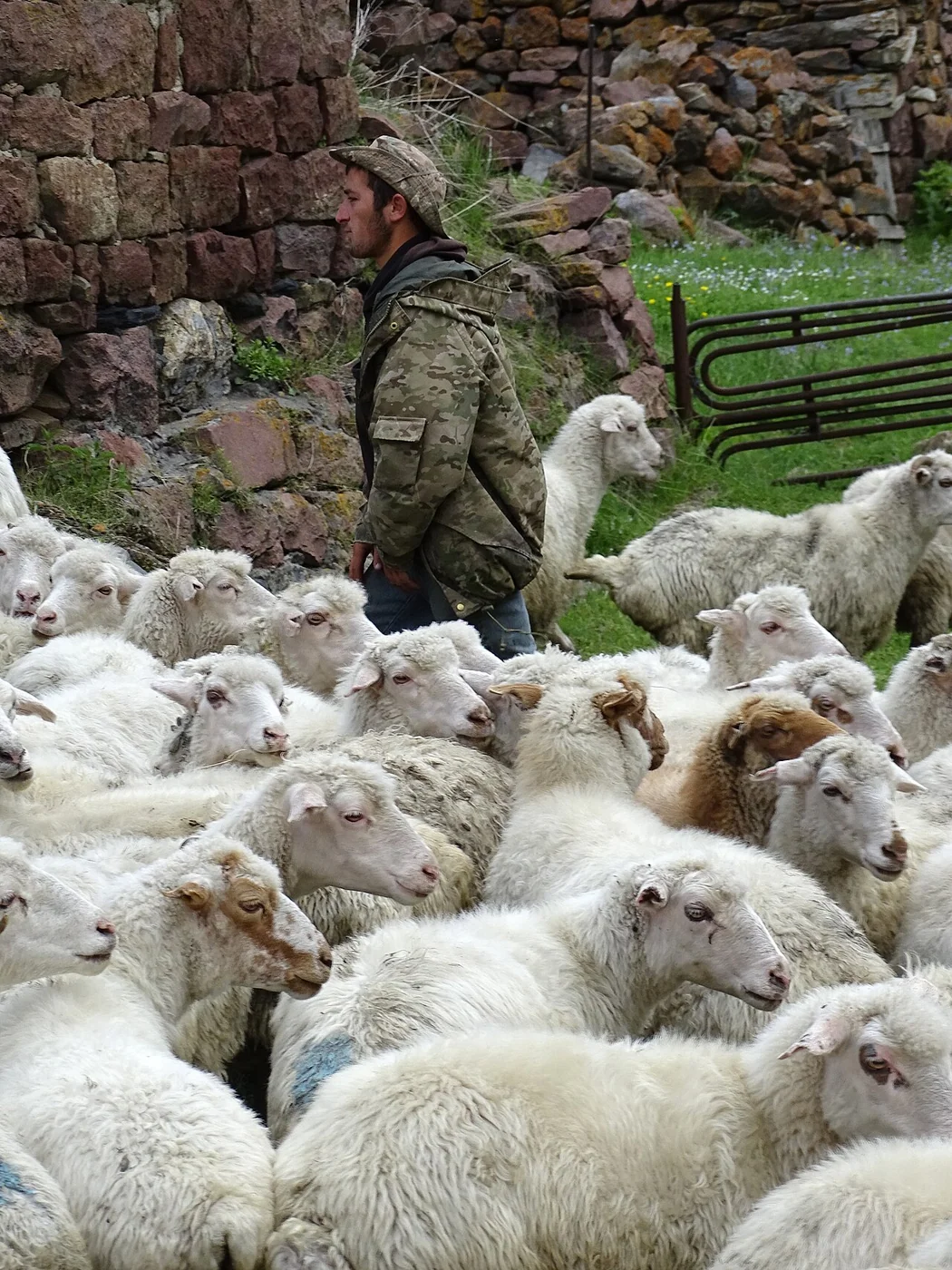
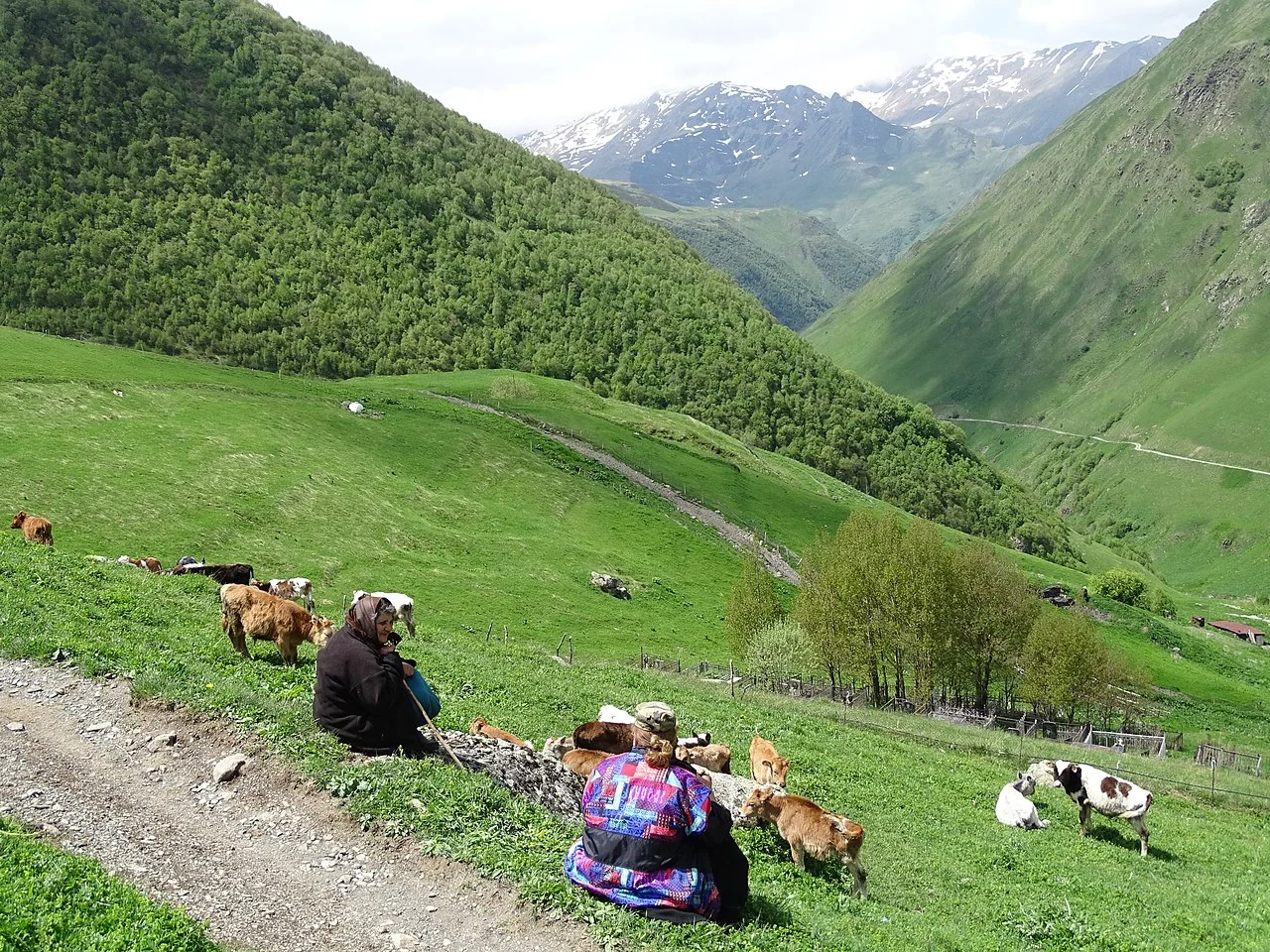
The journey is no small feat. Shepherds spend about seven or eight months in lowland valleys such as Alvani before undertaking a challenging spring trek upward. The final leg involves a steep climb to high pastures near villages like Vestomta in Tusheti. These movements are not just about finding fresh grass; they represent a way of life tied to the land and its rhythms. Photographic records show shepherds and their animals navigating perilous mountain paths, highlighting the physical demands and the deep cultural roots of the practice.
Herdenschutzhund, aufgenommen am Kreuzpass in Georgien. Giftzwerg 88 · CC BY-SA 3.0. Web size optimized; original linked.
The Role of Livestock Guarding Dogs
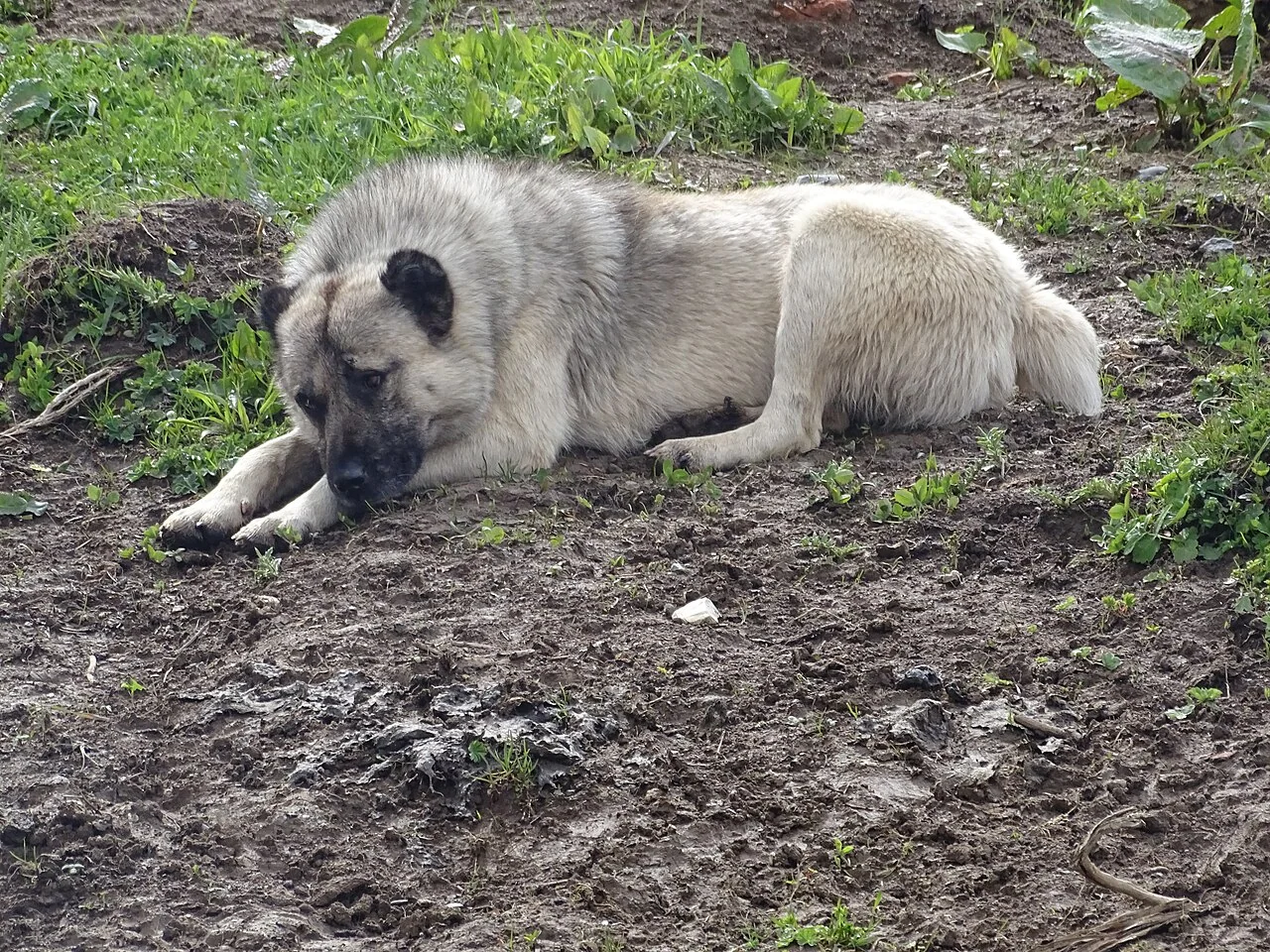
Livestock guarding dogs are a longstanding part of these herding traditions. Breeds such as the Georgian Mountain Dog, also known as the Kartuli Nagazi or Georgian Shepherd, are described as large and robust animals. According to breed standards recognized by the Cynological Federation of Georgia, males stand at least 65 cm at the shoulder and females at least 60 cm. The dogs are valued for their protective instincts, helping to watch over flocks in remote pastures where human presence alone may not deter threats.
In studied communities, these dogs were present at every farm, with an average of nearly eight per holding. While most data comes from winter grazing areas in the lowlands of Vashlovani, herders report relying on the dogs year-round. The animals are said to integrate into daily routines, offering a layer of security during both the migration and the months spent on pasture. Their presence underscores a practical partnership between people and dogs shaped by the demands of mountain life.
Challenges of the Mountain Migration
The annual trek is often described as treacherous. Shepherds must guide their flocks along narrow, steep trails in the Caucasus, where weather can change rapidly and the terrain poses constant risks. Spring journeys upward are particularly demanding, with flocks eventually reaching high summer pastures after a multi-stage climb. Accounts from those who have followed Tushetian families illustrate the physical and logistical difficulties involved in maintaining this cycle.
Once in the highlands, the dogs and shepherds face isolation and exposure to potential predators. Although specific high-altitude behaviors of the dogs are not detailed in depth, their role in flock protection is noted across the full seasonal route. The combination of rugged geography, variable conditions, and the need for constant vigilance makes the transhumance a test of endurance for both humans and animals. These challenges have persisted for generations, even as some aspects of the practice evolve.
Observations and Limitations in Available Accounts
Much of what is known about the dogs comes from research focused on winter lowland contexts rather than direct, extended observation on the high summer pastures. One study gathered information primarily from Vashlovani grazing areas and from conversations with farmers, noting that high-altitude winter snow prevents access to the Caucasus meadows. This means some details about the dogs’ summer routines rely on reports rather than firsthand high-mountain data.
Journalistic coverage, such as a 2021 National Geographic piece, provides vivid descriptions and images of the spring migration and summer grazing near Vestomta. It confirms that dogs travel with the flocks and participate in the cycle, yet it does not offer systematic measurements of their behavior at altitude. Readers might ask: How do environmental pressures at different elevations shape the dogs’ effectiveness? And what gaps remain in our understanding of their welfare during the most remote phases of the journey? These questions highlight the value of further field study while appreciating the existing evidence.
Implications for Herding, Conservation, and Culture
The continued use of livestock guarding dogs within transhumance offers practical benefits for reducing conflict with wild carnivores, though specific loss-prevention figures are not detailed here. By relying on these dogs, herders maintain a traditional, non-lethal approach to protecting their livelihoods. This has potential relevance for broader carnivore conservation efforts in the Caucasus, where balancing human needs and wildlife protection remains an ongoing discussion.
Culturally, the dogs and the seasonal movements are intertwined with Tushetian identity. As modern pressures such as changing land use or economic shifts appear, the tradition faces questions about sustainability. What steps might help ensure both the dogs’ well-being and the viability of high-pasture herding? Editorial analysis suggests that supporting herder communities and improving understanding of the dogs’ roles could strengthen this ancient practice. Light-hearted observations note that these sturdy canines seem unfazed by the dramatic scenery—though of course their real work is serious business. For those interested in animal welfare and cultural preservation, the Georgian example invites thoughtful reflection on how humans, dogs, and landscapes coexist.
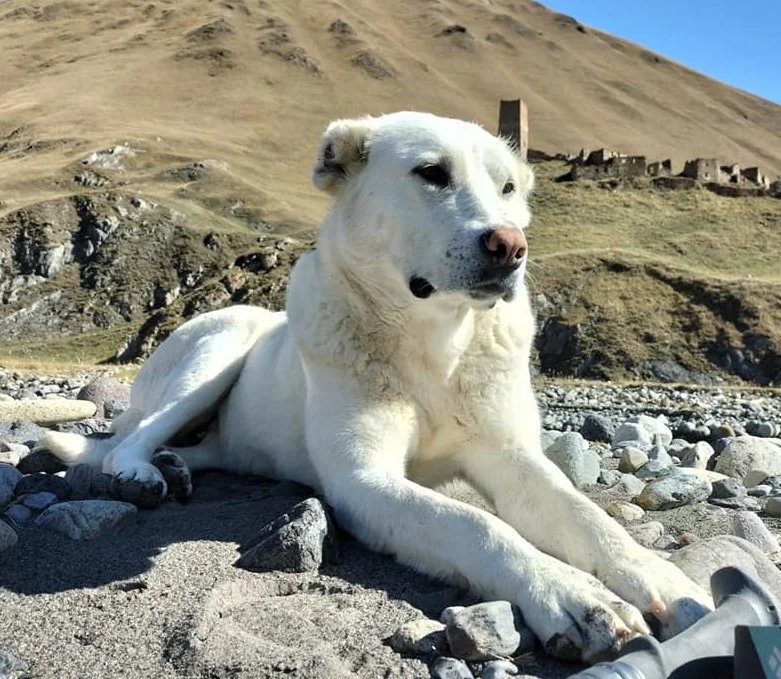
Livestock guarding dog in the Greater Caucasus Giorgi Balakhadze · CC0 1.0. Web size optimized; original linked.
AI-assisted original writing. This feature was revised against source material and checked for unsupported claims. Follow the references below for evidence and its limits.
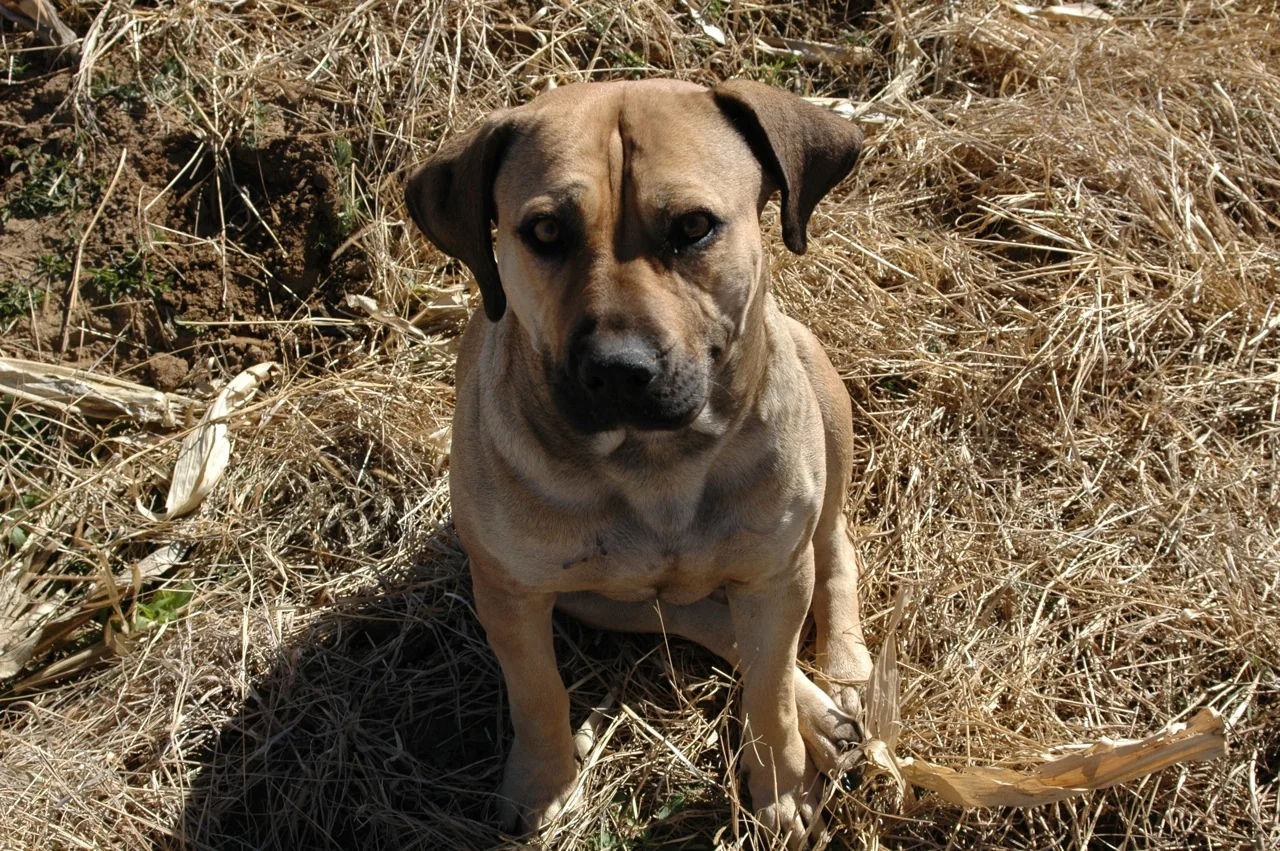
Large mastiff-type dogs have served as protectors on remote South African farms for generations, though many popular stories about their exact origins remain unverified tradition.
 Photograph