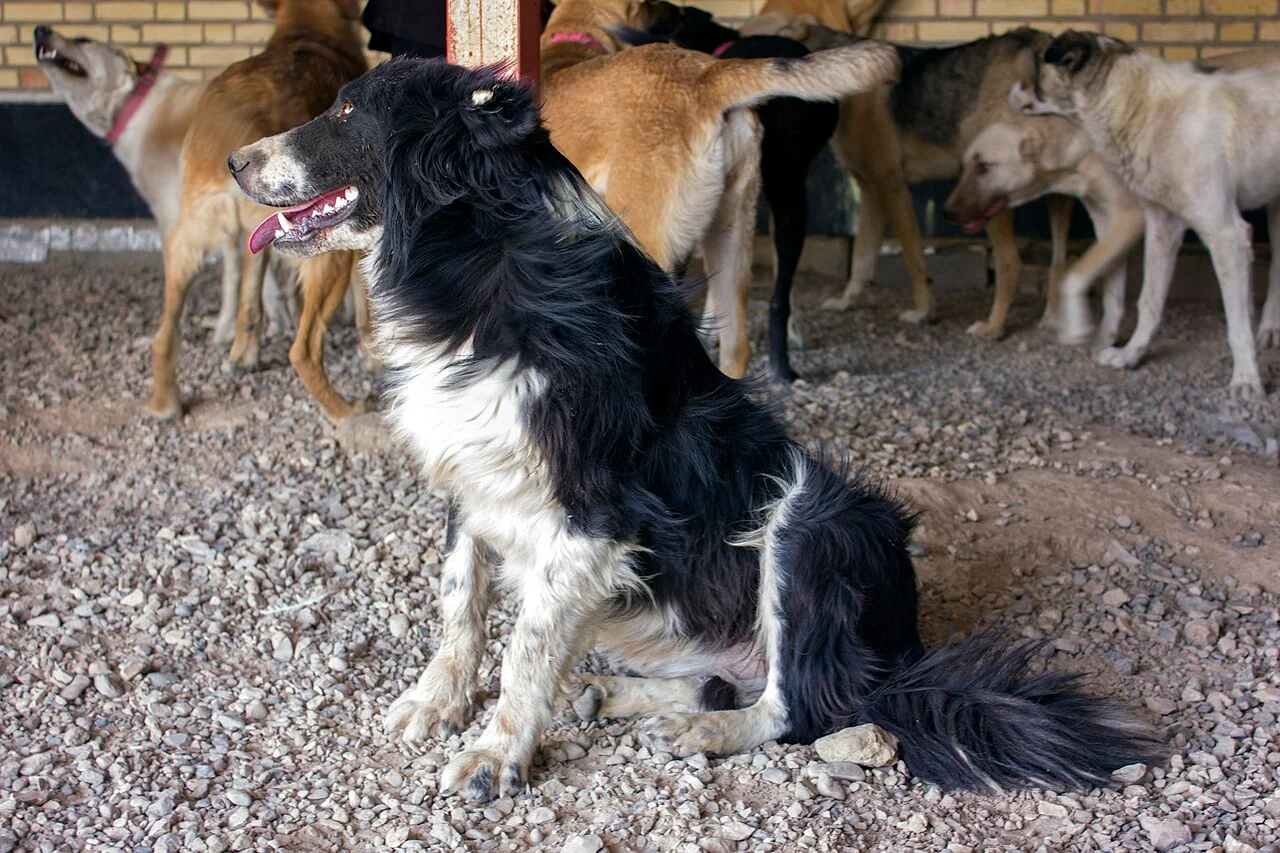
Dogs at Vafa Animal Shelter in Ghazvin, Iran Mahdikarimi70 · CC BY-SA 4.0 · Web size optimized; source linked for the original.
Veterinary costs have become a major factor in whether people decide to bring a shelter animal into their home. A recent industry report finds that 64 percent of Americans say these expenses influence their adoption choices. At the same time, shelters continue to manage more animals overall despite lower intake numbers in recent years. This combination creates real pressure on rescue organizations trying to keep animals healthy while making adoptions accessible. The evidence comes from consumer surveys and economic modeling rather than direct measurements of shelter budgets, so interpretations must stay cautious. Still, the patterns point to difficult trade-offs that affect both animals and the people who want to adopt them.
What the Surveys Reveal About Adopter Concerns
The 2025 Hill’s State of Shelter Pet Adoption Report surveyed 2,500 current and prospective pet owners. It found veterinary care ranked as the top expense worry across all age groups, with 64 percent saying these costs directly affect their decision to adopt. Overall pet ownership expenses concerned 48 percent, and 32 percent pointed to initial adoption fees as a barrier. These self-reported perceptions highlight how financial anxiety can discourage people from choosing a shelter pet even when they feel drawn to rescue animals.
The same report notes this is the fifth consecutive year of declining shelter adoptions amid such financial concerns. While the data reflect opinions rather than actual spending records, they suggest that many families weigh medical costs heavily before committing. Shelters may therefore need creative ways to address these fears without compromising animal health. A light-hearted way to think about it: potential adopters are not just imagining future vet bills; they are doing the mental math on everything from vaccinations to unexpected emergencies, sometimes before they even meet the dog or cat.
Families interacting with kittens during a shelter adoption event at Camp Pendleton Animal Shelter, 2014. A real photo of people considering shelter animals in an adoption setting. Sgt. Valerie Eppler · Public domain. Web size optimized; original linked.
Shelter Population Trends and Their Pressures
According to data cited in the Hill’s report from Shelter Animals Count, the total shelter population grew by 103,000 animals in 2024 even though intake decreased 11 percent since 2019. This means shelters are housing more animals for longer periods. Longer stays naturally raise the cost of food, housing, and medical care, stretching every donated dollar further.
These trends create a feedback loop. More animals in the system require more resources, yet fewer adoptions make it harder to free up space and funding. The report frames this as a challenge tied to broader economic worries among the public. Editorial analysis suggests shelters might benefit from transparent communication about their care standards to help adopters see the value behind any fees. One useful question for readers: if you hesitate over possible future vet bills, how might shelters better demonstrate the preventive care already provided before adoption?
Modeling the Effects of Changing Adoption Fees
A 2014 study in Preventive Veterinary Medicine used a stochastic simulation model of a hypothetical U.S. animal shelter to test different fee and fundraising approaches. The authors—E. Lord, N. Olynk Widmar, and A. Litster—found that decreasing or waiving adoption fees tended to increase total costs. This happened mainly because more animals stayed in the shelter longer, raising housing and care expenses. The effect grew especially strong when adoptions were free.
The model also showed that simply increasing the number of animals without boosting fees or donations caused costs to rise faster than revenues. Increasing fees, on the other hand, was associated with fewer adoptions in the scenarios tested. These results come from assumed parameters rather than real shelter records, so they illustrate possibilities rather than predict exact outcomes. The implication is that rescue groups must balance accessibility with financial sustainability. A gentle satirical scenario: imagine a shelter that tried free adoptions only to discover the cats had formed a union demanding better kibble budgets—pure fiction, of course, but it underscores the real resource squeeze.
Implications for Rescue Organizations and Animal Welfare
Rescue groups face the dual task of maintaining high standards of care while keeping animals adoptable. When veterinary costs rise in the wider world, shelters feel it indirectly through both their own expenses and reduced adopter interest. The evidence does not quantify exact shelter operational cost increases, but the modeled scenarios and survey perceptions together suggest that stretching donations becomes more difficult with larger populations.
Useful implications include exploring partnerships that help offset preventive care or offering clear explanations of what medical services are included in an adoption. Reading question: how might potential adopters and shelters work together to reduce long-term cost worries—perhaps through education on common health needs? Light humor aside, no one wants to see healthy animals linger in shelters simply because families fear the price tag of a future ear infection or dental cleaning. The evidence supports focusing on practical steps that align financial realities with compassionate outcomes.
Reading Questions and Practical Considerations for Adopters
Prospective adopters might ask themselves: am I prepared for routine and emergency veterinary expenses, and have I researched low-cost care options in my area? The Hill’s survey suggests many people already ponder these points. Shelters could respond by providing resources that address these very concerns rather than simply lowering fees, which the modeling indicates can sometimes backfire by increasing overall costs.
Another angle involves community fundraising and transparency. If donations and grants can cover more preventive medicine, adoption fees might stay reasonable without compromising care. Editorial analysis: the gap between public perception of costs and actual shelter operations remains an uncertainty, since the data are either self-reported or hypothetical. Still, the patterns invite shelters to innovate—perhaps through foster programs that shift some daily costs to volunteers. Ultimately, the goal remains finding loving homes while ensuring animals receive necessary veterinary attention. The evidence reminds us that good intentions must meet financial practicality.
Fostering paperwork and forms displayed with Scrabble tiles spelling 'Fostering Paperwork'. Real documentary photo of administrative documents related to animal fostering and adoption processes. perpetual.fostering · CC BY 2.0. Web size optimized; original linked.
AI-assisted original writing. This feature was revised against source material and checked for unsupported claims. Follow the references below for evidence and its limits.


 Historical collection image